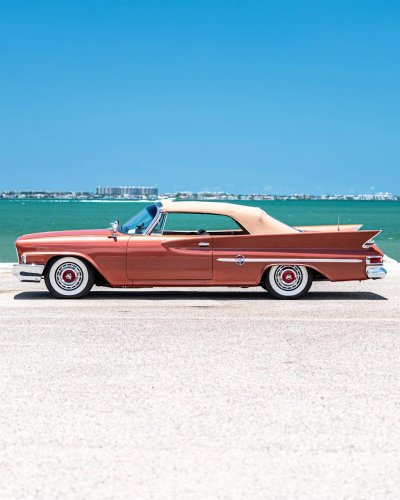
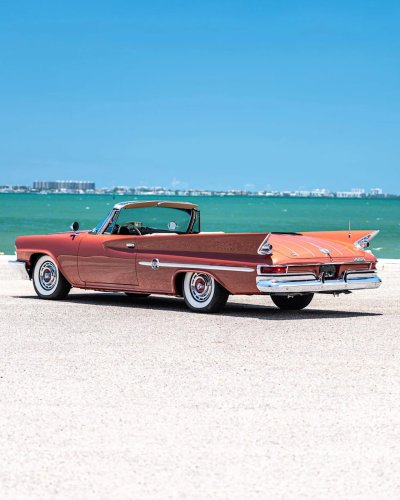
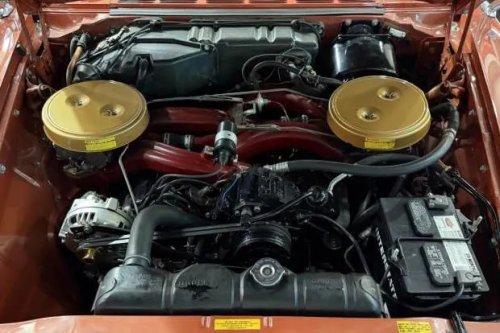
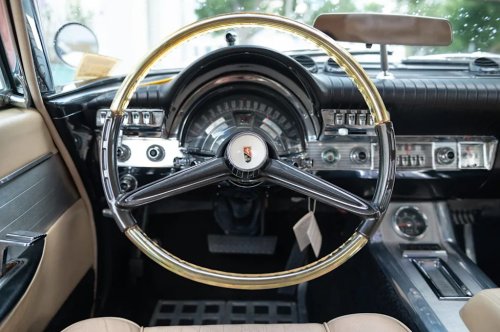
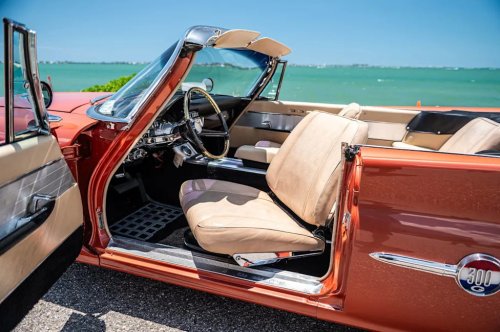
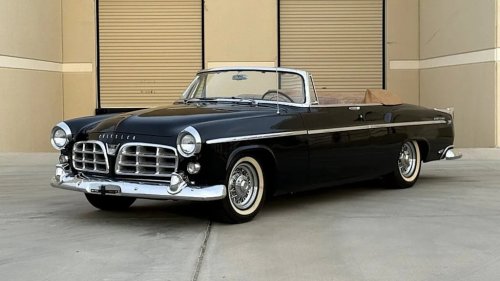
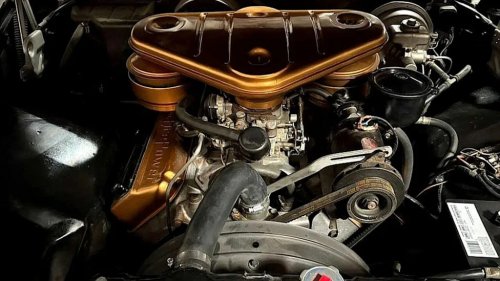
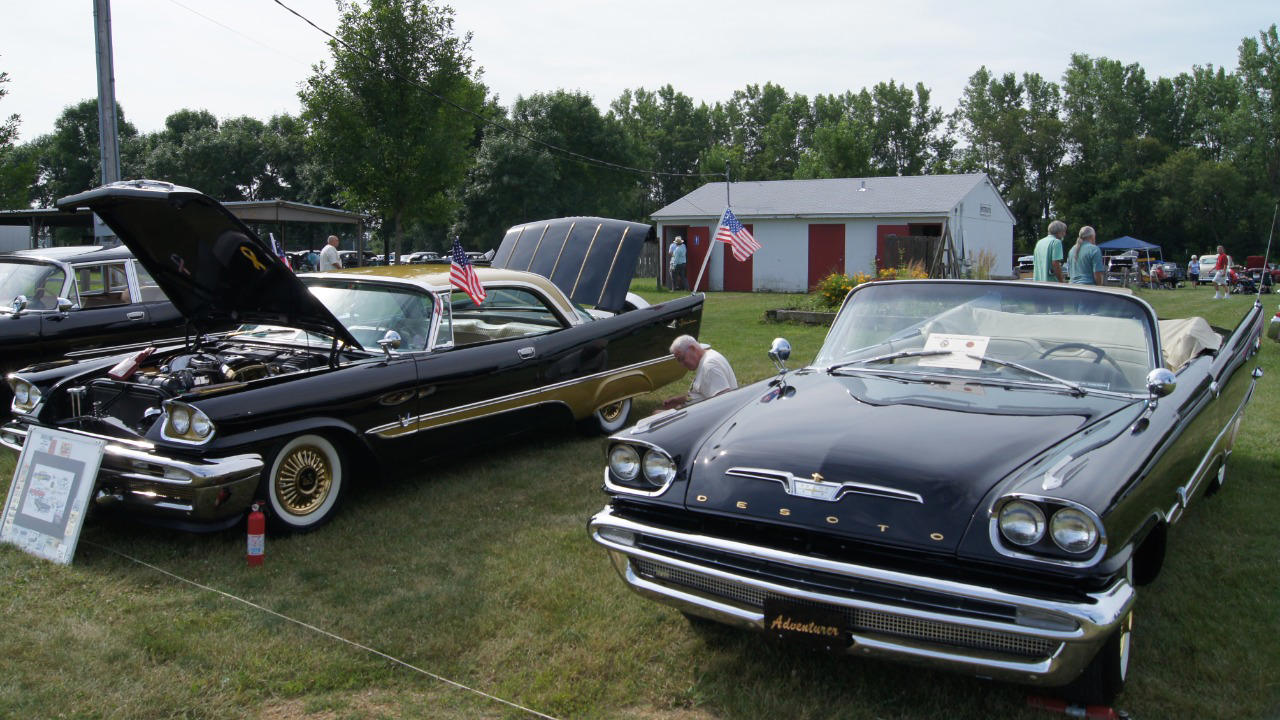
When the 1957 DeSoto Adventurer pushed Chrysler performanceThe 1957 DeSoto Adventurer arrived at a moment when Chrysler Corporation was racing to define American performance and style. With a limited-production, high-compression V8 and dramatic bodywork, it became the sharpest expression of Chrysler engineering in the late 1950s. In a single model year, the Adventurer pushed DeSoto to its technical peak and helped set the tone for performance luxury across the corporation. From nameplate to flagship performance DeSoto had built a reputation over decades, from the DeSoto Six onward, as a brand that could mix value with flair. By the mid 1950s, Chrysler Corporation wanted something more focused and aspirational, and the Adventurer nameplate became the vehicle for that ambition. Later commentary describes how the Adventurer line was known for performance, style, and exclusivity, competing directly with other premium American offerings. Within that context, the 1957 model year stood apart. One account calls the 1957 DeSoto Adventurer one of the finest automobiles the company ever built, placing it alongside earlier successes such as the DeSoto Six and other respected nameplates under the DeSoto banner from 1928 until the brand’s dissolution in 1961. The Adventurer of that year was not simply another trim level but a concentrated statement of what DeSoto engineering and Chrysler Corporation resources could deliver when aimed squarely at performance. “Forward look” styling with a harder edge The Adventurer shared the basic Virgil Exner body architecture that defined Chrysler’s so‑called Xner era, but it wore the look with extra drama. Contemporary descriptions highlight massive tailfins, sweeping side panels, and a low, poised stance that gave the car a sense of motion even at rest. One detailed retrospective describes the 1957 DeSoto Adventurer Convertible as a spectacular car defined by its massive tailfins and showy presence, and refers to the Adventurer Convertible as the pinnacle of luxury and performance for DeSoto in the late 1950s. Color and trim strategy reinforced that message. The 1957 DeSoto Adventurer Convertible was offered exclusively in black or white with contrasting Adventurer Gold accents, a combination that turned the car into a rolling piece of jewelry. Those Adventurer Gold appointments picked out the side sweeps, wheel covers, and interior details, making the car instantly recognizable even among the crowded fins and chrome of late fifties boulevards. A 345-horsepower statement under the hood Styling alone would not have justified the Adventurer’s position at the top of the DeSoto hierarchy. The real provocation came from its engine. A detailed fact sheet notes that the 1957 DeSoto Adventurer had 345 advertised horsepower, and that this figure represented 1 HP per CID as its normal engine, not an extra cost option. That combination of 345 horsepower and equal cubic inches of displacement, expressed as 1 HP per CID, put the Adventurer squarely into the upper tier of American performance cars of its day. Contemporary observers often group the Adventurer with Chrysler’s letter series cars for this reason. One comparison notes that the 1957 Chrysler 300C and the 1957 DeSoto Adventurer were two high-performance luxury coupes from Chrysler Corporation that embodied a blend of power and show-stopping presence. In that framing, the Chrysler 300C and the C-Class appear as siblings, sharing corporate engineering but appealing to slightly different buyers. Chrysler engineering, DeSoto character Chrysler Corporation did not reserve its most advanced hardware solely for the flagship Chrysler brand. The 1957 DeSoto line, including the Adventurer, showcased innovations such as a push-button-operated automatic transmission and a new torsion bar front suspension. One detailed overview of the 1957 DeSoto lists a push-button transmission as a futuristic, space-age innovation and highlights Torsion Aire Suspension as Chrysler’s new front suspension system, both presented as part of a package that marked a high point for the brand. These Features gave the Adventurer modern road manners to match its straight-line pace. Video walkarounds of surviving cars help confirm how this technology translated to the street. One detailed tour of a 1957 DeSoto Adventurer Convertible, posted in Jul, spends time on the dashboard push button gear selector and the low-level stance that Torsion Aire Suspension made possible. The presenter in that Jul video emphasizes how the car still feels composed decades later, a testament to the original engineering. Production numbers and rarity For all its visual drama and mechanical sophistication, the Adventurer remained a rare sight. One historical summary notes that 3,069 Adventurer hardtops and 195 convertibles were built between 1956 and 1958, using the phrasing 3,069 between 195 and grouping the model’s production into a concise figure. That same source presents the 1957 De SOTO ADVENTURER as a car with Muscle and fins, a combination that captured the performance-oriented mood of the late fifties. The phrasing from Aug that references SOTO, ADVENTURER, Muscle, and How speaks to the way enthusiasts still frame the car’s identity. Another institution that curates surviving examples provides more granular figures for the 1957 model year. According to that account, DeSoto produced a total of 1,950 Adventurer cars in 1957, but only 300 of them were convertibles. The organization describes how The Adventurer was offered in just two color combinations, white with gold accents or black with gold accents, which magnified the sense of exclusivity. On the road and on screen Surviving Adventurers continue to attract attention not only at concours fields but also in enthusiast media. A detailed video tour of a 1957 Desoto Adventurer Convertible, introduced with a casual greeting and a reference to a road trip, underscores how rare the model remains. The host describes the 1957 Dodto convertible as a really rare car and spends time on the specific trim and mechanical details that distinguish it. That Dodto video, although informal in tone, reflects the reverence that the car still commands among dedicated collectors. Another presentation, labeled 134362 / 1957 DeSoto Adventurer, frames the car as a prize for fans of unique cars and notes that it does not get much better than an Xner era Chrysler. The commentary in that Xner focused piece positions the Adventurer as a bridge between Chrysler letter series performance and more accessible full line offerings, with DeSoto giving the formula its own personality. Competition inside Chrysler Corporation The Adventurer did not exist in a vacuum. Inside Chrysler Corporation, it had to share showroom space and engineering resources with the Chrysler 300C and performance oriented models from Plymouth and Dodge. One retrospective notes that the DeSoto Adventurer may have been overshadowed by the Chrysler letter series cars and high powered offerings from Plymouth and Dodge, even while describing the 1957 DeSoto Adventurer as one of the most striking and performance oriented cars of its era. That same account lists features such as dual four barrel carburetors, performance tuned suspension, and gold trim appointments as part of the Adventurer package. A separate comparison from Jul ties the Adventurer directly to the 1957 Chrysler 300C, describing both as high performance luxury coupes that combined power with show stopping presence. The reference to Chrysler and Adventurer in that context underlines how closely the two cars were aligned in intent, even as brand positioning gave each a distinct audience. A legacy of American exuberance Enthusiast communities often describe the 1957 DeSoto Adventurer as one of the finest automobiles the brand ever produced, and some accounts go further, presenting the 1957 DeSoto Adventurer as one of the finest automobile DeSoto has ever built. That praise sits alongside broader reflections on the DeSoto name, which produced a lot of successful cars from 1928 until 1961 and included icons such as the DeSoto Six within its history. One summary from Dec places the Adventurer within this lineage and treats the Six and later performance models as part of a continuous story. Another enthusiast group from Dec calls the 1957 DeSoto Adventurer one of the most striking and performance oriented American cars of its decade and emphasizes how the Adventurer name still resonates among collectors. That same discussion points out that the American fascination with fins, chrome, and big horsepower finds a near perfect expression in this car. More from Fast Lane Only Unboxing the WWII Jeep in a Crate 15 rare Chevys collectors are quietly buying 10 underrated V8s still worth hunting down Police notice this before you even roll window down



















 +63 others