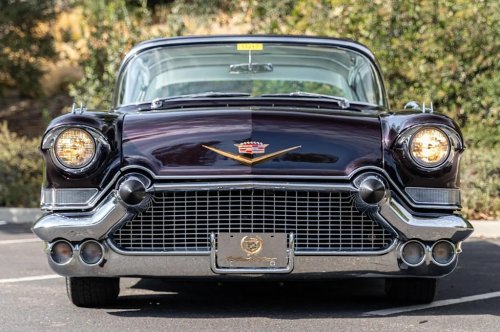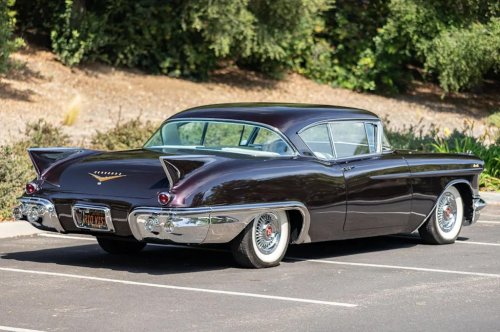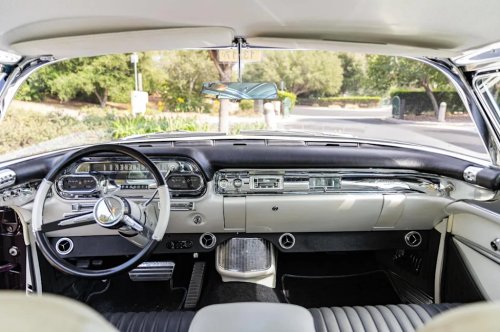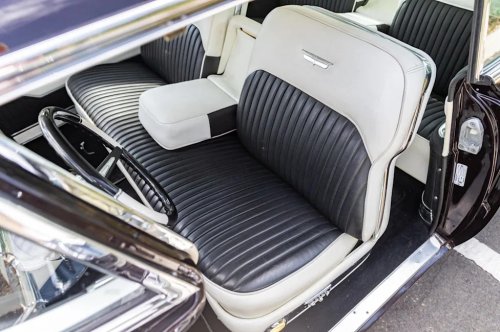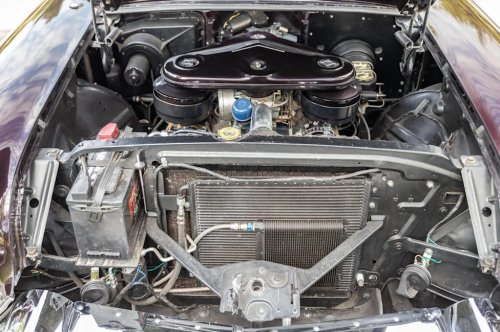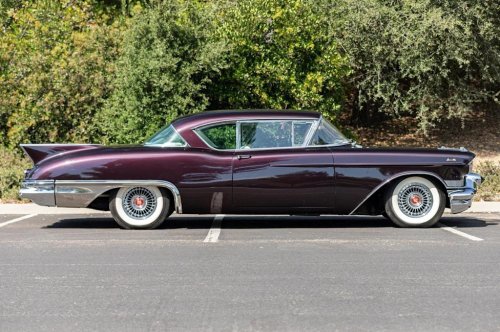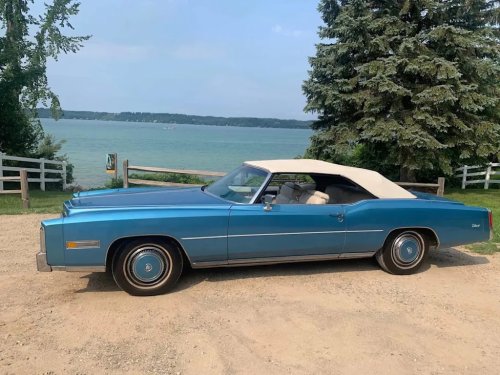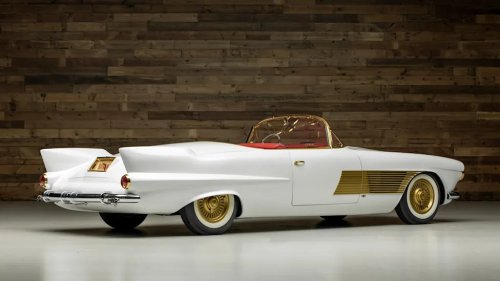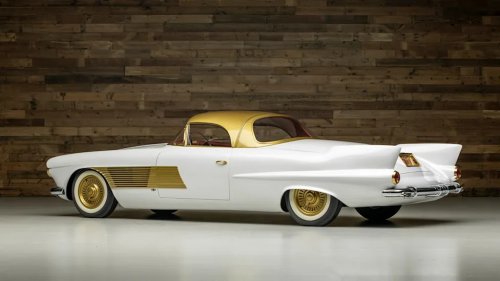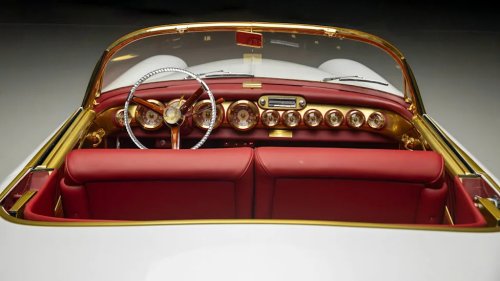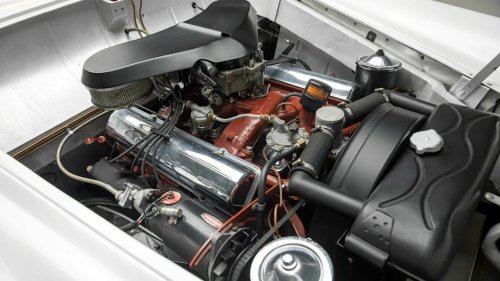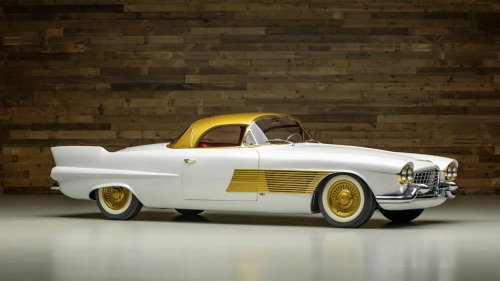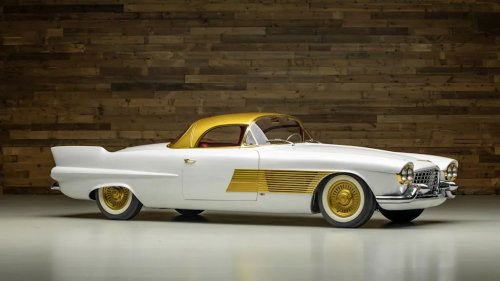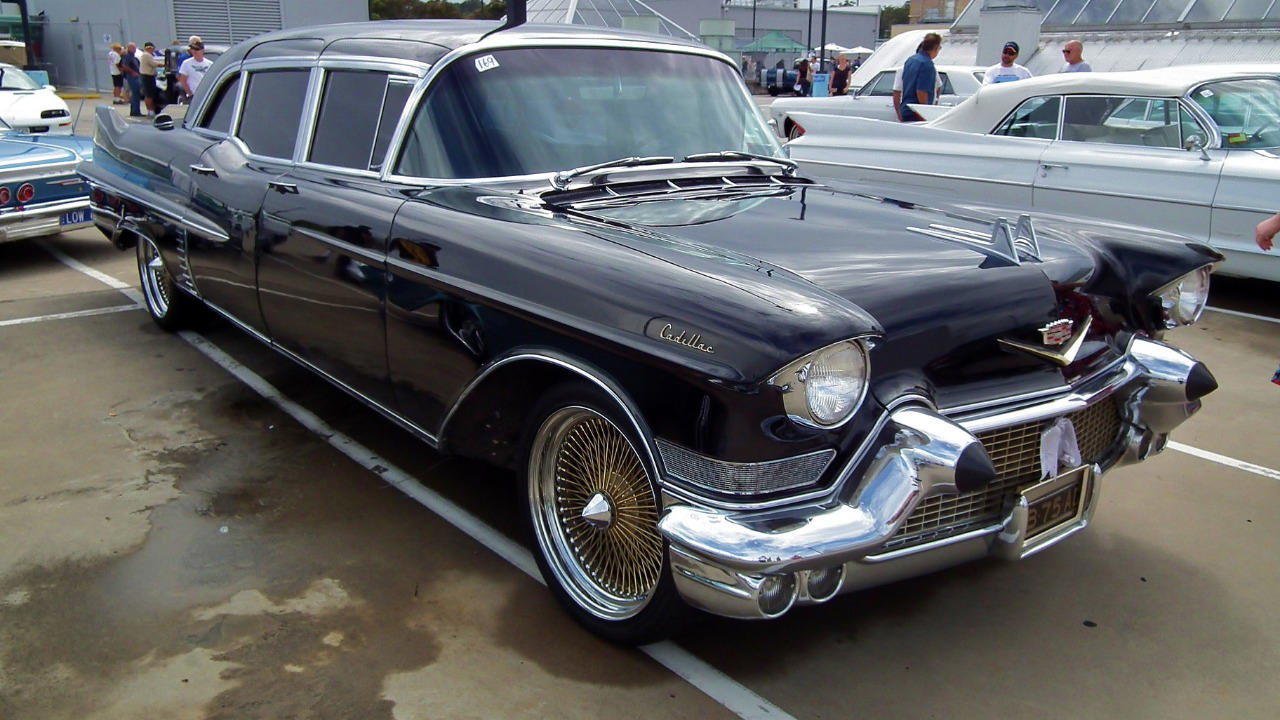



















How the 1957 Cadillac Fleetwood became rolling architectureYou meet the 1957 Cadillac Fleetwood in photographs long before you ever see one on the road, yet it already feels familiar, like a building you have known your whole life. The car is so large, so carefully surfaced and so theatrically detailed that you read it the way you read a city landmark. You are not just looking at a luxury sedan, you are looking at rolling architecture that tried to capture what America thought progress should look like. The year Cadillac turned cars into monuments By 1957, Cadillac treated the car as a national statement as much as a product. The division of General Motors arrived in Detroit that year with a completely reworked structure, adopting a tubular-center X-frame that redefined how its big cars sat on the road. When the Cadillac engineers unveiled this layout, they were not only chasing better handling, they were creating a low, wide platform that could carry taller fins, longer decks and more glass than ever before, a move that set the tone for the Fleetwood and its siblings. The same philosophy shaped the broader 1957 range. The 1957 Cadillac Series 62 Sedan Luxury Classic Car is Known for its dramatic tailfins, generous chrome accents and sleek body line, details that gave even a more accessible model an unmistakable presence. The Fleetwood took that same visual language and turned the volume up, with more ornament, more length and more formality in the roof and side glass. In a single glance you understand that Cadillac wanted you to feel as if you were arriving at a grand hotel every time you pulled to the curb. Why the Fleetwood was the “Cadillac of Cadillacs” Focus on the Fleetwood itself and you start to see why fans still call it the Cadillac of Cadillacs. One period description of the 1957 Cadillac Fleetwood Cadillac Fleetwood calls it exactly that, and adds that Every sculptured in steel contour and each touch of chrome was treated as if it belonged on a show car. You are meant to read the flanks like a colonnade, the roofline like a cornice and the fins like spires. Open the door and you sit in something closer to a private lounge than a mere cabin. Contemporary accounts of the Cadillac Fleetwood Series Sixty Special emphasize thick carpets, intricate door panels and brightwork that traces the window frames like interior molding. You feel as if the designers were thinking less about dashboards and more about lobbies, translating architectural cues into upholstery patterns and trim. Shared DNA with Cadillac’s wildest experiments The Fleetwood did not exist in isolation. It shared the stage with the 1957 Cadillac Eldorado Brougham, a car so lavish that some enthusiasts still argue it, not the Escalade and not the Fleetwood, is the most luxurious Cadillac ever made. In period footage you see the Eldorado Brougham introduced as a hand-built, ultra exclusive sedan with a price tag higher than some Rolls or Ferrari models, and it becomes clear that Cadillac treated 1957 as a laboratory for excess. That same year, the company also played at the other end of the glamour spectrum with the 1957 Cadillac Eldorado Biarritz Convertible. If you picture its bullet bumpers, sweeping chrome and wraparound windshield, you recognize how the open car turned highway travel into a kind of moving stage. Cultural Impact The 1957 Cadillac Eldorado Biarritz Convertible is still described as a symbol of wealth, glamorous lifestyles and classic American road trips, which tells you how deeply this family of cars imprinted itself on popular culture. The X-frame as structural sculpture Underneath the Fleetwood, the new X-braced frame did more than hold the body together. The chassis was engineered to provide greater torsional rigidity and less vertical deflection than a conventional ladder frame, a change that let designers lower the floor without sacrificing strength. When the Cadillac division of General Motors rolled out this X-frame concept, it created a lower center of gravity that made the long body feel planted and allowed thinner pillars and more glass without the car flexing over rough pavement. You see the same structural idea echoed in the 1957 Cadillac Series Sixty-two Convertible, where the X-frame helped protect the open car’s integrity and reduced the risk of roll overs. On the Fleetwood, that hidden skeleton let the roof float visually over expansive side glass, a trick you usually associate with mid century modern buildings. The structure enabled the style, and the style in turn made the structure feel like a piece of engineering theater. Performance that matched the scale For all its bulk, the Fleetwood was not simply a slow moving monument. Period testing of the 1957 Cadillac Fleetwood Series Sixty-Special recorded that it went from 0 to 60 m in 12.2 seconds, reached 0 to 100 m in 38.7 seconds and could touch a top speed of 115 mph. The car covered the quarter mile at 78 mph, numbers that placed it among the quicker luxury sedans of its day and gave its monumental bodywork the pace to match its presence. That performance sat within a broader Cadillac push for power. The Eldorado Biarritz carried a 325 hp V8, and the Eldorado Brougham combined similar muscle with cutting edge features such as air suspension and advanced climate control. As Cadillac used these technologies on its flagships, you benefited even in a Fleetwood, because the same engineering culture that produced the showpiece sedans filtered down into the chassis, steering and brakes of the more formal car. How the Fleetwood shaped your sense of luxury If you grew up seeing Cadillacs in movies or family albums, the 1957 shape probably set your default mental image of American luxury. Commentators still describe the 1957 Cadillac coupe de ville as a snapshot of America at the peak of its golden age, and the Fleetwood shared that roofline, fin treatment and chrome vocabulary. You learn to associate long rear decks, jet inspired taillamps and towering fins with success, because that is what the culture kept showing you. Even among enthusiasts today, the Cadillac Fleetwood Sixty Special four door sedan is singled out as one of the best loved members of the 1957 lineup. When you walk around one at a show, you notice how the side character line rises gently over the rear wheel, how the door frames vanish on pillarless hardtop versions and how the bright trim traces the body like architectural banding. The car teaches you a specific idea of elegance: not subtle, but coherent, and always in service of making an arrival feel ceremonial. The Fleetwood that never was, and the one that became sculpture The architectural story of the Fleetwood even includes a ghost. Enthusiasts still trade images of a 1957 Cadillac Fleetwood Nomad, a wagon concept that blended Fleetwood front sheetmetal with a long roof and tailgate. In one retrospective, the 1957 Cadillac Fleetwood Cadillac Fleetwood Nomad is described as a beauty that never reached production, a reminder that Cadillac toyed with extending its formal design language into a more practical, almost mid century suburban shape. The line between car and building became literal when an artist encased a 1957 Cadillac in 16 tons of concrete and placed it in a public parking lot. Happily, that concrete Cadillac still exists today, after being restored and moved to a structure owned by the University of Chicago. When you see photographs of the car entombed in concrete, grille and fins peeking from a solid block, you are looking at the idea of rolling architecture made explicit: the car becomes both sculpture and structural element in an urban space. More from Fast Lane Only Unboxing the WWII Jeep in a Crate 15 rare Chevys collectors are quietly buying 10 underrated V8s still worth hunting down Police notice this before you even roll window down