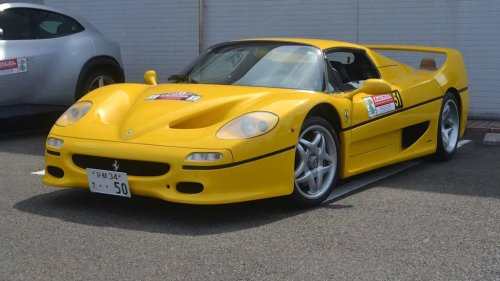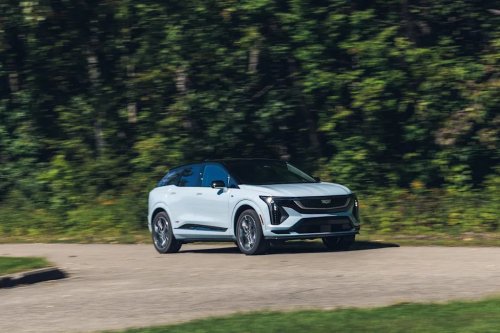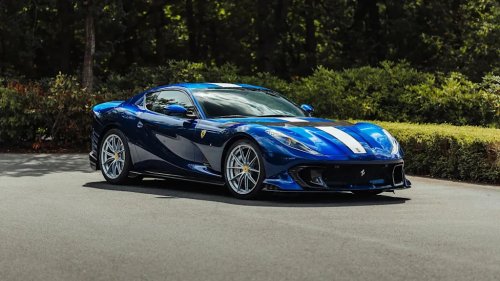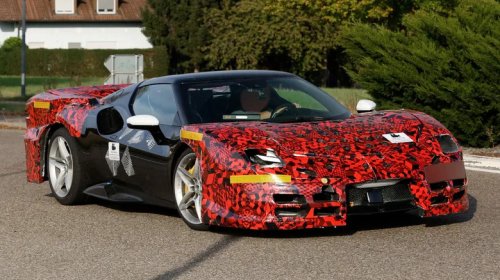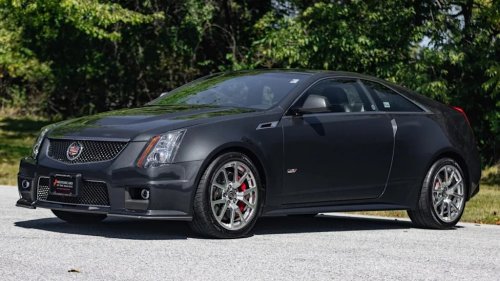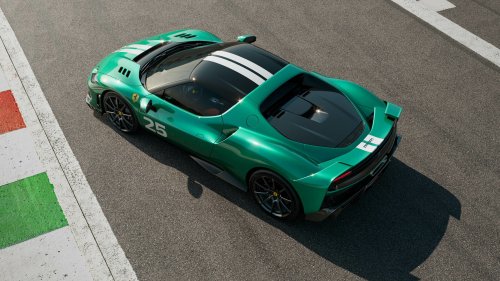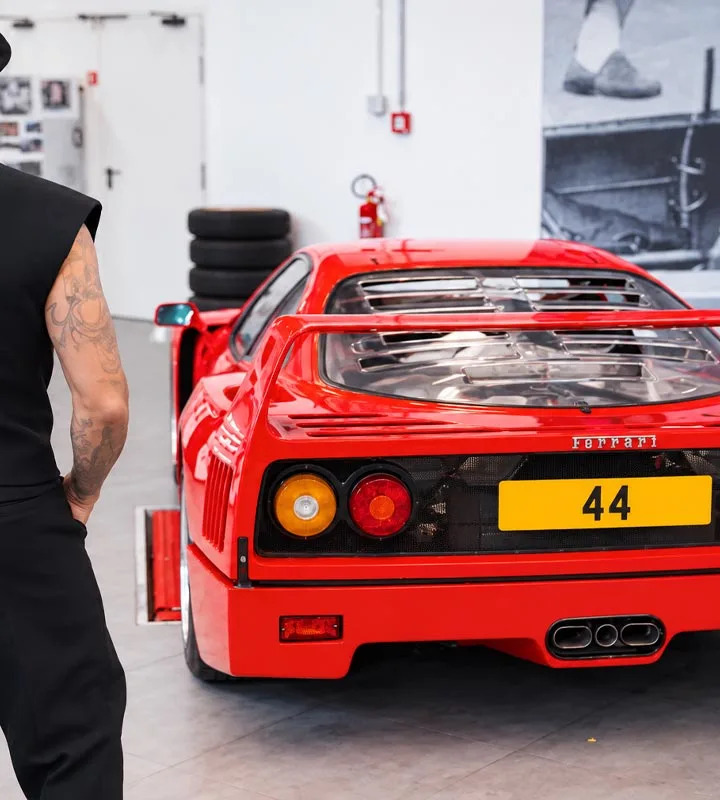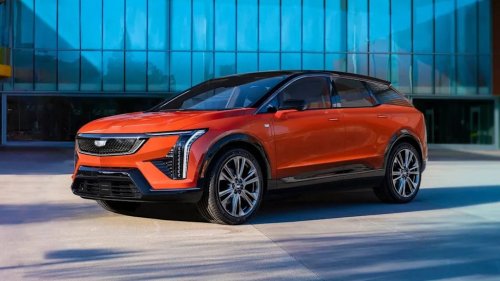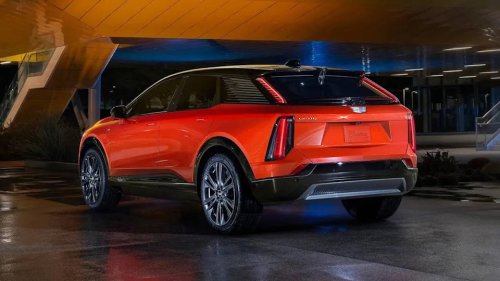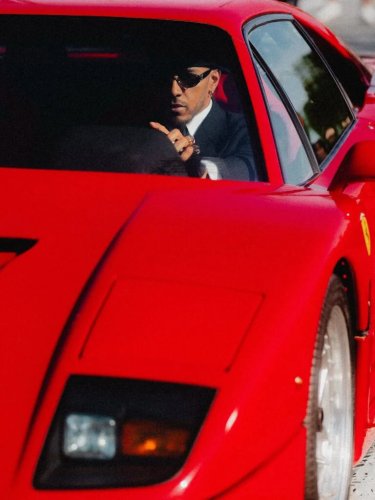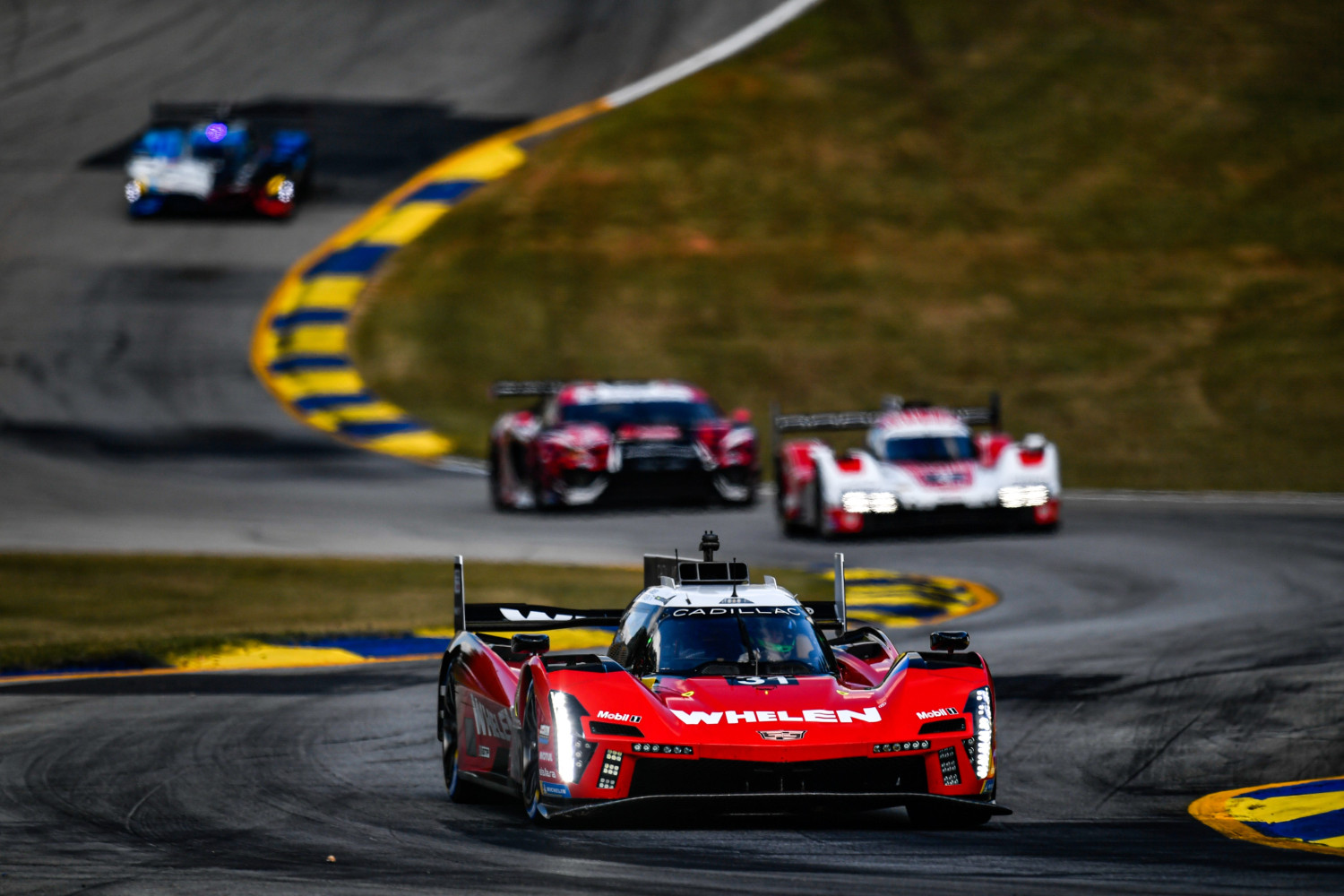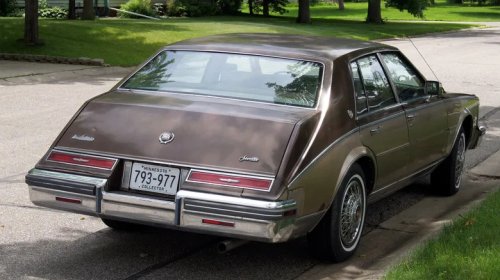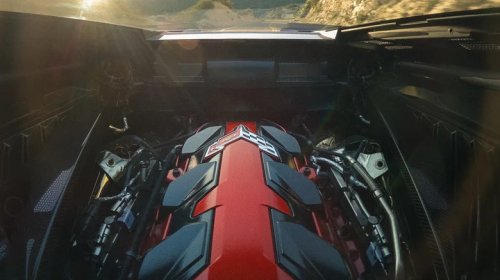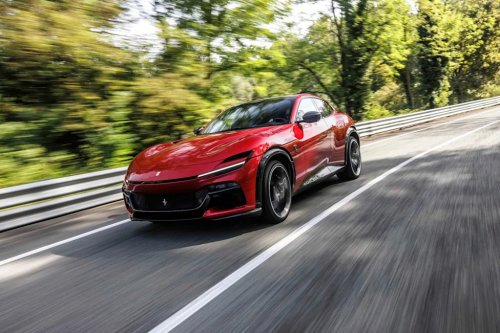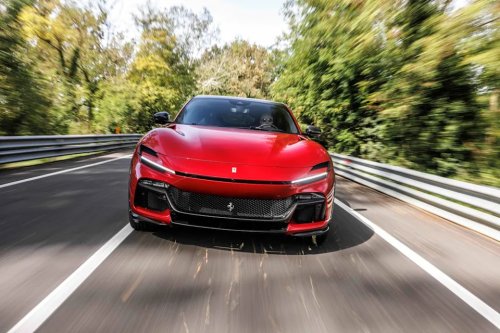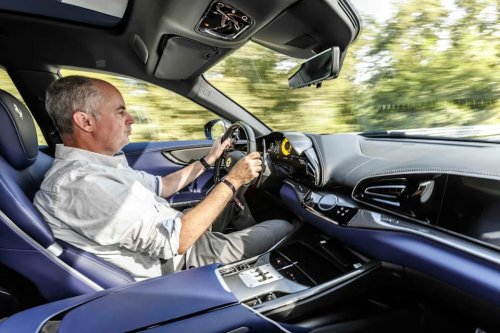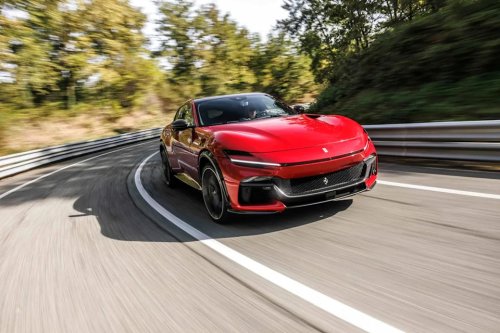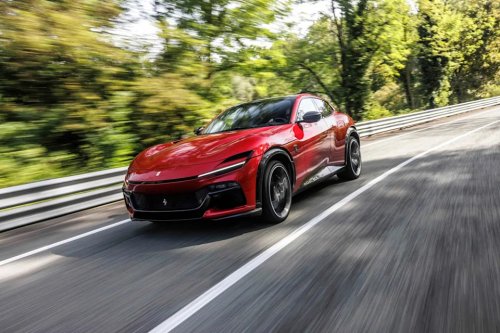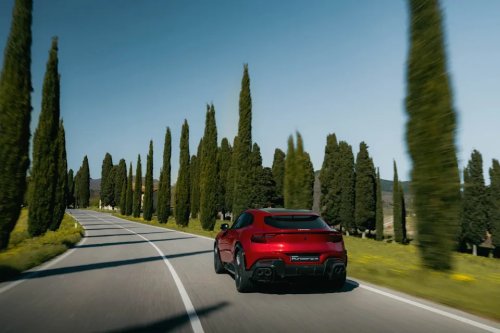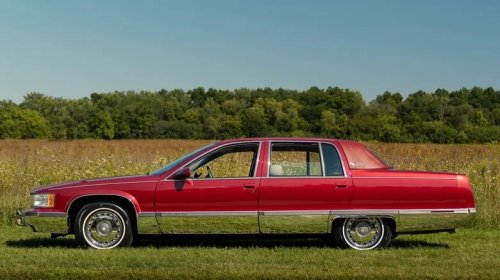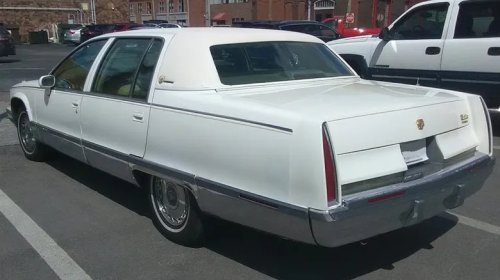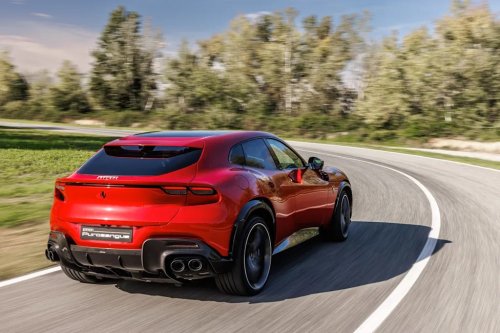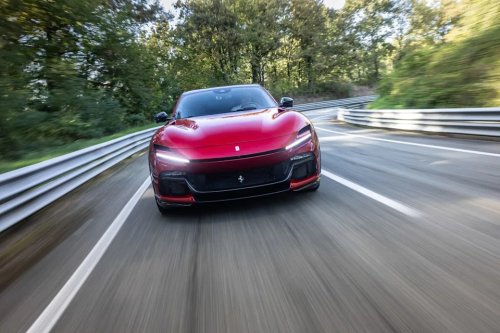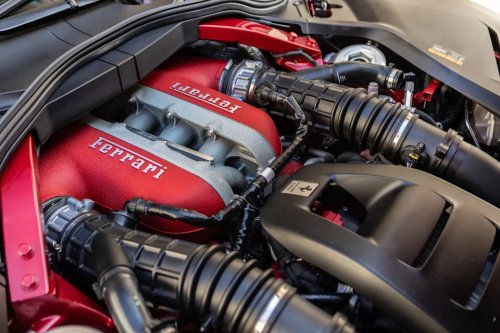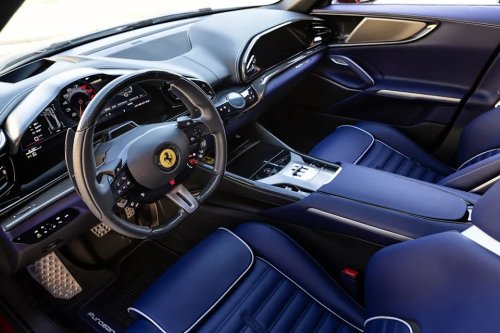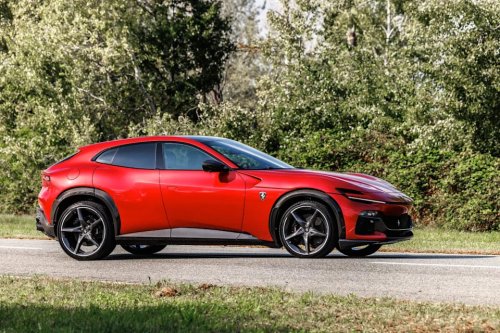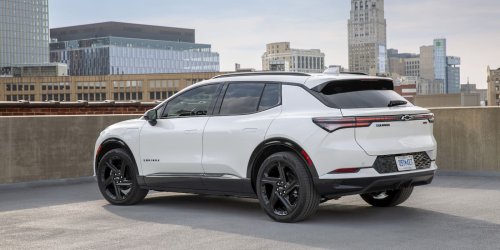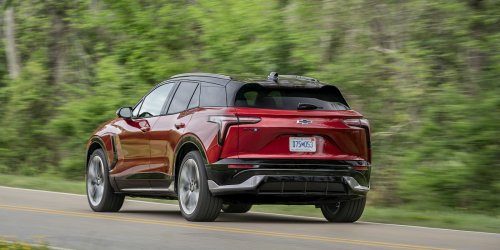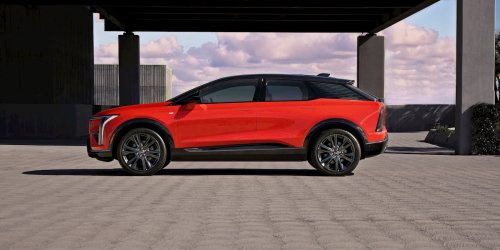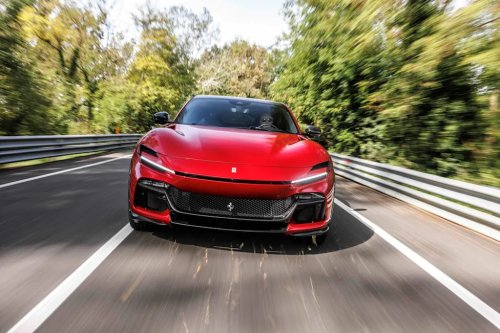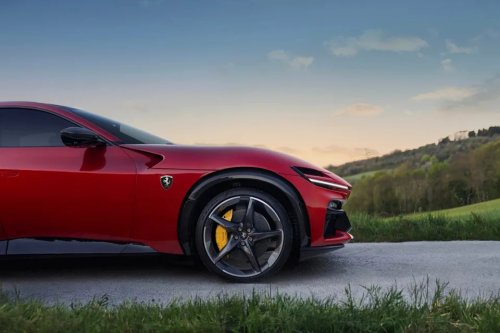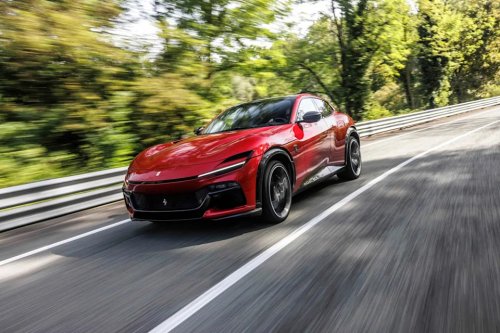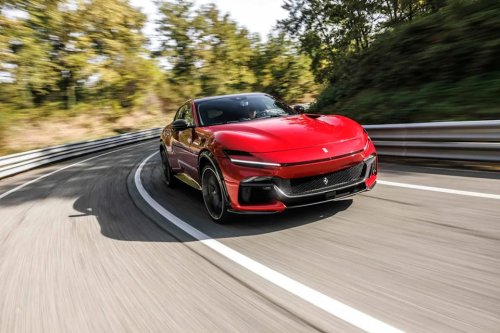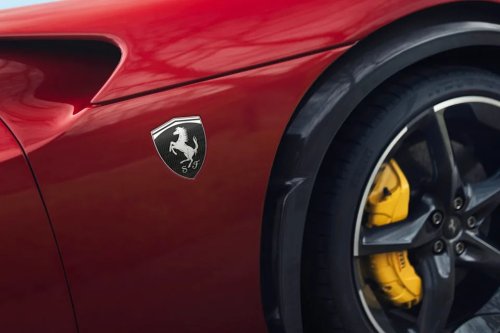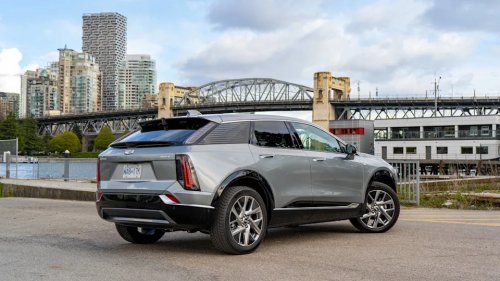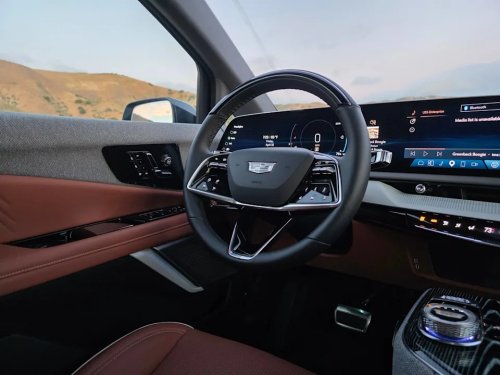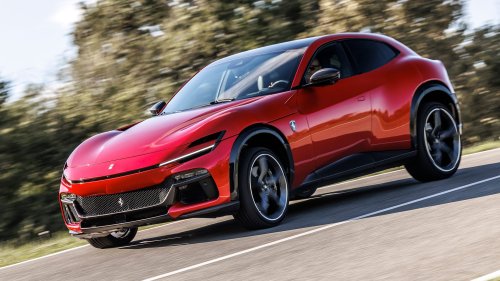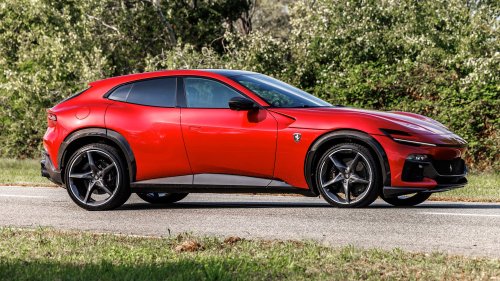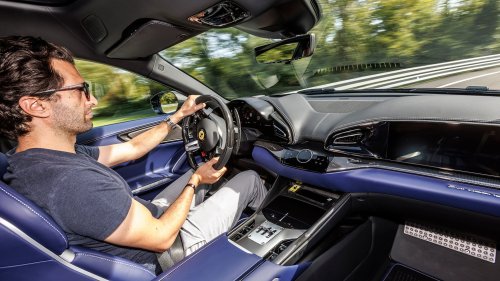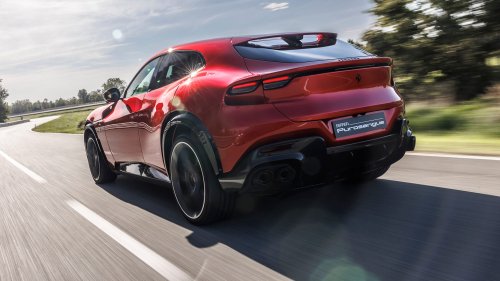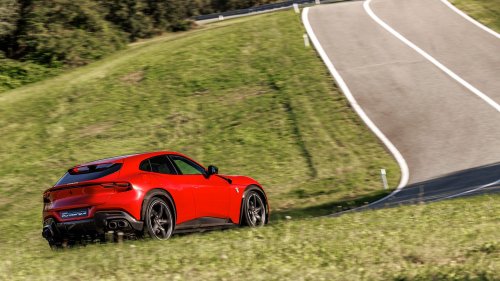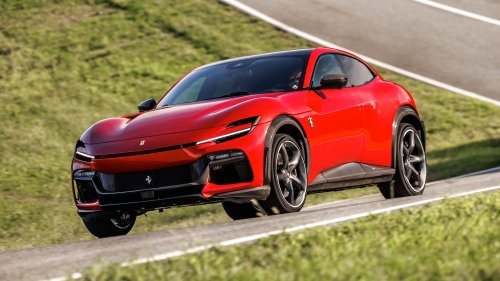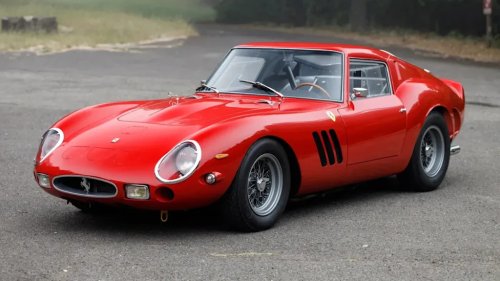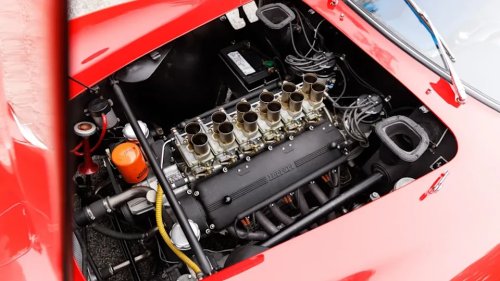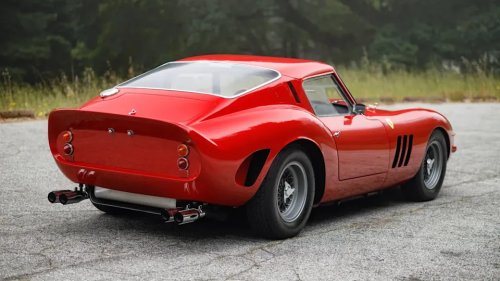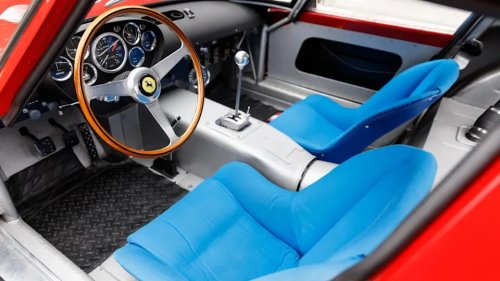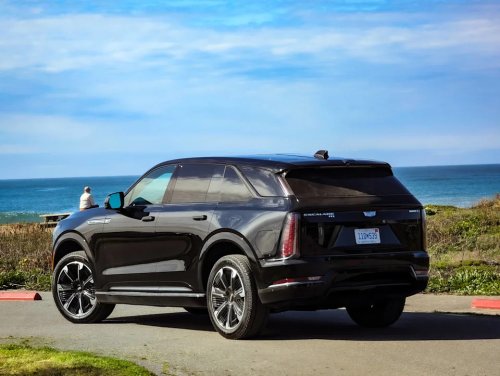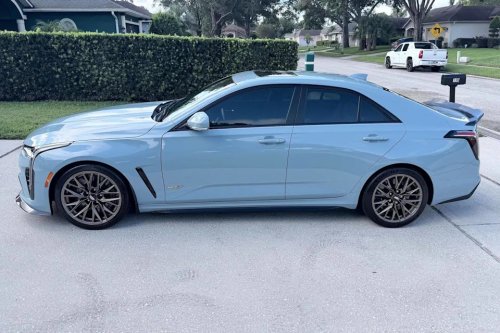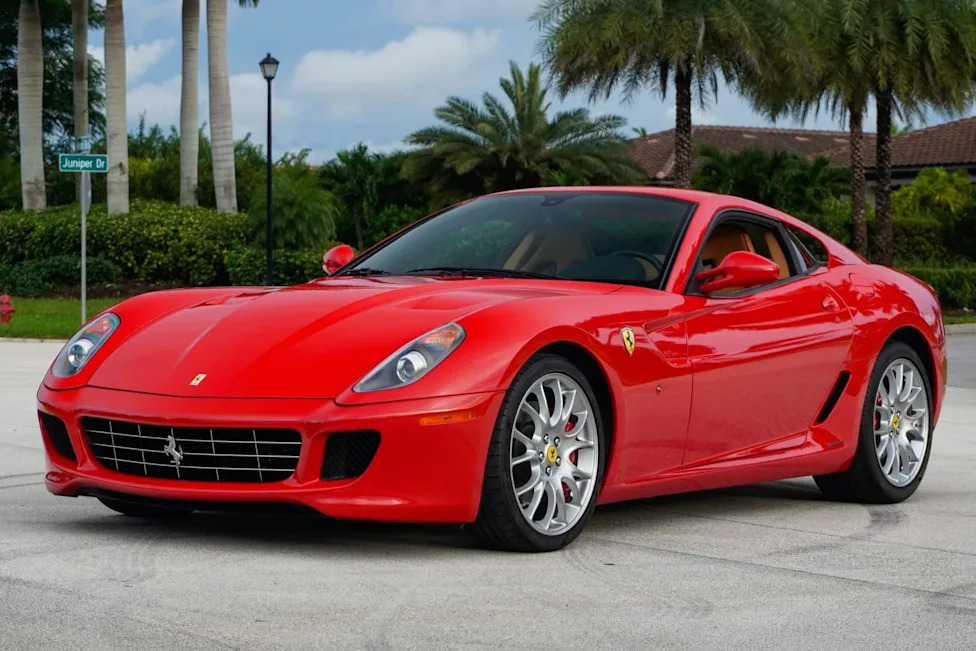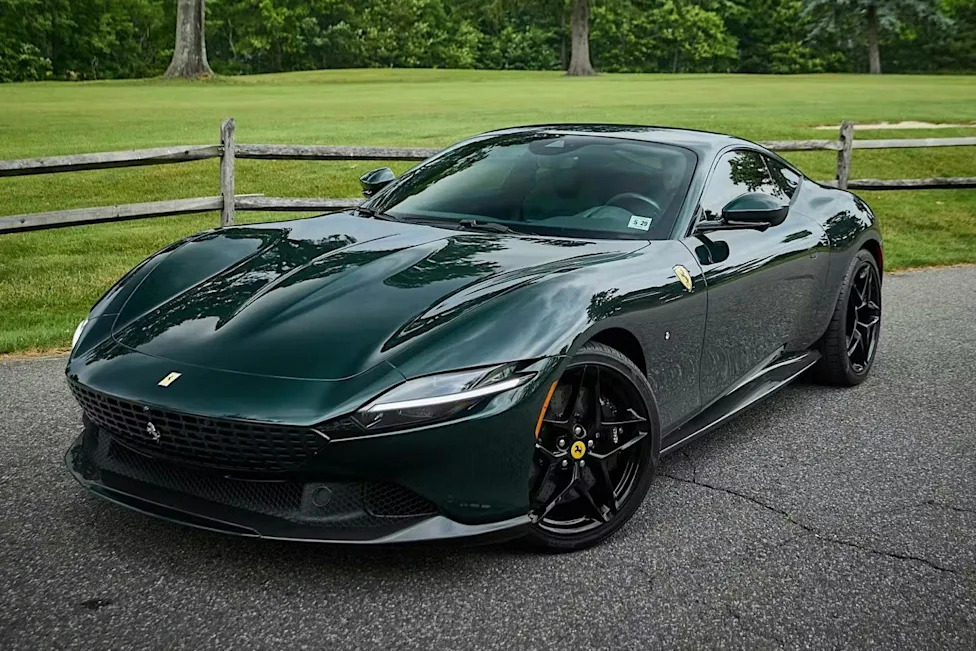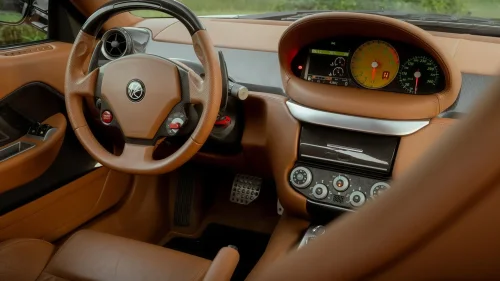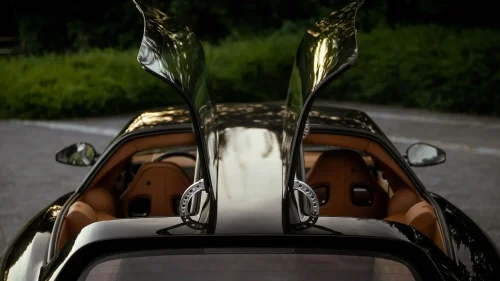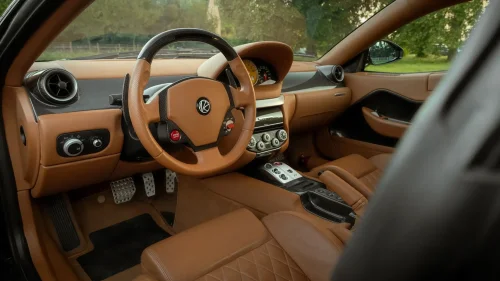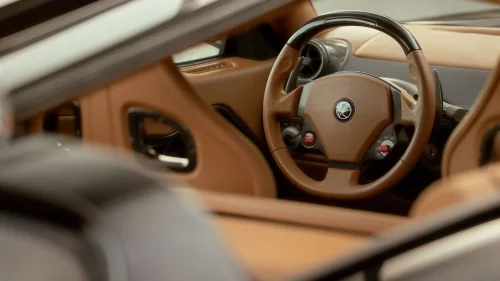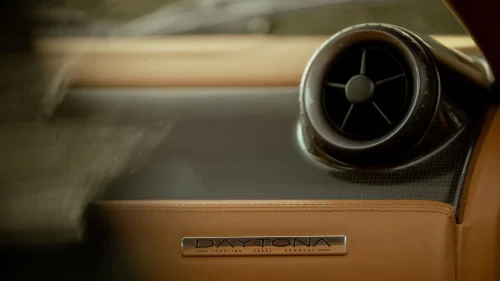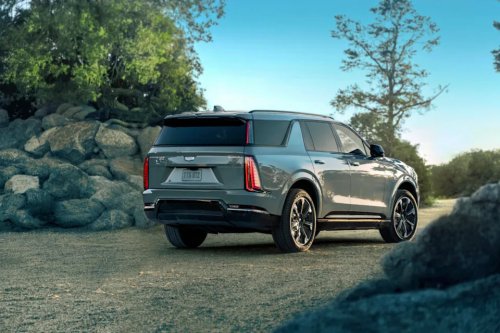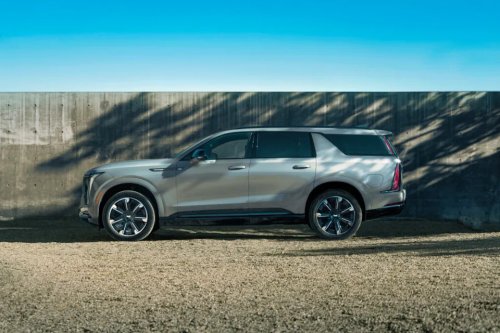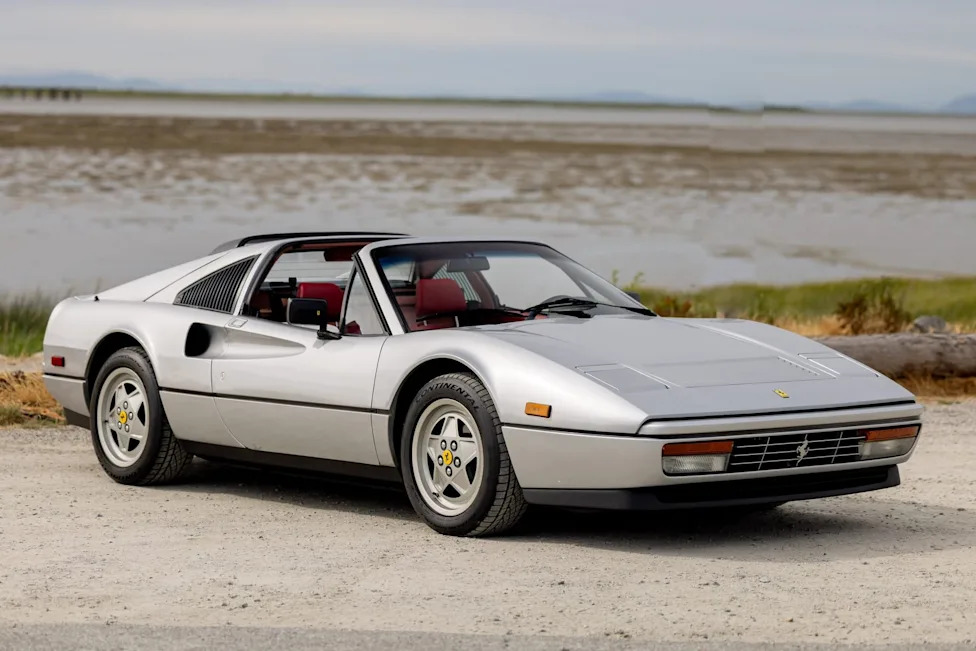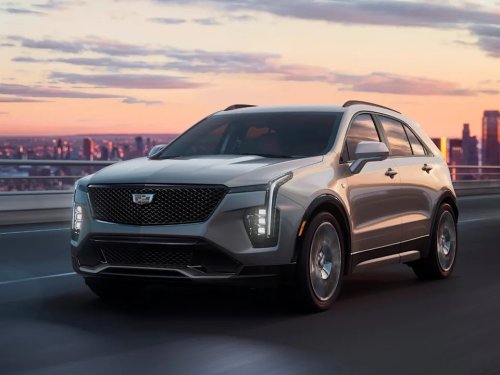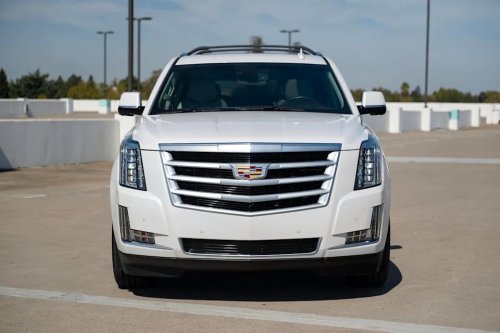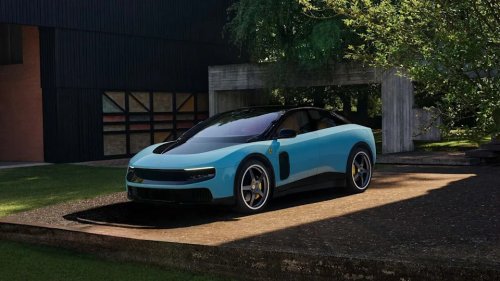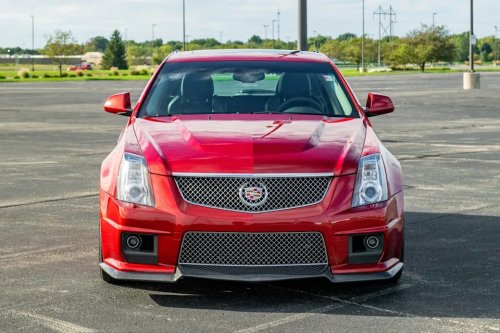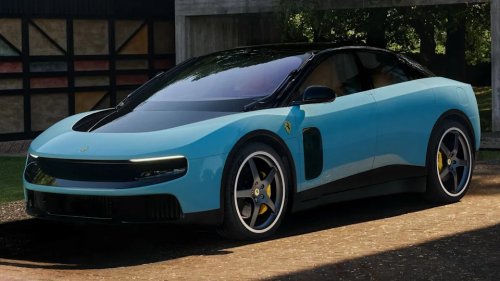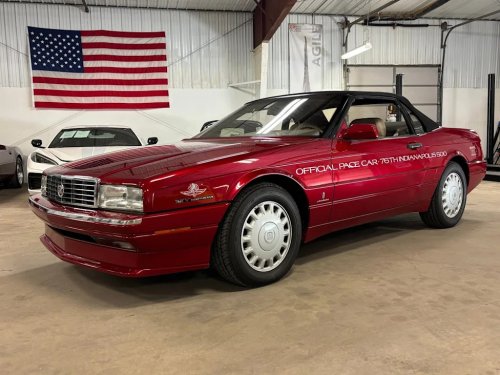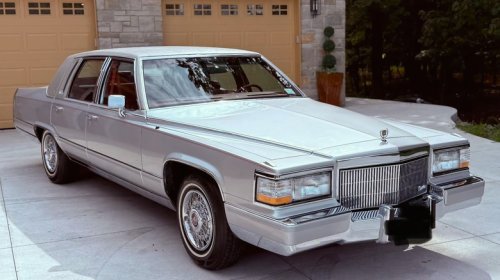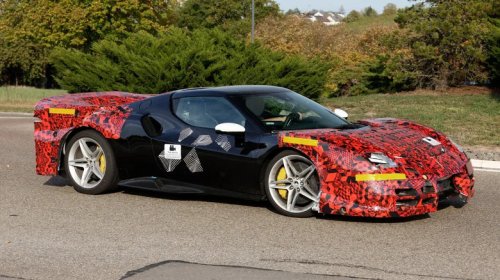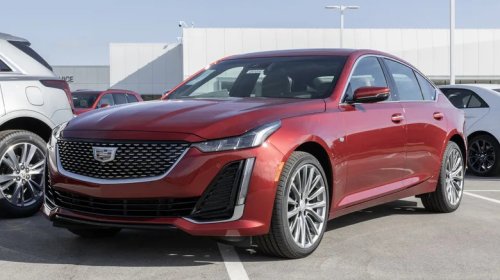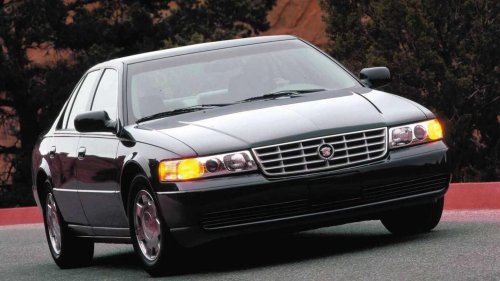
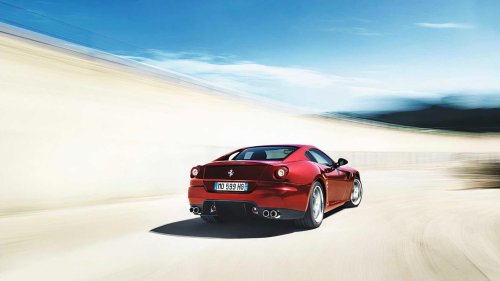
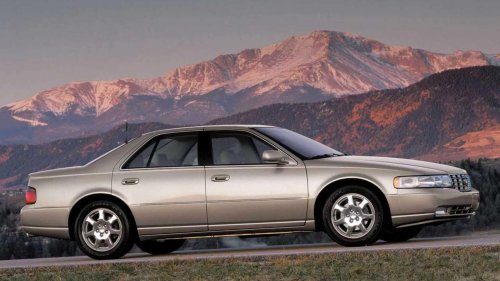
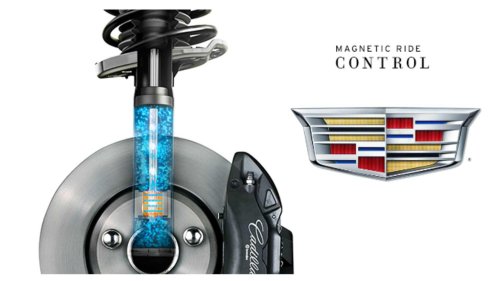
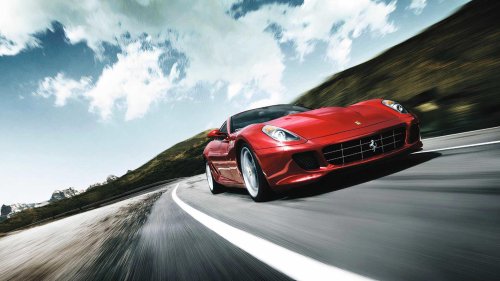
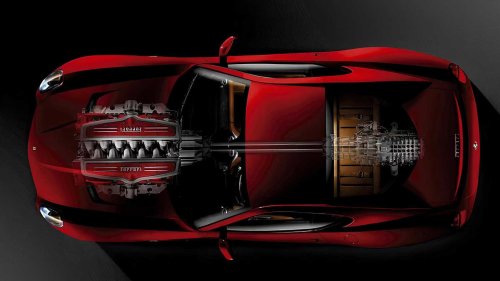
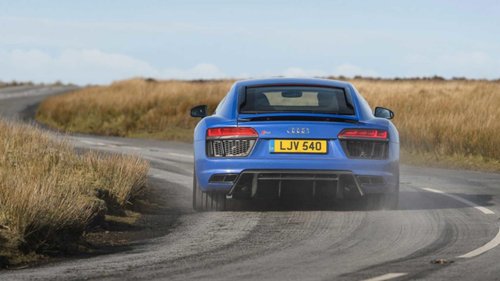
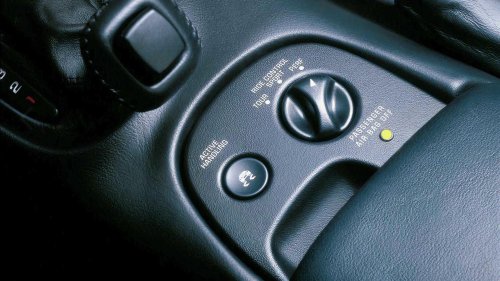
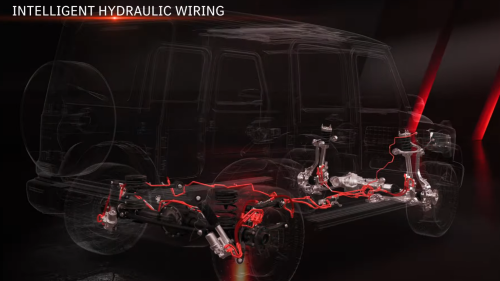
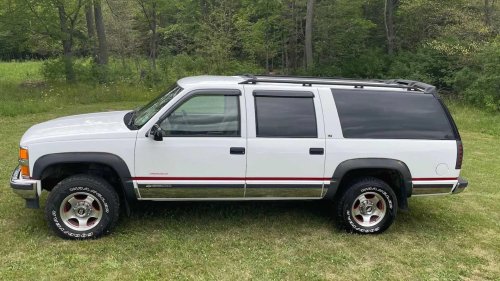
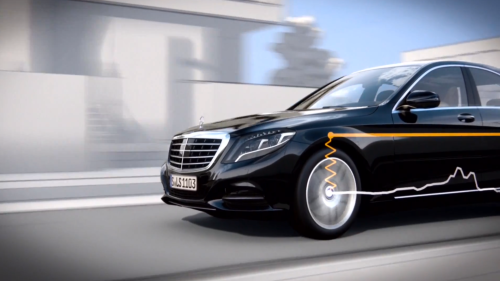
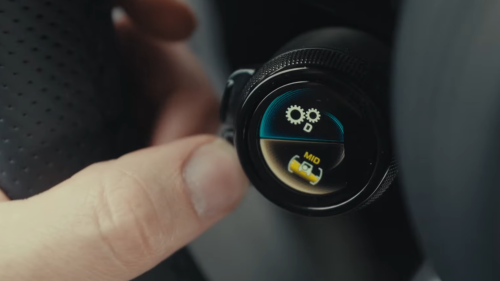
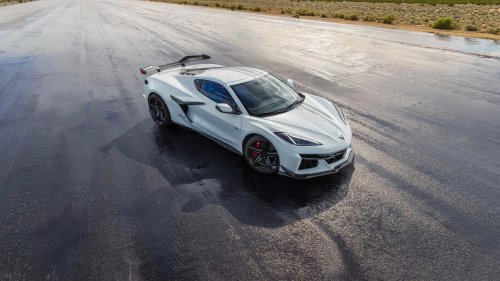



















Just how did GM-sourced technology wind up powering the suspension system in an exotic Ferrari? From its early roots in 1995 on a test-mule GMC Suburban, magnetic ride control technology has found its way across the entire automotive spectrum since debuting via the Cadillac Seville STS in 2002.Cadillac Along the way, this technology went from a far-out idea to an exclusive advantage to a widespread commercial success that found its way into Fords, Ferraris, and numerous quick, comfortable cars in between. Below, we're digging into the history and technology behind a GM invention that found international fame as the world's automakers picked up on the advantages and wanted in on these special new shocks. Ferrari As the system’s response time dropped into the millisecond range, it became fast enough to be "predictive" rather than "reactive". That level of precision caught the attention of performance car engineers worldwide, especially those chasing improved sharpness without a hit to ride quality. By the late 2000s, this GM- exclusive system became a globally licensed technology that saw a clever idea from Detroit elevate a vast range of cars from around the globe. The First Cadillac And The First Ferrari With Magnetic Damping Were Very Different Cars Cadillac The word of the day is "magnetorheological". That's a fancy way of describing a liquid that's highly affected by magnetic currents. Based on the amount of magnetic current it's exposed to, a magnetorheological fluid can change from liquid to solid and back again faster than you can blink. In this way, the viscosity of the fluid can be changed as quickly as the current flowing through an electromagnet can be altered, which is all but immediate.To summarize this science lesson, when we say something is magnetorheological, we mean that the flow of that thing is changed by magnets. Keep this in mind for later – we need to cover a little history, first.Cadillac In 2002, the first suspension system to use this technology hit production in the 2002 Cadillac Seville. This was a big, squishy car built for space and comfort, and the Magnetic Ride Control suspension system, seven years in the making, would help it ride and handle better than before. This was a major competitive advantage at the time.A year later, magnetic ride control had made its first high-performance debut in the later C5 Corvette, for the 2003 model year. Just a year after its introduction, magnetic suspension technology was proving how easily adapted it was to various applications, whether focused on comfort or agility.FerrariBy 2006, Ferrari would sell you a set of magnetorheological dampers in the 599 GTB Fiorano, via a system called SCM (Sospensione a Controllo Magnetoreologico). Though the dampers in the Ferrari helped improve ride comfort, they also proved that the technology was highly suitable for extreme-performance applications on the world's toughest racing circuits, since drivers could switch between comfort damping and racetrack damping levels on the fly.Whether heavy luxury cruiser, American sports car, or spicy Italian exotic, it wasn't long before the technology was catching on for its simplicity, compact packaging, and ability to improve handling and performance while keeping weight (and even costs) down.Ferrari "There are no internal valves or complex flow channels," explains BMW chief engineer Doug Carson. "The increase of damping force comes from altering the characteristics of the magnetorheological fluid with a magnetic field. That means faster response times, just milliseconds, and no moving mechanical components to wear out or fail".This faster-acting, less complex, and weight-conscious approach also came with an additional benefit to automakers using it."It makes OEMs’ development faster, more flexible, and more cost-effective," says Carson. "It’s fully software-controlled. You don’t need to manufacture new parts to tune the damper, you just plug in a laptop and adjust the calibration."Audi This approach allows engineering teams to skip multiple hardware swaps and revisions to try out different suspension settings, saving time and money. If you're dialing in the chassis of a new model or mid-cycle update, that flexibility could be transformative. Instead of waiting weeks for prototype dampers and retooling, engineers could explore new calibrations in hours, no wrenching required.Since damper control and body motion control could now be adapted in real time, the door had opened to model‑specific and drive-mode specific personalities, including comfort‑biased luxury tunes, sharper sport modes, and track-focused stiffness that all existed within the same set of hardware. Here's How A GM Technology Found Its Way Into Ferraris, Fords and Audis Chevrolet In this era, active handling was all the rage. Automakers were experimenting with torque-vectoring differentials, new AWD systems, and four-wheel steering. On the suspension front, they were also exploring innovative new ways to deliver "active" suspension systems that could adapt via various pre-set modes or on-the-fly damper adjustments.Active anti-roll bars were hitting the scene, using pump or motor-operated hardware to keep car bodies flatter during cornering. Complex systems like the Mercedes-Benz Active Body Control (ABC) systems were also on the scene. Mechanical valve-based adaptive suspension was already in use, but this technology was more prone to wear, and slower to react.Mercedes-Benz At the time, currently available systems were fairly heavy and complex, often hydraulically powered and valve-based, and not exceptionally reliable in the long term. Many were primitive and slow to react, and relied on complex plumbing and pumps that piled on the pounds.MagneRide arrived as a radically cleaner solution that replaced valves, pumps, and circuits with a simple electromagnetic coil and fluid that could respond to it in a blink. Performance was up, and complexity, development costs, and weight were down, resulting in a "win" for engineers and drivers alike."The first big step was around 1995, when MagneRide dampers were put on a Chevrolet Suburban" said Carson, describing an early "test mule" vehicle.Bring a Trailer "In the very early trial, the ride quality wasn’t perfect, but the response and authority of the system were there, and it showed some real potential. After experiencing the technology firsthand, teams from Cadillac and Corvette were eager to put it into production. Finally, the first program went into mass production with the 2002 Cadillac Seville STS."For most of the 20th century, a company called Delphi was a GM-owned supplier and developer of high-tech components. They even played a role in early Head Up Display (HUD) technology that eventually became popular in various GM products in the 90s and 2000s.Magnetic ride control was invented by GM while it still owned Delphi, which would commercialize the technology and prepare it for production. In 1999, General Motors sold Delphi off as its own company, a few years before the first arrival of magnetic ride control in the Cadillac STS.Mercedes-Benz By 2002, Delphi had rebranded the technology as MagneRide and licensed it to outside carmakers, who could call it whatever they liked. Delphi eventually went bankrupt, and its chassis controls division was sold off to BWI Group in 2009. In a nutshell, GM invented the technology, while a GM-owned Delphi commercialized it before being spun off to license the technology more widely."Besides Cadillac, MagneRide was also installed in Ferrari. That was great validation for us," explains Carson. "If Ferrari wanted MagneRide, then clearly, we were onto something special. From there, it spread quickly to other major OEMs, including Lamborghini, Audi, Honda, and Ford. Decades Of Evolution Have Improved Ride Comfort and Lap Times Around The Globe Mercedes-Benz The suitability of Magnetic Ride Control to a variety of applications was obvious from early on, though decades of evolution have extended its reach and capabilities considerably. The rise in processing power and sensor precision in modern cars has been rapid, and the latest MagneRide system evolutions have largely occurred in stride with it.ChevroletThe magnetorheological fluid itself has improved, too, with tighter particle distribution and more consistent behavior in temperature extremes. These refinements allow enginee0rs to push harder at both ends of the spectrum, delivering flatter cornering in high‑performance cars and silkier isolation in luxury models.Ford The latest versions of MagneRide can perform more precisely at the limits of handling, react more quickly in more situations, and even take ambient temperatures into consideration when making calculations to the benefit of ride comfort consistency. Today, you'll find the technology happily at home, after decades of advancement, in some of the fastest cars and most comfortable SUVs on the road.General Motors remains one of the world's biggest MagneRide customers, alongside brands like Ford, Range Rover, Polestar, Ferrari, Lamborghini, and Audi. Only GM still uses the "Magnetic Ride Control" nomenclature, the same as the original.Sources: GM, BWI Group