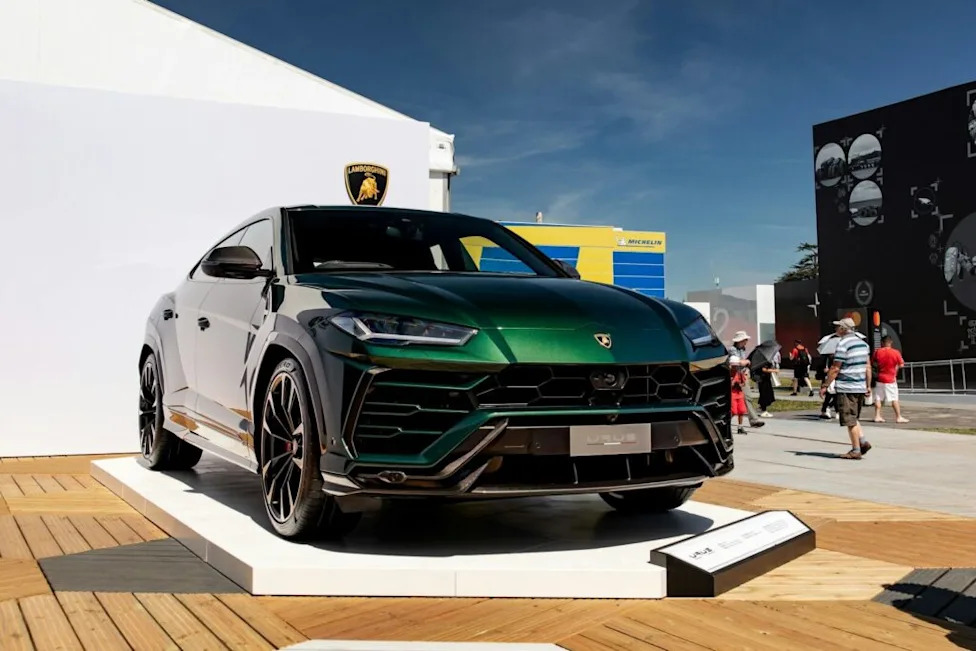
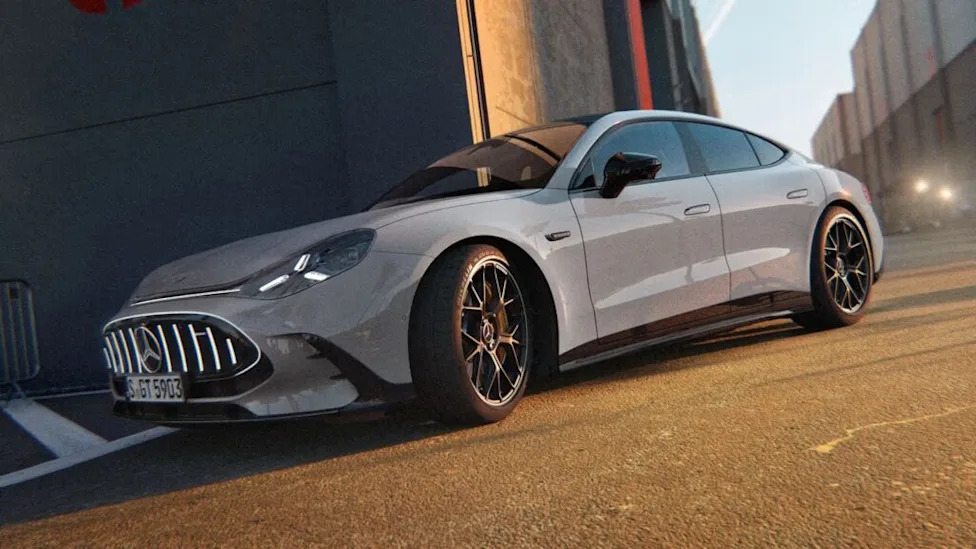
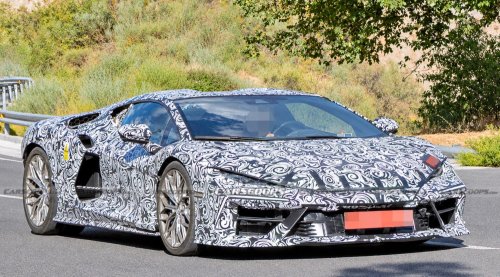
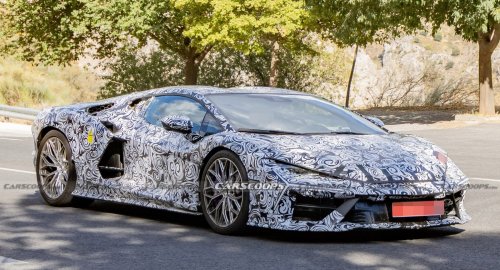
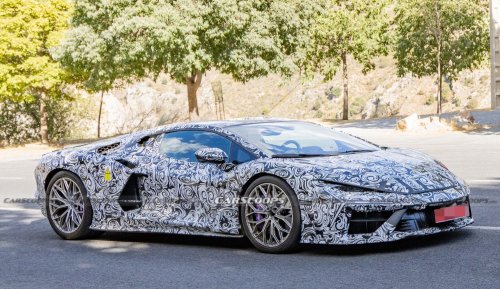
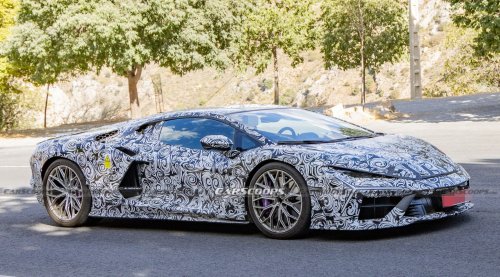
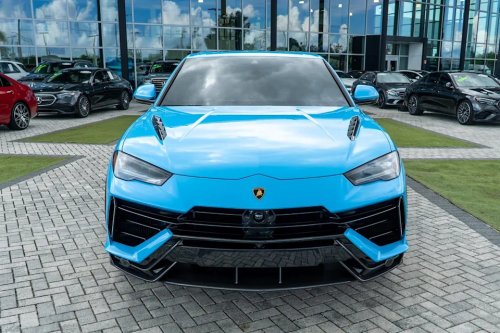
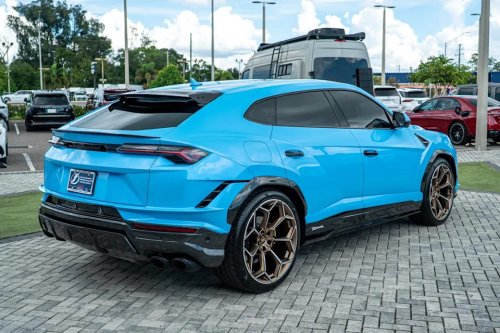
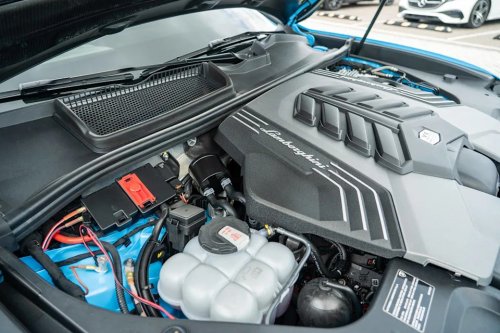
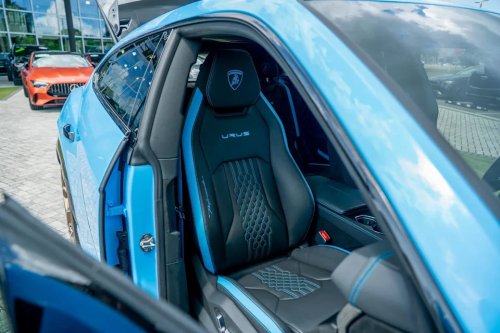
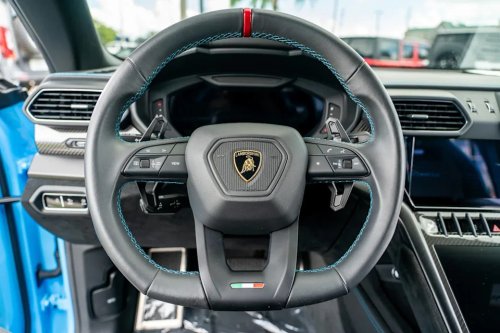
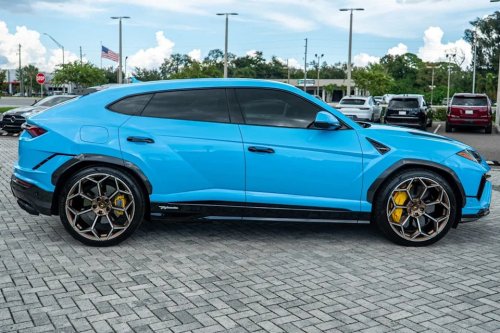
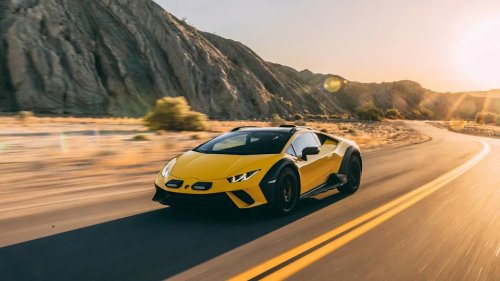
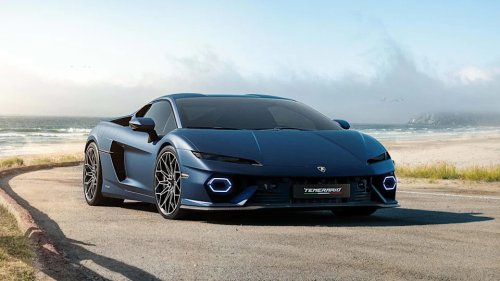
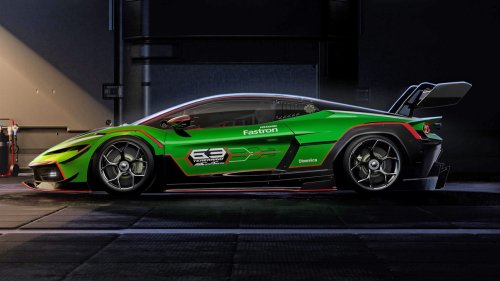
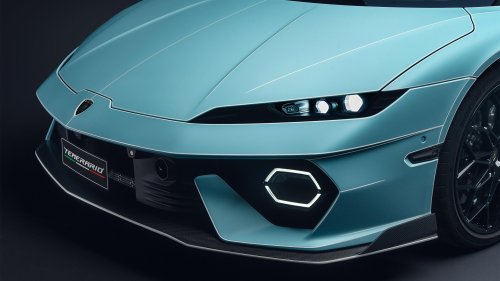
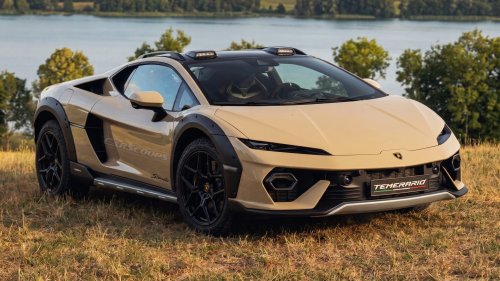
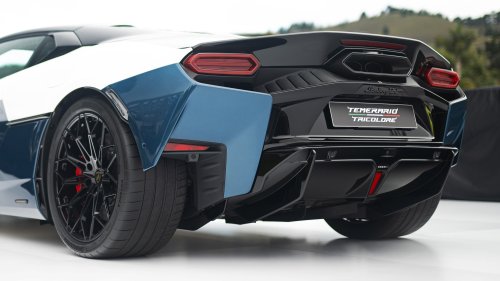
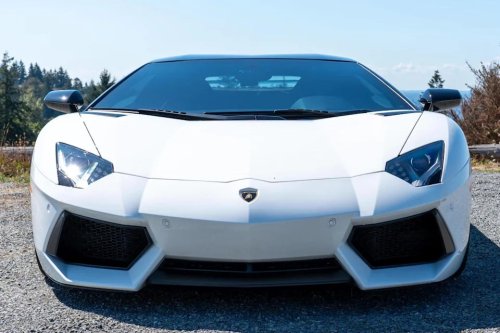
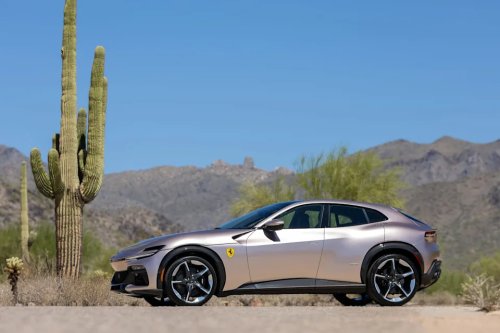
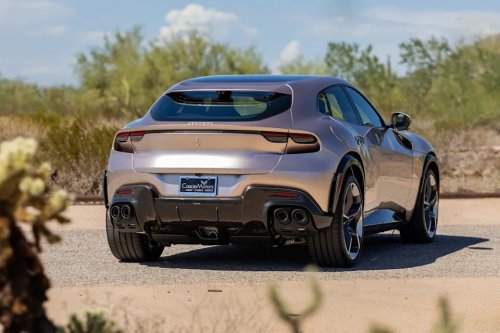
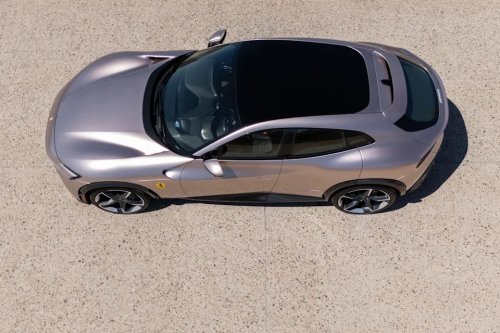
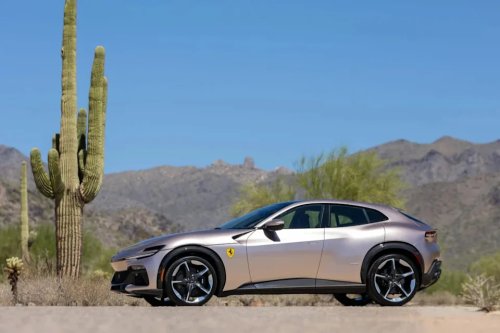
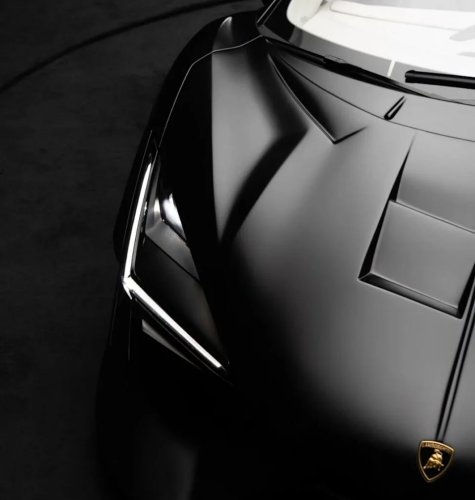
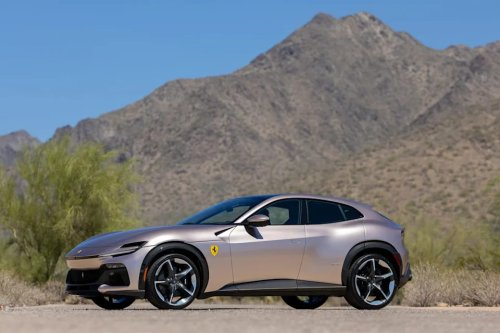
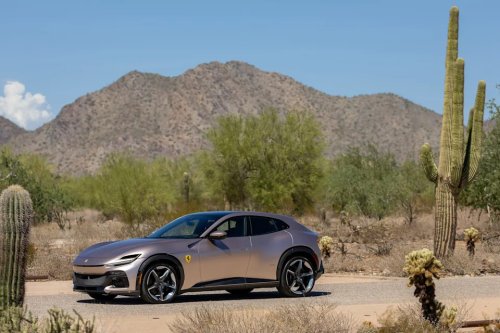
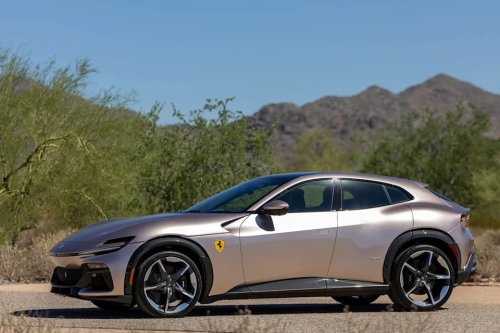
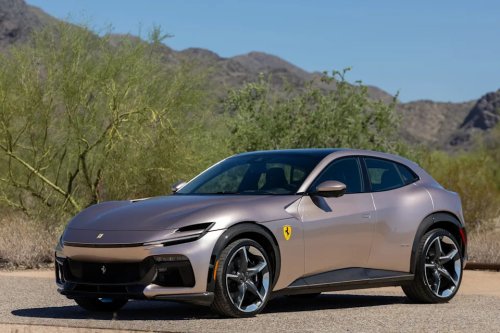
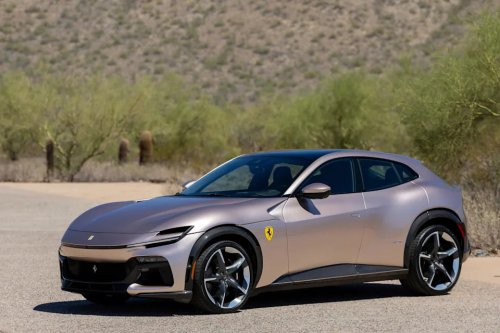
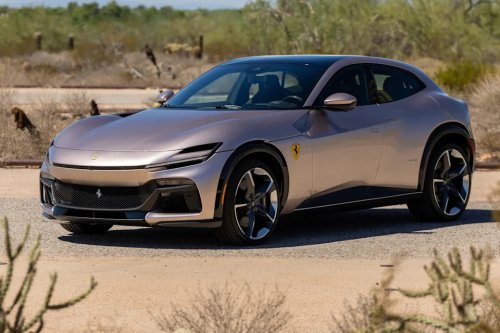
The last few days saw Ferrari’s first all-electric car, the Luce, face significant backlash, not only on social media but also in the stock market, as the company’s shares fell by over 6%. While Lamborghini could not have been happier about ruling out EVs from its lineup, Mercedes-AMG is still betting on electric power, but it will not be abandoning its internal combustion cars.Car enthusiasts and Ferrari purists were left unhappy by the Luce because it looks nothing like a supercar, and also because it is an EV, meaning it has none of the standard Ferrari V8 or V12 pedigree. On the contrary, the Luce is simple and functional, as Ferrari aims to target a new customer base.Lamborghini Distances Itself from EV Developmenta green lamb suv parked on top of a wooden platformMotorBiscuit reported how Lamborghini CEO Stephan Winkelmann was glad his company chose the hybrid route instead of making electric cars. Notably, Lamborghini scrapped its all-electric Lanzador and Urus EV projects and decided to develop plug-in vehicles. Winkelmann said:AdvertisementAdvertisement“Our decision to go from [traditional internal combustion engine] to plug-in was a very important one for us, and it worked out.“We don’t speak about our competitors … but everybody has their own strategy.”While he refused to talk about the Luce, he did mention that Lamborghini noticed that EV acceptance among its customer base was not positive. He said:“By observing the market … we saw that the acceptance curve [of EVs] for our type of customers is not increasing, and that therefore we decided to move away from a full-electric car into a plug-in hybrid.”Mercedes-AMG Has a Different StrategyMercedes-AMG GT 4-Door Coupé | Image Courtesy: mercedes-amg.comAdvertisementAdvertisementMercedes recently launched the 2027 Mercedes-AMG GT 4-Door Coupe, an all-electric 1,153 hp vehicle capable of matching supercar acceleration figures, despite the company’s commitment last year to producing six-cylinder engines and V8s, which will power upcoming AMG cars.Mathias Geisen, member of the board of management of Mercedes-Benz Group AG, said it was important to develop both powertrains, since the long-term future could be electric. However, he emphasized that the company overestimated the rate at which the market would switch to EVs. He told Road & Track:“We cannot just live on combustion engines if you believe, strategically, that long-term the future will be electric. We want to build the most desirable cars, completely independent from the drivetrain, whether electric or combustion.“If I look at it from a global perspective, we were overestimating the speed with which customers would be willing to switch over to electric mobility. In those days, it was the right decision to say, ‘Why do we fully invest in combustion engines if the market is expected to go exponentially toward electric mobility?’ We obviously overestimated this speed.”AdvertisementAdvertisementOla Källenius, chairman of the board of management of Mercedes-Benz Group AG, said in a media roundtable that the company decided five years ago it would continue developing internal combustion engines and electric motors until market demand dictates which side requires more investment. He said:“If we go back five years, we made the decision that we would develop both sides of the powertrain and make them state-of-the-art. If you don’t know the [market] share, how do you manage the share? You have to have flexibility.“You also have to have a certain flexibility in your supply base. If you have something that really takes off, you can invest in it more.”While several automakers like Ford, Honda, Porsche, and many others backtracked from their EV strategies, Mercedes has kept both engines running, waiting to see which one goes out first- the one powered by gas or the one powered by batteries.