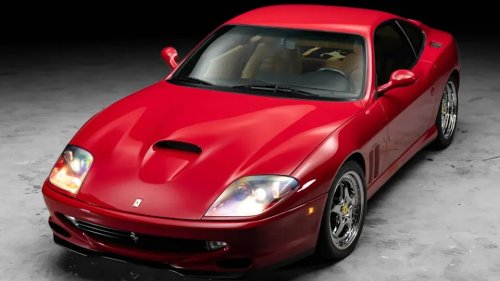
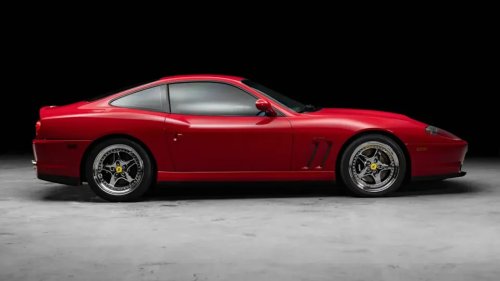
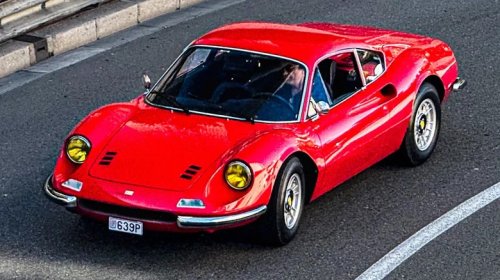
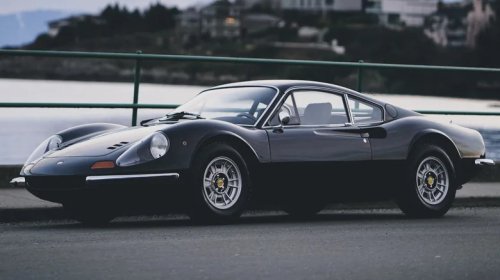
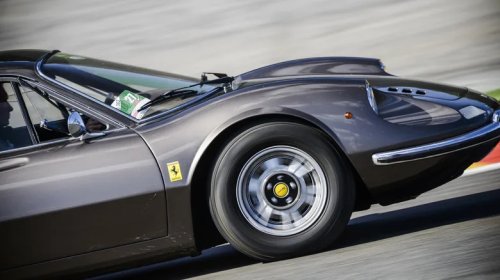
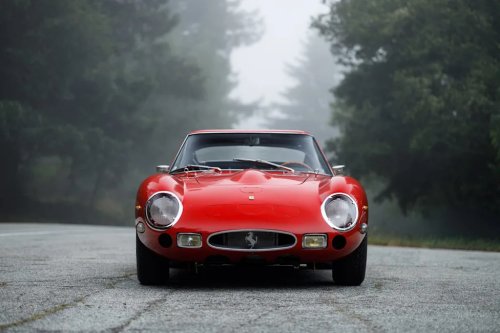
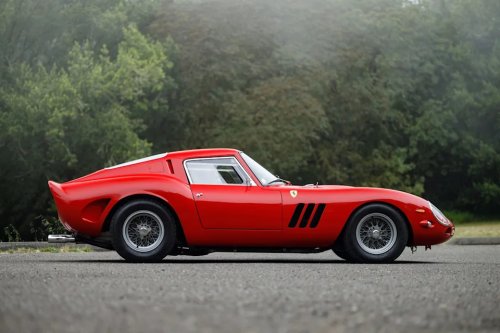
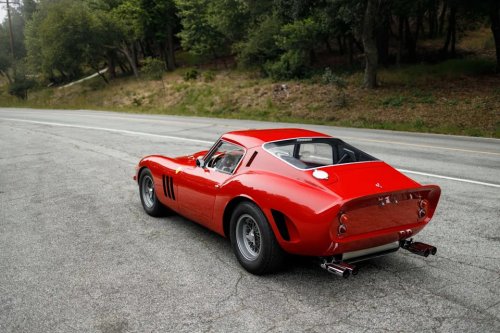
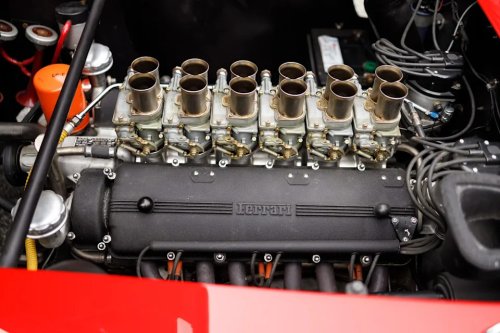
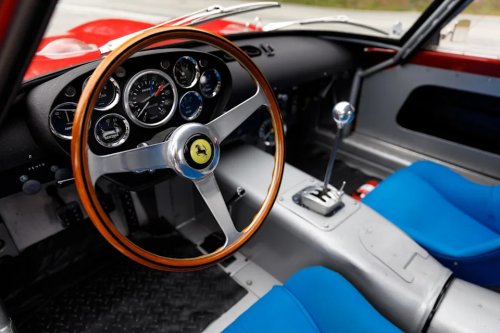
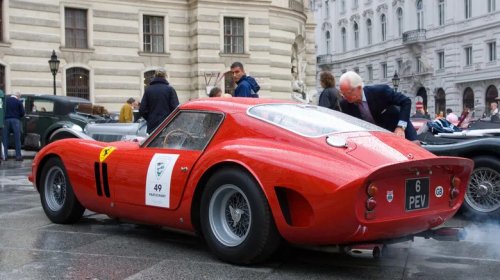
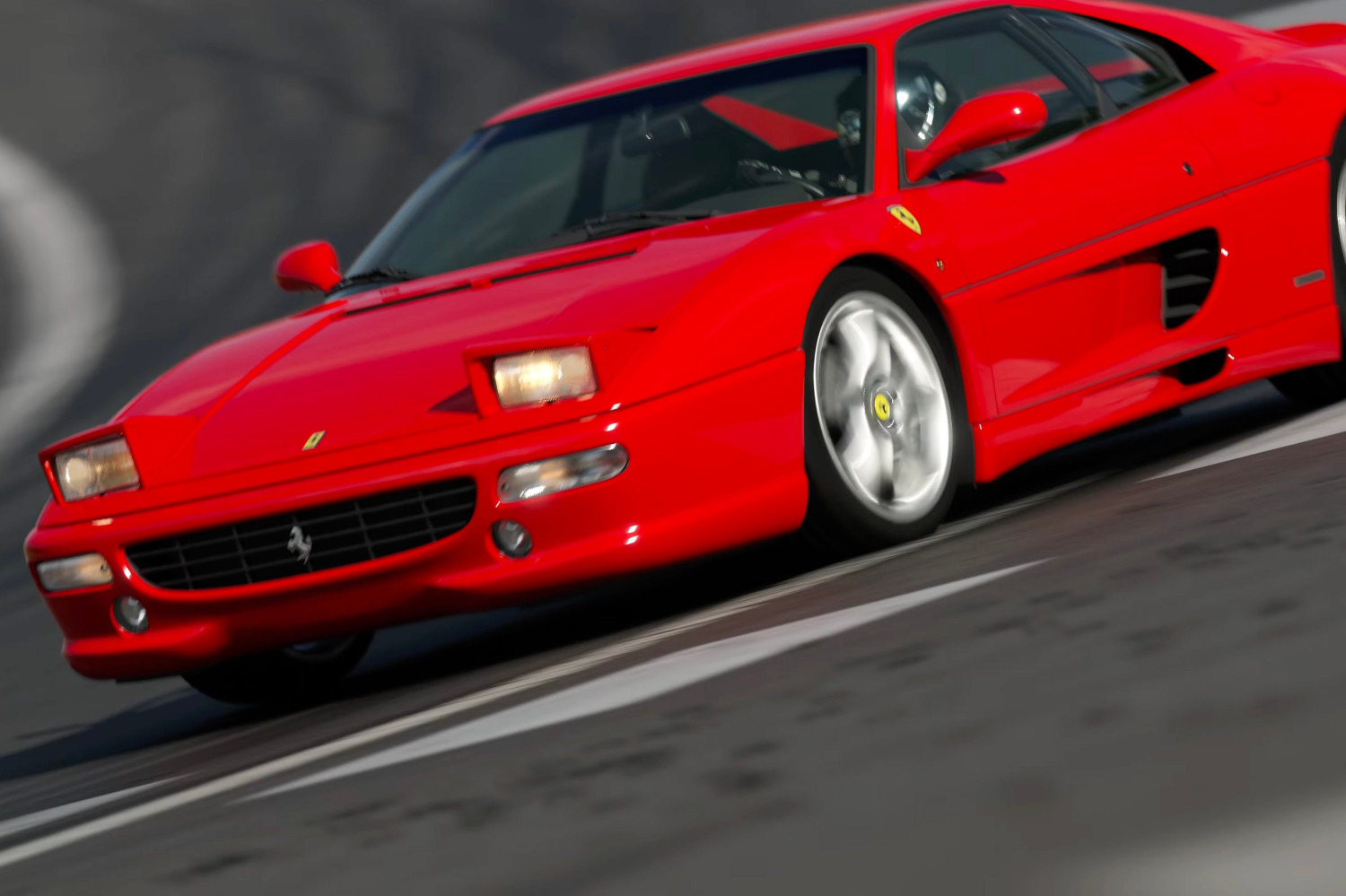
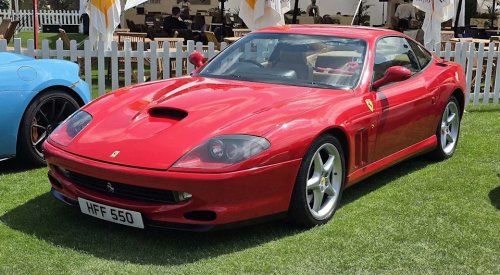
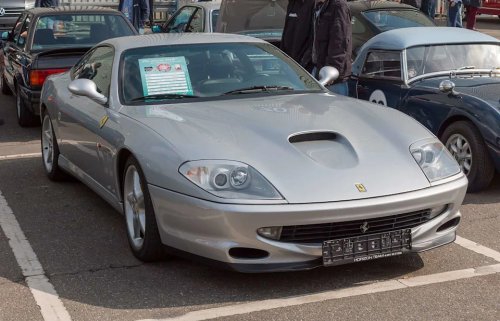
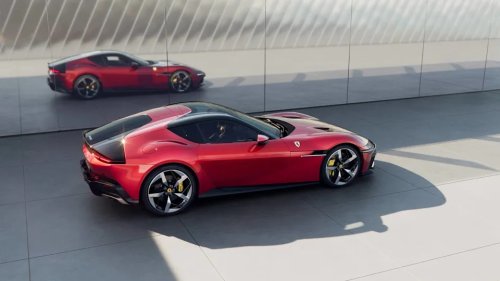
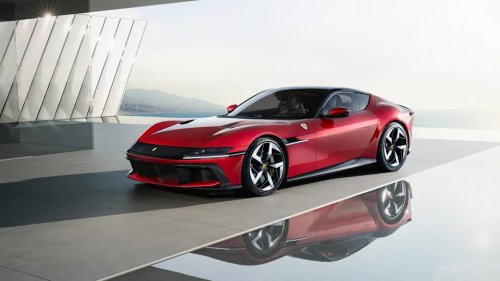
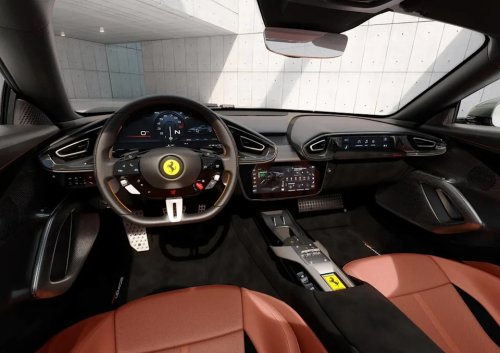
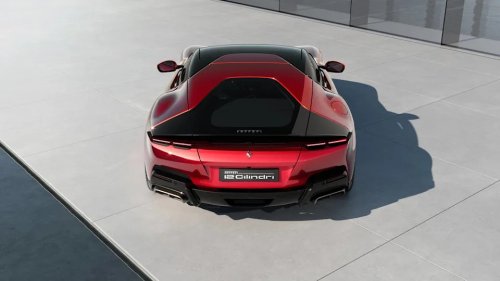
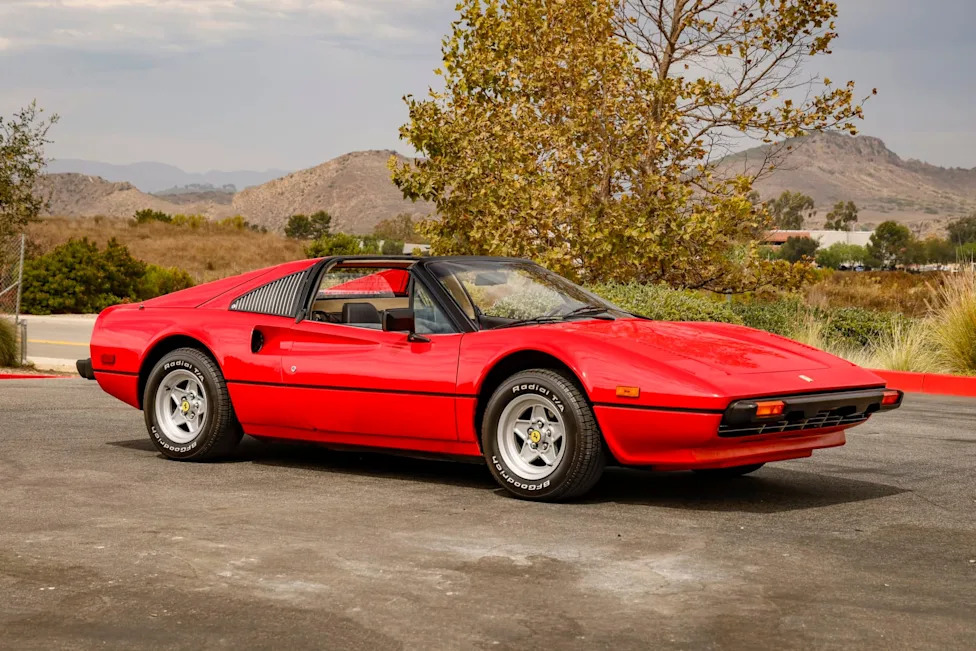
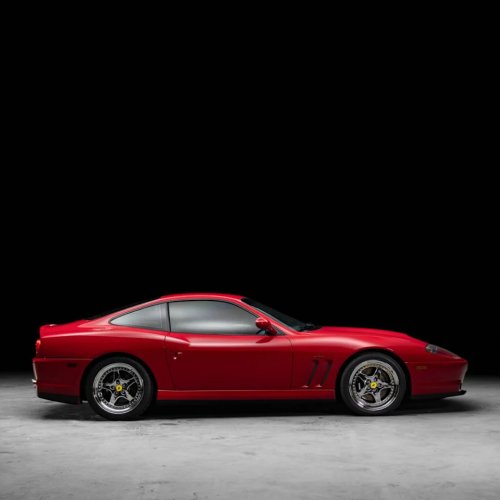
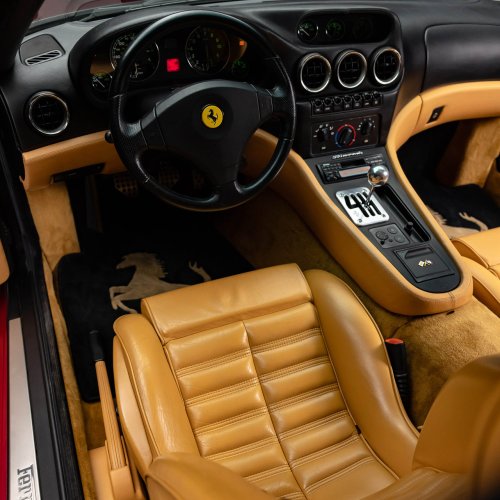
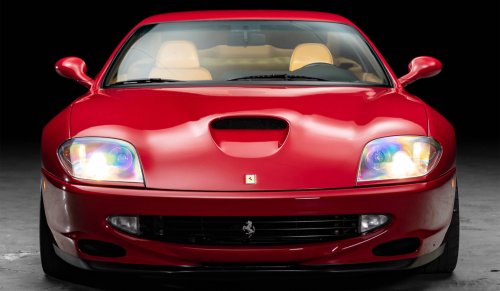
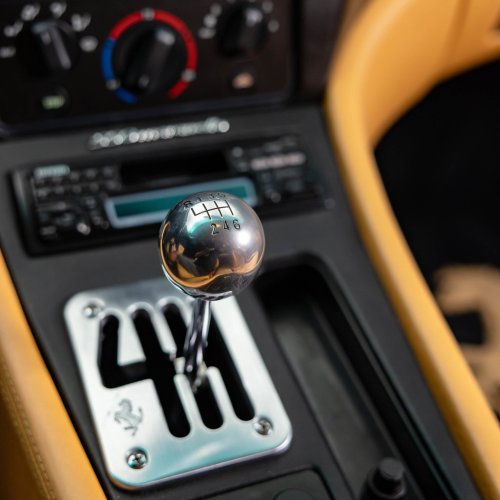
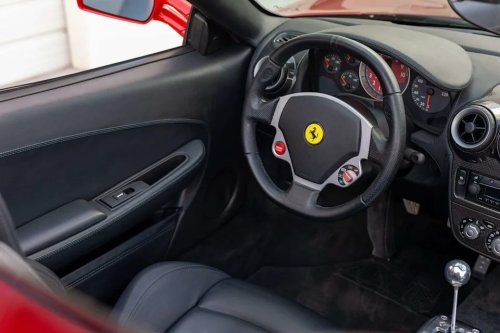
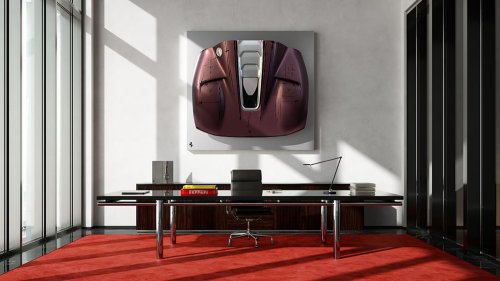
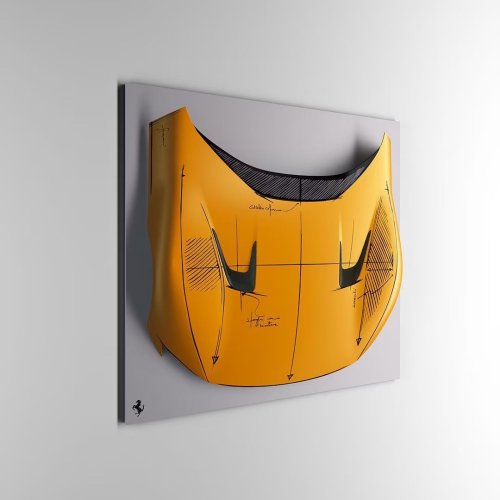
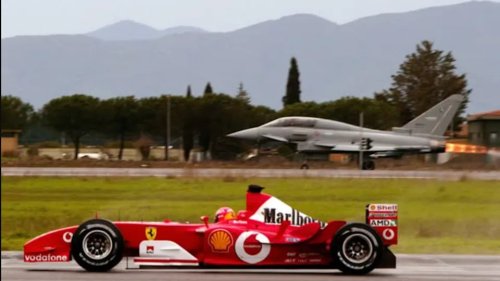
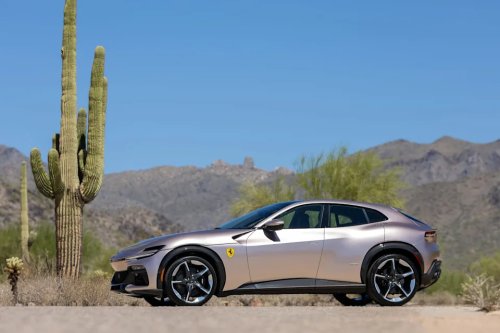
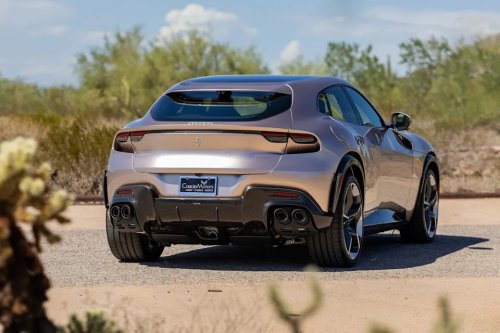
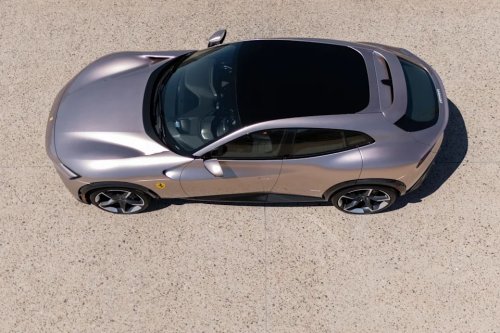
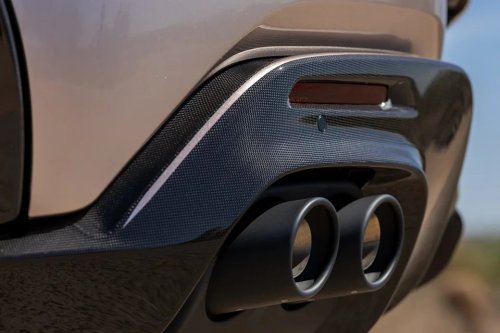
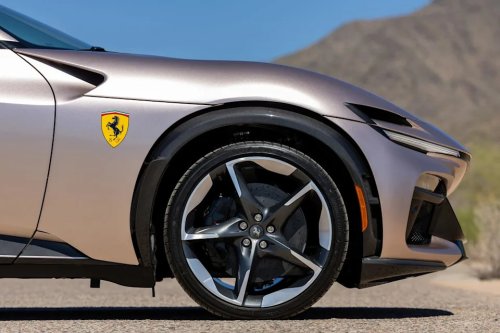
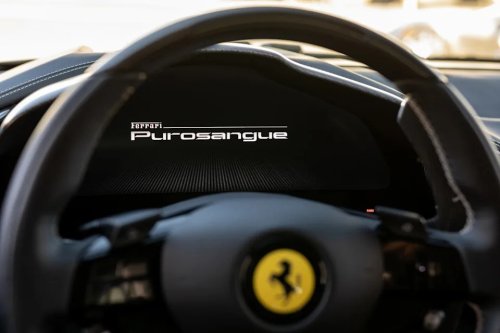
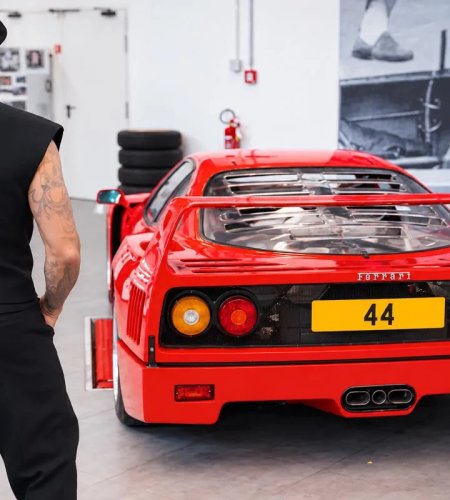
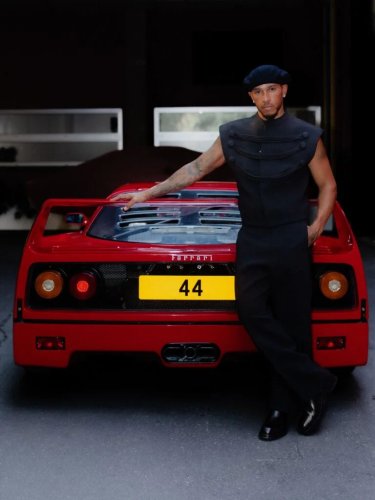
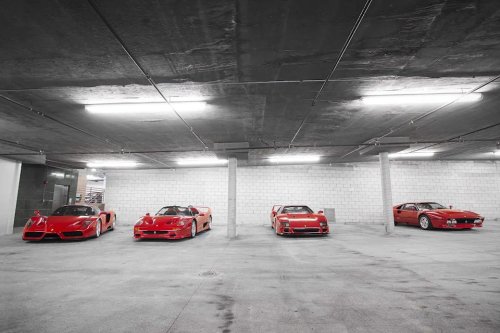
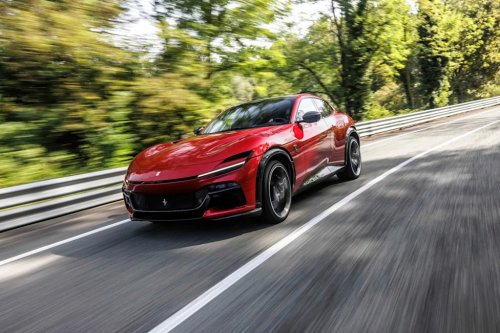
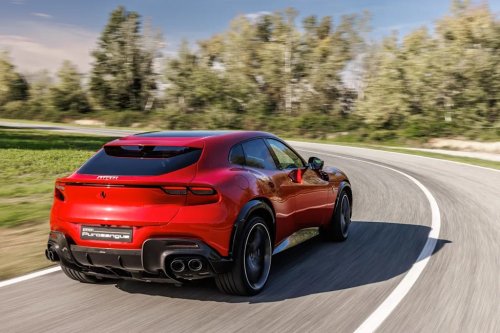
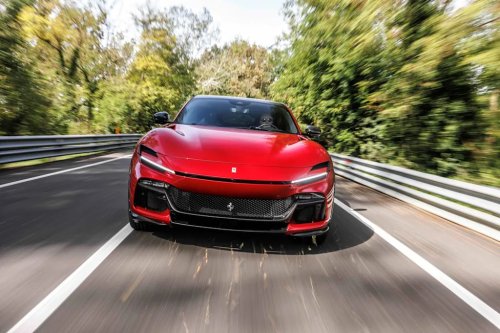
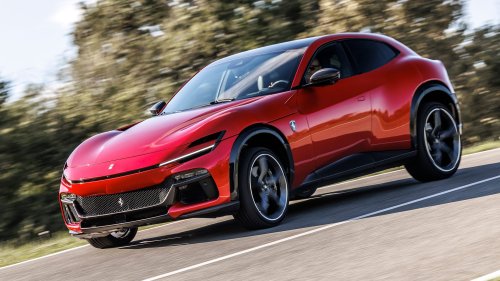
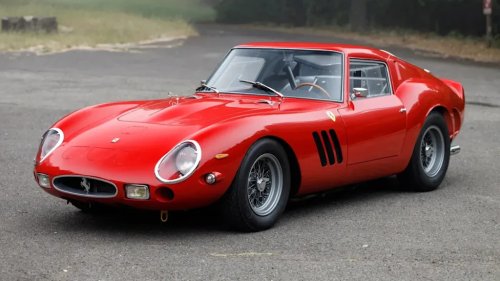
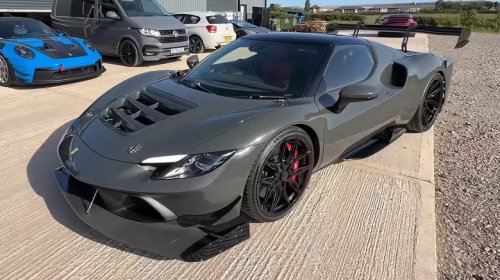
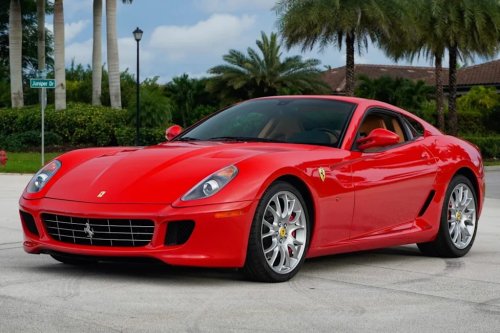
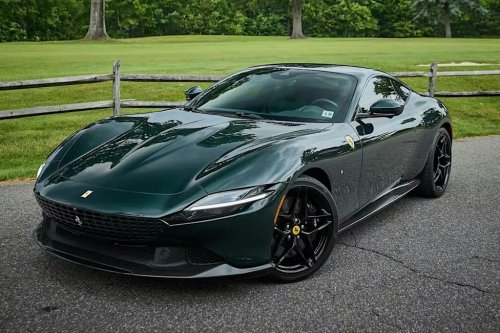
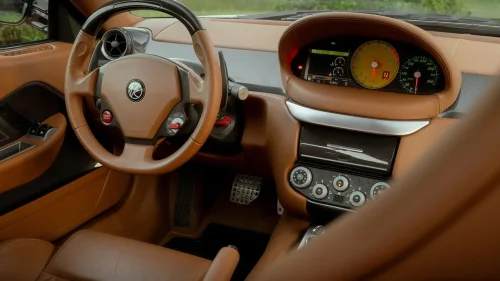
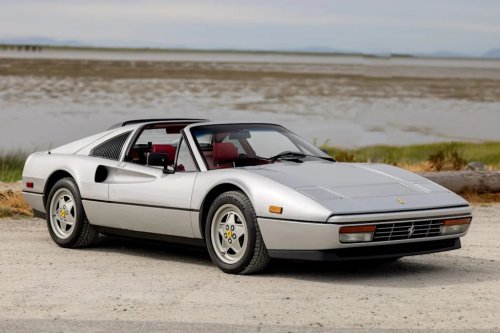
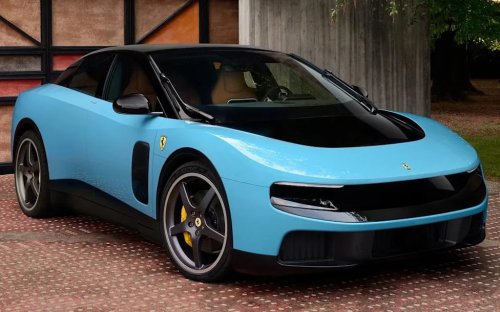
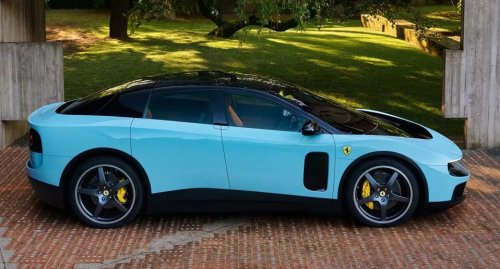
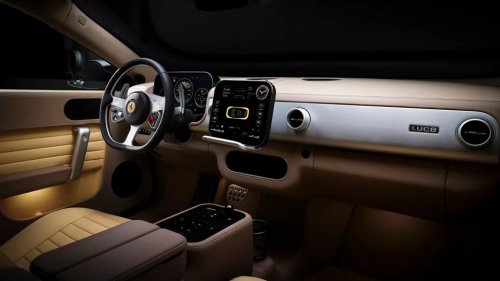
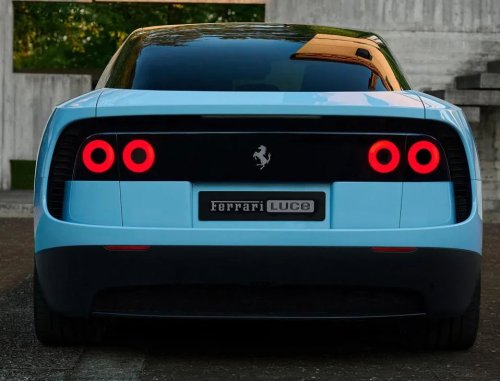
The all-new Ferrari Luce, the brand's first all-electric vehicle©2026 FerrariIf you are a driving enthusiast, there’s a good chance that at some point in your life, you had a poster of a Ferrari on your wall. Whether it was a classic 250 GTO, the iconic F40, or the more modern Enzo, the image celebrated the pinnacle of automotive enthusiasm—the Italian sports car. Ferrari stood for extreme performance with a direct, visceral connection between the driver and the machine. The cars were works of art, beautifully crafted and sculpted to please the eye and cheat the wind. Interiors boasted handcrafted leather and polished metalwork, while the sound—the wail of a flat‑plane V8 or the shriek of a silky V12 combustion engine—was incomparable.Fast forward to this week, when the Italian automaker unveiled the Luce, an all-electric vehicle that challenges almost every pillar of what a driving enthusiast believed to be a “real” Ferrari. It has a unique silhouette, an odd layout, substantially more curb weight, and a synthetic sound—gone is the roar of a gasoline-fed combustion engine.The all-new Ferrari Luce EV©2026 FerrariNews outlets were stunned, social media erupted, and driving enthusiasts were in tears. Everyone was talking about the new electric car. Ferrari had broken the Internet.AdvertisementAdvertisementWhile much of the world has accepted that the future of automotive propulsion will be electric, most had assumed that Ferrari would be a combustion holdout—one of the last to give up combustion. Those inaccurate thoughts were likely reinforced when Lamborghini, Ferrari’s closest competitor, announced that it was ceasing development of its all-electric Lanzador and an EV version of the Urus just three months ago. There was no way that Ferrari wouldn’t do the same. Wrong.The Ferrari Luce is likely a good EV, but most feel it’s misbranded (it shouldn’t be wearing a “Prancing Horse” logo on its hood) and mispriced (Ferrari has stated an MSRP of about $640,000 USD). Thus, the outcry. And there’s more.A Ferrari is engineered to be loud and boisterous. The engine's wail turns heads before it arrives, signaling the power beneath the decklid. But the Luce is quiet. Its mechanical symphony has been replaced by the near-silent whirl of electric motors, complemented by a synthesized soundtrack. Ferrari engineers have tuned metal exhaust pipes and mufflers since 1947. But now, with the Luce, they compose artificial soundscapes with auto-tune flatness.The cabin of the Ferrari Luce©2026 FerrariLong hoods, visible vents, angry air intakes, sharp lines, and hand-sculpted bodywork have always defined a Ferrari. But not with the Luce, a vehicle with soft surfacing, glass-heavy canopy, and an indistinctive face. The overall appearance is anonymous, lacking character and reeking of sterility. While it may appeal to those seeking an appliance for transportation, it lacks any emotional draw—nobody will look back over their shoulder at a Luce as they leave a parking spot.AdvertisementAdvertisementPurists welcome two-seat Ferrari models and begrudgingly acknowledged the arrival of the four-seat Ferrari Purosangue when it debuted two years ago. The Luce, however, is a five-seater—that’s downright utilitarian. Ferrari is projecting to customers that practicality and daily usage were design priorities. Purists always considered a Ferrari a “third car” in the garage, allocated for special occasions or events. This one appears to be ready for carpooling.In the automotive kingdom, mass is the enemy of performance. Increased weight requires more power and oversized components to overcome, which again adds even more weight. Most Ferraris tip the scales at around 3,200 pounds, with the heaviest still coming in below 4,000 pounds. The Luce weighs nearly 5,000 pounds—about 400 pounds heavier than a Chrysler Pacifica minivan. While innovations such as torque vectoring and multiple electric motors will mask the performance penalty, the weight will be felt dynamically during transitions and braking. Bottom line: the two-plus-ton Ferrari clashes hard with the “lightness is everything” mentality of its predecessors.Historically, Ferraris have had cockpits designed for performance, resembling those of fighter jets. Weaponized cabins featured form-fitted seats, toggle switches, shift lights, and exposed carbon fiber. The Luce reeks of comfort with smooth surfaces, flat panels, functional interfaces, and thoughtful ergonomics. While those attributes may seem inviting to the average driver, enthusiasts see them as reducing the intimate act of driving. The more luxurious it comes across, the less it feels like an extension of the driver’s nervous system.The rear of the Ferrari Luce©2026 FerrariLastly, the Luce frustrates brand purists because it departs from the company’s traditional core audience. Instead of appealing to driving enthusiasts, racers (and teenage boys), the new EV is aimed at technology founders, social-media billionaires, and first-time buyers who are new to the brand. To a longtime Ferrari follower, it seems the brand has moved on without them.AdvertisementAdvertisementThat sense of being quietly replaced as the brand’s core audience fuels a lot of the anger—especially online, where identity and ownership bragging rights are half the appeal. While some will see the Luce as a necessary evolution in a changing automotive landscape, others feel this is the moment when Ferrari stopped being what they fell in love with in the first place—the red sports car poster on the wall.This article was originally published on Forbes.com



















 +69 others