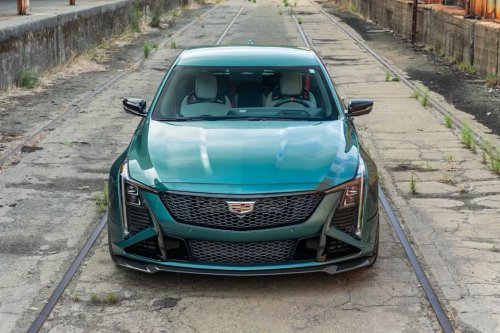
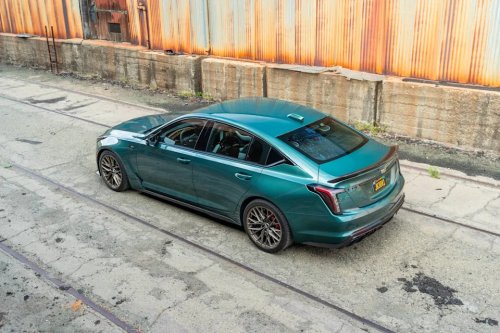
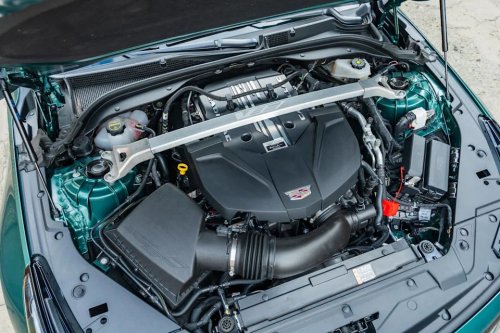
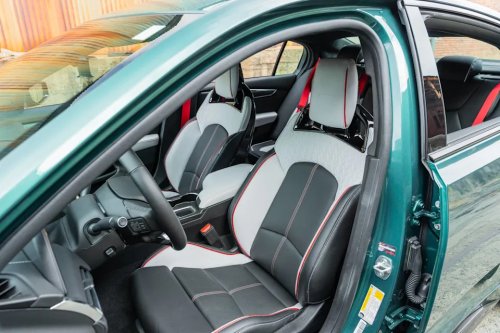
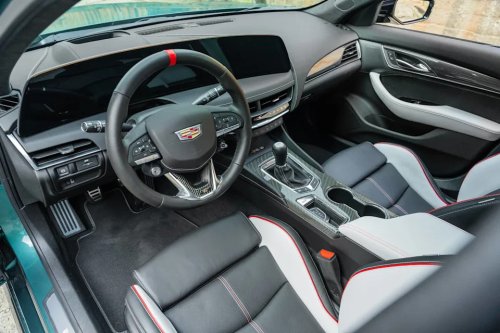
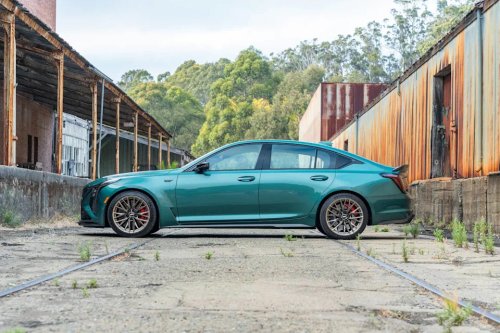
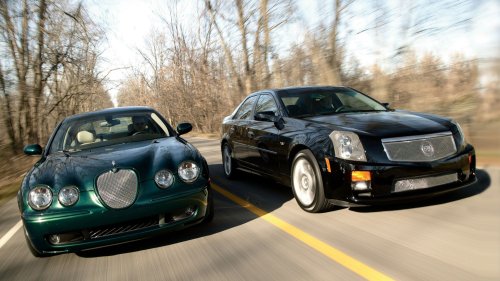
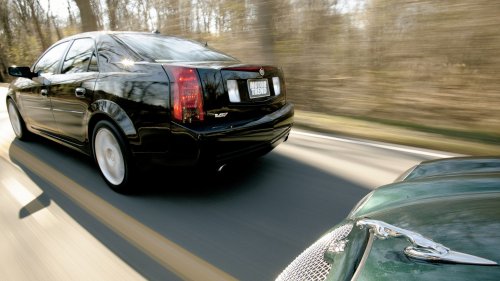
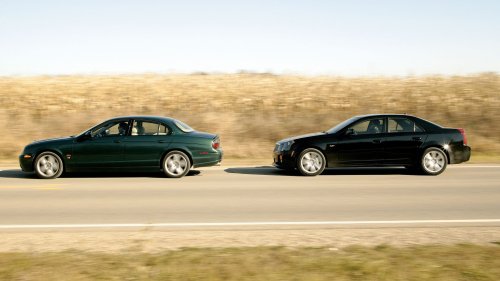
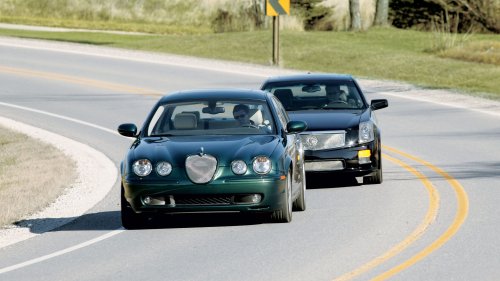
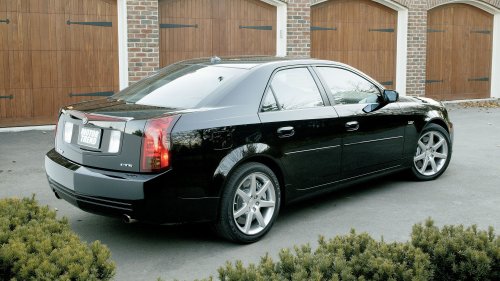
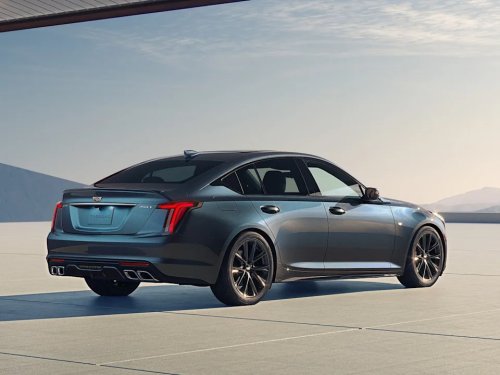
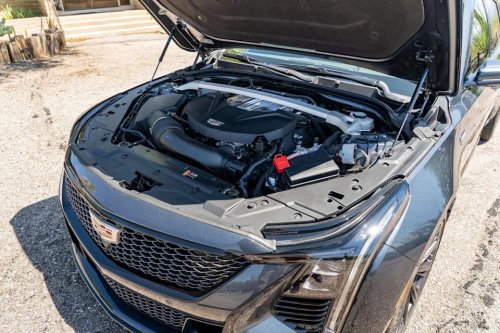
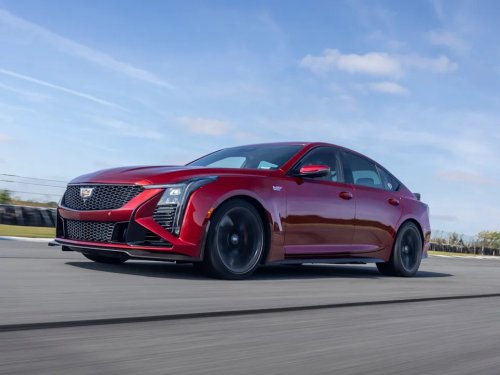
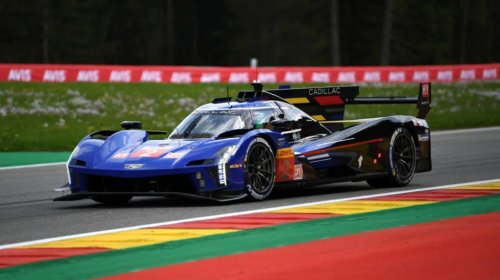
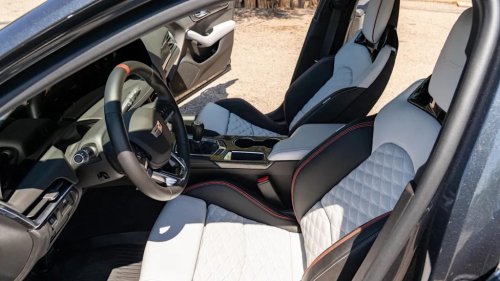
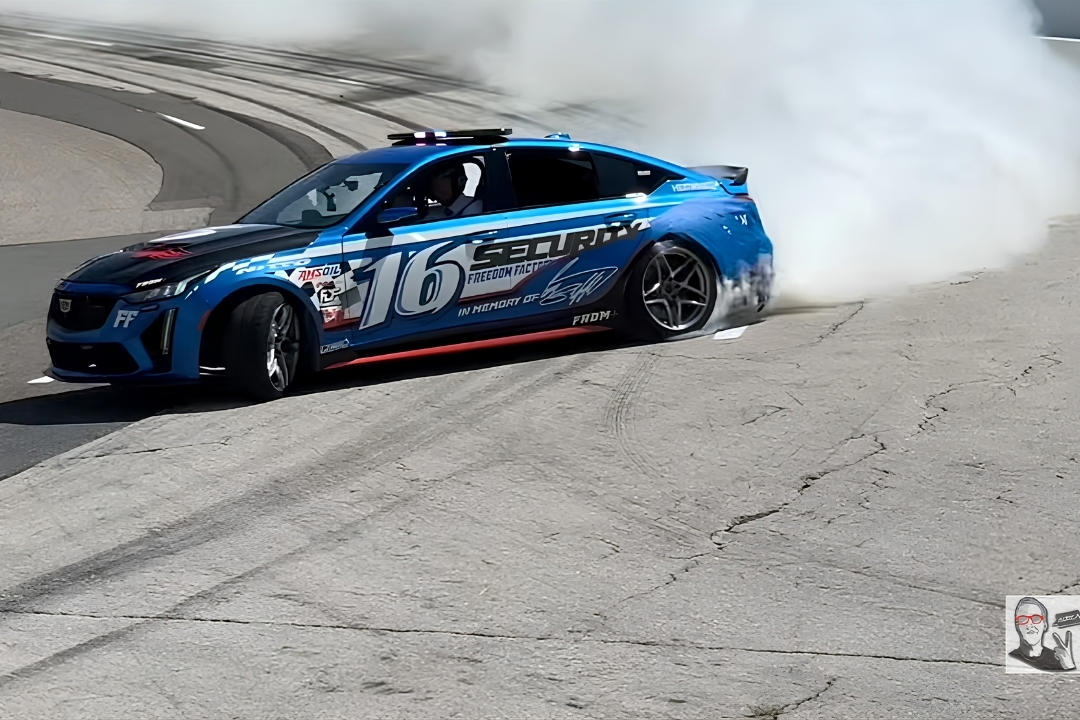
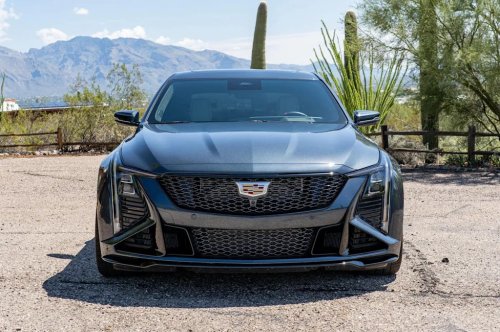
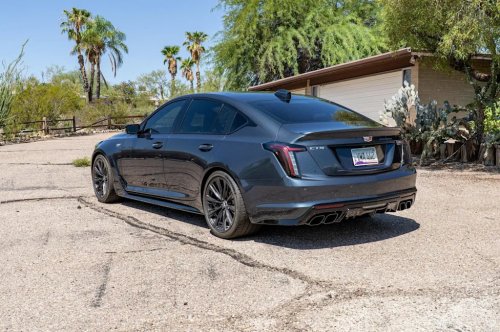
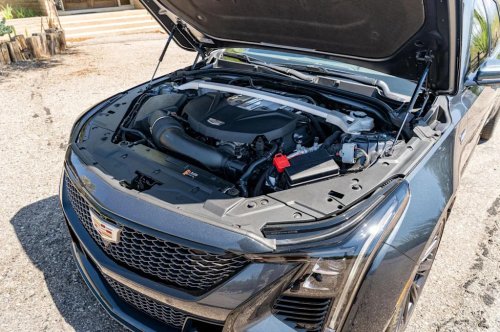
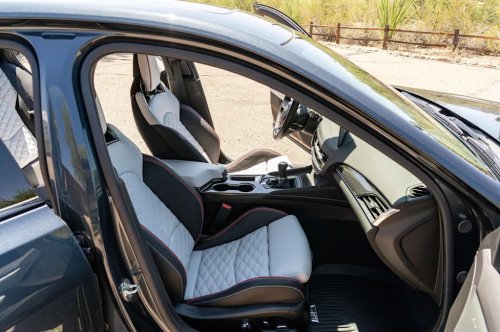
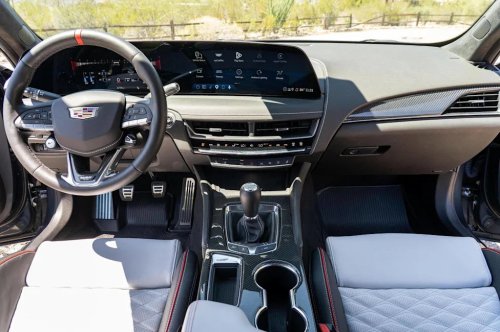
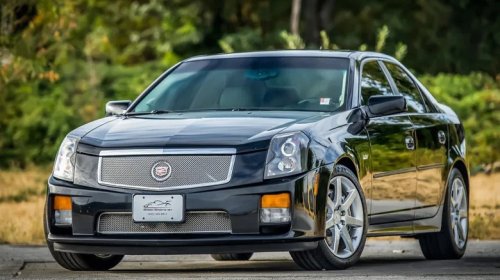
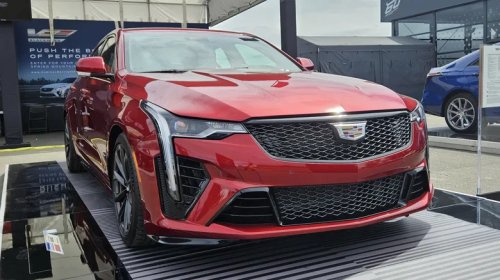
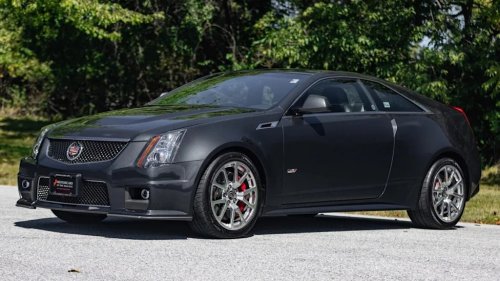
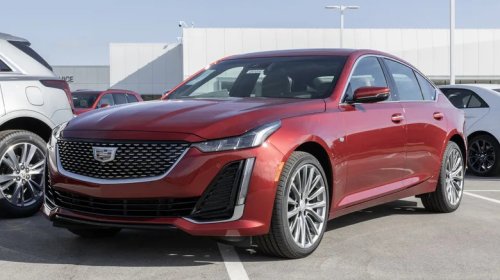
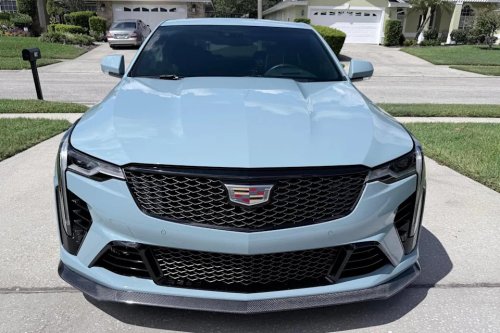
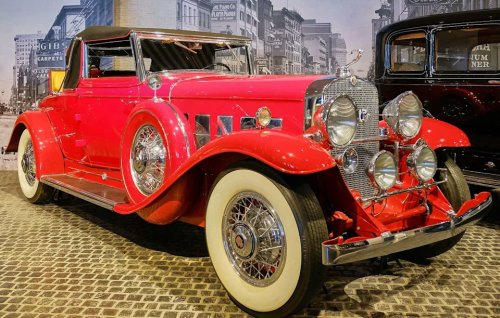
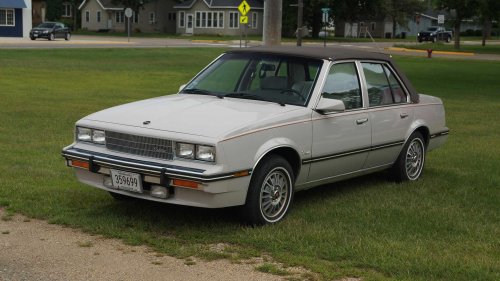
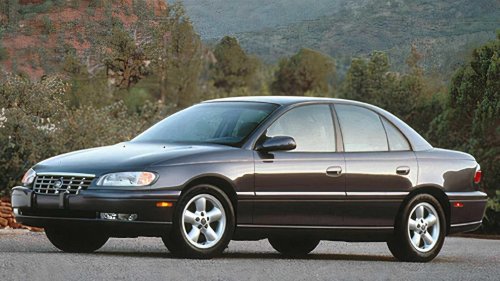
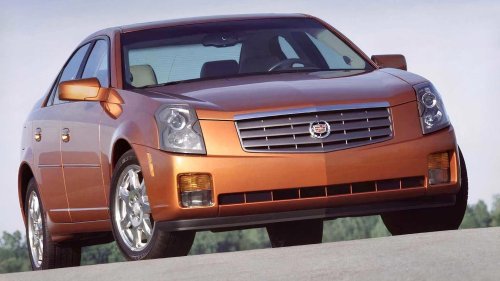
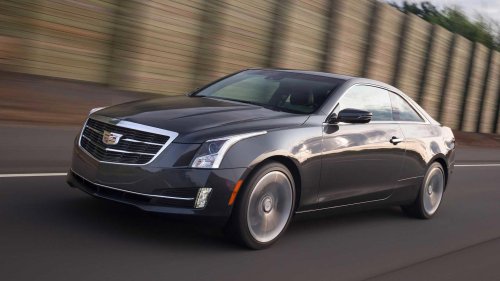
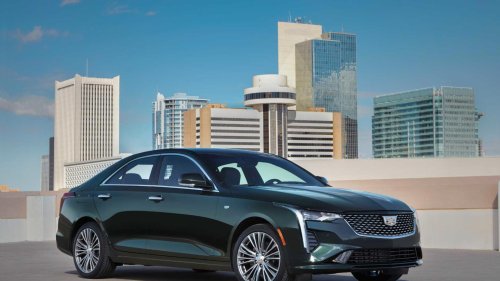
The bells are tolling at 1240 Woodward Avenue, General Motors’ new headquarters as of January, as production of the Cadillac CT4 is ending. Blackwing models, however, continue to roll off the line into June when they are scheduled to cease production. The CT4 continued the shallow legacy of Cadillac’s smaller sedans but proved that a brand not historically renowned for building compact vehicles could deliver, after four decades to get it right.There have always been relatively small Cadillacs, but a truly compact Cadillac model didn't appear until the 1980s. The brand had no choice but to develop one if it wanted to curb its corporate emissions and stay afloat against imports. In recent years, the brand’s smallest offerings have improved but still struggled against foreign competition, but Cadillac has come a long way since its first small sedan and kept changing the formula each time it introduced a new one. Here's a list of every compact Cadillac ever produced to see what we mean. Cadillac Cimarron 1982-1988 1983 Cadillac Cimarron Ultra front 3/4John Manoogian had less than 12 months to turn a Chevrolet Cavalier into a Cadillac. At a time when a new car took four to five years to develop for production, Manoogian, a designer for General Motors, was handed the $12,000 Cavalier and told by the higher-ups to “turn it into a Cadillac.” The second wave of the fuel crisis was hitting, and German sedans were all the rage as BMW and Mercedes-Benz offered compelling four-door vehicles with exceptional luxury and athleticism. Cadillac needed a more efficient offering that would also challenge the new crop of competitors. The Cimarron was the result.Easy pieces to retool on a car already in production are soft points like the bumpers, grill, headlights and taillights, wheels, and the interior. This was precisely what Manoogian did when he created the first compact Cadillac. Under the hood, there was the L46-code 1.8-liter four-cylinder that produced 88 horsepower. The same powerplant motivated models on the same platform, including the Pontiac Sunbird and Sunfire, Oldsmobile Firenza, and Buick Skyhawk. Just over 131,000 units were produced from 1982-1988. Even with the addition of the V6 in 1985 and more European styling towards the end of its production run, the Cimarron was a failure. Cadillac Catera 1997-2001 1997-2001 Cadillac Catera Front Angle ViewWith the compact segment still in its sights, Cadillac was determined to offer a sedan that felt like German competitors. Actually, the company did just that and made no apologies. The German-built Opel Omega was rebadged as the Cadillac Catera and brought to America in 1997, marketed as “the Caddy that Zigs” and became the newest bookend to Cadillac’s portfolio, with this on the small end and the Escalade (which came to market in 1999) at the large end.The goal this time around wasn’t to curb fuel economy or to compete with imports, but to reduce the average age of the Cadillac buyer. The Catera was supposed to attract a younger audience, and GM believed it would succeed thanks to the car’s roots as a European sedan. Rear-wheel drive and a 200-horsepower 3.4-liter V6 weren’t enough to sell the car on its own, so GM called in Cindy Crawford and Ziggy the bird to advertise Cadillac’s newfound youthfulness with the Catera.Late in the Catera’s life, the Escalade surpassed all other models as the most youthful, given its prominence in rap music, heralding the end of the sedan since the problem it was meant to solve was subsequently fixed by another. Cadillac CTS (First Generation) 2003-2013 2003 Cadillac CTS front, three-quarterThere’s a long list of Cadillac sedans that might have been the smallest in the lineup at the time, but none were ever designed to be small (hence the rebadging of others to fill those gaps). But the CTS changed things for Cadillac, having been the first sports sedan designed in-house. Being the smallest was just a byproduct of the car’s mission to be the sedan that helps bring Cadillac into the modern era. The CTS was the first Cadillac since 1988 to offer a manual transmission, and it became the first of many V-Series models that propelled the brand back into popular culture as cool again.A 3.2-liter V6 derived from the Catera’s V6 produced 220 horsepower and 218 lb-ft. of torque and was mated to either a 5-speed manual Getrag 260 or a 5-speed automatic 5L40-E transmission. The CTS even shared some gearboxes with the BMW 3 Series and 5 Series, putting it in closer competition with them. The CTS-V joined the lineup in 2004 with a 5.7-liter LS6 V8 engine and a Tremec T56 6-speed manual transmission, but offered slim exterior cues as to the wolf that was hiding in sheep’s clothing. Cadillac ATS 2013-2019 2015 Cadillac ATS Coupe (3)The CTS would be refreshed for 2009 and completely overhauled for 2014, which Cadillac stretched an extra few inches and brought into the mid-size executive sedan segment. Just before the CTS was put on the taffy puller, Cadillac launched the ATS for 2013, which took over the original CTS’ title of being the brand’s compact sedan. Riding on the same platform as the Chevy Camaro, the ATS was offered in both sedan and coupe variants, another thing it took from the CTS, and was blessed with a V-Series model that used a twin-turbo V6 to produce 464 horsepower.The ATS also took over as the race car in the SCCA World Challenge GT Championship, which Cadillac had previously entered with CTS sedans and coupes. Racing seemed like a good way to test parts before they made their way into production cars, but it never truly felt like a marketing tactic until the brand started going endurance racing and later entered Formula 1. If a manufacturer is going to go racing, especially a manufacturer of luxury automobiles, it needs some of that engineering to trickle down into its road cars, so owners can feel connected with the racing division. Cadillac CT4 2021-2016 Cadillac CT4For almost 10 years, Cadillac had the image it needed to stay relevant in the luxury sports sedan market, but it also served its fair share of alphabet soup with its model names. Historic nameplates like Eldorado and Coupe DeVille are deserving of their place in history, so any new name would not have the same ring as the older ones. Alphanumeric naming isn’t anything new, but Cadillac wanted to keep things in a neat enough order to clean up the portfolio.This led to the ATS and CTS becoming the CT4 and CT5 to fall in line with now-discontinued models like the CT6 sedan, XT4, and XT6. The CT4 brought order to the naming structure of Cadillac’s sedans, setting the last piece of the compact sedan puzzle into place. Not only did Cadillac’s new naming structure disrupt the brand’s image, but GM’s plans to go all-electric also became more prevalent within Cadillac than in any other brand, with its five electric vehicles, keeping it in a perpetual state of soul-searching. In the midst of planning for an electric future, however, it was still churning out hot sedans.The CT4-V and CT5-V Blackwing models are the pinnacle of Cadillac’s road-going race cars. Each took what we loved most about the ATS-V and CTS-V to become the fire-breathing sedans Cadillac is known for today. GM’s decision to cease production of the CT4 comes as the company recommits to sedans with the announcement of a CT5 replacement, a Buick sedan, and a next-generation Camaro. We might never see a BMW 3-Series fighter return to the brand, but if we trace Cadillac’s compact sedan roadmap, the least we can expect is that it will be better than the CT4 we have today.



















 +20 others