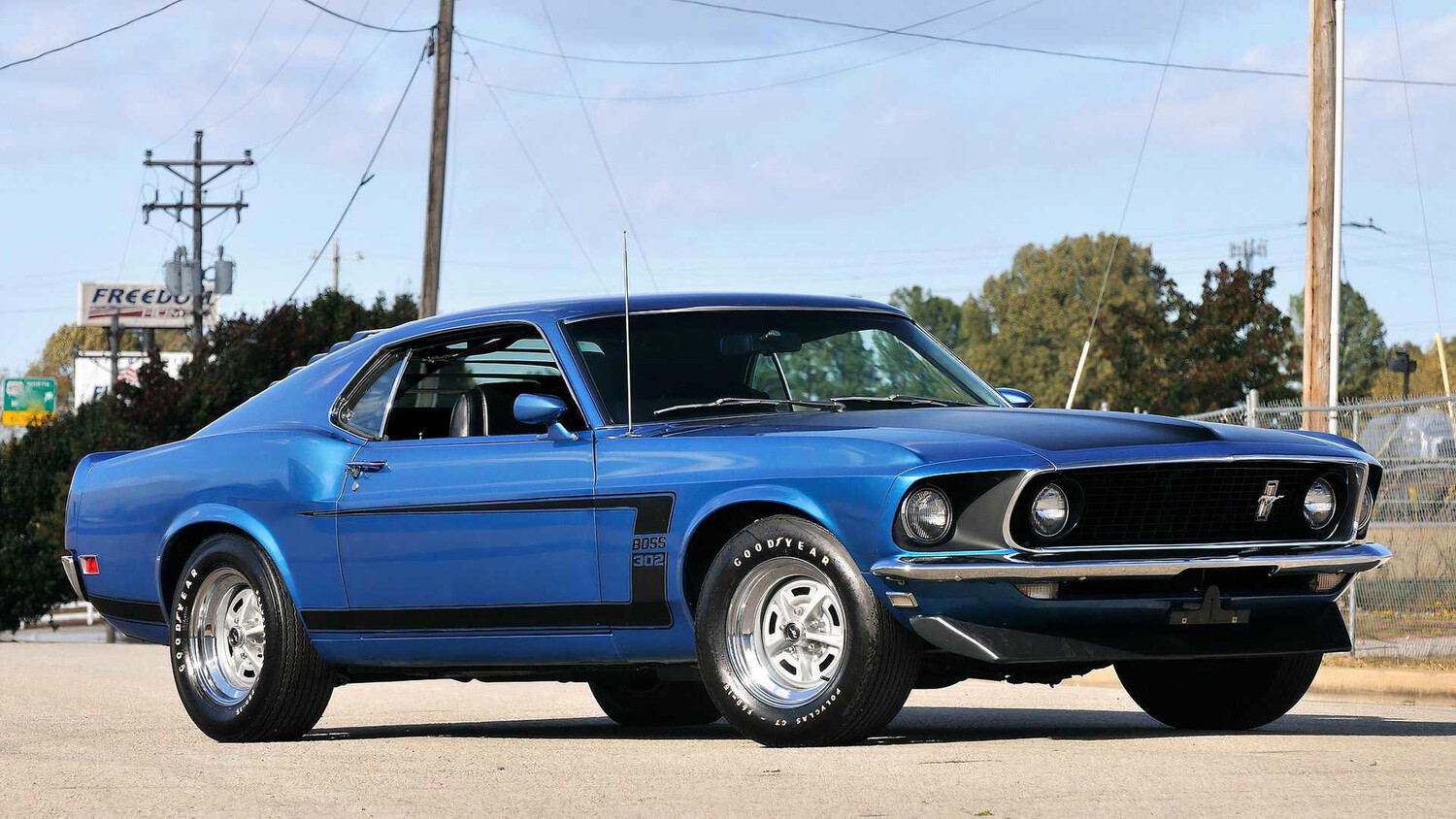
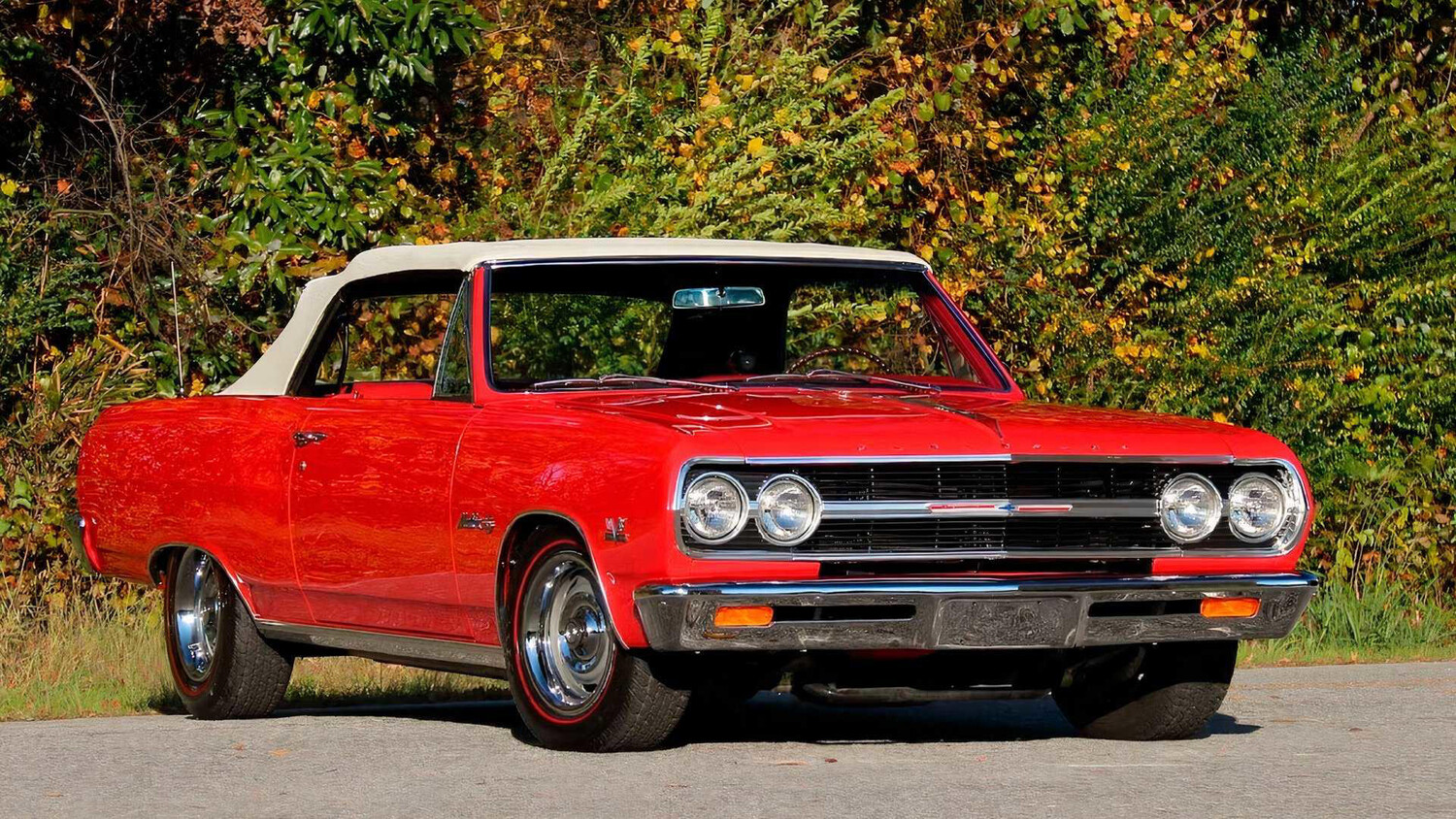
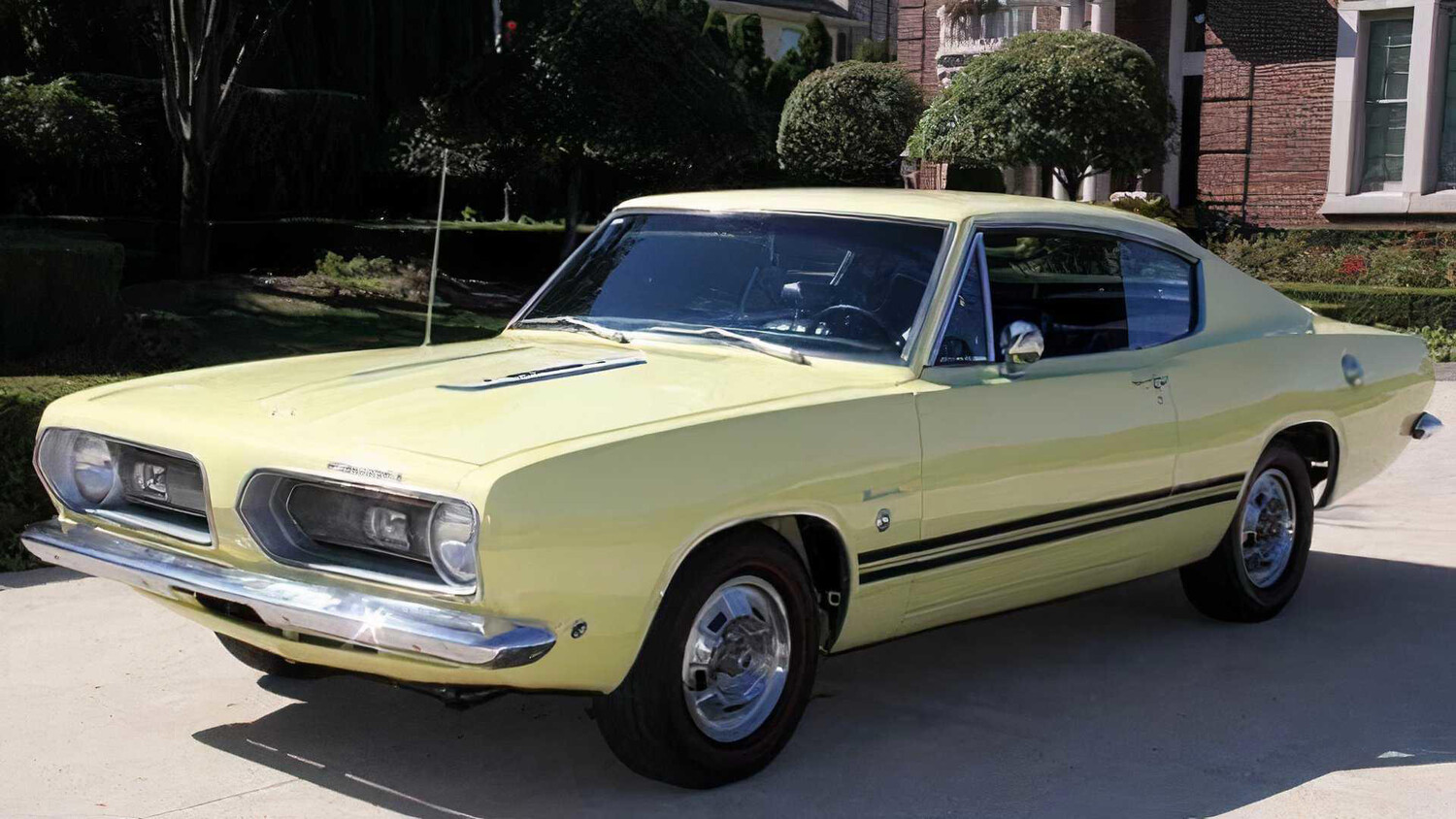
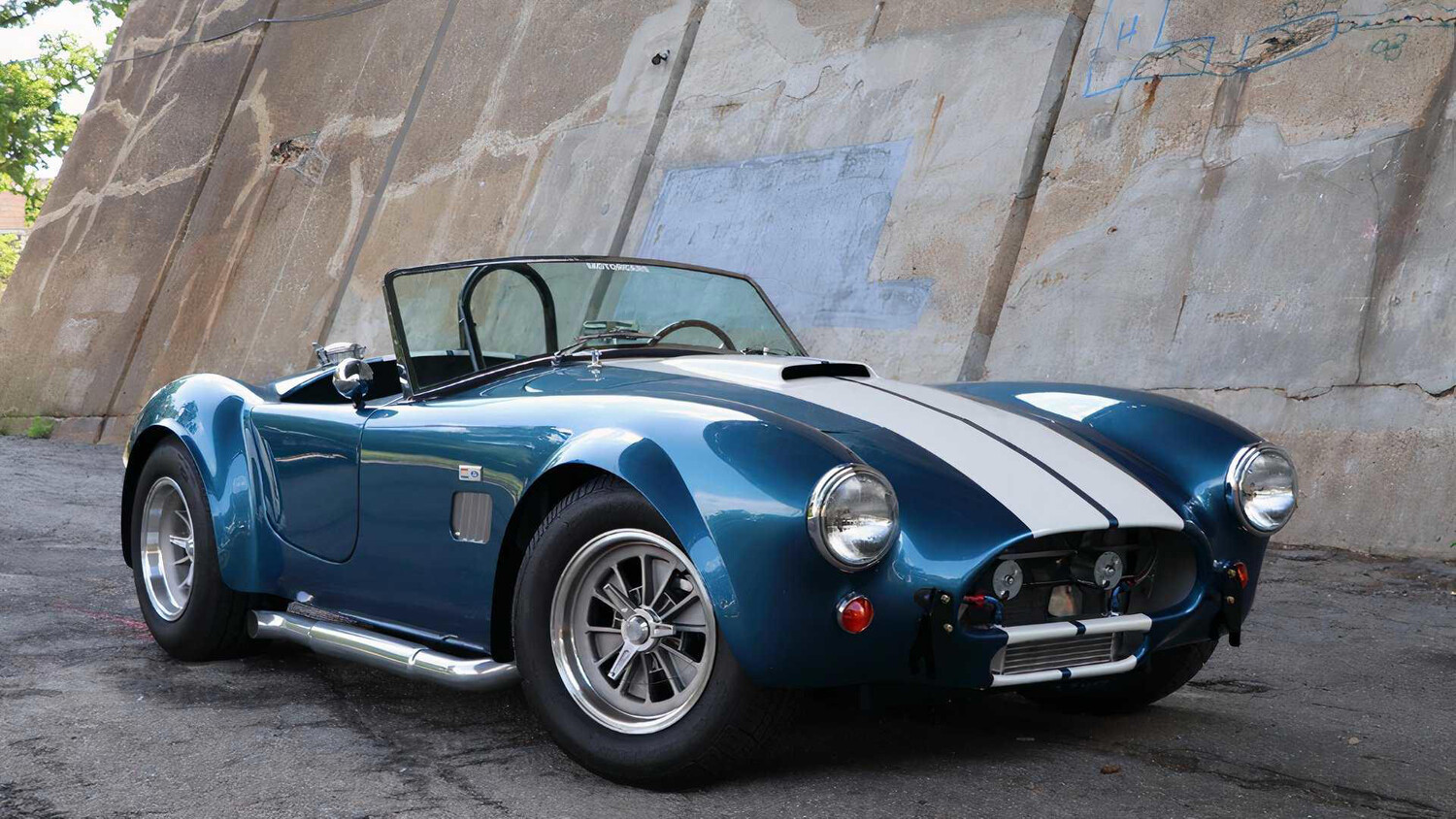
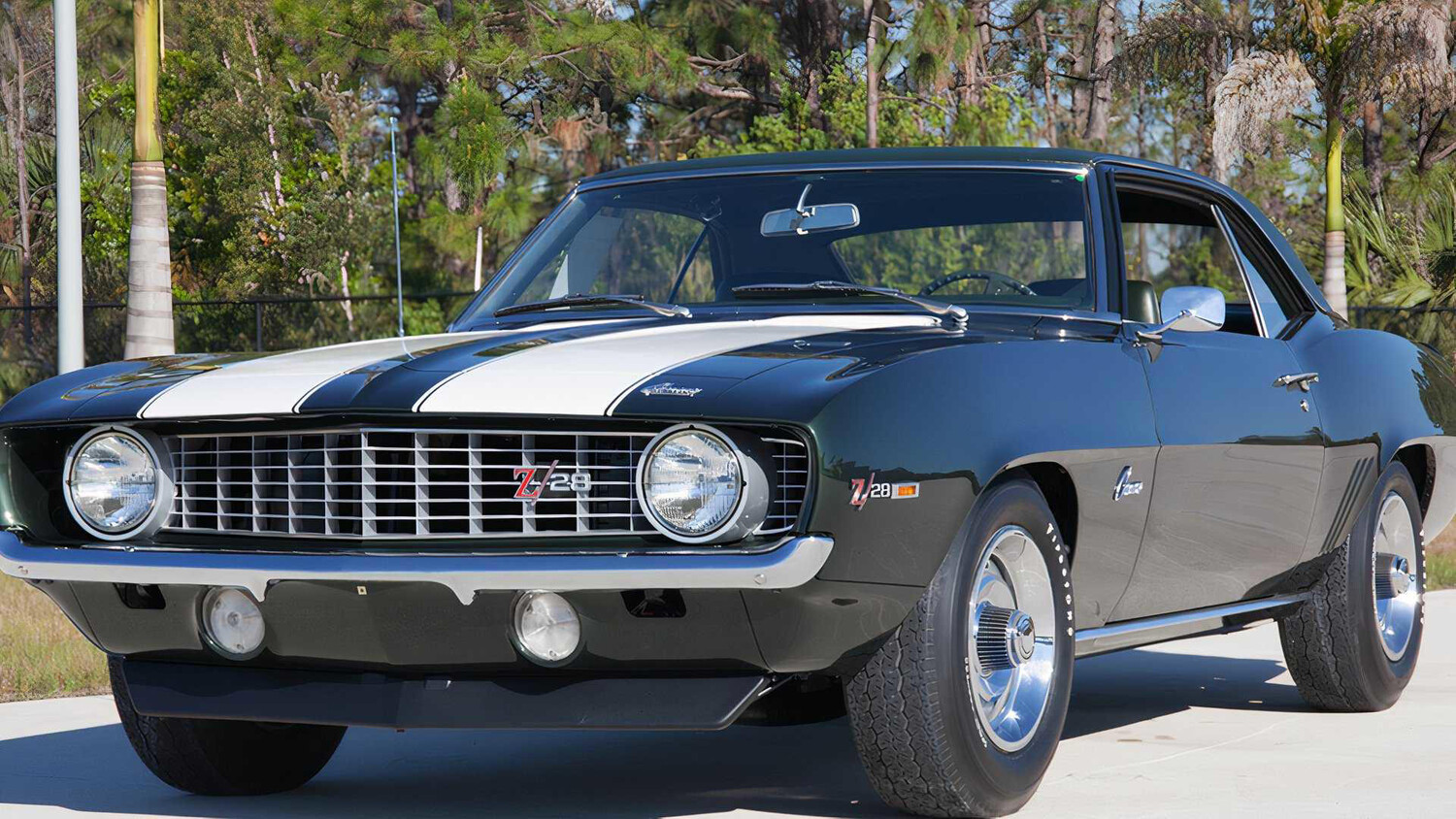
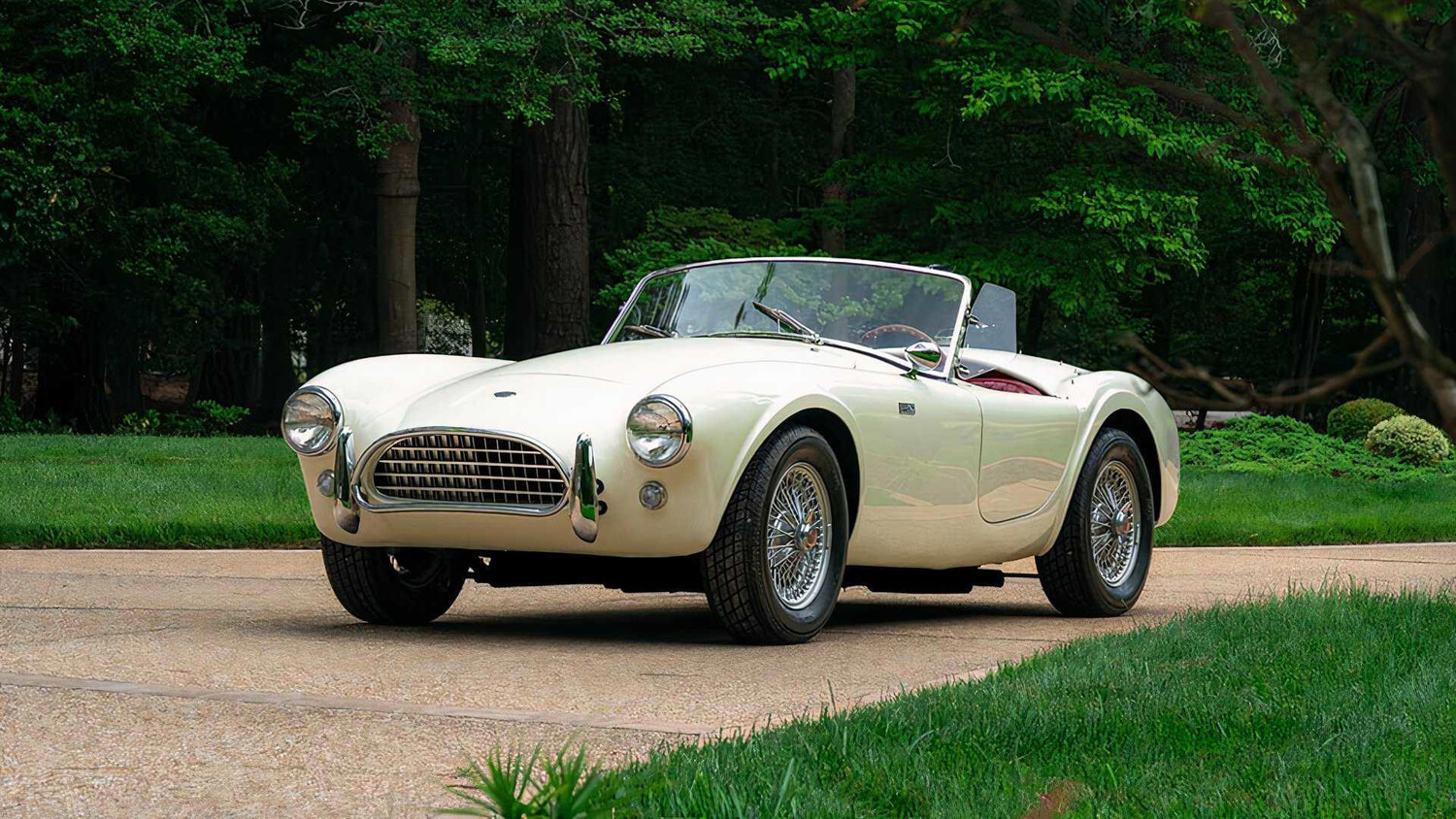
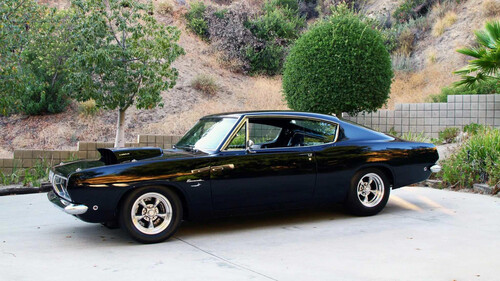
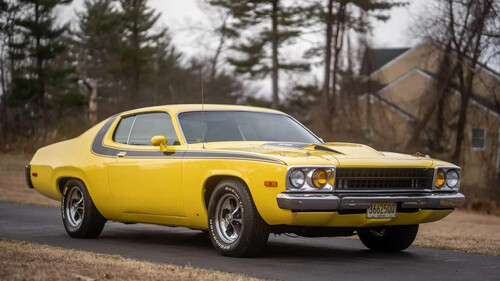
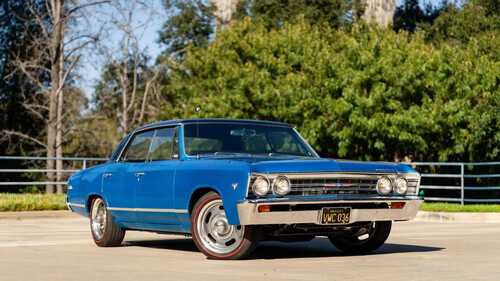
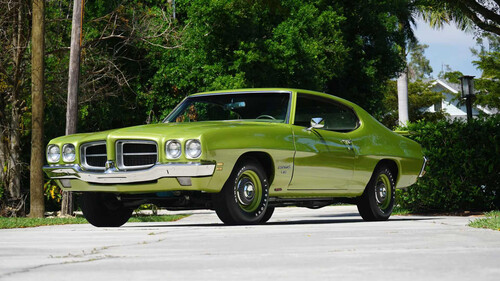
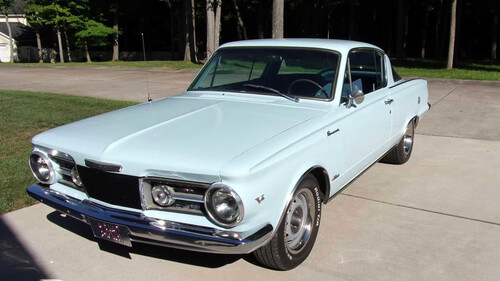
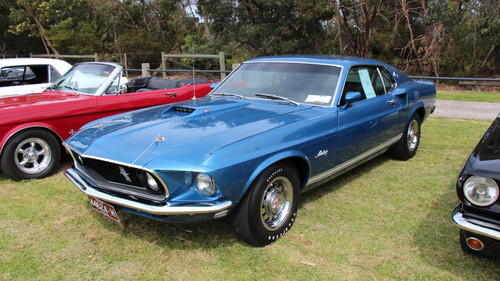
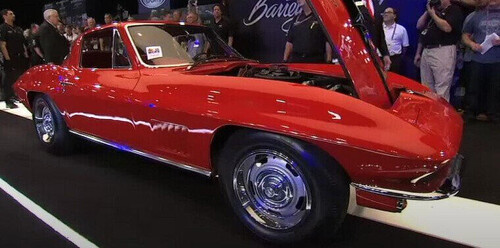
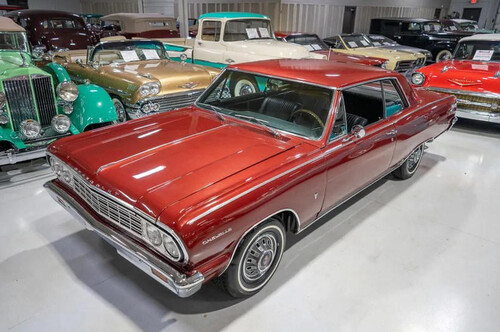
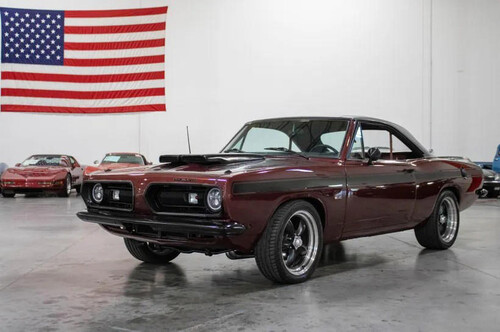
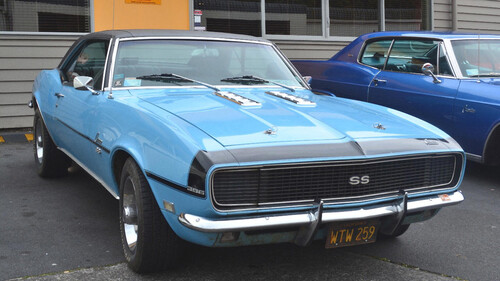
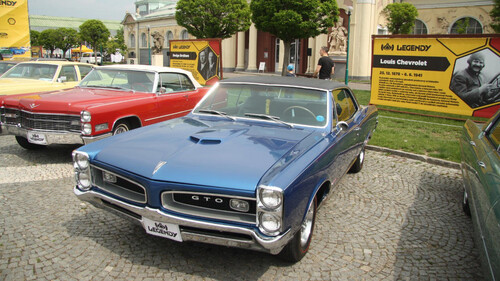
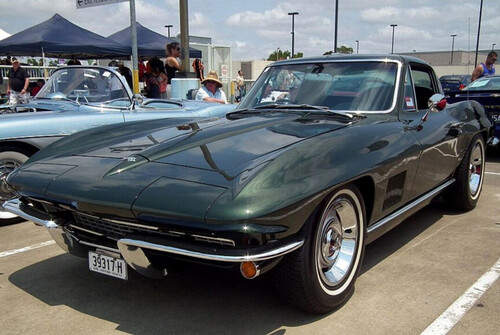
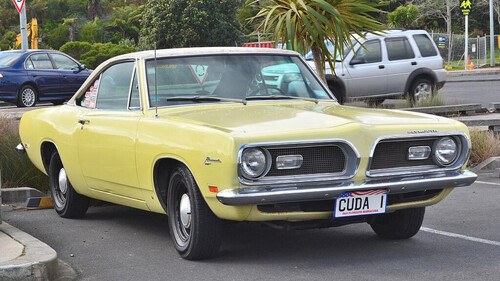
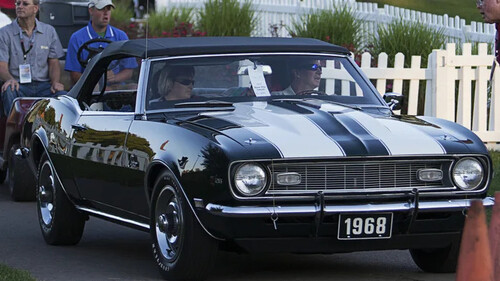
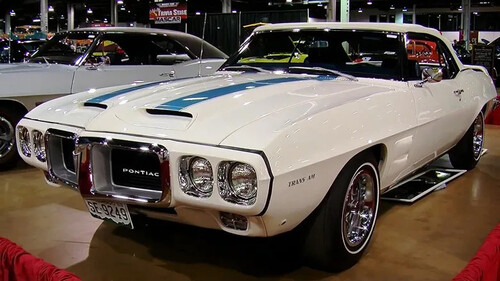
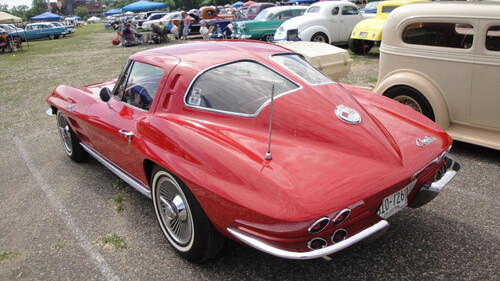
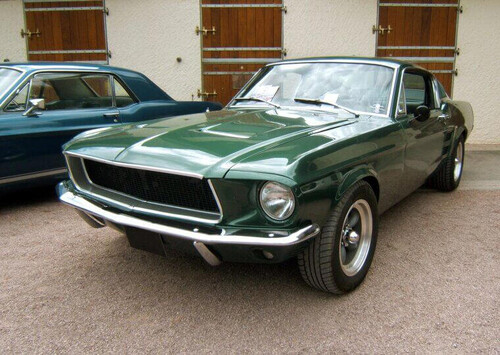
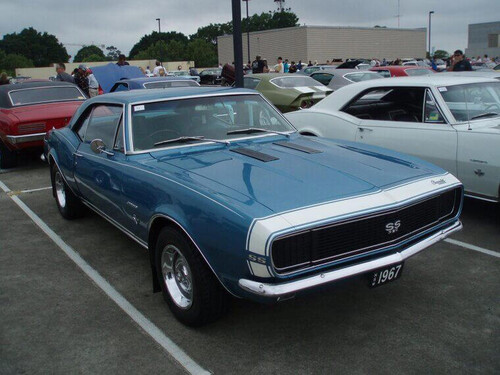
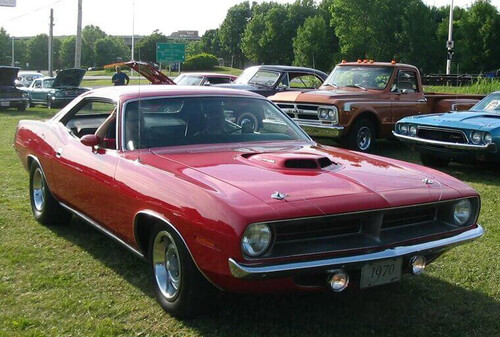
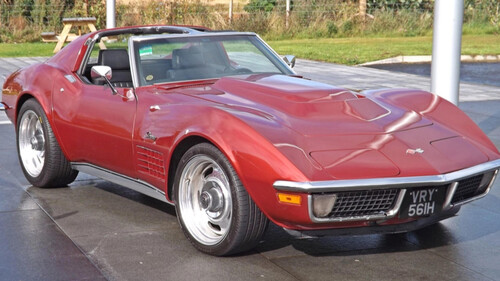
Every muscle head loves a big block V8, but Chevy's small block V8 is the one that really revolutionized the car industry in the late '50s. It offered lightweight, high-revving power that made performance more affordable and accessible to everyone. A small block V8 typically has a displacement of less than 400 cubic inches and, of course, a smaller block. While this doesn't necessarily mean a small block engine was less powerful, it did mean it had less air and fuel intake than an average big block.With massive engines and an abundance of powerful muscle cars for drivers to choose from in the golden era, many small-block options tend to end up overlooked today. That said, these cars had some impressive sprint times during an era in which the quarter-mile sprint was the top measurement used to determine a muscle car's ability.The specs and performance information provided in this article are courtesy of Hagerty, period tests by popular car magazines, and the respective car manufacturers. This list is sorted by quarter-mile times from slowest to fastest. 1969 Ford Mustang Boss 302: 15.0-Second Quarter Mile 0-60 MPH: 6.5 Seconds Mustang Specs Developed specifically to take on the Trans-Am rivals, the Boss 302 brought small-block V8 power and handling upgrades to the mix, giving the Mustang an edge over the competition. The handling prowess made the Boss 302 the best of the Mustang lineup at the time, ensuring owners could make their way through a serpentine course when faced with such a challenge. Powertrain Specifications The venerable 5.0-liter engine of the 1980s began as the 302 cu-in engine of the 1960s and 1970s. This Ford Windsor V8 engine sends 290 horsepower and 290 lb-ft of torque. To the rear wheels through a four-speed manual transmission. The Boss 302 could reach 133 MPH when pushed hard, but its real talent was the impressive handling that allowed this Mustang to take over the corners from other competitors. 1965 Chevrolet Chevelle Malibu SS: 14.4-Second Quarter-Mile 0-60 MPH: 5.9 Seconds Mecum Auctions The Chevrolet Chevelle Malibu SS is best-known for its big-block power, but the 327 cu-in engine used in the Corvette was also part of the Chevelle lineup. The L79 engine gave this car near big-block acceleration with smaller displacement, which improved handling and performance on a road course. The Chevelle SS is one of the top muscle car choices of the 1960s, and the 327 V8 gives this car impressive performance specs. Powertrain Specifications The Turbo-Fire V8 engine produces 350 horsepower and 360 lb-ft of torque, coming out of the small-block 327 cu-in V8 engine. This power reaches the rear wheels thanks to an impressive four-speed manual transmission. The Chevelle Malibu SS was a powerful and impressive start to the Chevrolet muscle car era. Using this setup, the Chevelle Malibu SS could reach a top speed of 138 MPH, which was impressive during its era. 1968 Plymouth Barracuda 340: 14.3-Second Quarter Mile 0-60 MPH: 6.5 Seconds Vanguard Motor Sales The second generation of the Plymouth Barracuda was exactly what the market was searching for. It was based on the Valiant mechanicals, but the body was different, providing the bold muscle car look desired. For this generation, convertible, coupe, and fastback body styles were the options, making it easy to find the desired car for some fun and style wherever you took this car. These models are considered to be some of the cleanest-looking cars of the era. Powertrain Specifications The Barracuda 340 was powered by a 340 cu-in V8 engine attached to a four-speed manual transmission. This gave the car 275 horsepower and 225 lb-ft of torque. This power sends the RWD car rocketing down the line in a hurry, resulting in sprint times that many owners were proud to boast about. This Plymouth muscle car also boasts a top speed of 124 MPH. 1967 Chevrolet Corvette Stingray: 14.3-Second Quarter-Mile 0-60 MPH: 5.7 Seconds iStock Images The 327 was Chevy’s high-revving small-block alternative to the big-block V8s that dominated the decade. This incredible engine was potent, lightweight, and allowed the Corvette to deliver serious performance without the massive size of a larger engine. The 327 V8 is the standard engine for the 1967 Corvette, but that doesn’t mean it was a slouch. It gave drivers the speed and performance desired. Powertrain Specifications Power for the 1967 Chevrolet Corvette Stingray came from a 327 cu-in V8 engine that pumped out 300 horsepower and 360 lb-ft of torque in its base form, but could be had with 350 horsepower. This power reached the rear wheels via a four-speed manual transmission for the higher-powered version, giving the Corvette enough power to reach 137 MPH when pushed extremely hard at the track. 1964 Shelby Cobra 289: 13.7-Second Quarter-Mile 0-60 MPH: 5.7 Seconds Gullwing Motor Cars The 1964 Shelby Cobra 289 wasn’t nearly as rare as its predecessor. Between 1963 and 1965, 580 of these cars were sold. Like its smaller-engined version, the 289 model was a bare-bones race car that was meant to be driven hard on the track. This muscle car could be taken onto the road, but it wasn’t made for smooth country driving, but that didn’t stop some owners from taking it out for a drive during sunny weekends. Powertrain Specifications The 1964 model year brought changes to the Cobra, giving it a new 289-cu-in V8 engine, set up ready to race. This gave the car 271 horsepower and 314 lb-ft of torque. This might not sound like a lot of power, but it was enough to go through the four-speed manual transmission to the rear wheels to send this car racing down the track. It even had a top speed of 140 MPH, which made it one of the fastest cars of its era. 1969 Chevrolet Camaro Z/28: 13.8-Second Quarter-Mile 0-60 MPH: 5.3 Seconds American Muscle Car Museum Despite not being the fastest muscle car of its time, the 1969 Chevrolet Camaro Z/28 was one of the most desirable cars of its era. This car came with wide rims, rally stripes, front disc brakes, and a solid powertrain that made it one of the most impressive cars to see on the drag strip. Unlike many other muscle cars of its time, the Camaro Z/28 had power steering, which made it a good-handling car on the road. Powertrain Specifications Compared to other small-block V8s, the Camaro Z/28’s engine was much smaller than most, but that didn’t stop this car from embarrassing many others at the drag strip. The 302 cu-in engine pumped out 290 horsepower and 290 lb-ft of torque, which was more than enough to make this car quick and decisive. This power went to the rear wheels through a four-speed Muncie manual transmission, which was adequate for the Camaro Z/28 to have a 132 MPH top speed. 1963 Shelby Cobra 260: 13.8-Second Quarter-Mile 0-60 MPH: 5.3 Seconds Motorious Everything performance enthusiasts desired came in one small car, the Shelby Cobra 260. It had a classic aluminum roadster body, a tube space frame, and a lightweight small-block V8 engine. Overall, this little sports car only tipped the scales at 2,100 pounds, which meant it didn’t need a lot of power to get it going. There were only 75 made between 1962 and 1963, making it a rare car. Powertrain Specifications The Ford Windsor 260-cu-in V8 engine resided under the hood of the Shelby Cobra 260. This engine produced 260 horsepower and 269 lb-ft of torque, which was sent to the rear wheels via a four-speed manual transmission. This was enough power to give the car a top speed of 139 MPH, along with the sprint speeds.Source: Hagerty.