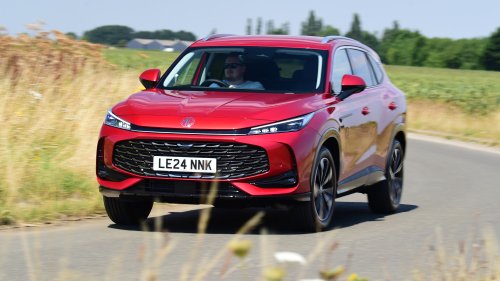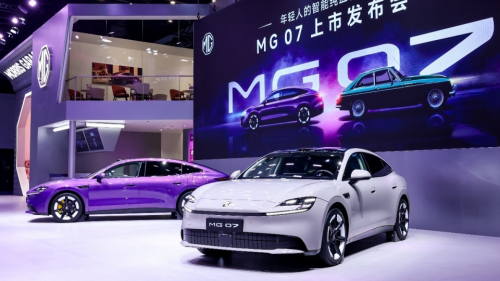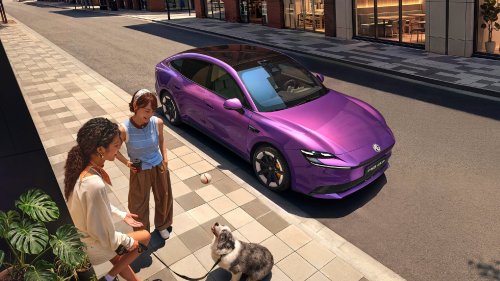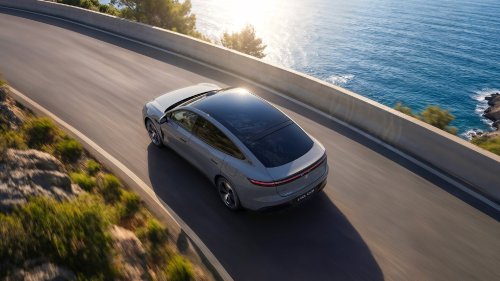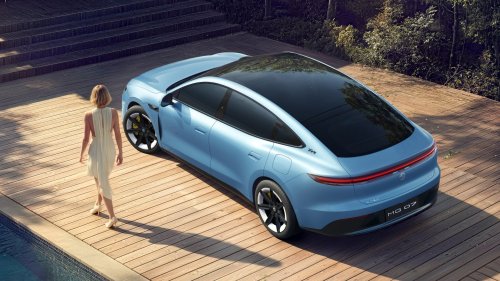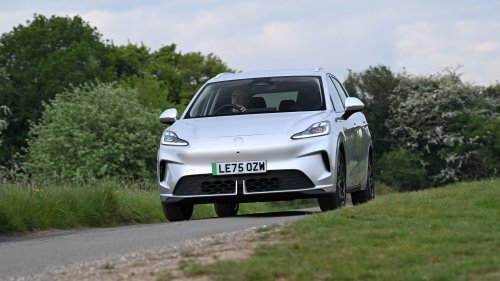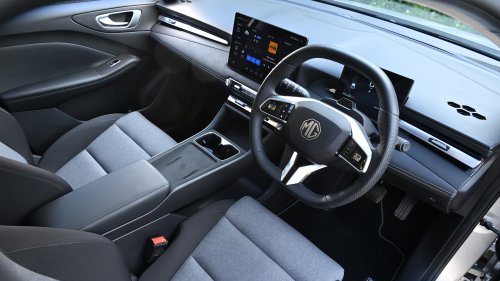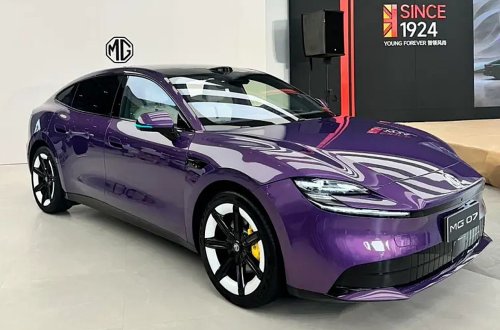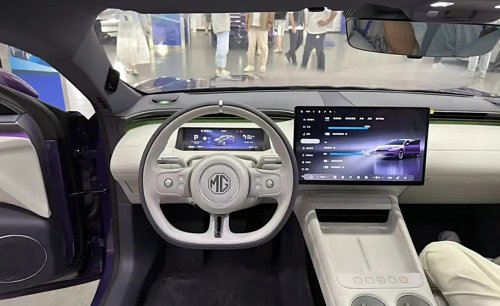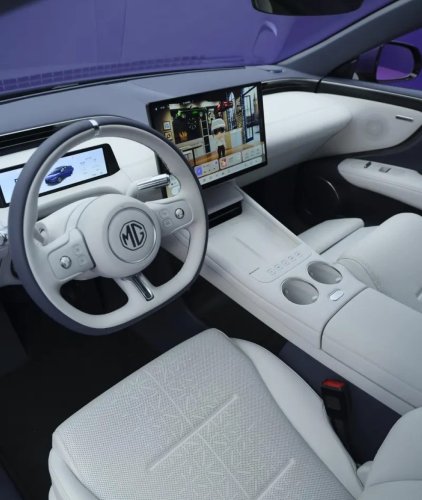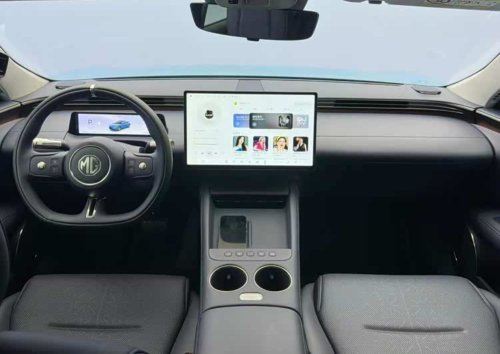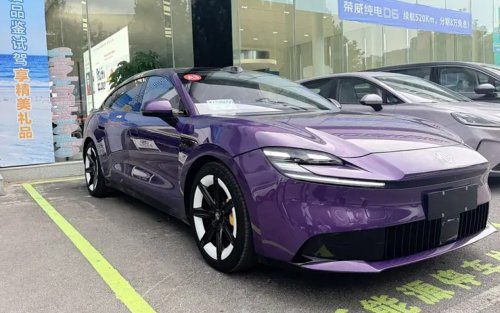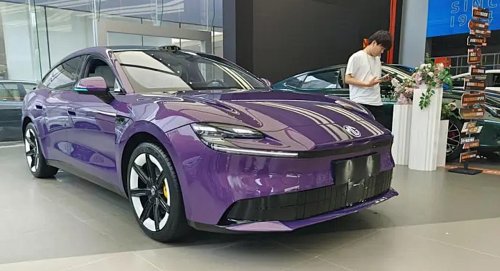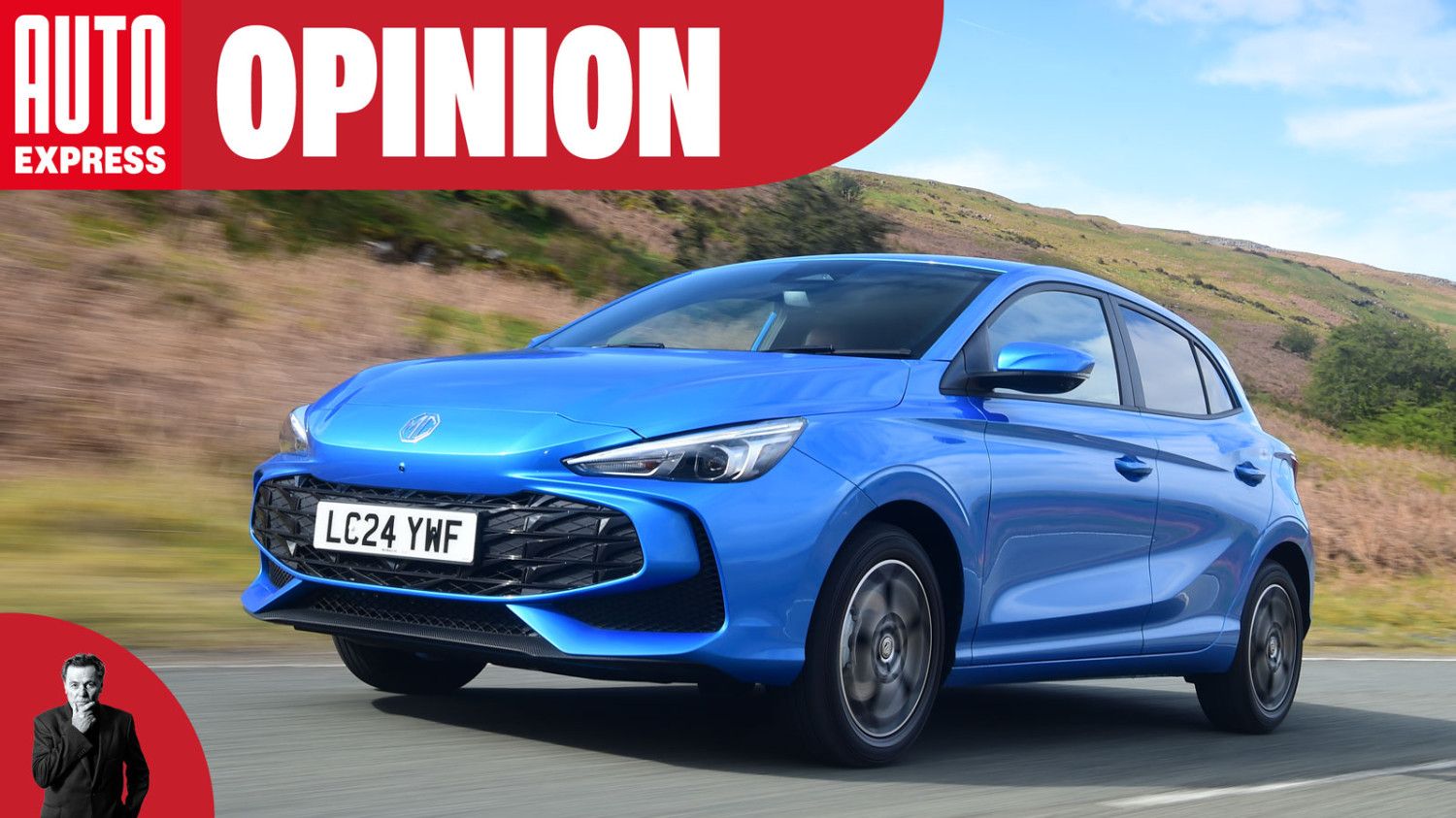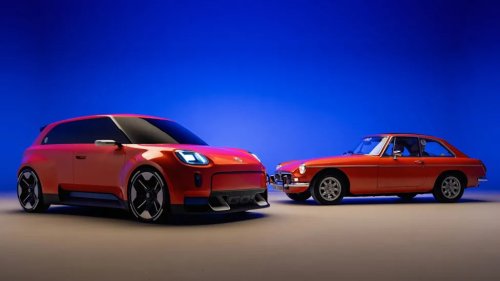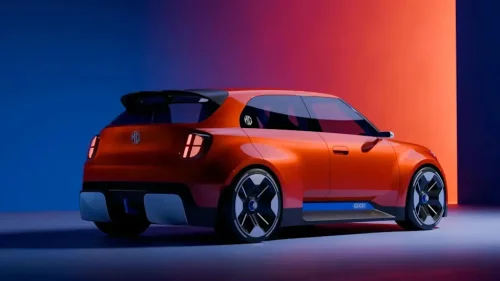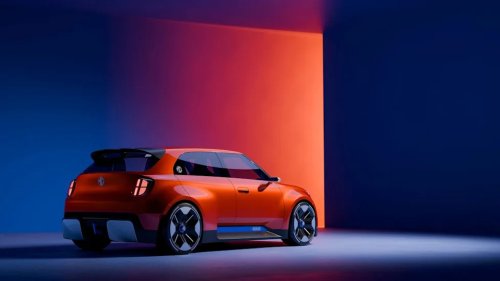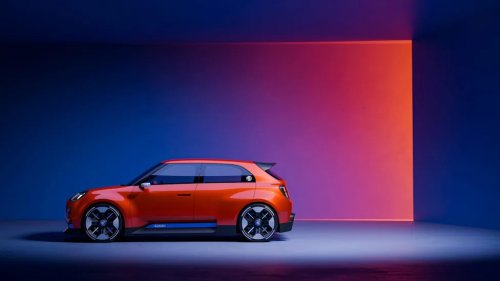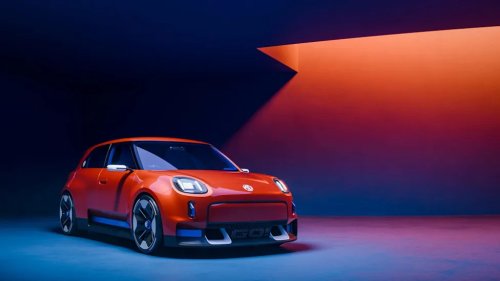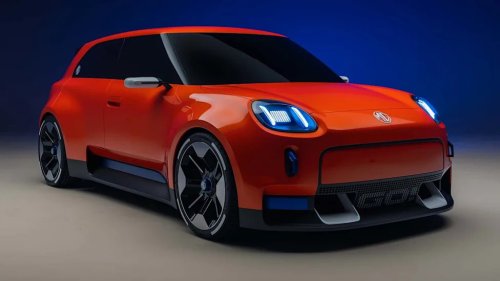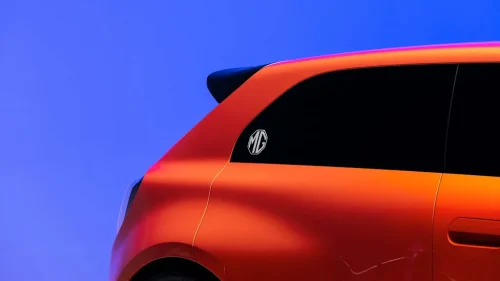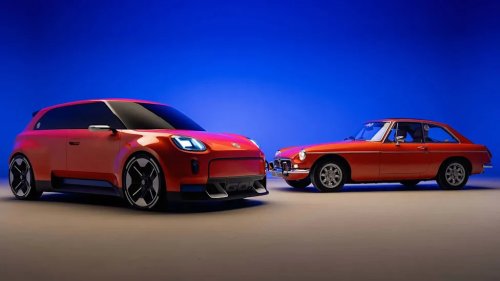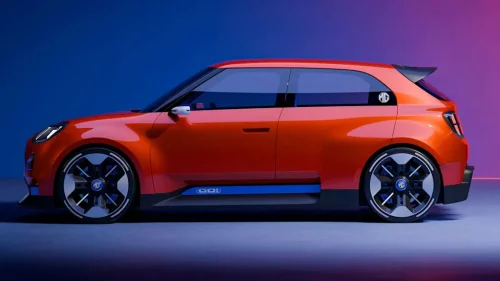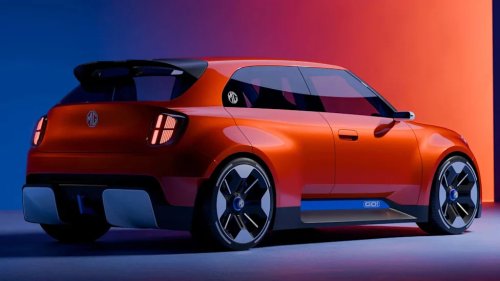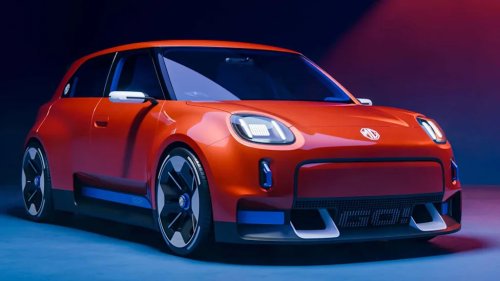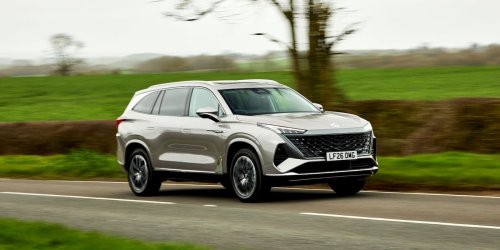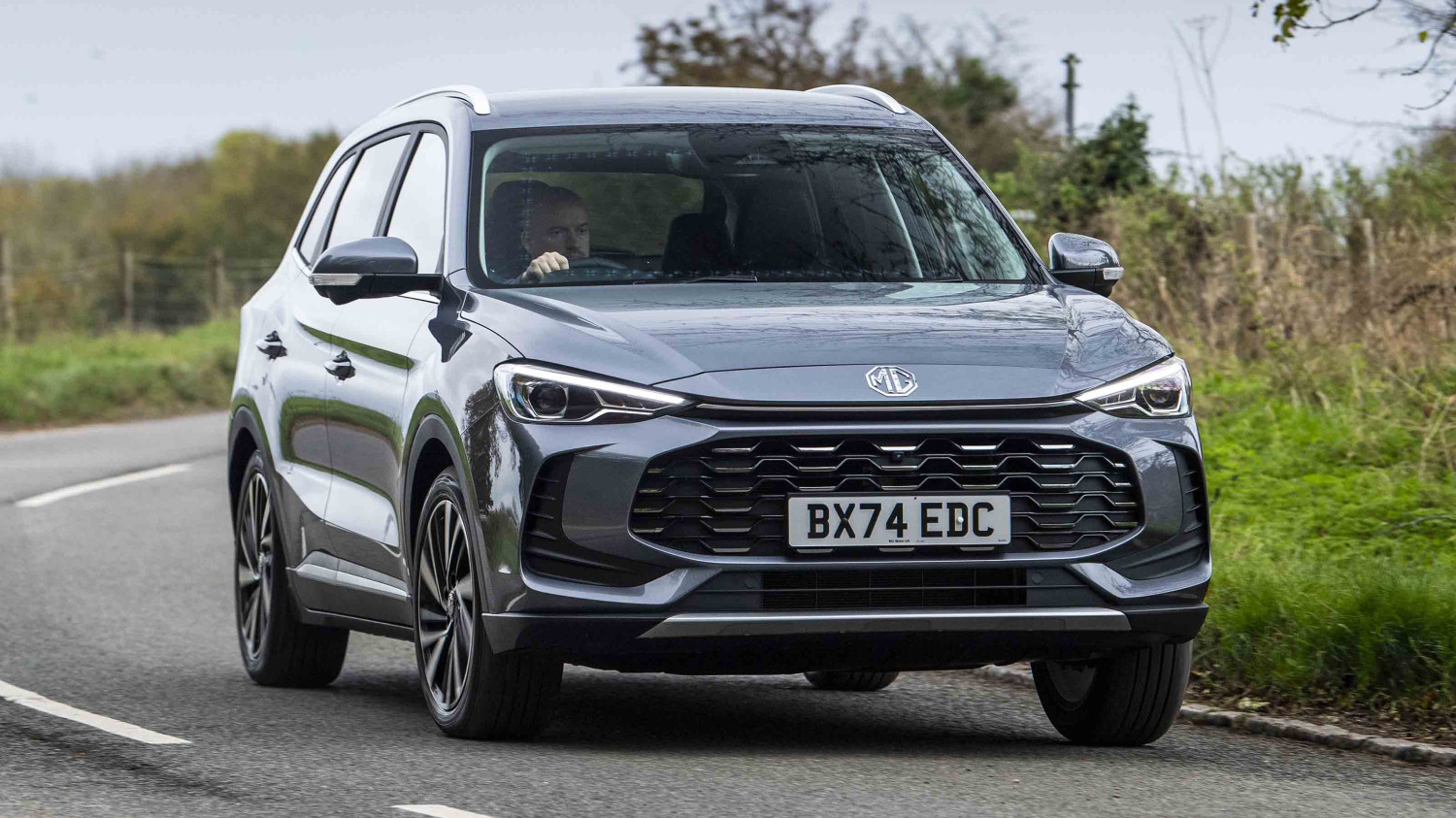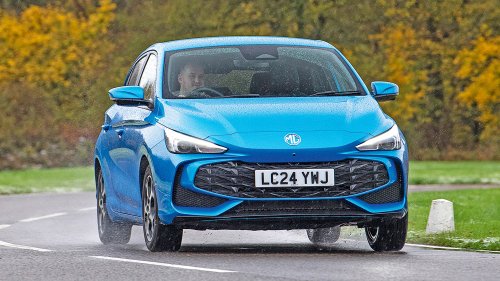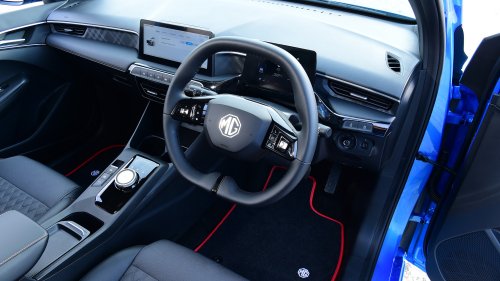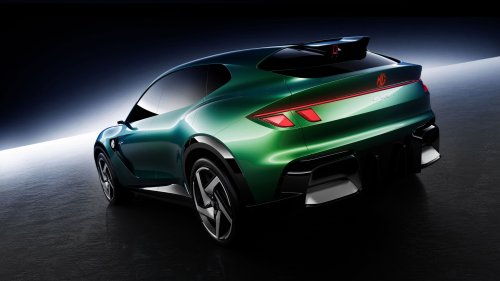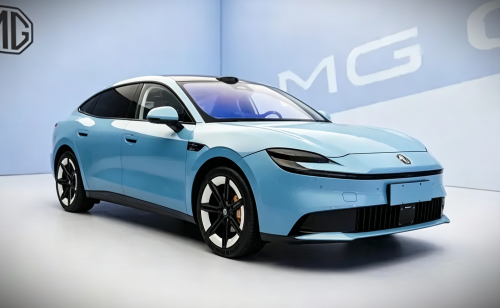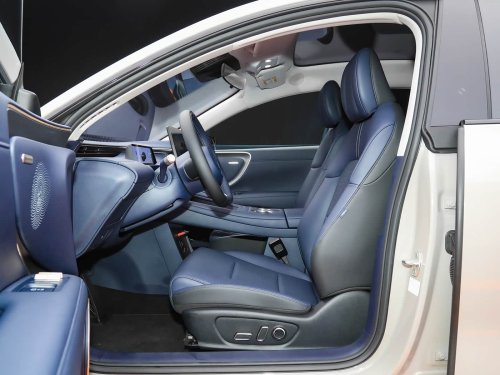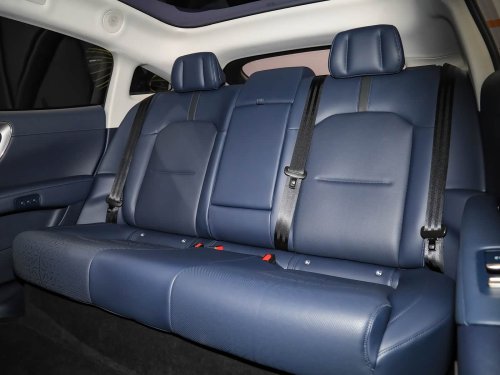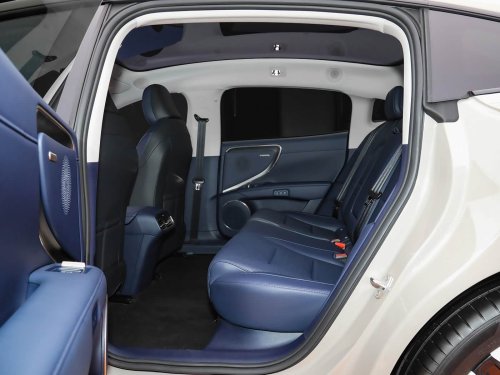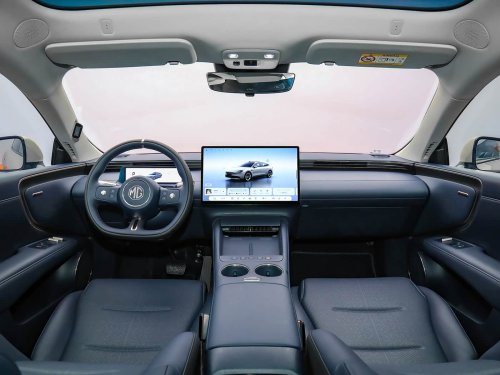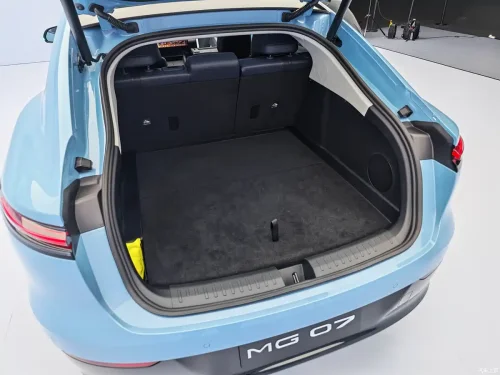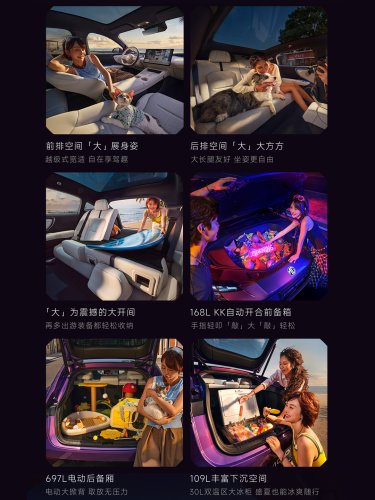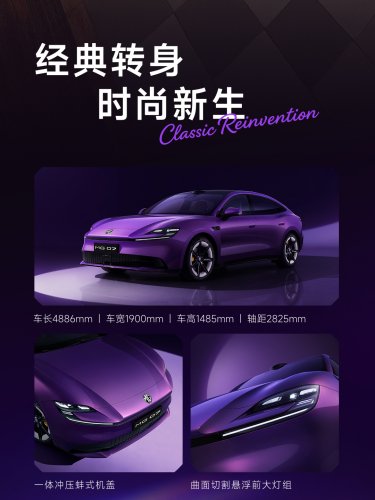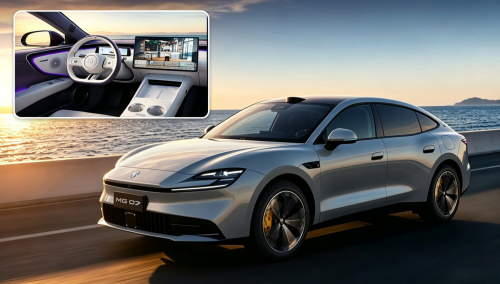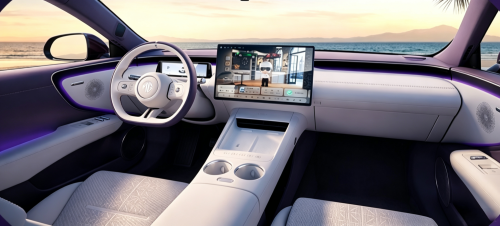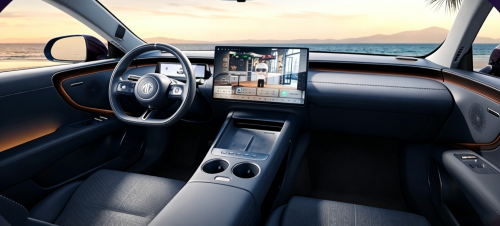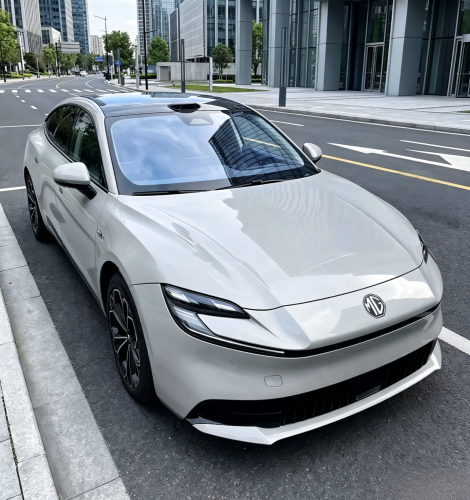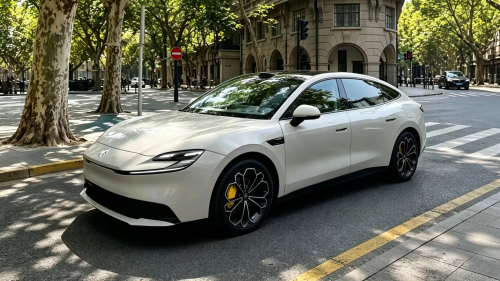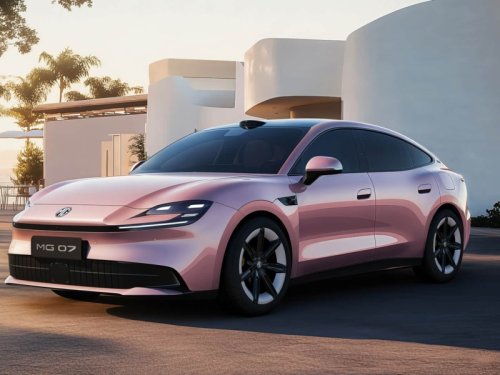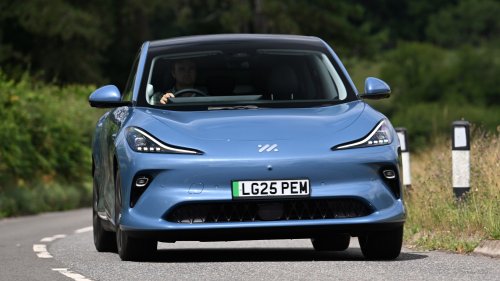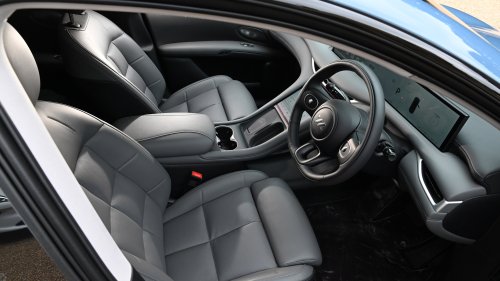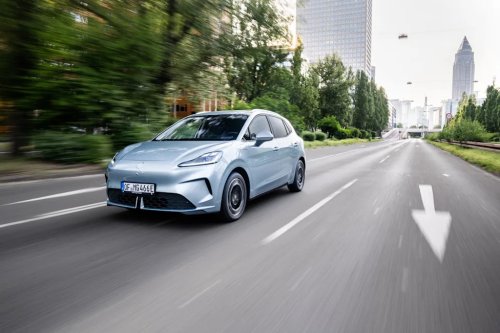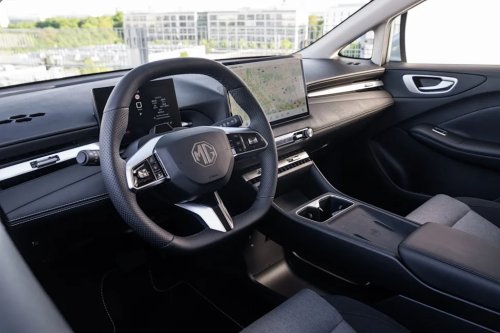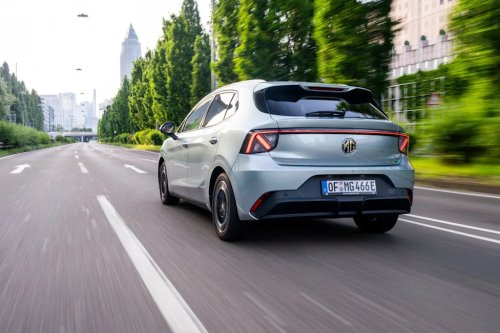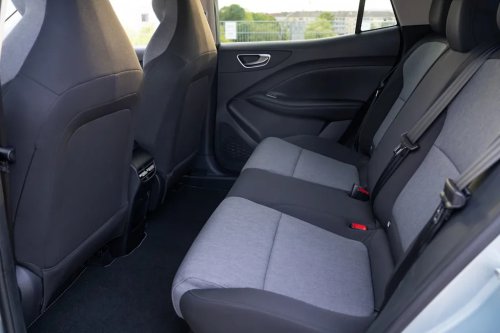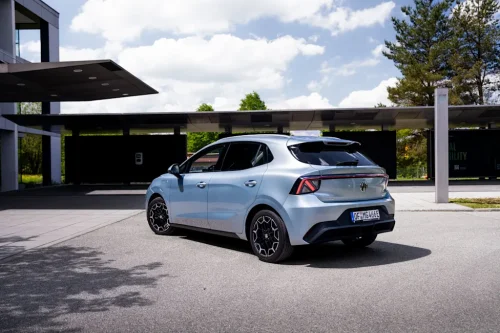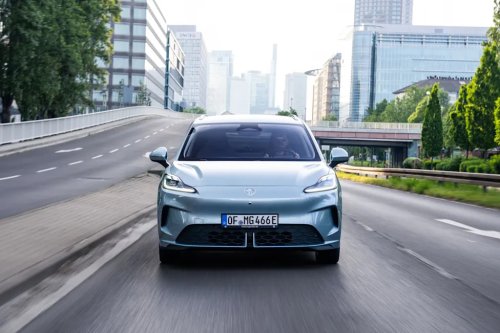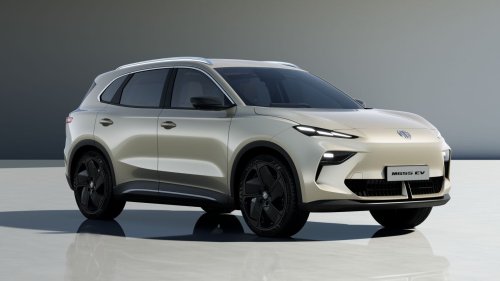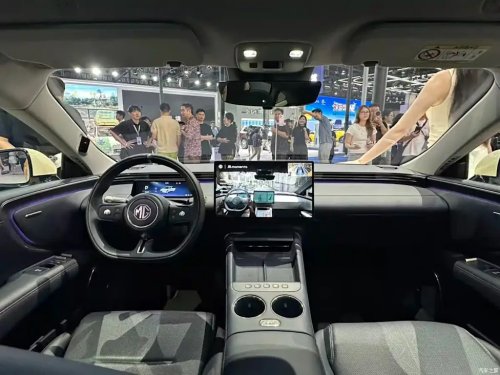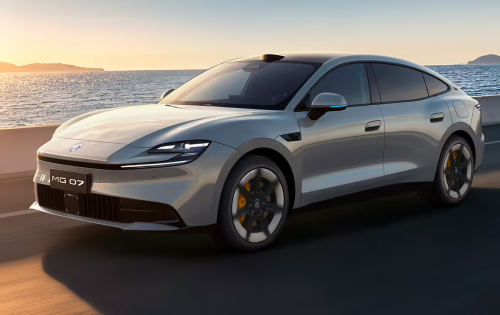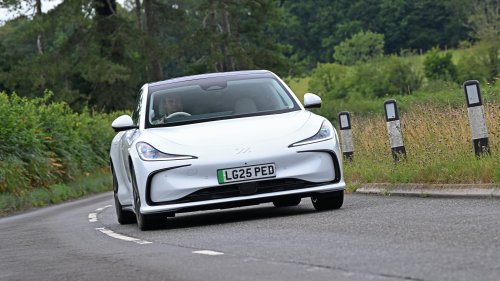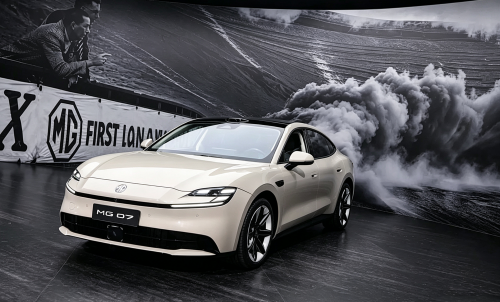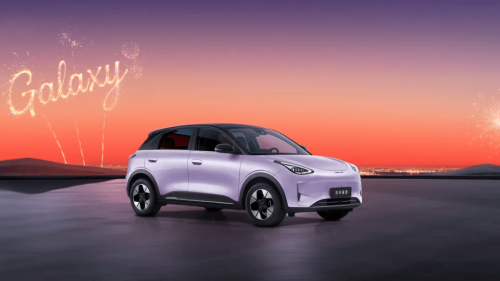
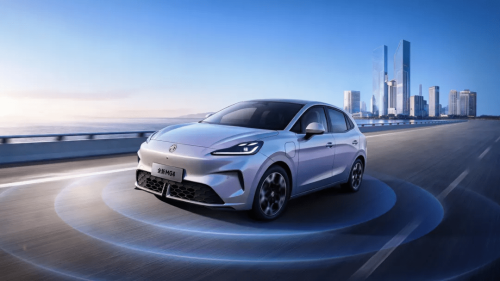
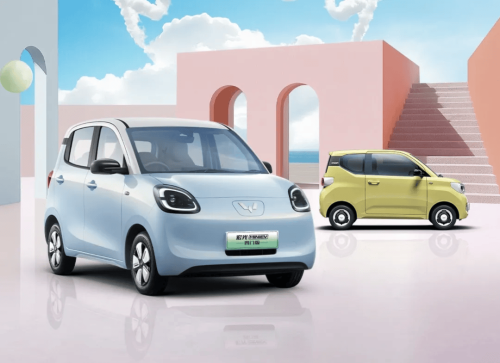
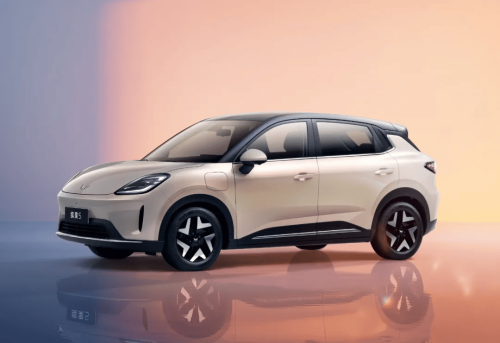
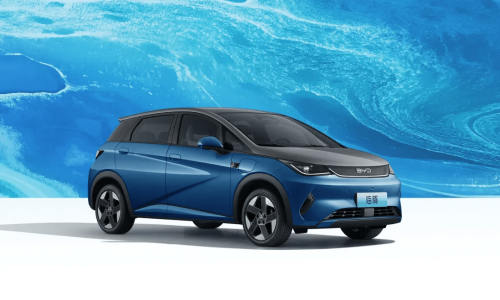
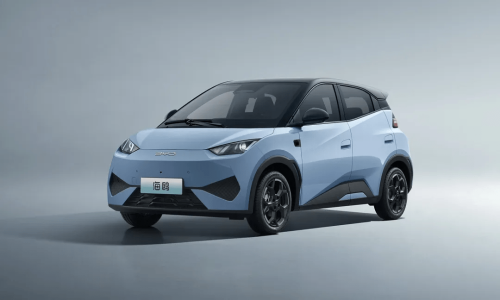
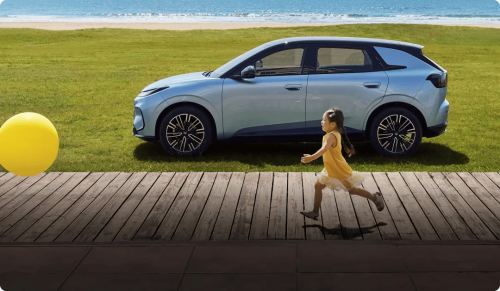
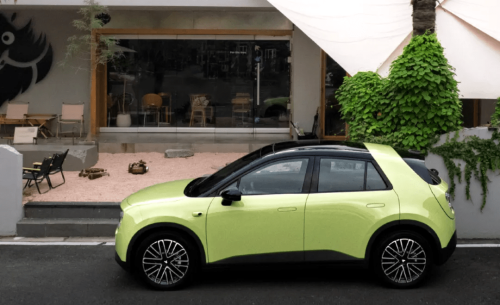
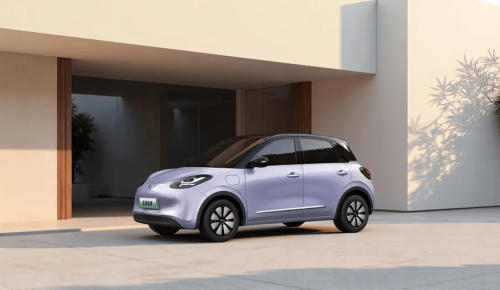
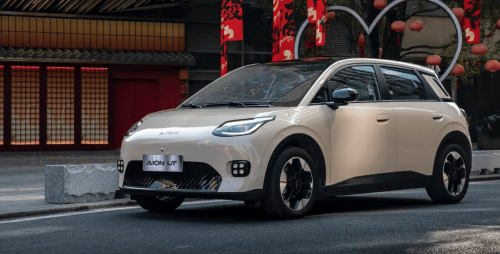



















After more than a decade, China’s NEV purchase tax exemption policy has ended, leaving the auto market noticeably subdued in January. With most vehicle categories posting month-on-month declines, the January TOP 10 small NEV rankings saw significant reshuffling compared with December. Geely Xingyuan retained the top spot, while the MG4 entered the top three. These two models were the only ones to exceed 10,000 units in monthly sales. The lowest-selling model in the top ten recorded just 2,200 units, well below December’s 6,695 units, while the Leapmotor Lafa5 temporarily dropped out of the top 10. Despite broad-based sequential declines, models such as Geely Xingyuan, Wuling Hongguang MINI EV and BYD Dolphin remained regular fixtures in the TOP10 list. A closer look at the January new energy TOP 10 performance follows. No.1 Geely Xingyuan: 29,007 units After overtaking the Wuling Hongguang MINI EV in December to reclaim first place, Geely Xingyuan maintained its lead in January. The model sold 29,007 units during the month, down 19% month-on-month, yet still ranked second among domestic new energy passenger vehicles overall. Last year, Geely Xingyuan recorded total sales of 465,775 units, becoming the overall sales champion in China without segment qualifiers. However, sales have declined for several consecutive months since September, and January’s sharp drop adds pressure to sustain future volume growth. According to Geely’s official website, February buyers can receive a RMB 3,000 ($420) purchase tax subsidy and a RMB 1,000 ($140) New Year bonus. No.2 MG4: 10,007 units MG4 recorded January sales of 10,007 units, down about 29% from December. However, its ranking climbed from sixth in December to second in January, surpassing the Wuling Hongguang MINI EV. The facelifted MG4 measures close to 4.4 meters in length and emphasizes interior space as a key selling point among similarly priced pure electric compact cars. It is also the only model in its price bracket to support OPPO’s in-car connectivity system. In December, deliveries of the MG4 semi-solid-state battery version began, with pricing approaching RMB 100,000 ($14,000). It is currently the only mini car offering a mass-produced semi-solid-state battery. The sales contribution of the semi-solid-state variant, and whether it can sustain the MG4’s momentum, remains to be clarified by official data. No.3 Wuling Hongguang MINI EV: 7,133 units For the first time since its launch, the Wuling Hongguang MINI EV recorded monthly sales below 10,000 units. January deliveries totaled 7,133 units, plunging 75% and trailing far behind Geely Xingyuan. Such steep declines were not unique. In the SUV segment, Tesla’s Model Y also saw month-on-month sales drop by more than 70%. As competition intensifies, demand saturates and the market enters a seasonal lull, the MINI EV’s weak start to 2026 was widely anticipated. Recently, Wuling has shifted promotional focus to the Xingguang 730 series, suggesting the MINI EV may be awaiting a rebound. No.4 Wuling Bingo S: 6,077 units Following the MINI EV, Wuling Bingo S sold 6,077 units in January, down about 50% month-on-month but rising to fourth place. Launched in the second half of 2025, Bingo S competes directly with models such as the MG4 and ARCFOX T1. It also offers dimensions comparable to the BYD Dolphin and AION UT at around the RMB 60,000 ($8,400) price level, combining practicality and commuter appeal. However, compared horizontally with other RMB 60,000-class models, Bingo S does not hold clear advantages in size, wheelbase, power or range. Its maximum electric range is 430 km, versus the MG4’s 530 km long-range version. In other words, the market offers ample substitutes. As with the MINI EV, Wuling’s official website and social media accounts provide limited information on Lunar New Year promotions. For Wuling’s Silver Label lineup, differentiation through configuration or other unique selling points may prove more effective in sustaining sales. No.5 BYD Dolphin: 5,699 units BYD Dolphin maintained its December ranking but saw sales fall sharply to 5,699 units in January, down roughly 63% month-on-month. Given the broader market adjustment following the withdrawal of tax incentives, the decline was largely expected. In December, cumulative Dolphin sales surpassed 1 million units, a notable milestone for a single model. Yet amid intensifying competition, BYD may need to introduce new advantages. In January’s Ministry of Industry and Information Technology filing list, the Dolphin appeared unchanged in exterior design but with an optional lidar package, signaling support for higher-level navigation-assisted driving. Bringing advanced intelligent driving features below RMB 100,000 ($14,000) could represent BYD’s latest response to the small EV segment. No.6 BYD Seagull: 5,329 units Typically priced below the Dolphin, the BYD Seagull has historically outsold it. In January, however, Seagull sales totaled 5,329 units, down about 70% and slightly below the Dolphin. Like Geely Xingyuan, Seagull has trended downward since September. January sales fell below 6,000 units, marking a new low since launch and possibly signaling shifts in consumer demand. Overseas expansion continues. In February, Seagull entered the Egyptian market and received awards including “2026 Germany City Car of the Year” and “2026 Romania Car of the Year.” In 2026, updates to the Seagull may focus on driver assistance systems. Among January regulatory filings, not only the Dolphin but also the Seagull offered optional lidar, potentially marking BYD’s first move to introduce advanced driver assistance hardware into the RMB 60,000 ($8,400) bracket. Whether advanced navigation-assisted driving can energize the commuter mini-car segment remains to be seen once these variants reach market. No.7 ARCFOX T1: 4,239 units After ranking fourth in December, the ARCFOX T1 slipped to seventh in January with 4,239 units sold, down 75%. Launched in September last year, the ARCFOX T1 achieved four consecutive months of sales exceeding 10,000 units, underscoring its appeal based on long wheelbase and spacious practicality. During the Lunar New Year holiday, the T1 offered a limited-time RMB 3,000 ($420) purchase tax subsidy and lifetime free maintenance valued at RMB 5,000 ($700). With an official starting price of RMB 62,800 ($8,792), it remains a competitive choice for buyers seeking greater interior space. No.8 firefly: 2,737 units After peaking in December, firefly’s January sales cooled to 2,737 units, placing it eighth. Despite seasonal fluctuations, firefly previously achieved five consecutive months of sequential growth and four consecutive months of sales exceeding the combined total of MINI and smart. To stimulate demand, firefly introduced a seven-year low-interest financing plan with a down payment starting at RMB 16,000 ($2,240) and an annualized rate of 0.49%. Notably, NIO Inc.’s seven-year low-interest plan is among the few offered in cooperation with formal banking institutions. For overseas markets, right-hand-drive firefly models have begun shipments and deliveries. By the end of 2025, overseas deliveries accounted for around 15% of total volume. The plan is to expand to 40 countries and regions by the end of 2026, including Europe and North America. In 2025, firefly delivered strong domestic performance. Whether overseas expansion can become a new growth engine in 2026 remains an open question. No.9 Wuling Bingo: 2,620 units Wuling Bingo sold 2,620 units in January, down 67% month-on-month. Total sales in 2025 reached 136,213 units, significantly below the 236,574 units recorded in 2024. Once a breakout model for Wuling, Bingo retains some market influence in 2026. However, the launch of the larger and upgraded Bingo S has likely diverted part of its potential customer base. As with other Wuling mini models, information on Lunar New Year promotions is limited. Recent promotional efforts have focused on the Xingguang 730 series. No. 10 AION UT: 2,200 units AION UT is not a frequent presence in the TOP10, having briefly appeared at the bottom of the list last August. Amid January’s market cooling, AION UT returned to the rankings with 2,200 units sold. In terms of hard metrics such as space, power and range, AION UT remains competitive. The entry-level version starts at RMB 69,800 ($9,772) and still offers a 330 km CLTC range and 136 horsepower. The battery-swap UT Super variant could potentially lower the effective purchase price below RMB 50,000 ($7,000). Under the battery leasing model, buyers can also save part of the purchase tax, providing additional incentives. Competition in the new energy hatchback segment remains intense, with abundant alternatives at similar price points. With comparable specifications, differentiation through design, personalization and emotional appeal may prove decisive. For now, however, AION has not disclosed further plans regarding the UT’s next steps.