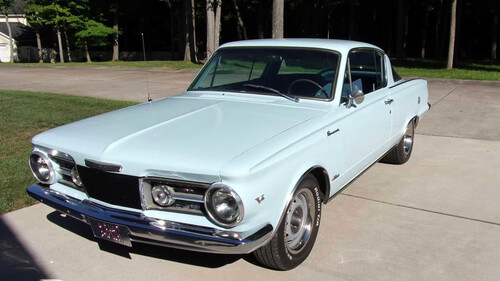
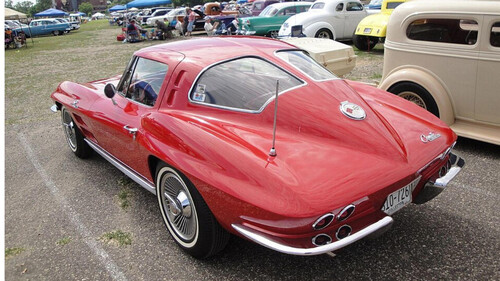
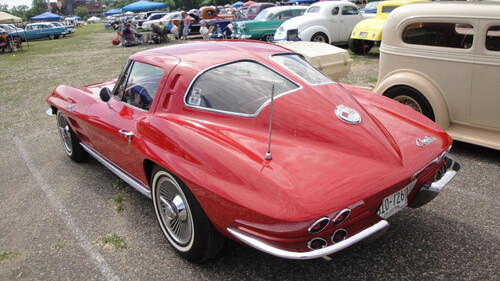
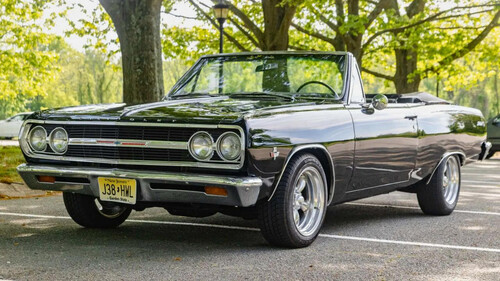
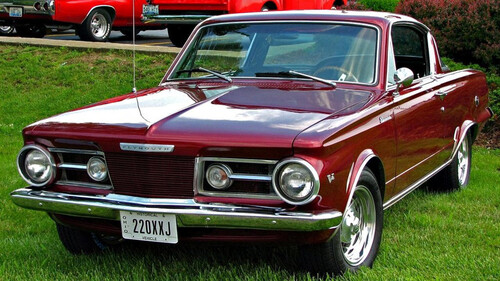
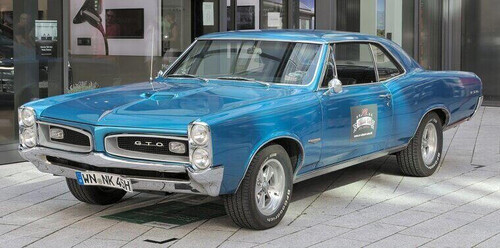
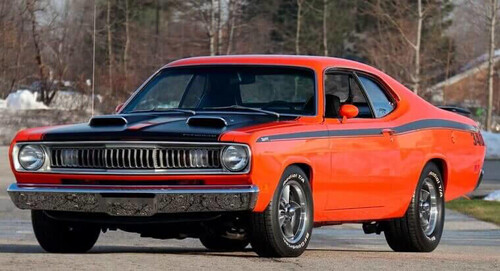
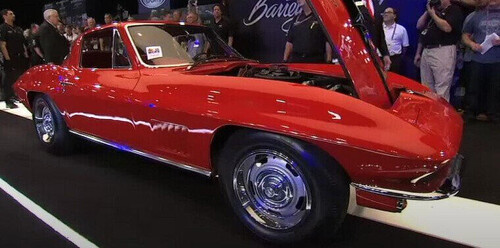
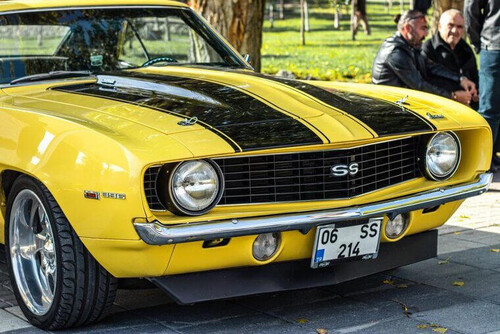
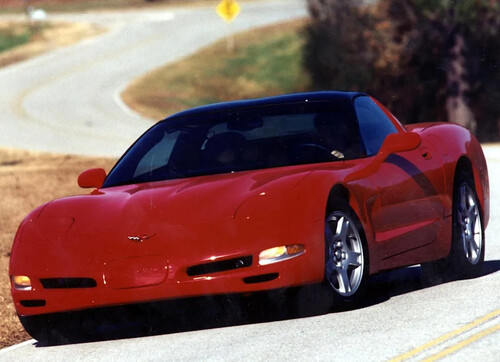
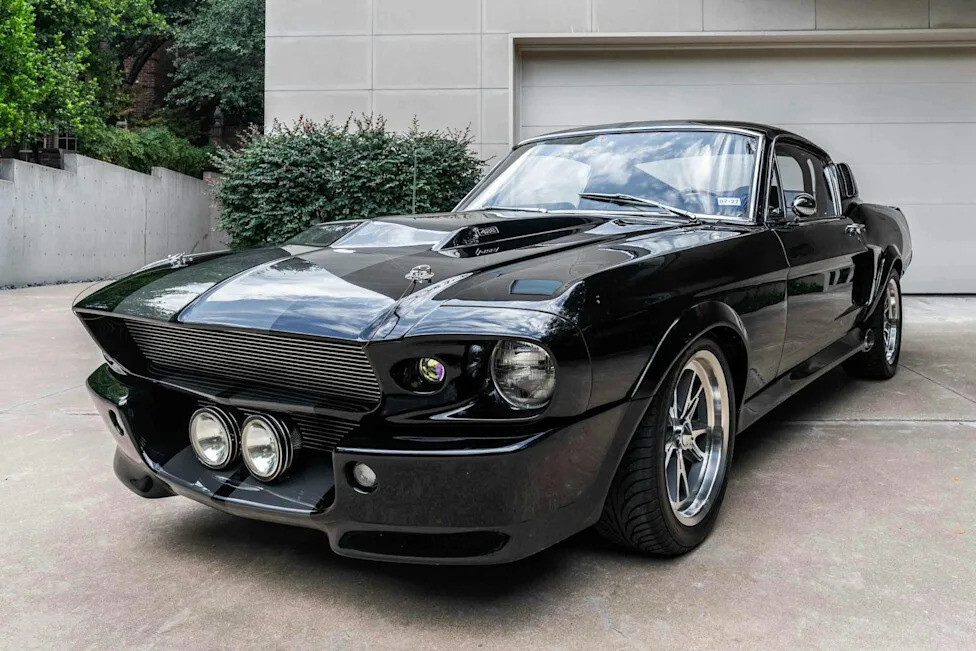
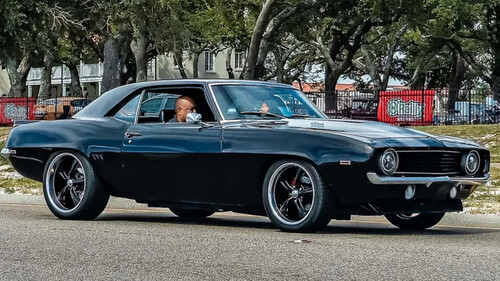
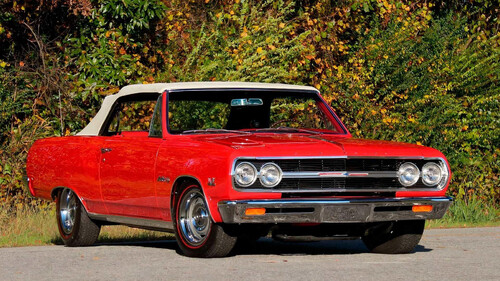
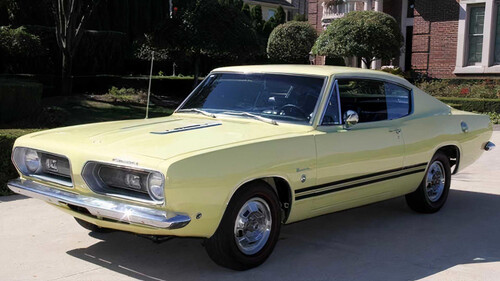
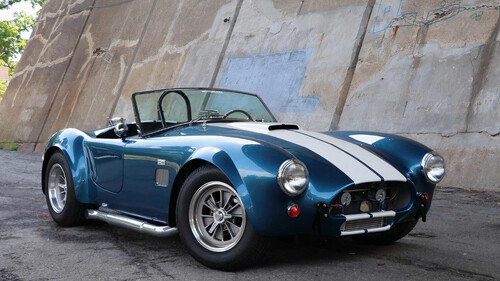
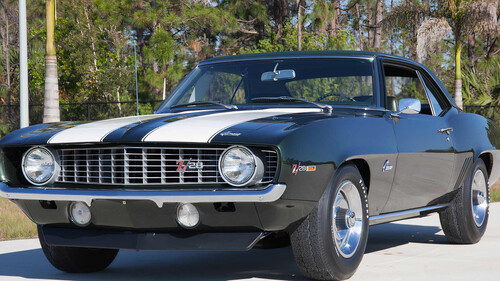
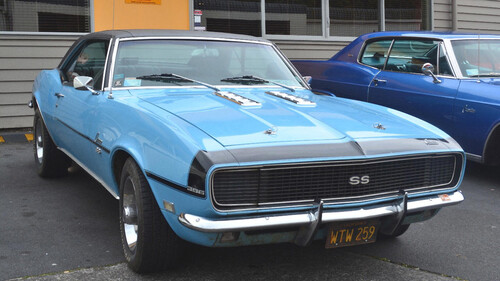
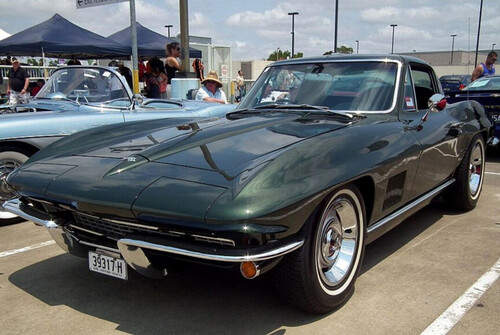
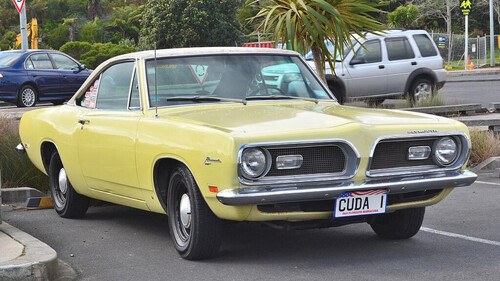
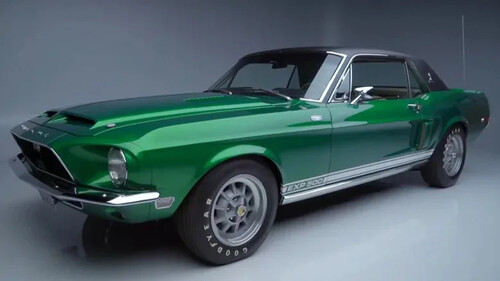
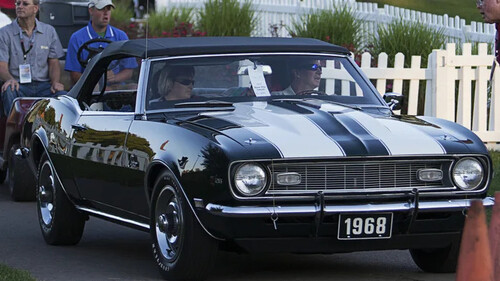
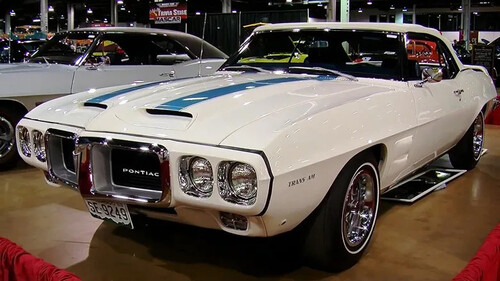
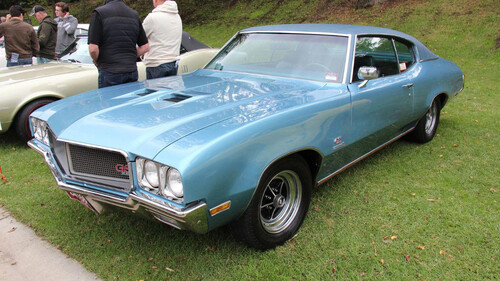
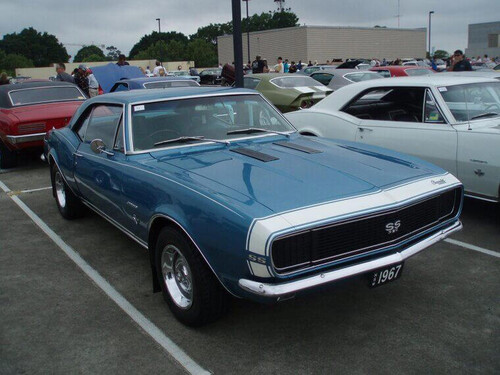
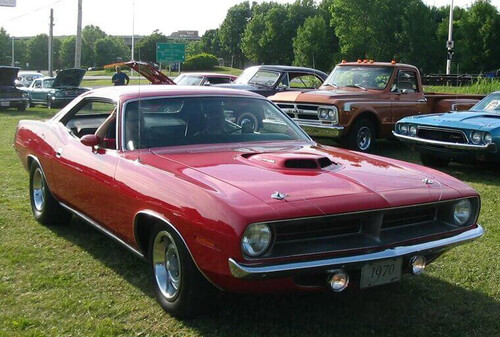
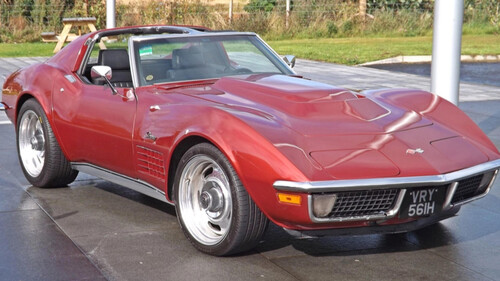
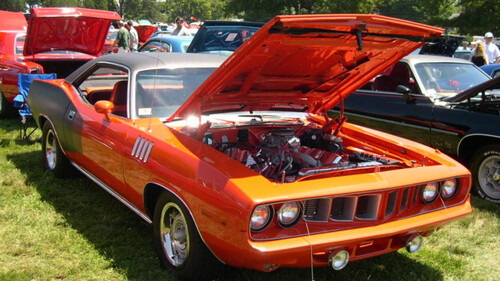
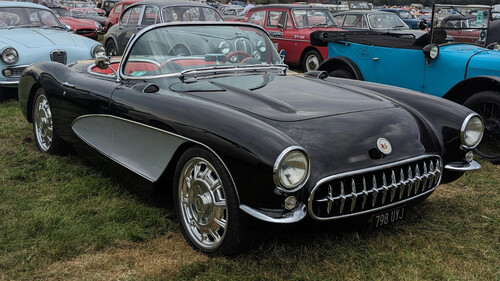
When we think of 1960s muscle cars, our minds usually drift to massive big-block V8s, thunderous torque, and tire-smoking launches. However, the true “street racers” and nimble corner-carvers often relied on a different formula: small-block V8 power. Small-block engines (typically under 400 cubic inches) offered a distinct advantage over their heavy big-block cousins: weight reduction. Lighter engines meant better handling, higher-revving power bands, and in many cases, faster quarter-mile times due to superior power-to-weight ratios. Here is a look at the five of the fastest small-block muscle cars of the ’60s that proved you didn’t need 400-plus cubic inches to dominate the strip and the street. Chevrolet Camaro Z/28 (302 Small-Block) While designed for the SCCA Trans-Am road racing series, the 1967-1969 Z/28 with its high-revving 302 cubic-inch V8 is arguably the king of the ’60s small-block muscle cars. Officially rated at a conservative 290 horsepower, the engine (often bolstered by dual-quad carburetors or special dealer-installed parts) produced significantly more power in reality. Capable of sub-14-second quarter-mile times, the 1969 Z/28 solidified itself as one of the most balanced and quick cars of the era. The 302 was a masterpiece of engineering, pairing a 327 block with a 283 crankshaft to create a high-RPM screamer. Shelby Cobra 289 While often classified as a sports car, the 1963-1965 Shelby Cobra 289 was a raw, lightweight beast that used a small-block Ford to shame many larger engines. The 289-cu-in V8 generated 271 horsepower, which, in a car weighing just over 2,000 pounds, meant ferocious acceleration. Clocked at 13.7 seconds in the quarter-mile, the 289 Cobra was a formidable track machine. t wasn’t about massive power; it was about the lack of weight. Chevrolet Chevelle Malibu SS (327 Small-Block) The Chevelle is famous for its 396 big-block, but the 1964-’65 Chevy Malibu SS equipped with the L79 327-cu-in V8 was a “sleeper” small-block threat. The L79 option brought 350 horsepower to the table, making it a high-revving alternative to the heavier cars on the street. Capable of 14.4-second quarter-miles, it was one of the quickest intermediate cars of the year. It also offered near big-block acceleration with better front-end handling. Chevrolet Corvette Stingray 327 Although a sports car, the 1963-’67 Corvette with the 327 small-block belongs in this conversation because its performance frequently eclipsed purpose-built muscle cars. With 350 horsepower available in its higher-tuned forms, the 327 Stingray was a formidable performer. By combining lightweight agility with high-compression efficiency, quarter-mile times in the 14.3-second range were common. 1968 Plymouth Barracuda 340 Mopar fans knew that the 340 cubic-inch “LA” engine was a tiny terror. The 1968 Barracuda 340 was a lightweight, high-performance compact that brought 275 horsepower and 225 pound-feet of torque to the track, sending the rear-wheel-drive Mopar down the line in a hurry. The 340 was designed specifically for high RPMs and quick acceleration, making 14.3-second quarter-mile times a reality straight from the factory. Key Technical Aspects of ’60s Small Blocks Small-block engines of the 1960s, epitomized by the Chevy 283 and 327, defined the muscle car era with high-revving OHV V8 designs, focusing on 4.00-inch or smaller bores and short-stroke configurations for high RPM durability. Key technical features included thin-wall iron casting, 23-degree valve angles, hydraulic or mechanical lifters, and widespread use of carburetion (specifically Rochester Quadrajet or dual-four barrels). Performance, particularly in the 327 and early 302, was bolstered by “double hump” heads (2.02/1.60-inch valves) and high compression ratios, sometimes exceeding 11:1 in fuel-injected, solid-lifter models like the Corvette. High compression ratios (11:1) and, in the case of early Vettes, Rochester fuel injection, allowed for maximum horsepower. Small blocks were much lighter, reducing the load on the front suspension and improving braking and steering. Engines like the 302 Chevy and 289 Ford were built to turn high RPMs, allowing them to make massive power despite lower torque numbers compared to big blocks. The Small Block Legacy While big blocks owned the headlines, the small-block muscle cars of the ’60s were the true kings of agility. The 1969 Camaro Z/28 and the 289 Cobra, in particular, proved that superior engineering and weight management could outperform pure displacement. These cars defined a “golden era” of performance that relied on balance, speed, and raw, high-revving small-block power. The post Unleashing Small-Block V8 Power: The Fastest 1960s Muscle Cars That Ruled the Streets appeared first on The Online Automotive Marketplace.