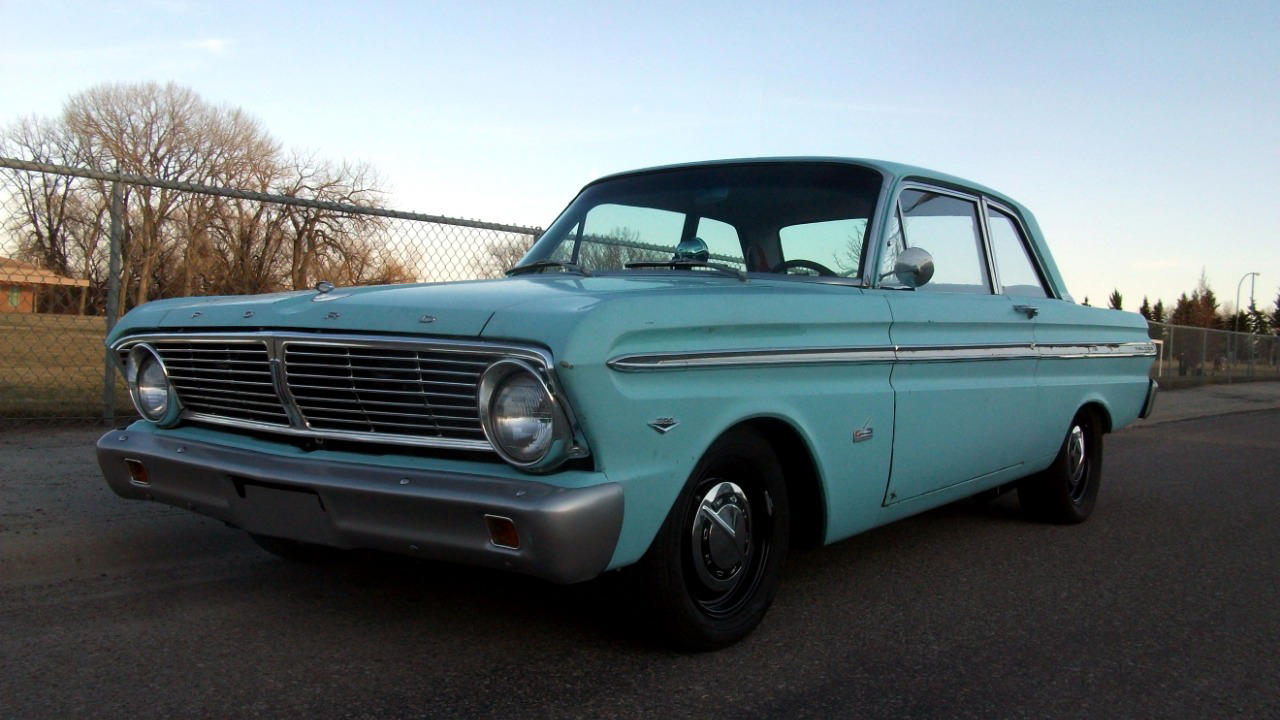
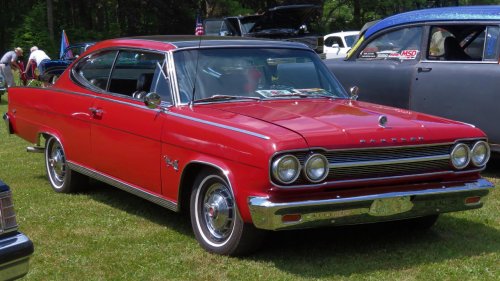
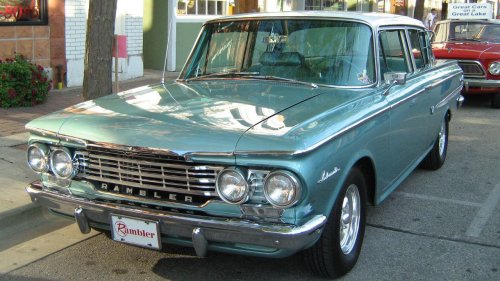
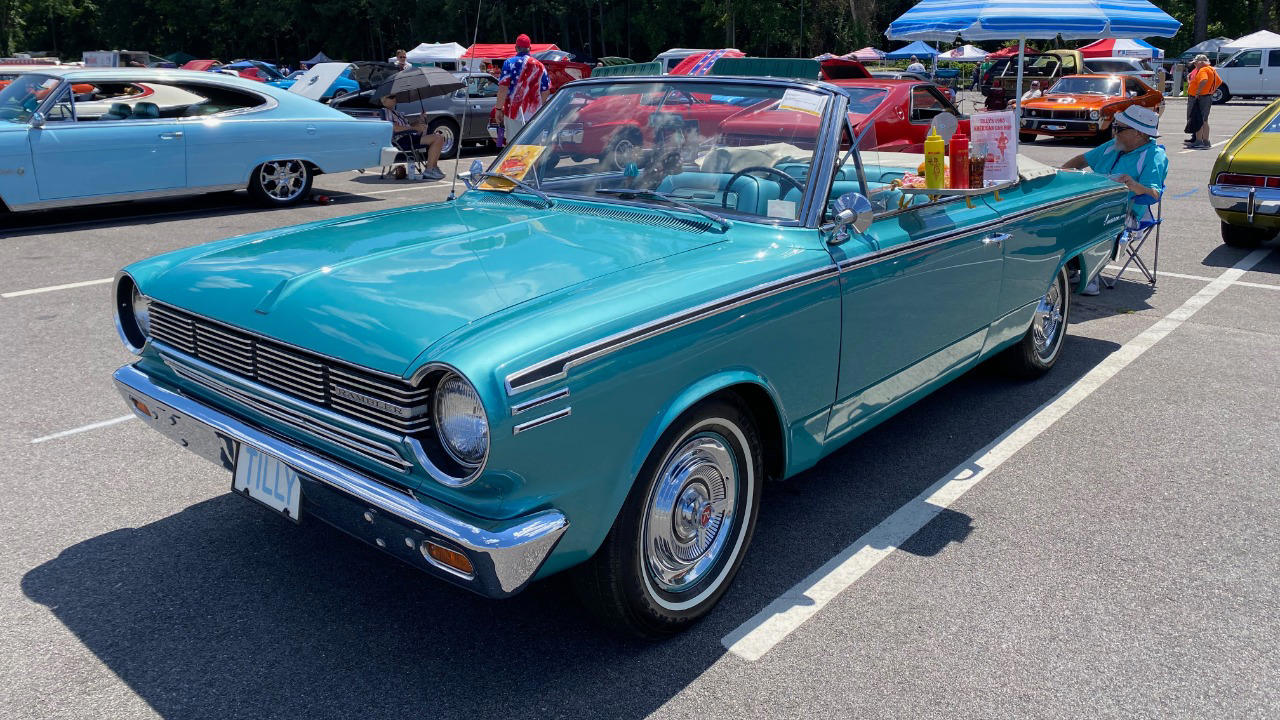
The 1965 Rambler American arrived with a clear promise: a small, honest car that kept the frills to a minimum and the sticker price within reach. That simplicity appealed to buyers who wanted basic transportation more than flash, but it did not automatically translate into a life of trouble‑free motoring. As owners and period marketing both make clear, the car’s straightforward design could be reliable, yet it still demanded regular mechanical attention and a tolerant driver. Styling that sold simplicity American Motors pitched the 1965 Rambler American as a compact with “fresh classic styling” and “brand new classic performance,” a combination that marketing claimed would push shoppers to “look to drive to buy” the car. In period footage of Rambler for 1965, the message is clear: this was not a radical design experiment but a conservative, squared‑off sedan, wagon, or hardtop that looked familiar in a driveway and easy to live with. Body lines were tidy and upright, with thin pillars and large glass that made the car feel airy from the driver’s seat. Chrome was used sparingly compared with full‑size Detroit offerings, reinforcing the idea that the Rambler American was practical first and stylish second. That restraint helped the car age better than some more ornate contemporaries and aligned with the budget‑minded image American Motors cultivated. Underneath, the styling reflected a similar philosophy. The Rambler American shared much of its structure with earlier models, which kept development costs low and allowed American Motors to market the car as proven rather than experimental. For buyers wary of complexity, that familiarity was part of the appeal. Powertrain: reliable, but not maintenance free Under the hood, the 1965 Rambler American relied on straightforward inline engines that prioritized durability over outright speed. Owners who have lived with these cars describe the powerplants as fundamentally tough. One enthusiast on a discussion of whether a 1965 Rambler is a good buy calls the engine “absolutely a reliable” unit, the kind of design that can rack up years of service when treated reasonably. That same owner, however, adds an important caveat. In their time with the car, “a fair bit of mechanical intervention” was needed to keep everything working as intended. The comment captures the central tension of the Rambler American experience. The engine itself could be stout, but it lived in an ecosystem of carburetors, ignition points, and aging ancillary components that all required periodic adjustment and repair. Carbureted fueling meant cold starts demanded patience and a bit of technique, especially as parts wore. Points ignition systems needed regular inspection and replacement to maintain a strong spark. For a driver accustomed to modern electronic systems that rarely need attention, those jobs can feel like constant tinkering. For someone comfortable with a wrench, they are simply part of the routine that keeps a 1960s compact on the road. Chassis and driving experience On the road, the Rambler American’s chassis matched its mechanical simplicity. Period promotional material such as the 1965 marketing film highlights smooth cruising and easy maneuvering, and the basic engineering supports that impression. The car rode on conventional suspension with coil springs and simple steering hardware, tuned more for comfort than sharp handling. In practice, that meant a soft, compliant ride over broken pavement but noticeable body roll when pushed. Drum brakes at all four corners were typical for the time and adequate when properly adjusted, yet they demanded more distance and driver awareness than modern disc setups. The light steering effort that made parking simple could also translate into a vague feel at highway speeds, especially once components developed wear. None of those traits made the Rambler American inherently troublesome. They did, however, require owners to respect the car’s limits and keep up with periodic alignments, brake adjustments, and bushing replacements. Neglect in any of those areas could quickly turn a modest, well‑mannered compact into a car that wandered on the road or stopped with less confidence than its driver expected. Where trouble tends to appear Owners who praise the 1965 Rambler American’s basic engineering often point to a different source of headaches: age. A car that left the factory as a straightforward commuter has now spent decades exposed to rust, deferred maintenance, and sometimes questionable repairs. That reality shapes which problems are most likely to surface. Fuel systems are a common sore spot. Old tanks and lines can accumulate debris, which clogs filters and carburetor passages. Rubber hoses harden and crack, creating vacuum leaks that cause rough running or stalling. Electrical gremlins also appear as original wiring insulation deteriorates or previous owners splice in accessories without proper connections. Cooling systems are another frequent concern. Radiators and heater cores can corrode internally, and water pumps that have sat unused for long periods may fail soon after a car returns to regular service. The mechanical simplicity of the Rambler American makes these components relatively easy to replace, but each failure still represents time and cost that some buyers do not anticipate when they hear “basic car.” Owner expectations versus reality The gap between marketing promises and daily experience often comes down to expectations. Period advertising for the Rambler American emphasized ease of ownership and low running costs, and the car’s compact size and modest engines supported that narrative. For a driver in the 1960s who was already accustomed to regular tune‑ups and carburetor quirks, the Rambler American likely felt straightforward to live with. Modern buyers, especially those coming from late‑model vehicles, can interpret the same traits differently. A driver who expects thousands of miles between any mechanical intervention may be surprised when a 1965 compact demands attention after a few hundred miles of mixed driving. The owner on the AMC forum who praises the engine’s reliability but mentions the need for repeated mechanical work illustrates how a car can be fundamentally sound yet still labor intensive. That does not make the Rambler American a bad car. Instead, it highlights how “trouble‑free” is a relative term. For enthusiasts who enjoy tinkering and see maintenance as part of the hobby, the required work can feel manageable or even satisfying. For someone who wants to turn the key and forget about the car until the next fuel stop, the same issues can become a source of frustration. Buying one today: what to look for Anyone considering a 1965 Rambler American now is shopping for a classic, not basic transportation, and that changes the checklist. The first priority is structural condition. Rust in critical areas such as frame rails, suspension mounting points, and floor pans can be far more serious than cosmetic surface corrosion. Repairing that kind of damage often costs more than the car is worth on the open market. Mechanical health comes next. A compression test can reveal the true state of the engine, and a careful inspection of oil leaks, coolant condition, and exhaust smoke provides further clues. Transmission behavior during a test drive, from smooth shifts to any slipping under load, helps determine whether major work is looming. Electrical and fuel systems deserve close attention. Evidence of recent, tidy wiring repairs is a positive sign, while a tangle of mismatched wires hints at future troubleshooting. A car that starts easily from cold, idles steadily, and pulls cleanly through the rev range suggests that the carburetor and ignition are in decent order, even if they will still need periodic tuning. The role of community and shared knowledge Because the Rambler American is no longer supported by a manufacturer network, owners lean heavily on community knowledge. Online discussions, including those that ask whether a 1965 Rambler is a sensible purchase, provide detailed accounts of real‑world experiences. These conversations sit within platforms that operate under specific rules, such as the user agreement that governs how participants interact and the privacy policy that explains how their information is handled. Within that framework, owners trade tips on sourcing parts, diagnosing common faults, and deciding when to upgrade components instead of preserving originality. For a prospective buyer, reading through those exchanges can be as valuable as any inspection checklist. Firsthand stories about repeated brake adjustments, carburetor rebuilds, or ignition upgrades paint a realistic picture of what living with a 1965 compact entails. The community also helps set expectations about cost. While individual parts for a Rambler American are often cheaper than components for more exotic classics, the accumulation of small jobs can add up. Enthusiasts who share their maintenance logs and repair histories give newcomers a clearer sense of the long‑term commitment involved. Why “basic” still appeals Despite the potential for extra work, the 1965 Rambler American continues to attract interest from collectors and casual hobbyists. Part of that appeal lies in the very simplicity that can create maintenance demands. A straightforward engine bay with ample space around major components makes many tasks accessible to beginners. The lack of complex electronics reduces the risk of opaque, computer‑related failures. For drivers who enjoy a direct connection to their machines, the Rambler American offers a kind of mechanical honesty. Steering feedback, brake effort, and engine noise all arrive unfiltered compared with modern cars. That experience can feel refreshing, especially on short weekend drives where outright performance matters less than character. There is also a cultural dimension. The car represents a period when American manufacturers experimented with compacts that did not dominate the road but fit comfortably into tight city streets and modest garages. Owning one today is a way to connect with that history, even if it means spending extra evenings adjusting valves or chasing a vacuum leak. Balancing charm and compromise The story of the 1965 Rambler American is not one of a flawless economy car, nor of a hopeless problem child. It sits somewhere in between. The basic engineering that made it approachable in period still serves it well, but decades of wear and changing expectations mean that trouble can appear in ways early buyers never anticipated. For enthusiasts who understand that balance, the car can be a rewarding companion. It asks for attention in exchange for character and offers a driving experience that feels far removed from modern crossovers and sedans. The key is to approach it with open eyes, informed by both period material like the original 1965 film and contemporary owner accounts on forums and community sites. In that context, the Rambler American’s simplicity becomes neither a guarantee of serenity nor a warning of constant breakdowns. It is a starting point. How trouble‑free the car feels in practice depends on the condition of the specific example and the willingness of its owner to treat regular mechanical work as part of the journey rather than an unwelcome surprise. More from Fast Lane Only Unboxing the WWII Jeep in a Crate 15 rare Chevys collectors are quietly buying 10 underrated V8s still worth hunting down Police notice this before you even roll window down



















 +51 others