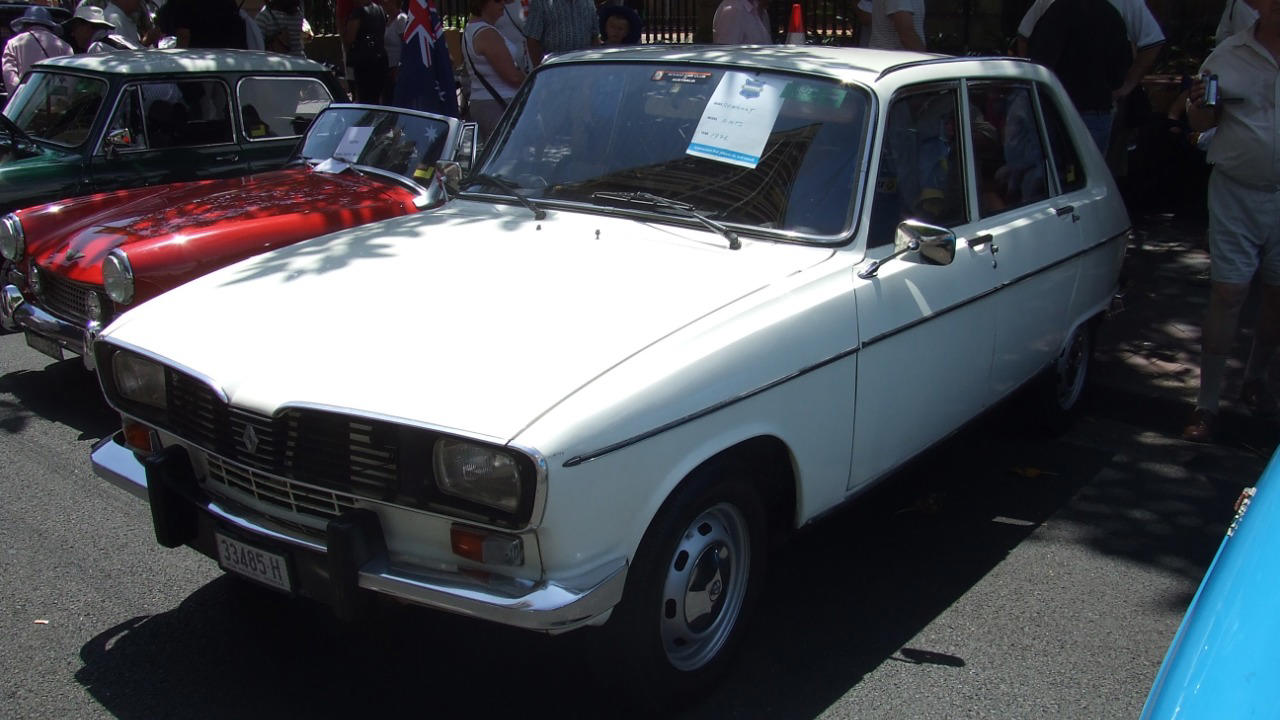
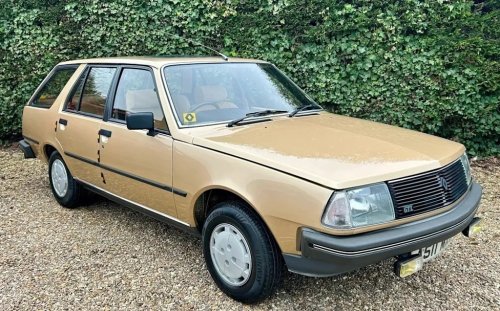
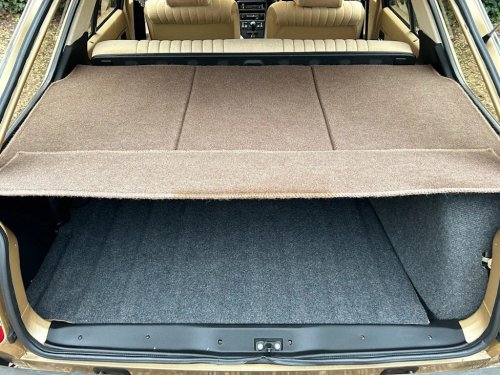
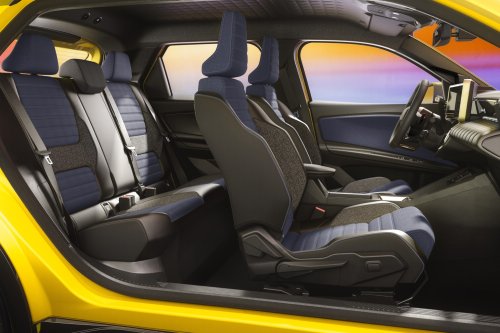
When the 1965 Renault 16 changed family carsWhen the Renault 16 appeared in 1965, it did not just add another choice to the showroom. It quietly rewrote what a family car could be, from its silhouette to the way its seats folded and slid. Looking back six decades later, I see it as the moment everyday transport in Europe stopped copying old saloons and started anticipating the flexible hatchbacks we now take for granted. The Renault 16 arrived in a France that was modernising fast, with growing families and new expectations about comfort, practicality and style. By treating those needs as a design brief rather than an afterthought, Renault created a car that felt startlingly contemporary at the time and still reads as uncannily familiar to anyone who has loaded a modern family hatch. The French roots of a new kind of family car The story of the Renault 16 starts in post‑war France, where rising prosperity and suburban growth were reshaping daily life. Renault had already built practical cars, but the company later described the 16 as the point where the history of its family cars truly began, explicitly framing it as the first model conceived from the outset as a family car rather than a repurposed saloon. That intent mattered, because it pushed engineers to think about school runs, holidays and shopping trips instead of just engine sizes and chrome. Inside Renault, that shift in thinking was championed by Renault’s boss at the time, Pierre Dreyfus, who saw the R16 as a car for “families receptive to the appeal of modern developments in the automobile.” In other words, he was targeting buyers who wanted practicality but were not willing to give up innovation or style, and that ambition set the tone for the car’s layout, packaging and equipment, as later celebrated in the model’s fiftieth anniversary retrospectives. How Project 114 became a radical hatchback Inside the design studios, the car that would become the Renault 16 did not follow a straight path. An earlier concept, known internally as Project 114, was ultimately dropped after Renault leaders concluded that cars must no longer be just four seats and a boot, and instead had to be thought of as volume that could be used in different ways. That decision cleared the way for the 16’s distinctive five‑door shape, which treated the whole cabin as adaptable space rather than a fixed set of compartments. Engineering followed the same philosophy. A strong commitment to innovation led to features such as an unusually large one‑piece body side panel and a new stretcher assembly that raised structural rigidity while supporting the five‑door hatchback concept. Contemporary analysis of the car’s development notes how these choices underpinned the 16’s ability to combine a roomy cabin with a relatively compact footprint, reinforcing the idea that the body was designed from the ground up around the five‑door layout rather than having a tailgate grafted on as an afterthought. Inside the first modern family hatch Open the tailgate of a Renault 16 and you can see why it felt so different to families used to three‑box saloons. The 16 successfully introduced the hatchback bodystyle to the mid‑size family segment, allowing the interior to be configured in several ways by folding or removing seats, and that flexibility became a template for later family cars. Period descriptions highlight how owners could turn the car from a five‑seater into a small van or a lounge‑like space, and modern summaries of the Renault 16 still emphasise this multi‑role character. That adaptability was not just theoretical. The Renault 16 was produced from 1965 to 1980, and contemporary commentary stresses that The Renault 16 was not just another family car but a game changer, from its hatchbacks to its sliding seats and flexible cargo arrangements. In practice, that meant families could slide the rear bench to prioritise legroom or luggage, fold it flat for bulky loads, or create a long load bay for skis and furniture, a level of versatility that later observers of The Renault 16’s history still single out as revolutionary. Comfort, suspension and the family experience For all its clever packaging, the Renault 16 would not have changed family expectations if it had ridden like a delivery van. Instead, it offered a long‑travel fully independent suspension that used all‑round torsion bars to guarantee a soft ride, paired with soft and supportive seats that made long journeys less tiring. Enthusiasts who have revisited the car’s engineering point out that this combination gave the 16 a relaxed gait on rough roads, which was a revelation for families used to firmer, more basic setups, and later accounts of the long‑travel suspension still dwell on how it transformed comfort. Renault did not stop at the basics. As the model evolved, the company added features that signalled a new level of ambition for a mainstream family car. In 1969, the Renault 16 gained reversing lights, front power windows, an electric sunroof and leather upholstery, equipment that nudged it closer to luxury territory while keeping the focus on practicality. Official histories of the Renault 16 underline how unusual it was at the time to find such amenities in a car aimed squarely at families rather than executives. The template that reshaped European family cars In Europe, however, the Renault 16 was a huge success, with a production run of 15 years and almost two million cars built, a scale that ensured its ideas filtered into the mainstream. Commentators looking back at the model note that its combination of a roomy hatchback body, flexible interior and comfortable ride resonated strongly with European buyers, and that the Renault 16’s success helped normalise the idea that a family car could be both practical and stylish. That influence went beyond sales figures. Automotive historians argue that the Renault 16 became the template for a raft of European mid‑sized hatchback cars, including the VW Passat and many others that followed its basic formula of a versatile tailgate, folding rear seats and a family‑friendly cabin. Even Renault’s own archives describe The Renault 16 as one of the most groundbreaking designs of the 1960s, crediting it with redefining the family car and bringing in a new way to go motoring, from everyday errands to skiing trips that made full use of its adaptable interior and make room ethos. More from Fast Lane Only: 10 underrated V8s still worth hunting down Police notice this before you even roll window down