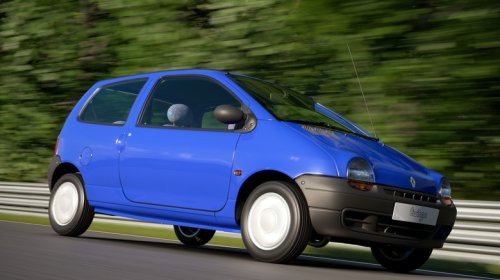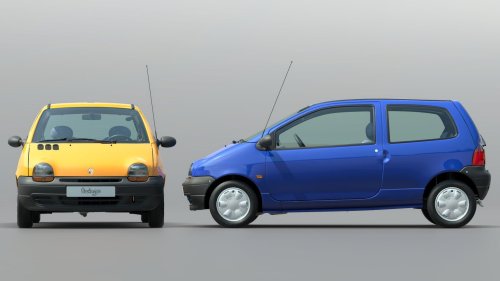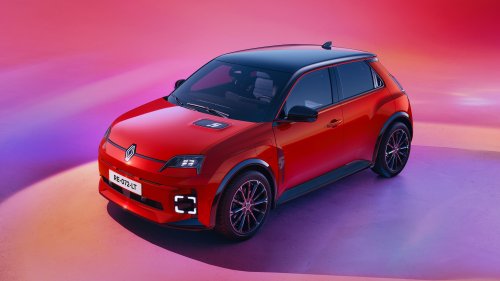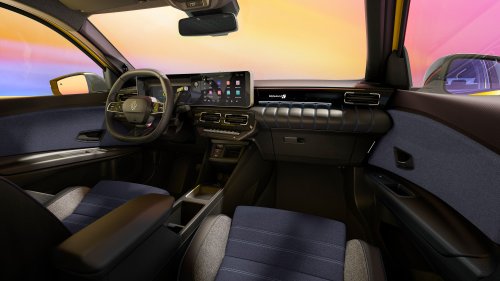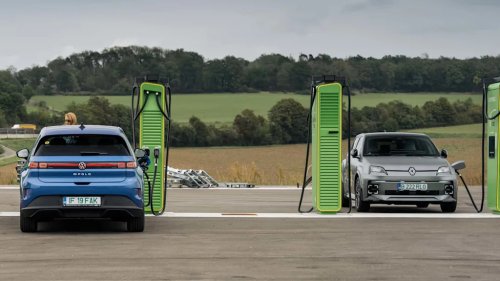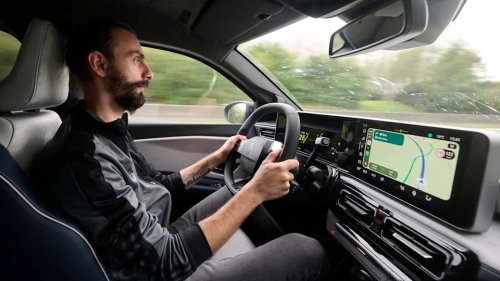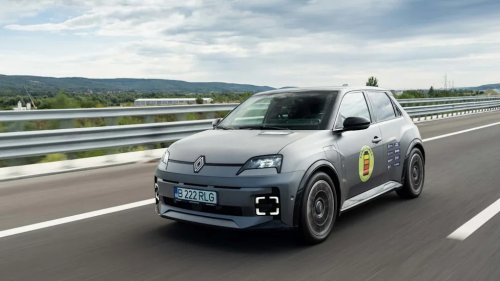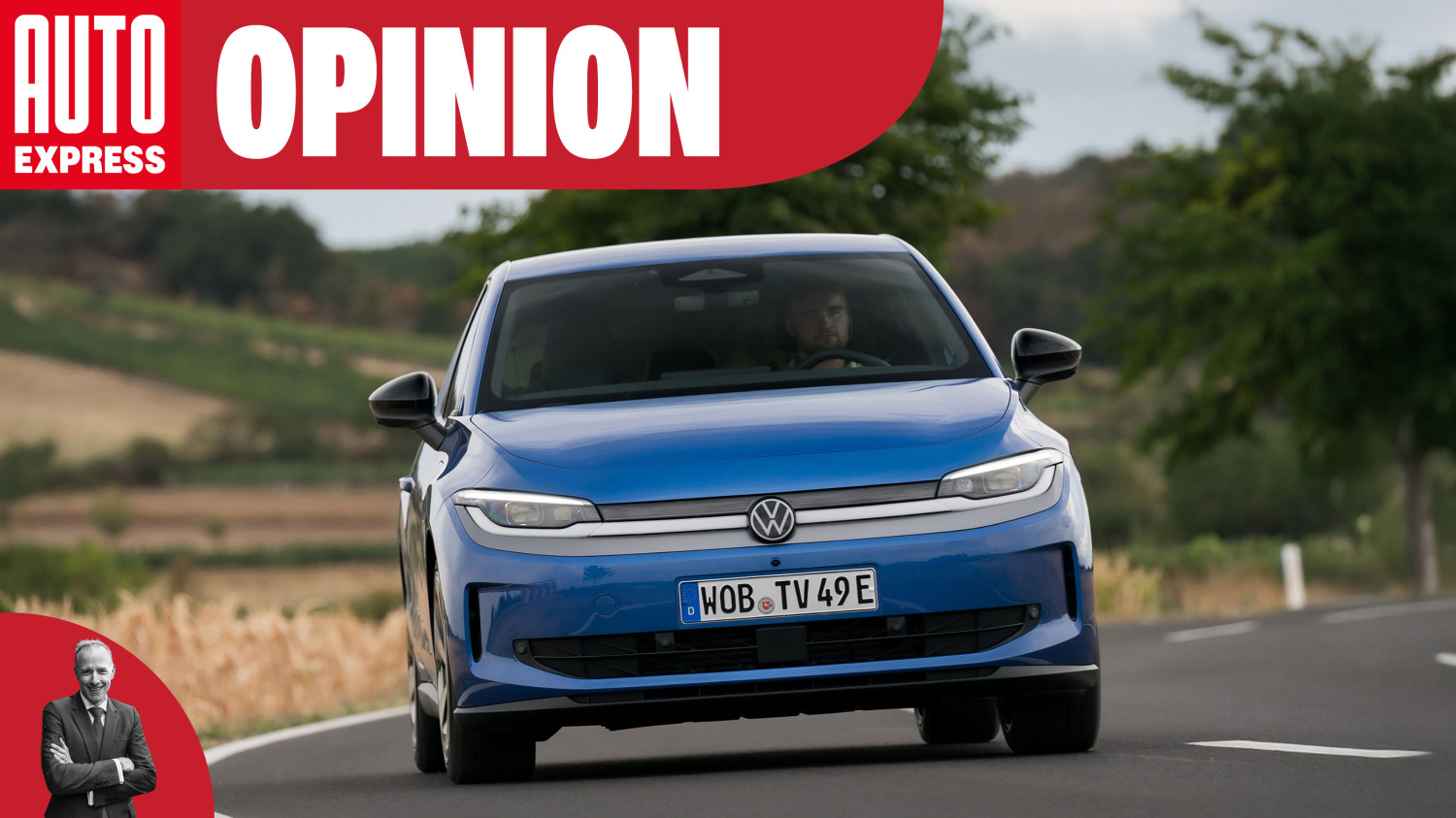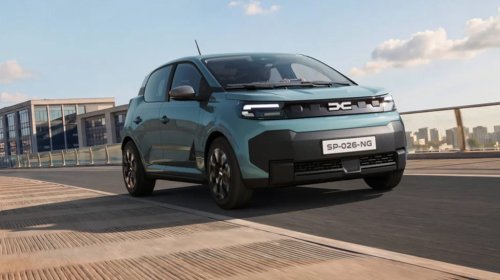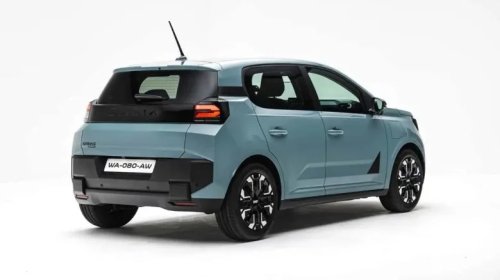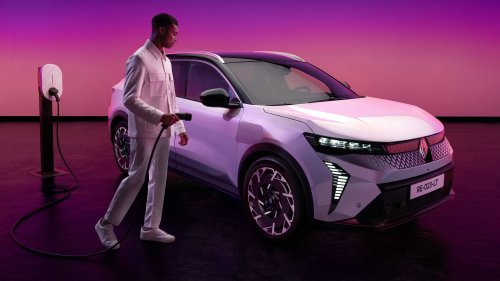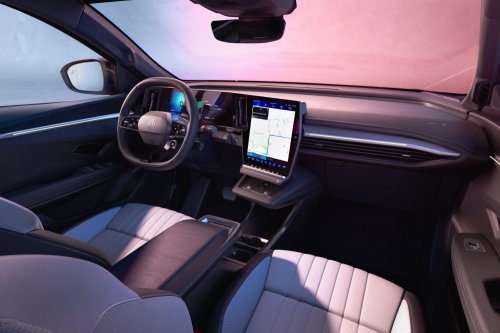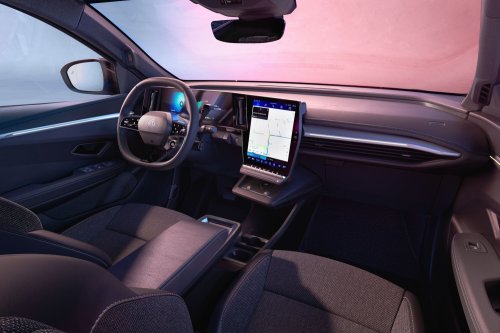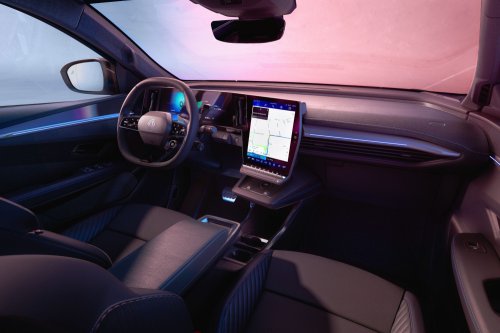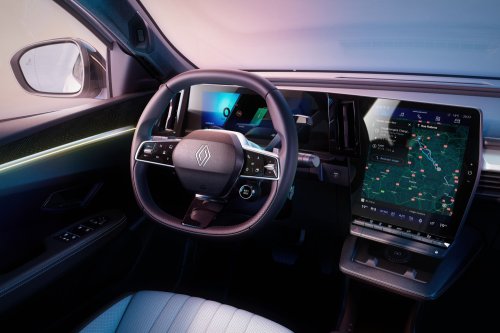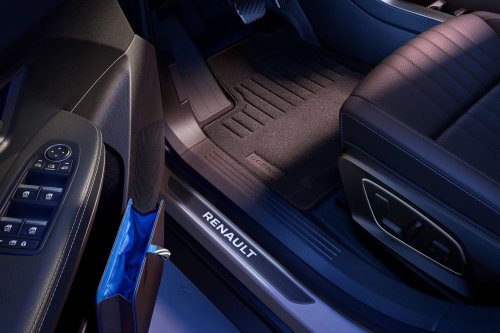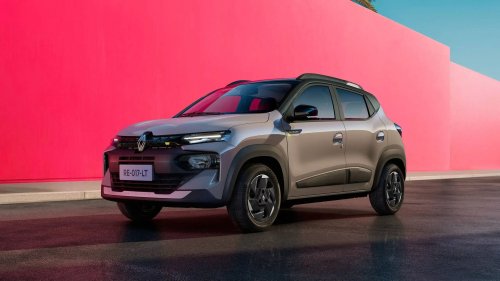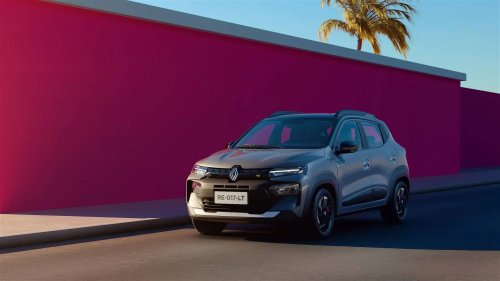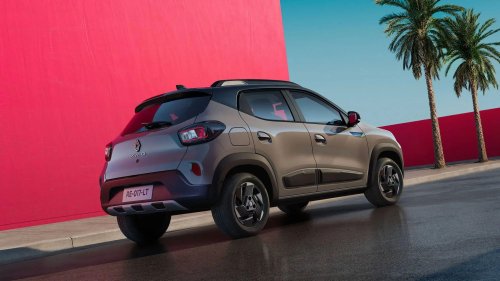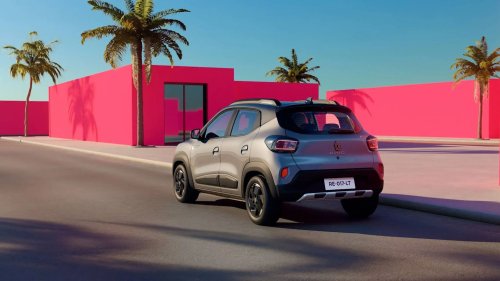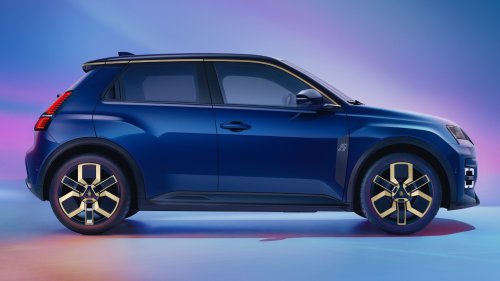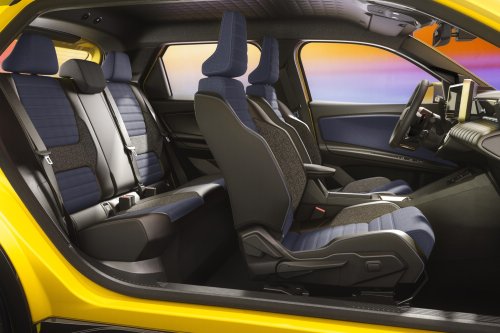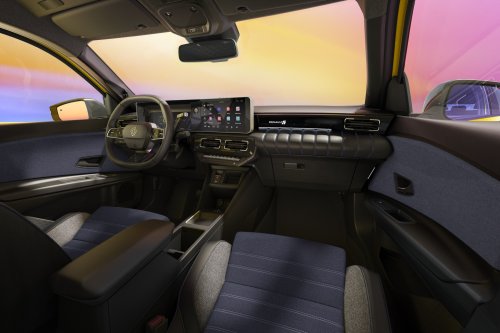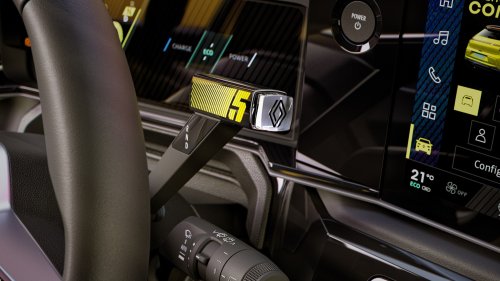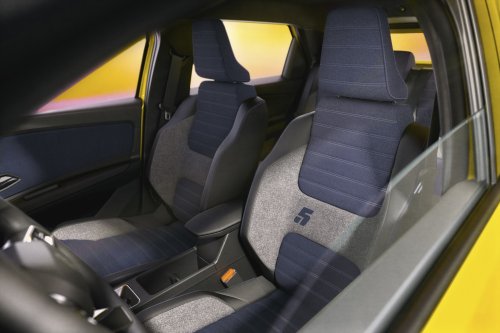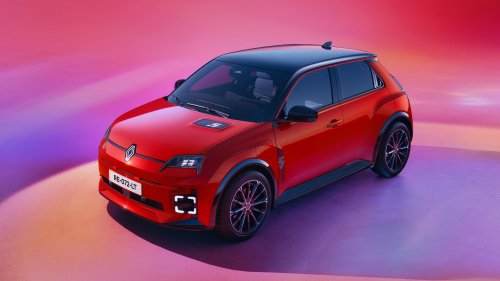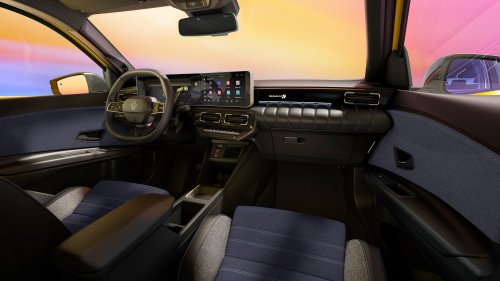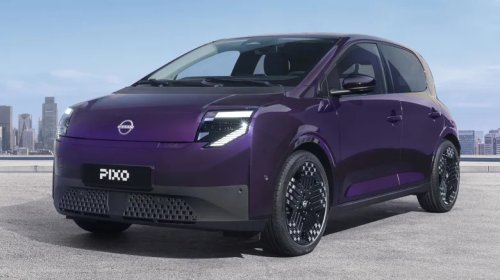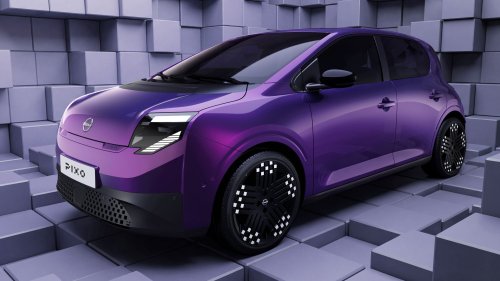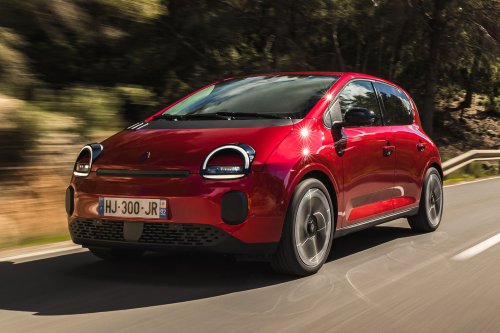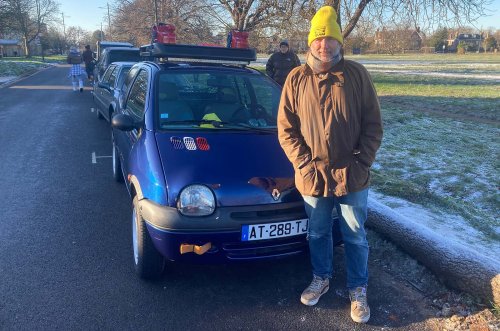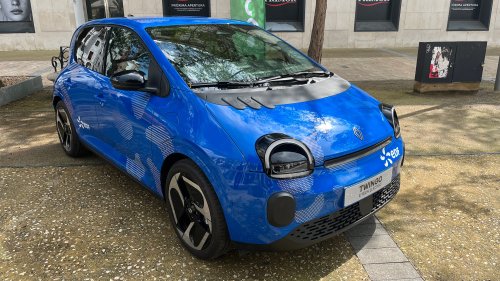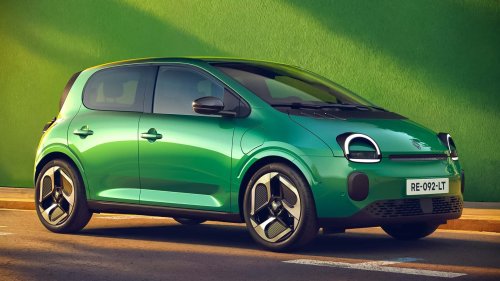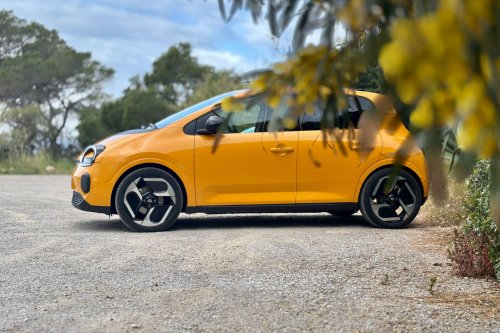
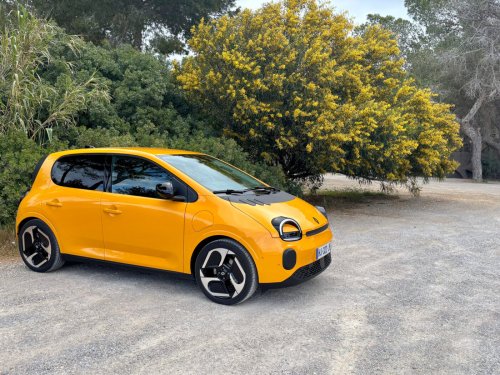
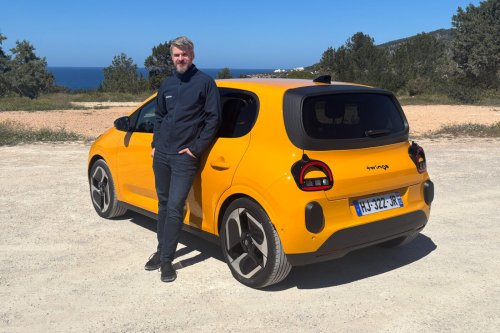
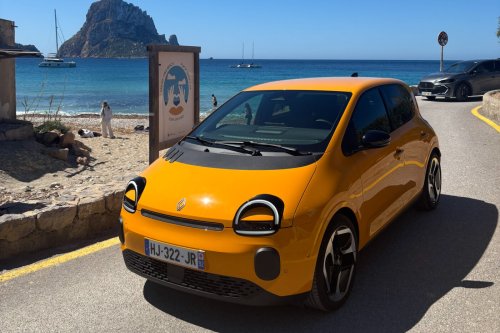
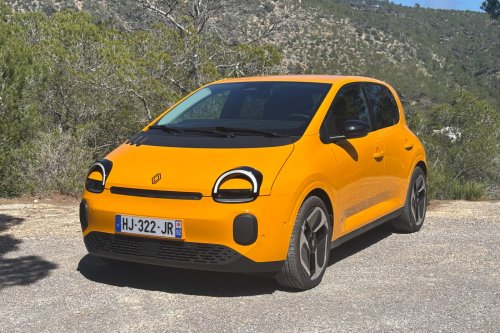
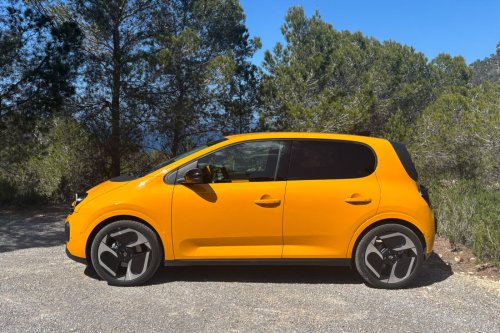
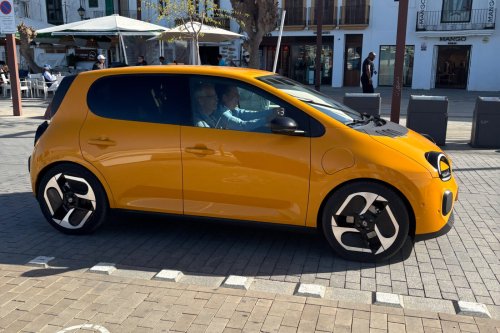
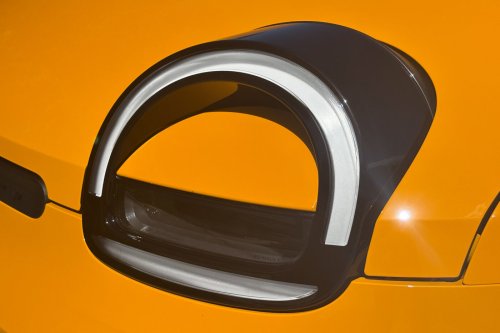
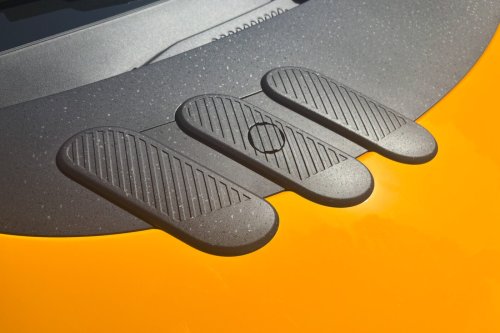
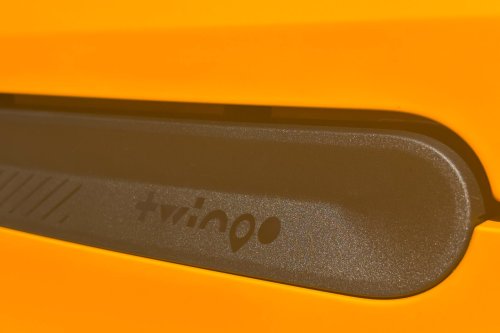
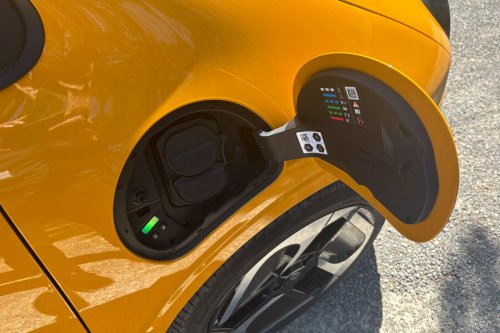
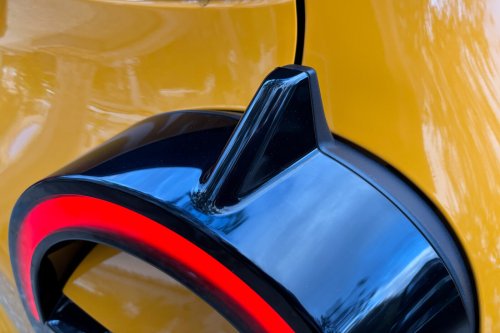
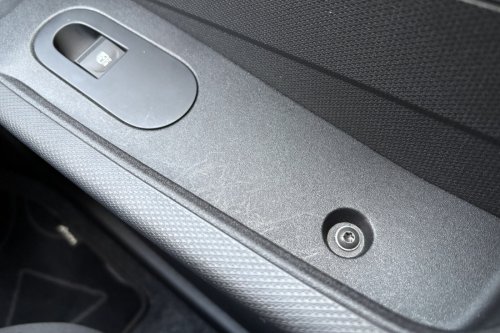
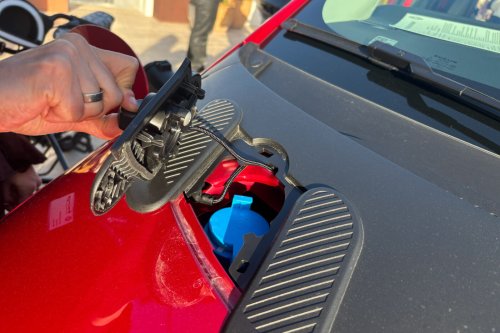
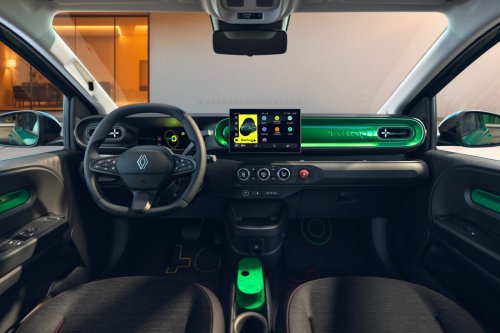
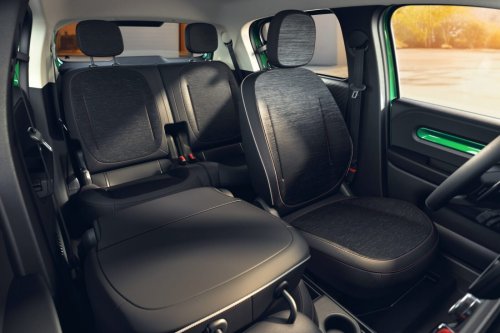
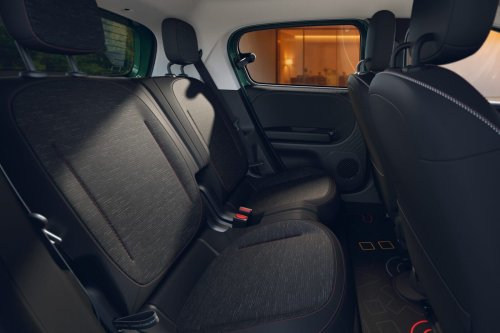
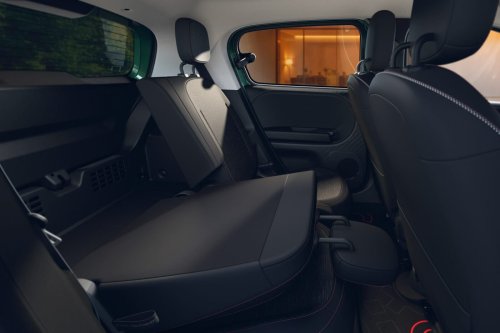



















I have to admit: I did not find the original Renault Twingo cool in the 1990s. In my home village, a bright yellow example drove around regularly. Growing up as a young boy in the Stuttgart region, I was strongly influenced by the views of adults around me – and they shaped my idea of what a ‘real’ car should be: big, with a powerful engine and, especially around Stuttgart, ideally carrying the star of Mercedes-Benz. A small car with a rounded, playful design simply did not fit that image at the time.In 2026, another Renault Twingo stands in front of me. It is bright yellow again. Its retro design picks up the key elements of the original and translates them into a modern look. And this time, it works for me: I think it’s cool – even before getting in.The approach of making electric cars appear as modern and futuristic as possible may work for new brands, but established manufacturers are increasingly returning to their core strengths and legendary models when designing their new battery-electric vehicles. Ford has named an electric model Capri, though many feel it stretches the concept too far, as the new Capri—an SUV coupé—has little in common with the iconic original. Mercedes, meanwhile, is aligning its previously distinctively designed electric cars closer to their internal combustion counterparts, as seen in the GLC with its bold front grille. Fiat has been selling the electric 500 as a charming small electric car for years. And Renault has got it right with the relaunches of the R5 and R4.However, the new Twingo is not meant to be retro just to add another retro electric car to the market, as those responsible emphasised during the driving presentation in Ibiza. The Twingo is a widely recognised brand name, and many people—especially those who remember the first generation, which stood out in the 1990s with its vibrant colours—have an emotional connection to it. And emotions influence purchasing decisions, even in the otherwise price-sensitive segment of (electric) small cars. The Twingo also scores points on price: in Germany, it starts at under €20,000 before incentives.We got to drive the higher-spec Techno trim, priced at €21,590. The Techno costs €1,600 more than the entry-level Evolution variant, which could be money well spent for many customers—more on that later. Within just a few metres, the Twingo makes it clear that, despite its base price of under €20,000, it is far from a bare-bones vehicle. The cockpit display and a central touchscreen, electric windows come standard, and in the Techno model, numerous driver assistance systems and a practical sliding rear bench. It allows you to choose whether you need more boot space or more rear legroom, depending on the situation, and adjust the left and right seats independently. Image: Renault Image: Renault Image: Renault Image: RenaultAnd: it drives well. 60 kW of power may not sound like much, but it is an electric motor with instant torque delivery. For example, the Twingo E-Tech can effortlessly tackle steep sections on Ibiza’s narrow coastal roads and pull away on inclines without hesitation. My first car with a petrol engine that also produced 60 kW would have struggled with its torque curve. The Twingo doesn’t.That said, the little Renault is no sports car, as becomes clear in the bends. For its intended use as an urban small car, however, I would describe the suspension as well-tuned: agile when turning and manoeuvring, yet stable in a straight line and comfortable. Poor roads or speed bumps are absorbed effectively.Good equipment, good suspension, good price. So where’s the catch? On paper, many would point to the battery, which has a usable energy content of just 27.5 kWh. Volkswagen’s upcoming small electric car family, which at around four metres in length is a class above the 3.79-metre-long Twingo (and thus competes more with the R5), comes with at least a 37-kWh battery. Under the WLTP standard, the Twingo achieves a range of 262 kilometres in Germany. A small side note: in other countries, the Twingo is rated at 263 kilometres. However, in Germany, the otherwise optional 11-kW onboard charger is fitted as standard, making the ‘German’ Twingo a few kilograms heavier than versions with the single-phase AC charger—resulting in a one-kilometre reduction in standardised range. Due to this enhanced charging equipment, both Twingo trims are €500 more expensive in Germany than in other countries.After the first 100 kilometres across Ibiza, I can partially allay range anxiety. The Twingo is genuinely efficient, making the most of the limited energy on board. At the end of the first test drive, the onboard computer showed 10.7 kWh/100 km, and on the second day, with a more spirited driving style, it was 12.0 kWh/100 km. With the lower consumption, this translates to a real-world range of 257 kilometres, while the higher consumption still allows for 229 kilometres. That’s impressive, though not fully representative: with temperatures just under 20°C, conditions were ideal, and little energy was needed for heating or cooling. Additionally, Ibiza’s roads, with speed limits between 40 and 80 km/h, likely simulated urban driving in Germany rather than a trip on rural roads. In other words: those driving on German (urban) motorways in winter will probably not achieve 257 kilometres. However, between spring and autumn, this is a realistic figure.By the way: Renault opted for LFP cells, primarily due to cost advantages over NMC chemistry. However, LFP typically offers lower energy density, which impacts range. The 27.5 kWh capacity is not a technical limit of current LFP technology, but a deliberate decision.A battery pack shown at the event made this clear: it is noticeably compact and does not fully utilise the space between the axles. In theory, a larger battery would have been possible. Renault, however, prioritised cost and weight, both of which would have increased with higher capacity.With this approach, the electric Renault Twingo targets a significantly improved environmental footprint. The electric Twingo is designed to achieve a 60% lower CO₂ footprint over its lifetime, including production, compared to a petrol-powered predecessor. After 35,000 kilometres, the CO₂ emissions from production are offset, and with every additional kilometre, the electric Twingo becomes cleaner.30 minutes at the fast chargerIn addition to the 11-kW AC charger, which takes around three hours for a full charge, DC fast charging is also included as standard in Germany. In other markets, Renault bundles this feature into the ‘Advanced Charge’ package, available for an extra €500. With up to 50 kW of charging power, the small battery in the Renault Twingo can be charged from 10 to 80 per cent in around 30 minutes.On Ibiza, the lack of long motorway stretches made it difficult to determine a realistic consumption figure at higher speeds. Assuming a motorway range of around 200 kilometres, a 30-minute charging stop could theoretically extend the total distance to roughly 350 kilometres before the next stop becomes necessary.The Twingo Electric does not position itself as a long-distance vehicle. However, the availability of DC fast charging means occasional motorway trips remain manageable. Earlier small electric cars such as the BMW i3 or the Renault Zoe operated for years under far less favourable charging conditions than those available today.This also explains why the €1,600 surcharge for the Techno trim could make sense for some buyers. The battery is identical in both versions of the Renault Twingo, and a heating mat is always integrated into the pack. However, the base Evolution model does not include its own navigation system. The 10-inch touchscreen only supports route guidance via smartphone apps such as Apple Maps or Google Maps.Renault only offers its built-in navigation system – based on Android and Google Maps – in the Techno trim. This becomes relevant because the system’s charging planner is required to activate battery preconditioning in winter when routing to a DC fast charger. Manual activation is not possible.This limitation carries more weight given the battery chemistry: LFP cells are generally more sensitive to low temperatures than NMC cells. While this could not be tested under the mild conditions on Ibiza, there is a risk that charging performance and power output may drop in winter without active battery heating. The extent of this effect will need to be verified in dedicated cold-weather tests.Twingo E-Tech ElectricDrivetrainFWDPower60 kWTorque175 NmAcceleration12.1 sTop speed130 km/hWLTP range262 kmBattery27.5 kWhDC charging power50 kWCharging time DC 10-80%30 minPrice€19,990Perhaps the ‘problem’ will be resolved if Renault rolls out a software update to enable manual activation of the battery heating, which is possible with the current software architecture, even in a small car. However, another difference between the Evolution and Techno trims cannot be changed via an update: only the Techno model features paddle shifters on the steering wheel, which allow the driver to adjust the level of regenerative braking, including one-pedal driving. The base model does not offer one-pedal driving.Even if the Evolution trim lacks some features, after two days of testing, the impression the Twingo made from the first metres remains: it is not a bare-bones model. The car looks appealing, offers many practical features for its price and size, and meets mobility needs—especially in spatially limited areas like a big city or Ibiza—without range limitations.And Renault has put a lot of thought into developing even this seemingly budget-friendly small electric car. Inside, many small add-on parts can be retrofitted from the accessories market or a 3D printer. For example, a centre armrest with storage. Renault didn’t just design a new Twingo logo but a complete alphabet—and embossed all the ‘letters’ into the headliner. This turns an otherwise simple component into another charming detail. Less charming: despite the pre-production test car being very new, the plastic in the inner door pockets already showed visible scratches. I have no idea what it will look like after 30 years—though Renault points out that many of the original Twingos from that era are still on the roads.There are also nice details on the exterior that go far beyond the retro headlights. The small fins on the round rear lights are not just for design; they also improve aerodynamics—adding around five kilometres of range. The small plastic cover on the bonnet doesn’t just replicate the iconic air intake of the original Twingo: underneath it lies the windscreen washer fluid filler neck, as the bonnet itself cannot be opened without tools. You need to know this, but it’s one of those details that make the Twingo playful and likeable. Even for grown men who only sneered at the first Twingo over 30 years ago.