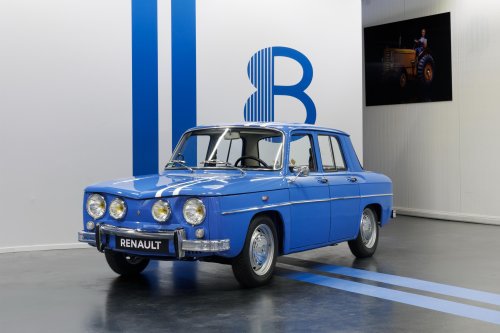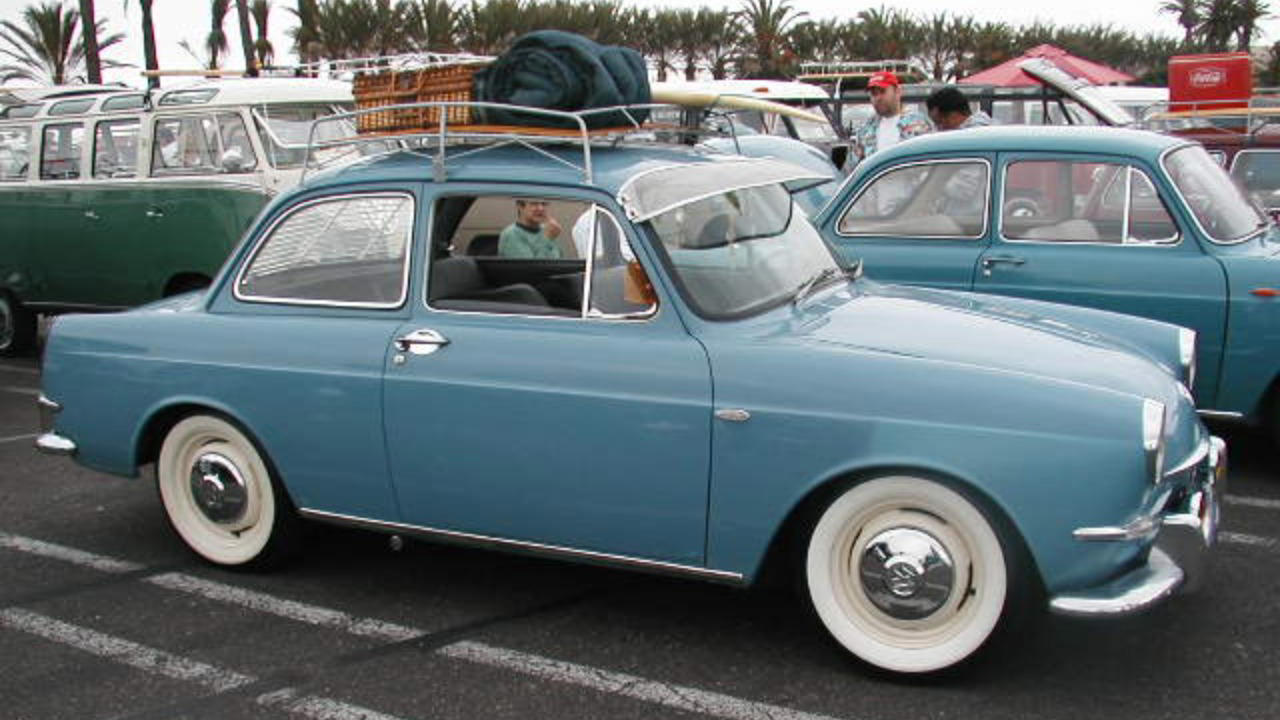


















The 1963 Volkswagen Type 3 and the 1963 Renault 8 arrived from opposite sides of the Rhine with similar ambitions: compact, rear-engined family cars that promised modern engineering in modest packages. Six decades later, enthusiasts still argue over which one held up best when miles, weather and neglect began to bite. On paper the Renault 8 looked more advanced, yet ownership histories and period tests suggest that the Volkswagen Type 3 quietly built the stronger reputation for reliability. Set against each other, the two cars show how different engineering philosophies age. Their stories also reveal why one became a byword for dependable motoring while the other won hearts with character and performance but struggled to match that staying power. Two rear engined answers to the same early sixties question Volkswagen entered the 1960s with one dominant product, the Beetle, and a growing awareness that it needed more variety. Company records describe the early part of that decade as a period of boom that still revolved on a one product business, which is exactly the environment that produced the Type 3 range. The Volkswagen 1500, as it was first known, kept the Beetle’s air-cooled flat four and much of its running gear, then wrapped it in squarer, more spacious bodywork that allowed Volkswagen to move slightly upmarket without reinventing the mechanical core. The Volkswagen Type 3 arrived in Notchback, Squareback and Fastback forms, all built around that familiar rear-mounted engine and torsion bar suspension. It shared components with the Beetle to keep costs down, a point highlighted in a detailed buyer’s guide that notes how the suspension used many of the same parts while delivering a softer ride. For owners, that commonality meant the Type 3 benefited from the same global parts network and accumulated workshop experience that had already made the Beetle such a dependable choice. Renault’s answer took a different path. The Renault 8, introduced in the early 1960s, replaced the Dauphine with a boxy but distinctive three-box saloon that also carried its engine behind the rear axle. The model adopted a sealed-for-life cooling system and four-wheel disc brakes, which period sources describe as a significant innovation for a small saloon. Its compact footprint, relatively generous cabin and modern features helped it stand out in European traffic, especially in its home French market where the brand already had deep roots. Both cars, then, targeted the same broad audience: families and professionals who wanted compact dimensions, usable space and a step up from the bare basics. The key question is how those design decisions affected reliability once the novelty faded. Engineering choices that shaped long term durability The Volkswagen Type 3’s strongest card was conservative engineering. Its air-cooled flat four was an evolution of the Beetle unit, already known for running high mileages with basic servicing. By sharing major components with the Beetle, the Type 3 leaned on a proven design rather than chasing cutting-edge features. The Classic & Sports Car guide underlines that shared DNA, pointing out how the suspension and other parts overlap so closely that maintenance and parts sourcing are straightforward for anyone familiar with Volkswagen’s earlier icon. Volkswagen’s corporate chronicle for the early 1960s describes a company that had built its success on simplicity and standardisation. The same chronicle shows how that one-product focus shaped the engineering culture that created the Type 3. Rather than experimenting with radical layouts or complex cooling systems, the engineers refined what they already knew worked. Air cooling removed radiators, hoses and water pumps from the list of potential failure points, and the flat four’s low specific output kept internal stresses modest. The Renault 8 took more risks. Its sealed-for-life cooling system reduced owner maintenance in theory, but it also introduced a level of complexity that could become a liability as the cars aged. The model’s use of four-wheel disc brakes, highlighted in enthusiast histories of the French saloon, gave it stopping power that rivalled some larger cars of the era. Those discs, however, required careful maintenance and could seize if neglected, especially in wet or salty climates. Performance variants exposed more of the Renault 8’s weaknesses. Detailed coverage of the Renault R8 Gordini, the high-performance derivative, points to specific engineering challenges. One analysis of the Gordini notes that the R8 had two main issues needing attention: high engine compartment that increased during racing and less than ideal handling and traction. While those comments focus on competition use, they reveal an engine bay that could run hot and a rear-engined balance that demanded respect, both of which had implications for reliability when driven hard. In everyday trim the Renault 8’s engine was relatively lively for its size and the car delivered a comfortable ride. A summary of the model at a glance describes it as a relatively lively, comfortable rear-engined saloon with heaps of character. Those same notes also mention poor grip in the wet and significant corrosion issues, which start to hint at the car’s longer-term resilience. What period road tests and early owners experienced Contemporary testers did not often compare the Volkswagen Type 3 and Renault 8 head to head, but the Renault 8 did go up against Volkswagen’s Beetle in at least one notable road test. That comparison, revisited in a modern vintage road test feature, pitted the Renault against the Beetle and concluded that the French car was superior in many ways. It offered more modern suspension, better brakes and livelier performance, yet the same piece records that the Renault did not match the Beetle’s reputation for reliability. That verdict matters for a comparison between the Type 3 and the Renault 8 because the Type 3 shared its mechanical heart with the Beetle. If testers and owners saw the Beetle as the benchmark for durability, then the Type 3 inherited much of that trust. The Beetle’s reputation was built on countless stories of air-cooled engines starting in harsh winters, gearboxes surviving indifferent drivers and simple electrics that could be fixed at the roadside. The Type 3 added more bodywork and a slightly more complex layout, but it did not fundamentally change the powertrain. Early Renault 8 owners, by contrast, often praised the car’s comfort and brakes while acknowledging quirks. The rear-engined balance could produce sudden oversteer in the wet, and the sealed cooling system relied on owners and mechanics who understood its requirements. The Renault’s more advanced specification looked appealing in brochures and on test tracks, yet the same features created more potential failure points once the cars aged and moved into second or third ownership. Enthusiast recollections from later decades support that pattern. Discussions among Renault fans about models such as the Renault Alliance, which arrived much later but shared some brand DNA, show divided views. One group conversation notes that some owners reported that more trouble with these cars than any other and praised galvanised bodies and good paint. That split perspective captures the broader Renault story: with attentive maintenance, the cars could be dependable, but the margin for neglect was often smaller than on a simple air-cooled Volkswagen. Rust, structure and how the bodies survived Mechanical reliability is only half the story. For owners of 1960s cars, corrosion often decides whether a vehicle survives long enough to become a classic. On this front, neither the Volkswagen Type 3 nor the Renault 8 can claim complete immunity, yet the pattern and severity of rust problems differ in ways that affect perceived reliability. The Type 3’s body is more complex than a Beetle’s. A detailed overview of the 1962 to 1973 Volkswagen 1500 and 1600 notes that compared to Bugs, the Squares, have more complex and rust-prone bodywork. Obvious areas to inspect include the front inner wings, the rear subframe mounts and the sills. Once corrosion takes hold in those structural sections, repairs can be involved and expensive. Another guide aimed at prospective buyers of the Volkswagen Type 3 advises that good quality used body panels are difficult to find, so choosing a car that is dent free and minimally rusted in its body and chassis is essential. In other words, the Type 3’s mechanical heart may be stout, but the shell that surrounds it needs careful inspection. Water traps around the front trunk, under the rear seat and in the sills can quietly eat away at metal, especially in damp climates. Owners who kept the cars garaged and cleaned out drain holes often fared well, while neglected examples could look tired before their engines wore out. The Renault 8’s problems with rust are more fundamental. A buyer’s guide to the Renault 8 and 10 explains that the cars used relatively thin steel. The same guide states that the disadvantage was that when rust took hold, it was not long before it had eaten straight through the thin steel and that corrosion was intense in many structural areas. Sills, floorpans, suspension mounting points and inner wings all suffer, and once perforation appears it can quickly compromise the car’s integrity. Another summary of the Renault 8, which describes the model as relatively lively and comfortable, also flags that the car has poor grip in the wet and lots of corrosion. That combination of dynamic quirks and rust vulnerability means that many Renault 8s disappeared from roads earlier than their mechanical condition alone would suggest. For owners, a car that dissolves around an otherwise healthy engine does not feel reliable, no matter how charming the drive. Visual evidence from modern video features reinforces this picture. One film of a rusty Renault 8, introduced with the line that the presenter is in slightly spectacular surroundings, shows a car that still runs but wears extensive cosmetic and structural rust. The host’s enthusiasm for the model’s character sits alongside clear acknowledgement that the body has suffered from decades of exposure. By contrast, video tours of surviving Type 3s often focus on the cool, forgotten styling and the practicality of the Squareback, with rust mentioned as a concern but not always as catastrophic as on equivalent French saloons. Maintenance culture, parts support and everyday usability Reliability in the real world depends as much on support networks as on original engineering. Here the Volkswagen Type 3 benefited from its connection to the Beetle and Volkswagen’s global presence. The shared components that the Classic & Sports Car buyer’s guide highlights did more than keep costs down at launch. They also meant that workshops already familiar with Beetle engines, gearboxes and suspension could service the Type 3 without special tools or training. In many markets, independent garages stocked Volkswagen parts as a matter of course. Air-cooled engines are relatively easy to strip and rebuild, and the lack of a water cooling circuit simplifies diagnosis. Enthusiast communities later added their own layer of support, from club spares schemes to online forums that document every common fault. A podcast episode dedicated to the VW 1500 Type 3 history, for example, sits alongside owner reviews and technical discussions, reflecting a culture that treats these cars as practical classics rather than fragile museum pieces. Renault’s support picture is more mixed. In France and some European countries, Renault dealers and specialists remained familiar with the 8 long after production ended. The sealed cooling system and disc brakes required specific knowledge but were manageable for trained mechanics. Outside those core markets, however, parts supply and expertise could be patchier. Once the cars aged into the hands of budget buyers, maintenance was often deferred or improvised, which did little to help long-term reliability. Modern buyer’s guides to the Renault 8 stress the need to inspect thoroughly for rust and to budget for body repairs. The same guide that describes intense corrosion also advises that sourcing good panels can be challenging. Enthusiast videos, such as the one that introduces Aidy’s charming rusty Renault 8, show how owners sometimes accept structural compromises in exchange for preserving a rare survivor. That willingness to work around faults speaks to the car’s appeal but also underlines how far from factory fresh many examples have become. Everyday usability also plays a role. The Renault 8’s compact footprint and light controls make it pleasant in town, yet the rear-engined balance and poor wet grip mentioned in the at a glance summary mean that owners must stay alert in bad weather. The Volkswagen Type 3, with its Beetle-based underpinnings, offers predictable if unremarkable handling, which many drivers interpret as dependable behaviour. A car that behaves consistently in all conditions encourages confidence, and that confidence often feeds into perceptions of reliability. How the two cars age as classics today Looking at surviving examples in the 2020s provides another angle on reliability. The number of Type 3s on the road relative to Renault 8s, especially outside France, reflects both original sales volumes and attrition rates. Enthusiast coverage of the Type 3 often describes it as a forgotten Volkswagen classic, with one presenter arguing that everyone out there when they overlook the Type 3 in favour of the Beetle. That argument rests partly on the idea that the Type 3 delivers familiar Volkswagen dependability in a more practical and distinctive shape. Another video feature that traces the VW 1500 Type 3 history weaves in owner reviews that praise the car’s ability to cover long distances without drama. One host introduces a section by promising to read a bunch of those reviews for people who gave the show a five-star rating, a lighthearted moment that still hints at the depth of owner feedback. Those stories often echo the same themes: engines that keep going with basic maintenance, electrics that rarely strand the car and a parts supply that remains manageable. Renault 8 coverage, by contrast, tends to focus on character, rarity and motorsport heritage. The Gordini variants in particular have a strong following, and the ten years of narrative around the Gordini era captures the excitement those cars generated. Yet even in that context, writers acknowledge the high engine compartment temperatures and handling limitations that required careful setup and maintenance. Modern owners of standard Renault 8s often accept a degree of fragility. The video that showcases Aidy’s rusty Renault 8, linked earlier, illustrates how enthusiasts sometimes treat these cars as rolling restoration projects. They celebrate the driving experience and the period charm while living with imperfect bodywork, occasional electrical issues and the constant hunt for parts. That passion keeps the cars alive but also signals that the Renault 8 is not the obvious choice for someone who simply wants a classic that starts and runs with minimal fuss. By comparison, many Type 3 owners treat their cars as usable classics. Squarebacks in particular serve as practical estate cars for weekend duties, with space for luggage and the kind of mechanical simplicity that encourages regular use. Guides for prospective buyers, such as the one that advises choosing a Type 3 that is dent free and minimally rusted in its body and chassis, frame the car as a sensible purchase if one starts with a solid shell. So which proved more reliable? Bringing these threads together, the balance of evidence points to the 1963 Volkswagen Type 3 as the more reliable long-term companion when compared with the 1963 Renault 8. The reasons are not glamorous, but they are consistent across sources. First, the Volkswagen’s mechanical package is inherently simple and well proven. The air-cooled flat four, shared with the Beetle, had already demonstrated its ability to run for high mileages with basic care. Shared components, as highlighted in the buyer’s guide, meant that parts and expertise were widely available. Period comparisons that found the Renault superior to the Beetle in performance and refinement still conceded that the Beetle, and by extension its close relatives, had the edge in reliability. Second, while the Type 3’s body is more rust-prone than a Beetle’s, its corrosion issues are generally manageable if caught early. Buyers are advised to inspect carefully, particularly around the sills and subframe mounts, but solid examples can be preserved with sensible maintenance. The Renault 8, in contrast, suffers from intense corrosion that can eat through thin steel quickly once it starts. The Classic & Sports Car guide is blunt about how rapidly rust can compromise the structure. Third, the Renault 8’s more advanced specification created additional failure points. The sealed-for-life cooling system and four-wheel disc brakes were forward-looking features, yet they demanded attentive servicing and specific knowledge. Performance derivatives such as the Gordini exposed underlying issues with high engine bay temperatures and handling balance, which could translate into wear and tear even on milder versions if driven enthusiastically. Finally, the ownership culture and support networks favoured the Volkswagen. The Type 3 rode on the back of Volkswagen’s global reach and the Beetle’s ubiquity, which ensured a steady flow of parts and know-how. Renault 8 owners in core markets enjoyed good support, but elsewhere they often faced shortages of panels and specialist skills. Enthusiast passion has kept many Renault 8s alive, yet the compromises visible in rusty survivors underline how hard the cars have had to fight against time and corrosion. None of this diminishes the Renault 8’s charm. As the Honest John summary puts it, the car is relatively lively, comfortable and full of character. Its motorsport pedigree, particularly in Gordini form, gives it a heroic aura that the more sober Volkswagen Type 3 cannot match. For drivers who value that personality and are willing to invest time and money, a Renault 8 can be a rewarding companion. More from Fast Lane Only Unboxing the WWII Jeep in a Crate 15 rare Chevys collectors are quietly buying 10 underrated V8s still worth hunting down Police notice this before you even roll window down