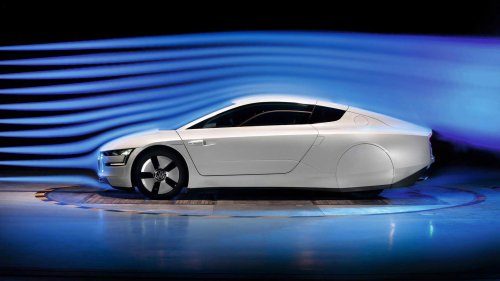
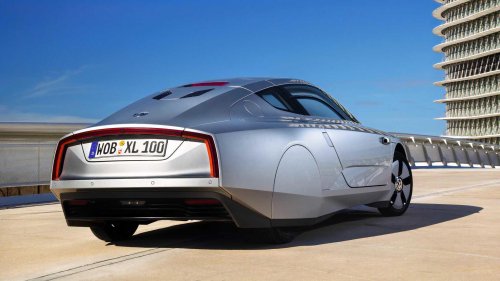
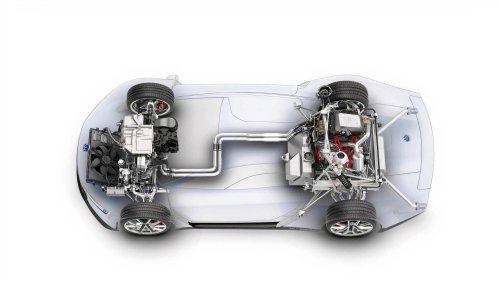
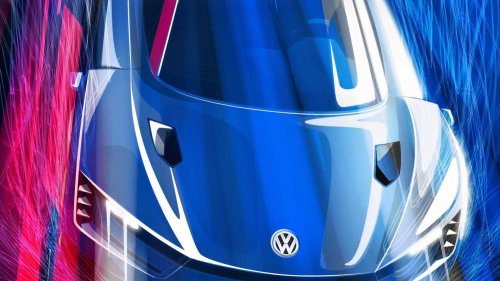
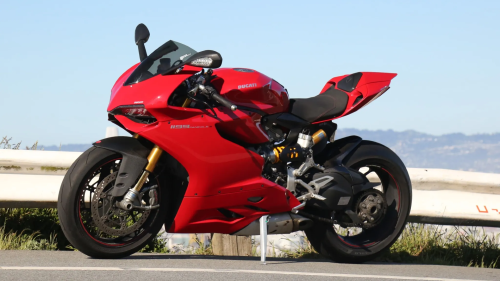
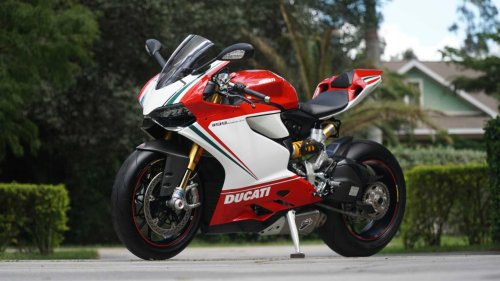
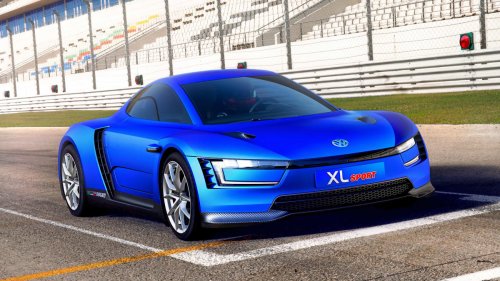
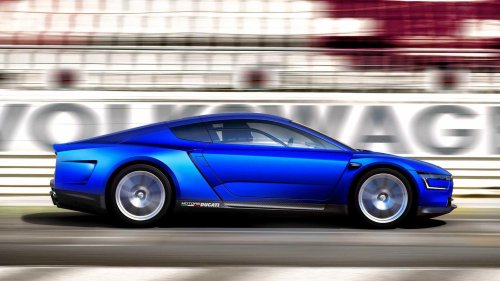
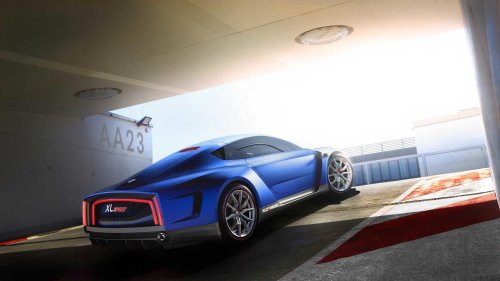
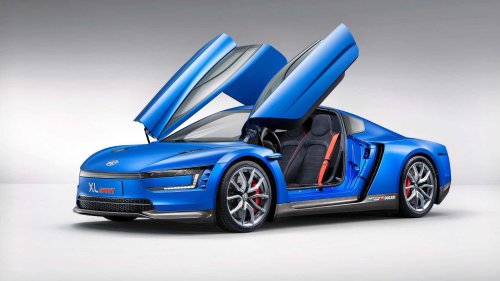
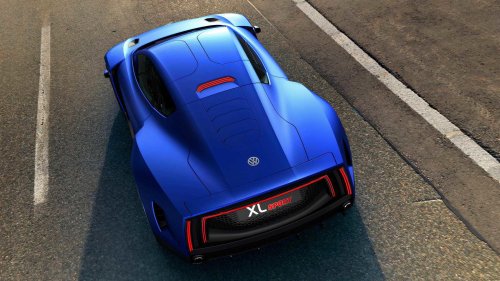
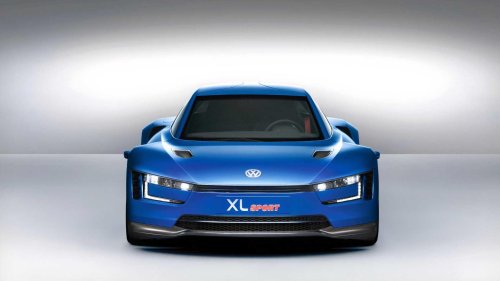
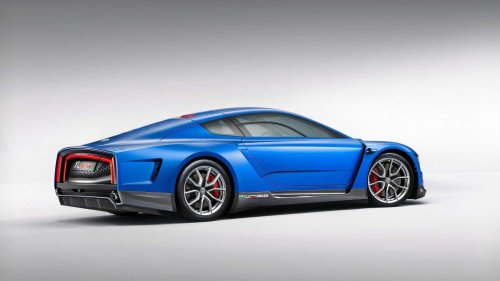
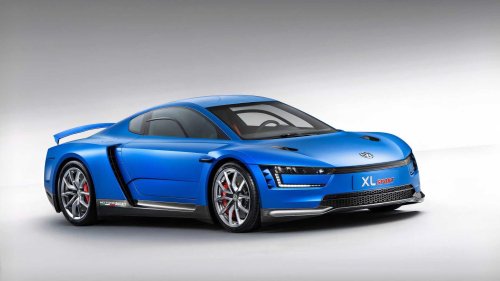
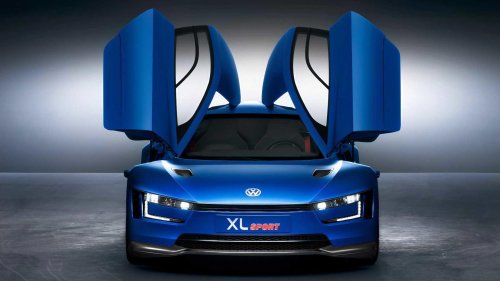



















Most automakers spent the early 2010s chasing fuel economy and calling it innovation. Volkswagen was no different. But while most brands settled for smaller engines and stop-start systems, VW went somewhere stranger. They built one of the most aerodynamically efficient production cars any mainstream manufacturer had ever attempted, proved the platform could survive a real limited run, and then asked a question nobody else was bothering to ask. What if the efficiency work was never really the end goal? What if it was just the foundation? VW Built One Of The Slipperiest Cars On The Planet, And That Was Just The Start Via VW Volkswagen is not the brand you call when you want something exciting. Efficient, reliable, built in enormous volumes for people who treat transportation as transportation. That reputation is completely earned. But in the early 2010s, VW quietly assembled one of the most aerodynamically serious road cars any mainstream manufacturer had ever attempted. And the really interesting part is what that efficiency project made possible next. The Economy Car That Was Actually An Engineering Statement Via VW Volkswagen's starting point was the XL1. A fuel-economy science project built around carbon-fiber construction, a two-cylinder diesel-hybrid setup, and a very low drag coefficient. A very low drag coefficient you in aerodynamic territory normally reserved for dedicated racing prototypes. Volkswagen was targeting this from something intended for road registration. And they actually built it. Not a one-show concept that disappeared into storage. A limited production run starting in 2013 proved VW was willing to take unusual engineering ideas all the way to the road when the case was strong enough. That matters for what came next. The Question Every Lightweight Platform Eventually Asks Via VW Once that efficiency platform existed, the obvious next question was staring everyone in the face. Could the same light, slippery architecture do something more emotional without sacrificing the engineering credibility that made it interesting in the first place? Most automakers manage efficiency or excitement. Very few pull off both without diluting whichever thing made either approach worth caring about. The efficiency platform had already proved that extreme weight savings, obsessive aero, and disciplined packaging could all function as performance tools rather than economy tools. The engineering case was already made. The platform was ready. Someone just had to be willing to push it somewhere much more interesting. Then Volkswagen Pulled The Diesel And Reached For A Motorcycle Engine Via VWVolkswagen engineers had already proved the lightweight platform could survive real-world production. The next step was obvious in retrospect. Stop treating weight savings as an economy tool and start using it as a performance weapon. The diesel-hybrid setup that made the efficiency car so extraordinary was not going to give them the character they wanted. So they pulled it. What they chose to replace it with is the reason this story is worth telling. The Engine Choice That Made Everyone Do A Double Take Bring a Trailer Volkswagen ditched the diesel and went for something nobody saw coming. Not a softened unit borrowed from a city car, but the actual powerplant from one of the most extreme production superbikes Ducati had ever built, a 1,199 cc Superleggera V-twin that revved to 11,000 rpm. The corporate angle is what made it possible. Audi had acquired Ducati in 2012, which dropped one of motorcycling's most celebrated engine families right inside Volkswagen Group's ecosystem. This was not a tuner trick or an outsider's project. It was a group-level engineering exercise with genuinely extraordinary hardware suddenly available in-house. Why Borrowing From A Superbike Actually Made Perfect Sense Bring a Trailer A motorcycle engine in a car sounds absurd right up until you look at what Volkswagen was actually trying to build. Then it makes perfect sense. The goal was never maximum displacement. It was a powertrain with a tiny footprint, razor-light weight, and the kind of high-revving character that a turbocharged car engine simply cannot deliver. The Ducati Superleggera unit uses titanium and magnesium components and was already engineered around the ballpark VW wanted. A seven-speed dual-clutch gearbox adapted for using in a car handled the translation from superbike output to car-compatible drive. The engine choice was a packaging story as much as a horsepower story. Meet The Volkswagen XL Sport, The Ducati-Powered Sports Car Nobody Expected Via VW Here is the car. Volkswagen unveiled the XL Sport at the 2014 Paris Motor Show, and the name told you exactly what it was going for. The XL1's more aggressive sibling, built on the same carbon-fiber structure but aimed somewhere completely different. A 1,199 cc Ducati V-twin, a seven-speed dual-clutch, and a body stripped to 1,962 pounds. Every component chosen as a performance solution, not a press release talking point. A One-Off Concept That Felt Too Serious To Stay That Way Via VW Volkswagen officially called the XL Sport a one-off design study at the reveal, a sister concept to the XL1. Same carbon-fiber structure, same low-slung profile, same obsessive approach to mass reduction. Curb weight came in at 1,962 pounds. That number is the whole story. The Ducati engine's 197 horsepower only moves the needle the way it does when the car underneath weighs next to nothing. The seating position sat low enough to feel closer to a racing prototype than anything wearing license plates. This was not a badge stuck on a concept body. The whole car was engineered around making the engine's character mean something. How 197 Horsepower In 1,962 Pounds Actually Stacks Up Via VW The engine at the heart of the XL Sport was the Ducati-derived 1199 Superleggera unit. At the time, period automotive coverage described it as the most powerful production two-cylinder motorcycle engine in the world. What that meant in practice was 197 horsepower and 99 lb-ft of torque, with an 11,000 rpm redline and a power-to-weight ratio of roughly 221 horsepower per metric ton. All of that in a 1,962-pound package. Volkswagen quoted 0-62 mph in 5.7 seconds and a top speed of 168 mph. Not supercar numbers. But serious enough that the concept clearly had a point. Why A 197-Horsepower Concept Felt Faster Than The Numbers Suggested Via VW The XL Sport worked as a concept because Volkswagen refused to treat it like a styling exercise. The aero hardware was genuinely functional. The suspension was engineered specifically around the weight target. The forged magnesium wheels were there to reduce unsprung mass, not to look expensive on a show stand. Every decision pointed at one goal. Making 197 horsepower feel significantly more potent than it sounds on a spec sheet. Aero And Chassis Engineering That Actually Backed Up The Numbers Via VW Volkswagen gave the XL Sport a low, narrow carbon-fiber body, a wider stance than the XL1, and a retractable rear spoiler that deployed at speed. The package was designed as a performance system, not a collection of styling cues. The forged magnesium wheels were not cosmetic. Lighter wheels mean less unsprung mass, letting the suspension respond faster to whatever the road throws at it. In a 1,962-pound car, that effect is outsized. The result was a concept that could actually back up every number Volkswagen was quoting. The aero and chassis hardware were not there to make the show car look mean. At such high speeds, the car genuinely needed them. What 11,000 RPM In A 1,962-Pound Car Actually Feels Like Via VW A 5.7-second 0-62 mph time in a 1,962-pound car with a motorcycle-derived engine commands genuine respect. A 168 mph top speed shows Volkswagen was thinking about real high-speed stability, not just a dramatic figure for the press release. But the raw figures only tell part of the story. An 11,000 rpm redline means the XL Sport delivered its speed in a way that felt nothing like a turbocharged hot hatch or a heavy GT car. That high-rpm character is what separated this concept from everything else at the 2014 Paris show. Not just how fast. How completely different it would have felt getting there. Why VW Never Built It, And Why That Still Stings Via VW The XL Sport never became a production car. VW showed it at the 2014 Paris Motor Show, the world paid attention, and then it stayed right where it was, a one-off prototype with no confirmed path forward. That was the practical reality. Building a low-volume, highly specialized performance car inside a mass-market brand is a genuinely hard commercial argument to win, and this one never came close to winning it. The Business Case That Never Closed Via VW Development costs would have been high. The target audience was narrow. The XL Sport had no mass-market story to justify the investment. Great concepts die this way. Not because the engineering was wrong, but because the spreadsheet never works out. Volkswagen would have needed to commit to a car with minimal sales volume and no obvious platform for future development. Any realistic production number would have looked optimistic from the very first meeting where someone tried to make the business case. What The XL Sport Still Gets Right About Performance Via VW The XL Sport still gets rediscovered because it proved something mainstream manufacturers rarely attempt. Less can actually be more potent. Most halo concepts reach for displacement, brute force, and numbers big enough to dominate a headline. Volkswagen reached in the opposite direction. Lighter weight, a smaller engine, a higher-revving powertrain that put the experience entirely in the driver's hands rather than doing the work for them. That combination is rare from a company that builds cars for everyone. The XL Sport is not a failure. It is a question nobody at Volkswagen ever had the budget to answer. Those tend to stay interesting for a very long time.