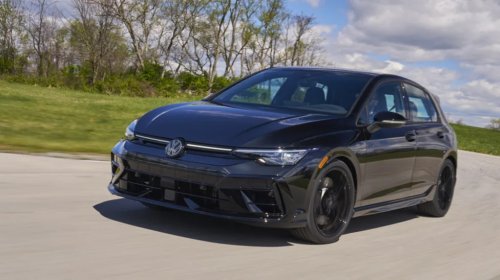
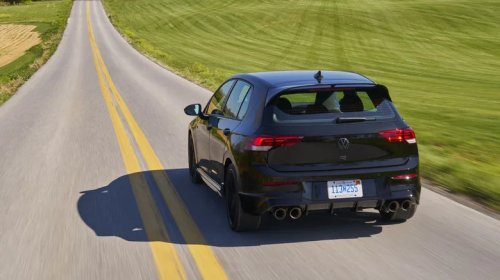
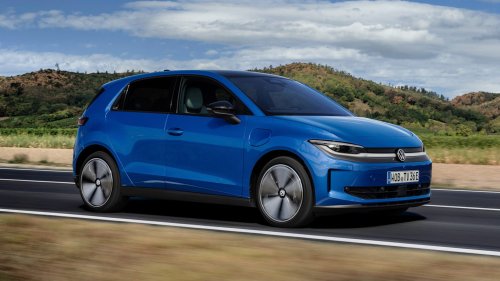
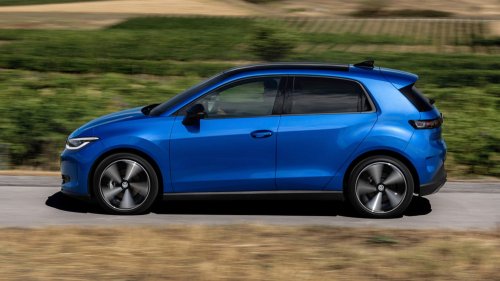
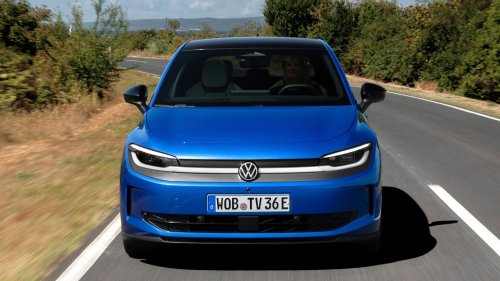
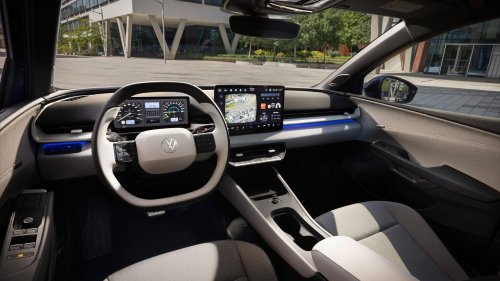
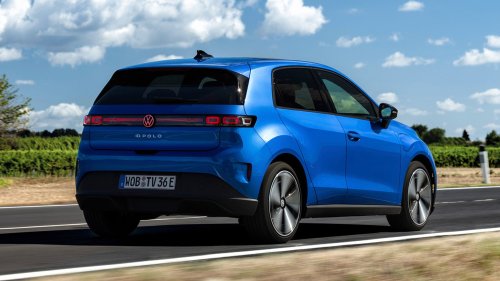
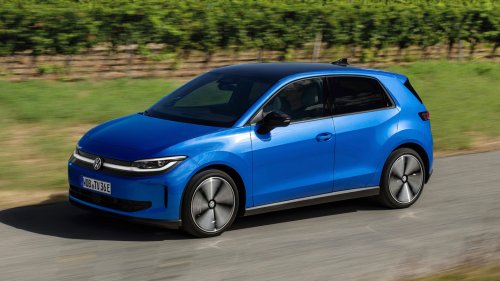
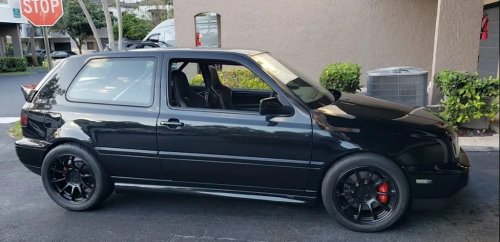
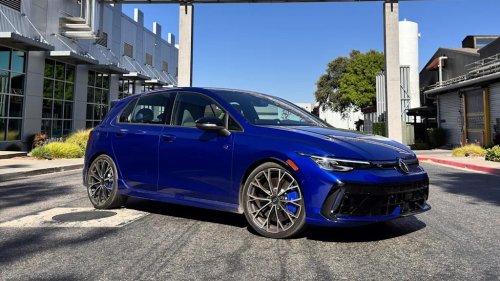
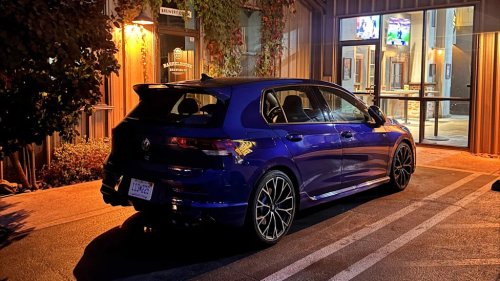
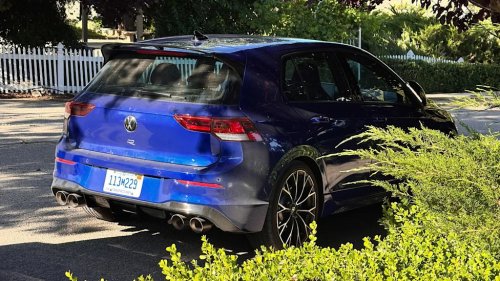
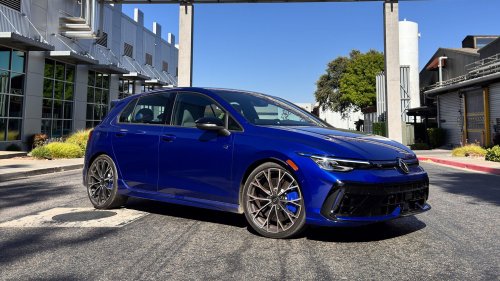
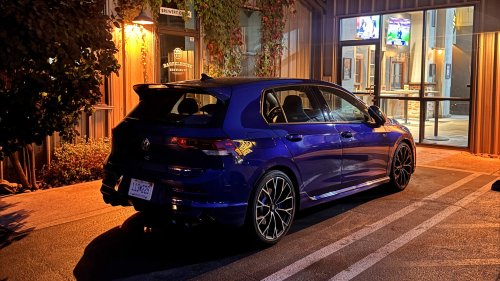
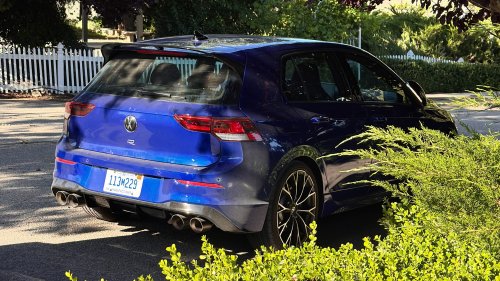
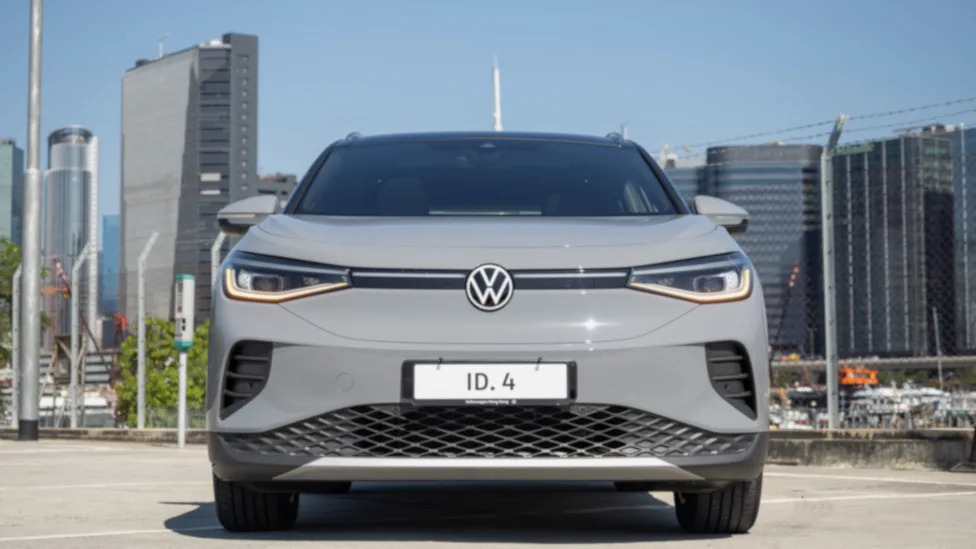
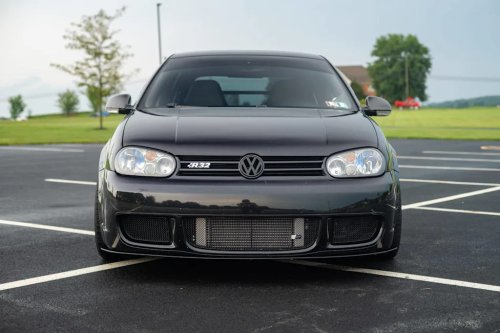
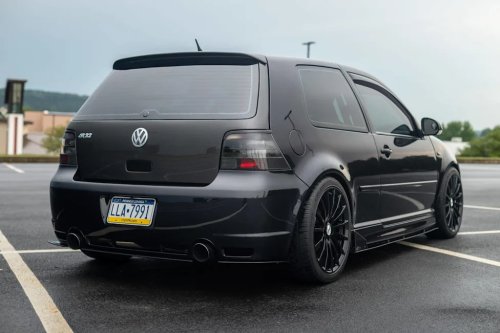
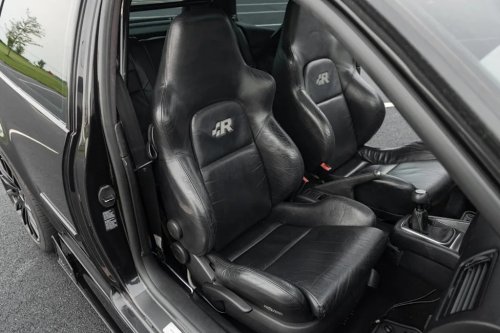
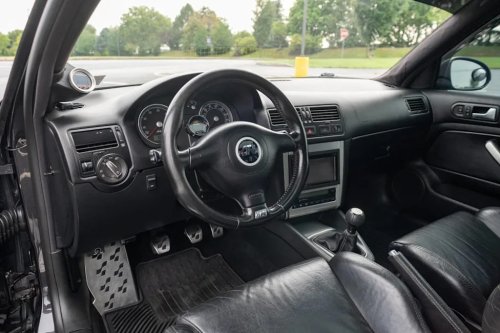
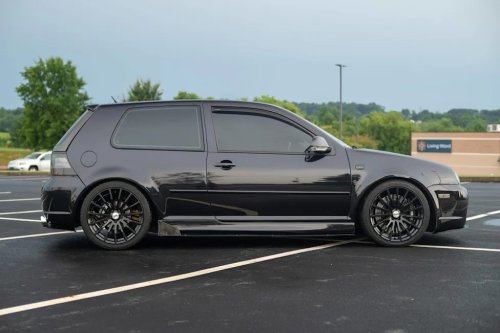
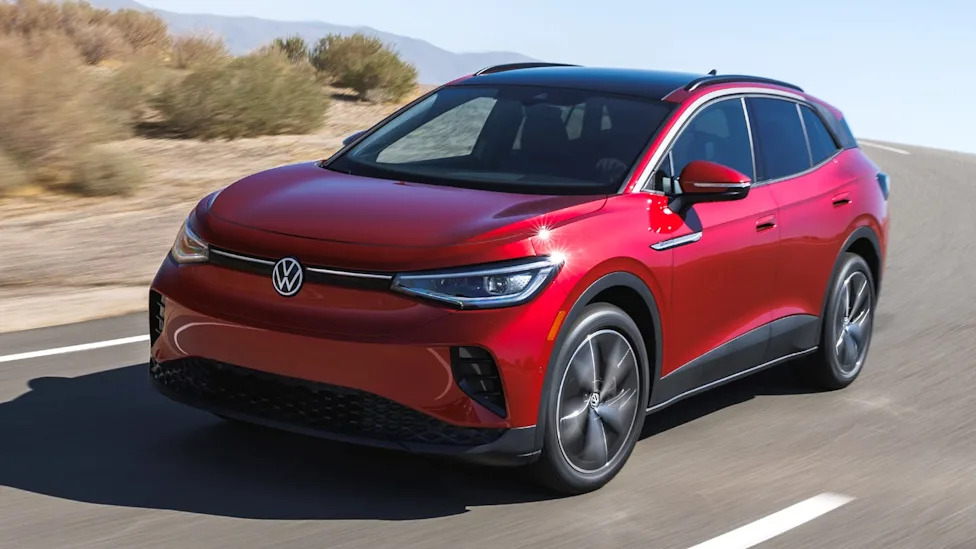
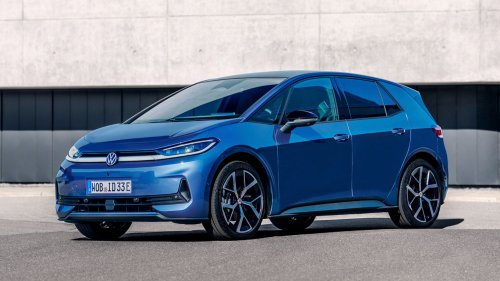
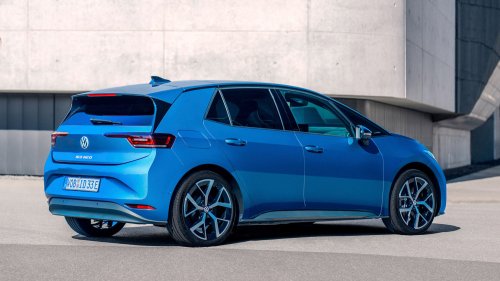
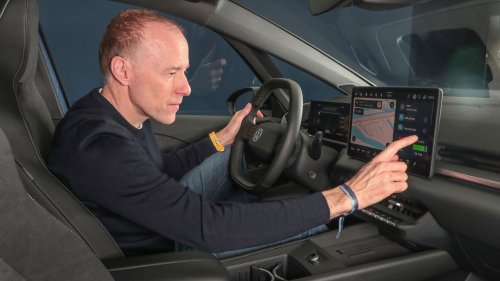
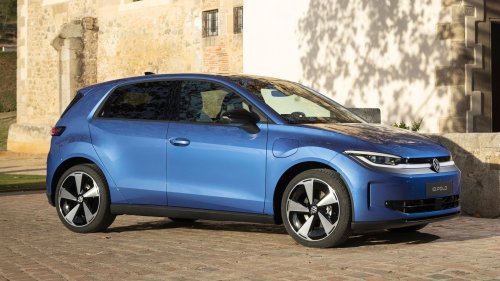
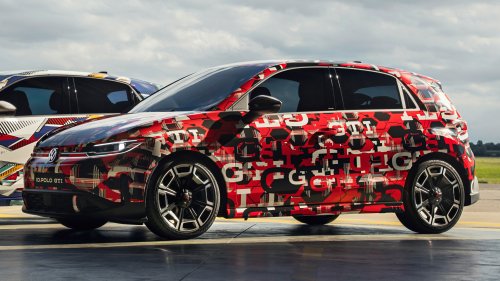
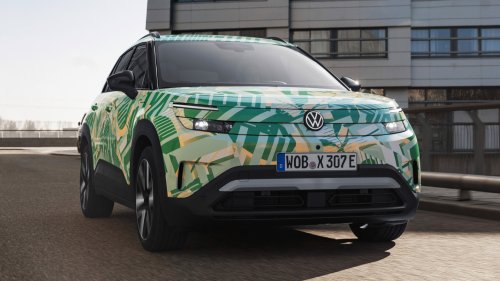
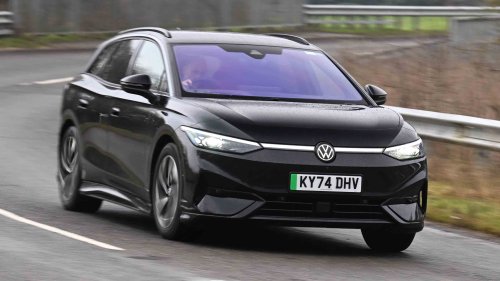
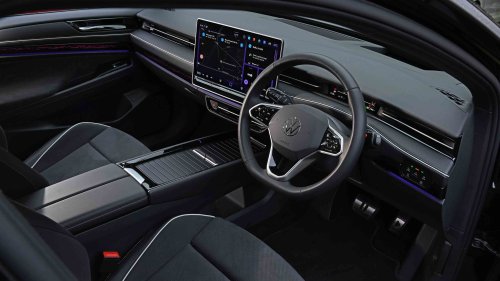
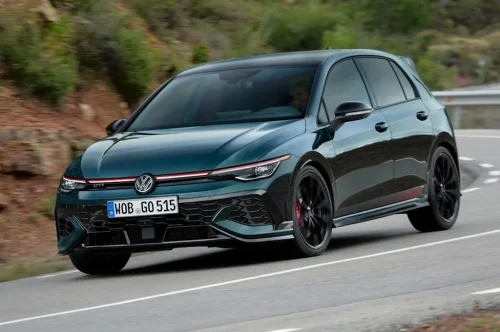
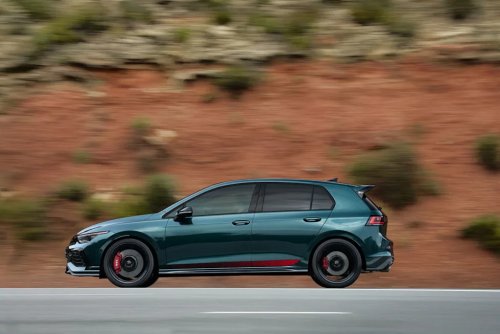
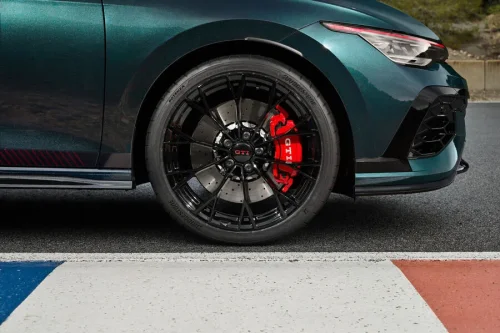
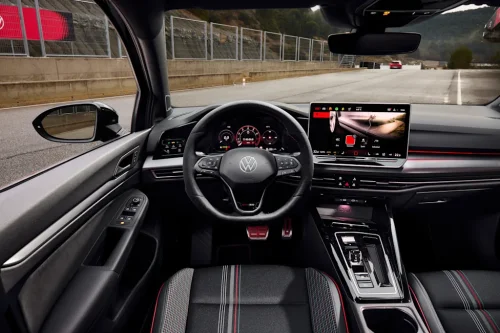
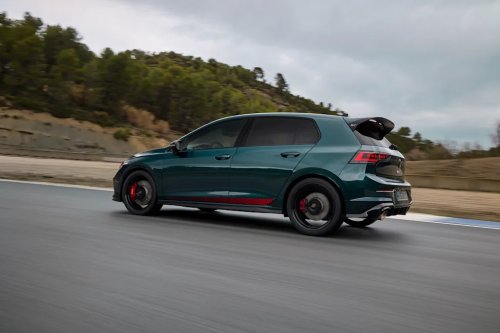
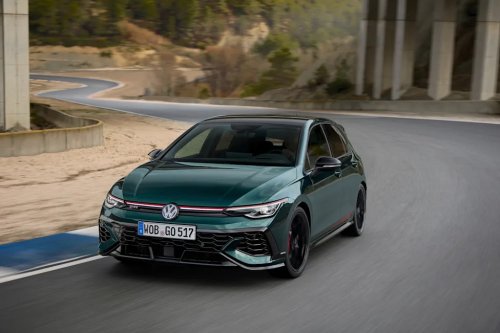
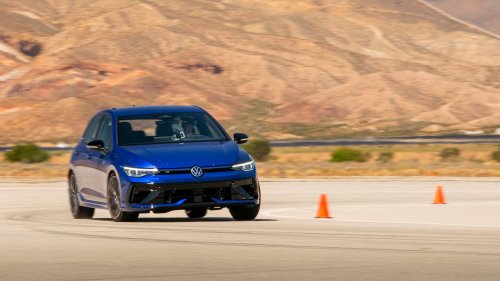
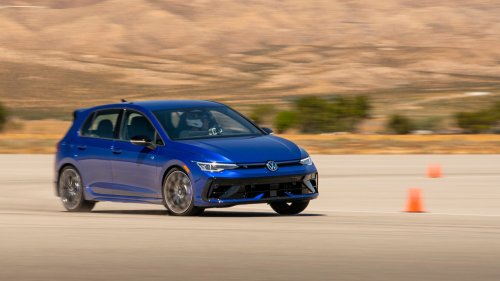
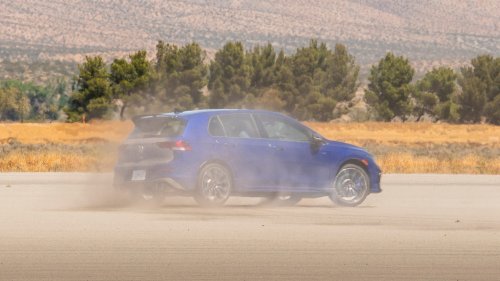
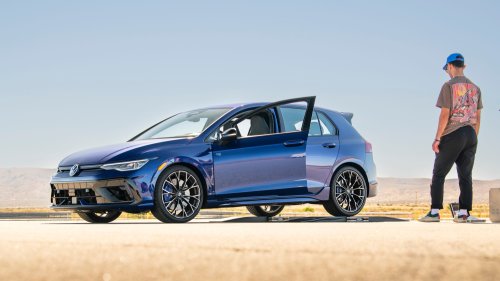
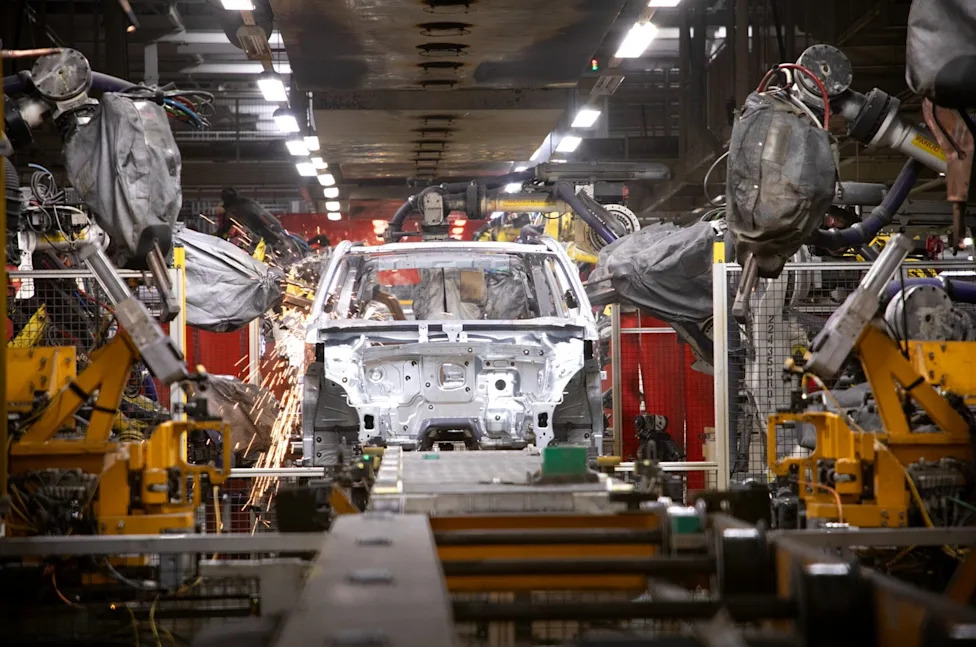
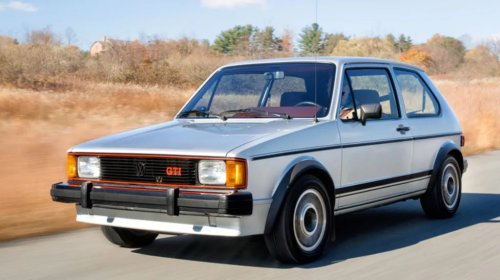
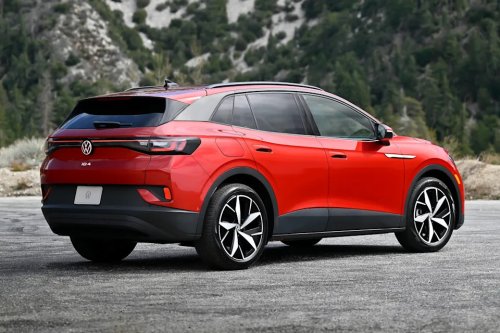
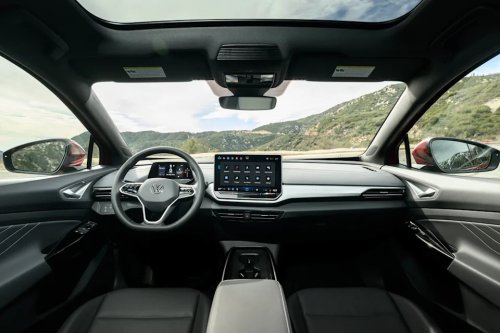
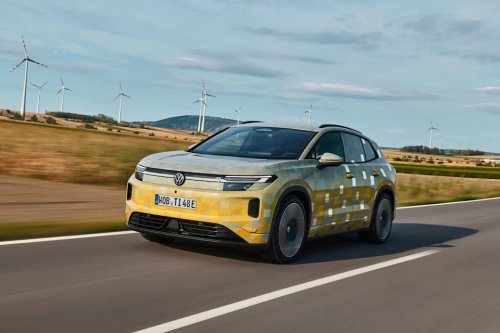
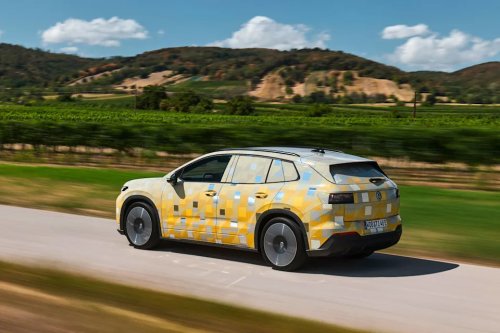
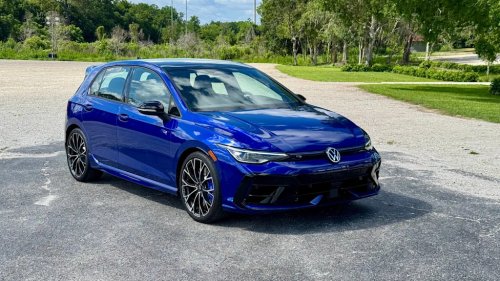
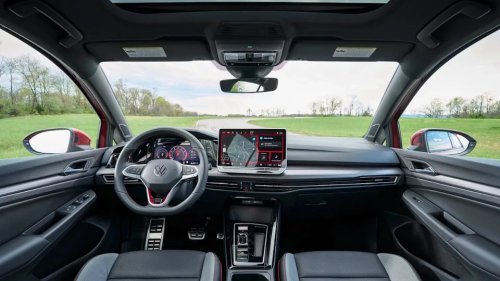
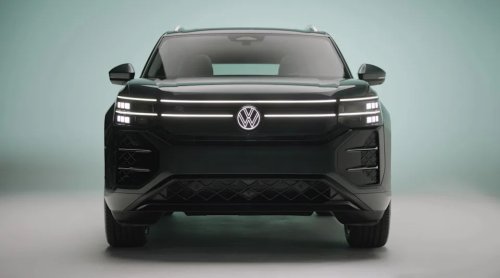
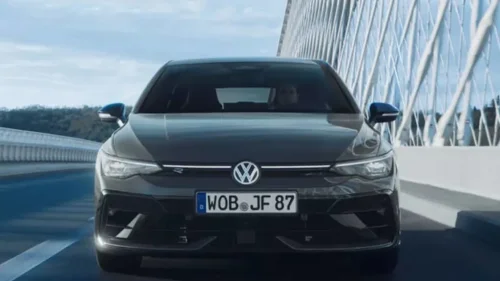
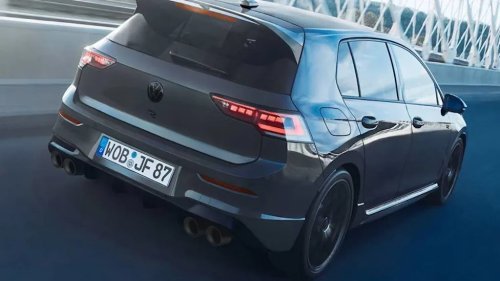
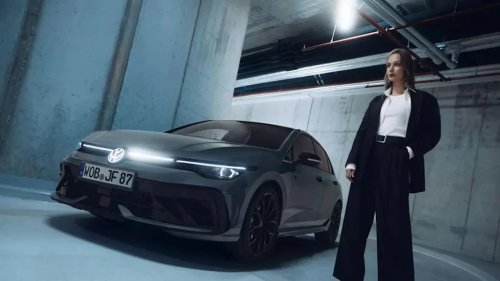
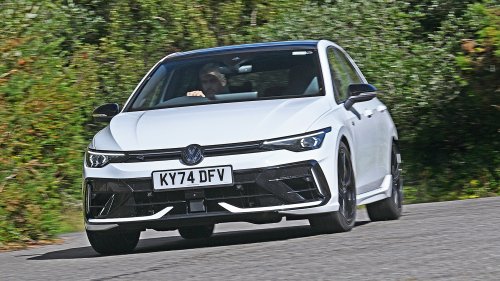
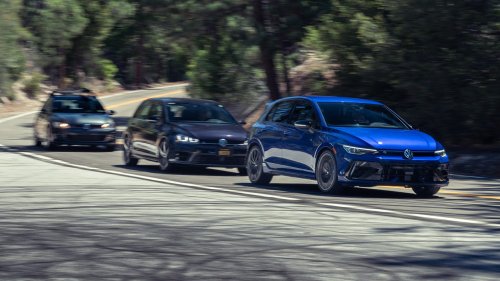
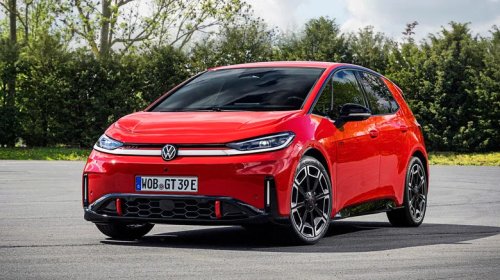
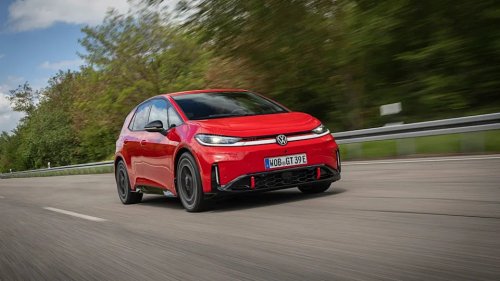
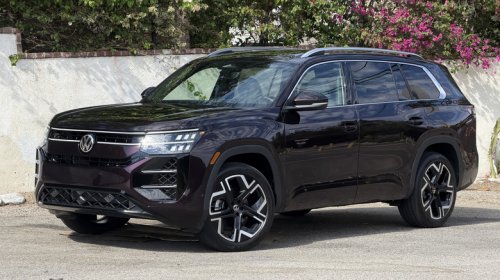
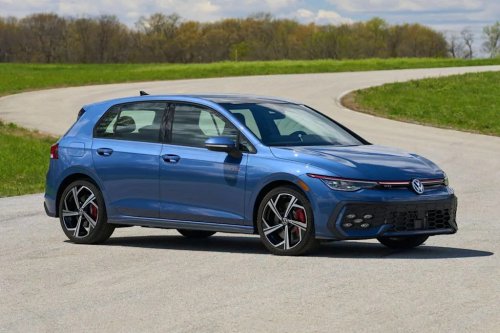
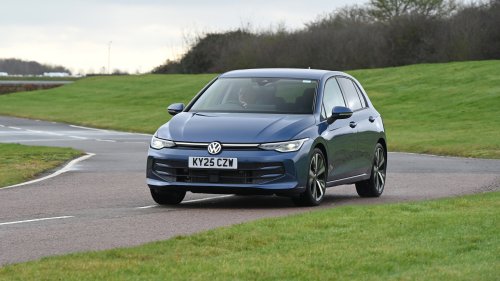
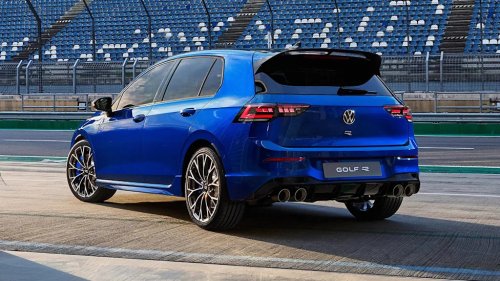
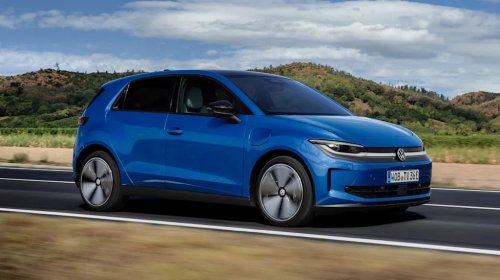
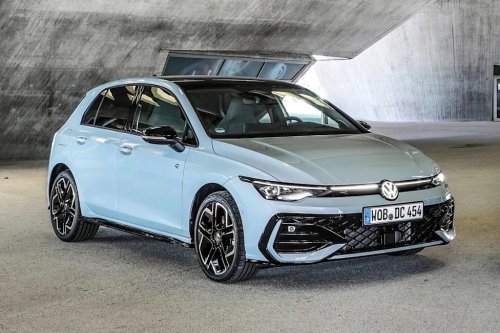
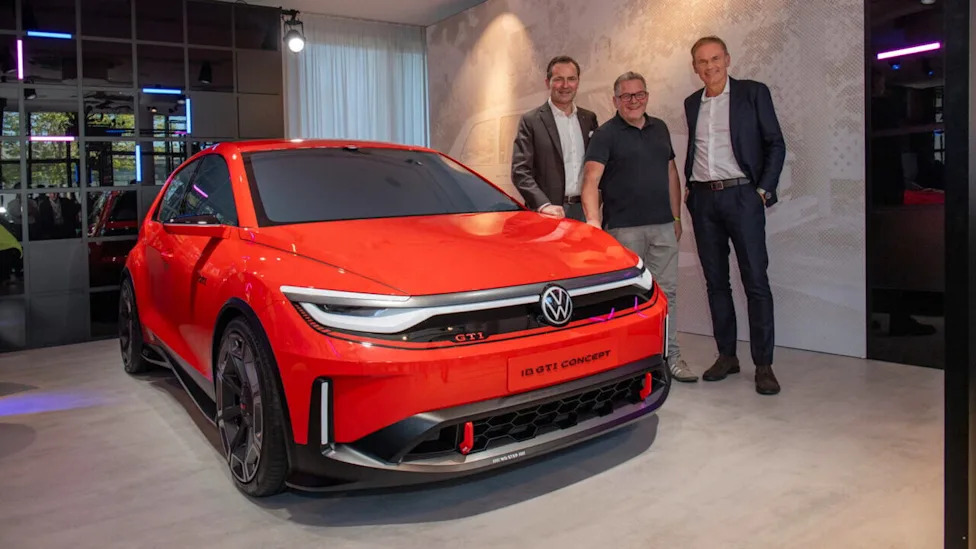
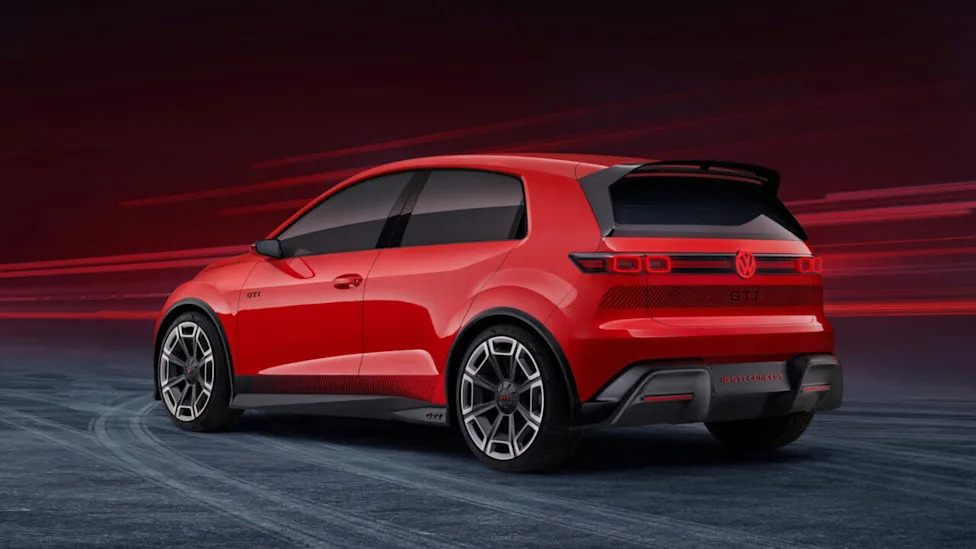
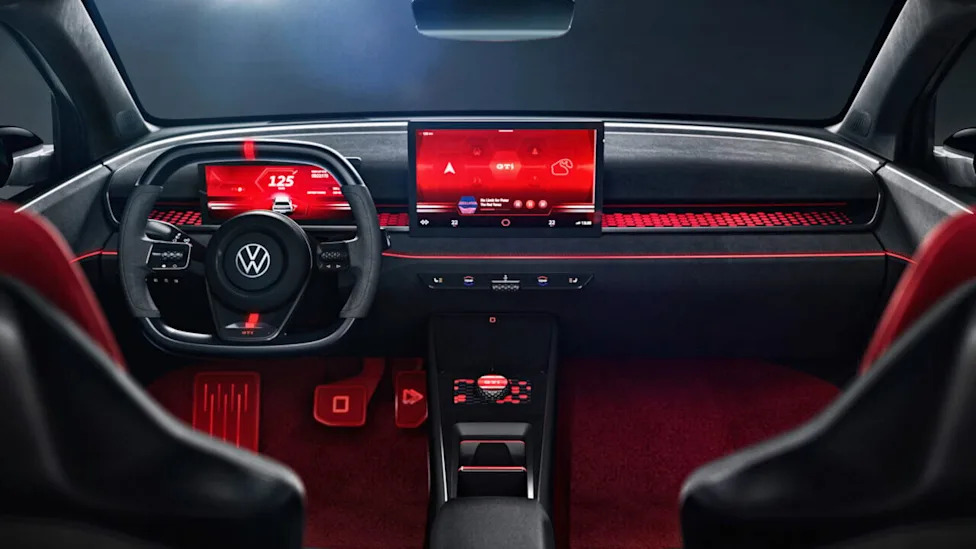
Image Credit: Volkswagen.Volkswagen has officially cooled expectations surrounding the long-rumored electric Golf. After years of speculation pointing toward a launch sometime around 2028, the company’s leadership now says the iconic hatchback will not go electric until closer to the end of the decade.Volkswagen CEO Thomas Schäfer confirmed the delay during the Financial Times’ Future of the Car conference in London. According to Schäfer, Volkswagen simply does not see an urgent need for an electric Golf right now because the company already feels comfortable with its expanding EV lineup.That marks a notable change of tone for Volkswagen, which previously hinted the next-generation Golf EV could arrive sooner and potentially become one of the brand’s flagship electric models. Instead, VW now appears focused on giving newer ID-branded products room to grow before introducing an EV version of one of its most recognizable nameplates.AdvertisementAdvertisementThe delay also highlights the broader reality facing the global auto industry right now. Even major automakers that aggressively pushed toward electrification just a few years ago are beginning to slow timelines, rethink investments, and prioritize profitability over rapid EV expansion.Volkswagen Says Its Current EV Lineup Is Strong EnoughImage Credit: Volkswagen.Speaking at the event, Schäfer explained that Volkswagen already has a “fantastic lineup” of electric vehicles and therefore does not need an electric Golf by 2028. The company believes products like the ID.4, ID. Buzz, ID.3 Neo, upcoming ID. Polo, and future ID.Cross already give the brand strong EV coverage across multiple segments.Volkswagen may also be trying to avoid internal competition between its existing EVs and a future electric Golf. The Golf remains one of the most recognizable compact cars in the world, and introducing an EV version too early could potentially overshadow newer ID models still trying to establish themselves globally.The current plan is for the electric Golf, likely called the ID. Golf, to coexist alongside the combustion-powered version rather than fully replace it. Volkswagen recently confirmed the gasoline Golf will continue into the next generation with major updates and increased hybridization.SSP Platform Delays Are Playing A Major RoleAnother major factor behind the delay appears to be Volkswagen Group’s troubled SSP platform development. The new Scalable Systems Platform is expected to underpin the company’s next generation of EVs and was originally supposed to debut much earlier.AdvertisementAdvertisementSchäfer admitted the company needed more time to make the platform financially viable at scale. Volkswagen is aiming for better cost efficiency, improved battery technology, 800-volt electrical architecture, and next-generation software systems developed with Rivian.The SSP platform will first appear on future Audi and Porsche models before eventually reaching Volkswagen-branded vehicles. Schäfer said the premium brands will effectively serve as the launch point for the architecture before it expands throughout the wider Volkswagen Group portfolio.That means the electric Golf will now likely arrive around 2030 at the earliest. Hotter variants like the electric GTI and Golf R will almost certainly follow even later.Volkswagen Wants To Avoid Another Costly EV MistakeVolkswagen’s cautious approach reflects the growing pressure that's now facing automakers worldwide. Chinese EV manufacturers continue expanding aggressively, while slowing global EV demand and rising costs have forced many legacy brands to reconsider their strategies.AdvertisementAdvertisementSchäfer specifically mentioned that increasing competition required Volkswagen to “redo the maths” regarding platform costs and investment plans. The company appears determined to avoid launching expensive EVs that fail to deliver acceptable profit margins.There is also significant pressure surrounding the Golf name itself. Unlike experimental ID models, the Golf carries decades of history and global recognition, meaning Volkswagen cannot afford a weak or compromised electric version.The Electric Golf Is Still Important — Just Not YetImage Credit: Volkswagen.Despite the delay, Volkswagen clearly still sees the electric Golf as a major future product. The company has already confirmed the model will eventually be built at Wolfsburg in Germany, while production of the combustion-powered Golf shifts to Mexico.Volkswagen executives have also teased performance-focused electric versions, including a future GTI and Golf R EV. Schäfer previously described the electric GTI as a potential “monster,” suggesting VW still wants to preserve the Golf’s enthusiast appeal even in an electric future.AdvertisementAdvertisementFor now, though, Volkswagen appears content letting its current ID lineup carry the EV transition while it refines the technology needed for a proper electric Golf. Given how important the badge is to the company, VW likely believes it only gets one chance to do it right.If you want more stories like this, follow Guessing Headlights on Yahoo so you don’t miss what’s coming next.



















 +40 others