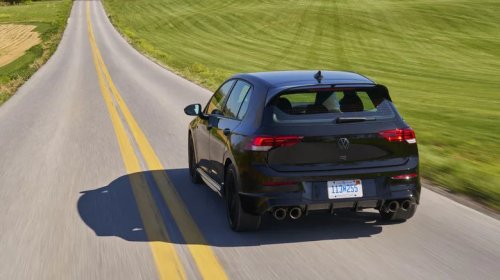
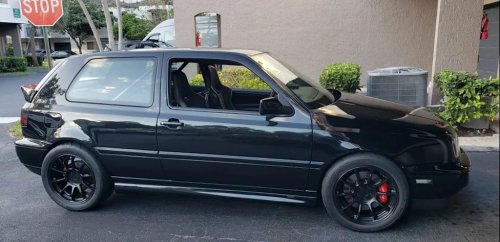
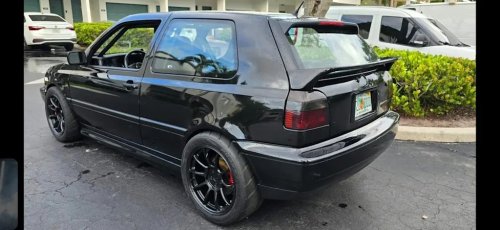
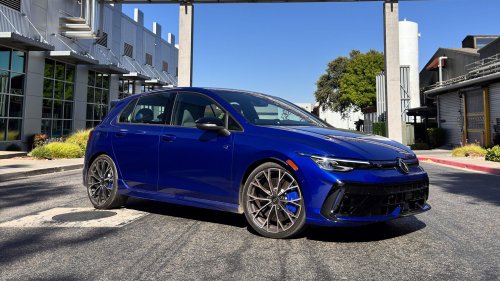
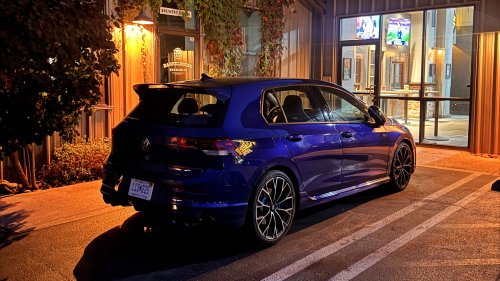
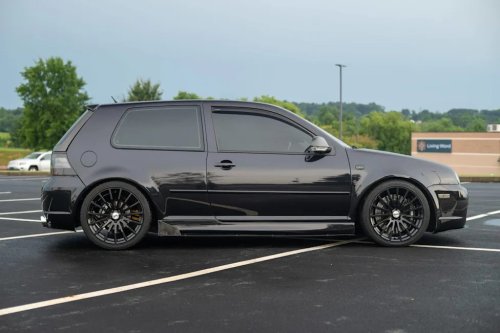
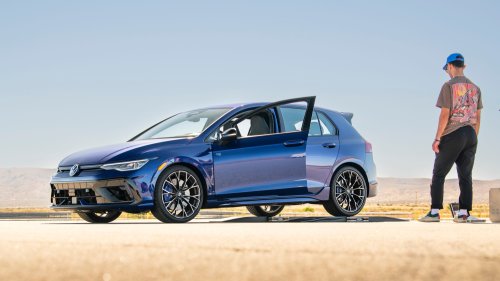
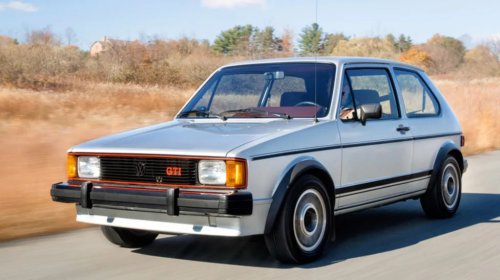
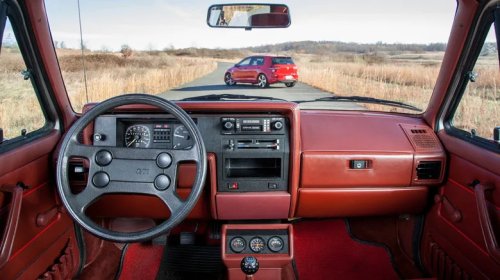
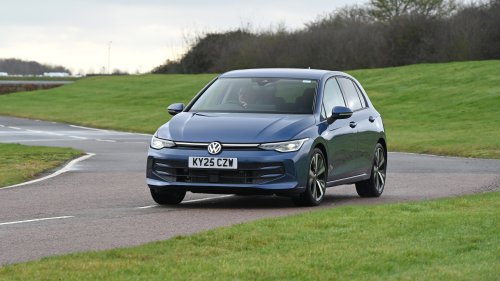
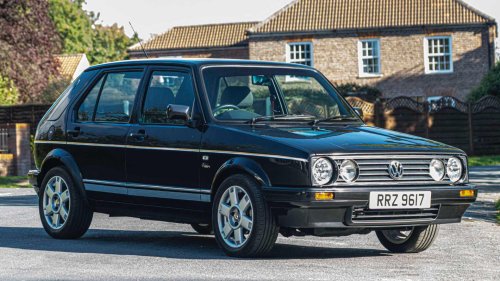
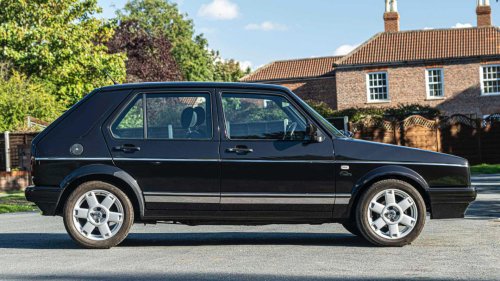
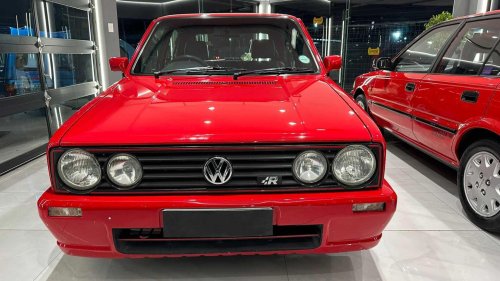
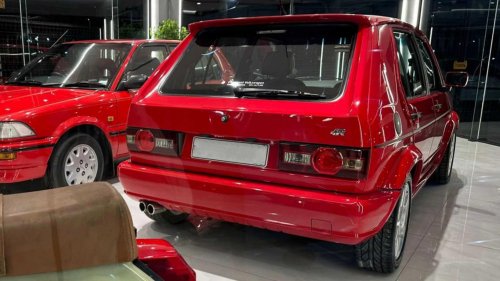
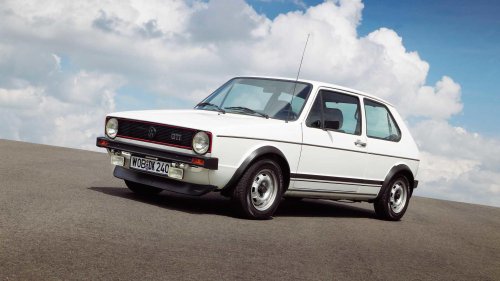
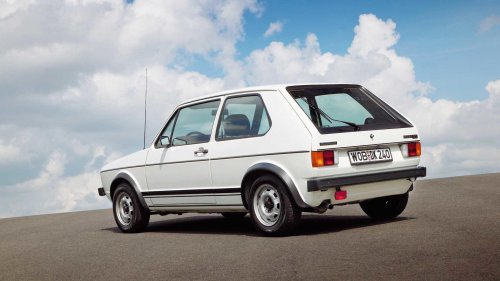
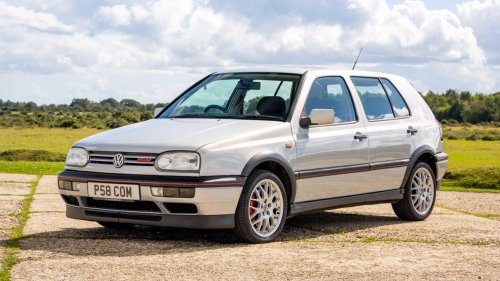
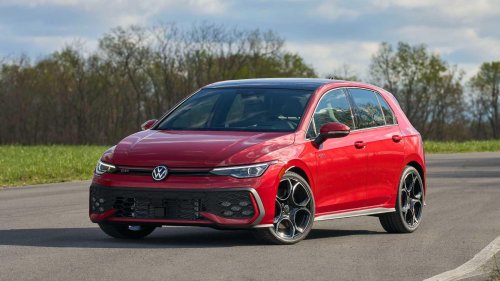
The Volkswagen Golf is one of the most famous cars on the planet, and for good reason: its combination of good looks, affordability, performance and commercial success have made it a major player of the automotive world for decades. First introduced in the mid-1970s, it is still in production today, seven generations later. Performance versions such as the Golf GTI have become icons in their own right, helping create the definition of the hot hatch as we know it today.The first generation of the Golf (which American drivers will be familiar with as the Rabbit) may have disappeared from most Volkswagen showrooms around the world in the early 80s. However, in South Africa the model continued to be produced and assumed a slightly different identity. The “Citi Golf” was still on sale on the South African market as late as 2009. The Citi Golf: A Little-Known Member Of The VW Family Iconic Auctioneers Most car enthusiasts around the world will be familiar with the Mk1 Golf/Rabbit: the model that started it all, the first in a line of successful generations. However, the Mk1 Golf had a variant that stayed on the production line a lot longer than the rest: the Citi Golf. Sold on the South African market, the Citi Golf fulfilled the local market’s demand for a more affordable, entry-level option, as the Mk2 was bigger and pricier.Iconic Auctioneers The Citi branding offered the model a new identity, creating a slight distance from the original Mk1 and making the model appear refreshed and more modern. When it was first launched, the car was famously only available in three choices of paint color: red, yellow, or blue. This fact was emphasized in its advertising, which featured the slogan “Red, Yellow, Blue… Not Green!”Although the Citi Golf was based on the Mk1 model, it did receive some updates, partly due to lack of availability of original manufacturing equipment. In 1988, the model received a facelift, which included a new grille that looked more like that of the Mk2 Golf, as well as differently shaped bumpers. In 2004, another update arrived which was borrowed from other members of the Volkswagen Group: this time, the focus was on the interior, which received a new dashboard borrowed from the Skoda Fabia.The last facelift arrived in 2006, when the model received new taillights and a new front bumper. Over the course of the model’s lifespan, countless mechanical updates were made as well, which kept the model up to date despite its retro character. The Citi Golf's Most Interesting Variants Auto Buccaneer Sales/FacebookLike the model it originated from, the Citi Golf had a lineup with several fascinating versions in it. In 1985, a more powerful model called the Citi Golf Sport was introduced, with a 1.6-liter engine on board. This was later upgraded to a 1.8-liter unit, which produced 110 hp in 1985; at the same time, the Citi Golf Sport received a facelift that made it more closely resemble the Mk2 model.In 1990, another performance-oriented version of the Citi Golf joined the family: the Citi CTi. Powered by the same 1.8-liter engine found in the Sport, along with a five-speed manual transmission, the Citi CTi was marketed as a more affordable alternative to the second-generation Golf GTI.Auto Buccaneer Sales/FacebookIn 2006, the most interesting member of the Citi Golf lineup arrived on the market: the Citi Golf 1.8i R. This version was powered by a fuel-injected 1.8-liter engine it shared with the first-generation Golf GTI; the engine had, however, been upgraded with a new camshaft, and the car was fitted with a new, sportier exhaust. The result was a retro-inspired hot hatch that produced 120 hp. The car’s design also featured some cosmetic touches that set it apart from the crowd: these included unique bumpers and side skirts, as well as wider wheel arches and a rear spoiler. The interior sported leather-trimmed seats and a new steering wheel.Those 120 horses don't sound like much, but the Citi only weighed 1,808 lbs. That's 500 lbs less than a modern Mazda Miata...Only 100 were made, and finding one for sale can be very difficult. Although the available information regarding pricing and sales is limited, we do know that one was recently imported to the USA, and the customer paid roughly $35,000. The Citi Golf R was only in production for three model years, eventually being discontinued in 2009 when the sixth generation of the Golf was launched. It was the last hurrah of a model that proved newer isn’t always better: the Citi Golf enjoyed a 25-year production run, keeping the Mk1 Golf alive long beyond its original lifespan. The Citi Golf's Parent Model: An Overview Of The Mk1 Golf/Rabbit Volkswagen The Mk1 Golf, marketed in the United States as the Rabbit, is an icon of automotive design, and one of the most famous Volkswagen models in history. Its instantly recognizable looks are the work of legendary Italian firm Italdesign, with designer Giorgetto Giugiaro at the helm.Originally created as a potential successor to the Beetle, the Golf took on a life of its own, becoming one of the most successful and popular models released by the brand in several markets all over the globe. The model was released in 1974, and remained on the market in most regions until 1983 (with the notable exception of South Africa, where the Citi Golf endured).One of the most famous versions of the Mk1 Golf is the Golf GTI: introduced in 1975 at the Frankfurt Motor Show, it was released on the market the following year. The Golf GTI is a performance-oriented version of the model, one that provided car enthusiasts on a budget an entry point into fun, high-performance motoring. In other words, the Golf GTI was a “hot hatch”: a category which was only just beginning to take form, and of which only a handful of examples were available at the time. The Golf GTI’s success helped shape the hot hatch as an automotive category, setting the blueprint for models that came after it.Volkswagen The GTI was not the only model derived from the Mk1 Golf: the lineup included several other variants, such as a sedan version called the Jetta, a pickup truck version (called the Rabbit Pickup in the US and the Caddy in Europe), and the convertible Golf/Rabbit Cabriolet. What Went On In The Rest Of The World: A Brief History Of The Golf Collecting Cars/Douglas Bowden Although the Citi Golf kept the Mk1 model alive in South Africa, and the Mk1 continued to be produced a few years beyond its original lifespan in a handful of markets around the world, in most regions the Golf continued to evolve beyond its original incarnation. In late 1983, the second generation of the model was introduced, with a design that closely resembled the original with some mechanical updates. It wasn’t until the third generation arrived in 1991 that the Golf’s looks began to change, with the sharp, angular lines being replaced by softer, rounded ones.The fourth generation drew some curious parallels to the first in terms of its extended production in some areas of the world. Some variants of the fourth-gen Golf and its sedan sibling, the Bora, were sold in markets such as China, Brazil, and Mexico long after the original model had been discontinued in most regions.Volkswagen In 2003, the fifth generation of the model was introduced; this version landed on US shores in 2006, and brought with it the re-introduction of the Rabbit nameplate (previous generations after the Mk1 had been known as the Golf even in the States). Three further generations of the model followed: each has brought further design and tech updates, as well as electric and plug-in hybrid versions that have brought the Golf into the present and prepared it for the future.The Golf is a model that continues to grow and evolve. However, the Citi Golf has been a fascinating pocket of living history, and an interesting but lesser-known chapter of the Golf story.Sources: Volkswagen, Car-specs.za.net



















 +40 others