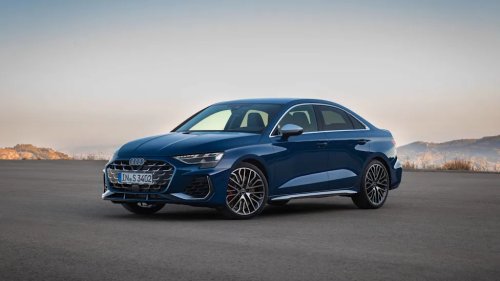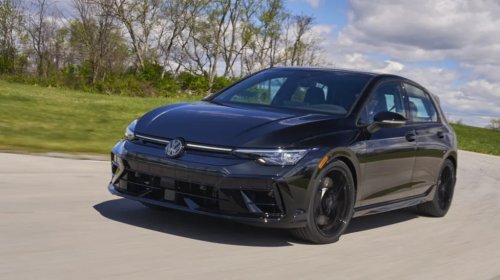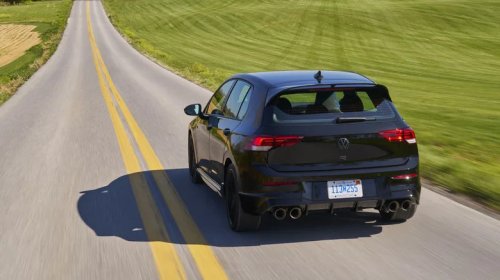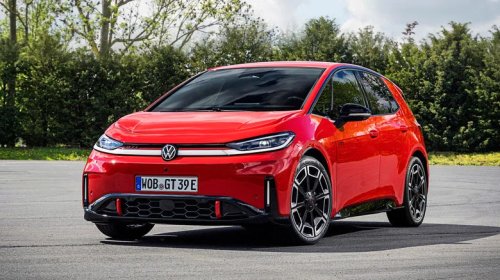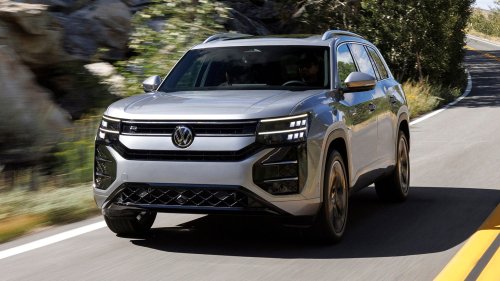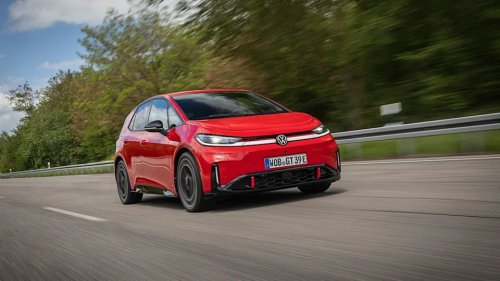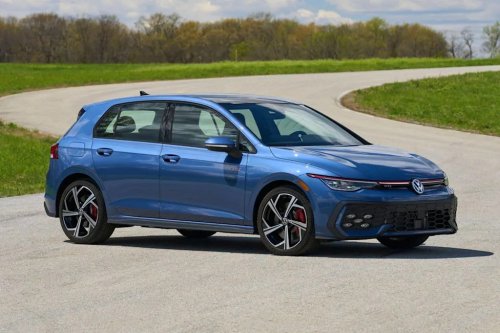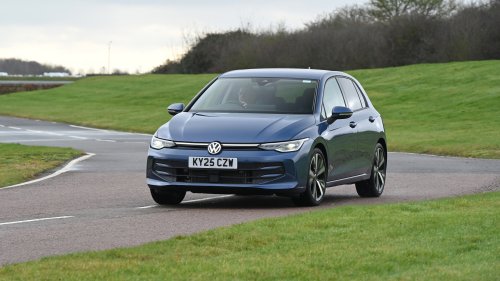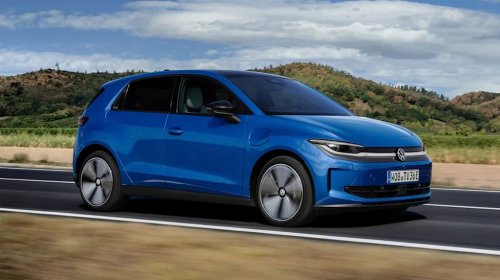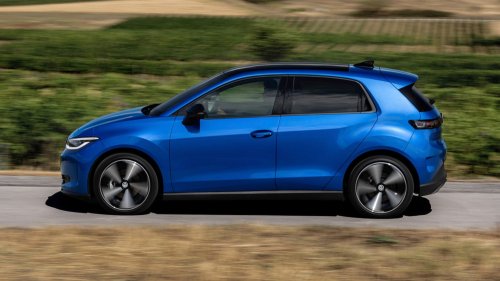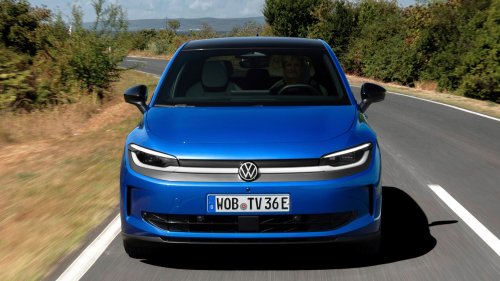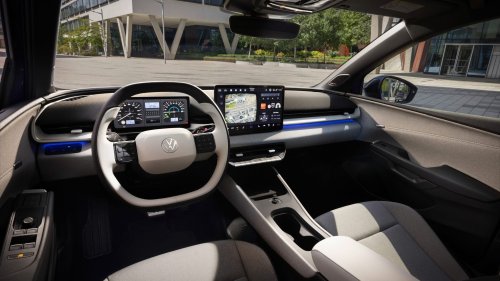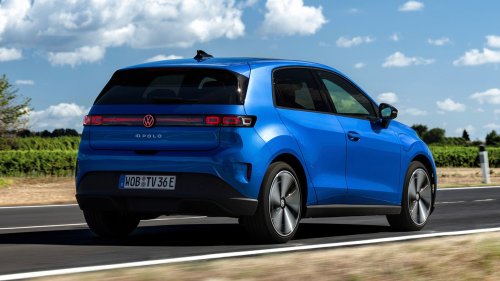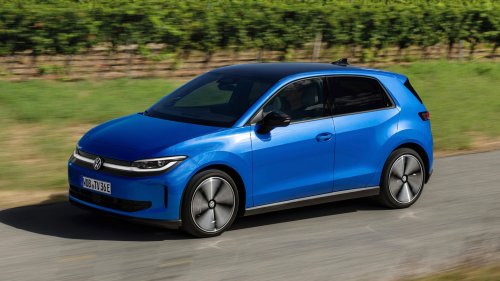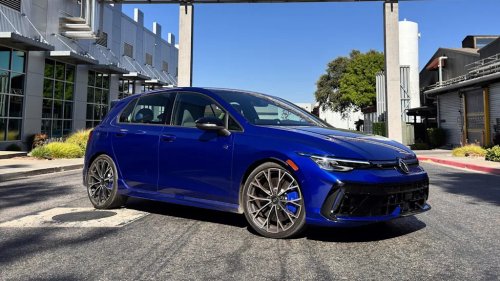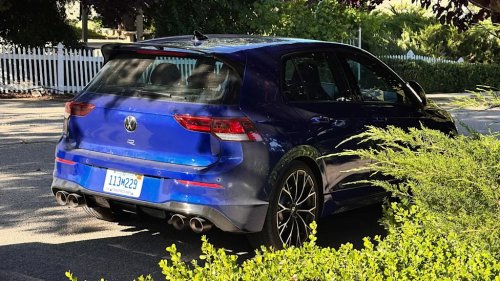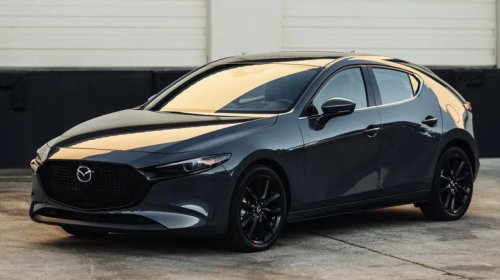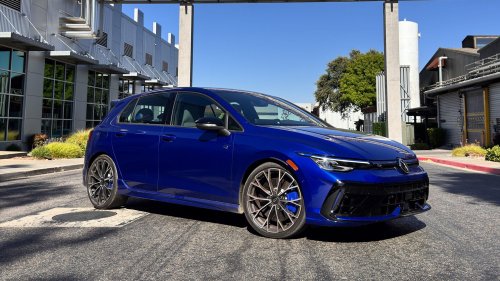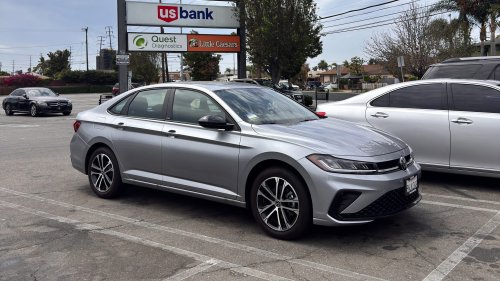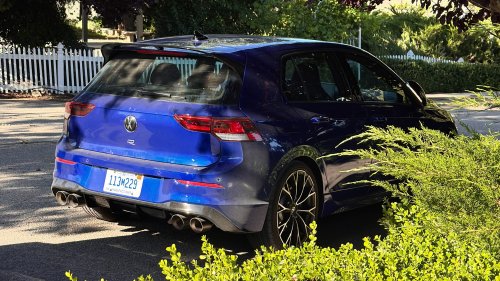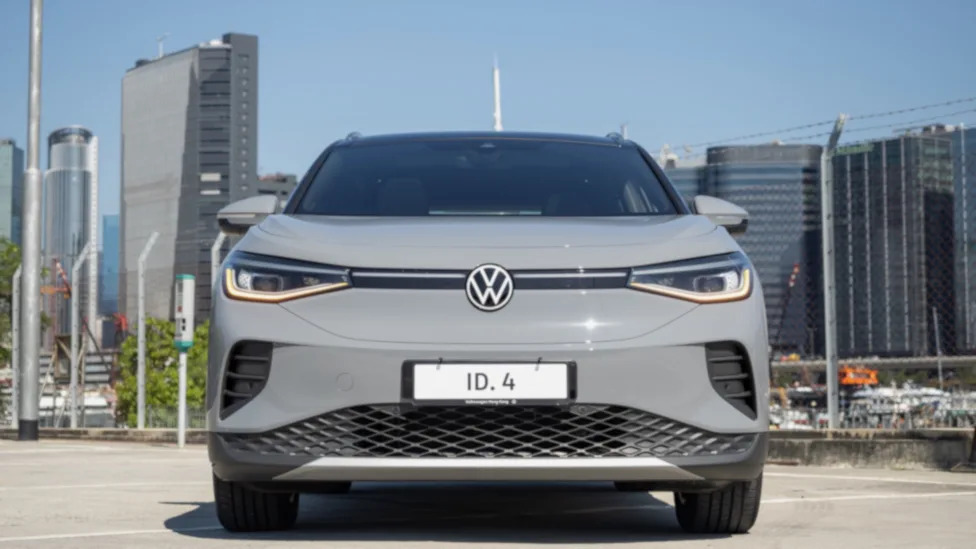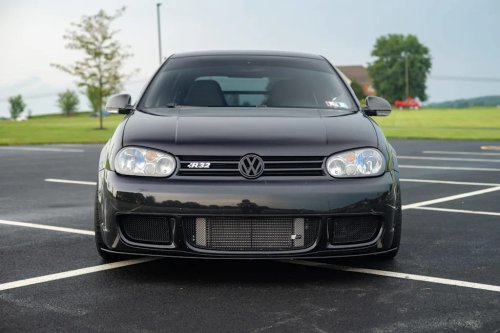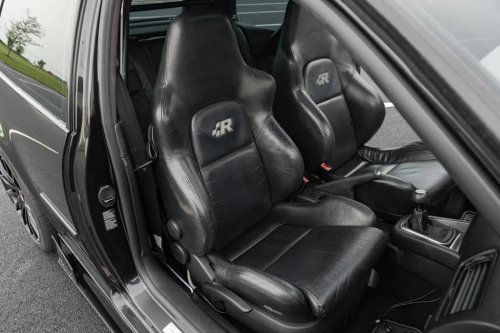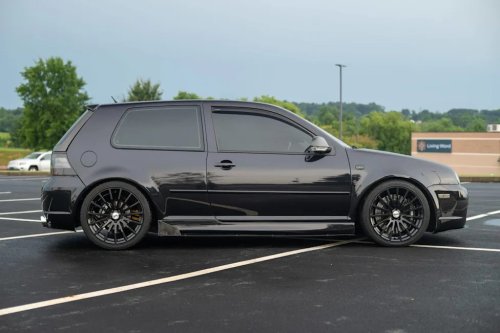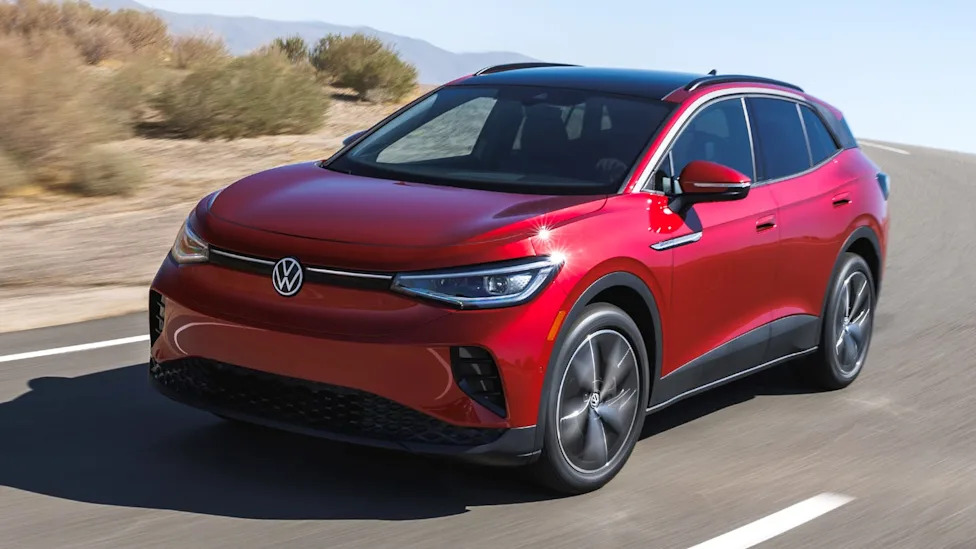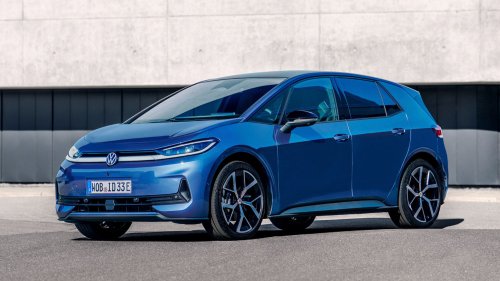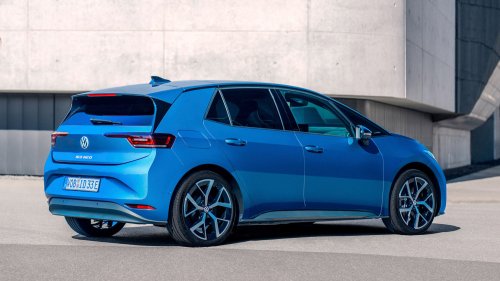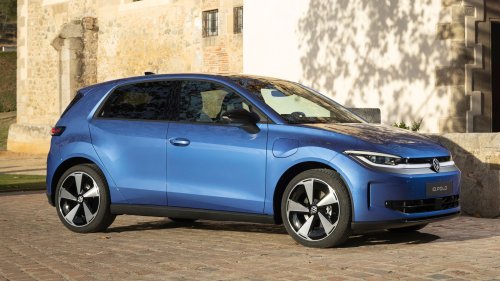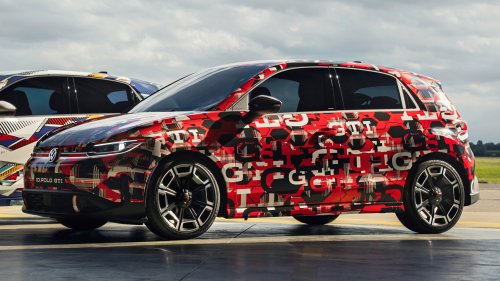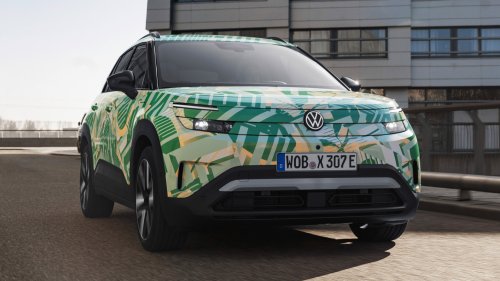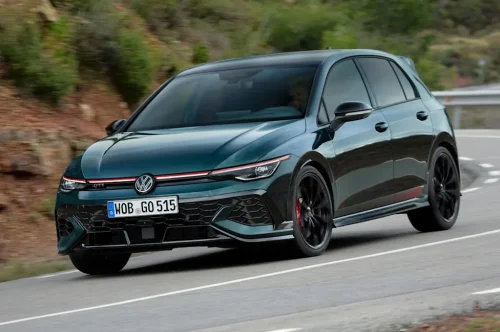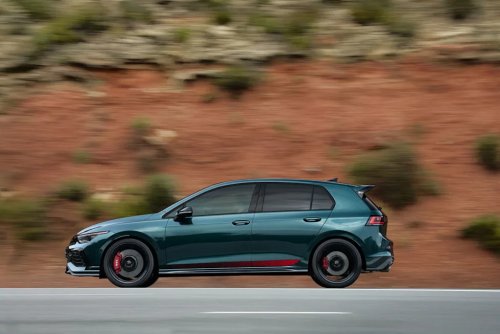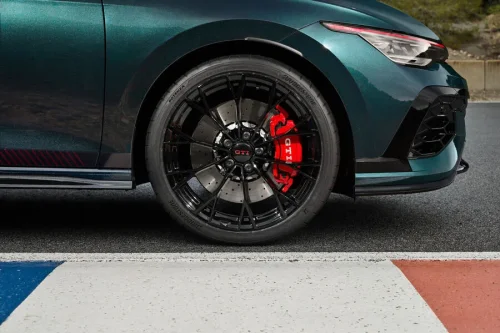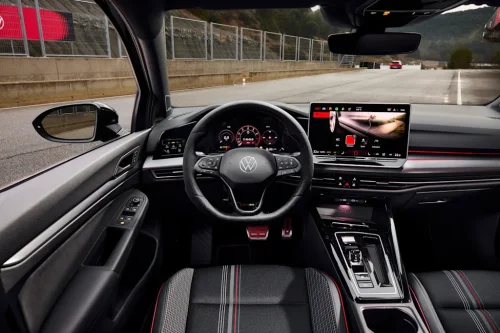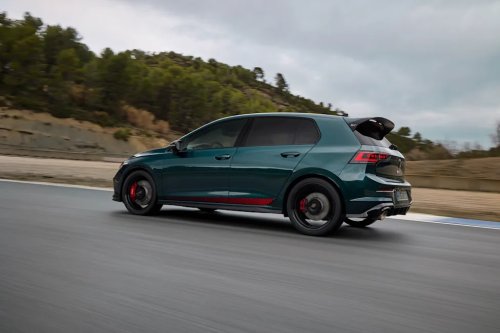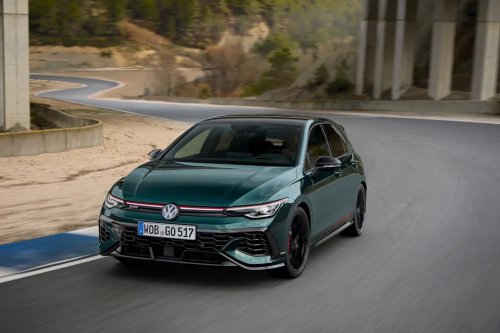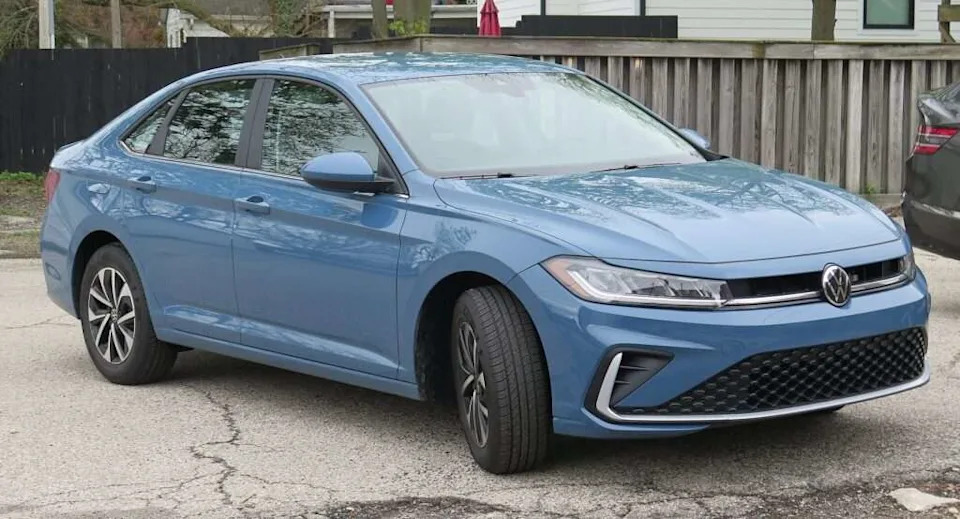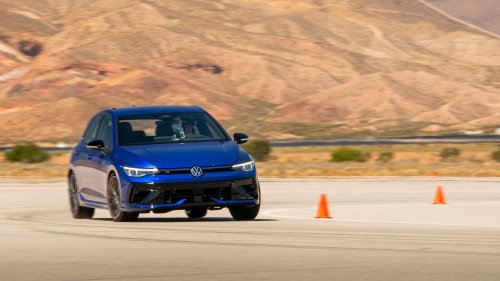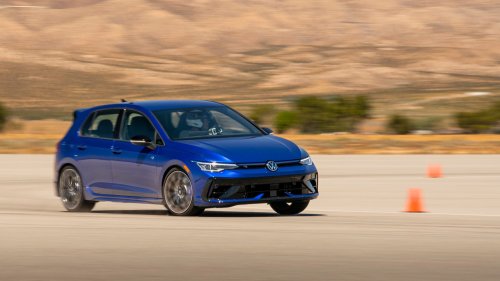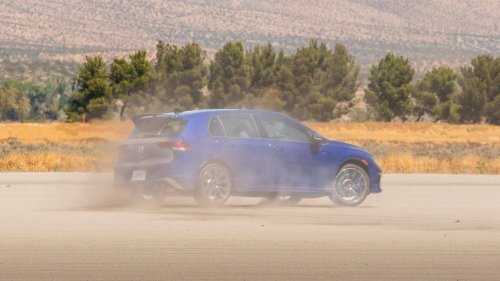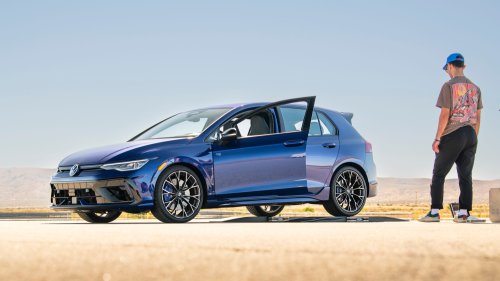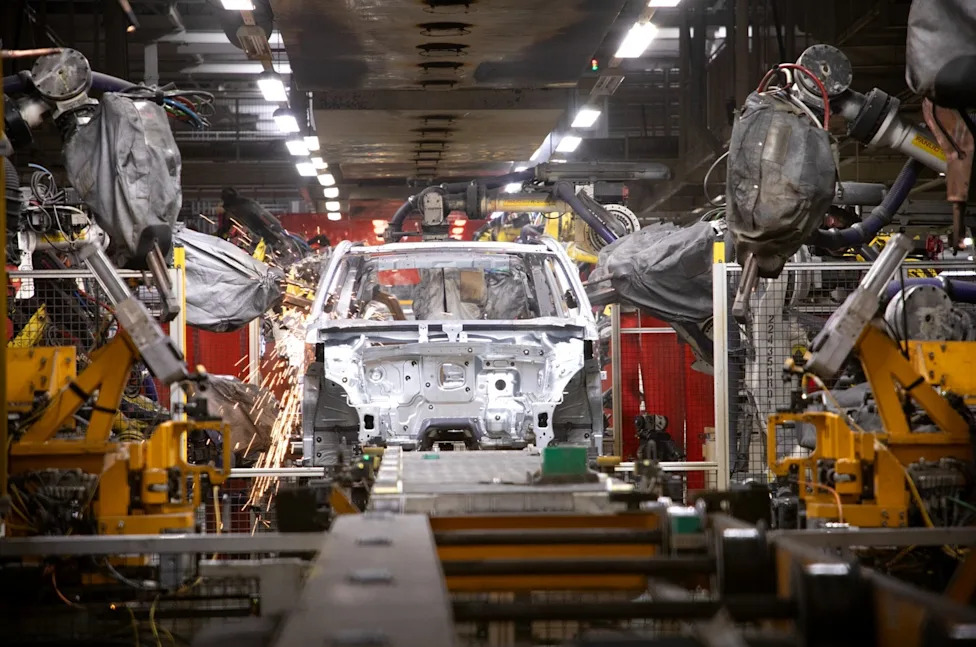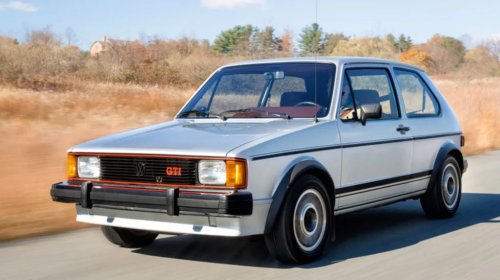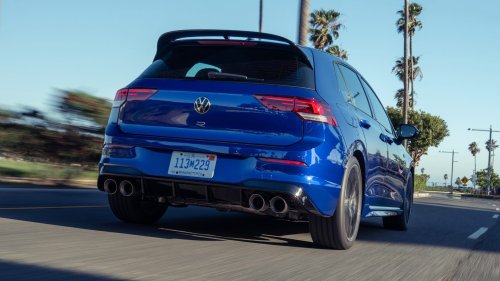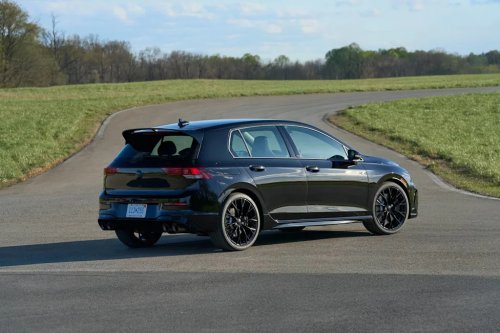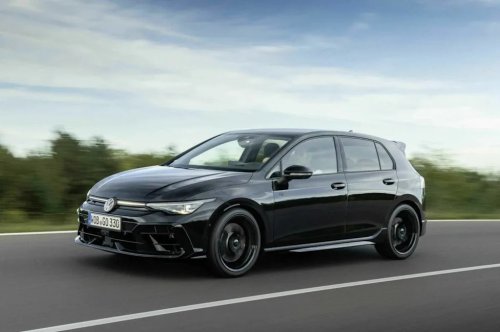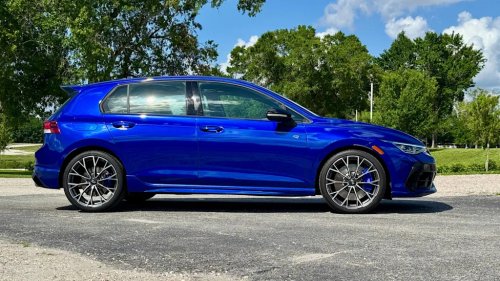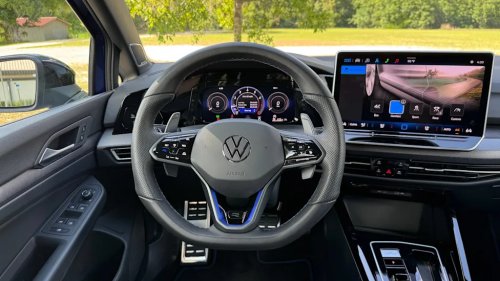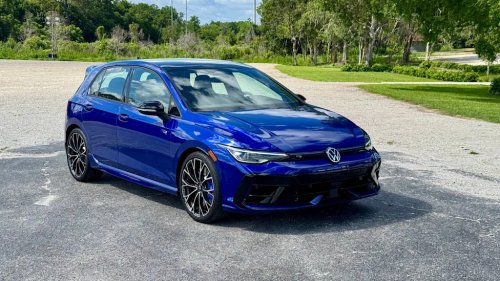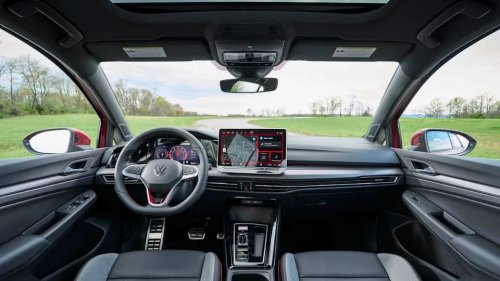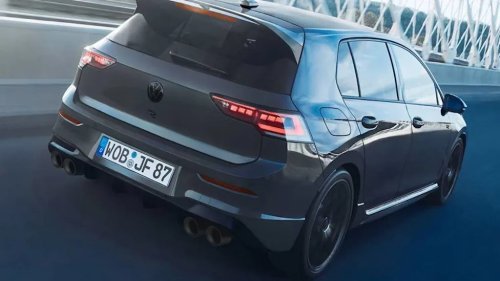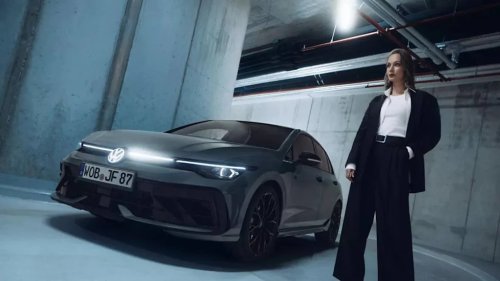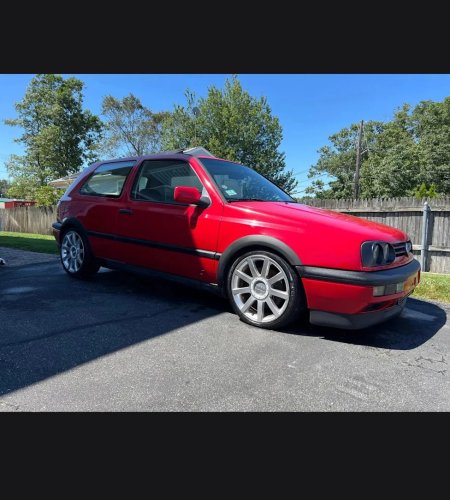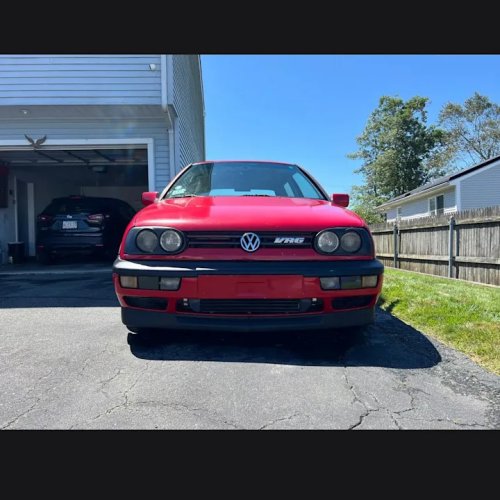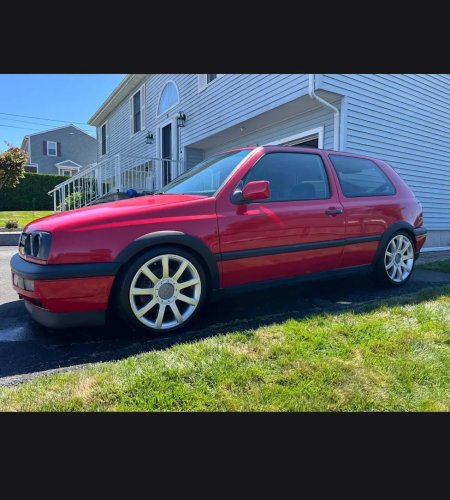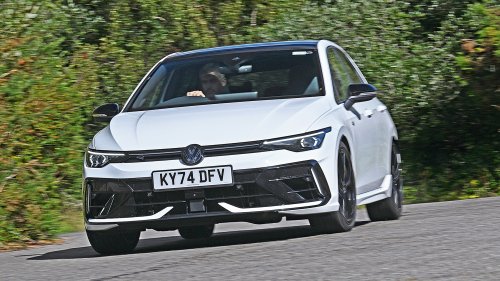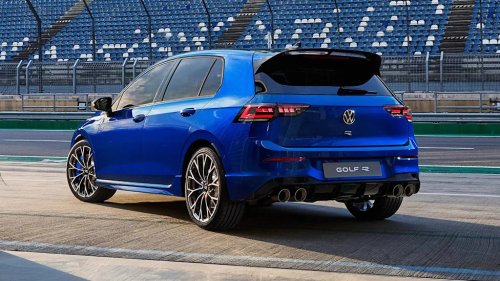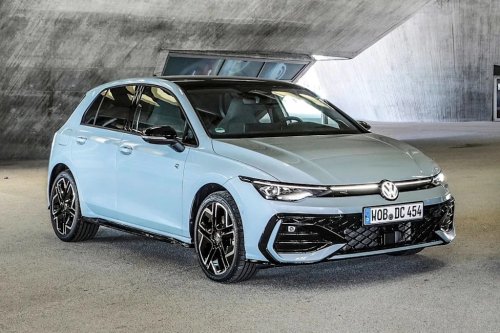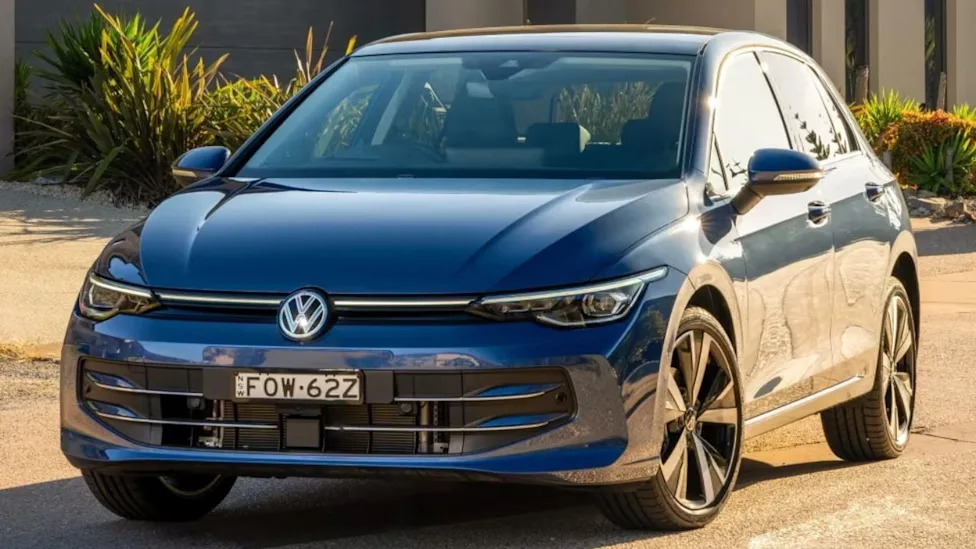
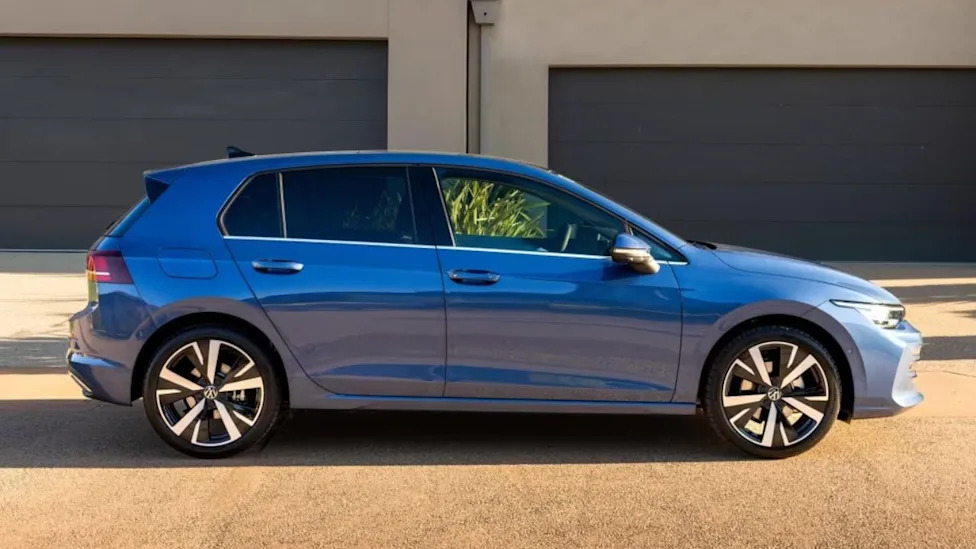
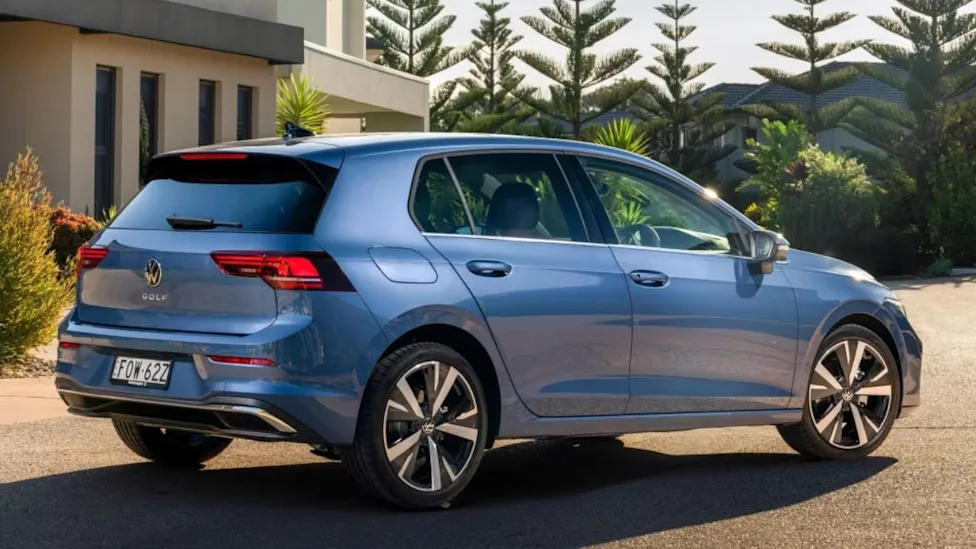



















Photo Courtesy: Autorepublika.For years, the Volkswagen Golf served as one of the most recognizable affordable hatchbacks in the United States. Today, however, American buyers can only choose between the high-performance Golf GTI and the even more expensive Golf R, both of which sit far above the budget-friendly role the Golf once filled.That situation could eventually change. Volkswagen executives are now hinting that additional Golf variants may return to the U.S. once production of the model moves from Germany to Mexico beginning in 2027.Volkswagen Group of America CEO Kjell Gruner recently suggested that North American production would create "opportunities for other Golf variants," signaling that the company may finally be reconsidering a broader Golf lineup for American buyers. While no specific trims were confirmed, the comments have sparked excitement among enthusiasts who miss the simpler, more affordable versions of VW's iconic hatchback.AdvertisementAdvertisementIf Volkswagen follows through, it could mark the return of a genuinely accessible Golf to the American market for the first time in years.Mexican Production Could Change EverythingPhoto Courtesy: Autorepublika.Volkswagen plans to move Golf production to its Puebla, Mexico factory starting in 2027 as part of an agreement involving the automaker and German labor unions. The move could significantly lower manufacturing costs compared to building the car in Germany.That's important because pricing has become one of the biggest obstacles for the Golf in the United States. The current GTI starts at roughly $36,000, while the all-wheel-drive Golf R pushes beyond $50,000 in some configurations.At those prices, the Golf no longer functions as the affordable "people's car" Volkswagen originally built its reputation around. Instead, it has become a niche enthusiast product.AdvertisementAdvertisementProducing the Golf closer to the U.S. market could allow Volkswagen to introduce cheaper trims that compete more directly with compact sedans and entry-level crossovers. The company already builds the Jetta and Tiguan in Mexico, both of which remain among VW's most affordable and popular American models.Tariffs Still Complicate The PlanDespite the optimism surrounding Mexican production, tariffs remain a major wildcard. Gruner acknowledged that import duties on Mexico-built vehicles could determine whether lower-cost Golf variants are financially viable in the United States.Volkswagen believes a 25% tariff on entry-level Golfs imported from Mexico would make pricing difficult to justify. The company has instead argued for lower tariff rates closer to the 15% level applied to vehicles imported from regions such as South Korea, Japan, and the European Union.Affordable cars already operate on thin profit margins, which makes additional production or import costs especially painful for automakers. Several manufacturers have struggled to maintain low-cost models in the U.S. market as labor expenses, regulations, and development costs continue climbing.AdvertisementAdvertisementThat challenge is part of the reason Volkswagen gradually eliminated the standard Golf from its American lineup after the 2021 model year.Americans Have Been Asking For More Golf VariantsPhoto Courtesy: Autorepublika.The disappearance of the regular Golf left a noticeable gap in Volkswagen's U.S. portfolio. Enthusiasts also lost the Golf SportWagen and rugged Alltrack variants several years earlier, leaving only the GTI and Golf R as surviving hatchback options.Many buyers still appreciate the Golf's practicality, compact dimensions, and understated styling, particularly as the market becomes increasingly dominated by larger crossovers. A return of lower-priced trims could help Volkswagen attract younger buyers who may currently find the GTI and Golf R financially out of reach.Even a basic front-wheel-drive Golf with reasonable pricing would likely appeal to shoppers looking for something more engaging than a typical compact SUV. The hatchback's reputation for solid driving dynamics and everyday usability still carries significant weight among longtime VW fans.EV Versions Remain UncertainOne thing that appears less likely for now is an all-electric Golf returning to the U.S. Volkswagen continues to navigate challenges surrounding its EV strategy, including changes in demand and software-development delays.AdvertisementAdvertisementInstead, the company appears more focused on maintaining the Golf's traditional internal combustion identity for the foreseeable future. That may actually appeal to enthusiasts who already feel disconnected from the industry's rapid shift toward electrification.For now, nothing has officially been confirmed beyond Volkswagen's hints about additional variants becoming possible after production moves to Mexico. Still, the idea of a genuinely affordable Golf returning to American showrooms feels like something many enthusiasts have been waiting years to hear.After all, the Golf became a global icon because it was practical, attainable, and enjoyable to drive. Bringing that formula back to the U.S. market could end up being one of Volkswagen's smartest moves in years.If you want more stories like this, follow Guessing Headlights on Yahoo so you don't miss what's coming next.