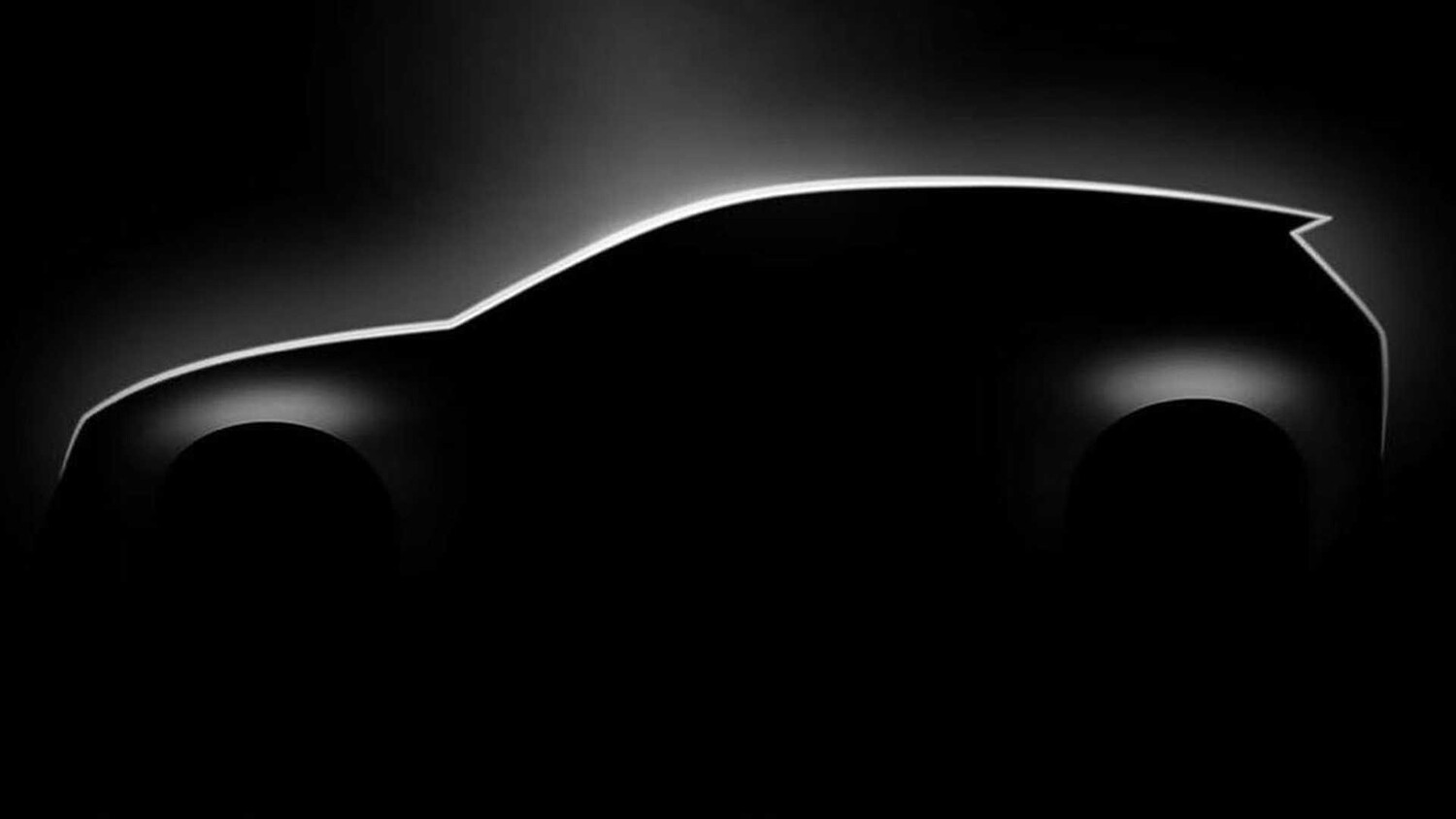
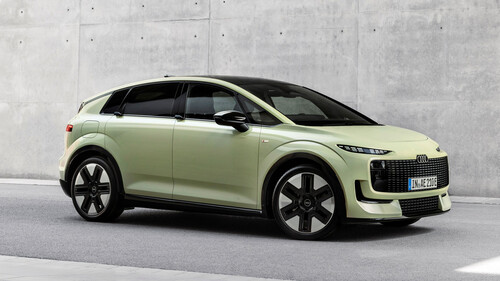
Jump LinksThere Were Spicy Versions TooThe Volkswagen Golf feels like an evergreen car, so it's a big moment when a new generation launches. While the eighth generation is still halfway through its life cycle, the company has released a teaser of the next iteration, due for launch before 2030. The big news? It takes inspiration from the fourth-generation, one of the most successful and iconic products in the nameplate's lineage.Every version of the Golf has its strengths and weaknesses, though, so why is VW going back to the 90s specifically? They might be cashing in, like every car automaker, on going back to its roots and bringing back long-time fans of the brand that might've felt alienated by recent designs. But let's take a look at the car the next Golf is getting so much inspiration from, and why it's one of the most important cars for VW, period. History Of The Fourth-Generation Golf: Pushing Upmarket Volkswagen Golf Mk4After the success of the first two Golf models, the third generation marked a transition, with a particularly boxy look. That laid a lot of responsibility on the 1998 fourth-generation variant, and luckily, it was a strong contender from the get-go. Designed by Hartmut Warkuss, it moved away from the angular cars of before and would inform the design language of the entire Volkswagen Group. With Ferdinand Piëch at the helm of VW, the target was also quality. He wanted the Golf to stand above its rivals in fit and finish.The VW empire was rapidly expanding under his leadership, and it was the Audi A3 that debuted the platform the Golf would use. Journalists liked this car but thought the Golf would cut corners in some way; yet it didn't. As part of the platform-sharing method, the Golf used soft-damped door handles (passed down from Audi), an automatic anti-glare mirror, and even a two-tone interior on some trims. This may seem normal now, but this generation of Golf democratized luxury for the masses.VolkswagenVolkswagen could have had these features in a relatively simple hatchback by moving exterior parts manufacturers into and around the Wolfsburg factory. They had to compete with in-house teams to make parts cheaply, and this cost-cutting effort helped maximize money for quality control. This was also the first Golf generation to debut 4MOTION all-wheel-drive and a DSG dual-clutch gearbox, both now staples of the Golf range.While it was a great product, it was slightly overshadowed in 2000 by the radical new Ford Focus, which was better to drive and more spacious. The fifth-generation Golf, which borrowed many of the fourth-generation's quality-control measures, debuted in the USA in 2006, three years after its European debut. What Engines Powered The Fourth-Generation Golf? VolkswagenThe US didn't get the full range of Golf engines. VW said there were 12 engine choices worldwide, each with different versions and tunes, it still had quite a few special options. The 2.0-liter four-cylinder was the most basic of the bunch, featuring on the entry-level trims. The other option for non-sporty Golf models was the legendary 1.9 TDI diesel engine, known for high torque, around 42 mpg of fuel efficiency, and bulletproof reliability.The engines were only half the story, as the Golf was centered around new mechanical underpinnings. Torsion beam suspension was still used, but with the springs separated from the struts, there was more trunk space. Road testers of the time found it extremely comfortable on long drives, even compared to the more premium yet stiffer Audi A3. There Were Spicy Versions Too 2004 Volkswagen Golf Mk4 R32The GTI was, of course, an established Golf trim by the time the fourth-gen launched. With two engine choices, a 1.8-liter turbocharged four-pot or a 2.8-liter VR6, it was said to be slightly too heavy and not engaging enough compared to rivals. Still, 150 or 200 horsepower in a hatchback was easily enough at this time.A GTI might've been enough for some, but the R32 answered enthusiasts' calls for the sportiest Golf to date. It had a 3.2-liter VR6 engine, a brand-new dual-clutch automatic gearbox, and all-wheel drive, achieving a 6.5-second 0-60 mph time. More responsive steering (from the Audi TT), and sports seats, brought back some of the GTI's honor, which road testers said had been lost previously. Top speed was rated at a huge 153 miles per hour. What Features Were Found In This Generation? Volkswagen We've mentioned it already, but the fourth-generation Volkswagen Golf changed what people thought of as the norm for a basic hatchback. Air conditioning, electric windows, and central locking were standard, and, with car thefts rising across Europe, Volkswagen worked with insurers to develop new engine immobilizers and shielded locks. There was even a fully galvanized bodyshell and a 12-year corrosion warranty, unusual for the time.One of the biggest consumer needs was safety, and Ferdinand Piëch's mission was to ensure this car protected its occupants. This impacted the Golf's production, too, as just weeks before it was scheduled to begin, a weakness in the B-pillar was found. Piëch demanded that this be fixed instantly. Dealer launch parties had to be pushed back, and customers in November were quoted summer delivery times due to the slowdown. Why Is VW Reviving The Look? Volkswagen There are a few reasons VW might revive the fourth-gen Golf's look. First, Volkswagen knows how much nostalgia can sell cars (just look at the Renault 5 in Europe or the Ford Bronco in the United States), and they're going back to what many people consider the peak of automotive design. Many people who grew up in the back of a fourth-generation Golf will now be old enough to buy cars themselves, too.Next, the proportions of the Mk9 may need to be this upright and boxy as safety regulations, interior space, and electric powertrains demand a larger footprint. It's said to be built on two platforms, depending on the chosen powertrain. The Scalable Systems Platform, which is used for various VW Group vehicles, will underpin the electric version, while the gas-engined cars will enhance the current MQB Evo platform.Lastly, VW knows that in Europe, it's struggling to compete with the influx of Chinese vehicles. These imported vehicles have lower starting prices, more standard features, and aggressive leasing deals to flood the market. If Volkswagen can return to the "democratization of luxury" mantra and deliver more features at a lower price, just as they did with the Mk4, it has a winner on its hands. Now it just has to deliver.Sources: Volkswagen, The Volkswagen Golf Story by Russell Hayes