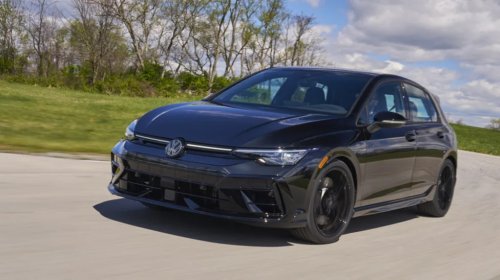
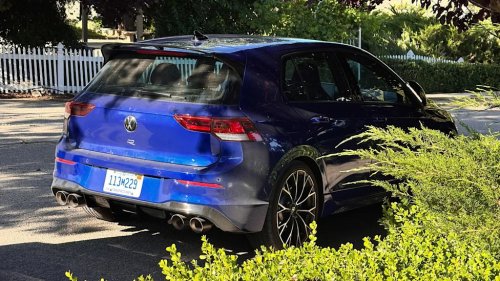
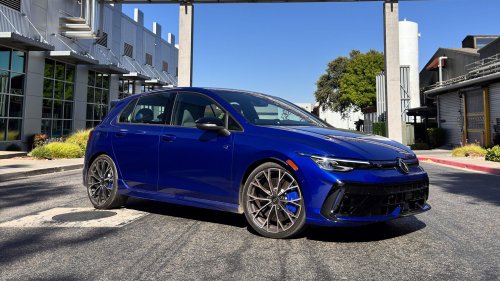
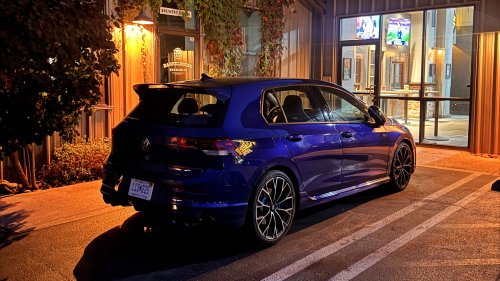
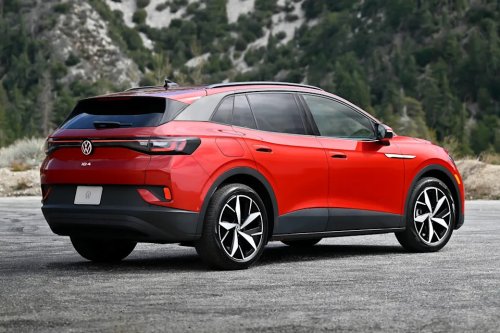
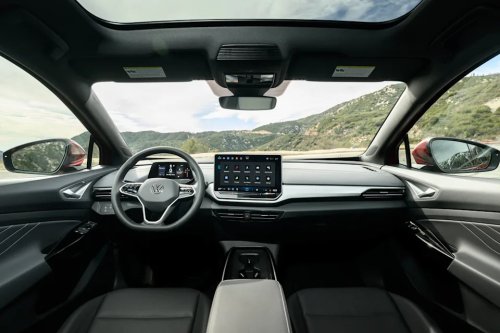
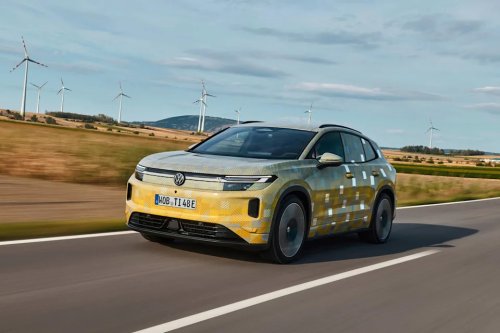
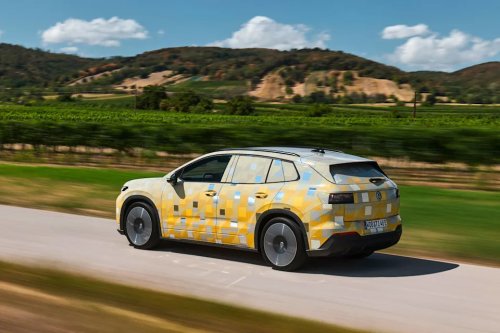
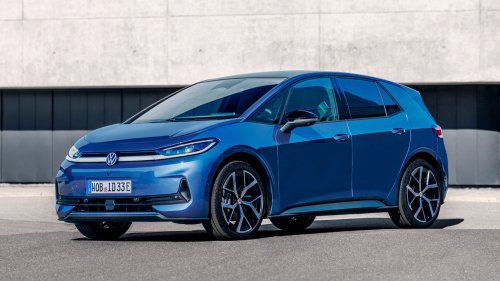
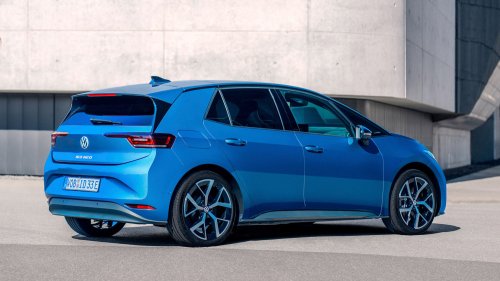
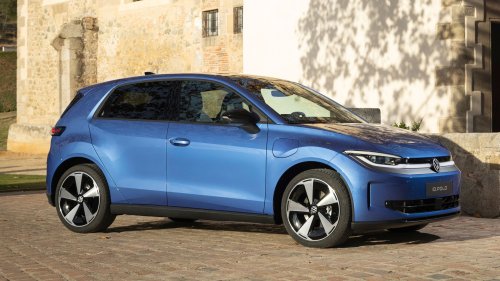
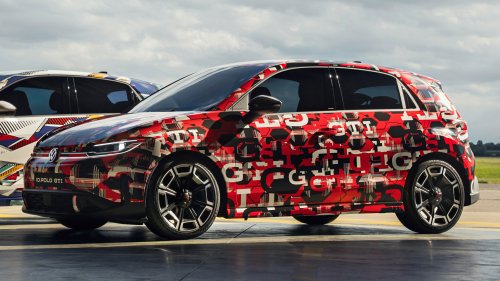
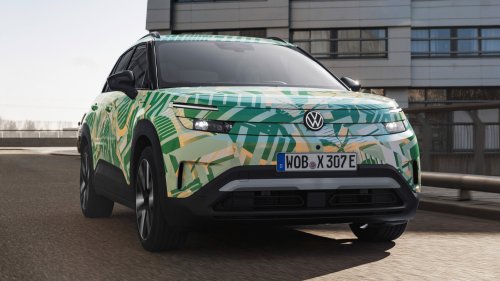
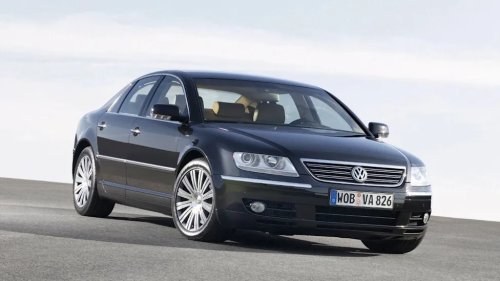
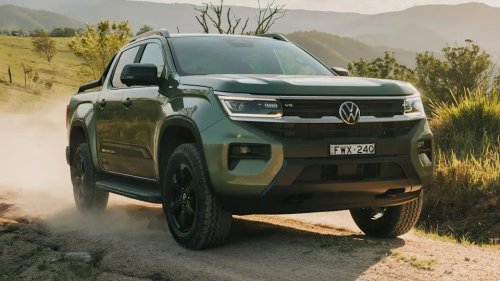
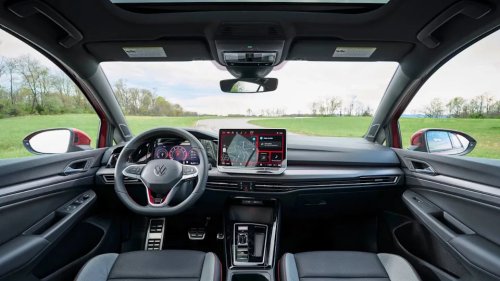
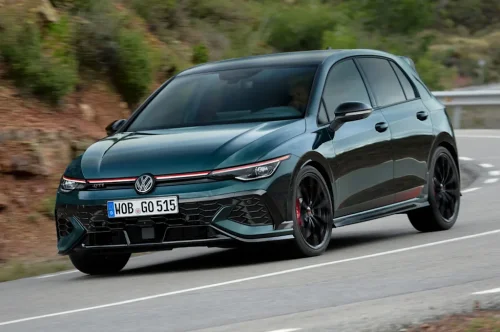
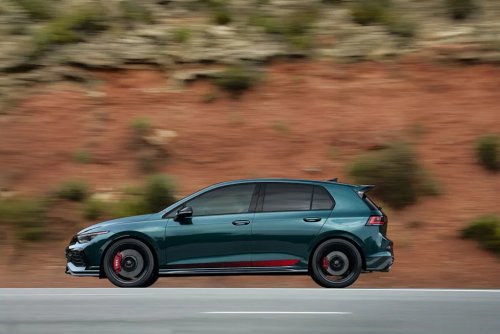
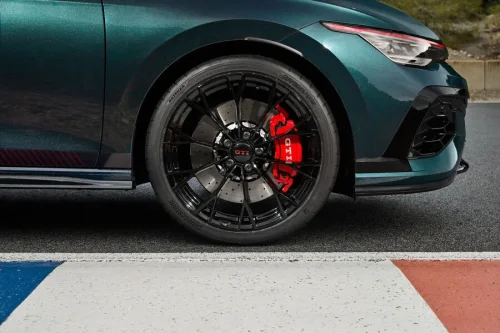
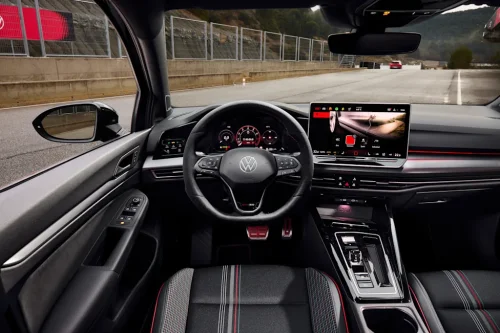
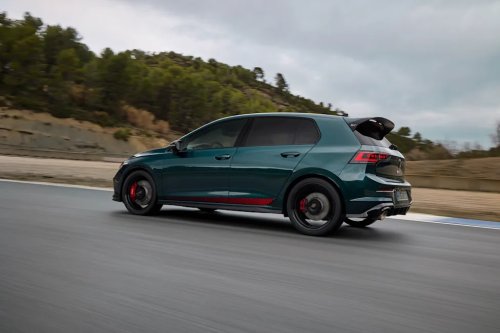
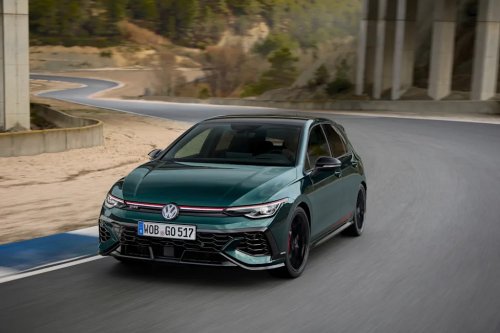
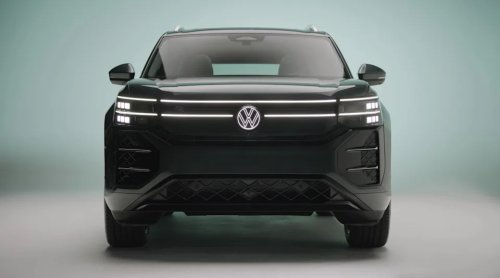
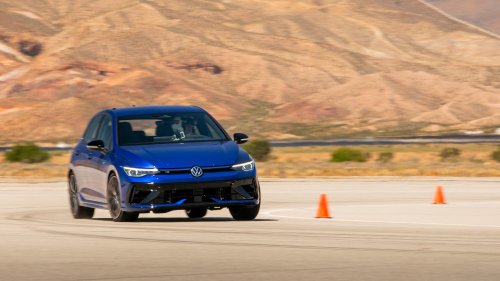
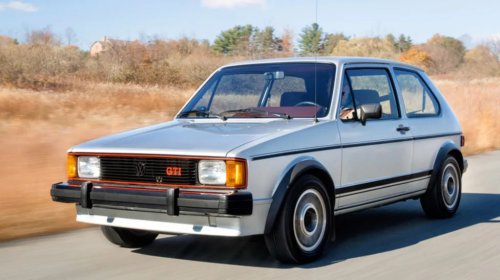
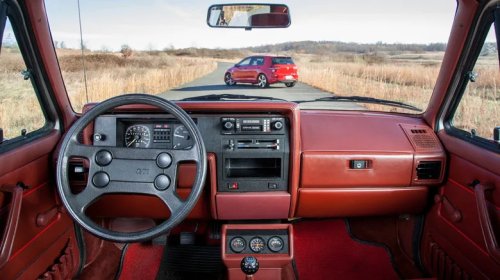
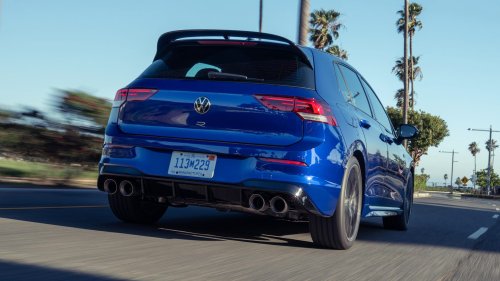
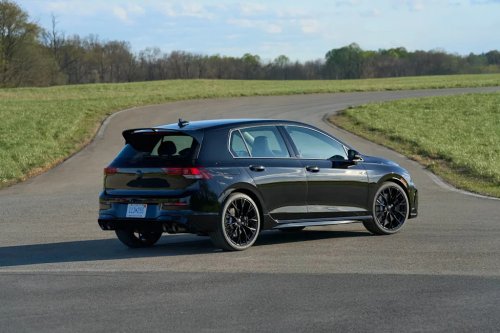
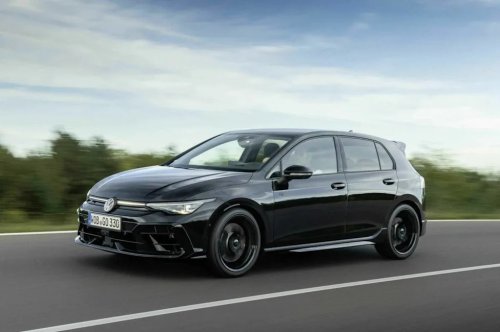
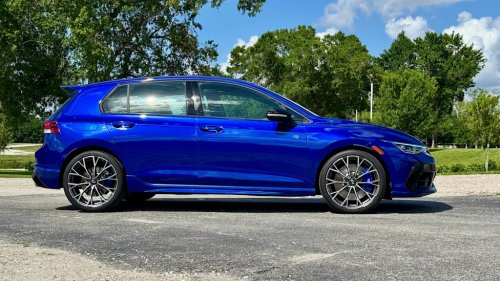
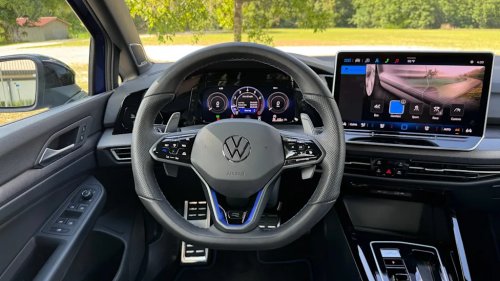
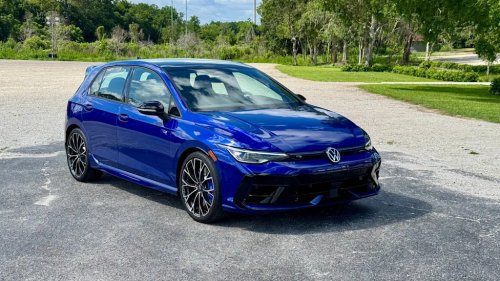
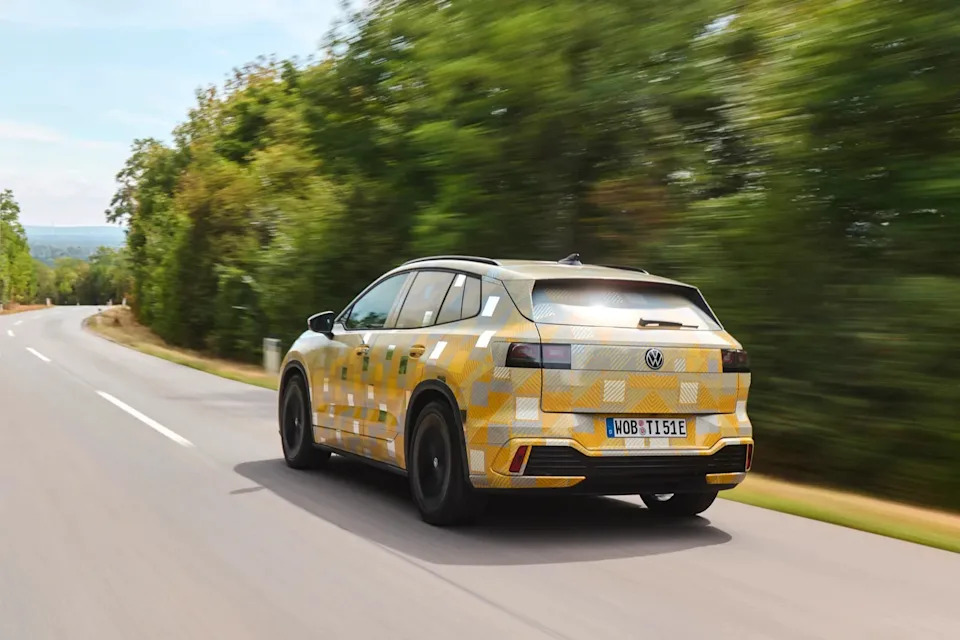
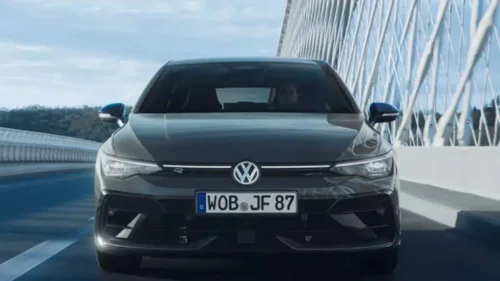
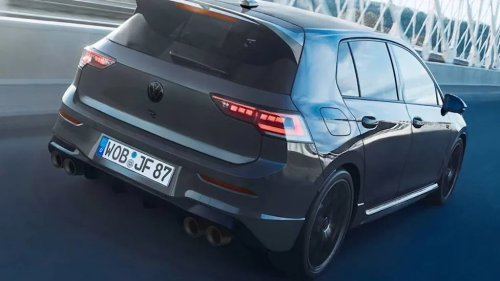
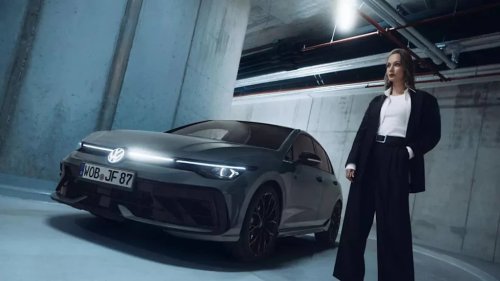
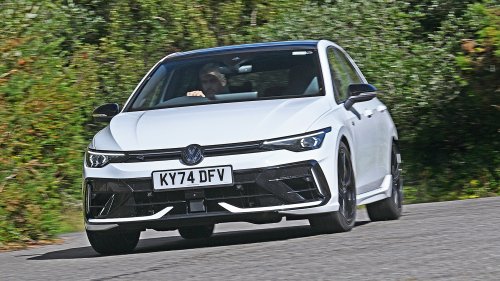
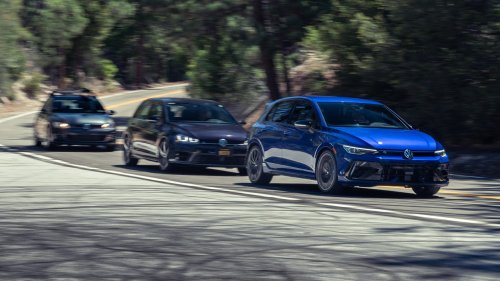
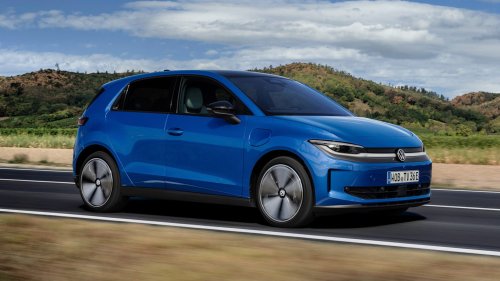
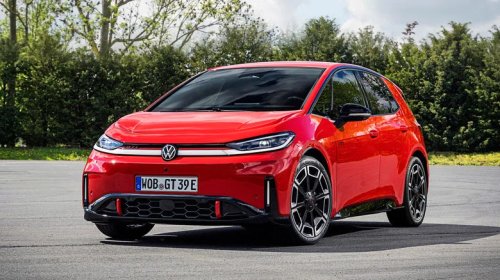
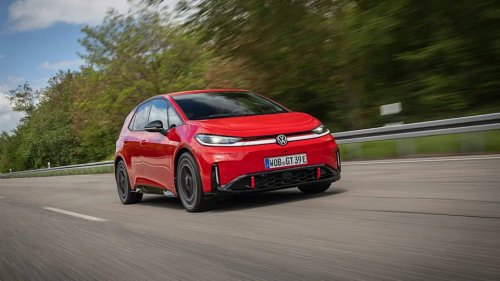
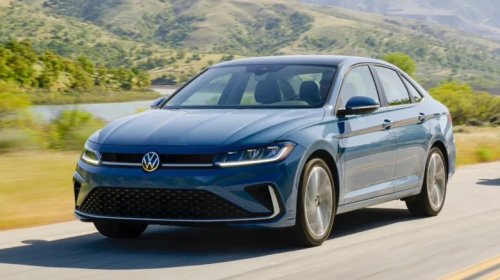
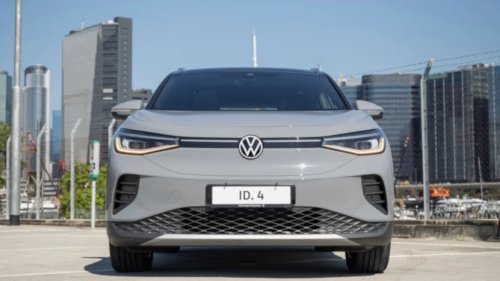
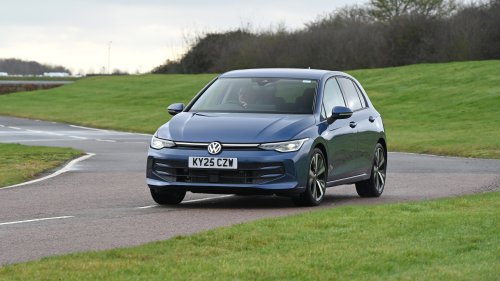
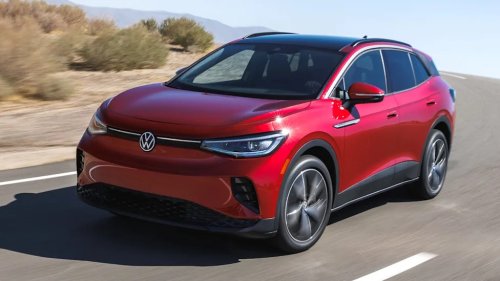
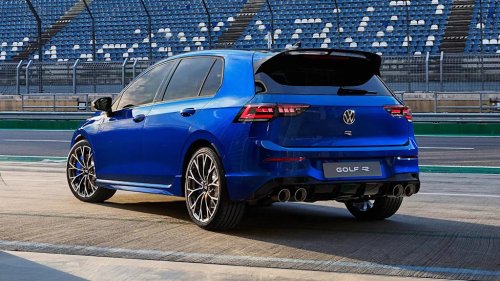
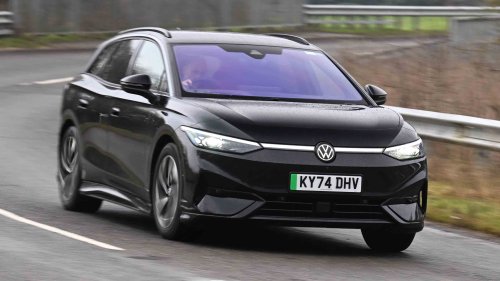
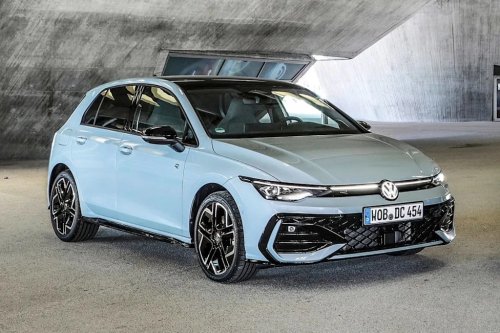
volkswagen says we don t need an electric golf right now, Volkswagen ID GTI Concept Volkswagen ID. GTI Concept Volkswagen's electric Golf is taking longer to arrive than many expected, VW included. It was thought the electric Golf-expected as the ID. Golf- would debut in 2028. Now, Autocar is reporting that Volkswagen CEO Thomas Schäfer said buyers shouldn't expect it until closer to the end of the decade. Speaking at the Financial Times Future of the Car conference in London, Schäfer made it clear Volkswagen isn't in a rush to electrify its most recognizable badge just yet. "We have a fantastic line-up now that we do not need an electric Golf in 2028," Schäfer said. "We are well set with what we have in our portfolio with our vehicles." Volkswagen recently confirmed the Mk9 Golf-both electric and combustion versions-will still be built in Wolfsburg, Germany. Production of the gasoline-powered Golf will eventually shift to Mexico as the Mk8 will receives another major update alongside its EV counterpart. Which means the internally-combusting Golf is not dead yet. Not even close, really. volkswagen says we don t need an electric golf right now, Volkswagen ID GTI Concept Volkswagen ID. GTI Concept Nissan Terrano PHEV Concept: All the Details Volkswagen just showed the production version of the ID. Polo, the refreshed ID.3 Neo, and the incoming ID. Cross, none of which are expected to jump across the pond to North America. Internally, Volkswagen likely wants those vehicles to establish themselves before the Golf enters the equation-once a fully electric Golf exists, every other Volkswagen EV is likely to become a bit player. And honestly, the Golf is Volkswagen's heart and soulc, even if Americans have largely moved on to crossovers the size of studio apartments. You do not casually replace a car that has defined your brand for nearly half a century. The bigger issue, though, appears to be Volkswagen's long-promised Scalable Systems Platform. SPP is supposed to become the bedrock for the group's next generation of EVs. The architecture promises 800-volt charging capability, improved battery packaging, better software integration, and lower production costs. More importantly, Volkswagen believes SSP is the platform that finally brings real profit parity between electric and combustion vehicles. Last week, the automaker admitted its current EV lineup-riding on the MEB architecture- generates only about 70% to 80% of the profit margins of comparable internal combustion models. volkswagen says we don t need an electric golf right now, Volkswagen ID GTI Concept Volkswagen ID. GTI Concept SSP is supposed to fix that math. But development delays have pushed the architecture well behind schedule. Originally expected to arrive like now, SSP-powered vehicles won't hit the road until at least 2028. And according to Schäfer, Volkswagen itself won't even be first in line to use it. "SSP, we will roll it out across the brands," Schäfer explained. "We will start with the premium brands first. It will start with Audi, then Porsche, then us and on and on." Let Audi and Porsche absorb the early development costs on expensive vehicles first, where higher pricing can hide the growing pains. Then scale the architecture downward once the bugs are ironed out and costs amortize. Schäfer also admitted the competitive landscape has shifted dramatically since SSP was first conceived. Chinese automakers have flooded the EV market with aggressively priced products, forcing established brands to rethink cost structures entirely. "We had to redo the maths," Schäfer said, referencing materials costs and investment planning. Five years ago, automakers treated electrification as a relatively straightforward transition: build battery factories, launch dedicated EV platforms, and wait for the market to follow. Instead, the industry discovered that consumers still have agency and won't just blindly make choices because a multinational corporation tells them to. 2026 Mazda CX-5 First Drive: All The Details




















 +81 others