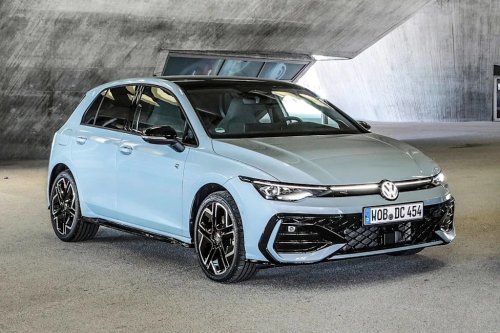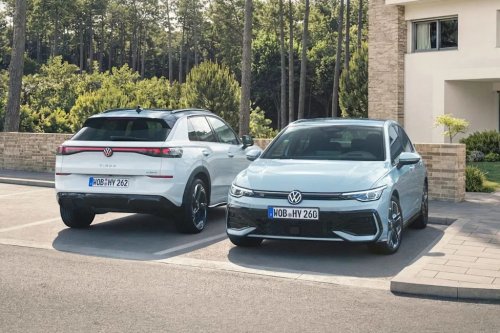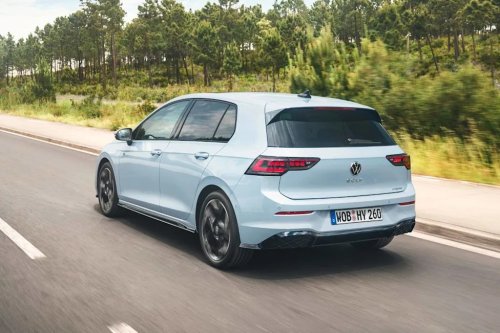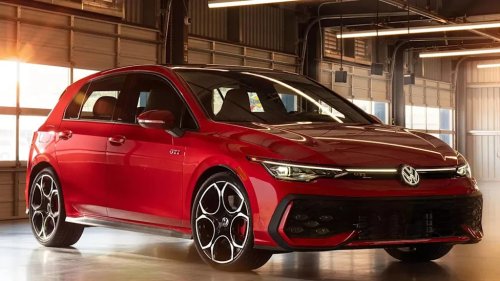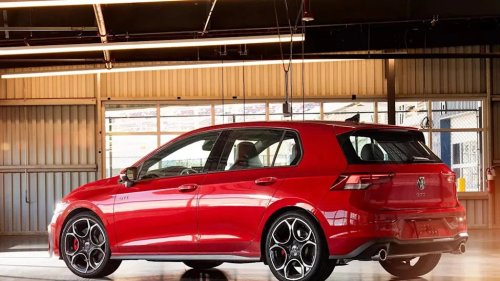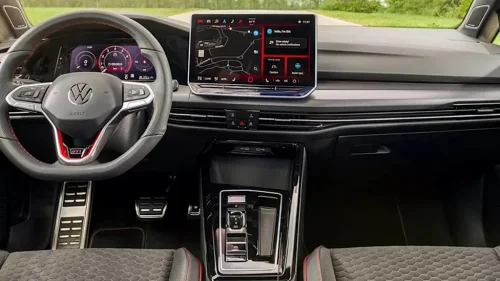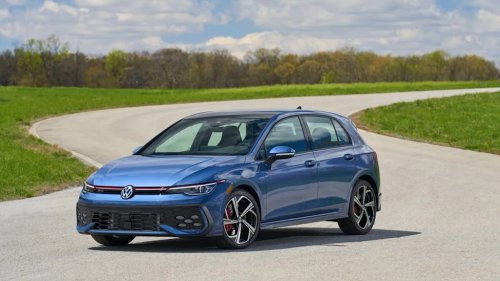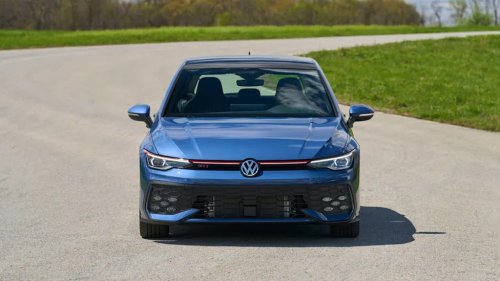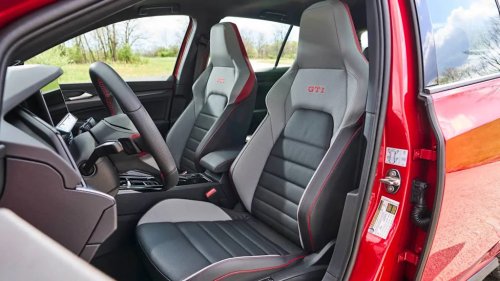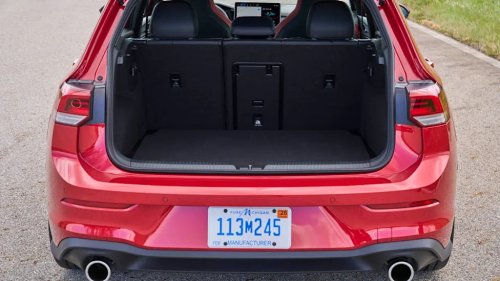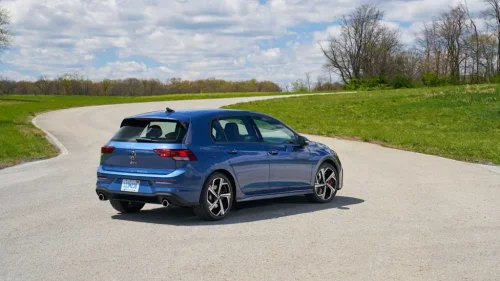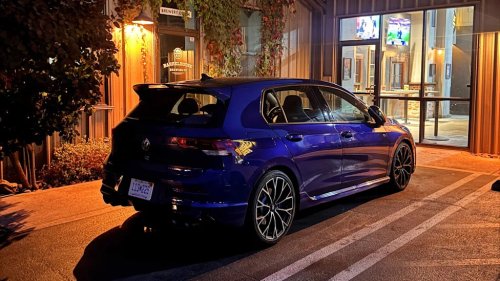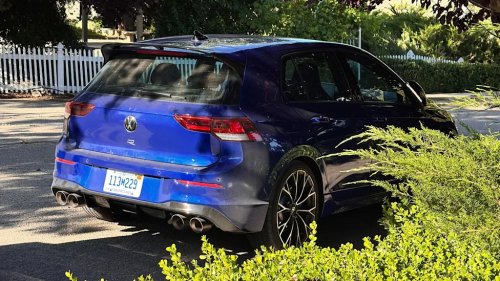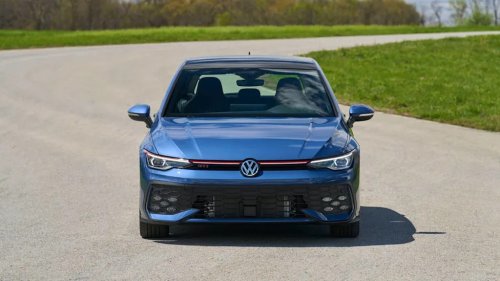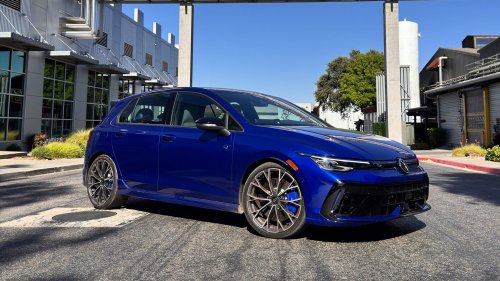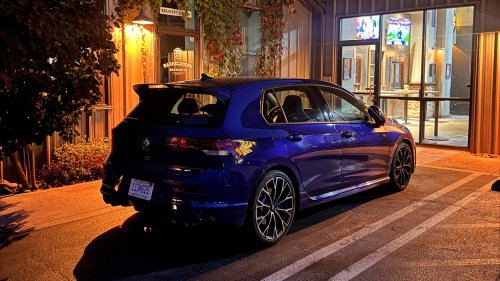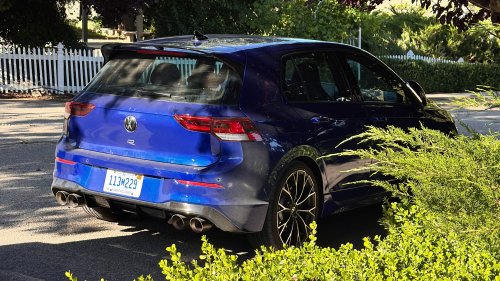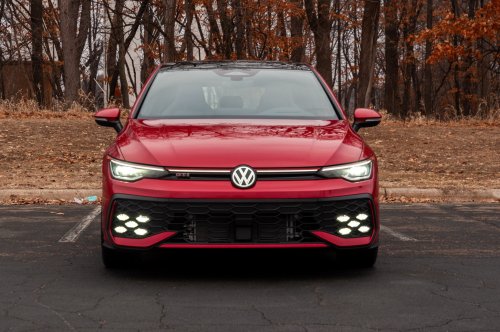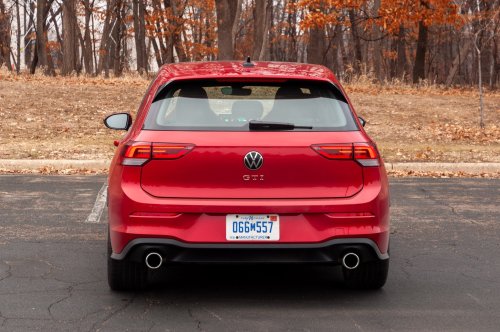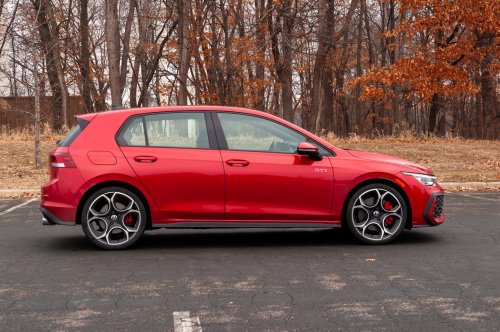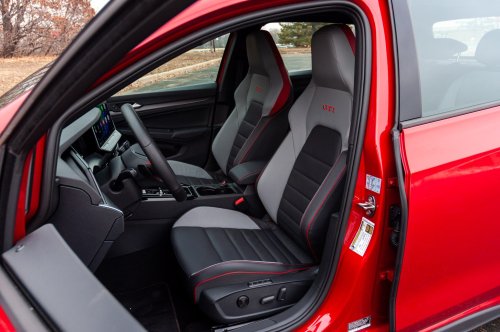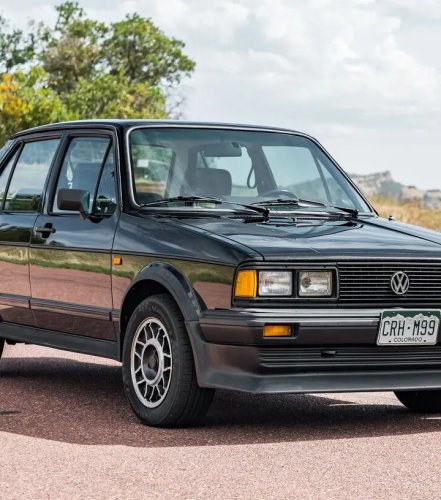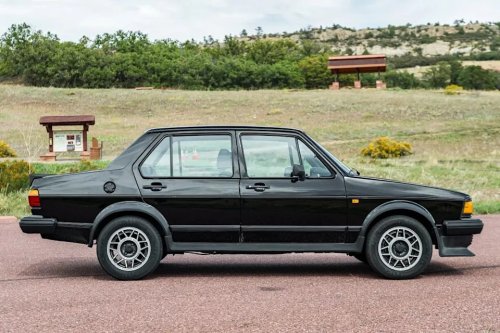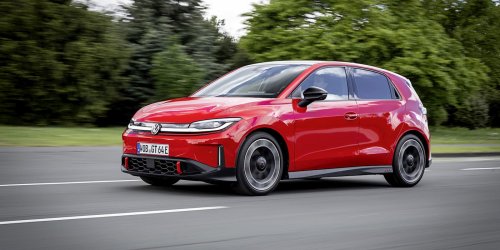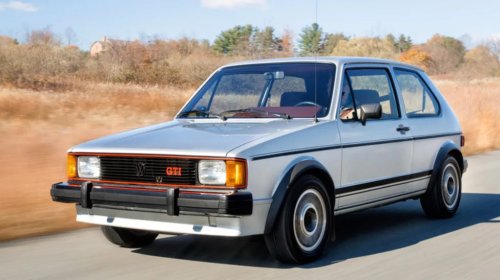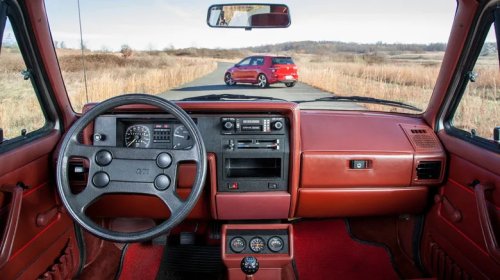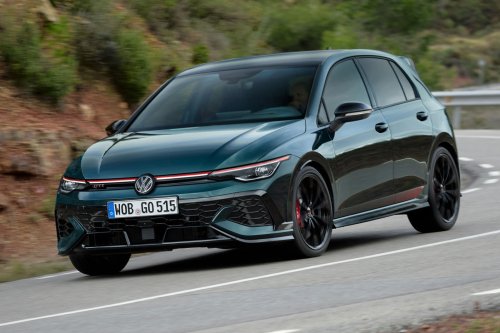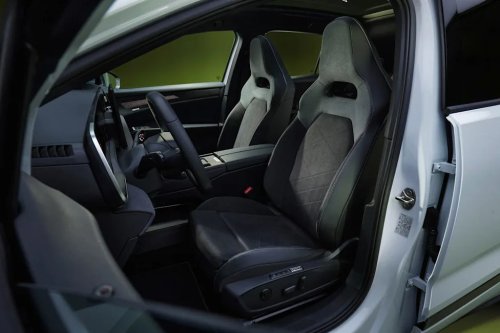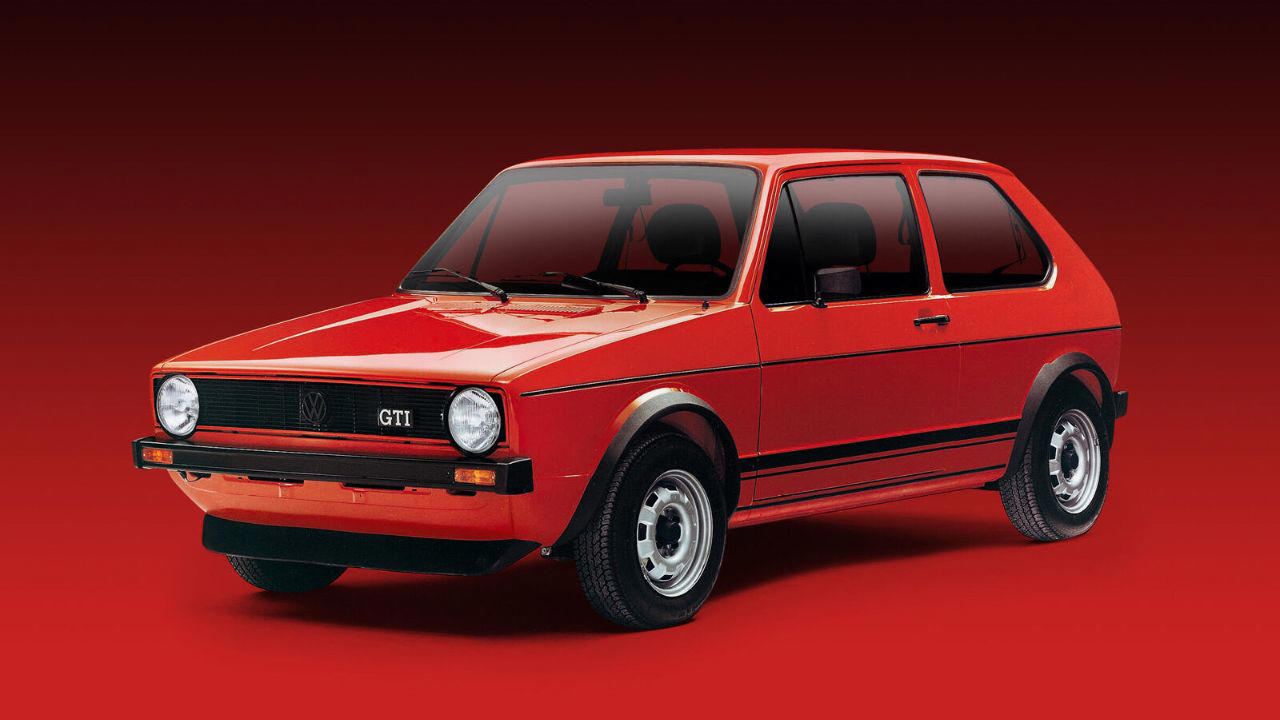



















Before hot hatches the 1976 Volkswagen Golf GTI created something newThe original Volkswagen Golf GTI arrived in 1976 as a modest three-door family hatchback that happened to be quicker, sharper and more usable than most sports cars of its day. Long before “hot hatch” became a marketing label, it quietly fused practicality with genuine performance and created a template that rivals have been chasing for five decades. To understand how that happened, it helps to look at what came before, what the Mk1 actually was, and how its influence still shapes everything from budget runabouts to track-ready specials. Before the label, the ingredients Enthusiasts often treat the hot hatch as a child of the late 1970s, but the basic recipe was already forming in the 1960s and early 1970s. Compact cars with front engine and front-wheel drive were getting quicker, and some had genuine motorsport credentials. The 1961 Mini Cooper is regularly cited as one of the first small performance cars to combine a tiny body with an FF layout, a key ingredient of what would later be called a hot hatch. By the early 1970s, European makers were experimenting more directly with fast hatchbacks. The 1973 Simca 1100TI, for instance, packed a 1.3-litre engine into a practical five-door shell and previewed the “family car that can embarrass sports cars” idea. Another Simca 1100TI launched in 1974 with a quoted top speed of 105 mph and links to competition, showing how far a humble hatchback could be pushed. Across the Atlantic, a different narrative has gained traction. Some enthusiasts argue that an American compact should wear the crown. One detailed claim is that AMC Gremlin Was hot hatch, pointing to the Brown 1976 AMC Gremlin X and the Orange 1971 AMC Gremlin X as early examples of a small, powerful hatchback. This view highlights how fuzzy the definition can be and how regional tastes shape which cars get remembered. Online debate captures that tension neatly. A discussion thread titled Hot hatch history notes that many enthusiasts still think the Volkswagen Golf and Rabbit Gti were the first hot hatch in 1976, even as others point to earlier contenders. In other words, the idea existed, but the formula was not yet codified. The secret project inside Volkswagen Within Volkswagen, the path to the GTI started quietly. In the early 1970s, a small group of young engineers at Volkswagen began a secret after-hours project. They were not responding to a formal brief; they simply believed that the new Golf platform could carry something more exciting than a basic commuter engine. The GTI, as it would become known, began as a skunkworks effort driven by curiosity rather than corporate strategy. Those engineers took the practical Golf, then still a fresh replacement for the Beetle, and began to rework it. There is a clear record of a prototype being tested at the Nürburgring in the summer of 1975, which shows how seriously the team treated chassis development. They were not just bolting on a bigger engine; they were trying to create a sports car that happened to have a hatch and five seats. Officially, the World premiere came at a major European motor show in 1975, followed by launch in 1976. The IAA in Frankfurt gave the wider media its first taste. Volkswagen showcased the Golf GTI and Golf GTI and received a strongly positive response, which encouraged the company to put this once unofficial project into full production. Another corporate account from Wolfsburg, Germany confirms that the car was launched at the International Motor Show, the IAA in Frankfurt, in September 1975, where it appeared as a sharper, sportier version of the standard hatch. The timing underlines how quickly the secret experiment turned into a showroom product. The 1976 Mk1: modest numbers, big idea Look at the 1976 Mk1 on paper and it seems almost gentle by modern standards. Period footage of the original Volkswagen Golf GTI highlights that it was powered by a 1.6-litre fuel-injected engine, a specification that sounds tame next to today’s turbocharged outputs. Yet the car’s light weight and short gearing made those figures feel lively on the road. A separate clip that revisits the same Volkswagen Golf GTI stresses that this is the car that started it all in 1976, the original MK1 that combined that 1.6-litre engine with a light shell and now has a cult following in Europe. Owners and historians alike point to its balance of speed, simplicity and usability as the reason it still feels relevant. Underneath, the mechanical layout was carefully judged. A later technical summary of the Mk1 notes that its Chassis and Suspension used independent McPherson struts at the front and a torsion beam axle at the rear, with brakes that paired front discs with rear drums. None of that hardware was exotic, but the calibration gave the GTI a mix of comfort and precision that ordinary drivers could enjoy every day. Volkswagen’s own retrospective on the The Golf GTI notes in its Key Points that the car, released in 1976, defined the hot hatch genre and through eight generations has evolved without losing that core balance. That continuity is part of what makes the original feel so significant today. Rewriting expectations for everyday performance Contemporary reactions make clear how disruptive the Mk1 felt to ordinary buyers. A modern video reflection on the first GTI points out that Jan remembers how, in 1976, it showed the world that a car could be genuinely fun to drive and still handle school runs, shopping trips and family life. That dual role is what separated the GTI from earlier performance specials, which often demanded sacrifices in comfort or practicality. Another short feature that opens with the line In the early 1970s, the GTI team at Volkswagen describes how they focused on keeping the cabin familiar. The car still offered a usable rear bench and a square, easy-loading boot. Only the tartan seats, golf ball gear knob and red grille pinstripe hinted at the extra pace waiting under the bonnet. That subtlety helped the GTI reach buyers who would never have considered a sports coupé. A family could justify it as a sensible hatchback that just happened to be quicker than the company pool car. For many, it was the first time performance driving felt compatible with young children or a weekly supermarket run. Did it really “invent” the hot hatch? Here the story becomes more contested. Modern summaries of the segment often state that the Volkswagen Golf GTI, introduced in 1976, is credited with creating the hot hatch segment. The Volkswagen Golf GTI is praised for combining strong performance, everyday practicality and relatively attainable pricing in a way that resonated globally. Yet as the earlier references to the Mini Cooper and Simca 1100TI show, several cars predated the GTI with similar ideas. The debate over the AMC Gremlin Was hot hatch highlights how definitions vary. Some argue that any compact hatch with a stronger engine qualifies. Others insist that a true hot hatch must be front-wheel drive, based on a mainstream model and tuned as a cohesive package rather than a simple power upgrade. Even the term itself evolved after the fact. The Hot hatch entry traces how the phrase came into wider use as more manufacturers released sporty hatchbacks in the late 1970s and 1980s. The Mini Cooper is mentioned as an early influence, but the Golf GTI is widely treated as the car that solidified the template and popularised the label. Enthusiast forums echo that split. The Many who still nominate the Volkswagen Golf and Rabbit Gti as the first hot hatch tend to focus on how fully realised the GTI felt compared with earlier efforts. Even those who champion the Simca or AMC examples often concede that the German car did more to define expectations for the category. How rivals followed the Mk1 playbook Once the GTI started selling strongly, rivals responded quickly. French, British and Japanese makers all tried their own take on the formula: light, compact, front-drive and practical, with a sharper engine and chassis. Among the early European challengers, the Peugeot 205 became a benchmark. One owner’s account notes that Purchased the car as a Christmas present to themselves in December 2024, and that most enthusiasts recognise the Peugeot 205 as a hot hatch icon. The simple mention of 205 is enough for many readers to picture the GTI version, which took the Golf template and wrapped it in a lighter, more playful shell. From the UK, the Vauxhall and Ford camps joined in. A retrospective on the Vauxhall Chevette notes that along with its big brother, the Cavalier, the Chevette played its part in dragging a conservative brand into the era of sharper, more youthful cars. The Vauxhall Chevette helped prove that even traditionally staid manufacturers could build something fun. Later, the Vauxhall Astra line would produce some of the most powerful front-drive hatchbacks. A technical preview of the Vauxhall Astra hot hatch describes prices and specs for its fastest, most powerful production Astra yet, underlining how far the segment had moved from the modest 1.6-litre Mk1. Japan also embraced the formula. A review of the Honda Civic Type R points out that more than a quarter of a century on from the original, Honda still treats the Civic Type R as a pure driver’s car. Honda uses the Civic Type layout to show that a practical family hatch can deliver track-ready performance, a direct philosophical descendant of the first GTI. Beyond front drive: wild interpretations As the segment matured, some manufacturers stretched the idea far beyond the original brief. The Renault 5 took a radical turn with a mid-engined rally homologation special. A community post on The Renault 5 Turbo explains that the Renault 5 Turbo was a pioneer of turbocharged hot hatches, paving the way for other high-performance small cars in the Turbo era. It showed that a humble city car could hide supercar-style engineering. Rallying also produced legends like Ford Escort RS. Born from Ford’s rallying prowess, this car remains an iconic performance machine that blurred the line between family transport and homologation special. While not a hatch in the strict Golf sense, it traded on the same idea of everyday practicality with extreme pace. Italian brand Lancia contributed its own hero. A recent update on the Delta HF notes that Stellantis has revived the Lancia Delta HF 4WD as a performance benchmark, using the Delta HF name to redefine what a compact performance car can be. The Lancia Delta HF lineage, with its boxy hatchback shape and rally pedigree, is often mentioned alongside the Golf in discussions of all-time greats. Volkswagen’s evolving response to its own legend Volkswagen itself has spent decades iterating on the GTI idea and occasionally stepping beyond it. A detailed history of the Golf GTI charts how the car moved from that Nürburgring-tested prototype to successive generations that added power, safety and technology while trying to keep the original spirit intact. More from Fast Lane Only Unboxing the WWII Jeep in a Crate 15 rare Chevys collectors are quietly buying 10 underrated V8s still worth hunting down Police notice this before you even roll window down