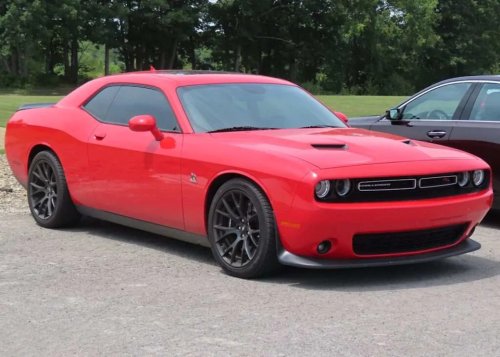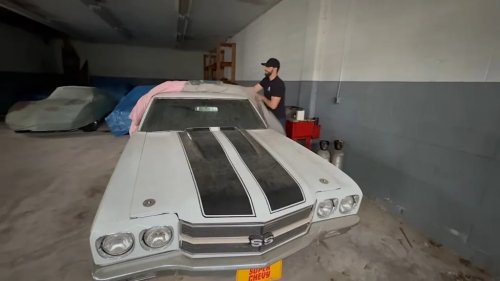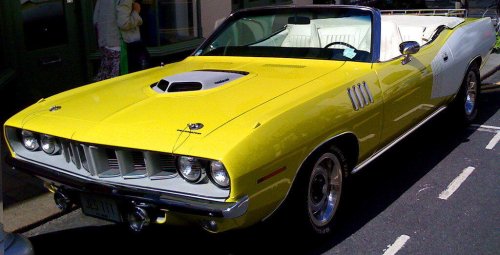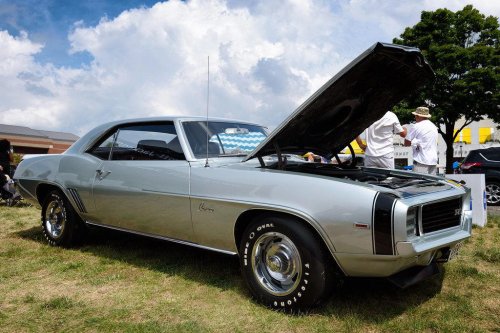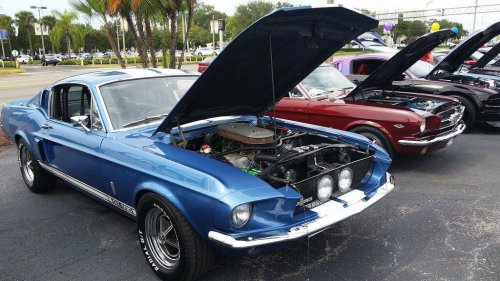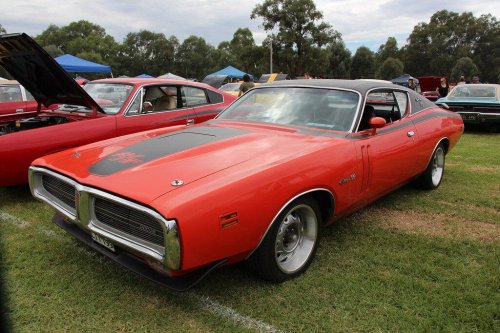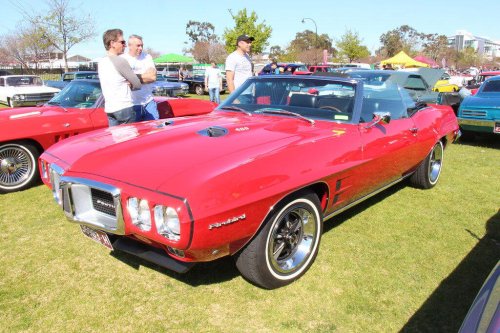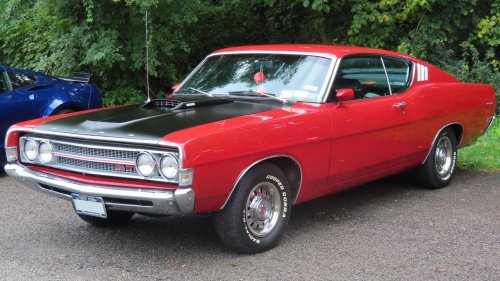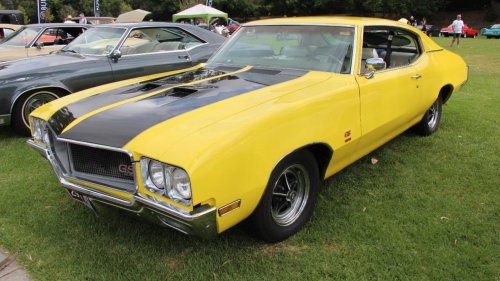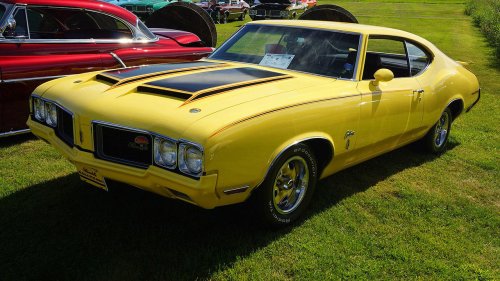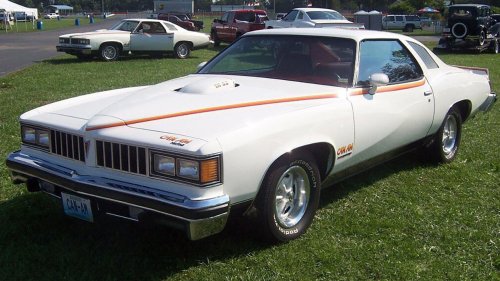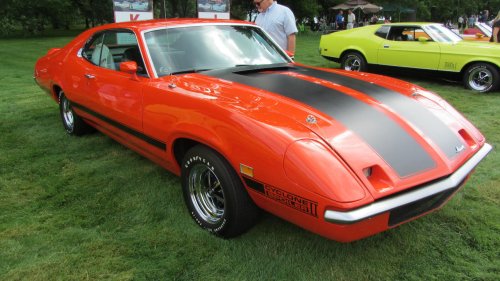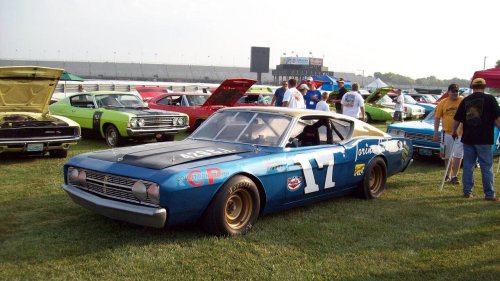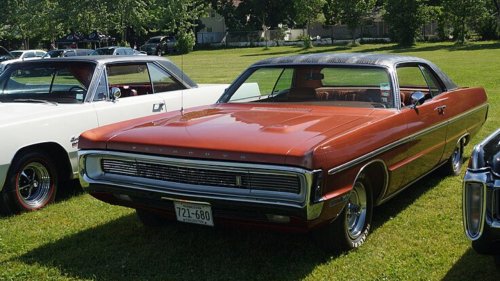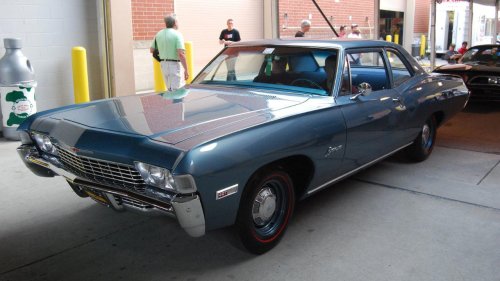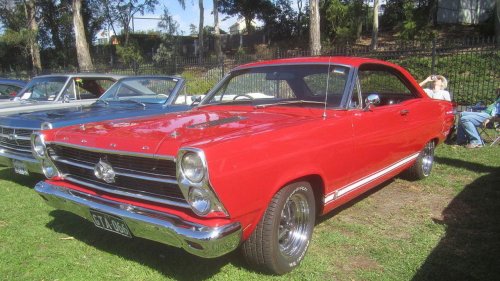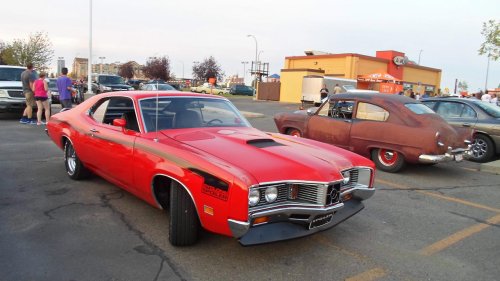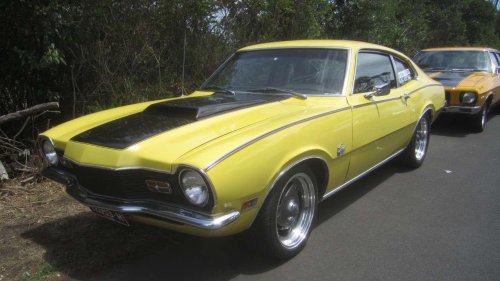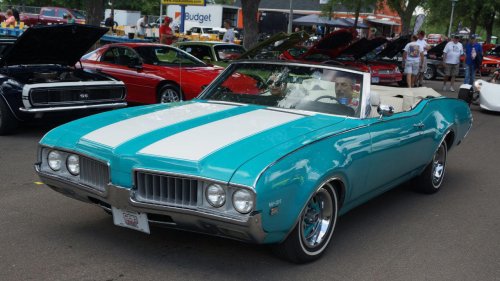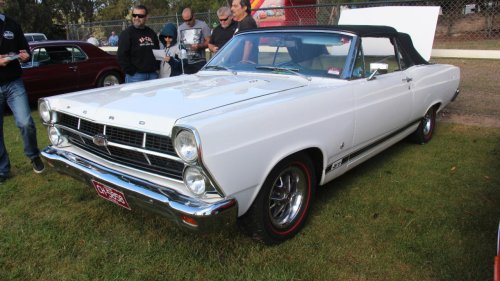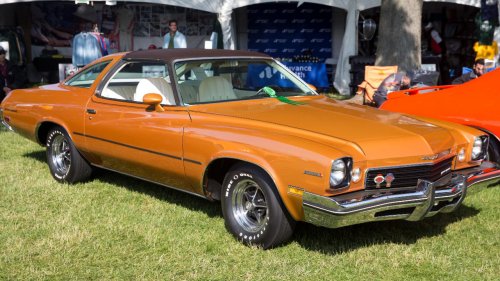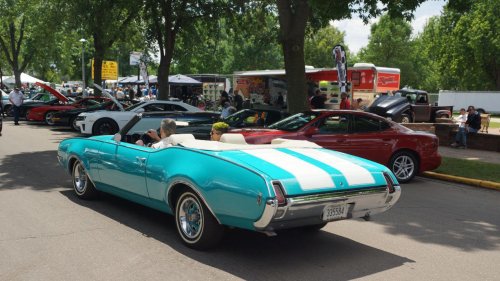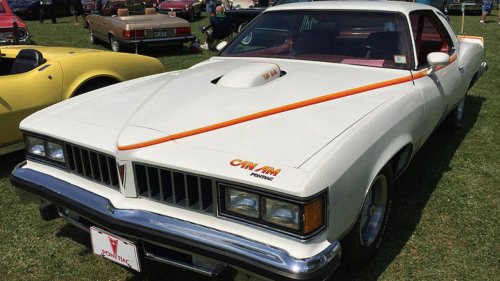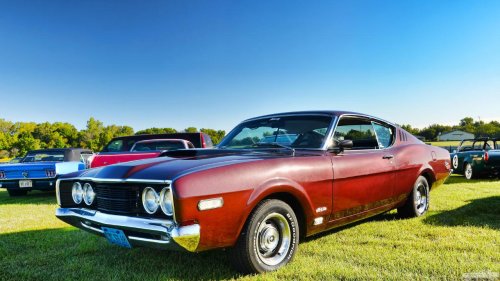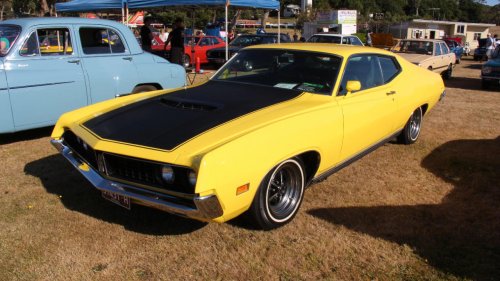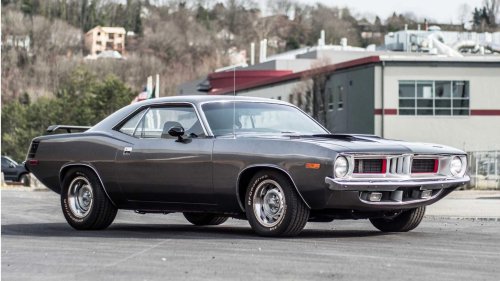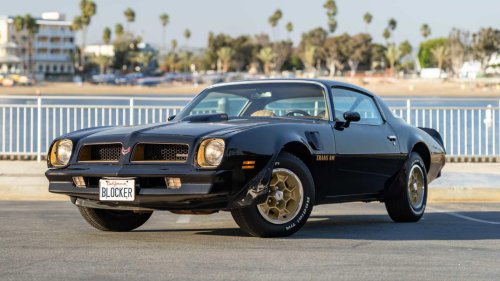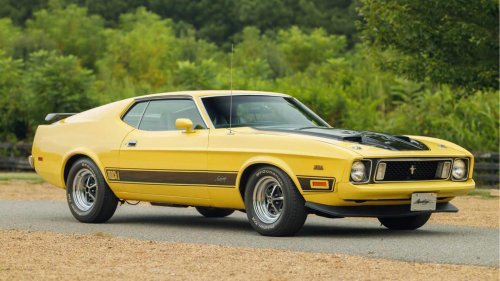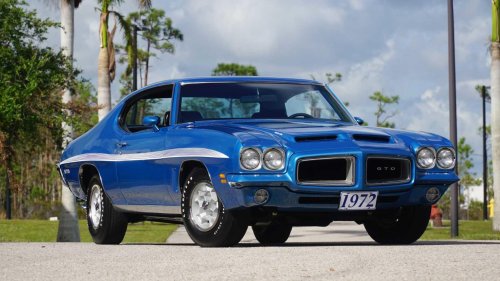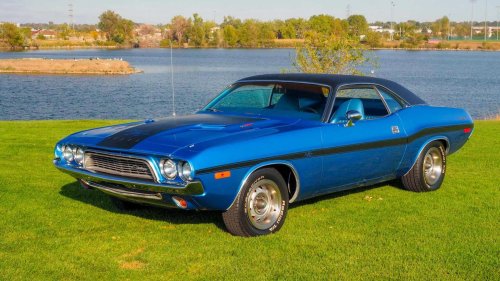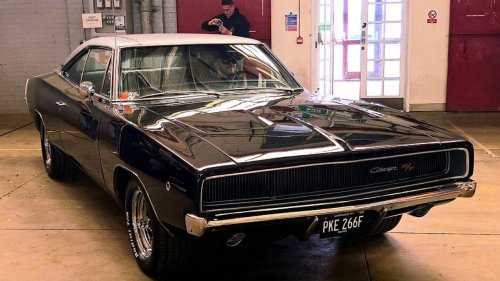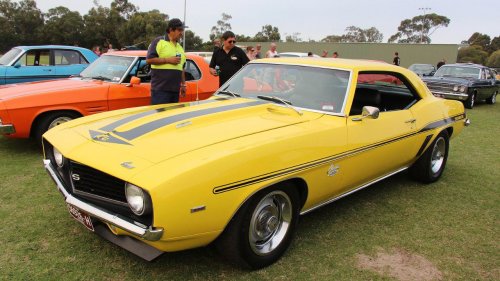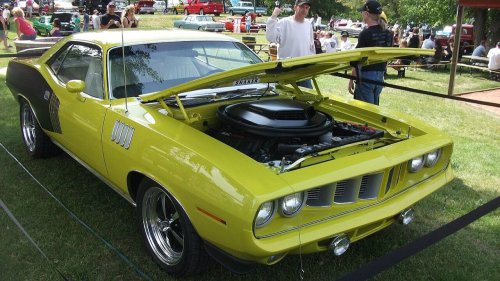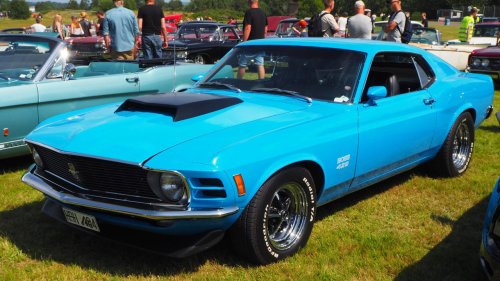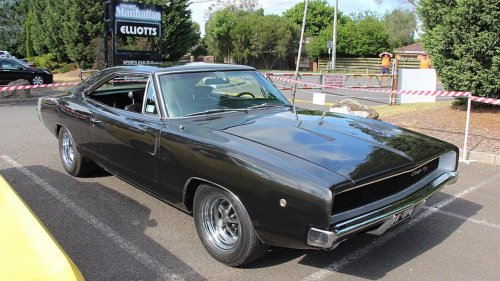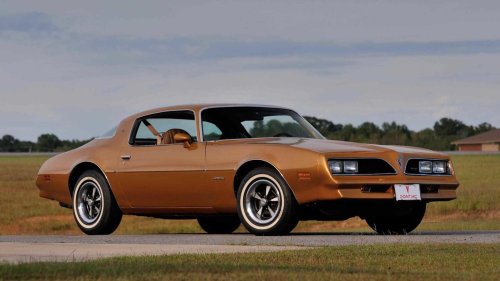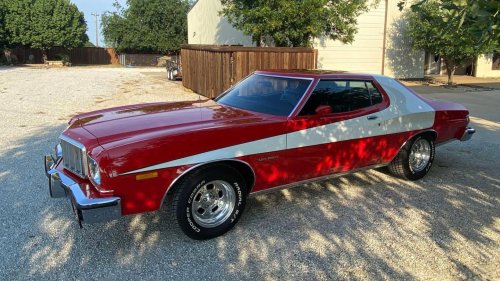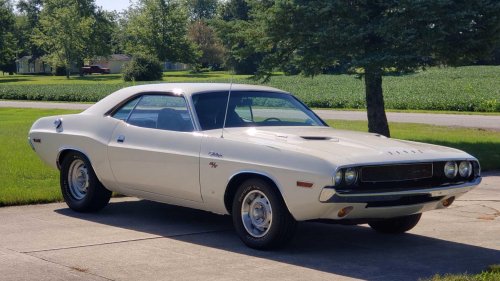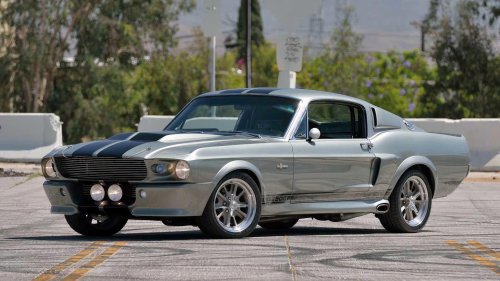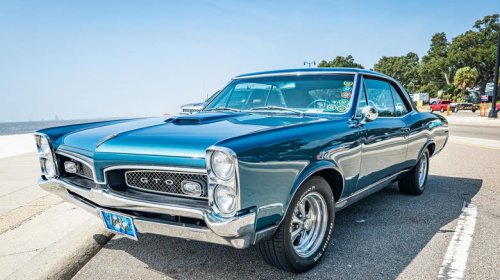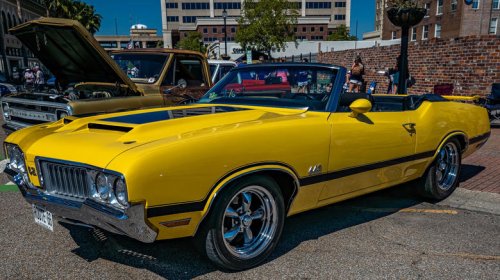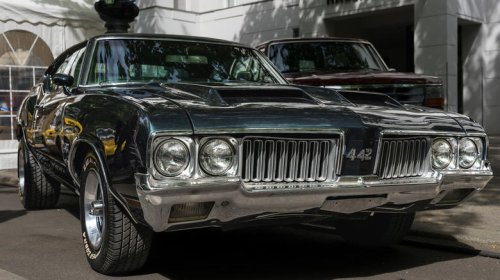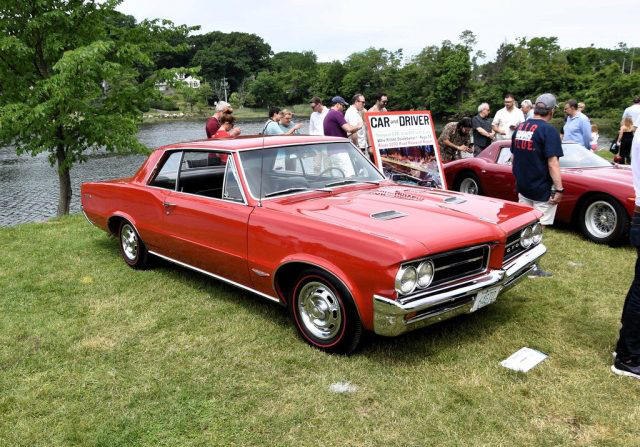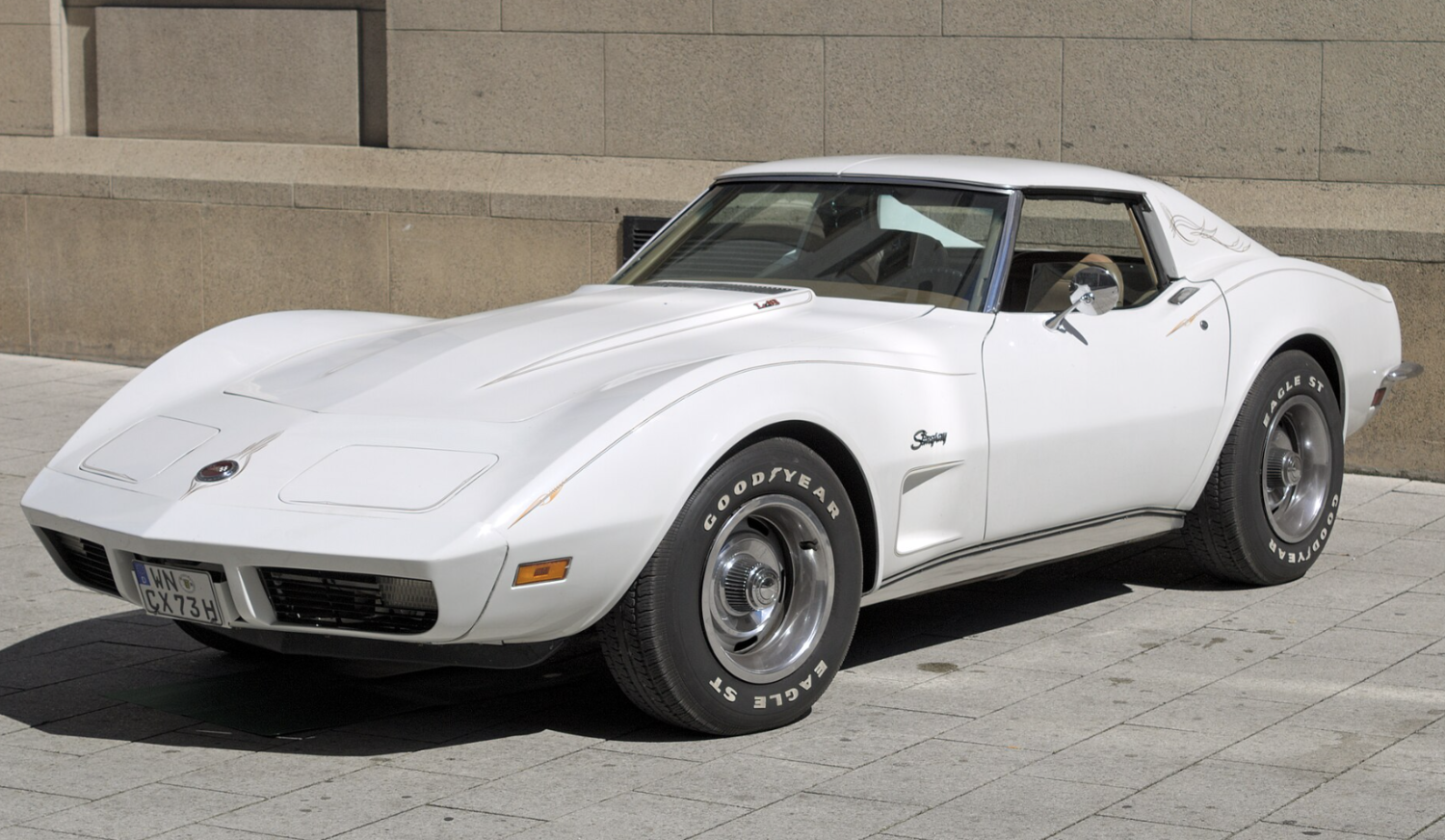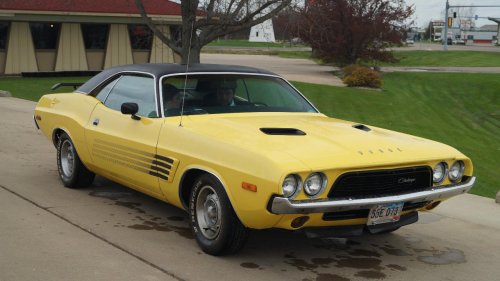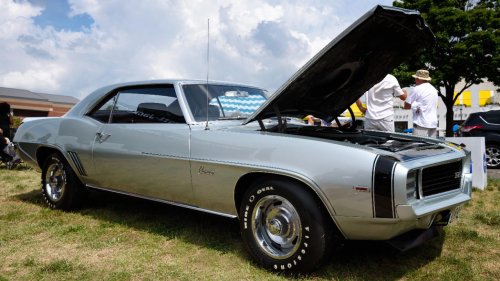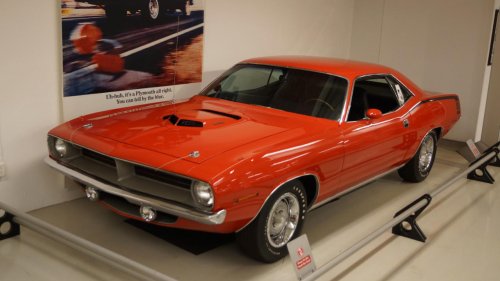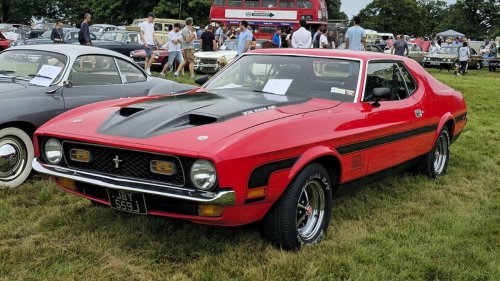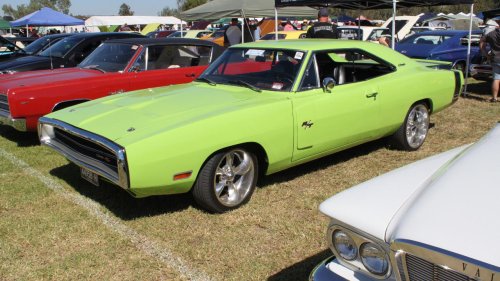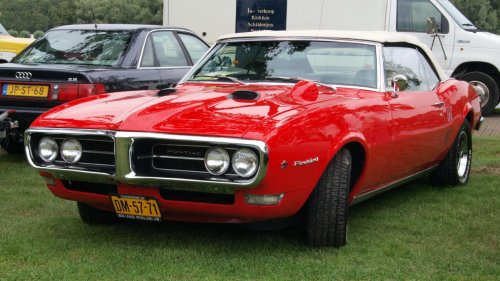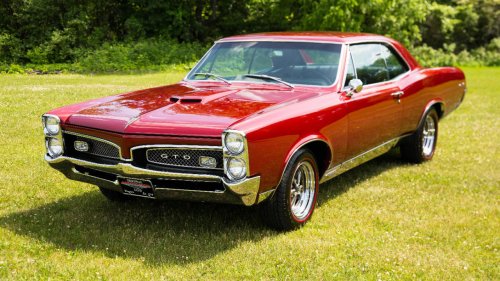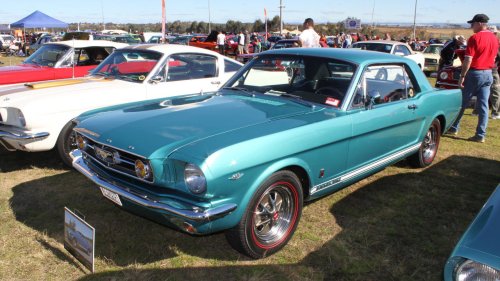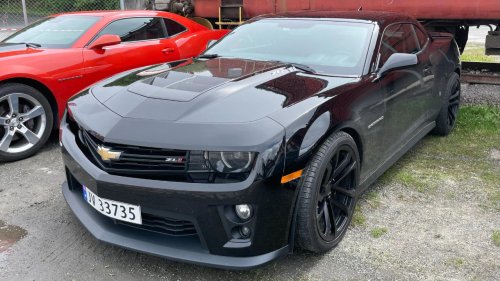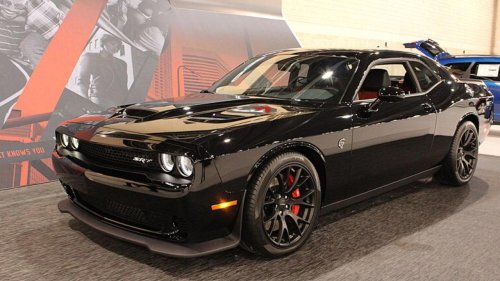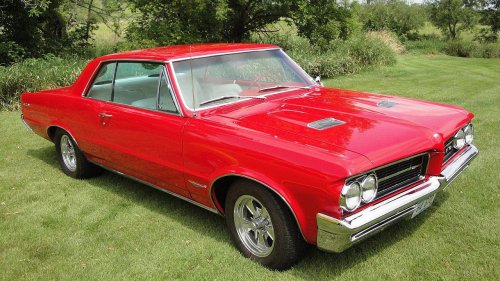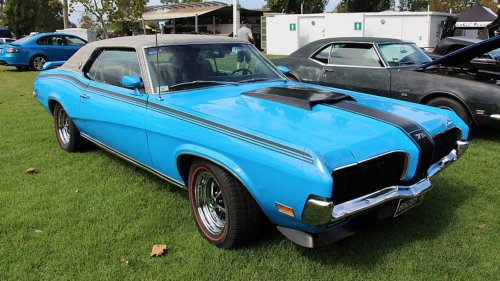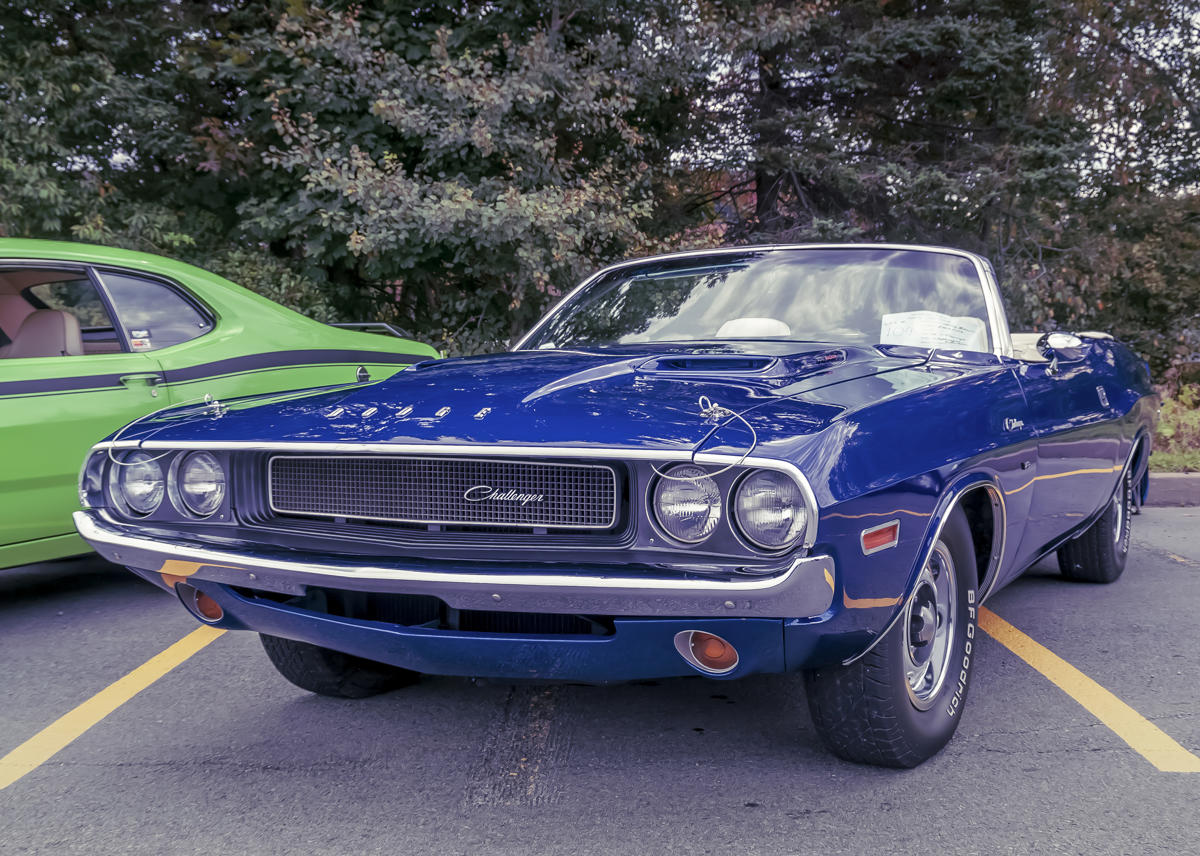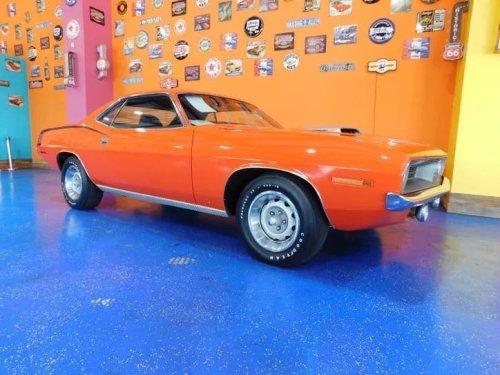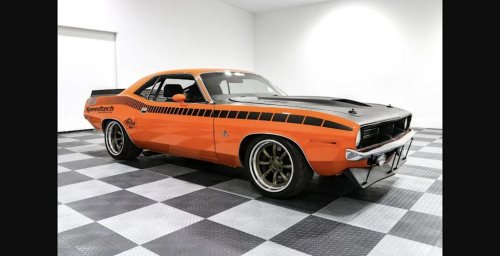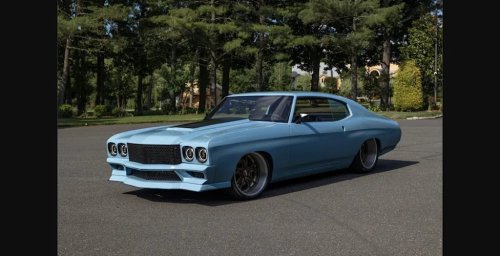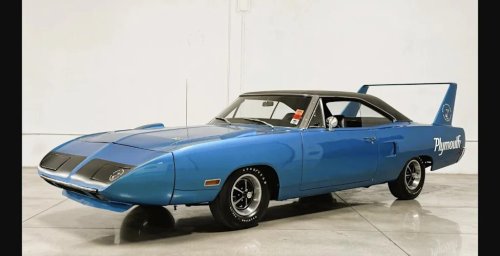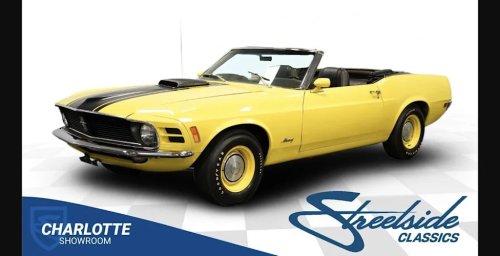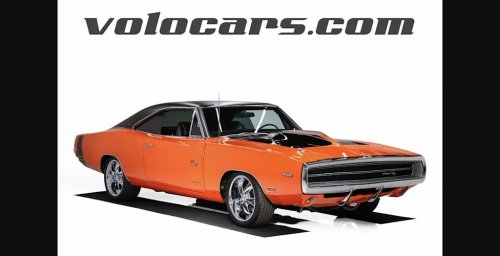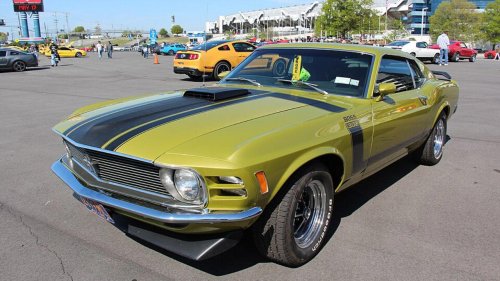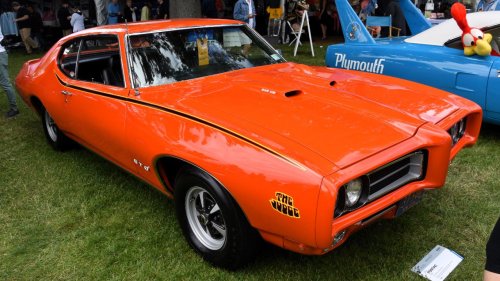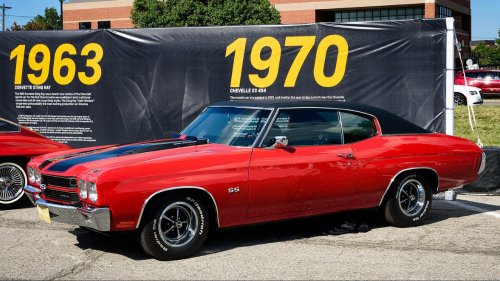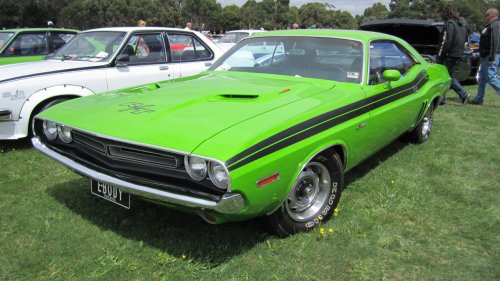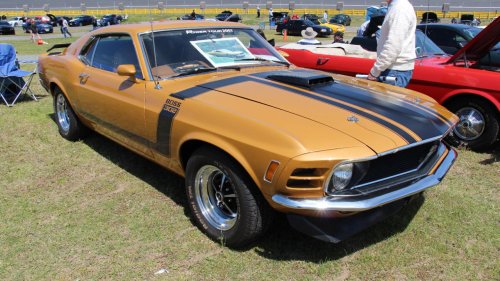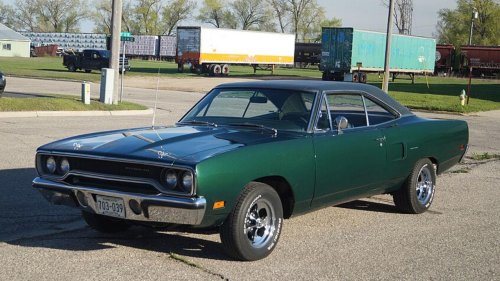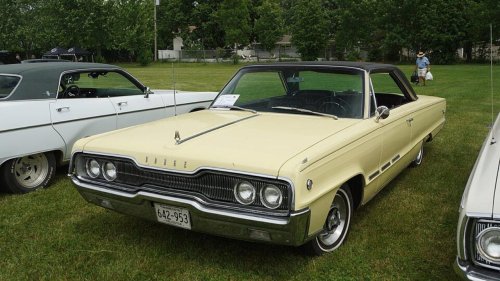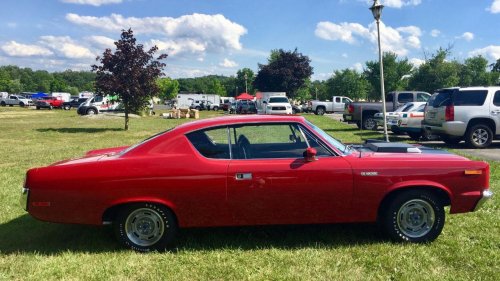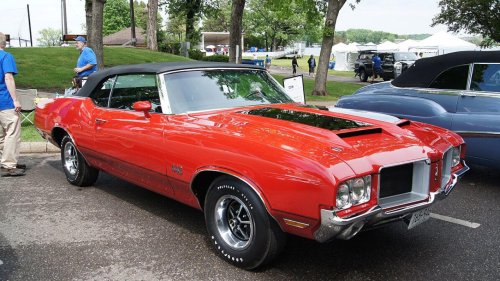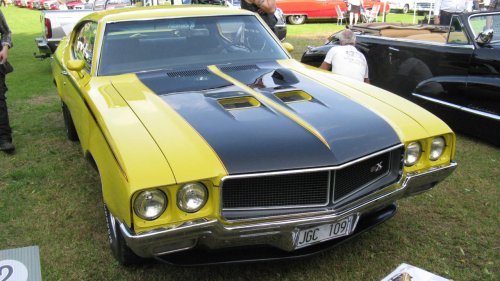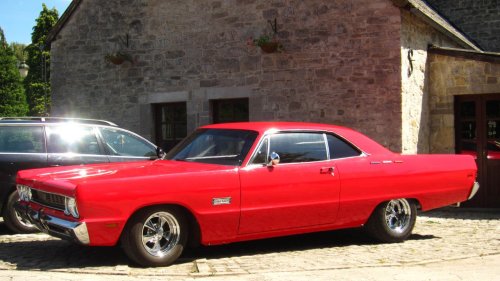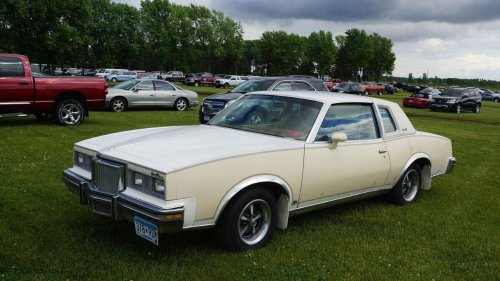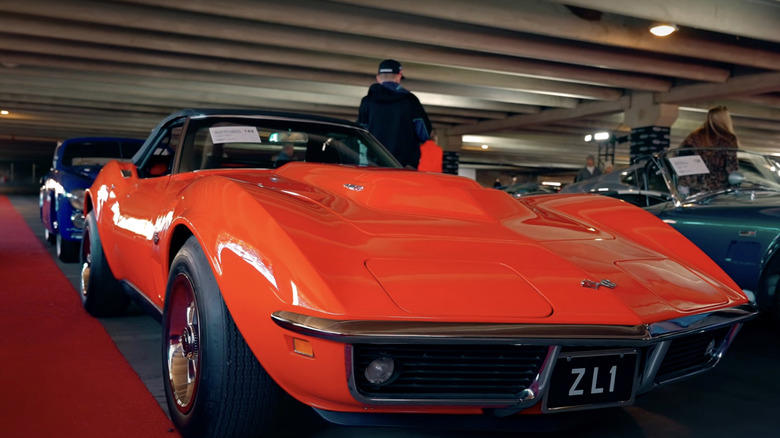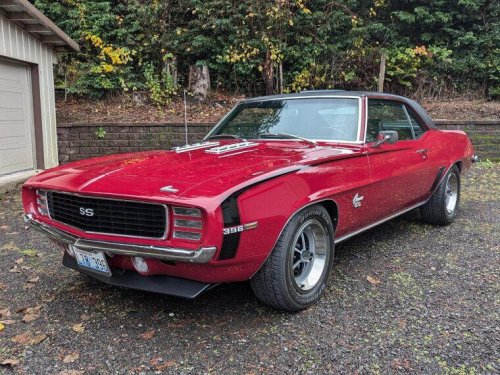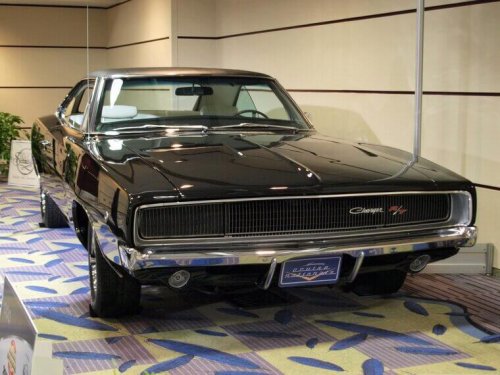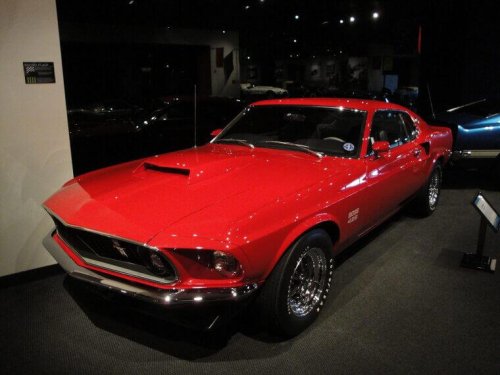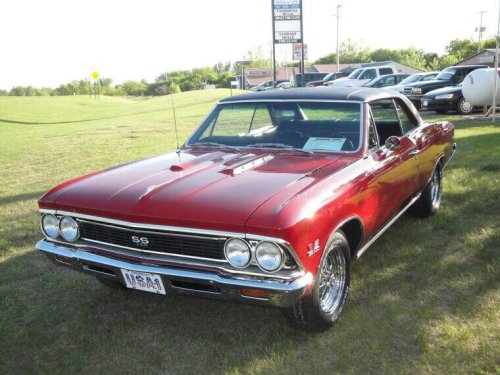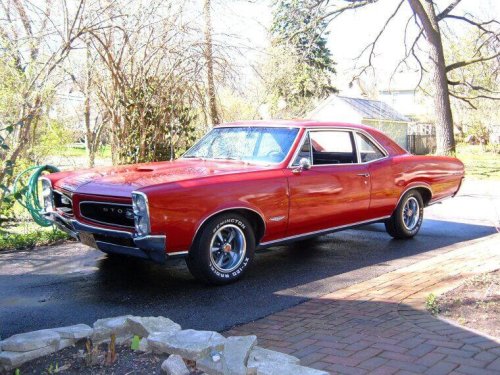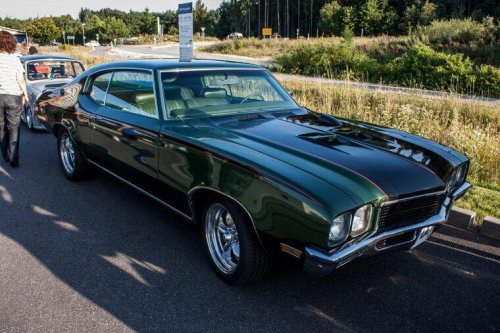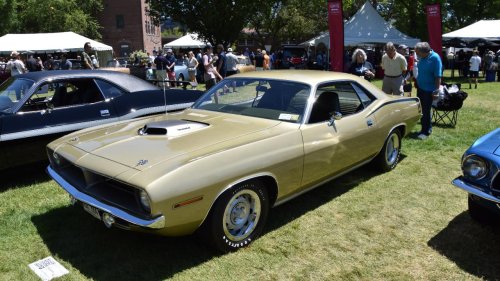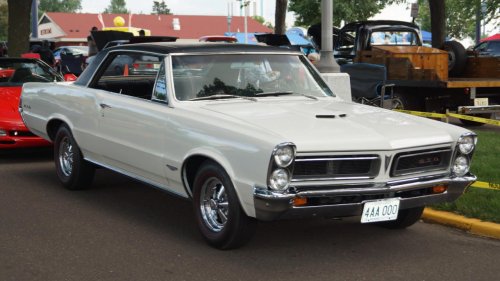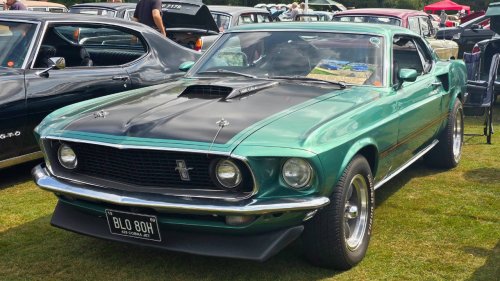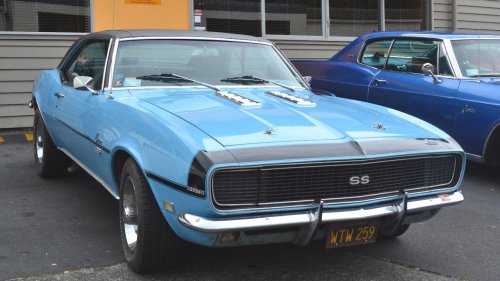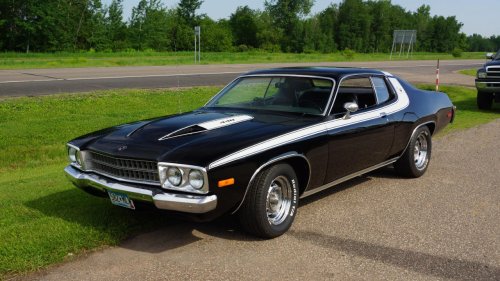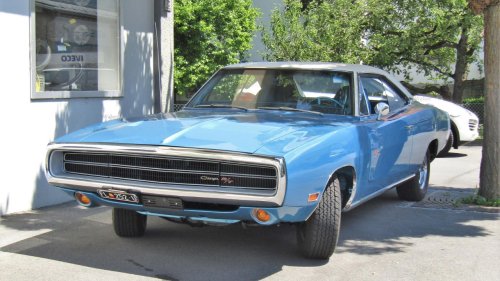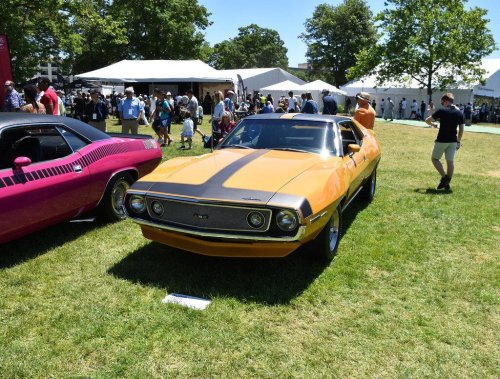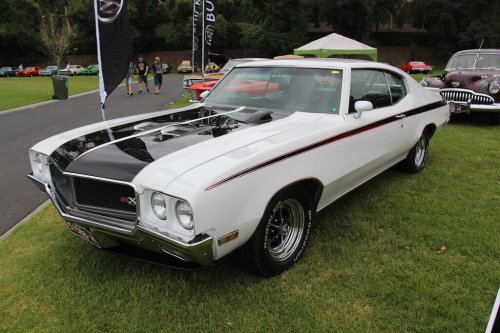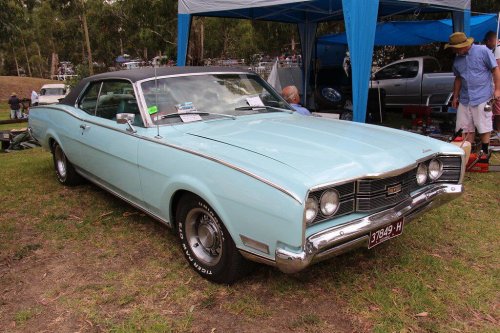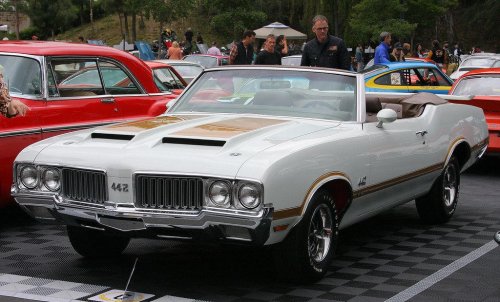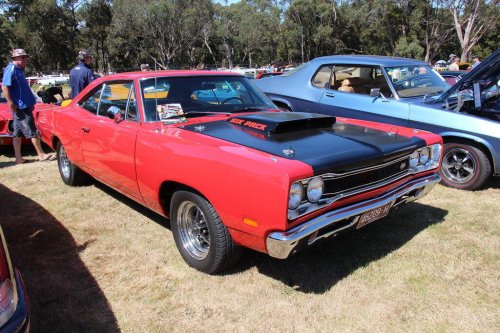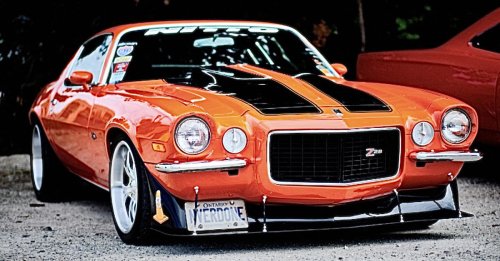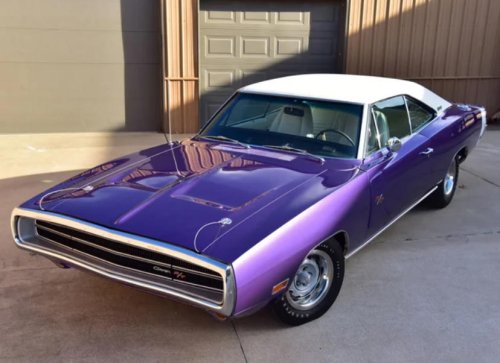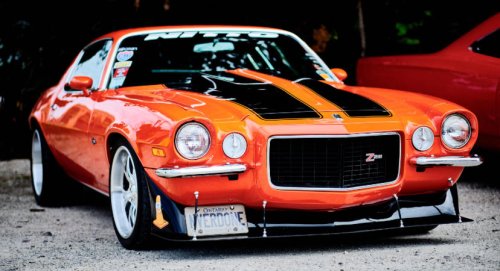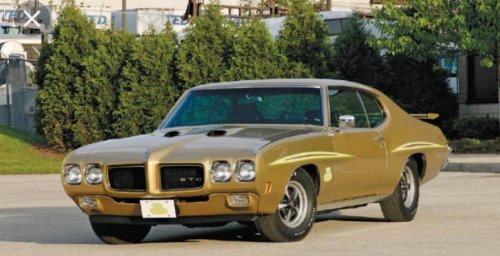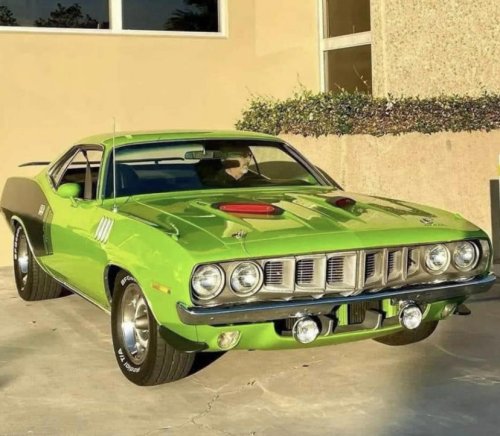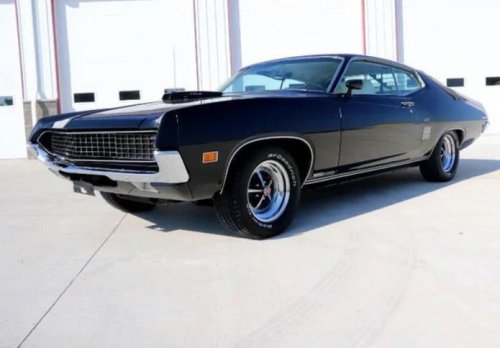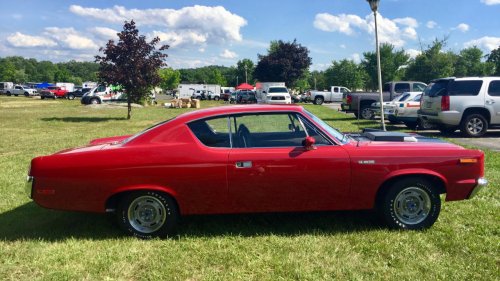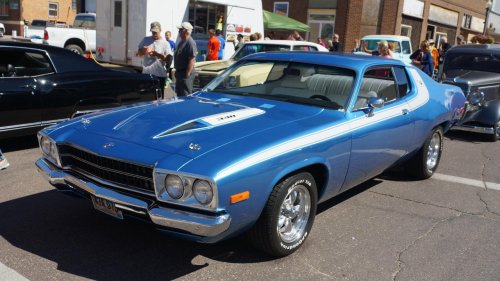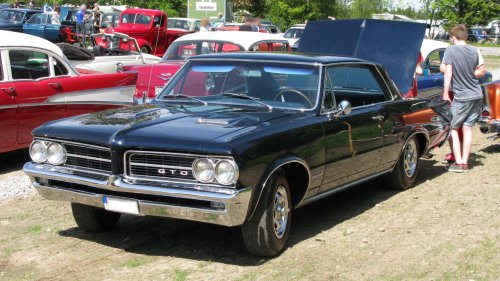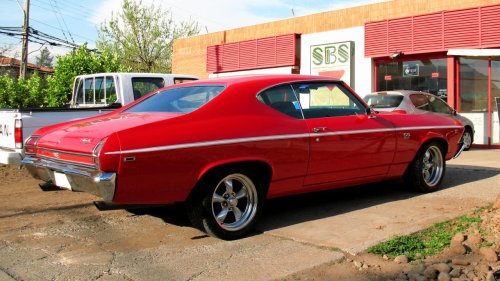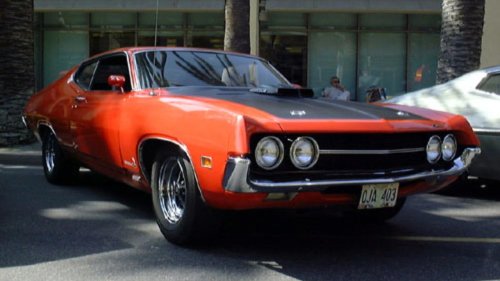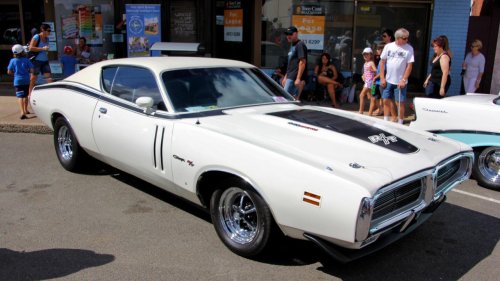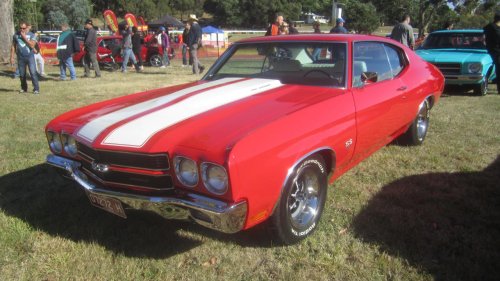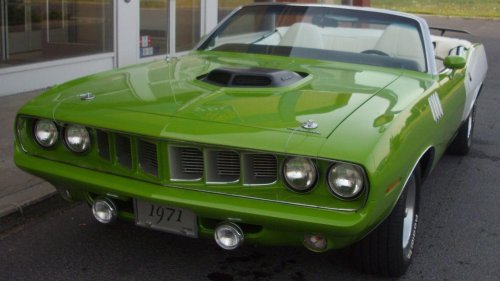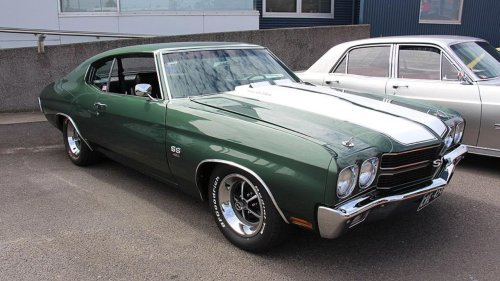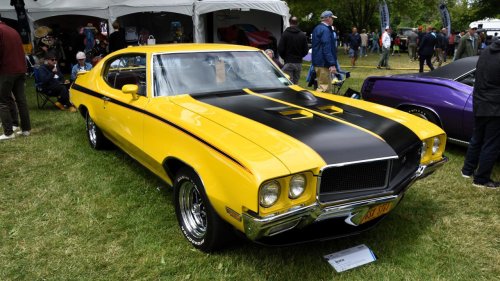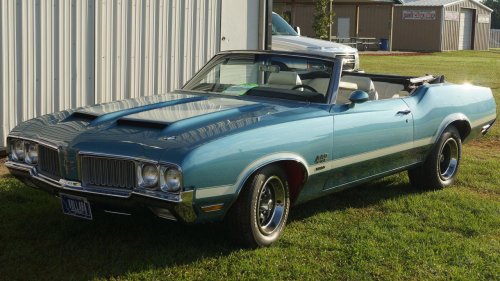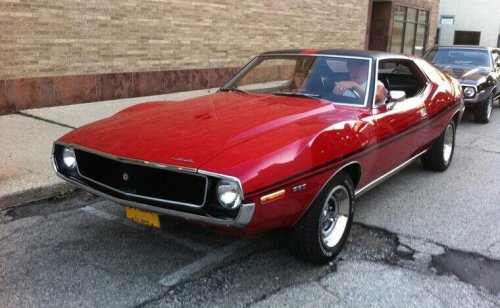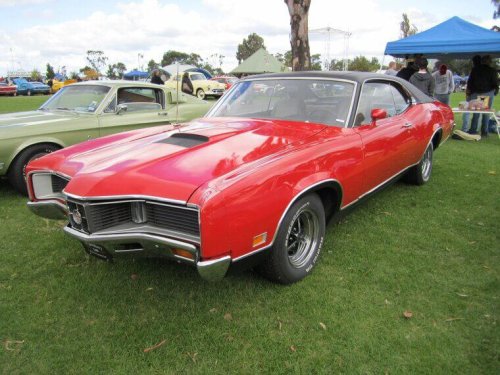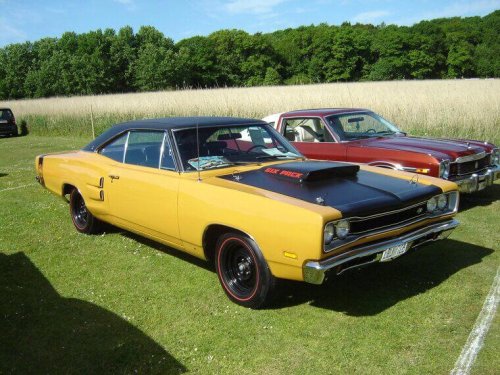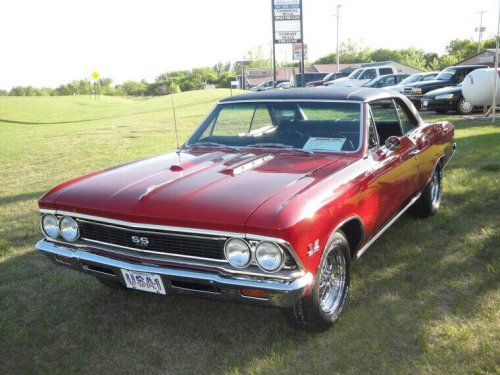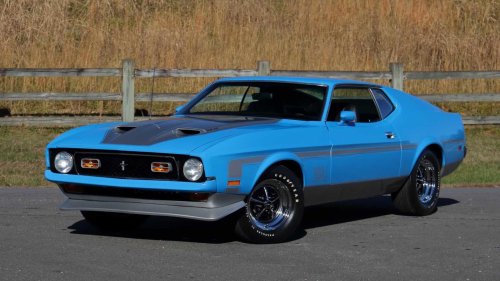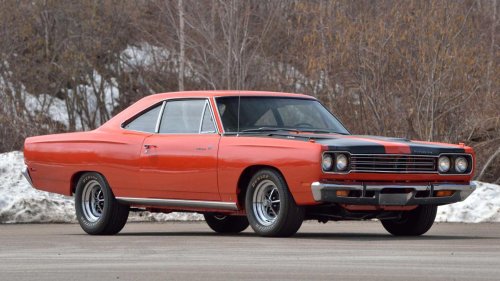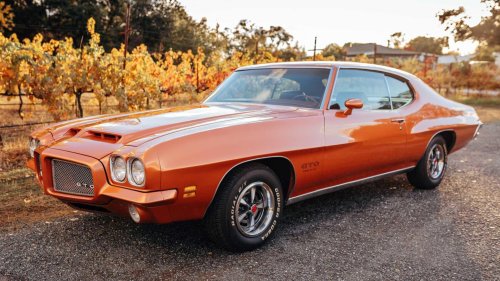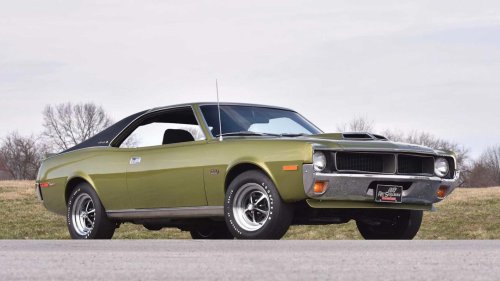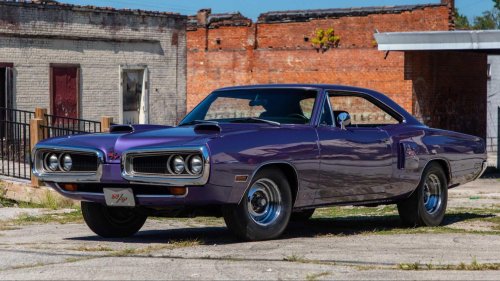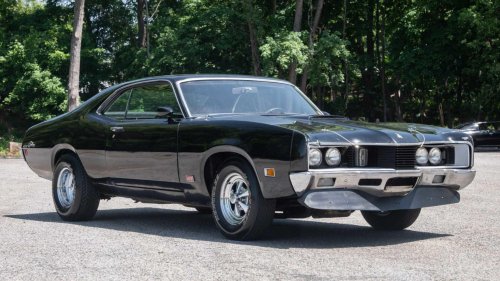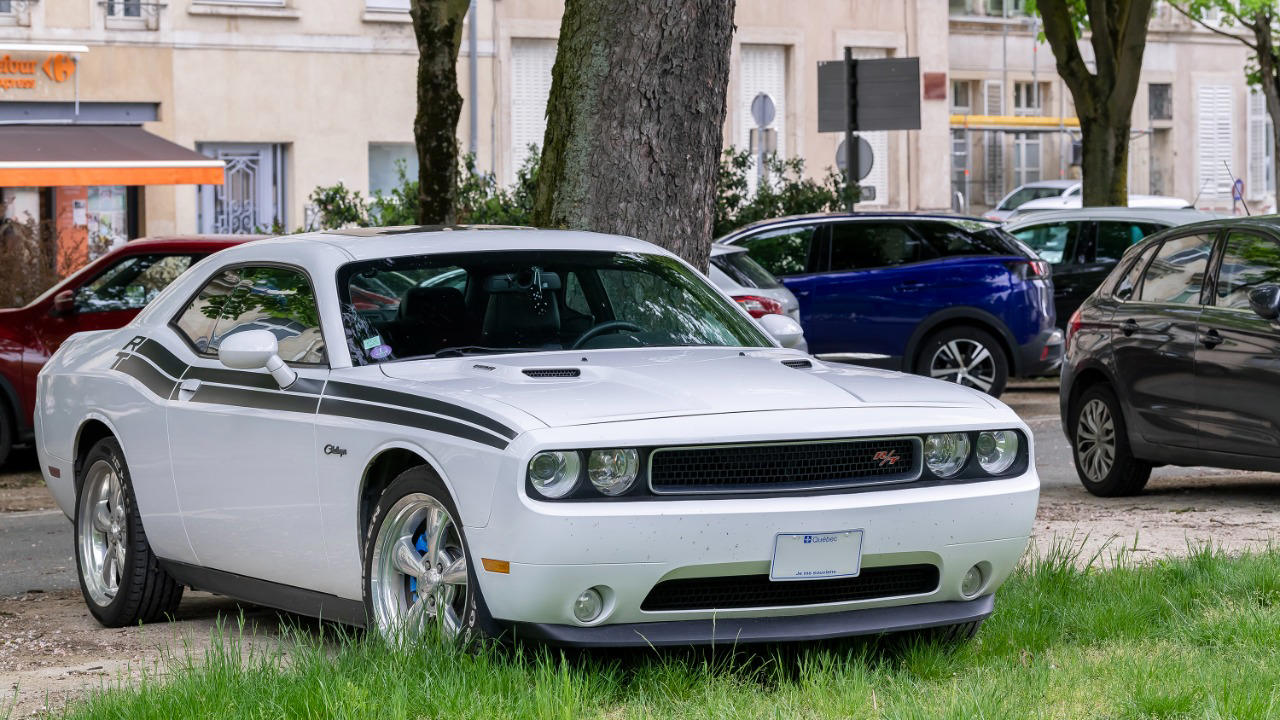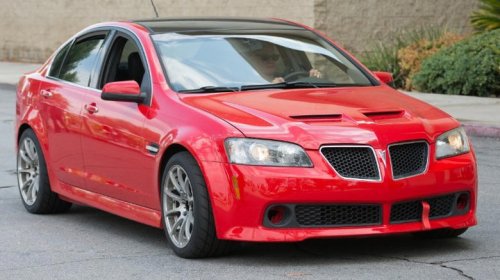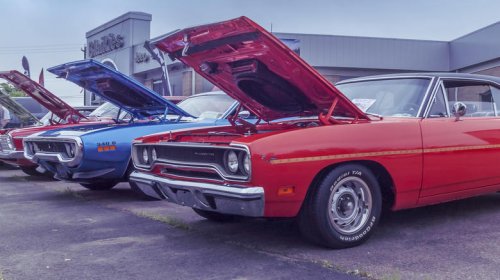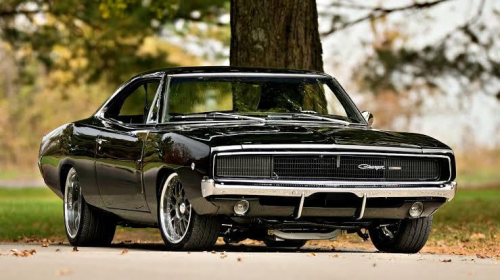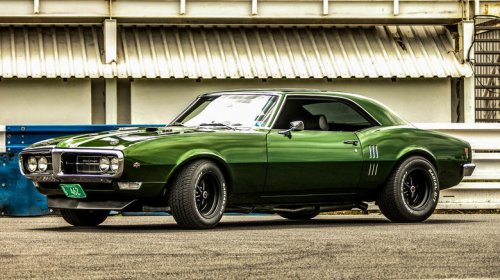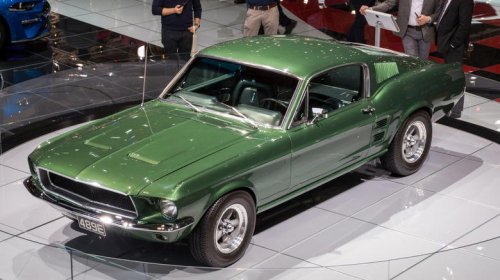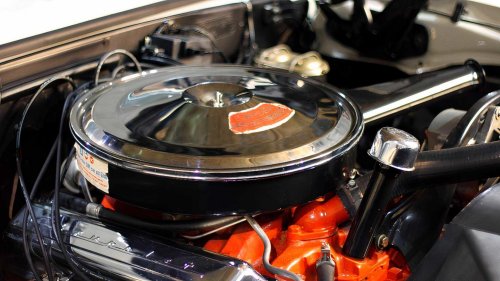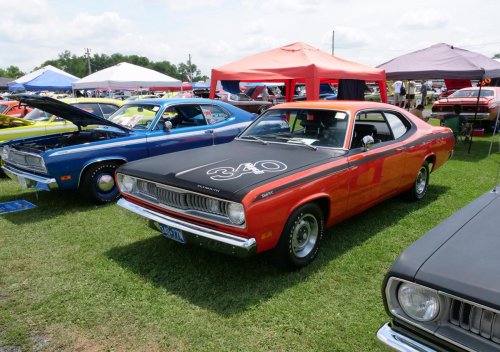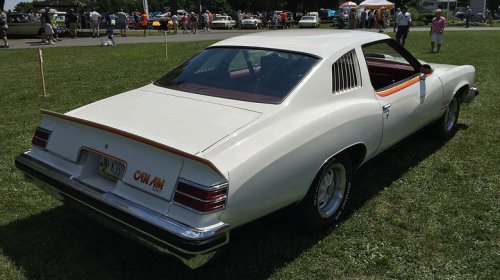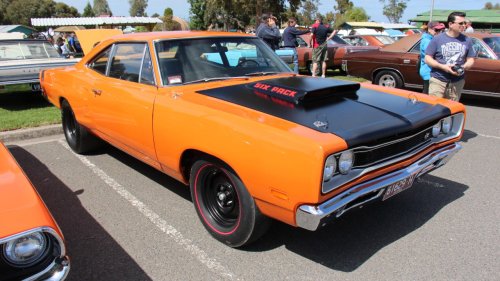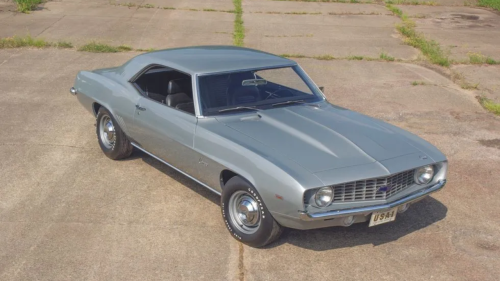
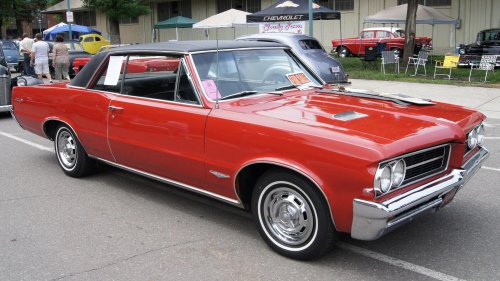
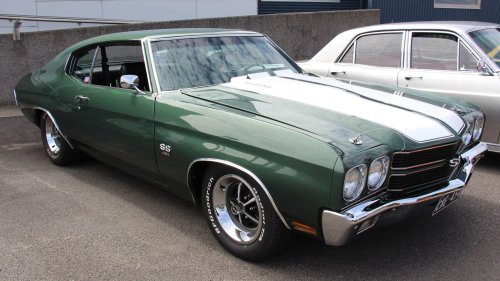
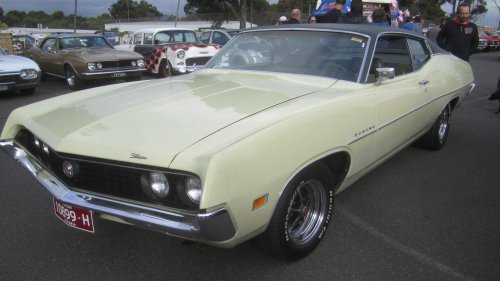
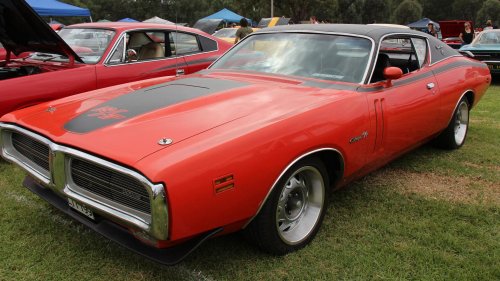
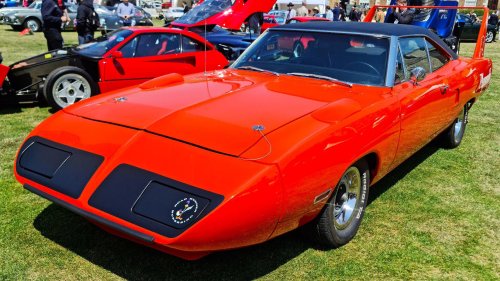
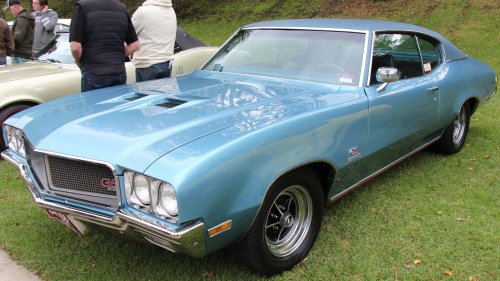
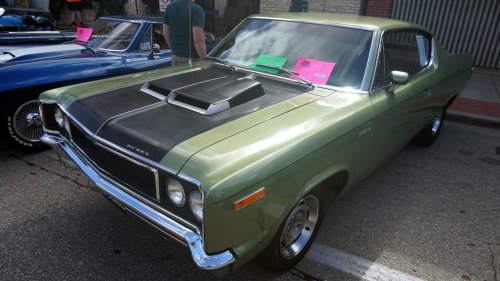
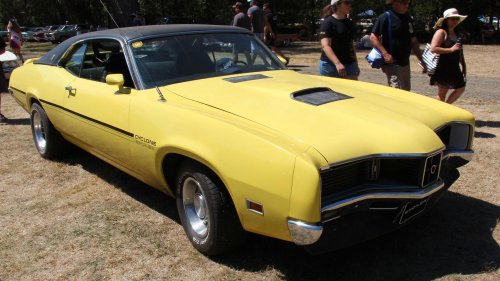
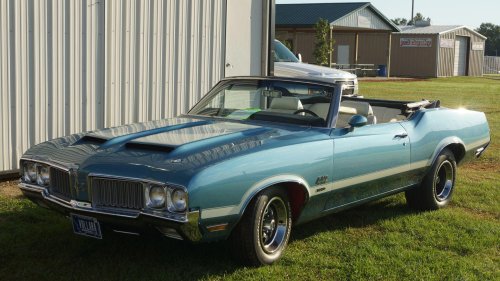
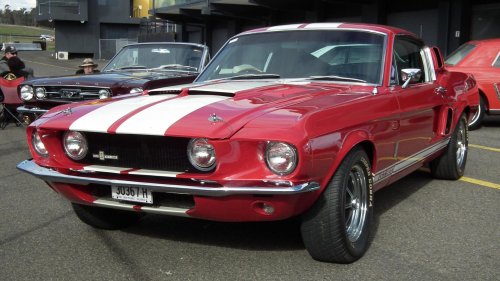
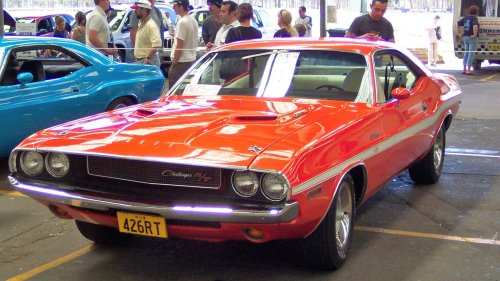
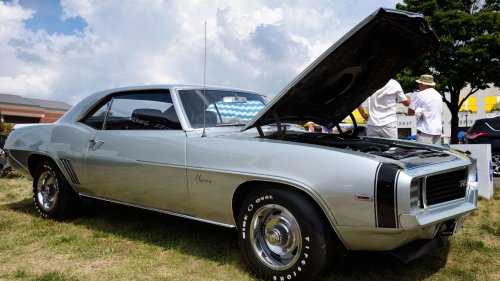
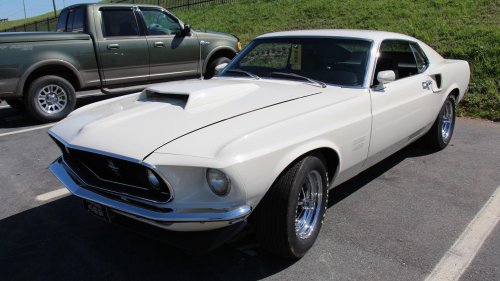
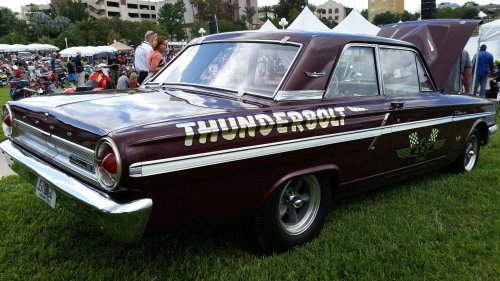
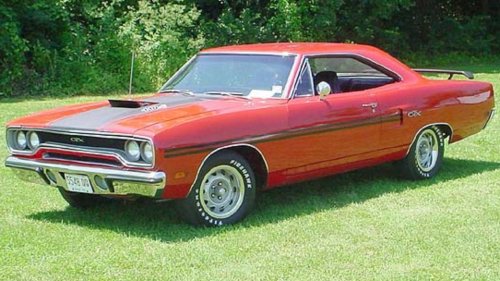
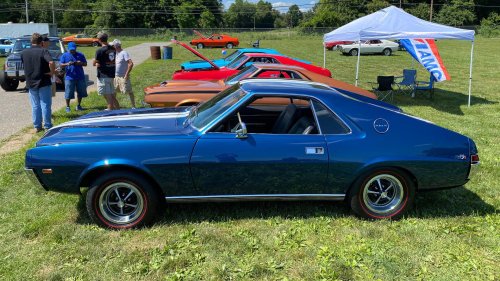
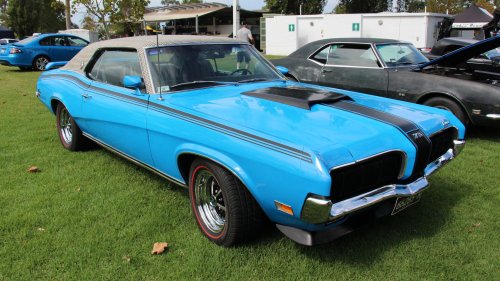
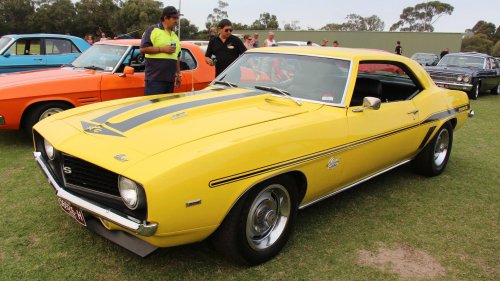
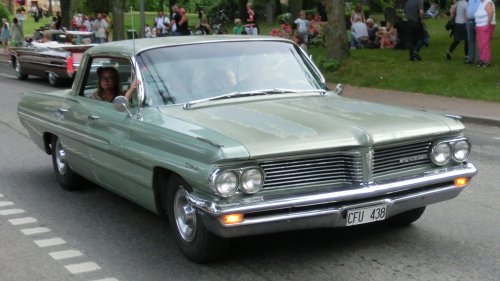
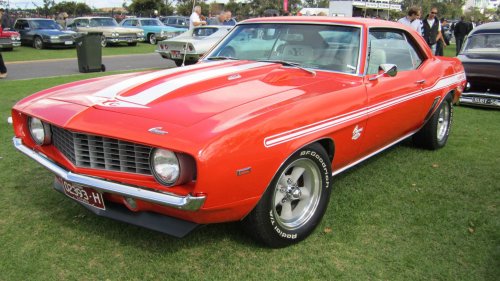
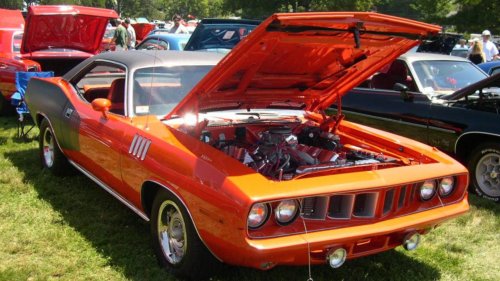



















Built Faster Than Their Time AllowedSome cars didn’t just push boundaries. They ignored them entirely. With a new definition of performance and speed, several automobiles arrived with engines far more advanced than the chassis, roads, or even drivers were prepared to handle them.1964 Pontiac GTOBy placing a large V8 into a midsize platform, the GTO broke from Detroit norms and reset expectations overnight. Pontiac marketed it as a performance-focused street car, effectively launching the muscle car era. The GTO name itself borrowed prestige from Ferrari’s famous racing designation.1970 Chevrolet Chevelle SS LS6Chevrolet factory-installed the LS6 as a high-capability big-block option, creating a Chevelle with startling straight-line ability. The car quickly earned a reputation for overwhelming acceleration that defined the limits of street usability at the time. Many enthusiasts still regard it as the ultimate Chevelle ever built.1970 Ford Torino Cobra 429 SCJDeveloped to satisfy NASCAR homologation rules, the 429 Super Cobra Jet relied on heavy-duty internal engine components borrowed from Ford’s track action efforts. The Torino Cobra prioritized drag-strip dominance and reflected an era when competition goals often eclipsed everyday drivability.1971 Dodge Charger R/T 426 HemiThe Charger R/T paired full-size proportions with Dodge’s most powerful factory engine, the 426 Hemi. Its hemispherical combustion chambers supported enormous output for the period. That combination of weight and horsepower cemented Hemi-powered Chargers as some of the most collectible Mopars ever produced.1970 Plymouth Road Runner SuperbirdSpecifically made for NASCAR competition, the Superbird stood apart with its dramatic nose cone and towering rear wing. Beneath the radical aerodynamics sat potent big-block engine options. Its uncompromising design made the car instantly recognizable and clearly shaped by high-speed competition demands.1970 Buick GSX Stage 1Buick’s Stage 1 package refined the 455 engine with an emphasis on massive torque rather than high-revving power. Wrapped in a GSX that blended comfort with muscle, the formula caught rivals off guard by outperforming many lighter competitors.1970 AMC Rebel “The Machine”Could a smaller automaker really challenge Detroit’s heavyweights? AMC answered with The Machine, its boldest sedan. A large-displacement V8 powered the car with unmistakable patriotic styling. More than flash, it served as AMC’s statement that it could compete head-to-head with bigger brands.1970 Mercury Cyclone Spoiler 429To satisfy track action requirements, the Cyclone Spoiler 429 focused on stability at high speeds rather than comfort. It shared engine technology with Ford’s top models, which reinforced its competition roots. Even the name reflected its aerodynamic mission by signaling a design shaped by motorsports priorities.1970 Oldsmobile 442 W-30Oldsmobile engineered the W-30 package with racing influences, as it focused on sharper engine tuning for aggressive street use. The result was a car that pushed beyond typical Oldsmobile restraint. Today, the W-30 stands as one of the brand’s most respected muscle-era achievements.1967 Shelby GT500Carroll Shelby’s involvement transformed ordinary Mustangs into something far more demanding. The GT500 featured a big-block V8 and extensive performance modifications that pushed the platform beyond factory limits. Shelby’s approach consistently blurred the line between street legality and racing intent.1970 Dodge Challenger R/T 426 HemiFew options carried more weight than the race-derived 426 Hemi offered in the Challenger R/T. Aggressive styling matched its top-tier capability credentials, producing a street car closely tied to competition hardware. Today, Hemi-equipped Challengers remain among the most prized muscle car collectibles.1969 Chevrolet Camaro ZL1Designed primarily with drag racing in mind, the Camaro ZL1 pushed boundaries with an all-aluminum big-block engine. Factory production numbers stayed extremely low, which added to its mystique. On paper, many examples appeared underrated, masking just how formidable the package truly was.1970 Plymouth Barracuda AAR ’CudaInspired directly by Trans-Am racing, the AAR ’Cuda carried a name meaning “All American Racers”. A special performance-tuned V8 defined its character, while a distinctive side-exit exhaust set it apart visually. The result felt far closer to a race car than a typical street Barracuda.1969 Ford Mustang Boss 429Why would Ford go to extremes just to fit one engine? NASCAR homologation drove the Boss 429’s creation, forcing major modifications to the Mustang’s structure. The result became one of the most powerful Mustangs of its era, complete with an engine bay unique to this model alone.1964 Ford Fairlane ThunderboltDrag racing, not daily driving, defined the Fairlane Thunderbolt from the start. Ford installed a large V8 and stripped weight wherever possible to maximize straight-line potency. It was never meant to be a conventional streetcar, operating instead as a purpose-built weapon for the strip.1970 Plymouth GTX 440 Six PackAt the top of Plymouth’s muscle lineup sat the GTX, and the 440 Six Pack pushed it further. Three two-barrel carburetors improved airflow and sharpened throttle response. That setup proved so memorable that the Six Pack name itself became a lasting Mopar legend.1969 AMC AMX 390Instead of following muscle car conventions, AMC took a sharper turn. The AMX arrived as a two-seat, powerful car powered by the high-performance 390 V8. Positioned directly against the Corvette, it’s one of the boldest and most unconventional designs AMC ever produced.1970 Mercury Cougar EliminatorMercury’s most aggressive statement came through the Eliminator package. As the brand’s top performance offering, it shared engines with Ford muscle cars while adopting styling meant to signal speed and attitude. Even the name reflected the era’s excess-driven approach.1969 Chevrolet Camaro COPO 427Hidden behind a fleet-order loophole, the COPO program allowed buyers to bypass standard ordering rules and request race-focused hardware. The 427 engine was intended strictly for competition use, which made these Camaros far from ordinary showroom cars. Many examples went straight from delivery to drag strips.1971 Pontiac Firebird Trans AmRather than chasing only straight-line numbers, Pontiac shaped the Trans Am around balanced road performance. Emphasis on handling, paired with real power and bold aerodynamic styling, highlighted its purpose. That formula later helped the model evolve into one of the defining icons of 1970s car culture.1962 Pontiac Catalina Super DutyLong before muscle cars became mainstream, Pontiac aimed squarely at racing with the Catalina Super Duty. Engineered for drag and stock car competition, the package relied on heavy-duty internal components. Its existence predated the muscle car boom and hinted at what Detroit's capability would soon become.1969 Yenko Camaro 427What happens when factory limits aren’t enough? Don Yenko transformed standard Camaros into dealer-modified power machines, as large-displacement engines replaced stock powerplants, and sales ran through select dealerships. These cars famously blurred the line between factory production and custom-built race-ready machines.1971 Plymouth Hemi ’CudaWhen maximum power met a compact body Plymouth gave us the Hemi ’Cuda, offering its top engine in a small, aggressive package. Built in limited numbers, the combination proved overwhelming for the era and has since made the car one of the most valuable muscle cars today.