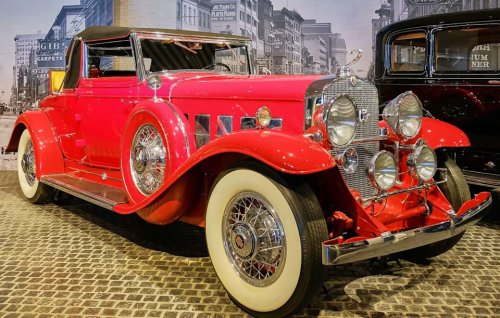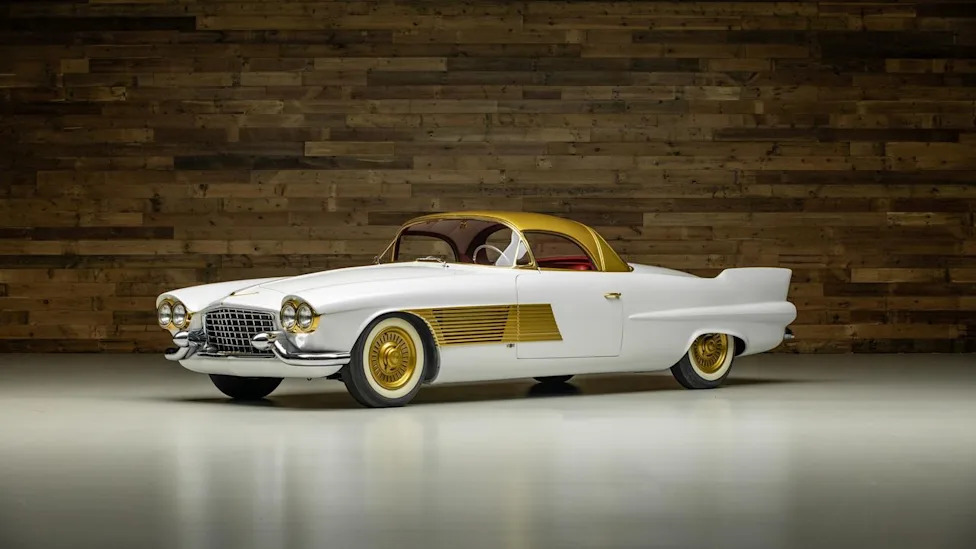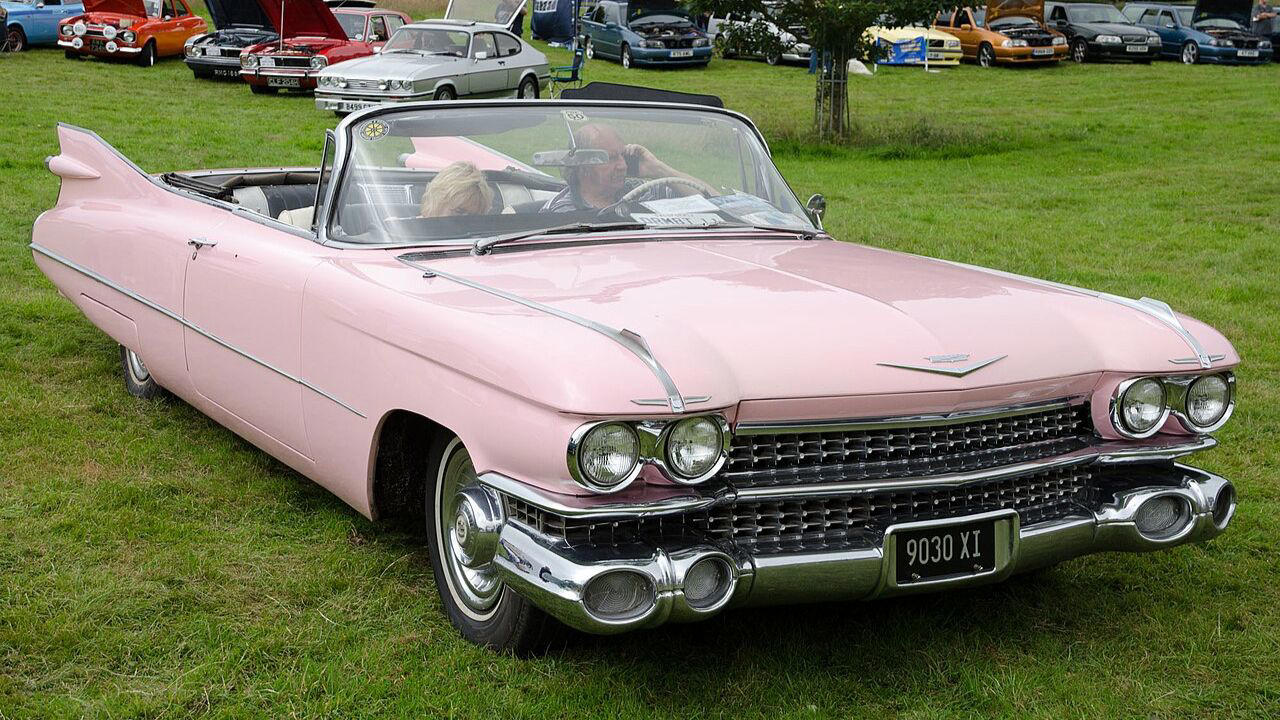



















That 1959 Cadillac Eldorado looks like a spaceship but repairs can feel like one tooThe 1959 Cadillac Eldorado does not just look like it could dock on a retro-futurist space station. With its towering tailfins, chrome rockets for taillights and 390 cubic inch V8, it embodies the wildest ambitions of American car design. Keeping one alive in the 2020s, however, can feel as complex and expensive as maintaining a small spacecraft, from sourcing rare trim to rebuilding intricate suspension and electrical systems. Owners who fall for the Eldorado’s spectacle soon discover a second reality: restoration and repair can stretch over months, consume five-figure budgets and demand specialists who know these cars inside out. The reward is a machine that turns every street into a parade route, but the path from barn find to boulevard cruiser is rarely simple. The spaceship on fins Among 1950s American cars, the 1959 Cadillac Eldorado sits at the extreme end of styling. The rear of the car is defined by enormous tailfins capped with bullet-shaped lenses that look more like rocket nozzles than taillights. Contemporary marketing leaned into that space age imagery, and modern enthusiasts still describe the Eldorado Brougham as a kind of Cadillac Eldorado Brougham spaceship concept, a luxury object that seems only loosely bound to practical concerns. The front end is no less dramatic, with a wide chrome grille and quad headlamps that stretch the car’s apparent width. At more than 18 feet long, the Eldorado Biarritz convertible and its hardtop siblings dominate any road or parking lot. That sheer size, celebrated in period advertising, now complicates storage, transport and even basic shop work, since not every lift or trailer is ready for a car this long and heavy. Under the hood, performance matched the flamboyant styling. Period descriptions of an Eldorado Biarritz tribute car linked to Elvis Presley highlight a 390 cubic inch overhead valve V8 that used three two-barrel Rochester carburetors. That triple-carburetor setup pushed output well beyond standard Cadillacs of the time, which were quoted at 325 horsepower, and it added another layer of tuning complexity for restorers who want the engine to run as strongly as it looks. Why restoring one costs so much Anyone drawn in by the fins and chrome quickly runs into the economics of restoration. A detailed breakdown of 1959 Cadillac work explains that, due to the rarity of parts and the sheer size of these vehicles, restoration costs are high. One estimate notes that just restoring and re-plating the chrome alone can consume a large share of the budget, since the car carries chrome from bumper to bumper and much of it is unique to that model year. A longform account of a 1959 project on 1959 Cadillac restoration emphasizes that point, describing how even small trim pieces become expensive once labor and plating are included. Bodywork is another cost driver. The Eldorado’s complex rear quarters, with their sculpted fins and integrated taillight pods, demand experienced metalworkers if rust or collision damage has set in. Large panels often require fabrication rather than simple patching, and aligning those fins so they match side to side is a specialist task. Paint jobs also trend expensive because of the surface area involved and the expectation that a show-ready Eldorado will wear deep, flawless finishes that highlight every curve. Specialist shops that focus on Cadillacs have built entire businesses around these challenges. One such operation, Cadillac Parts & Restoration, explains that its team has concentrated almost exclusively on Cadillac projects since 1984, when it began as FEN Enterprises. Over time, the group that now trades as Since FEN Enterprises has become a go-to for difficult Cadillac projects, precisely because few general shops want to take on cars with this level of complexity and parts scarcity. Time, patience and the yearlong rebuild Enthusiasts often underestimate how long it takes to bring a 1959 Eldorado back from neglect. A guide to planning Cadillac projects stresses that extensive restoration, particularly for a show car, is a lengthy process that can take a year or longer, depending on the condition of the vehicle and the scope of work. That overview on Cadillac restoration things points out that each subsystem, from drivetrain to interior, tends to reveal new issues once disassembled. Even seemingly minor jobs can expand. A cracked dashboard pad might lead to a full interior refresh once the owner sees how faded the original materials look next to new vinyl. A plan to reseal the engine can become a full rebuild once compression tests and bearing inspections expose decades of wear. For shops that book months in advance, these changes stretch timelines further, and owners need to plan for a car that may be off the road through multiple driving seasons. Storage during that period is not trivial. The Eldorado’s footprint means it occupies significant shop space, and some restoration businesses charge storage fees if a project stalls while the owner sources funds or rare parts. That economic pressure often pushes owners to either commit fully to a comprehensive restoration or scale back expectations to a more modest mechanical refresh. Parts hunting in a shrinking universe The 1959 Eldorado is not just old, it is rare, and many of its parts were specific to that model year or even to the Eldorado trim. As a result, the search for correct components can feel like a scavenger hunt across the internet, swap meets and specialist warehouses. Companies that stockpile Cadillac pieces have become essential allies for owners who want authenticity. One major vendor describes how it has spent more than 38 years amassing a world of hubcaps and wheel covers from 1939 to 1972. A video tour of its aisles shows shelves of labeled parts, with a narrator explaining that down one aisle, he has actually started to sort some of them and is putting tags on them. That same business, Caddy Daddy, sells reproduction and used parts for classic Cadillacs, including 1959 specific items. The catalog for these cars runs from large body panels to tiny trim clips. A listing for a 1959 Cadillac fin tail light lens set, for example, describes a four piece reproduction kit and notes that a 1959 1960 Cadillac Glove Box Liner REPRODUCTION Free Shipping In The USA is available under SKU 5960RCAD GBX 105 for $89.00. That single entry on Cadillac Glove Box captures both the specificity and the cost of seemingly minor components. Dedicated restoration shops also stock parts in house. Cadillac Parts & Restoration, which documents its work on a 1959 Eldorado Biarritz, shows how valuable an internal inventory can be when factory original pieces are no longer available. Its project gallery on 1959 Cadillac Eldorado highlights the mix of original, refurbished and reproduction parts that go into a single car. Mechanical quirks and maintenance surprises Beyond body and trim, the Eldorado’s mechanical systems present their own challenges. Owners of older Cadillacs are frequently warned that these cars use an automatic leveling air suspension and that, over time, the air bladder in the rear leaks. A widely shared explanation on a Cadillac forum notes that this failure can lead to sagging rear ride height and that repairs are pricier for older models because replacement components are less common. The warning begins bluntly with the word Please and goes on to describe how Cadillac engineers designed the system for comfort rather than simplicity, which complicates modern repairs. Electrical systems also demand attention. A technician responding to a question about Eldorado upkeep explains that maintaining a Cadillac Eldorado involves regular checks of the electrical wiring harness and connectors, as older models may develop corrosion or brittle insulation. That advice on Maintaining a Cadillac underscores how age alone, even without abuse, can turn once reliable circuits into intermittent problems. Later Eldorados introduced their own headaches. A database of Top Cadillac Eldorado Problems lists an issue described as Car Won’t Start Because of Anti Theft System That Uses Raised Chip Key, and notes that 176 people have reported that specific failure. While that problem applies to more modern cars than the 1959 model, it illustrates how the Eldorado nameplate has long been associated with complex technology that can become a liability decades later. The entry on Top Cadillac Eldorado shows how many of those complaints cluster around security and electronics rather than basic engines or transmissions. When a car sits, problems multiply Many 1959 Eldorados spend long stretches parked in garages or storage units, emerging only for occasional shows or moves between shops. That inactivity can create its own repair cycle. In a video of a shop starting a 1959 Eldorado after a year of sitting, the narrator explains that they need to get this 59 moved around because they have something else coming into the shop to play with, and that it has been sitting for a year without running. The clip, labeled with 59 m in the description, shows how stale fuel, weak batteries and dried seals can turn a simple startup into an extended exercise. Even when the car runs, old fluids and neglected maintenance can cause cascading issues. Brake systems that have sat can develop internal corrosion, fuel tanks can accumulate varnish and debris, and cooling systems may clog or leak once pressurized again. Shops that document their work on cars like this often stress the importance of gradually waking a vehicle, with careful inspections and staged tests, rather than simply cranking the engine and heading for the highway. The video of Starting up the illustrates how even a basic move around the shop can involve troubleshooting. Expert shops and the business of nostalgia Because of these complexities, a small ecosystem of specialists has emerged around cars like the 1959 Eldorado. Cadillac Parts & Restoration markets itself as a team that has focused almost exclusively on Cadillac projects for decades, and its social media presence reinforces that identity. A page dedicated to the company describes how it evolved from earlier operations into a business that handles the difficult to restore luxury brand, a niche that few generalist shops are willing to occupy. The listing on Cadillac Parts and underscores that specialization. Parts vendors have built similar brands around Cadillac nostalgia. Caddy Daddy not only runs an online store but also promotes its inventory through video tours and a dedicated vintage Cadillac page. One social profile for caddydaddyvintagecadillac highlights classic models and the parts that keep them alive, while another video walks viewers through aisles of hubcaps and wheel covers that have been stored inside for decades. Other suppliers, such as Bopparts and CPR Restoration Parts, appear in citation trails as additional sources for hard to find components. Their sites, accessible through links like bopparts.com and cprrestorationparts.com, round out a network that allows owners to piece together complete cars from scattered inventories. More from Fast Lane Only Unboxing the WWII Jeep in a Crate 15 rare Chevys collectors are quietly buying 10 underrated V8s still worth hunting down Police notice this before you even roll window down The post That 1959 Cadillac Eldorado looks like a spaceship but repairs can feel like one too appeared first on FAST LANE ONLY.