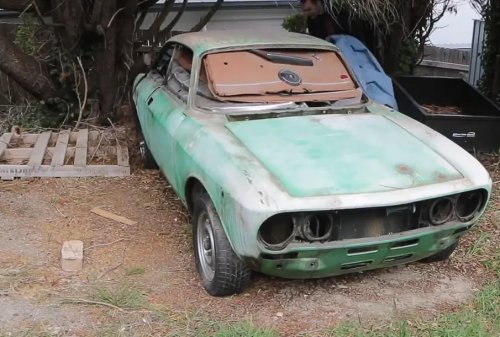
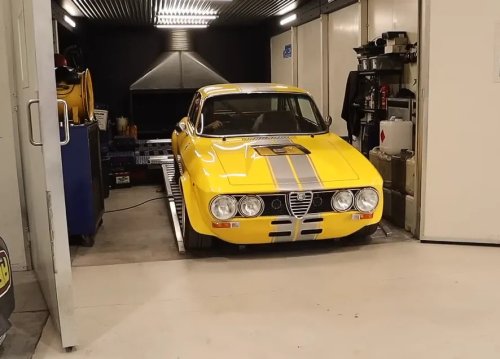
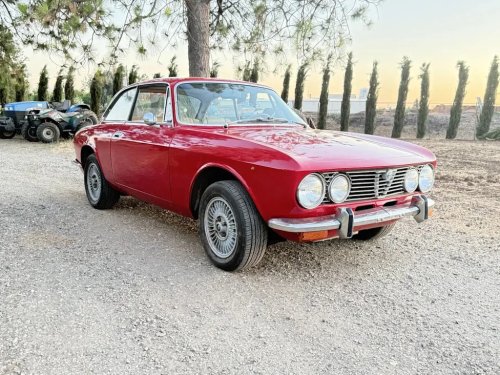
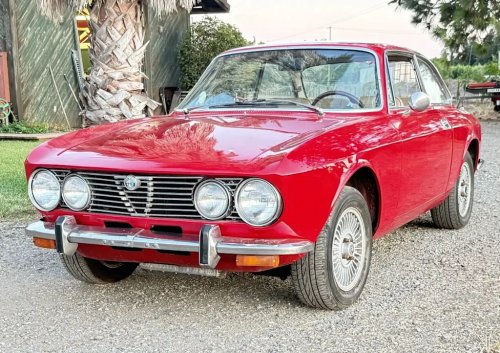
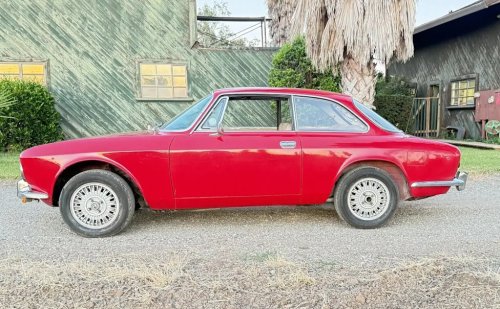
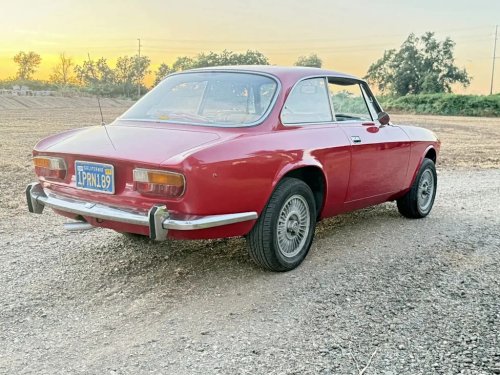
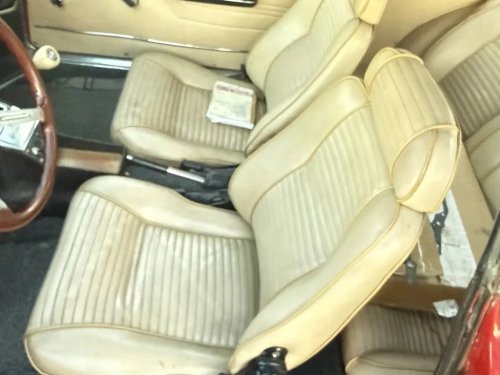
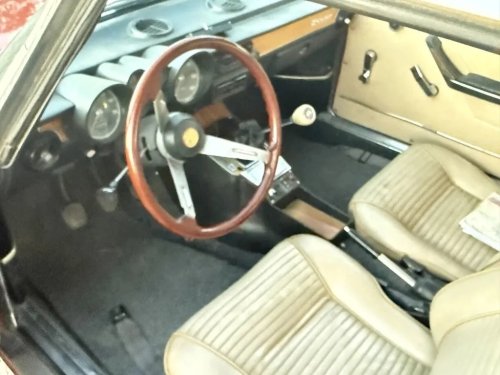
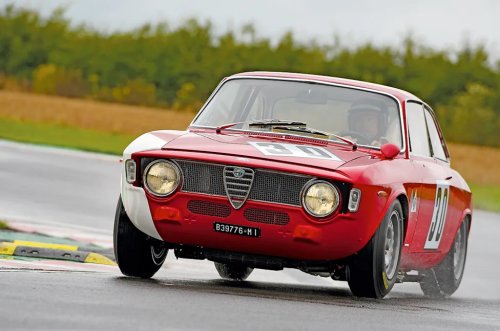
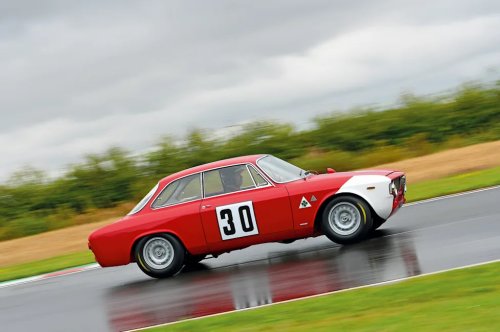
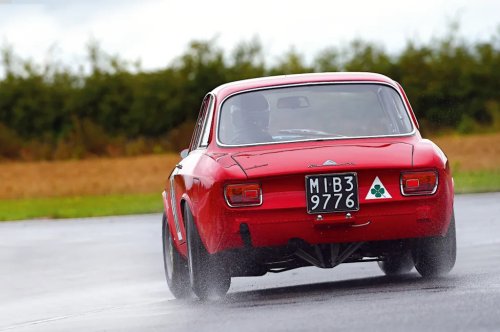
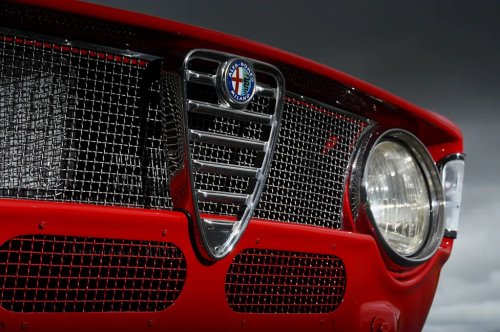
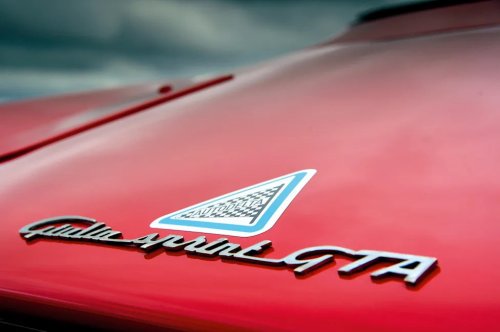
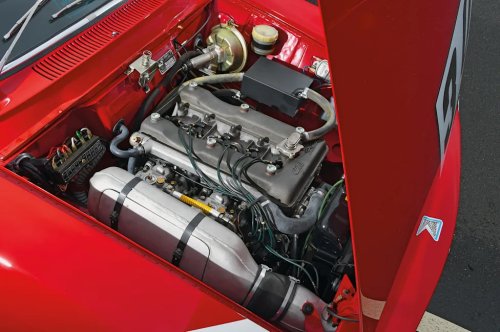
Precision and balance defined the 1965 Alfa Romeo Giulia Sprint GTFew 1960s coupes combine delicacy and intent as convincingly as the 1965 Alfa Romeo Giulia Sprint GT. Its reputation rests on a very specific mix of precision in its engineering and balance in its proportions, a combination that still defines how enthusiasts talk about the car more than half a century later. Conceived as a compact unibody sports car with genuine everyday usability and later developed into a platform for some of Alfa Romeo’s most successful racing derivatives, the Giulia Sprint GT shows how carefully judged design choices can echo from the road to the racetrack and back again. The birth of The Giulia Sprint GT Alfa Romeo created The Giulia Sprint GT as a compact unibody sporting car that balanced daily practicality with serious performance potential. Period descriptions of Giulia Sprint GT highlight how the structure was engineered to be stiff enough for competition yet civilized enough for commuting, a dual role that would define the model line for years. The car arrived as part of the broader Alfa Romeo Giulia family, but the Sprint GT coupe stood apart through its low roofline and taut two-door body. Its layout was conventional on paper, with a front-mounted four-cylinder and rear-wheel drive, yet the execution was anything but ordinary. Chassis geometry, weight distribution, and suspension tuning were all chosen to give the driver clear feedback and predictable responses at the limit. That blend of usability and sharpness explains why the Sprint GT quickly became a favorite among drivers who wanted a car that could handle a weekday commute and a weekend hillclimb. It was not the most powerful coupe of its era, but it offered a level of precision that invited the driver to use every bit of performance that was available. Design and the “Scalino” identity Early Giulia Sprint GT examples are often referred to as “Scalino” cars, a nickname that comes from the distinctive step in the nose where the hood meets the front panel. Enthusiasts prize this step nose for the way it accentuates the car’s delicate lines, giving the front end a crisp edge that visually lightens the body. The “Scalino” shape also became an instant identifier for early Sprint GTs and remains a key part of their appeal among collectors. The overall body was styled by Bertone and is still regarded as one of the cleanest coupe designs of the 1960s. Proportions are compact but not cramped, with a long hood, short rear deck, and thin pillars that provide excellent visibility. Subtle creases along the flanks and a low beltline give the car a sense of motion even at rest, while the simple grille and round headlights keep the front view uncluttered. Inside, the dashboard and seating position reflect the same focus on balance. The driver sits low, close to the car’s centerline, with clear instruments and a thin-rimmed steering wheel that communicates small changes in grip. Nothing feels excessive or ornamental. The design serves the experience of driving rather than overwhelming it with decoration. Engineering for agility Beneath the elegant sheet metal, the Giulia Sprint GT’s structure was designed for agility. The unibody construction kept weight under control while allowing engineers to place strength where it mattered most, around suspension mounting points and the central passenger cell. This approach gave the car a solid feel without the mass penalty of a traditional body-on-frame layout. The suspension layout favored predictable handling. A double wishbone front end and a well-located live rear axle worked with carefully chosen spring and damper rates to deliver both compliance and control. The result was a car that could absorb rough surfaces yet still respond quickly to steering inputs, a quality that drivers noticed immediately. Power came from Alfa Romeo’s familiar twin-cam four-cylinder, an engine known for its willingness to rev and its smooth power delivery. Although exact figures vary by specification, the focus was not on raw output but on responsiveness. In a relatively light body, even modest power provided brisk acceleration, and the engine’s character encouraged drivers to explore the upper half of the rev range. From road car to Giulia Sprint GTA The Giulia Sprint GT’s balanced structure made it a natural foundation for competition. Alfa Romeo’s engineers and its racing arm saw an opportunity to create a lighter, sharper version of the car that could compete in touring car championships. That project resulted in the Alfa Romeo Giulia Sprint GTA, a model that would transform the Sprint GT from a capable road car into a racing legend. According to period accounts, the Alfa Romeo Giulia was first presented at the new factory in Arese and then at the Frankfurt Motor Show, setting the stage for the competition-focused GTA that followed. The GTA kept the basic proportions and styling of the Sprint GT but replaced many steel body panels with aluminum to reduce mass, and it introduced a series of mechanical upgrades aimed squarely at racing. “GTA” itself became an important designation. Contemporary explanations of the badge emphasize that GTA stands for Gran Turismo Alleggerita, with “Alleggerita” meaning “lightened.” Alfa Romeo used that term deliberately, since the GTA was engineered to shed weight wherever possible. Thin-gauge panels, lighter windows, and revised interior fittings helped create a car that felt noticeably more urgent than the standard Sprint GT. Gran Turismo Alleggerita and racing success The concept of Gran Turismo Alleggerita was more than a marketing phrase. It defined a philosophy that guided Alfa Romeo’s competition program. By starting with a well-balanced road car and then systematically removing mass, the engineers created a machine that could take full advantage of its chassis and engine. Historical summaries of the model note that the GTA was introduced as the official competition version of the Giulia Sprint, with the A explicitly standing for Alleggerita. The car’s lightweight construction and tuned twin-cam engine allowed it to dominate touring car racing, and its success helped cement the reputation of the underlying Sprint GT platform. One particularly evocative description of the racing derivative describes a 1965 Alfa Romeo Giulia Sprint GTA Stradale by Bertone with an estimated 170 bhp from a 1,570 cc DOHC twin-plug inline four-cylinder engine. Those figures, 170 and 1,570, underline how far the competition versions pushed the basic architecture of the road car while still retaining the essential character of the original design. Driving character in period and today Modern video reviews help illustrate how the Giulia Sprint GT and its close relatives feel on the road. In one widely viewed clip, Harry from a popular enthusiast channel introduces an Alfa Romeo Julia Sprint GT Veloce inside his Garage and talks through the car’s responses on British roads. His comments focus on the steering feel, the way the chassis settles into a corner, and the surprisingly usable ride quality for a mid-1960s sports coupe. The Alfa Romeo Julia he drives is a later development of the same basic platform, yet his impressions match long-standing praise for the 1965 car’s balance. A different angle comes from a separate video featuring a 1965 Alfa Romeo Giulia Sprint Speciale in Jay Leno’s Garage. At one point, the host and his guest recall looking at price tags years ago and reacting with a simple “Well that’s crazy I’m not paying that.” They then describe how values have since become “Unbelievable,” reflecting how appreciation for Alfa’s 1960s engineering has accelerated. The Well and Unbelievable exchange captures how the market now views these cars as significant pieces of sporting history rather than just old coupes. These modern impressions reinforce what period testers already recognized. The Giulia Sprint GT is not about straight-line numbers alone. Its appeal lies in how each control feels weighted and how the car communicates grip levels through the steering wheel and seat. Drivers often describe the experience as intuitive, with the car seeming to shrink around them and making precise placement on the road easy even at modest speeds. The GTA connection and the Alfa Romeo Giulia legend Contemporary coverage of the Alfa Romeo Giulia Sprint GTA often reminds readers that the car was developed directly from the Giulia Sprint GT. The competition model retained the gorgeous Bertone coupe body and then substituted aluminum alloy for many steel panels to reduce weight. One detailed summary explains that the GTA was developed from the Giulia Sprint GT and that Bertone played a key role in shaping the body that both cars shared. Another overview of the Alfa Romeo Giulia Sprint GTA emphasizes that it was built specifically for racing and based on the road-going Giulia Sprint GT. That connection is essential to understanding why the 1965 Sprint GT matters. The road car provided the structural and dynamic foundation for a machine that would go on to dominate touring car championships and secure Alfa Romeo’s reputation in international motorsport. Further commentary on the Alfa Romeo Giulia Sprint GTA highlights how the model became a legendary sports coupe from its debut in 1965, with the Alleggerita philosophy guiding weight reduction and performance upgrades. That legend now reflects back on the standard Sprint GT, which is increasingly viewed not just as a pretty coupe but as the starting point for Alfa Romeo’s most successful competition car of the era. Forgotten Rides and renewed attention Modern retrospectives on the Alfa Romeo Giulia often begin by reminding readers that the name now also belongs to a much newer sedan, which can obscure the significance of the 1960s coupes. One such feature on the 1965 Alfa Romeo Giulia GTA points out that many people think first of the 2016 sedan when they hear the name Alfa Romeo Giulia. The piece then redirects attention to the original Giulia Sprint GT and its racing derivative, describing how the GTA turned the tidy coupe into a formidable track weapon. That same feature, which focuses on the Alfa Romeo Giulia, serves as a reminder that the earlier cars still have stories to tell. Social media posts and anniversary messages add to this renewed interest. A detailed celebration of the Alfa Romeo Giulia Sprint GTA’s 60th anniversary recalls how Alfa Romeo unveiled the 1600 GTA at the Autosalon Amsterdam and how Autodelta SpA, under Carlo Chiti, turned it into Alfa Romeo’s most successful competition car of all time. Those accounts consistently highlight that the GTA was based on the road-going Giulia Sprint GT, reinforcing the central role of the 1965 coupe. Other enthusiast pages focus on individual cars, describing the 1965 Alfa Romeo Giulia Sprint GTA as a lightweight, race-focused version of the Giulia Sprint GT developed by Alfa Romeo. These descriptions emphasize the same core themes: weight reduction, race tuning, and the transformation of a balanced road car into a dominant track machine. More from Fast Lane Only Unboxing the WWII Jeep in a Crate 15 rare Chevys collectors are quietly buying 10 underrated V8s still worth hunting down Police notice this before you even roll window down