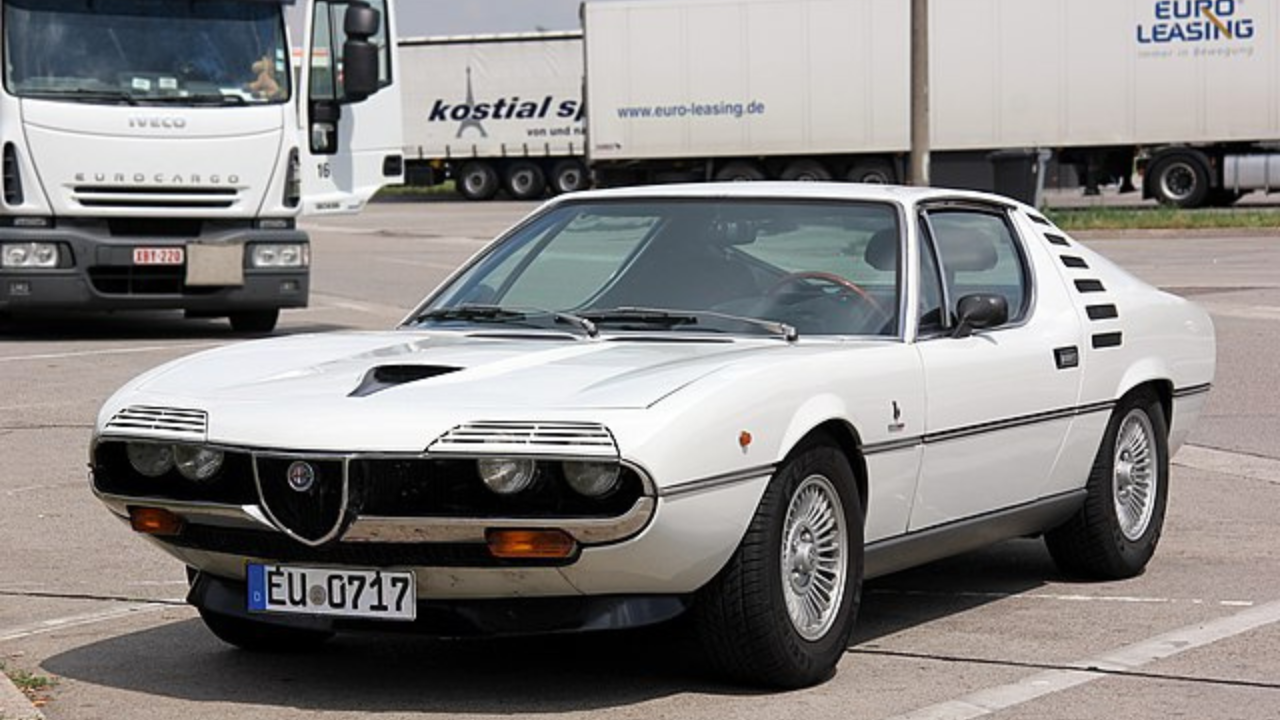
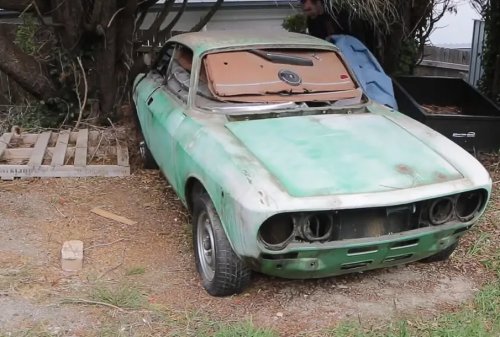
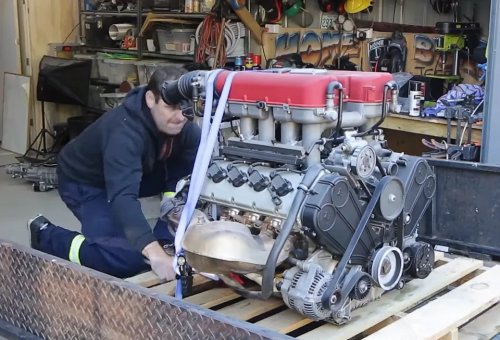
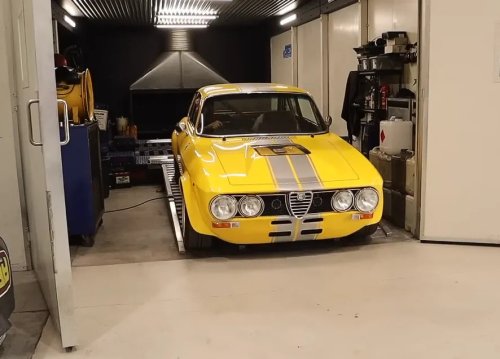
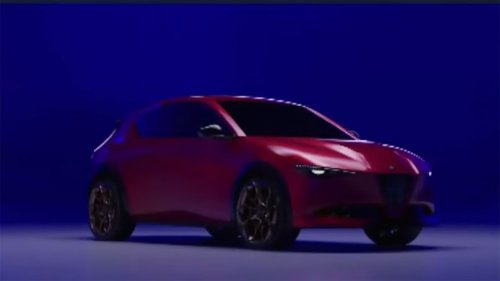
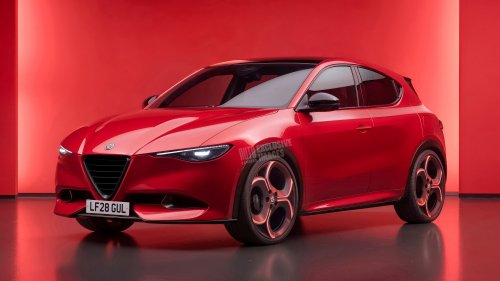
Why the 1969 Alfa Romeo Montreal teased the futureThe 1969 Alfa Romeo Montreal arrived as a concept car that looked like it had slipped through a crack in time. Its proportions, details and even its name hinted at a global, high tech future that carmakers were only beginning to imagine. More than half a century later, I see that prototype as a quiet turning point, a car that previewed how performance, design and brand mythology would evolve long after its own production run ended. To understand why that early Montreal felt so forward looking, it helps to see it not as an isolated showpiece but as part of a broader shift in Italian design and Alfa Romeo’s own ambitions. From its Expo roots to its V8 heart and its enduring pull on modern stylists, the Montreal keeps resurfacing whenever the industry tries to reconcile emotion with progress. From Expo showcase to global calling card Alfa Romeo did not stumble into the Montreal by accident, it seized a world stage that was already primed for optimism. When Montreal, Canada prepared to host the 1967 World Fair, officially branded Expo 67, the event was framed as a celebration of technology and culture from every corner of the globe. Alfa Romeo was invited to contribute a vision of the future of motoring, and the company responded with a sleek coupé that would take its name from the host city, a gesture that signaled how far beyond Italy the brand wanted its influence to reach. The car that appeared there, later remembered simply as The Montreal In official histories, was presented as a showcase of advanced shapes and engineering rather than a thinly veiled production teaser. Nations from around the world brought their best technical and scientific achievements to the International and universal exposition, and Alfa Romeo used that context to align itself with aerospace and architecture rather than just other automakers. In the company’s own storytelling, The Montreal In 1967 sat alongside other experimental projects as one of its most glorious models, a concept that made the case that Italian passion could sit comfortably in a global, forward looking conversation about design and innovation, rather than being confined to local tradition. Gandini’s shape and the wedge era What made the Montreal feel futuristic even parked was the way Marcello Gandini bent familiar proportions into something sharper and more architectural. Retaining the donor car’s 2.35 m wheelbase, Retaining the design brief, Gandini stretched the profile into a low nose, a fast roofline and a truncated Kamm tail that gave the rear an abrupt, almost cut off look, a trick that made the car appear more compact and purposeful than its footprint suggested. The Montreal was designed by Marcello Gandini at Bertone and debuted at Expo 67 in Montreal, Canada, and that origin story matters because it ties the car directly to the same creative mind that was redefining supercar proportions elsewhere. In a nation famed for its celebration of the aesthetic, Gandini and his peers at the carrozzeria were pushing toward the so called wedge era, when sharp noses, dramatic beltlines and almost spaceship like silhouettes became the new language of speed. Contemporary observers noted how outlandish designs from the end of the 1960s made it feel as if aerodynamics had become king and cars would look like spaceships, and the Montreal fit neatly into that current while still carrying Alfa Romeo cues like the shield grille and side vents. When I look at period images, I see a car that bridges the voluptuous curves of the 1960s and the angular aggression that would define the 1970s, and that is exactly why its shape still inspires modern reinterpretations and digital tributes that treat it as a template for future sports cars. A road going supercar with racing DNA Under the skin, the Montreal previewed another trend that would dominate performance cars in the decades that followed, the idea that racing technology should filter directly into road going machines. Alfa Romeo had given up racing in 1951, but the company remained true to the sports car concept and gradually began to build the kind of engines and chassis that could carry competition hardware into series production. By the time the Montreal reached showrooms, it was using a detuned version of a racing V8 that produced around 200 horsepower at 6,500 rpm, figures that made the Montreal both exotic and usable in everyday traffic, and that balance between drama and practicality is exactly what later supercars would chase. In production form, this detuned version of the racing motor did not just deliver numbers, it delivered character. The Montreal’s engine was also equipped with Alfa Romeo proprietary Spica mechanical fuel injection, a system that helped create a flexible engine capable of producing 200 horsepower while still behaving cleanly at lower revs. Contemporary accounts describe how one of the engine’s most distinctive traits was its character, a reminder that performance was not just about acceleration but about the way a car responded to the driver’s inputs. When I read modern driving impressions that note how the Montreal is faithful enough if you do not try too hard, but can feel less composed when hustled, I hear the growing pains of a first postwar supercar that was trying to bring race bred excitement to public roads before chassis tuning and tire technology fully caught up. Beauty, compromise and the long shadow of its design Even its critics tend to concede that the Montreal looked sensational, and that tension between aesthetics and dynamics is part of why it feels so modern. One detailed retrospective flatly states that The Alfa Romeo Montreal Was Pure Beauty Over Substance, arguing that Alfa Romeo prioritized visual drama and emotional appeal over ultimate handling precision. I find that honesty refreshing, because it acknowledges that the car was not perfect while still recognizing that its silhouette, its NACA hood scoop and its slats stacked vertically behind each side window created an identity strong enough to carry the car into icon status regardless. Owners and enthusiasts have kept that identity alive in ways that go beyond concours lawns. One story traces how a Montreal was sold to Claudio’s father by a dealer and notes that there is another name of an Italian city inscribed on the vehicle, a small detail that hints at how these cars accumulate personal histories layered on top of their factory origins. Elsewhere, a video of Chris finally getting up close and personal with his dream Montreal after 40 years captures the kind of long term obsession that only truly distinctive designs inspire. When I see a Montreal prepared as a race car, with Collector appeal rated as high, especially for well preserved, original examples that can run in the GT league without losing their racing soul, it reinforces the idea that the car’s compromises did not diminish its aura. Instead, they made it human, and therefore easier for generations of enthusiasts to project their own fantasies onto it. The Montreal’s fingerprints on today’s concepts The clearest sign that the Montreal teased the future is how often its cues resurface whenever designers are asked to imagine the next Alfa Romeo. In one official design challenge, Busse admires the Montreal for its singular features and unique representation of the era, explaining that to get a slim, supercar worthy look of the front, yet full of character, you almost have to revisit those proportions and graphic elements. Another project, the Freccia Concept, explicitly channels the classic Montreal, using a triangular grille like any proper Alfa Romeo and a clean front fascia that does without additional openings, a move that echoes the original’s confidence in its own face. When I scroll through fan renderings that suggest The Alfa Romeo Montreal could be reborn as a new supercar, complete with modern lighting and a reinterpreted C pillar, I see a community that treats the 1969 car as a living design toolkit rather than a museum piece. More from Fast Lane Only: 10 underrated V8s still worth hunting down Police notice this before you even roll window down