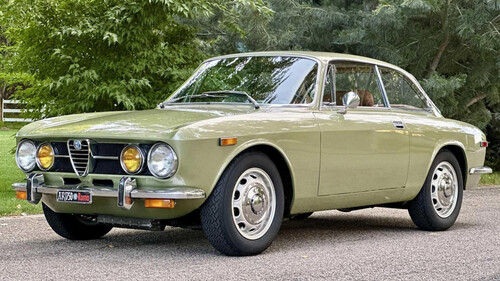
The 1986 Alfa Romeo GTV6 arrived with the ingredients of a cult icon, yet it never quite broke into the mainstream pantheon of classic performance cars. It combined a charismatic V6, rear transaxle balance, and sharp Italian styling, but values and recognition have long lagged behind contemporary rivals. I want to unpack why such a technically intriguing and emotionally rich coupé stayed underrated, even as enthusiasts quietly kept its reputation alive. Built on brilliant but quirky engineering The GTV6 was engineered around a layout that prioritized balance and feel over simplicity, which already put it at odds with more conventional rivals. Alfa Romeo took the existing Alfetta platform and created the Alfa Romeo Alfetta GTV6 by pairing a 60 degree V6 from the Alfa 6 with a shortened Alfetta chassis and a rear transaxle, a configuration that spread weight almost evenly between the axles and gave the steering a light, communicative character. That same transaxle layout, with the gearbox at the rear and inboard rear brakes, demanded more complex servicing and made the car harder to understand for mechanics used to front engine, front gearbox setups, a trade off that rewarded keen drivers but intimidated casual buyers, as detailed in technical overviews of the Alfa Romeo Alfetta. Even within the 116 G family, the GTV6 sat apart from the more modest four cylinder versions that began with a 1.8 liter engine, which were simpler and cheaper to run. The V6 car’s extra power and soundtrack made it special, but the same complexity that thrilled engineers and enthusiasts made it feel like a specialist choice rather than a default pick for someone cross shopping a BMW or a Japanese coupé. Period reflections on the 116 G lineage underline how the GTV6’s mechanical sophistication was subtle to the casual observer, which meant its engineering advantages did not automatically translate into broader market appeal. Outshone by German rivals and its own brand baggage By the mid 1980s, the compact performance coupé benchmark had shifted decisively toward Germany, and that context shaped how the GTV6 was perceived. Commentators have pointed out that, Way before the 3 series BMW was known as the Ultimate Driving Machine, the Alfa GTV range had already staked a claim to that blend of everyday usability and sporting intent, yet by 1986 the narrative had flipped and the BMW badge carried far more weight with buyers. Analyses of the Alfa GTV era stress that while the Alfa delivered comparable driver engagement, it lacked the marketing muscle and perceived reliability that helped the 3 Series dominate. Brand uncertainty also played a role, particularly in English speaking markets where Alfa Romeo’s future presence was often in question. Coverage of the GTV6’s classic status notes that, Amid the recurring speculation about Alfa Romeo returning to the United States through partners such as Genera, the car’s image was shaped by doubts about parts support and dealer networks rather than its dynamic strengths. That kind of background noise, captured in period reflections on Alfa Romeo strategy, meant that even enthusiastic drivers often defaulted to safer, more established German options, leaving the GTV6 in a niche. Production numbers and survival kept it in the shadows Image Credit: Jagvar, via Wikimedia Commons, Public domain For a car that now feels like a cult object, the GTV6 was not built in tiny numbers, which paradoxically dulled its aura of rarity for years. Contemporary retrospectives note that Altough produced to a total of around 135.000 coupés across the broader GTV family, the V6 variant occupied only a slice of that figure, and many cars were used hard as affordable performance transport rather than preserved as future classics. That production scale, documented in enthusiast histories of the GTV6, meant that for a long time the car was simply seen as another used Alfa rather than a scarce collector piece. Survival rates then compounded the problem, because many examples succumbed to rust, neglect, or uneconomical repairs, thinning the pool of good cars without creating a clear sense of scarcity in the market. Buyers who might have been tempted by the design and layout often encountered tired, poorly maintained cars that reinforced stereotypes about fragility instead of showcasing the model at its best. As a result, the GTV6 never built the consistent, visible presence at shows and auctions that helps cement a car’s status, even as specialist communities quietly traded knowledge and parts to keep the best survivors on the road. Maintenance realities scared off casual enthusiasts Running a GTV6 has always demanded more commitment than owning a straightforward front engine, rear drive coupé, and that reality kept values and demand in check. Owners and specialists consistently highlight that the rear mounted transaxle, inboard rear brakes, and complex V6 packaging require careful setup and regular attention, with a buying guide for the 1981 to 1987 cars warning that a clonk from the gearbox usually points to worn mounts and that the rear calipers are prone to sticking. Those same guides stress that parts are available and known issues are manageable, but they also underline that this is not a car that thrives on deferred maintenance, a message reinforced in detailed buying advice. For owners who do not turn their own wrenches, the financial commitment can be significant, which naturally narrows the audience. One long running discussion among prospective buyers notes that, Regarding typical costs, Maintenance can easily require putting aside at least $1,000 a year if the work is not done at home, a figure that reflects both the car’s age and its specialized layout. That kind of recurring expense, echoed in community threads on Maintenance, makes the GTV6 a harder sell as a casual weekend toy compared with simpler classics, and it has kept demand, and therefore prices, relatively modest compared with the car’s dynamic ability. The cult following never quite tipped into mainstream fame Despite these headwinds, the GTV6 has inspired a passionate following that sees it as one of the coolest coupés of its decade, even if that passion has not fully translated into broad recognition. Enthusiast writers describe it as the coolest 80’s coupé, praising its combination of compact proportions, distinctive wedge profile, and that sonorous V6, and they emphasize that you really do not need much more than this to enjoy a back road. Those same voices, in pieces celebrating the coolest 80’s coupé, acknowledge that the car’s appeal is still largely confined to people who actively seek out older Alfas rather than casual classic car fans. Personal accounts from younger owners show how that cult status is passed on, but also how demanding the car can be. In one widely shared Comments Section, a 15 year old owner describes how acquiring and living with a GTV V6 has been quite a journey, a phrase that captures both the excitement and the challenges of keeping such a car on the road at a young age. That kind of story, preserved in community Comments Section, reinforces the sense that the GTV6 is a connoisseur’s choice, loved deeply by those who commit to it but still flying under the radar for the wider audience that flocks to more obvious 1980s icons. More from Fast Lane Only: 10 underrated V8s still worth hunting down Police notice this before you even roll window down