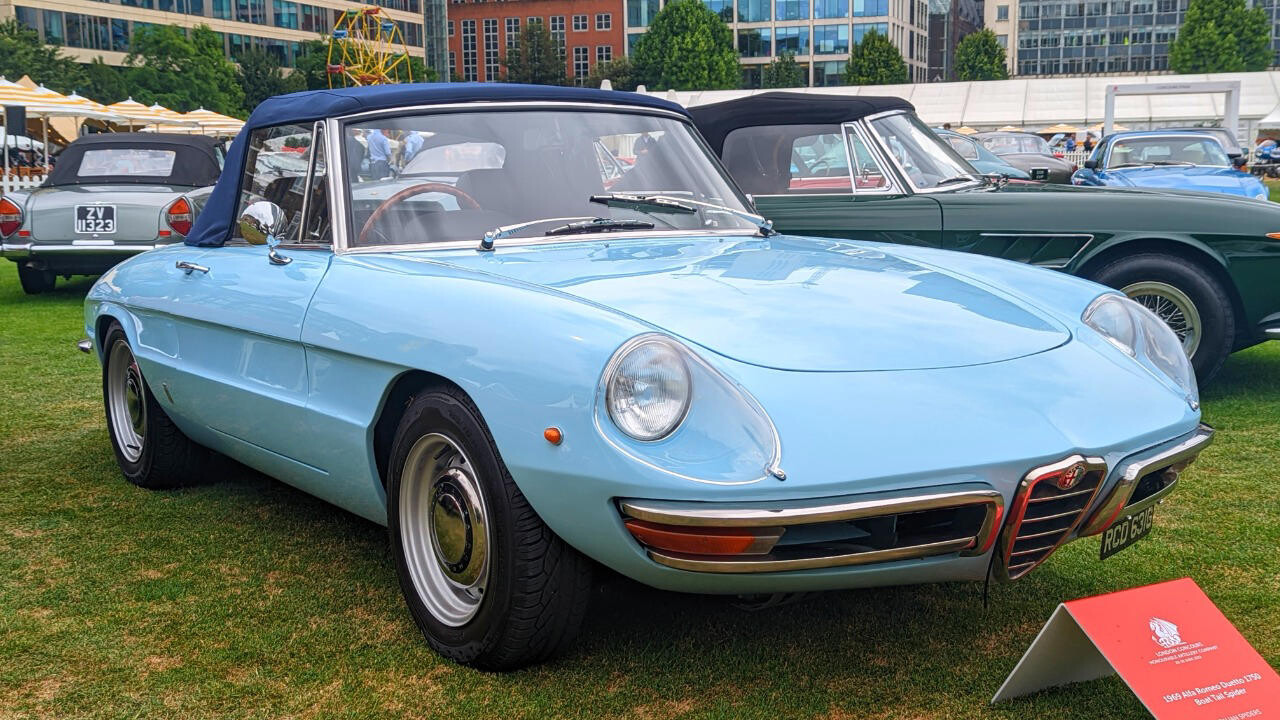
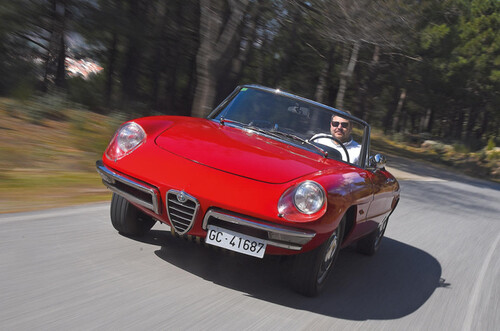
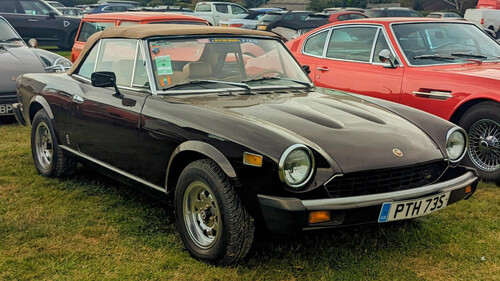
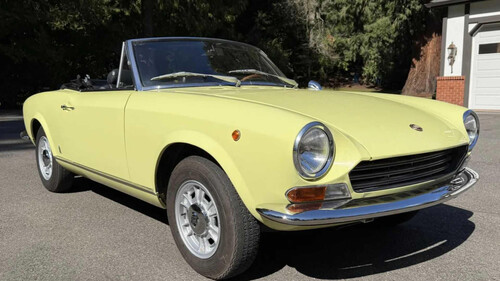
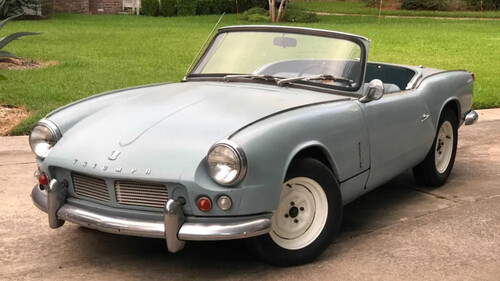
1969 Alfa Romeo Spider vs 1969 Fiat 124 Spider one still draws attentionPut a 1969 Alfa Romeo Spider and a 1969 Fiat 124 Spider side by side and the traffic around them slows, phones come out and strangers start talking. Both are compact Italian convertibles from the same era, yet only one has grown into a near-universal style icon while the other remains the insider’s choice. The contrast between their reputations says as much about branding and mythology as it does about engines and suspension. On paper, the Alfa Romeo Spider and the Fiat 124 Spider offer similar promises: open-air driving, revvy twin-cam fours and the glamour that comes with an Italian badge on the nose. In reality, they deliver that promise in very different ways, which is why one still draws the louder crowd when it rolls into a cars-and-coffee parking lot. The shared Italian brief, executed two ways Both cars grew out of the same late 1960s demand for compact, stylish roadsters that could be sold globally. Each one took a small family-car platform, added a twin-cam engine, sharpened the suspension and wrapped the result in a body that looked at home on a coastal road or outside a city café. They were conceived as attainable sports cars, not exotic toys. The Alfa Romeo Spider arrived first, with the early cars carrying the nickname Duetto. A later 1969 example kept the same basic silhouette, with the long, low nose, slim waistline and rounded rear that enthusiasts call the Boat Tail or Round Tail. A period description of a 1969 Alfa Romeo notes that this shape was considered a Boat Tail or Round Tail in Italy, a reminder that even the factory embraced the car’s sculptural rear end. The Fiat 124 Spider followed a similar formula but in a more angular, practical package, with a shorter tail and a slightly more upright cabin that made better use of interior space. Under the skin, both cars relied on four-cylinder engines with twin overhead camshafts and disc brakes on all four corners. Contemporary testers and later historians have pointed out that the Fiat’s chassis tuning and braking performance matched or exceeded the Alfa’s, and that both cars benefited from the extra control and safety that four-wheel discs brought to small convertibles of the period. A comparison of Fiat 124 vs models notes that the pair go and stop superbly and share that disc-brake advantage. That shared technical foundation makes the divergence in public perception even more striking. Mechanically, the 1969 Alfa Romeo Spider and the 1969 Fiat 124 Spider were peers. In the popular imagination, they occupy very different rungs of the classic-car ladder. Design drama versus understated usability The first and most obvious difference between the two cars is visual. The Alfa Romeo Spider’s Boat Tail rear and low, flowing profile give it an almost concept-car presence. The front end is soft and organic, with faired-in headlights and a narrow grille that seems to float in the nose. The body sides are gently curved and the rear tapers to that distinctive rounded tail, which looks more like a piece of sculpture than a practical luggage compartment. That shape has become central to the Alfa’s legend. A comparison of Alfa models describes the Alfa Spider as the icon in the pairing, a car whose value is driven as much by its design charisma as by its performance. The 1750 version in particular, often referred to as the Alfa 1750 round tail Spider, is treated as the definitive expression of the early shape. The Fiat 124 Spider, by contrast, trades in a different kind of beauty. Its Pininfarina styling uses crisper lines, a squared-off tail and a more conventional trunk opening. The nose is shorter and the cabin glasshouse taller, which makes the car easier to see out of and more accommodating for taller drivers. Where the Alfa’s design invites admiration from a distance, the Fiat’s lines reward a closer look, with subtle creases along the flanks and a balanced, almost restrained stance. That restraint carries into the cabin. Owners and testers have long praised the Fiat for its driving position, legroom and general ease of use. A detailed 124 Spider buyer’s notes that Fiat built nearly 200,000 copies of the 124 Spider and that a healthy example is a car that can be used regularly rather than just admired. That production volume and the car’s everyday usability have made it a familiar sight in some classic-car circles, which in turn softens its sense of exclusivity. The Alfa’s cabin is more intimate and slightly more theatrical. The driving position is lower, the dash more stylized, and the overall impression more overtly sporting. For some drivers, that is the heart of its appeal. For others, especially those who want to cover long distances, the Fiat’s more relaxed ergonomics win out. In design terms, the Alfa chases drama and romance, while the Fiat pursues balance and practicality. Both strategies have their fans. Only one, however, tends to stop passersby in their tracks. Engines, gearshifts and the way they feel on the road Under the bonnet, the 1969 Alfa Romeo Spider typically carried a 1.8 liter version of the marque’s twin-cam four, paired with twin carburetors and a five-speed manual gearbox. The engine is known for its willingness to rev and for a distinctive rasp at higher rpm. The gearbox, while satisfying in the right example, can feel more mechanical and deliberate than slick. The Fiat 124 Spider of the same era used a smaller capacity twin-cam four derived from the 124 saloon, also fed by carburetors and paired with a five-speed manual. Contemporary assessments and later retrospectives often praise the Fiat’s gearchange as smoother and quicker than the Alfa’s. The same comparison that highlighted both cars’ four-wheel discs also noted that the Fiat has a slicker gearchange, an advantage that makes it feel more modern in everyday driving. On twisty roads, both cars reward commitment. The Alfa’s steering is light and communicative, and the chassis encourages the driver to carry momentum through corners. The Fiat’s suspension tuning leans slightly more toward stability and predictability, which makes it easier for less experienced drivers to enjoy at moderate speeds. An enthusiast forum discussion that framed the choice as Fiat versus Alfa Spiders concluded that Both Fiats and Alfas are good choices, and that Both have engines and ergonomics that suit long drives, underlining how closely matched they are in basic capability. The difference is in the flavor of that capability. The Alfa’s engine note and slightly more raw controls feed into its image as the more emotional car. The Fiat’s smoother shift and composed ride support its reputation as the more rational one. For a driver who values weekend blasts on back roads, the Alfa’s extra drama may feel worth the trade-offs. For someone who wants to commute occasionally or take longer trips, the Fiat’s refinement can be more appealing. That split is reflected in enthusiast advice. On a Miata-focused forum, one contributor argued that the Alfa was the better choice on four counts, including the idea that Buying a well sorted version of either car is not going to be cheap, as in $3,000, and that the Alfa’s character justified the effort. Others countered that the Fiat’s usability and parts availability made it a smarter long-term companion. Values, production numbers and the icon versus underdog story Market values have long treated the Alfa as the more desirable car, which reinforces its image as the one that draws the bigger crowd. Analyses of auction results and private sales consistently show that equivalent-condition Alfa Spider and Fiat 124 Spider examples do not command the same money. In many ways, the comparison between the Alfa 1750 round tail Spider and the Fiat 124 Spider has become a textbook case of how perception and scarcity influence classic-car pricing. A detailed look at Values for Alfa models notes that the Alfa Spider and the Fiat Spider share similar mechanical virtues but diverge when it comes to asking prices. The Alfa Spider and Fiat pairing is often framed as icon versus underdog, with the Alfa commanding a premium that reflects its styling, its screen presence and its position in the brand’s history. Production numbers play a role. Fiat built nearly 200,000 copies of the 124 Spider across its long run, according to the same which Is the guide. That volume makes the Fiat easier to find on the market, which in turn helps keep prices relatively accessible. The Alfa Spider, particularly in 1750 round tail form, was built in far smaller numbers. Fewer cars, combined with higher demand from collectors, naturally push values upward. Enthusiasts often talk about the Fiat as the bargain alternative, a way to access classic Italian roadster charm without paying Alfa money. A social media debate that compared a 1969 Alfa Romeo 1750 GTV with a 1969 Fiat 124 Sport Coupe captured the broader sentiment. One commenter, David Spencer, summed it up succinctly: For looks the Fiat, for sheer grunt the Alfa. Sadly they both rust so badly unless you have a bare metal etch preparation. His remark about rust applies equally to the Spiders and highlights another factor in values. Well restored examples of either car require extensive bodywork, which helps explain why the more glamorous Alfa commands such strong prices once the work is done. The icon versus underdog framing has become so entrenched that it shapes how new buyers approach the cars. A prospective owner who wants a sure-bet classic that will always attract attention and hold its value is steered toward the Alfa. Someone who wants to drive often, spend less and enjoy a more relaxed ownership experience is pointed to the Fiat. That self-reinforcing cycle keeps the Alfa in the spotlight and the Fiat in the role of cult favorite. Rust, reliability and the realities of ownership Both the 1969 Alfa Romeo Spider and the 1969 Fiat 124 Spider share a reputation for corrosion. Period construction methods and limited rustproofing mean that any unrestored car from this era is likely to have hidden trouble. Enthusiast commentary, such as David Spencer’s observation that Sadly they both rust so badly unless you have a bare metal etch preparation, reflects a hard-earned consensus. Buyers are advised to prioritize structural integrity over cosmetics and to budget for professional repairs if there is any doubt. Mechanically, both cars are more durable than their stereotypes suggest. Discussions among long-term owners describe the engines as tough, provided they receive regular oil changes and valve adjustments. A thread that compared Fiat versus Alfa Spiders concluded that Both Fiats and Alfas are good choices and that Both have engines that can rack up high mileages if maintained properly. Gearboxes and differentials are similarly resilient in stock power levels. Where the two diverge is in parts availability and the cost of specialist work. The Fiat’s higher production volume and its long presence in the United States created a broad supply of used parts and an aftermarket that still supports the 124 Spider. A modern buyer can source panels, trim and mechanical components from dedicated suppliers and from general parts houses that cater to classic European cars. Owners often cite this support as a key reason to choose the Fiat. The Alfa’s parts situation is more mixed. Mechanical components are available through specialist suppliers, and the global popularity of the Spider ensures that reproduction parts continue to be made. Certain trim pieces and body panels, however, are harder to find and more expensive. That scarcity adds to restoration costs and can turn minor parking-lot mishaps into expensive repairs. Reliability in regular use depends heavily on the quality of previous work. A video presentation titled why the 124 in the USA, hosted by Jack, recounts how the 124 story is tied to issues of dealer support and maintenance in period. Jack points out that the car itself was fundamentally sound but that poor servicing and neglect led to many of the breakdowns that damaged its reputation. The same pattern affected the Alfa Spider, which also relied on owners and mechanics who understood its needs. Today, both cars benefit from a more informed enthusiast base. Online communities, specialist workshops and detailed buyer’s guides help new owners avoid the worst pitfalls. The Fiat still holds an edge in day-to-day practicality, with easier access to parts and a slightly more forgiving temperament. The Alfa demands more from its owner in terms of maintenance and care, but rewards that investment with a driving experience and street presence that few small convertibles can match. Culture, mythology and why one car pulls the bigger crowd Beyond design and mechanics, cultural factors have played a decisive role in shaping how the 1969 Alfa Romeo Spider and the 1969 Fiat 124 Spider are perceived. Film and television exposure gave the Alfa a head start in global recognition. Its appearance in high-profile productions cemented its image as the quintessential Italian roadster in the minds of viewers who might never have driven one. The Fiat 124 Spider, despite its own film cameos, never achieved the same level of screen saturation. Enthusiast media reinforced that divide. A feature that framed the Alfa Spider and the Fiat 124 Sport Spider as an Italian icon and its underdog counterpart helped codify the idea that the Alfa was the glamorous choice. That same piece, accessible through a UK-focused Italian roadsters comparison, emphasizes how the Alfa’s styling and brand cachet set it apart, even when the Fiat matches or betters it on objective measures like gearchange quality and braking. Social media and enthusiast forums continue that narrative. On a thread titled Vintage Alfa Romeo Spider or FIAT 124 Spider, one contributor argued strongly for the Alfa on emotional grounds, even while acknowledging that Buying a well sorted version of either car is not going to be cheap, as in $3,000. Others defended the Fiat as the smarter choice, citing its comfort and lower parts costs. The debate rarely questions the assumption that the Alfa is the more romantic car. Instead, it revolves around whether that romance is worth the premium. Retail and aftermarket ecosystems also shape perception. Specialist dealers often showcase early Alfa Spiders in pristine condition, presented as investment-grade classics. Fiat 124 Spiders, while also restored and cherished, are more likely to be marketed as driver-quality cars that can be enjoyed regularly. Parts suppliers such as DTR Sports, discovered via citation trails from Drop-top darlings coverage, cater to both models but frequently highlight Alfa components in premium sections of their catalogs. Even the way owners talk about their cars at events reflects the split. Alfa drivers tend to frame their Spider as a lifelong dream fulfilled, a car they admired in youth and finally acquired. Fiat owners more often describe their 124 as a happy discovery, a car that surprised them with its capability and value. Both narratives are positive. Only one feeds directly into the kind of mythology that turns a car into a cultural touchstone. Modern enthusiasm and the way forward for both Spiders Half a century after they left the factory, the 1969 Alfa Romeo Spider and the 1969 Fiat 124 Spider occupy distinct but complementary places in the classic-car world. The Alfa is the poster car, the one that still draws a cluster of onlookers whenever it appears. The Fiat is the connoisseur’s choice, the car that experienced enthusiasts recommend to friends who want to drive often rather than polish and show. Events like virtual concours and online shows have helped keep the Alfa’s image fresh. A feature on a 1969 Alfa Romeo in a 2020 virtual concours highlighted how the Boat Tail and Round Tail shapes continue to captivate audiences. The presenter emphasized that the 1969 Alfa Romeo had the same body style as the earlier Duetto’s but is considered a Boat Tail or Round Tail in Italy, reinforcing the idea that this specific form is central to the car’s appeal. The Fiat 124 Spider benefits from a different kind of exposure. Detailed buyer’s guides, restoration blogs and YouTube series have demystified ownership and shown how a well sorted 124 can handle long road trips, daily use and spirited driving. A comprehensive Spider for You explains how to choose among the various 124 generations and trims, and stresses that a car in rude health is a joy to use. That message resonates with a new generation of enthusiasts who value experiences over static display. Enthusiast forums that bring together owners of multiple marques, such as Miata communities, often treat the Alfa and the Fiat as spiritual ancestors of modern lightweight roadsters. Participants debate the merits of each, with some arguing that the Alfa’s tactile steering and engine note make it the more authentic classic, while others maintain that the Fiat’s user-friendliness makes it closer in spirit to contemporary cars like the MX-5. A thread on Vintage Alfa vs captures that tension, with strong opinions on both sides but a shared respect for what each car represents. More from Fast Lane Only Unboxing the WWII Jeep in a Crate 15 rare Chevys collectors are quietly buying 10 underrated V8s still worth hunting down Police notice this before you even roll window down