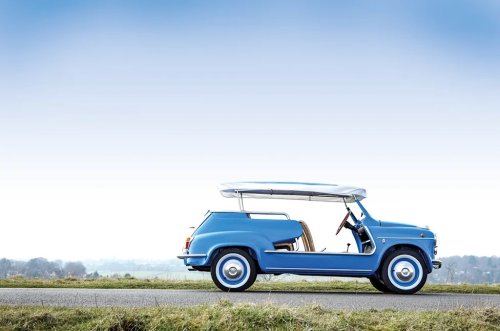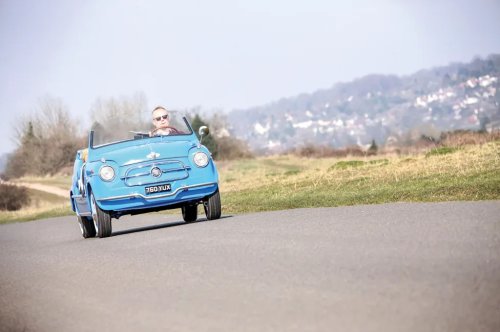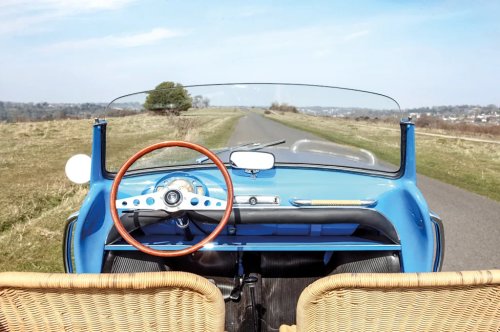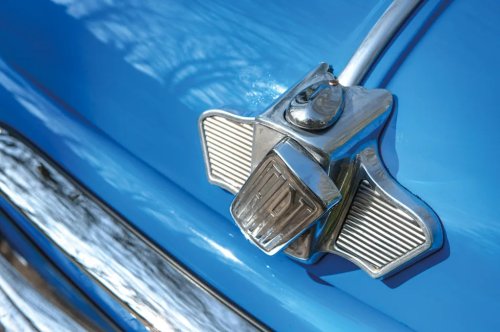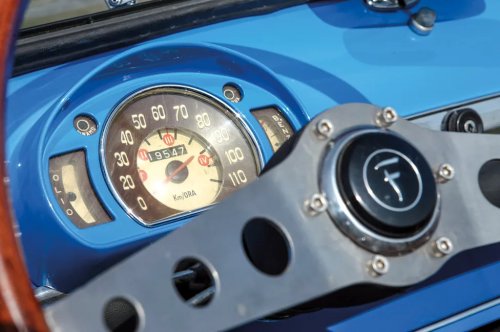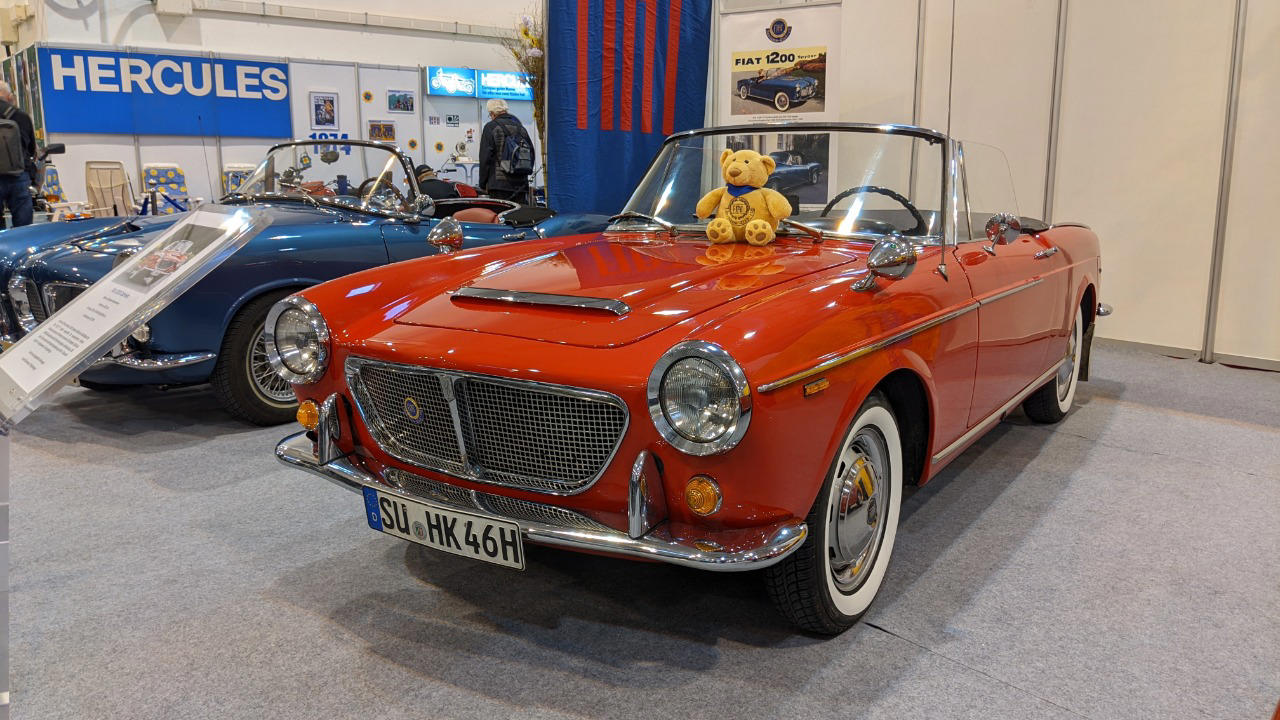



















The 1959 Fiat 1200 Spider carried charm that didn’t need to shoutThe Fiat 1200 Spider arrived at the end of the 1950s with a kind of quiet confidence. It did not chase headline performance figures or aggressive styling, yet it wrapped modest power and honest engineering in lines that looked perfectly at home outside a Riviera café. More than six decades later, that restraint is exactly what makes the 1959 Fiat 1200 Spider feel so refreshing. The understated step up from postwar austerity By the late 1950s, Fiat was carefully nudging its family cars and open models away from the rounded austerity that had carried Italy through recovery from WWII. The broader 1200 range was described as a shy step forward, a cautious move in a market still healing from that conflict, with the saloon leaving behind the curved body of its 1100 predecessor for cleaner, more modern lines that matched changing tastes in Europe. That context matters for the 1200 Spider, which took the same philosophy and translated it into a compact open car that felt aspirational without being ostentatious. The Spider sat within a family that included the Granluce saloon and other body styles that were praised for technical refinement and Italian style. Contemporary descriptions of the 1200 highlighted how the Fiat 1200 distinguished itself through subtle engineering improvements and a touch of glamour, with the Granluce boasting a brighter, more open cabin and crisp detailing compared with earlier Fiats. The open version extended that idea to young professionals and holidaymakers who wanted something more special than a basic runabout but still within reach of middle class buyers. In that sense, the 1200 Spider was never meant to be a radical sports car. It was a gently upgraded companion to everyday life, a car that allowed its owner to enjoy the new prosperity of the late 1950s without abandoning practicality or humility. Turismo Veloce and the “Trasformabile” charm Within the 1200 line, the most evocative open variant was the Turismo Veloce Spider, often shortened to TV Spider. Period-correct examples of the Fiat 1200 TV show a compact, low-slung body with delicate chrome and a simple, airy cockpit. The Turismo Veloce label promised a little more verve than the standard car, but the emphasis was still on relaxed touring rather than outright speed. The body that enthusiasts often call the “Trasformabile” captured this balance especially well. It combined a clean front end with round headlights that were very much on trend at the time and a tall grille split in two, a visual signature that gave the small Fiat a touch of presence without overwhelming its modest size. Contemporary descriptions of the 1200 Spider stress that it kept these round lamps and the divided grille, tying it visually to other Fiat models while still looking distinct enough to feel like a special purchase. Technical specifications underlined that this was a car for stylish travel rather than racetrack heroics. The four-cylinder engine delivered usable power for coastal roads and Alpine passes, but the focus was on smoothness, ease of use and a quiet cruising character. Owners and testers have often remarked that the car handles well and does not show the nasty tendencies some might expect from an old Fiat, which fits its nature as a Riviera cruiser more than a backroad weapon. Collectors today still respond to that blend of usability and charm. Auction listings for a 1959 Fiat 1200 Turismo Veloce Spider, such as a well documented example offered with Turismo Veloce Spider badging, tend to emphasize originality, careful restoration and the car’s relaxed touring character. These cars are not bought for lap times, they are bought because they offer a complete period experience at speeds that suit modern traffic yet still feel engaging. Visual details reinforce that message. The low beltline and thin pillars create an open, friendly feel from the driver’s seat. Chrome accents are present but not excessive. Even the badging is modest, with small scripts and simple numerals instead of bold graphics. The overall impression is of a car that knows it looks good but has no need to shout about it. Pininfarina’s influence and the Cabriolet evolution The 1200 Spider did not exist in isolation. It formed part of a broader collaboration between Fiat and Pininfarina that produced a series of elegant open and closed cars. The Fiat Pininfarina Cabriolet line, which covered the Fiat 1200/1500/1600 Cabriolet and Coupé, showed how the same basic mechanical package could be dressed in increasingly sophisticated clothing. These cars shared a design language of clean surfaces, balanced proportions and restrained ornament, qualities that are now hallmarks of late 1950s and early 1960s Italian design. Within that family, the 1200 Cabriolet that arrived as the successor to the 1200 TV carried the torch for accessible glamour. The Fiat 1200 Cabriolet was introduced in 1959 as a more refined evolution of the earlier open 1200, with the Fiat 1200 Cabriolet positioned as a bridge between everyday Fiats and more exotic machinery. References to the model often use the short form Cabr to describe this open variant, a reminder that enthusiasts still discuss it as a distinct chapter in Fiat’s history. Designers managed to make the later Cabriolet more formal without losing the lightness that defined the original Spider. The lines became slightly crisper, the detailing more precise, yet the car remained compact and approachable. In many ways, the 1200 Spider and the subsequent Cabriolet show two sides of the same idea: one a bit more playful and informal, the other slightly more grown-up, but both rooted in the same belief that everyday cars could be genuinely beautiful. This lineage would eventually feed into later Fiat open cars, including the 124 Sport Spider. References to the 1969 FIAT 124 Sport Spider describe how that model, first introduced in 1966 and based on a shortened 124 sedan floorpan and running gear, carried forward the idea of an attractive, usable open Fiat for a new generation. The number 124 has become shorthand among enthusiasts for that later car, yet its conceptual roots run back to the modest 1200 Spider and its Pininfarina siblings. Driving character: Riviera pace, not racetrack speed On the road, the 1959 Fiat 1200 Spider delivers the kind of experience its styling promises. Surviving examples show that the car prefers smooth, flowing roads to aggressive corner carving. Reports on preserved 1200 TV Transforma cars describe light steering, predictable responses and a general absence of unpleasant surprises, which fits the car’s positioning as a relaxed tourer more than a pure sports machine. Owners often highlight the way the car encourages unhurried driving. One enthusiast, writing about a 1959 Fiat 1200tv Spider, described it as a personal FAVORITE that exudes nothing but class while offering a smooth, quiet ride. That kind of testimony aligns with the period engineering brief: comfortable suspension, modest grip from narrow tires and an engine tuned for tractable torque rather than a high redline. Compared with contemporary British roadsters, the Fiat trades some sharpness for civility. The cabin is more protective from wind, the seats more comfortable on longer journeys and the controls lighter. This balance made sense for Italian buyers who might use the car for weekend escapes to the coast or cross-country trips, where comfort and style mattered at least as much as outright pace. The Turismo Veloce specification did add a little extra urgency, but even here the emphasis was on flexible performance rather than dramatic acceleration numbers. On a twisting coastal road, the 1200 Spider rewards smooth inputs and an appreciation for scenery rather than late braking and tail-out antics. In modern traffic, that character can feel like a relief, a reminder that driving can be engaging without being exhausting. Market reality: steady interest, quiet appreciation In the current classic market, the Fiat 1200 Spider occupies a niche that mirrors its original role. It is not a headline-grabbing blue-chip collectible, but it enjoys steady interest from buyers who value originality, restoration quality and documentation more than spectacular auction results. Listings for FIAT 1200 Classic Cars for Sale describe a market where careful presentation and history drive price more than hype, a pattern that suits a car defined by understatement. Special variants like the 1959 Fiat 1200 TV Spider offered at events such as RM Sotheby sales at Amelia Island, where a Fiat 1200 Spider has been featured with price on request, tend to attract collectors who already understand the model’s appeal. They are drawn to the combination of compact size, Italian design and approachable running costs, rather than chasing the last percentage point of investment return. Market guides for the broader 1200 Cabriolet and related models show similar patterns. The Highlights of the FIAT 1200 often stress how the Fiat 1200 combined Italian flair with sound engineering, and how the Granluce saloon and its open siblings offered a taste of la dolce vita in a package that remained practical. That same mix still resonates with buyers who want a classic they can actually use. Compared with more famous Pininfarina designs, the 1200 Spider remains relatively affordable. Its values reflect both its modest performance and its under-the-radar status, yet that can be an advantage for enthusiasts who care more about driving and design than about future appreciation. The car’s simplicity also keeps maintenance costs within reason, especially compared with more complex contemporaries. Why its quiet charm matters now Modern car culture often rewards extremes: highest horsepower, most aggressive styling, rarest variant. The 1959 Fiat 1200 Spider offers a different template. It shows how a modestly powered, sensibly sized car can still feel special through proportion, detailing and a clear sense of purpose. The design restraint that Pininfarina applied across the Fiat 1200/1500/1600 Cabriolet and Coupé family, and the way the 1200 Spider translated that into a compact open car, look increasingly relevant in an era of oversized grilles and complex surfacing. The Spider’s round headlights, simple grille and unadorned flanks create a shape that is easy on the eye and easy to place on the road. It does not need visual aggression to stand out, it simply looks right. There is also a cultural dimension. The 1200 Spider emerged from a period when Italy was moving from postwar hardship to consumer confidence, when a small open car could symbolize freedom and optimism without ostentation. That context helps explain why the car’s character leans toward civility and ease rather than bravado. It was built for people who wanted to enjoy new opportunities, not to dominate a racetrack. Enthusiast communities keep that spirit alive. Owners share stories and technical information in places such as a dedicated Fiat 1200 group, where discussions of cars like the 1969 FIAT 124 Sport Spider sit alongside appreciation for earlier models. These conversations show how the 1200 Spider still resonates with people who value mechanical simplicity, elegant design and the pleasure of open-air driving at humane speeds. Historical writeups of the 1959 1200 Trasformabile reinforce that view. They describe a car that brought style and a sense of occasion to everyday motoring, without pretending to be something it was not. In a market crowded with louder, faster and more complex classics, that honesty is part of its enduring appeal. More from Fast Lane Only Unboxing the WWII Jeep in a Crate 15 rare Chevys collectors are quietly buying 10 underrated V8s still worth hunting down Police notice this before you even roll window down