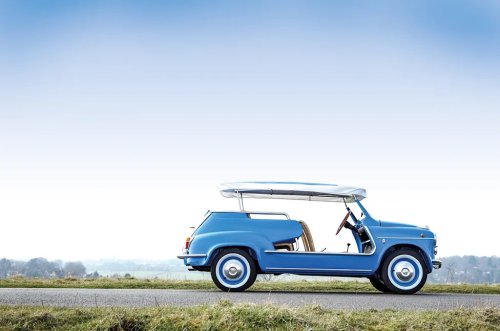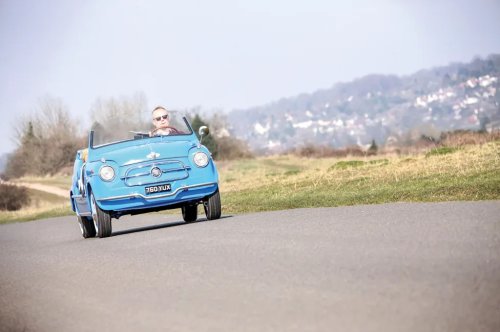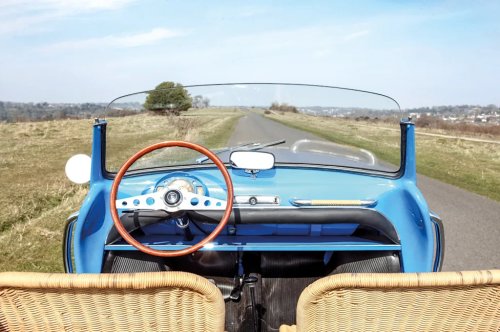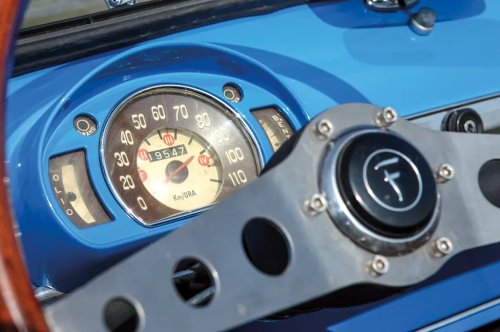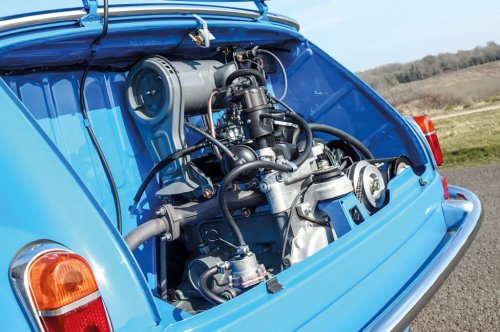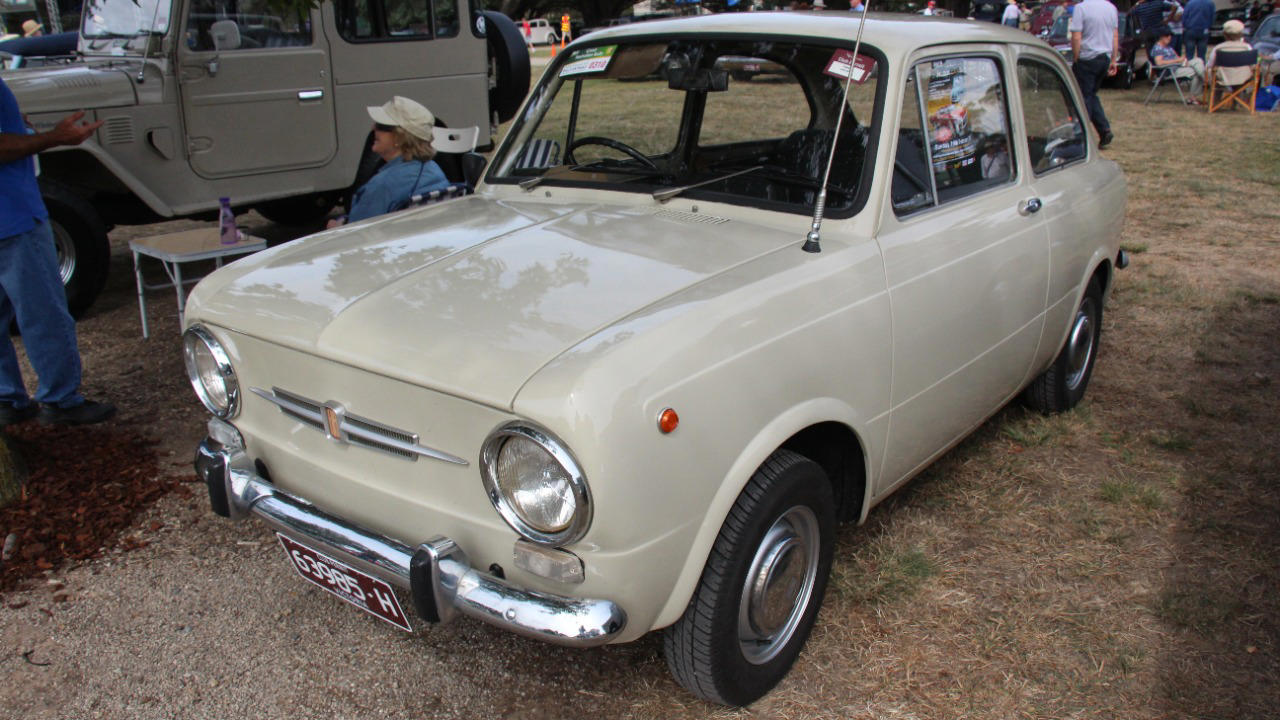



















When the 1964 Fiat 850 expanded mobilityThe 1964 Fiat 850 arrived at a moment when Europe was trading bicycles and buses for small family cars, and it helped make that shift feel both attainable and a little bit glamorous. By stretching the formula of the earlier 600 into a roomier, more versatile package, it turned basic transport into something that could credibly serve as a family hauler, a city taxi, or even a stylish weekend toy. I see its story as a quiet revolution in how ordinary people moved, worked, and played. Rather than a single model, the 850 quickly became a whole family of vehicles that slipped into different corners of everyday life. From the practical Berlina to the rakish Spider and the experimental city taxi, it showed how one compact platform could open doors for drivers who had never imagined owning anything more than a scooter or a bus pass. From the 600 to the 850: a people’s car grows up When I look at the 1964 Fiat 850, I see a car that literally grew out of its predecessor’s limitations. Overview material makes it clear that Its technical design was an evolution of the successful Fiat 600, and that continuity mattered for buyers who already trusted the 600 as basic, durable transport. By keeping the rear engine layout and familiar mechanical bones, Fiat could offer something recognisably related to the 600 while nudging customers toward a slightly larger and more expensive car that promised more comfort and status. Inside that familiar outline, the 850 quietly shifted the balance toward everyday usability. The wheelbase and body grew to carve out more space for passengers and luggage, and the engine displacement stepped up from the 600’s modest unit to the namesake 850 class, giving the car enough extra power to keep up with faster postwar traffic. In club histories of The FIAT, Jun notes that In the early 1960s, Fiat began looking for a successor to their aging 600, and They turned to the venerable Dante Giaco to shape that successor, the 850, around the needs of a new generation of drivers who wanted more than bare‑bones mobility. A whole family built on one compact idea What strikes me most about the Fiat 850 is how quickly it became more than a single model. Rather than stop at a basic two‑door coach, the company spun the platform into a full family that could follow owners through different stages of life. Contemporary accounts describe The Fiat 850 family of cars as including Three versions, with the 850 Sedan, the 850 Spider, and the 850 Sport Coupe covering everything from commuting to spirited weekend drives. That range meant a young buyer could start with the simplest Berlina and later trade up to something sportier without leaving the brand or the basic mechanical layout they already knew. Production numbers show how strongly that strategy landed. One enthusiast summary notes that The Fiat 850 is a car produced between 1964 and 1971 in over two million and two hundred thousand copies, a figure that underlines how deeply it penetrated everyday European life. FIAT succeeded in creating a car that could be built in huge volumes yet still feel tailored, whether it appeared as a modest two‑door coach, a sharper Sports variant, or one of the later derivatives that carried families, goods, and even tourists across growing motorway networks. Making small feel spacious For a car that remained firmly in the compact class, the 850 worked hard to feel bigger on the inside than its footprint suggested. Designers pushed the cabin outward with a boxier profile, trading some of the 600’s rounded charm for more usable space. Period technical notes explain that Engine displacement went up from 767cc to 843cc to move a larger and boxier body that offered more space for people and luggage, and that change helped the new Engine model feel readily embraced by the market. In practical terms, that meant a small family could load up for a weekend trip without feeling like they were still living in scooter‑era austerity. From my perspective, that sense of “just enough” space is what turned the 850 into a true mobility tool rather than a compromise. Owners could squeeze into tight city streets, yet still carry children, groceries, or work tools in a cabin that felt thoughtfully laid out. Contemporary road tests and retrospectives on the 850 family often highlight how the car’s packaging made it a people’s choice, with upright seating, a practical trunk, and a rear engine that freed up space where it mattered most, even if outright performance remained modest. Style and aspiration: Spider, Coupe and beyond Mobility is not just about getting from A to B, and the 850’s sportier variants tapped into that emotional side of driving. The 850 Spider in particular turned a humble rear‑engined platform into something that looked at home outside a café or on a coastal road. Museum notes on a 1968 Fiat 850 Spider describe a compact, open‑top car that shared its mechanical core with the Berlina but wrapped it in crisp, low‑slung bodywork. For a generation of young buyers, that meant they could afford a car that felt aspirational without stepping into the financial territory of larger sports cars. The Sport Coupe followed a similar logic, offering fixed‑roof practicality with sharper lines and a more focused driving character. In enthusiast circles, the 850 Sport Coupe is often remembered as a gateway into performance motoring, a car that taught drivers about revs and handling while still sharing parts and servicing patterns with the everyday 850. That continuity helped keep ownership costs in check, and it reinforced the idea that the 850 platform could stretch from basic transport to stylish indulgence without losing its core identity as a compact people’s car. City taxis, coachbuilders and the 850’s wider footprint One of the most revealing chapters in the 850 story, at least for me, is how coachbuilders and urban planners tried to adapt it for dense city life. In Italy, the 850 underpinned experimental city taxis that reimagined how a small car could serve professional drivers. Heritage material on the Fiat City Taxi notes that at that time, the designs of unusual vehicles were an area in which the great Italian coachbuilders would flex their creative muscles, and the 850 taxi concept fit squarely into that tradition. With its compact footprint and reworked cabin, it showed how a small car could be optimised for short urban hops, tight kerbside stops, and quick passenger loading. Those experiments did not always translate into mass production, but they underline how versatile the 850 platform really was. It could be stretched, raised, or reconfigured to meet the needs of professionals as easily as private owners. That same adaptability helped the 850 find homes far beyond Italy, from crowded European capitals to export markets where a simple, robust small car could transform daily routines. In each case, the 850’s basic virtues, compact size, efficient packaging, and familiar mechanical layout, made it a natural candidate for roles that went well beyond the original brief of replacing the 600. More from Fast Lane Only: 10 underrated V8s still worth hunting down Police notice this before you even roll window down