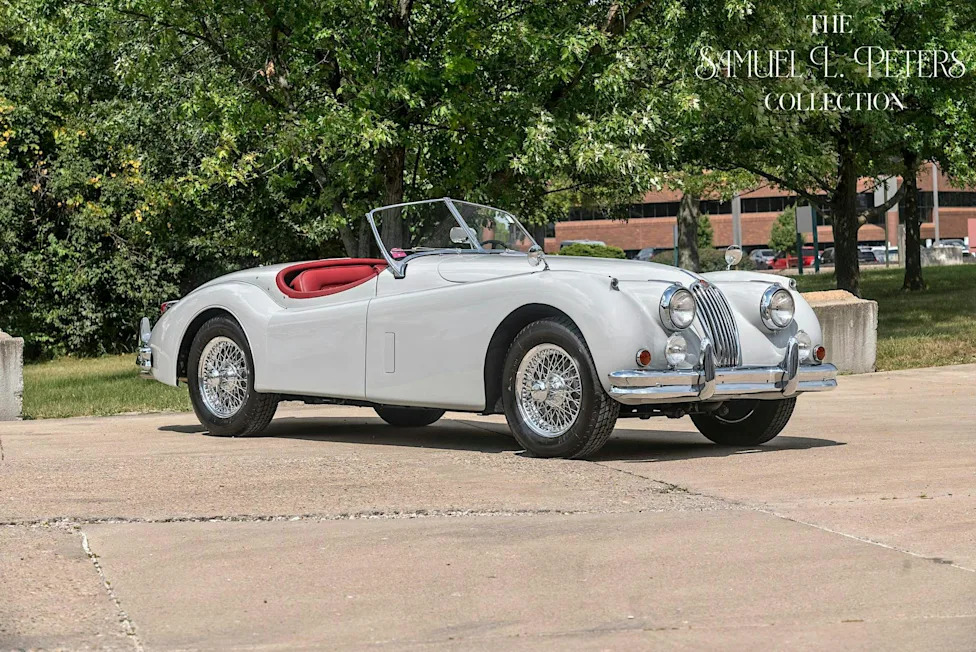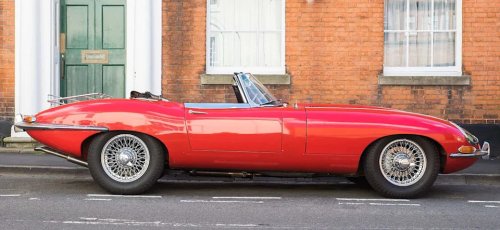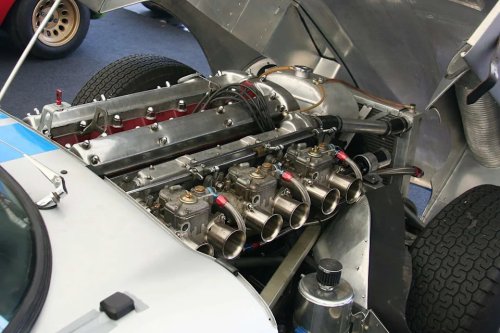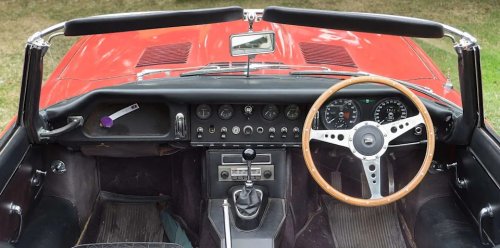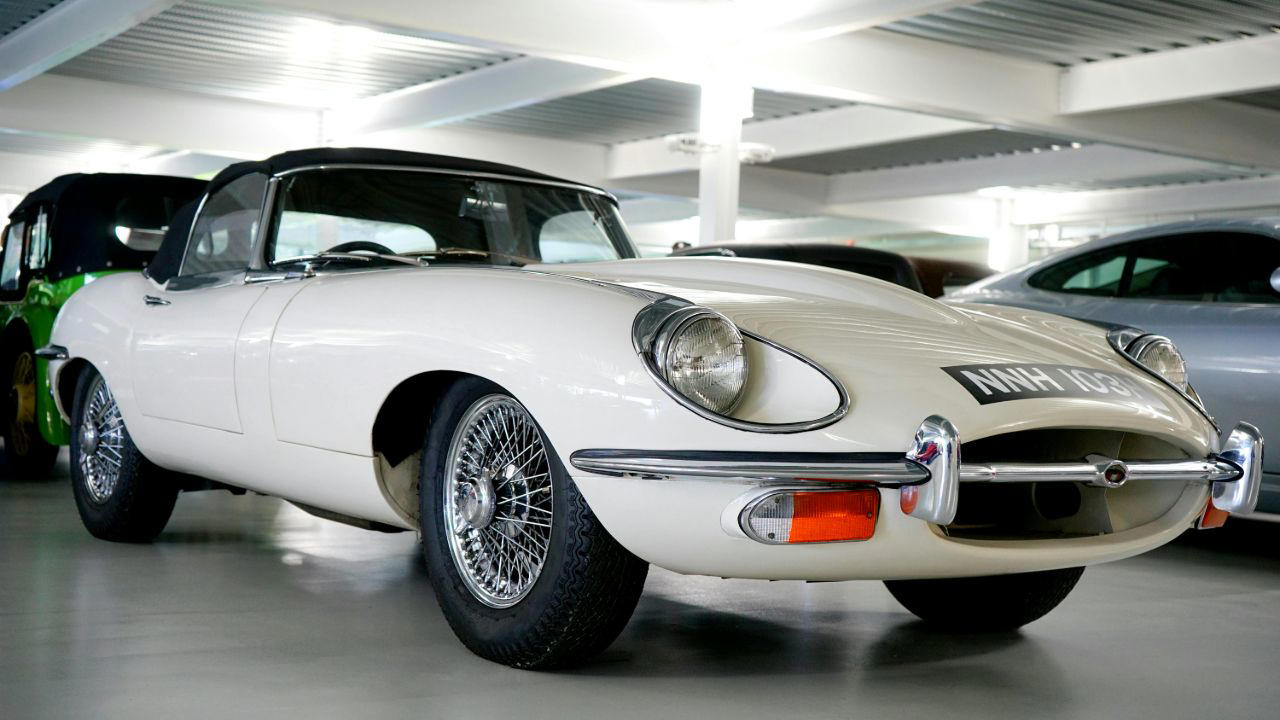




















When it debuted the 1961 Jaguar E-Type made everything else look outdated overnightThe 1961 Jaguar E-Type did not just join the sports car crowd, it instantly made much of that crowd look old. With its long bonnet, low nose and impossibly clean profile, the car reset expectations of what a fast road car could look and feel like. More than sixty years later, its blend of beauty, speed and engineering still shapes how designers and enthusiasts judge every new pretender. The night Jaguar stole Geneva When the Jaguar E-Type arrived at the Geneva Motor Show in 1961, it was not introduced quietly. Witnesses recall such intense interest that Jaguar had to rush a second example overnight to Switzerland simply to cope with demand, a reaction that underlined how completely the car had seized the moment at the Geneva Motor Show. A separate account of that week recalls that on Wednesday 15 March 1961, Jaguar presented the E-Type to the world’s press at a restaurant outside the city, an informal setting that only heightened the contrast with the car’s futuristic form and performance. The story has been retold so often that it has hardened into legend: a British manufacturer arrives at a European show with a car that looks like a concept but is ready for production, then spends the rest of the event fielding orders and praise. Even seasoned industry figures were taken aback. The launch did not just make a splash, it made everything else on the floor seem suddenly conservative. When Enzo Ferrari admitted defeat on beauty Among those reportedly stunned by the new Jaguar was Enzo Ferrari. Multiple retellings attribute to him a line that has followed the E-Type ever since. One source recounts that Enzo Ferrari called the 1961 Jaguar E-Type “the most beautiful car ever made,” a phrase repeated in later tributes that describe the model as Car Enzo Ferrari The Most Beautiful. Another account quotes him more simply: “They are the most beautiful car ever made,” a remark attached directly to the first sight of the Jaguar Type at its debut and preserved in an image caption that states, “They are the most beautiful car ever made. That’s what Enzo Ferrari reportedly said when he first saw the Jaguar E-Type at its d…” on an Instagram post that highlights how They impressed him. Like many famous quotations, the exact wording has been debated, and even a detailed retrospective notes that Enzo Ferrari’s supposed declaration at the 1961 Geneva Auto Show that the Jaguar Type was the “most beautiful car in the world” sits in the grey area between reported speech and confirmed transcript. Yet the consistency of the story, repeated in sources that describe a 1961 Jaguar Type car Enzo Ferrari called “the most beautiful car ever made,” has helped fix the E-Type’s status. When a rival manufacturer’s founder is said to have conceded that a British sports car outshone his own creations, the compliment carries unusual weight. Other enthusiasts echo the sentiment in more informal language. One enthusiast page labels the 1961 Jaguar Type “The Car That Made Enzo Ferrari Jealous,” and reports that Enzo Ferrari himself called it “the most beautiful car ever made,” wording that appears in a post that describes the 1961 Jaguar E-Type as “the car that made Enzo Ferrari jealous.” Regardless of the precise phrasing, the idea that Enzo Ferrari admired the car so openly has become part of its mythology. Speed that matched the sculpture Beauty alone would not have been enough to change the game. The E-Type’s performance figures were as bold as its styling. Contemporary claims put the car’s top speed at 150 miles per hour, or 240 km, with sub-7-second 0 to 60 m acceleration, numbers that placed it among the fastest production cars available. A detailed technical summary of the Type describes this “claimed 150 miles per hour (240 km/h) top speed” and “sub-7-second 0 to 60 mph (97 km/h) acceleration” as central to the model’s legend, and those figures have been repeated in later buyer’s guides and enthusiast histories. Modern comparisons reinforce how advanced that performance was. A review of classic sports car benchmarks notes that original Jaguar Types could reach a top speed of 150 m and hit 0 to 60 m in sub-7 seconds, then sets those figures against other period icons to show how hard the British car was to match. That same analysis of how the Jaguar Types compared to rivals concludes that the E-Type’s combination of speed and usability remains impressive even by contemporary standards. The mechanical package under the bonnet helped explain those numbers. Underneath its sculpted shell, the Type featured technology that was ahead of its era. One detailed description points to a 3.8-liter straight-six engine in early cars, later joined by larger units, and notes that this powerplant sat within a largely unitary body structure with independent rear suspension. Another profile of a 1961 Jaguar Type Series 1 3.8 Litre Roadster describes it as a British work of art and stresses that the 3.8 engine, along with the car’s aerodynamic shape, distinguished the model and spurred industry wide changes. In an era when many sports cars still relied on separate chassis and live rear axles, this level of engineering sophistication placed the E-Type on a different plane. A shape that rewrote the rulebook The design of the 1961 Jaguar Type Series 1 did not emerge from nowhere. It drew on Jaguar’s experience with Le Mans winning racers, yet the final form was softened and refined for road use. A detailed technical and historical feature on the 1961 Jaguar Type Series 1, referred to as The Car That, highlights the way its long bonnet, compact cabin and tapering tail combined both Speed and elegance. That same analysis of the Jaguar Type Series explains how the body’s curves were not only beautiful but also functional, with attention paid to airflow and high speed stability. Period photographs show a car that appears impossibly low and narrow by modern standards, with covered headlamps, minimal bumpers and a waistline that sits barely above the wheel centers. Inside, the cockpit mixed aircraft inspired toggle switches with leather seats and a wood rimmed steering wheel, a combination that one enthusiast likens to stepping into a fighter jet rather than a conventional road car. A later reflection on the driving position describes how, underneath that sculpted shell, the Type delivered a sense of occasion that matched the view from the pavement. The effect on rivals was immediate. A comparative feature on the transatlantic tussle between the Chevrolet Corvette and the Jaguar E-type recalls that The Jaguar reached the shores of southern California first, shortly after being revealed to much fanfare at the Geneva show. American buyers who had grown up with chrome heavy domestic sports cars suddenly had access to a lithe European alternative that looked like nothing else in California traffic. The Corvette would evolve rapidly in response, but for a time the E-Type simply looked more modern. From British work of art to global icon Later commentators often describe the car in almost artistic terms. One retrospective calls it “a British work of art Enzo Ferrari called ‘the most beautiful car ever made’,” and goes on to say that the Jaguar Type is considered by many to be one of the most beautiful cars ever created. Another feature marking an anniversary of the model’s unveiling uses similar wording, referring to a 1961 Jaguar Type car Enzo Ferrari called “the most beautiful car ever made,” then noting that the Jaguar Type is considered by many to be one of the most beautiful ever built. That reputation has been reinforced by the company the car kept. Celebrity owners ranged from Steve McQueen to Tony Curtis and Brigitte Bardot, according to a nostalgic look back at the 1961 launch that also highlights how quickly the model found favor among actors and musicians. A separate overview of famous Jaguar Type owners lists more recent public figures who have chosen the car, underlining its continued appeal among collectors who can afford almost any classic. The E-Type’s reach also extended across markets. In North America it was often referred to as the Jaguar XK-E, a badge that appeared in advertising and on the cars themselves. A detailed review of the model’s production history notes that the Jaguar Type, or the Jaguar XK-E for the North American market, comprised three series built from 1961 through 1974, and argues that its styling and engineering distinguished the car and spurred industry wide changes. That same account singles out the 1961 Jaguar Type Series 1 3.8 Litre Roadster as a British work of art that encapsulated the best of the range. Engineering that backed up the beauty Part of what made the E-Type so disruptive was that it offered its performance and design at a relatively accessible price. A buyer’s guide that looks back to the model’s arrival notes that When the Jaguar E-Type first hit the streets in 1961, it was not just beautiful, it was one of the fastest production cars in the world. That same Jaguar Type Buyer Guide for the Series 1 to 3 cars explains how disc brakes on all four wheels, independent rear suspension and a stiff structure helped the car deliver race car levels of performance on public roads. Another enthusiast group post summarises the impact in simple terms. It recalls that the Jaguar Type was first unveiled to the world at the 1961 Geneva event and that 60 years later, the car is still remembered as a turning point. The phrase “On This Day Wednesday” is used to mark the anniversary, and the post describes how Jaguar’s Type sports car was presented to the world’s press at that restaurant outside Geneva, then quickly became a benchmark for style and speed. Technical retrospectives back up the anecdotal praise. A detailed breakdown of the Type’s design, engineering and historical significance highlights its largely unitary body, advanced rear suspension and powerful straight-six engine. Another enthusiast piece on stepping into the cockpit of a Jaguar Type points to the 3.8-liter straight-six in early versions and notes that the car featured technology ahead of its era, from its brakes to its suspension layout. These details help explain why the E-Type did not simply look modern, it also drove like a car from the future compared with many of its contemporaries. Why the E-Type still matters The E-Type’s continued relevance is not just about nostalgia. Restorers and specialists who focus on the model argue that its blend of beauty and usability keeps it in demand. A firm that concentrates on the Jaguar Type Series 1 describes The Car That set new standards for Speed and comfort, and its insights into the Series and later Type variants emphasise how the basic package has adapted well to modern upgrades. Another specialist page dedicated to E-Type restoration and sales reinforces the idea that the car remains a core part of the classic market, with enthusiasts seeking both original specification restorations and subtly updated drivers. More from Fast Lane Only Unboxing the WWII Jeep in a Crate 15 rare Chevys collectors are quietly buying 10 underrated V8s still worth hunting down Police notice this before you even roll window down