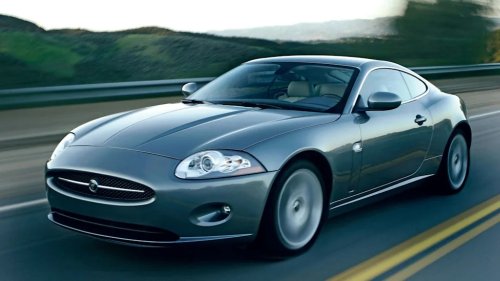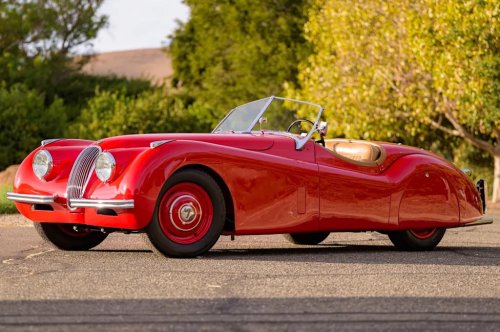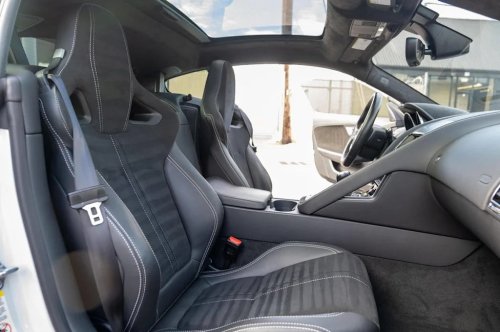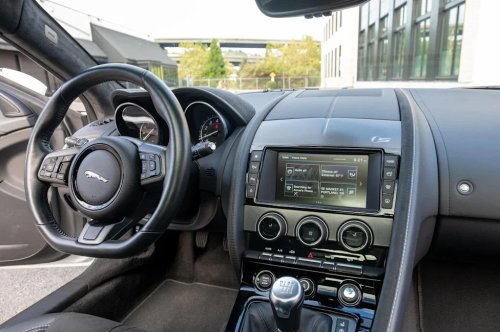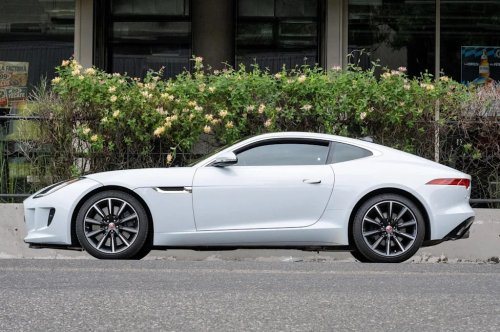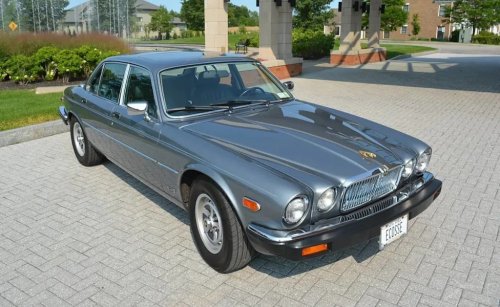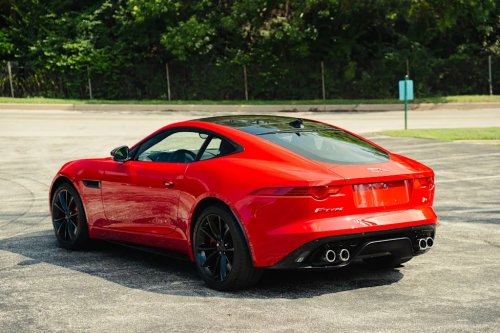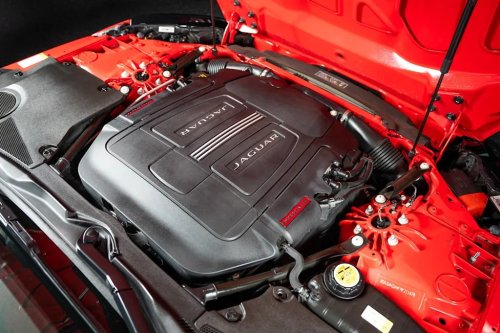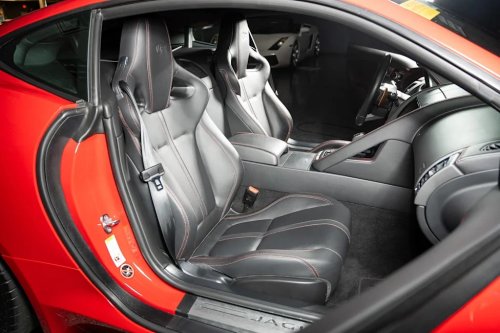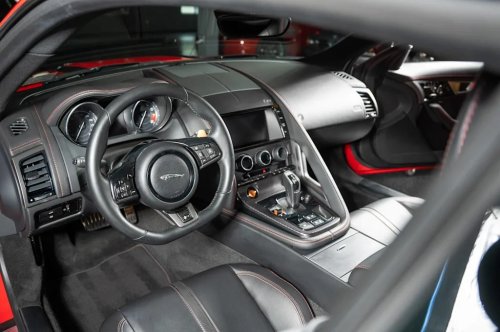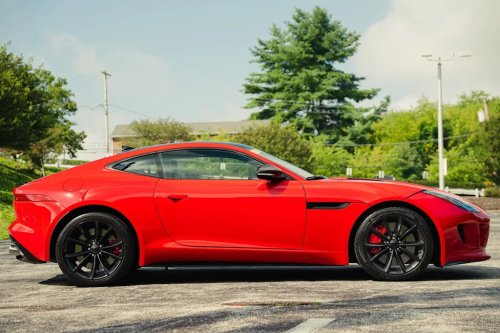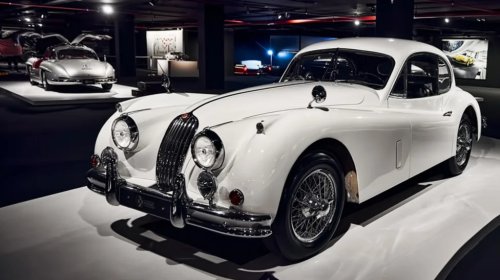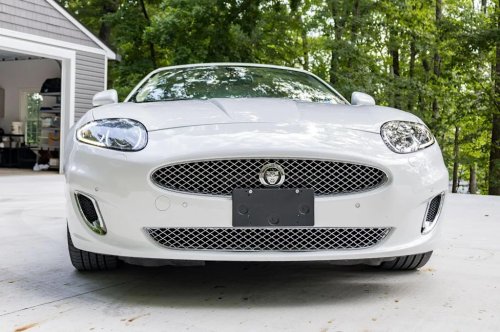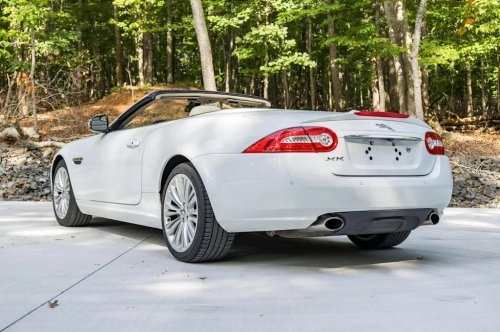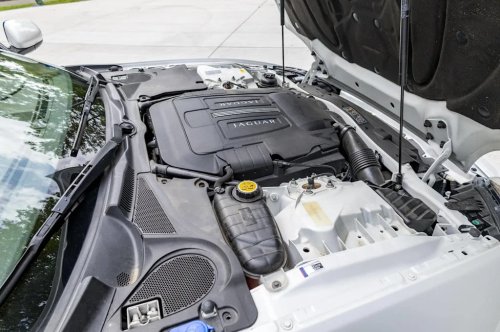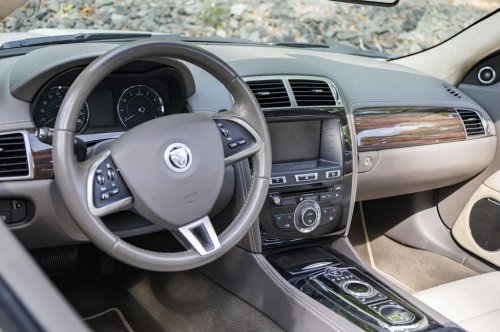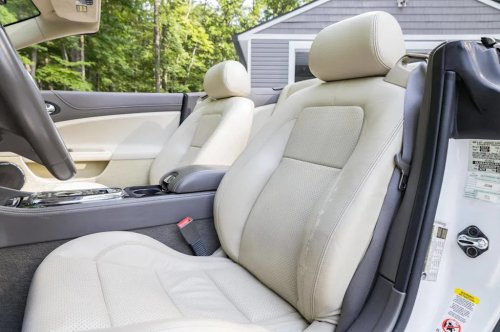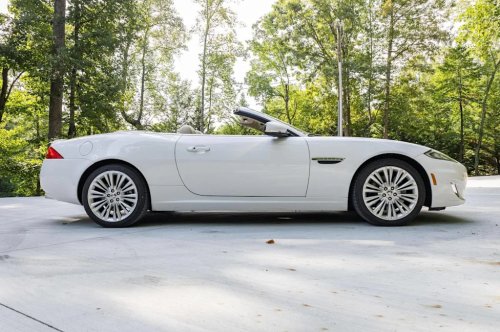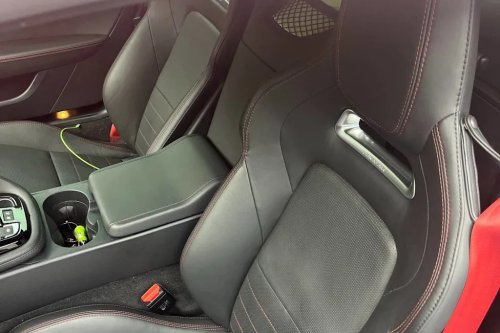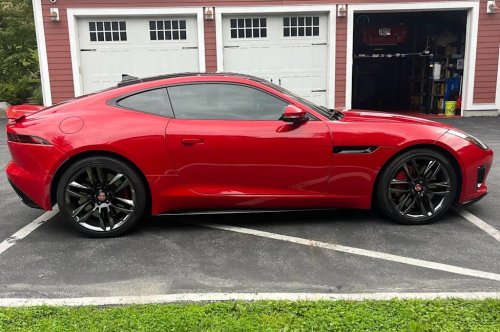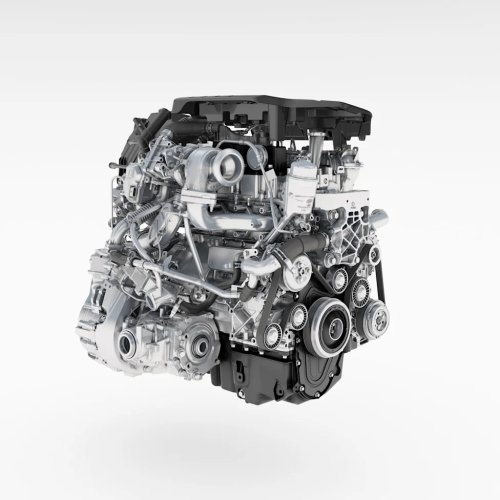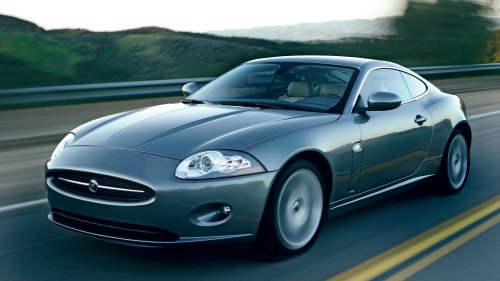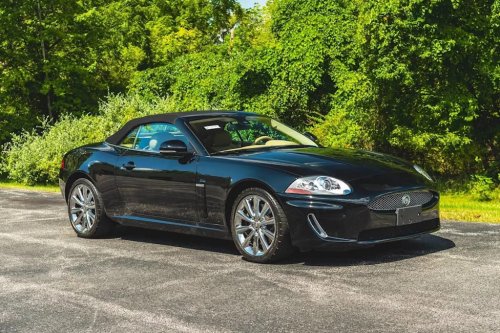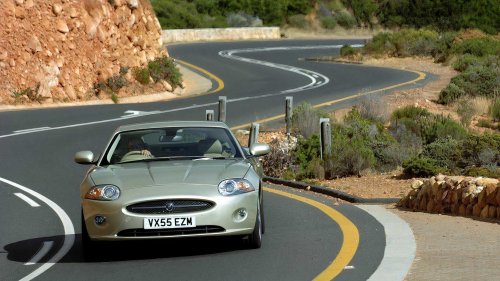
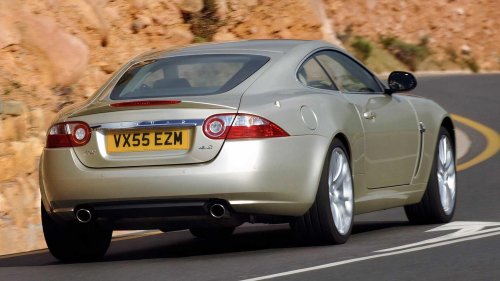
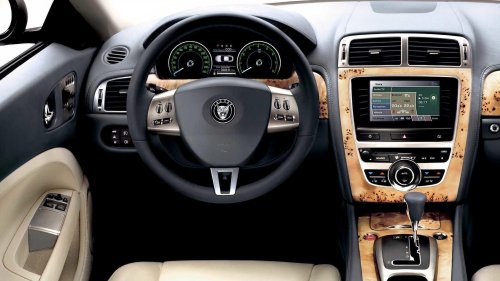
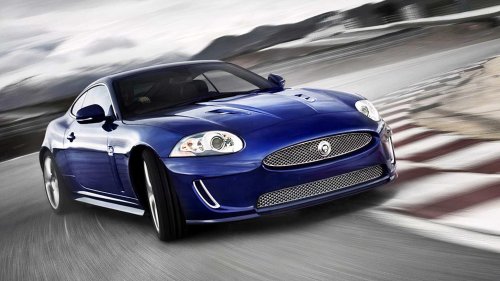
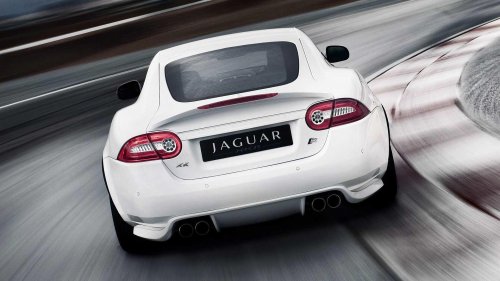
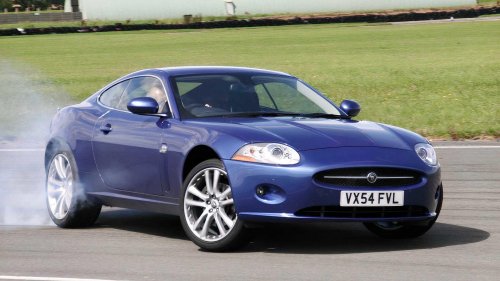
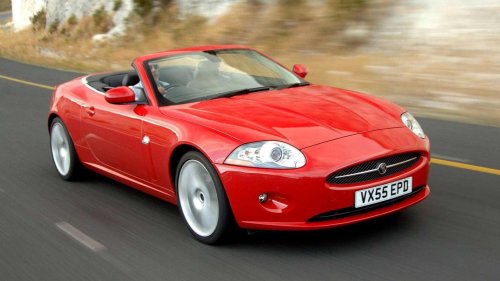
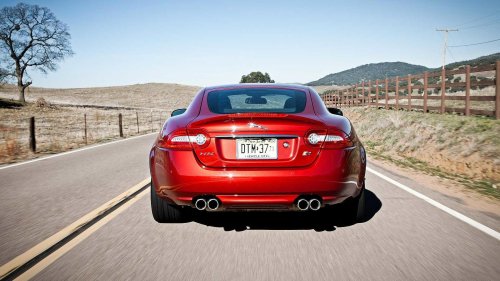



















Jaguar launched the XK8 range in 1996. It served as the replacement for the legendary XJS coupe, and was even based on the same platform. It was good. Good enough, in fact, for the same platform – along with Jaguar's first-ever V8 engine – to form the basis for the Aston Martin DB7. But as good as it was, it was also not great. And it was mostly quality issues that relegated both the Jag and the Aston Martin to the bench.In 2006, and with new owner Ford throwing wads of cash at the development of the second generation XK, things were looking up for the iconic Jaguar brand. This is the story of the XK150, Jaguar's last truly (great) analog driver's car. A (Second-Generation) Star Is Born JaguarStarting from a blank canvas. That essentially sums up the creation of the second-generation Jaguar XK. With new owners Ford calling the shots, and with a considerably larger development budget, the engineers started with the important parts under the skin to create a sports car that is lighter, faster and more agile than its predecessor. Famed designer Ian Callum penned the new XK150.The first-generation XK was based on the older XJS platform. The new one came with an aluminum monocoque body structure, with aircraft-style manufacturing processes, resulting in a light but extremely strong structure that is both riveted and epoxy-bonded. The aluminum theme extends to the body panels, which adds even more "lightness".And then there's the engine. A big, beautiful V8 engine.For its new role in the all-new Jaguar X150, the previous-generation coupe's 4.2-liter V8 engine received a comprehensive makeover, with the new version getting a completely overhauled fuel injection system and other upgrades. The updated version produces 300 hp and 303 lb-ft of torque, with the engine tuned to deliver around 85% of its torque from 2,000 rpm, all the way to 6,000 rpm. The updated drivetrain was available with either a manual six-speed gearbox, or a new six-speed automatic shifter.Thanks to the weight savings brought about by the aluminum construction and the improvement in the power delivery of the V8 engine, the manual XK150 posted impressive quarter-mile times, closing the gap to less than a half-second behind the previous-generation supercharged XKR's best efforts, which had up to 400 hp in the game.Jaguar The updates didn't stop there. It also got a new high-performance braking system, a completely new power steering system with a focus on driver feedback, a raft of new safety systems including an active front lighting system for the bi-xenon headlights, and a new, switchable Dynamic Stability Control (DSC) system with traction control.The new cabin upped the XK game to new levels too, with Ford upping the quality game a number of notches, combining traditional craftsmanship with high-end luxury materials. Only the finest stitched leather is used in the cabin, rounded off with high-end finishes, including metallic ones. In 2007, this XK was Jaguar's flagship coupe offering, and came fitted with all the luxuries on the planet.Jaguar But when all is said and done, the success of a high-end coupe lies in the way it drives, and the way it makes the driver feel when he or she drives it.And, thanks to Ford's investment, that driving experience turned out to be a particular highlight. Light and nimble, the XK liked corners, handling as if on rails. The steering provided great feedback, letting the driver know exactly where the front wheels are at, and what they are doing. And then there was the engine. The big, beautiful V8 engine, revving to just over 6,000 rpm, providing all the feel-good sound effects, and the ability to blast the XK to 60 mph in less than six seconds (in the manual version).In short, Jaguar, with the backing of the mighty Ford, had created a V8 coupe that provided a true analog driving experience. All this driving prowess was available in a coupe or convertible format. But there was even more good news on the horizon for the Jag fans. The Power Game JaguarJaguar went all in with the second-generation Jaguar XK, including a new XKR high performance version in the range when the new XK150 model was introduced in 2006. Powered by a supercharged version of the 4.2-liter V8 engine, and with several other performance upgrades to match the extra grunt, the XKR initially made 420 hp, combined with 413 lb-ft of torque.By 2009, the V8 engine had been enlarged to a five-liter unit, and the power upped to an eye-watering 510 hp, and 461 lb-ft of torque. But as the saying goes, "there's no such thing as too much power". In 2012, Jaguar introduced the XKR-S, which came with an additional 40 hp, resulting in a really handy 550 hp. The XKR-S sprints to 60 mph in 4.4 seconds, and it has a top speed of 186 mph.Jaguar In 2009, the second-generation Jaguar XKR was transformed into a GT2 racing car, competing in endurance races. The racing car was powered by the supercharged, 550-hp version of the five-liter V8 engine that later served in the XKR-S. Unfortunately, the XKR never achieved any notable results during the three-year period Jaguar campaigned the car in the GT2 formula.Jaguar entered the XKR GT2 racing car in the 2010 Le Mans 24 Hour race, but it qualified last of all the entries, around 13 seconds behind the fastest GT2 entry, and 52 seconds slower than the pole sitter, a prototype Peugeot 908 HDi FAP. To make matters even worse, the Jaguar retired after only four laps.So, the Jaguar does not exactly have a stellar racing record. Never mind. You can still have a road version for peanuts. Less Than 10k For A Jag XK Jaguar So the value of second-generation Jaguar XKs appears to have hit rock bottom. You can now pick up a 2007 Jaguar XK for an average of around $9,750. That's less than $10,000 for a 300-hp, high-performance coupe. And you can have the XK convertible for around the same value, too. Pristine examples with very low mileage will still set you back less than $30,000, representing a massive performance bargain.While second-generation Jaguar XKs are a dime a dozen, the supercharged XKR version is a rarer commodity. But that still doesn't mean it will cost you an arm and a leg. You can have one for an average of around $22,000. And remember, this is a 420-hp supercar that will get you to 60 mph in less than five seconds.There are a number of aftermarket options that can be installed, too. These include custom air intakes, suspension upgrades, performance exhaust systems, and more. A popular modification seems to be the fitment of the four-pipe XKR exhaust on the XK model. This not only adds a few horses, but all the right sound effects, too. How Deep Do Your Pockets Need To Be? Jaguar The second-generation Jaguar XK may be going for a song, but you are sure to pay the (big) price down the line, right? Well, as with all good things in life, there may be some downsides to owning one of Jaguar's finest.First, the good news: The V8 engine seems to be solid and reliable, and with the proper maintenance and care, the engine and gearbox combination seems to be a good one. Things to look out for include starter issues (of electrical origin), soft-top malfunctions on the cabriolet model, infotainment gremlins, climate control maladies, and water ingress into the headlights. If something major does go wrong, you can expect to pay a premium price for repairs. As the saying goes, "every sport has its injuries".Of course, cars with low mileage and an exemplary service and maintenance record are preferable, but well-maintained, higher mileage units – if you choose wisely – can provide many miles of happy analog driving pleasure. A Real Collector's Item? Jaguar Less than 28,000 Jaguar XK X150s were produced between 2006 and 2014. There are still a lot of great Jaguar XKs around, offering a lot of bang for your buck. There are fewer XKRs around, and the XKR-S is even rarer. But the holy grail of the Jaguar XK X150 lineup is the XKR-S GT, of which only 45 were made.This track-focused special came with a 550-hp and 502 lb-ft supercharged V8 engine, carbon-ceramic brakes, a racing suspension with a wider front track and adjustable racing damper, a bunch of aerodynamic tricks including a massive rear wing, and a 07:40 Nürburgring lap time. This XK doesn't come cheap... expect to pay around $135,000.But we do miss these glory days of the Jaguar brand. What does the future hold for the iconic British marque? Well, it seems Jaguar is insisting on heading down the Volts-only road.