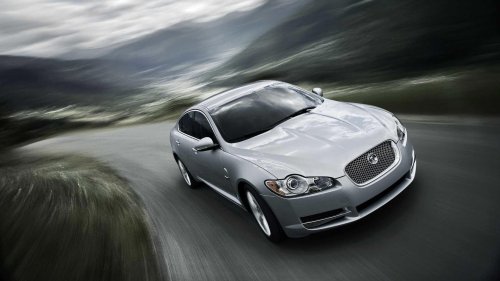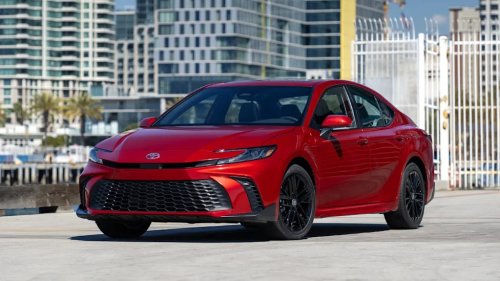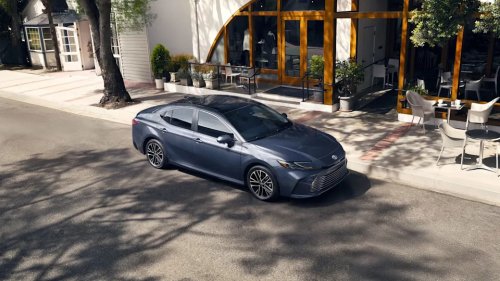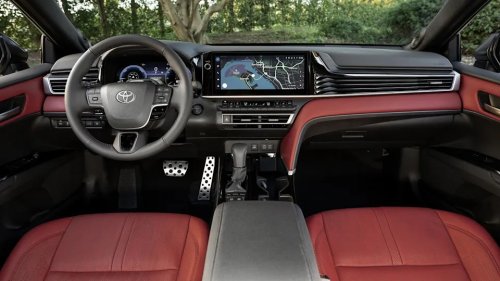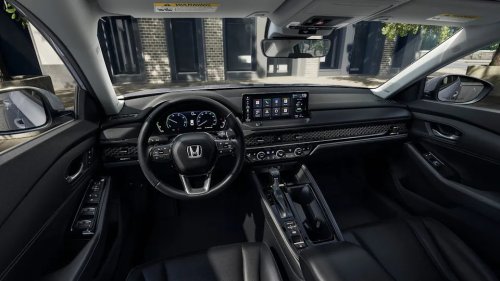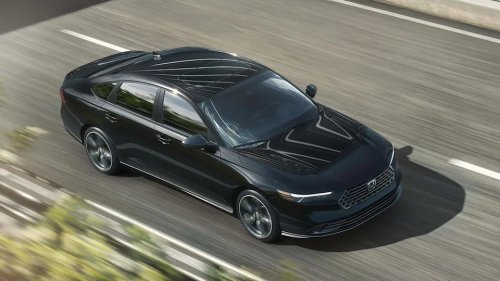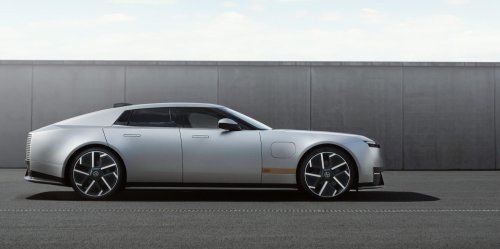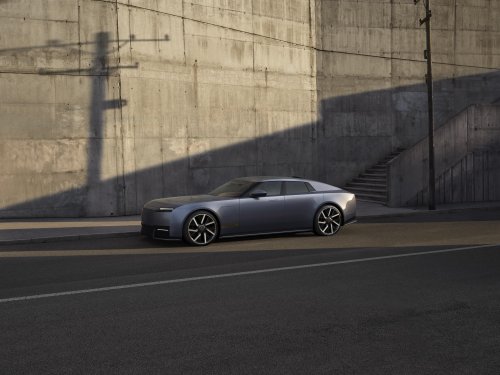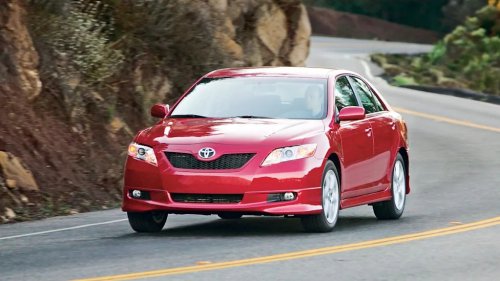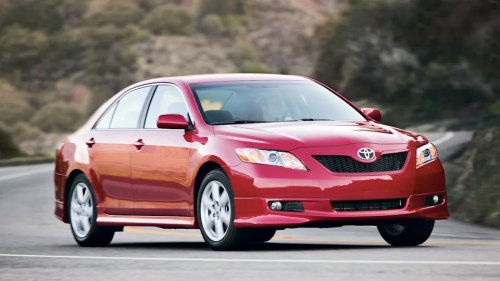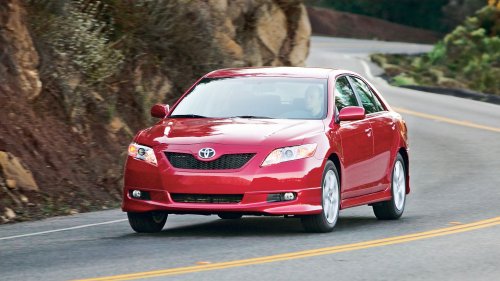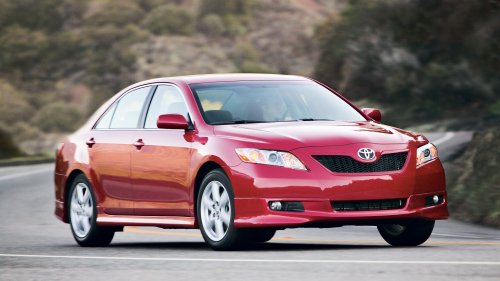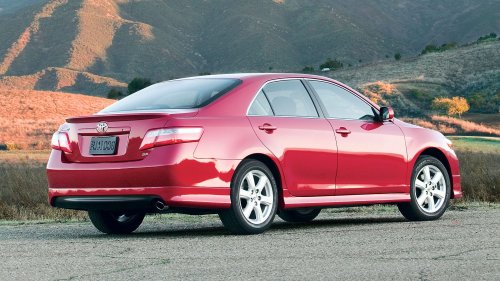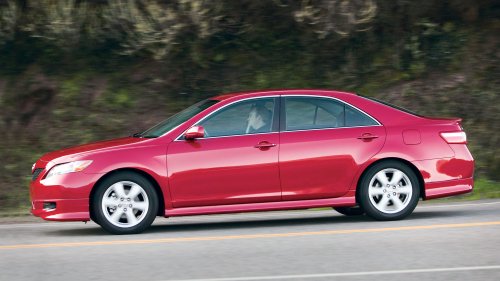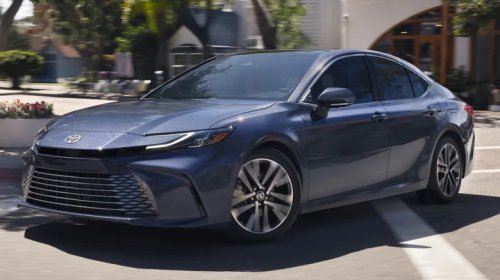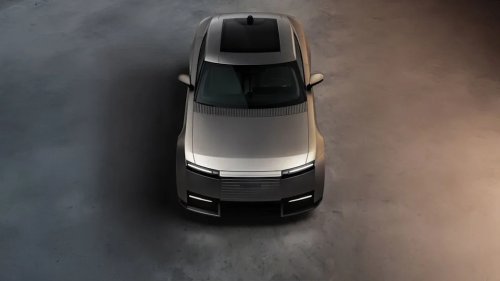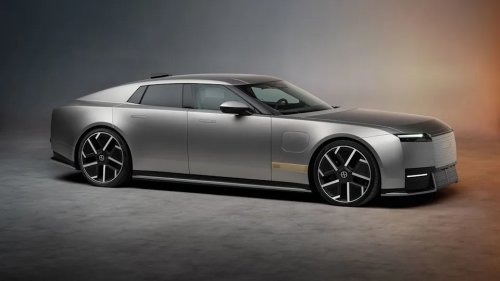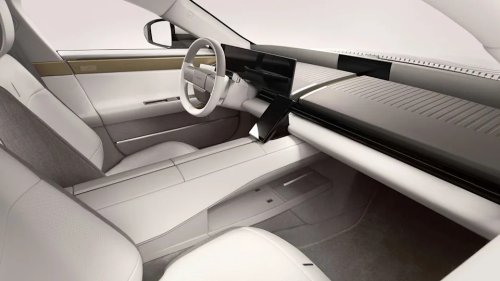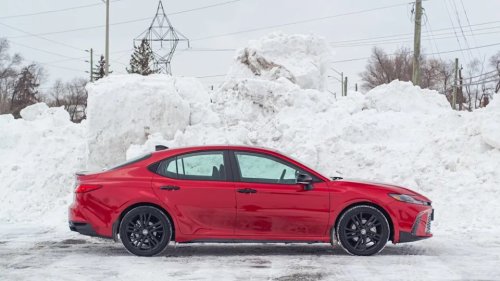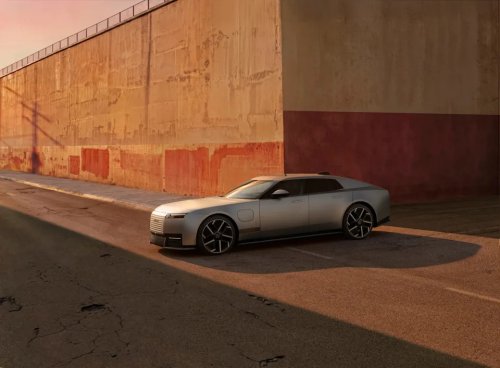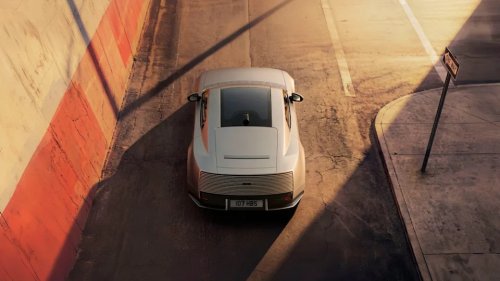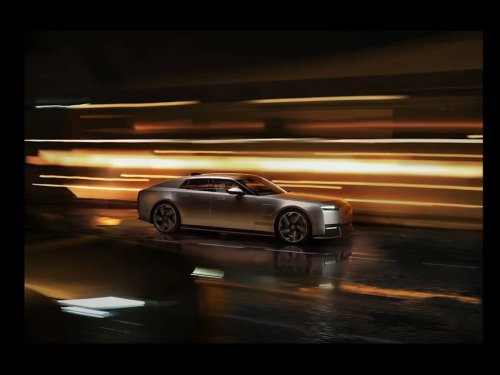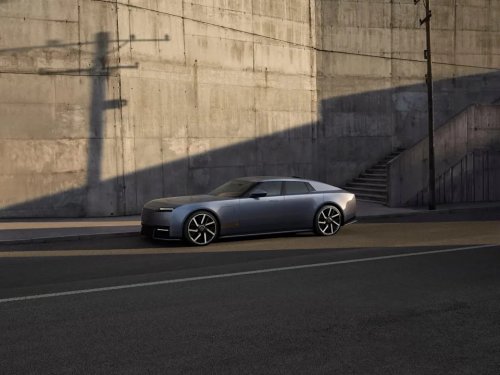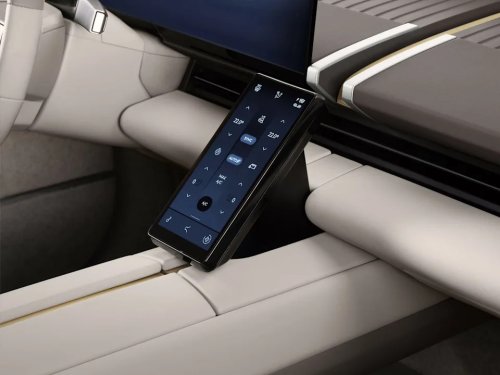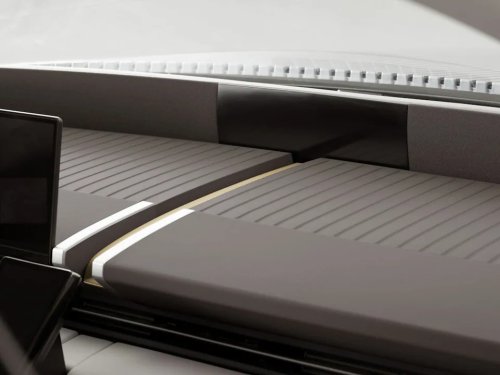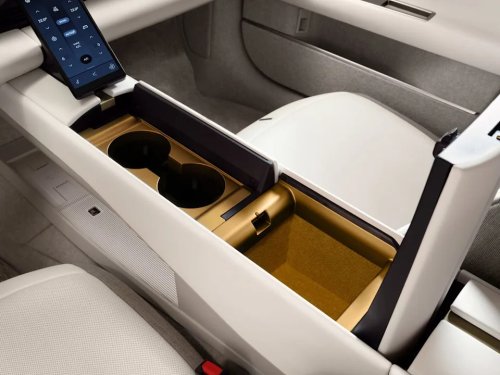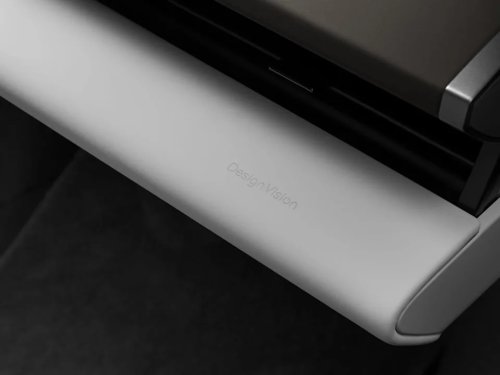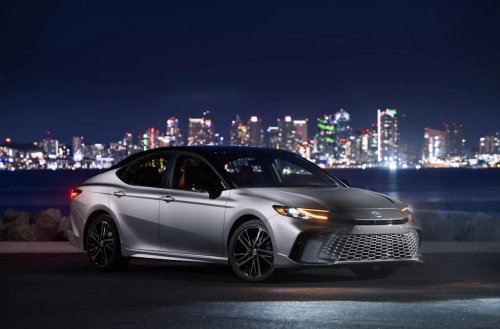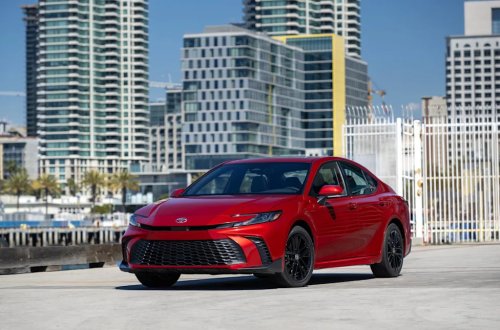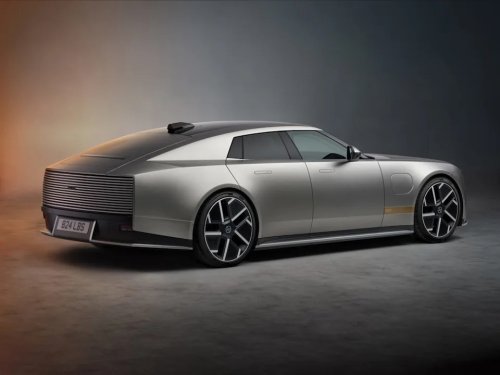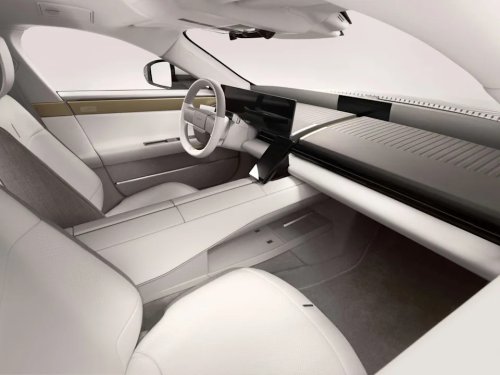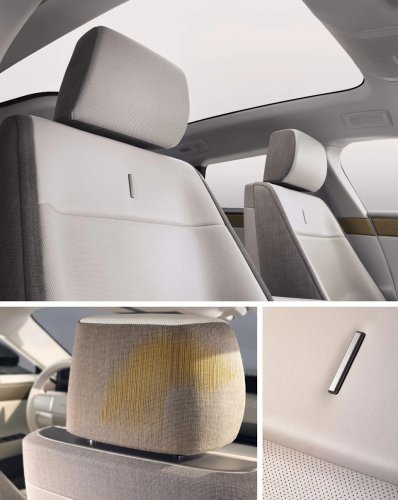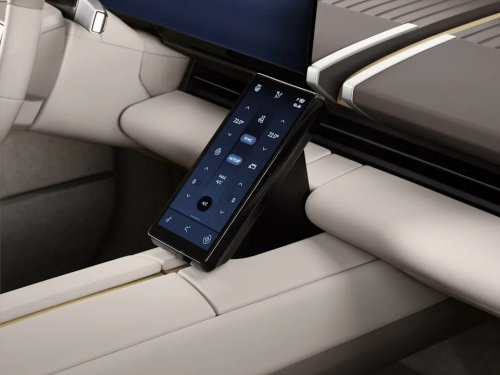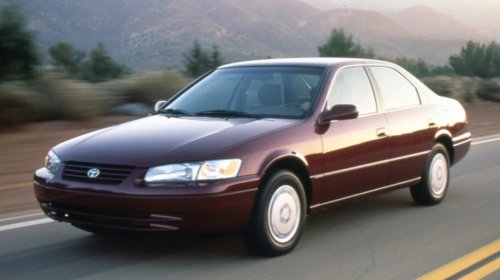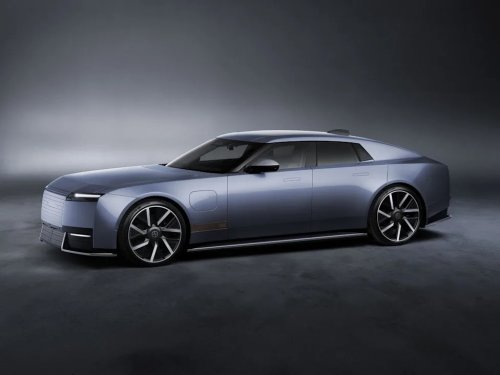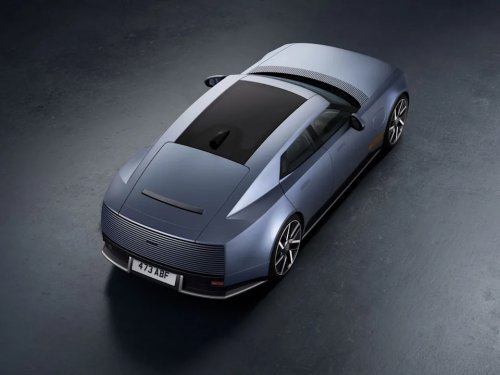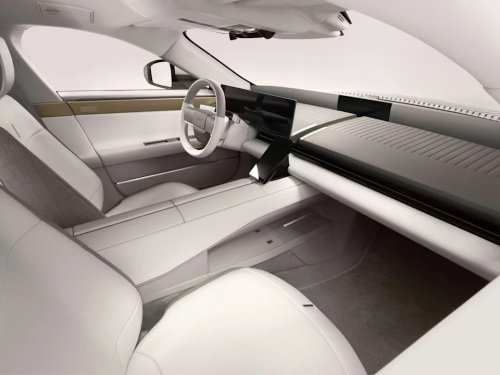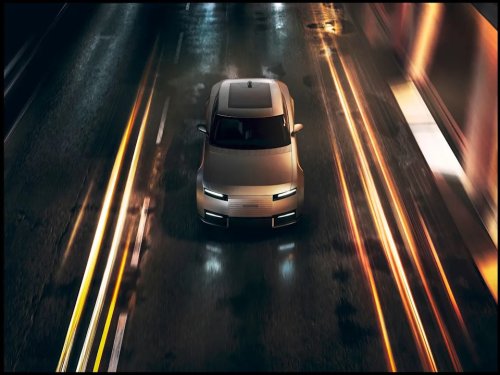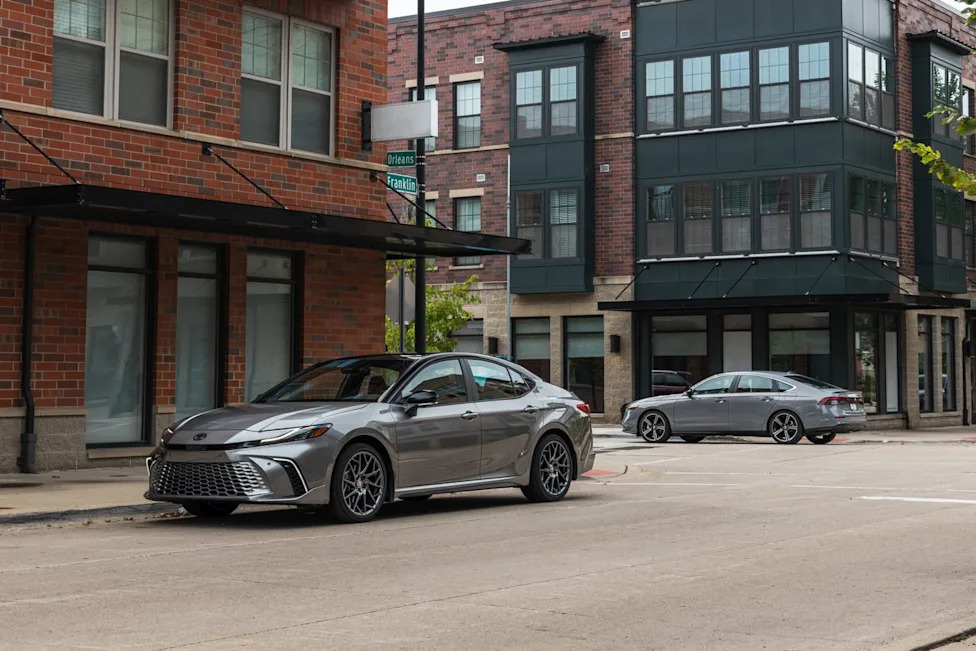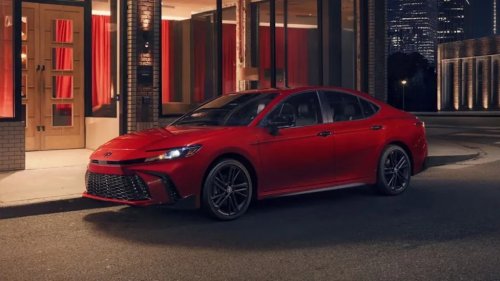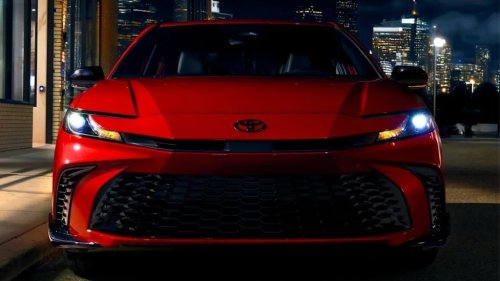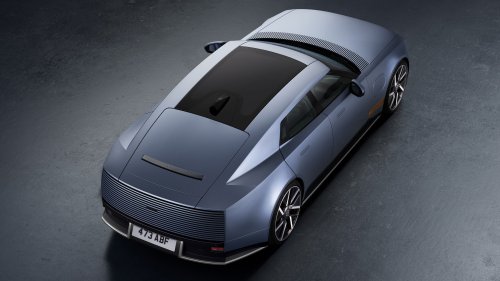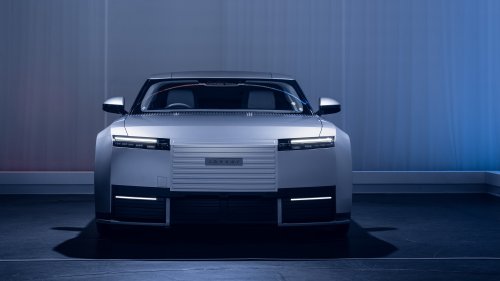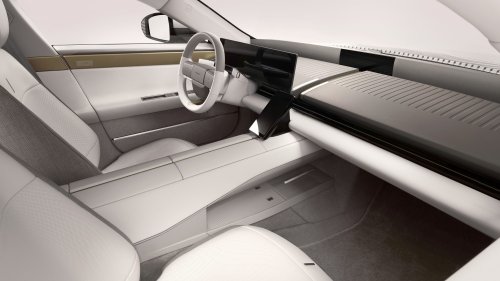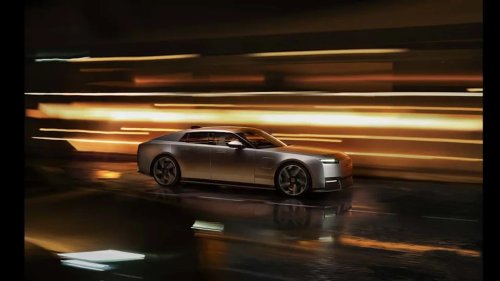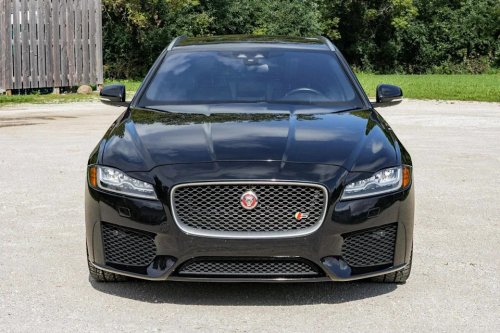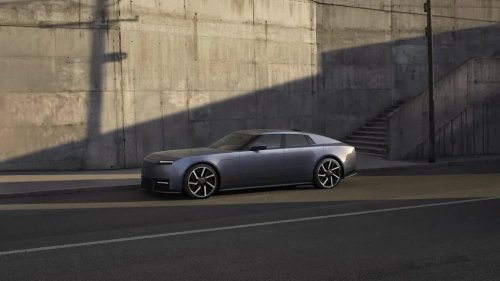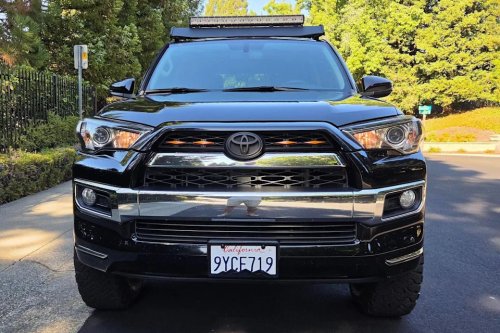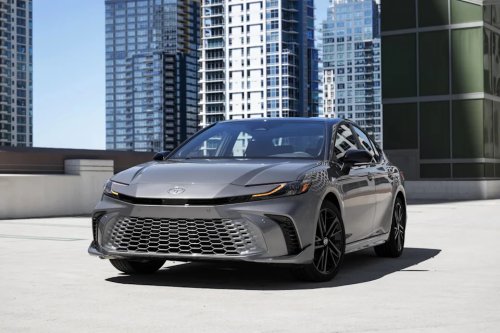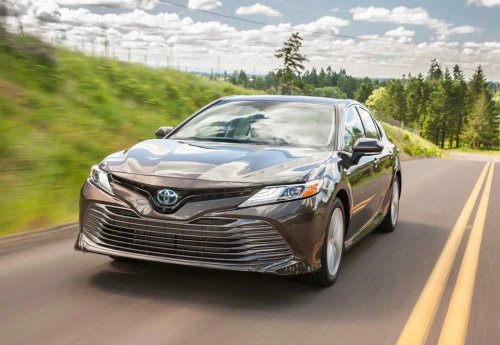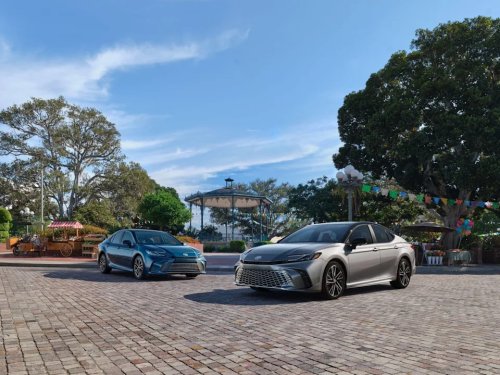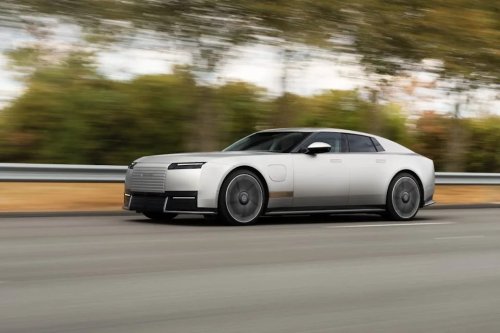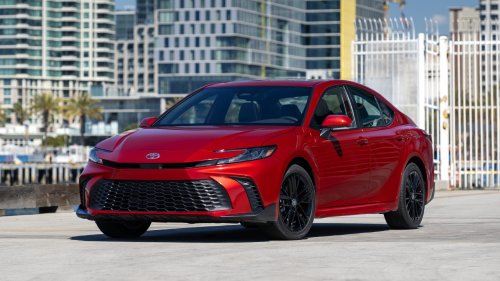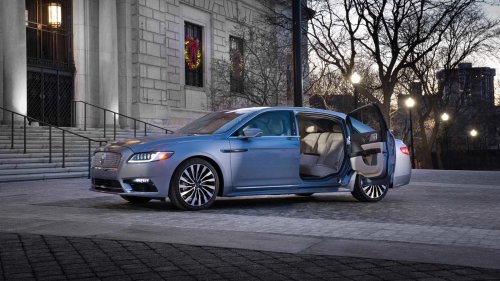
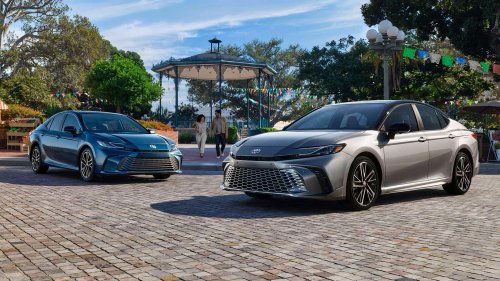
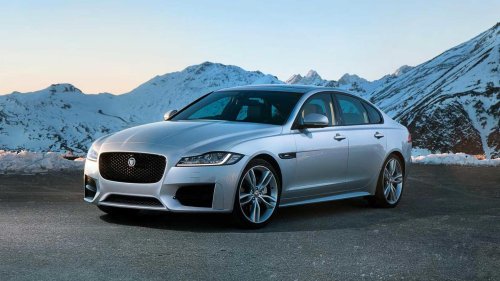
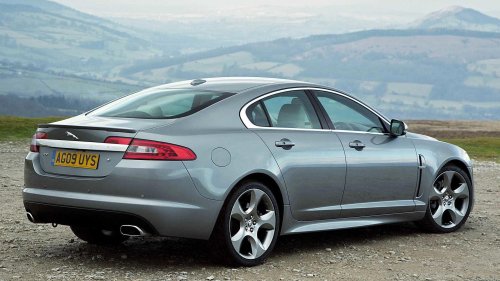
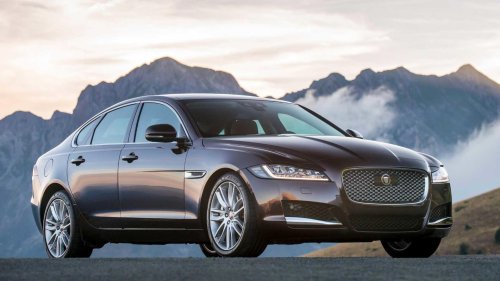
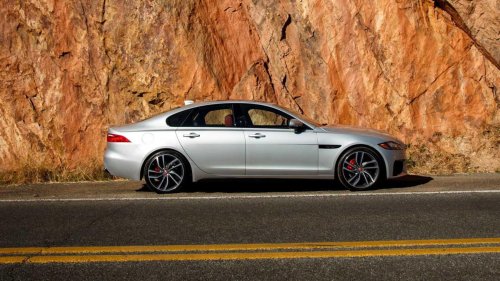
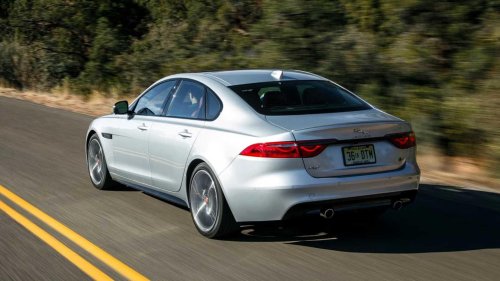
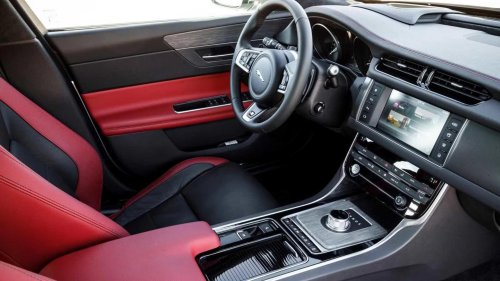
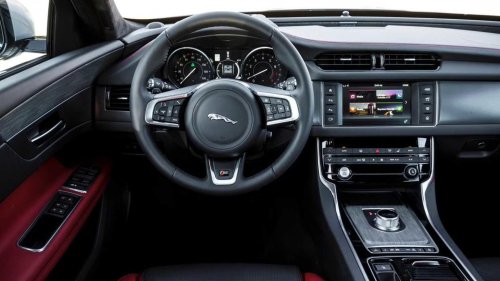
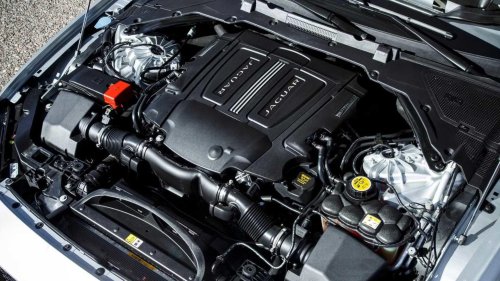
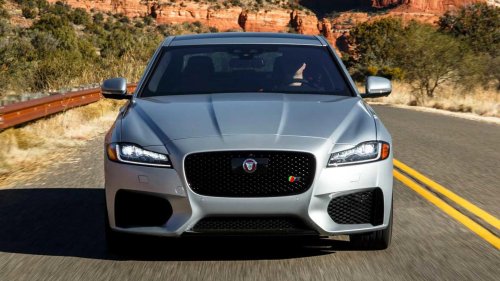
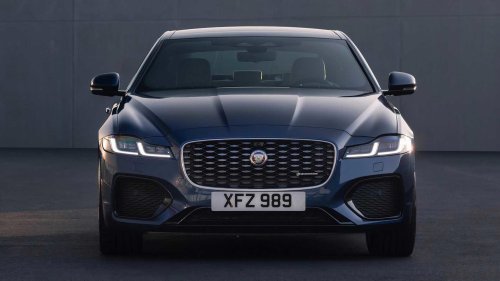
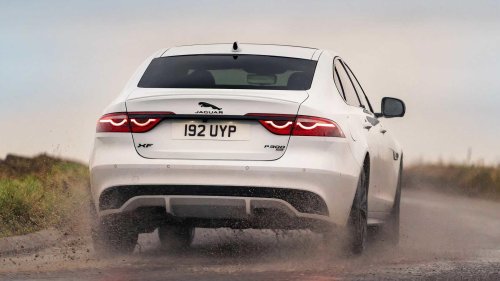
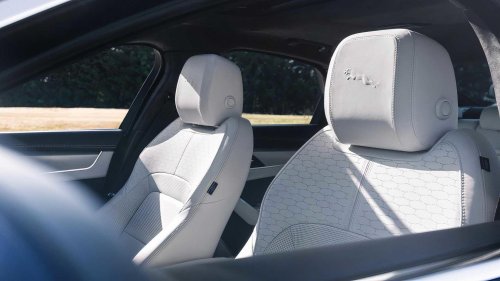
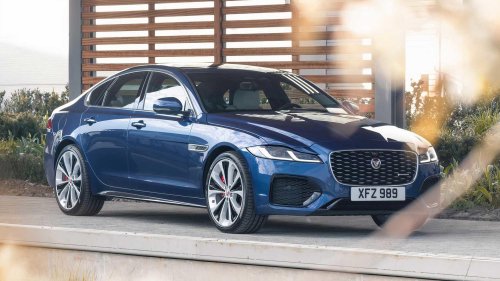



















This iconic British vehicle is consistently more expensive new than a mainstream sedan, but on the used market, many models using the badge now cost less than a 2026 Camry, which is why it’s become known as a “forgotten luxury bargain.” For years, the vehicle renowned for its cat-on-the-bonnet emblem stood out as one of Britain’s most elegant answers to the German-dominated luxury sedan segment.It had the look, long before Swedish pop duo Roxette sang about it. Throw in its wonderful pedigree, not to mention the performance with a price tag to match. But today, this once-prestigious executive sedan has slipped so far down the depreciation curve that you can buy a well-kept one for less than the cost of a new Toyota Camry. Why Luxury Sedans Depreciate So Quickly High MSRP And Rapid Depreciation Lincoln And while that sounds unbelievable, it’s the predictable result of how the luxury-car market works, and how buyers shift their attention elsewhere. Yet beneath the dust of neglect lie genuinely compelling machines that could be picked up at a bargain price, second-hand. Luxury sedans are notorious for losing value at a pace that would make an accountant wince.Toyota This British saloon is no exception—but understanding why helps explain how such a refined car became a used-market bargain. Luxury sedans and mainstream sedans follow completely different economic lifecycles, and this Jaguar is a textbook example of how a premium car can lose value far more quickly than a mass-market model like the Toyota Camry. Jaguars Rocky Road Jaguar Jaguar emerged from British Leyland in 1984, until it was acquired by Ford in 1990. Ford owned Jaguar Cars and bought Land Rover in 2000, and sold both to Tata Motors in 2008. Tata created Jaguar Land Rover as a holding company subsidiary. At the operating company level, Jaguar Cars merged with Land Rover in 2013 to form Jaguar Land Rover, and despite the Indian owners, it feeds off the DNA at design facilities in engineering centers in the United Kingdom.Jaguar Showing just how far down the pecking order Jaguar has fallen, the brand, which once enjoyed the seal of approval from Queen Elizabeth II and King Charles III, was nowhere to be seen when King Charles visited the United States. He was ferried around in a Bimmer. The British would have had a fit. It must be said that the ownership troubles of the brand also took a shine off that exclusivity it once held. Since the late 1970s, Jaguar has manufactured cars for the British prime minister, the last one in 2010, the XJ. The Jaguar XF Is The Forgotten British Luxury Sedan That Now Costs Less Than A Toyota Camry Jaguar The reasons aren’t mysterious—they’re structural, predictable, and deeply tied to how buyers behave in each segment. Luxury cars start life with high MSRPs—often inflated by brand prestige, advanced technology, and expensive materials. The 2024 XF carried a sticker price of around $49,800 for the base model. But the moment a luxury sedan leaves the showroom, its value plummets. Buyers in this segment tend to prioritize the newest tech, the latest design refresh, and the prestige of owning something current. That Means Even Well-Maintained Models Lose Value Quickly Jaguar The XF also depreciated faster than rivals like the BMW 5 Series or Mercedes-Benz E-Class, partly because Jaguar’s resale values have historically dropped faster than those of German competitors. This isn’t necessarily because XF is worse; it’s because Jaguar lacks the same brand retention power and long-term buyer confidence. Today, well-maintained 2024 XF models can be found for $28,500, according to KBB, with older models going for even less. Compared to the 2026 Toyota Camry, which starts at 29,300 for the base model, this is a striking bargain for a luxury sedan that has more guts than any trim you can find on the Camry. The 2016-2020 Jaguar XF Quietly Slipped Off Buyers’ Radar Strong Product, Weak Market Momentum Jaguar When the second-generation XF arrived in 2016, it represented a major leap forward for Jaguar. It was lighter, sharper, more modern, and more efficient thanks to its aluminum-intensive architecture. It also looked far more contemporary than the retro-styled S-Type it replaced. But despite these improvements, the XF struggled to maintain visibility in a crowded segment. Part Of The Issue Was Competition Jaguar The XF was up against brands with decades of dominance and massive marketing budgets. Even though the XF delivered exceptional driving dynamics and standout design, it simply couldn’t match the German trio’s momentum. Another factor was reliability perception. While early XF models (2009–2012) and later ones (2017–2020) are considered the most reliable years, the 2013–2016 models suffered from electronic, transmission, and engine issues, which hurt the XF’s reputation during a critical period.Jaguar Once a luxury sedan gains a reputation for being “unpredictable,” mainstream buyers tend to avoid it—even if later models improve. As a result, interest in the XF shifted away from new-car buyers and toward the pre-owned market, where depreciation made it far more attractive to value-focused shoppers. What You Get For The Price Today Luxury Features And Premium Design Jaguar Here’s where the XF becomes genuinely fascinating. Depreciation hit it so hard, you can now buy a used XF for the price of an economy sedan—or less. And what you get for that money is remarkable. Even older XF models deliver a level of craftsmanship and design flair that economy sedans simply can’t match. Jaguar has always excelled at interiors, and the XF is no exception. Depending on the model year and trim, you’ll find: High-quality leather upholstery Minimalist, elegant cabin design Digital instrumentation Premium infotainment systems Adaptive cruise control Heated and ventilated seats Aluminum and wood trim options The XF’s design philosophy emphasizes a clean, driver-focused layout with premium materials and a sense of occasion. Even today, stepping into an XF feels special in a way that many modern sedans—focused on screens and cost-cutting—do not.Jaguar And because the XF depreciates so aggressively, buyers can access these features at a fraction of their original cost. As one analysis notes, used XF models have become increasingly accessible due to depreciation, making them appealing to buyers who prioritize upfront value over long-term resale. Engine Options And Performance That Still Hold Up A Range Of Powertrains With Real Character Jaguar The XF’s performance credentials remain one of its strongest selling points. Over the years, Jaguar offered a range of engines—from efficient turbocharged four-cylinders to muscular V6 and even supercharged V8 options in earlier generations.The 2024 XF, for example, uses a 2.0-liter turbocharged inline-four producing 246 horsepower and 269 pound-feet of torque, paired with an eight-speed automatic transmission and rear-wheel drive. These numbers still hold up well in today’s market, especially when compared to mainstream sedans. Earlier models offered even more excitement.Jaguar Jaguar’s emphasis on lightweight construction—especially in the second generation—improved handling and responsiveness. Many trims were hundreds of pounds lighter than the previous generation, enhancing both fuel economy and driving dynamics. For enthusiasts, the XF’s rear-wheel-drive layout and balanced weight distribution make it a more engaging drive than many modern sedans that have shifted toward front-wheel-drive or hybrid-heavy platforms. What It’s Like To Own Today Maintenance, Reliability, And Costs Jaguar Owning a used Jaguar XF can be rewarding—but it requires realistic expectations. Luxury cars are complex machines, and even when purchased cheaply, they carry luxury-level maintenance needs. The XF’s reliability varies significantly by model year. According to owner data, the 2009–2012 and 2017–2020 models are the most reliable, with fewer reported issues and lower maintenance costs, while the 2013–2016 models are the least reliable, with common problems in electronics, transmission, and engine components.Jaguar Maintenance costs can be higher than those of mainstream sedans. Average repair costs hover around $1,066 per repair, and there’s a 12 percent chance of a critical repair in unreliable years. However, informed buyers can mitigate risks by: Choosing reliable model years Verifying service history Prioritizing well-maintained examples Avoiding heavily modified cars Ensuring regular maintenance (especially sensors and transmission servicing) Final Thoughts 2023 Jaguar XF Interior shot showing front seats The Jaguar XF may have slipped from the spotlight, overshadowed by German rivals and hampered by uneven reliability years, but its fall from grace has created a rare opportunity. Today, you can buy a beautifully designed, dynamically engaging, genuinely luxurious British sedan for less than the cost of a new Toyota Camry, which is a testament to Japanese durability, ensuring that it has always held value and continues to do so.Jaguar For buyers who value style, performance, and premium features over resale value and long-term predictability, the XF represents one of the most compelling used-car bargains on the market. It’s a forgotten luxury sedan—but for the right owner, it can be an unforgettable car.Sources: Jaguar USA, Edmunds, J.D. Power, Consumer Reports, Repairpal, Kelly Blue Book