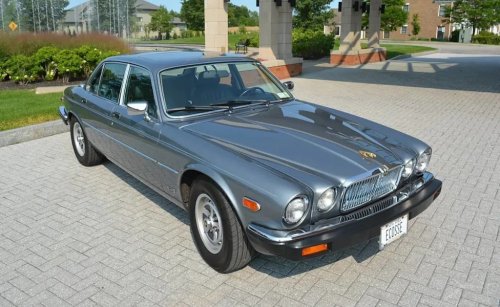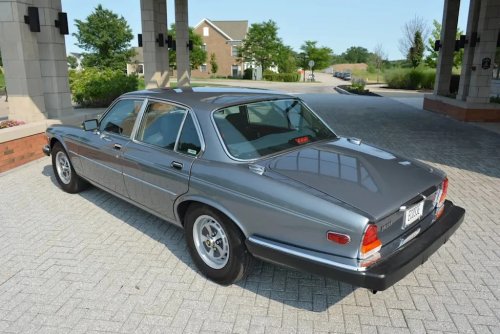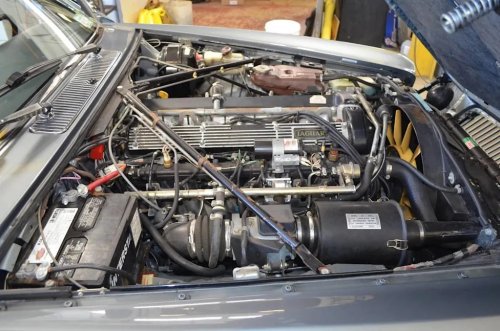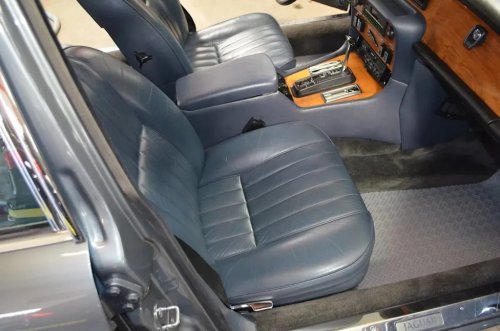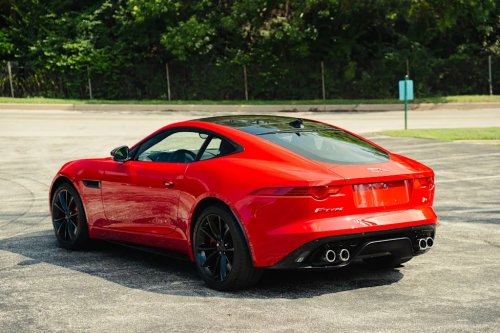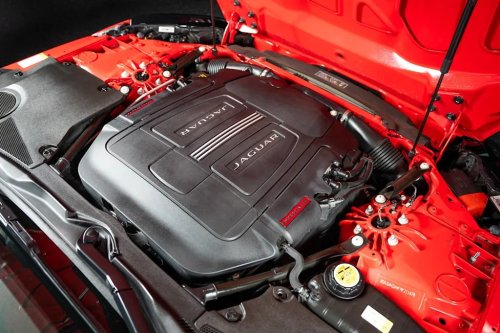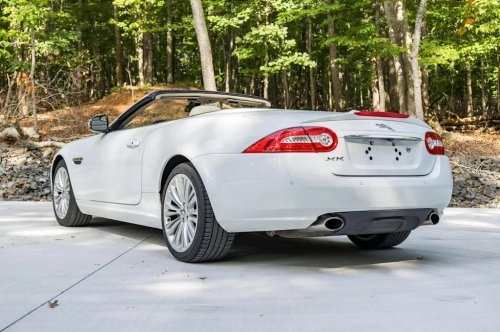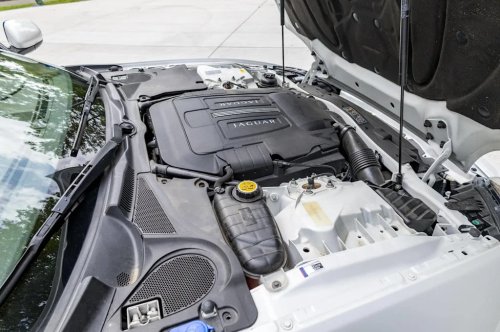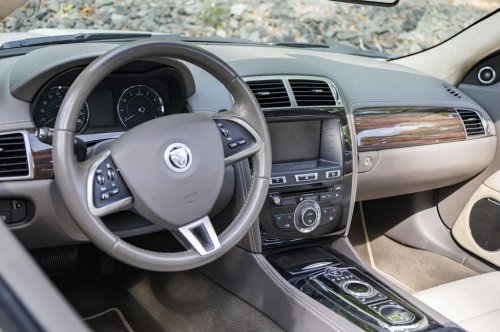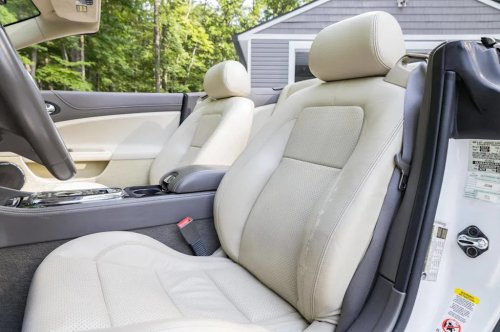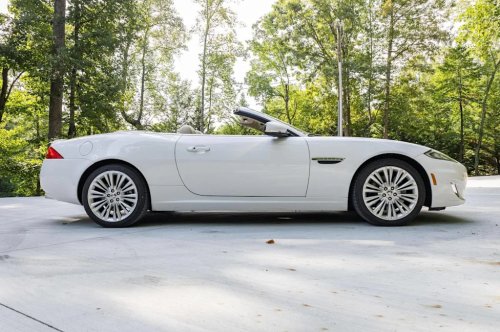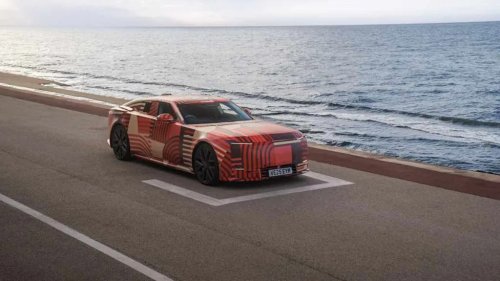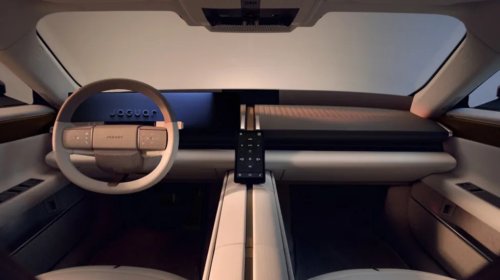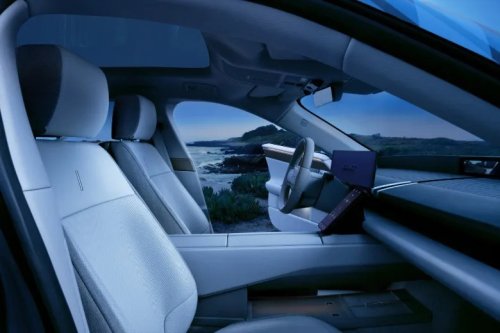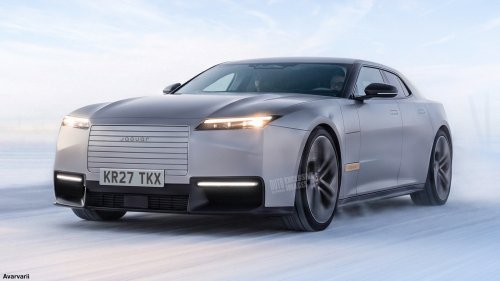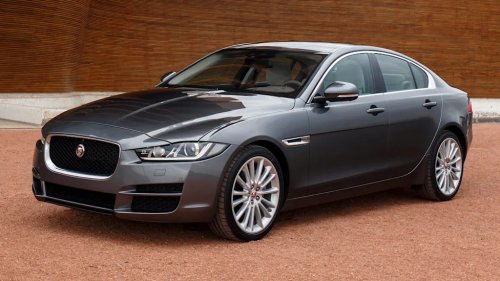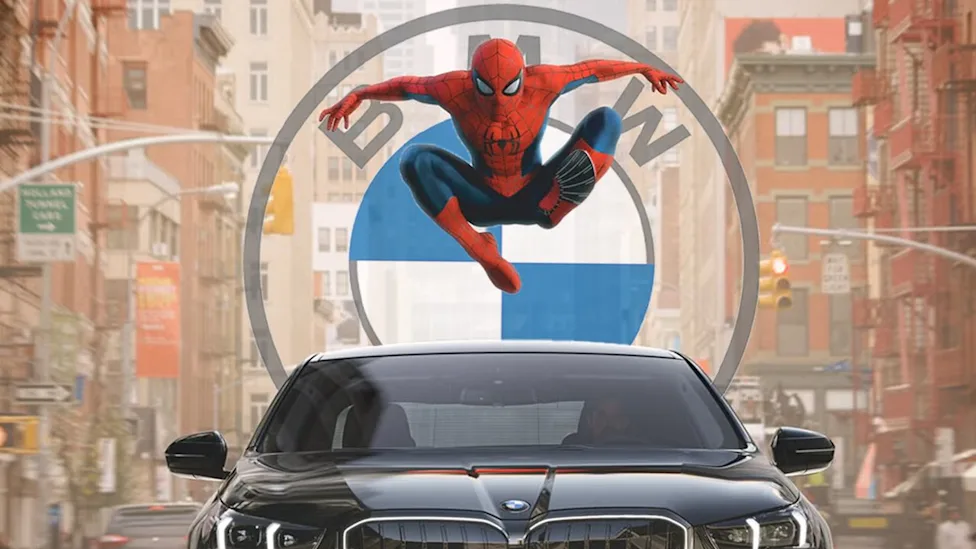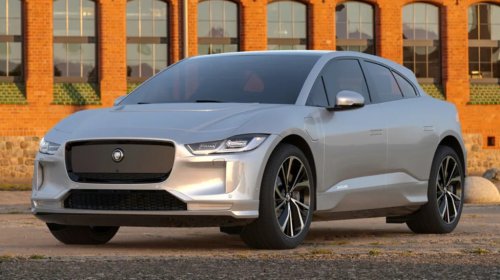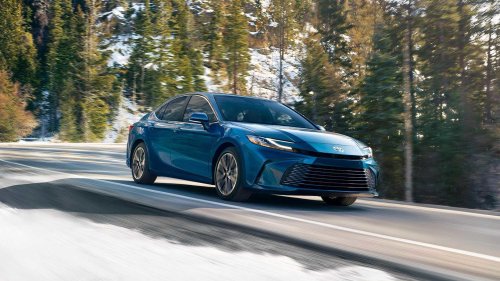
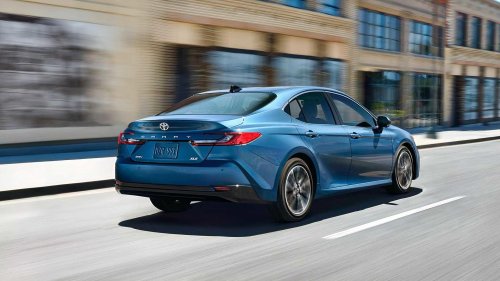
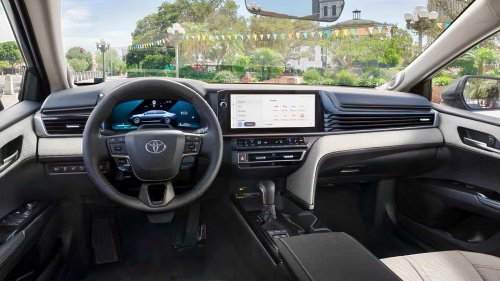
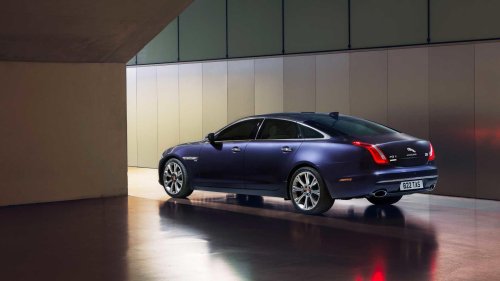
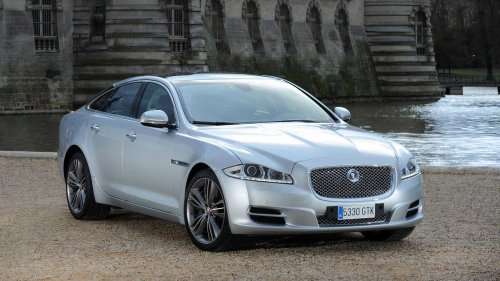
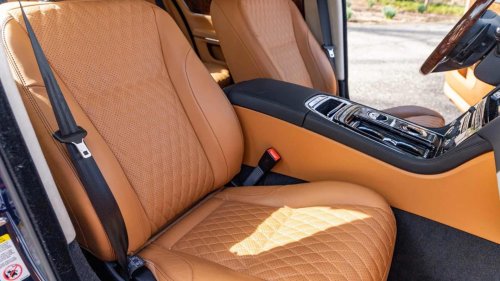
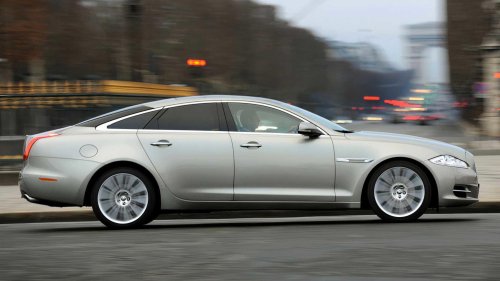
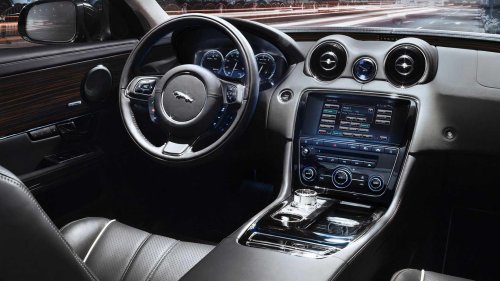
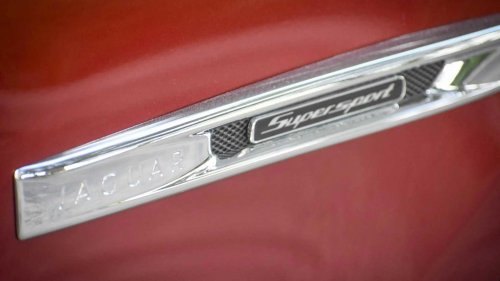
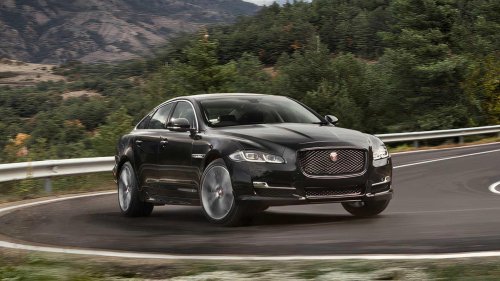
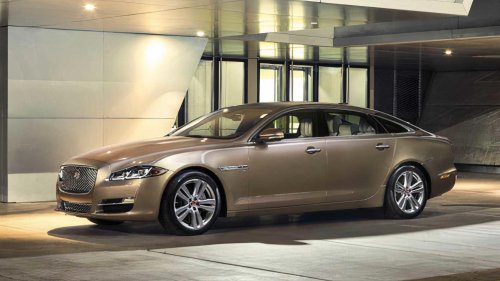
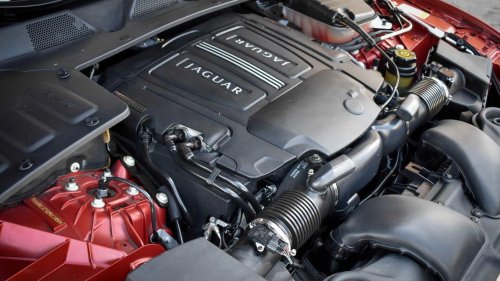
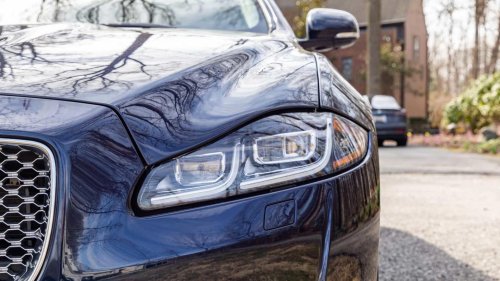



















A supercharged British flagship sedan that once commanded six figures now costs less than a new loaded Toyota Camry, and the brand that built it has essentially walked away from every customer who bought one. That’s not just depreciation, it’s a collapse in perceived value driven by forces far beyond mileage and age.Picture the scene: a pristine long-wheelbase luxury sedan, once reserved for executives and dignitaries, parked beside a brand-new family sedan. The price tags are nearly identical. One represents cutting-edge reliability, warranty-backed ownership, and predictable costs. The other delivers handcrafted luxury, a supercharged V8, and a driving experience that once rivaled the best from Germany.Yet buyers overwhelmingly choose the safer option. Why? Because the premium flagship sedan market is undergoing a silent crisis, one where technology shifts, brand repositioning, and ownership fears are erasing tens of thousands of dollars in value. This is not just about one car. It’s about what happens when an entire segment loses relevance, and when a manufacturer’s future strategy inadvertently punishes its most loyal customers. A Used Flagship Sedan For Camry Money Toyota Walk into a used car dealership today, and you might find something surreal: a full-size luxury limousine priced in the same bracket as a new 2026 Toyota Camry at around $30,000 - $35,000. Not a stripped-down premium car, but a genuine flagship, long wheelbase, rear-seat executive comfort, air suspension, and a powertrain that once defined excess.Toyota This price collision is where the story begins. On one hand, the Camry offers bulletproof reliability, modern infotainment, and a warranty that removes uncertainty from the ownership equation. On the other hand, you’re looking at a car that originally targeted buyers cross-shopping the BMW 7 Series and Mercedes-Benz S-Class, vehicles synonymous with status and engineering ambition. The Catch Is Obvious Toyota The flagship sedan delivers an experience that the Camry simply cannot replicate: whisper-quiet cabins, hand-stitched leather, and a sense of occasion every time you step inside. But it also carries the baggage of high running costs, uncertain long-term reliability, and a rapidly shrinking pool of buyers willing to take the risk. This creates a strange paradox. The used flagship is objectively the better car in terms of luxury, performance, and presence. Yet the market values it the same as a mass-market sedan. That disconnect is the result of something deeper than depreciation curves; it’s a shift in how buyers perceive long-term ownership risk. How The Jaguar XJL Went From Six Figures To Bargain Basement Jaguar The car at the center of this collapse is the Jaguar XJL, the long-wheelbase version of Jaguar’s last true flagship. When new, it commanded prices from $77,025 all the way up to $124,325 for the range-topping Supersports trim. That positioned it firmly in the same league as the German elite. Five years later, the numbers tell a brutal story. The XJL loses an average of 66.4 percent of its value over that period. In real terms, that means original owners are watching between $50,000 and $80,000 evaporate. And it’s not alone. The BMW 7 Series actually performs even worse, shedding around 71.1 percent of its value in the same timeframe. This isn’t just a Jaguar problem; it’s a flagship sedan problem. Brand Perception Plays A Massive Role In The Massive Loss Jaguar Jaguar never enjoyed the same global prestige or resale strength as its German rivals. Add in concerns around long-term reliability, expensive maintenance, and limited dealer networks in some markets, and second-hand buyers become cautious.Bring a Trailer Then there’s the emotional factor. Buying a used flagship used to feel like accessing a world of luxury at a discount. Today, it often feels like inheriting someone else’s expensive problem. The result is a perfect storm: high initial pricing, rapid technological obsolescence, and a shrinking audience. Here, the XJL fell into a market that no longer values what it represents. Why Luxury Flagship Sedans Are Losing Value Faster Than Ever Jaguar To understand the Jaguar XJL’s collapse, you have to zoom out and look at the segment as a whole. Flagship sedans were once the pinnacle of automotive engineering. They introduced new technologies, defined brand identity, and served as rolling showcases of innovation. Today, that role has been taken over by SUVs and electric vehicles. Buyers who once aspired to own a flagship sedan are now gravitating toward high-end SUVs that offer similar levels of luxury with greater practicality. At the same time, EVs are redefining what “cutting edge” means. Instant torque, over-the-air updates, and futuristic interfaces make even relatively new luxury sedans feel dated. This Accelerates Depreciation In Two Ways Jaguar First, it reduces demand in the used market. Second, it shortens the perceived lifespan of the technology inside the car. A flagship sedan that was state-of-the-art five years ago now feels like a relic compared to newer models. The BMW 7 Series losing over 70 percent of its value proves that even the strongest brands are not immune. If anything, the higher the starting price, the harder the fall.Bring a Trailer There’s also a psychological shift happening. Luxury buyers are increasingly leasing rather than buying, which floods the used market with off-lease vehicles. At the same time, second-hand buyers are more informed than ever, factoring in long-term costs and reliability data before making a decision. The result is a segment caught in a downward spiral, where supply is high, demand is shrinking, and the perceived risks outweigh the rewards. The Jaguar EV Pivot Problem Jaguar Jaguar’s situation adds another layer to this story, one that feels less like market evolution and more like a betrayal of its existing customers. The company has committed to becoming an all-electric brand, effectively discontinuing its internal combustion lineup and scrapping plans for a direct successor to the XJ. That means the entire lineage of cars that defined Jaguar for decades has been abruptly cut off. For current owners, this creates a troubling reality. When a manufacturer publicly pivots away from the type of car you own, it sends a signal to the market: this product no longer represents the brand’s future. That Shift Has Real Consequences Jaguar Residual values drop because buyers worry about long-term support, parts availability, and the overall relevance of the vehicle. Even if those fears are not immediately justified, perception alone is enough to drive prices down. This is where the XJL’s depreciation feels different from its rivals. While the BMW 7 Series continues to evolve with new generations and ongoing support, Jaguar has effectively pressed pause on its flagship sedan identity. The result is a car that feels orphaned. It’s not just an old model, it’s part of a discontinued philosophy. And in the used market, that distinction matters more than most people realize. The Used Luxury Sweet Spot Or A Depreciation Trap? Jaguar So where does that leave buyers? Is a used Jaguar XJL the ultimate bargain, or a financial trap waiting to spring? The answer depends entirely on your expectations. On paper, the value proposition is extraordinary. For the price of a new Toyota Camry, you get a car that offers vastly superior comfort, performance, and prestige.Bring a Trailer The supercharged V8 delivers effortless power, while the long-wheelbase design provides limousine-level rear-seat space. For enthusiasts or experienced buyers who understand the risks, this can be a sweet spot. Depreciation has already done its worst, meaning future value loss is likely to be less severe. If you’re willing to budget for maintenance and accept the quirks of ownership, the XJL delivers an experience that feels under-priced. For The Average Buyer, The Risks Are Harder To Ignore Bring a TrailerMaintenance costs can be unpredictable, parts may become more difficult to source over time, and resale values are unlikely to recover. Add in the brand’s uncertain direction, and it becomes clear why many buyers choose the safer option. Ultimately, this is the reality of modern luxury depreciation. What was once aspirational becomes accessible, but not necessarily sensible. The XJL embodies that contradiction perfectly. It’s a car that offers more than its price suggests, yet demands more than most buyers are willing to give. And that’s why, despite the bargain, it sits on the lot, waiting for the rare buyer who sees opportunity where everyone else sees risk.Sources: Jaguar, CarEdge, iSeeCars, Omnicalculator