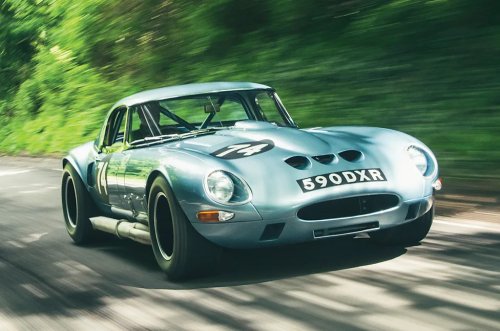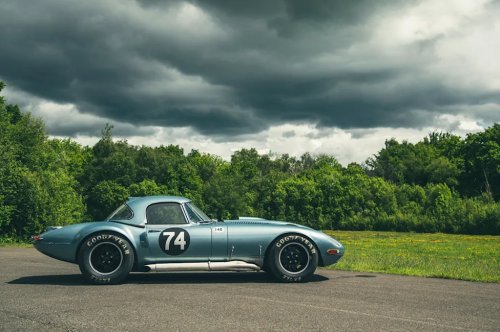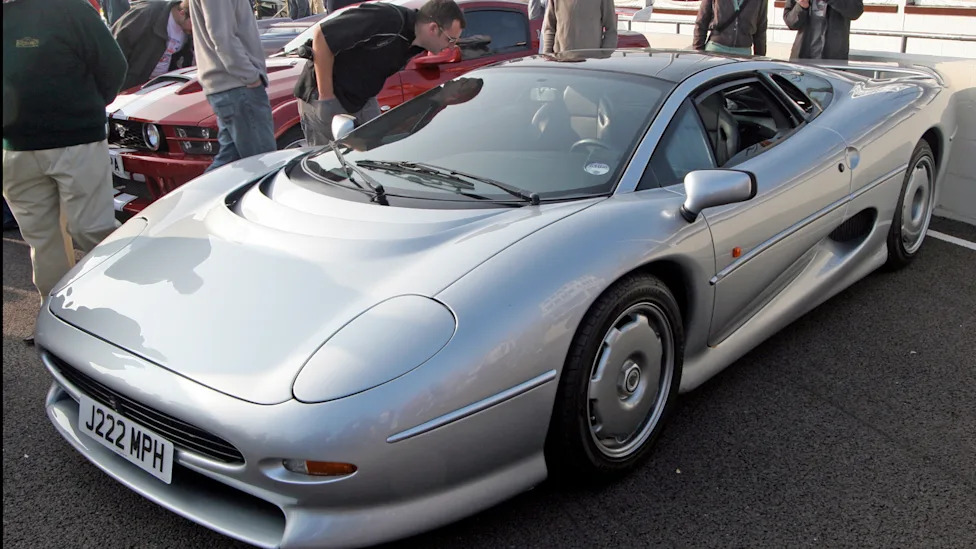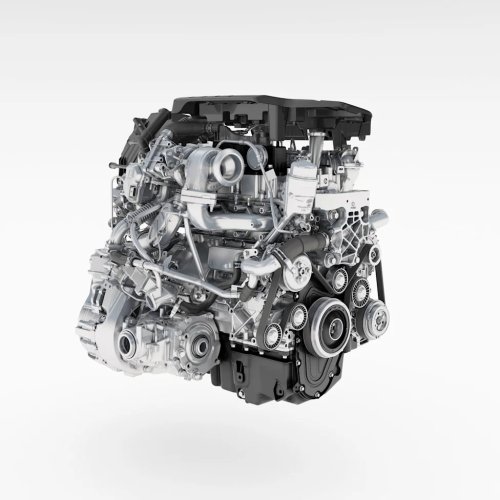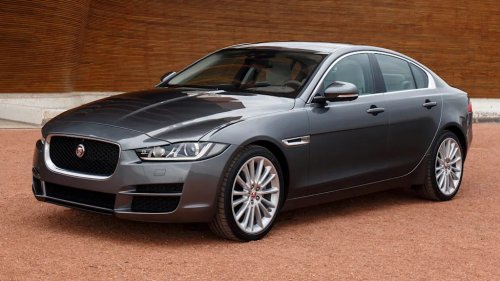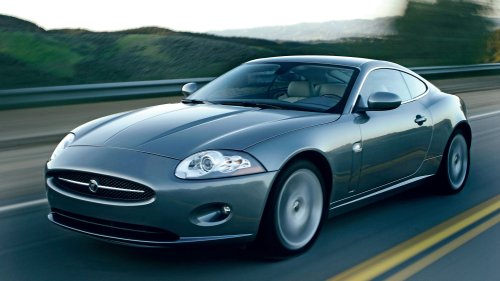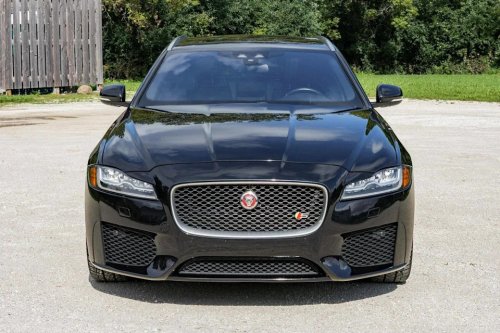



















The 1990 Jaguar XJ220 arrived as a moonshot from a company better known for stately saloons, a low, silver projectile that briefly made the rest of the supercar world look slow. Yet from the moment deposits were taken, it carried awkward expectations, broken promises and a market crash on its back. I want to trace how that mix of brilliance and disappointment turned the XJ220 into a legend that still feels slightly haunted today. Its story is not just about numbers on a speed trap, although those were extraordinary, but about how a passion project collided with reality. The result was a car that could humble anything on a fast road, while also leaving some early buyers feeling misled, and that tension is exactly what keeps the XJ220 fascinating decades later. The dream: a V12 halo car that shocked the world When Jaguar’s skunkworks engineers first sketched out the XJ220 concept, they were chasing a pure fantasy: a vast, low supercar with a V12 engine and four-wheel drive that would eclipse anything from Italy or Germany. In 1992, Jaguar promised a four-wheel drive V12 monster, and that phrase still captures the scale of the ambition that drew in deposit holders who thought they were buying the ultimate British exotic. The idea was not just to build something fast, but to create a technological flagship that would sit far above the company’s road cars and racing machines of the era. The concept’s unveiling in the late Nineties supercar boom made it feel like a sculpture from the future, and it was no surprise that enthusiasts rushed to put money down. That early vision, a car that seemed destined to be the most outrageous thing on the road at the time, is why the later compromises stung so much. The gap between the promised four-wheel drive V12 monster and the production reality is at the heart of why the XJ220’s reputation has always come with baggage, as captured in period recollections of how Jaguar promised that configuration to the world at the time in In 1992, Jaguar promised a four-wheel drive V12 monster. From passion project to production compromise Image Credit: Spanish Coches – CC BY 2.0/Wiki Commons Once the accountants and regulators entered the picture, that dream car had to be reshaped into something that could actually be built and sold. Problems with reliability, emissions and packaging meant the original V12 and all-wheel drive layout were quietly dropped, and the production Jaguar XJ220’s V-12 was replaced by a turbocharged V-6, with AWD as engineers chased a lighter, more compact solution that could pass the rules of the day. The result was a twin turbo V6 derived from Group C racing, mounted amidships and driving only the rear wheels, a configuration that made engineering sense but felt like a broken promise to those who had signed up for twelve cylinders and four driven wheels. Even with those revisions, the engineering remained ambitious, and the car that finally emerged still pushed the limits of what a road car could do. Contemporary analysis describes how it went from passion project to production compromise, yet Even with those revisions, the engineering remained ambitious, the chassis and aerodynamics still worthy of the XJ badge that had been emblazoned on the badge, a point underlined in retrospectives on how the Jaguar XJ220 that promised more than time allowed still delivered a formidable machine in Even with those revisions. The fastest car in the world, and still not enough For all the grumbling about engines and layouts, the XJ220 did exactly what a Nineties halo car was supposed to do: it went faster than anything else with number plates. Jaguar launched a new fastest car in the world in 1992, with its 217.1mph certified by the Guiness Book of World Records as the highest speed achieved by a production road car, a figure that made the XJ220 the headline act in any conversation about top speed. Later coverage of the model still points to that 217 figure as the defining statistic, a reminder that whatever its compromises, this was a machine that rewrote the record books and forced rivals to respond. Behind that number sat serious development work, including high speed testing of a pre production car with chassis number 004 at the Firestone proving grounds, where engineers chased stability and cooling at velocities few drivers would ever see. That test program, recorded in technical histories of the model, shows how Jaguar treated the XJ220 as a genuine engineering flagship rather than a marketing exercise, with the Guinness World Record run built on the lessons learned from pushing chassis 004 to its limits at Firestone. Why buyers turned away, and values later surged Yet speed alone could not save the XJ220 from a brutal shift in the market. Overlooked and initially underappreciated, the car arrived just as the supercar bubble burst, and when Jaguar unveiled the XJ220 in 1992, it was a technical marvel, capable of 217 m per hour, but the switch to a twin turbo V6 saw demand evaporate almost overnight as some depositors tried to walk away. That combination of economic downturn and perceived downgrading from V12 to V6 meant unsold cars lingered in showrooms, and for years the XJ220 was treated as a cautionary tale about overpromising and underdelivering, rather than as a blue-chip collectible. Time has been kinder. As the nostalgia cycle has swung back to the early 90s, the XJ220 has been reappraised as one of the best cars ever to come out of the UK, with Jaguar’s supercar ambitions resulting in a machine that held the production car speed record at 212.3 mph and delivered a driving experience that finally justified the price tag. That shift from bargain to blue chip is captured in investment focused pieces that chart how values have climbed as collectors recognize the car’s place in history, with the 212.3 figure now cited as a badge of honor rather than a footnote. Driving reality: huge, flawed, and unforgettable On the road, the XJ220’s contradictions become part of its charm. Period and modern testers talk about climbing into a cabin that feels surprisingly narrow, then discovering that up at speed and using the car’s talents on fast flowing roads, the forces generated by the car’s grip really take hold and it feels like an XJ in the way it covers ground. That blend of huge physical presence and delicate high speed balance is what makes the car so addictive for those who have driven it, and it explains why specialists like Don Law Racing have devoted their workshops to keeping the Jaguar XJ220 legend alive, as described in profiles of how up at speed and using the car’s talents reveals a depth that numbers alone cannot convey in up at speed and using. Modern reappraisals often start with a sense of trepidation, then turn into admiration as the car shrinks around the driver. Tentatively, reviewers describe easing the long nose out of a pit lane or side road, only to find that the steering, brakes and turbocharged shove make it feel far more precise than its size suggests, and that careful throttle work can minimize wheelspin and go without drama. Those accounts, which recall the memory of sights and sounds two decades gone as if they had left only last week, show how the XJ220 has shifted from misunderstood giant to cherished 90s supercar. The engineering beneath the scandal Strip away the drama about engines and contracts, and the XJ220 stands as a quietly radical piece of engineering. The body used aluminum honeycomb to create a lightweight yet robust structure, a technique more familiar from race cars than road machines, and that sleek powerhouse was designed to slice through the air with minimal drag while still generating serious downforce. When the XJ220 was unveiled, that combination of exotic materials and wind tunnel sculpted curves helped secure its place as an iconic supercar, a status that later commentators have reinforced by pointing to how its aluminum honeycomb construction anticipated techniques that would become more common decades later. Underneath, the car hid plenty of clever aerodynamic tricks, including the use of Venturi tunnels to generate ground effect, something that was still rare on road cars at the time. Contemporary enthusiasts note how the body of the XJ220 hid plenty of clever engineering, and that it was one of the first road cars to use Venturi tunnels for downforce, a detail that helps explain its stability at extreme speeds and its ability to feel planted even as the speedometer swept past numbers that would terrify most drivers, as highlighted in enthusiast posts that celebrate the Venturi based underbody in Venturi tunnels. How Jaguar and specialists keep the myth alive Today, the XJ220’s survival depends on a small ecosystem of experts who understand its quirks. Jaguar itself has embraced that responsibility, with its heritage arm running a classic workshop where technicians maintain and restore historic models, and where Jaguar launched a new fastest car in the world in 1992 is remembered as a key chapter in the brand’s story. That facility, which highlights how the 217.1 mph record was certified by the Guiness Book of World Records, treats the XJ220 as a crown jewel that deserves factory level care, a stance that has helped reassure owners that their cars can be kept healthy for decades. More from Fast Lane Only: Unboxing the WWII Jeep in a Crate 15 rare Chevys collectors are quietly buying