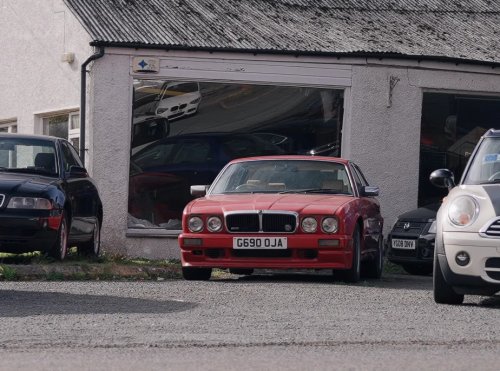
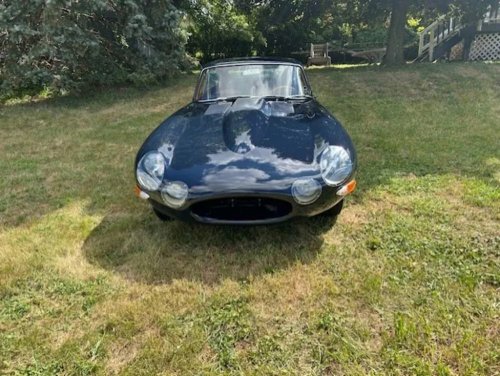
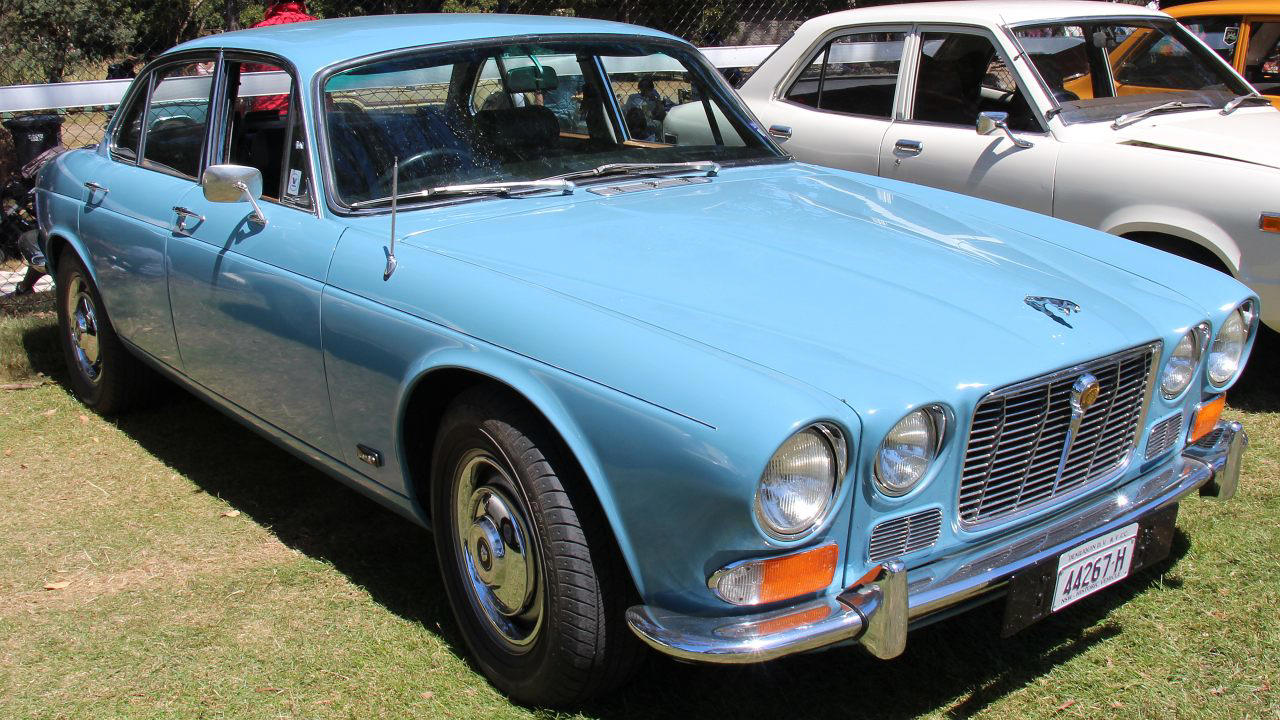
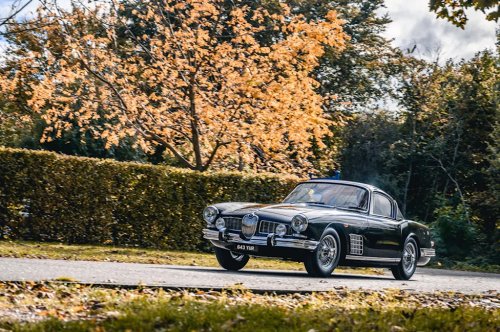
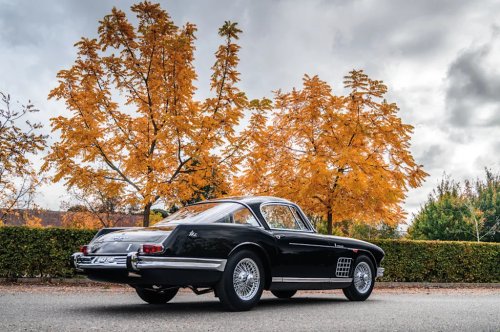
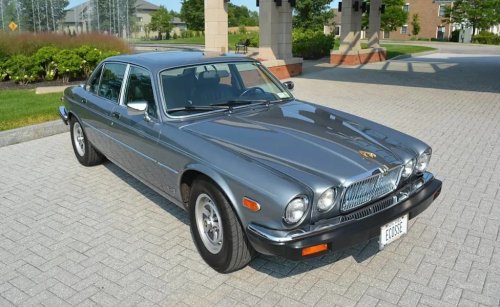
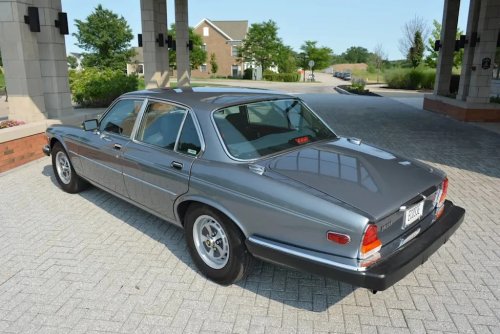
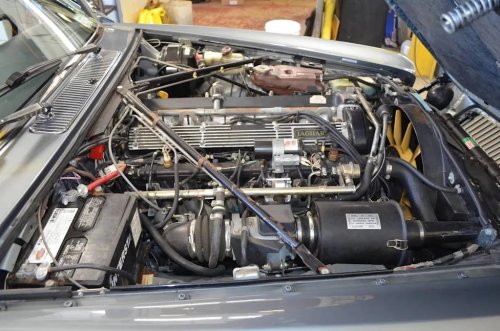
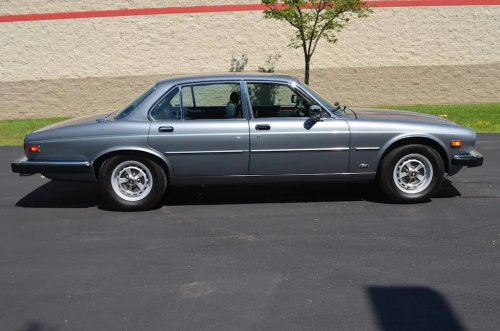
The 1972 Jaguar XJ12 arrived at a moment when luxury cars were starting to chase outright speed, yet Jaguar chose a different path. Instead of building a loud, aggressive flagship, the company wrapped a new V12 in a saloon that prioritized quiet, seamless thrust and long-distance comfort. The result was a car whose defining trait was not its headline power figure, but the way that power was delivered with almost uncanny smoothness. From sports car V12 to limousine calm When Jaguar decided to install its V12 in the XJ saloon, the engineering brief shifted from racing pedigree to refined road manners. The engine had already appeared in the E-type Series 3, where it served a more overtly sporting role, but in the XJ12 it was retuned and reconfigured for quiet torque and relaxed cruising rather than track theatrics. Contemporary development accounts describe how, in 1972, the Hassan designed V12 was adapted for the XJ platform to provide strong, effortless high speed cruising rather than a peaky, high revving character, a choice that set the tone for the entire car. That transformation did not happen by accident. Under the supervision of Walter Hassan and Harry Mundy, Jaguar developed a single overhead camshaft cylinder head that balanced breathing efficiency with refinement, a design that favored smooth combustion and low vibration over extreme specific output. Later reflections on the XJ12 and its Daimler Double Six sibling emphasize that this V12 was engineered to be inherently smooth and quiet, with its multi cylinder layout and careful head design chosen to outclass rival engines in refinement rather than simply to win a power race. In other words, the same basic V12 that could have been tuned into a raw performance unit was instead domesticated into a near silent source of deep, continuous thrust. A chassis built to hide the effort The XJ12’s powertrain only made sense because the rest of the car was designed to make that power feel almost invisible. Jaguar had already invested in a sophisticated unibody platform for the XJ line, and period assessments of a 1972 XJ saloon note that this structure was considered very Advanced for its time. The rigid shell, combined with Jaguar’s trademark independent rear suspension and careful noise isolation, meant that the V12’s output could be fed to the road without the shudder, boom, or harshness that often accompanied big engines in rival sedans. Development histories of the XJ6 and XJ12 describe how the V12’s arrival prompted further refinement of the basic XJ package, including attention to high speed stability and braking to match the new performance envelope. Accounts of the XJ4 development story explain that when Jaguar expanded the theme to include the V12, the XJ12 raised the bar in terms of smoothness, with chassis tuning that favored composure and isolation over razor sharp responses. The result was a car that could travel at very high speeds for long periods while keeping occupants insulated from the mechanical effort taking place under the bonnet, reinforcing the impression that the engine was barely working. Effortless acceleration as a design goal Image Credit: Sicnag, via Wikimedia Commons, CC BY 2.0 Jaguar’s own positioning of the XJ12 made clear that the company was selling the sensation of effortlessness rather than raw numbers. Later commentary on the model describes how, despite its power, the XJ12 was refined and designed for seamless acceleration rather than raw speed. That phrase captures the core philosophy: the car was meant to surge forward in one continuous, velvety wave, without kickdown drama, intake roar, or the sense that the driver was provoking something unruly. In practice, that meant gearing, throttle calibration, and torque delivery were all tuned to make acceleration feel almost like an electric pull rather than a series of gear changes and engine notes. This approach to performance can be seen in how Jaguar’s V12 lineage evolved. A later V12 grand tourer, the Jaguar XJS, was praised in a Feb video review for its effortless power and relaxed character, even though it had the unenviable task of replacing a more overtly sporting predecessor. That continuity suggests that the XJ12 set a template: a big Jaguar with a V12 should feel unhurried and composed, with reserves of power that are sensed more than heard. The XJ12’s focus on smooth, uninterrupted acceleration therefore was not a side effect of its engineering, but the central product promise that shaped how the drivetrain and transmission were calibrated. Luxury defined by quiet confidence In the early 1970s, luxury could have been defined by chrome, gadgets, or sheer size, yet Jaguar chose to define it as the absence of strain. Owners and commentators looking back on the 1972 XJ12 often highlight how the car felt more like a discreet high speed drawing room than a muscle sedan, with the V12’s presence signaled by the lack of vibration and the ease with which the car gathered speed. One enthusiast reflection on the model notes that the only real fault was fuel thirst, while emphasizing that the car’s character was dominated by refinement and the sense that the engine always had more to give without raising its voice. That philosophy aligned with the broader XJ family’s reputation. Reviews of the XJ6 and XJ12 range describe how the cars were engineered for effortless high speed cruising, with the V12 variant simply extending that trait to a higher level of performance. The unibody platform, advanced suspension, and careful engine development all served a single idea of luxury: a driver should be able to cover long distances quickly without fatigue, drama, or mechanical intrusion. In that context, the XJ12’s smooth power was not just a technical achievement, it was the core of Jaguar’s brand promise in its flagship saloon. A legacy that still feels modern Viewed from today, the 1972 XJ12’s priorities look surprisingly contemporary. Modern electric and hybrid luxury cars are praised for silent, instant torque and the way they make speed feel almost casual, and that is exactly the sensation Jaguar was chasing with its V12 saloon. A younger enthusiast who daily drives a 1972 Jaguar saloon has described how advanced the car felt for its era, pointing to the unibody construction and overall refinement as reasons it still works in modern traffic. That kind of testimony underlines how the XJ12’s emphasis on smooth, accessible performance has aged better than a focus on headline top speeds would have. The XJ12 and its Daimler Double Six counterpart also left a technical legacy inside Jaguar. The work done under Walter Hassan and Harry Mundy on the V12’s cylinder head and refinement laid the groundwork for later iterations of the engine, which continued to prioritize smoothness and quiet power delivery in subsequent models. Development narratives of the XJ line show that the arrival of the V12 in July 1972 was treated as an expansion of an existing theme of refinement rather than a pivot to aggressive performance. That continuity is why, when enthusiasts talk about classic Jaguar V12s today, the word that comes up most often is not “brutal” or “wild,” but “effortless,” a direct echo of the smooth power focus that defined the original XJ12. More from Fast Lane Only: Unboxing the WWII Jeep in a Crate 15 rare Chevys collectors are quietly buying



















 +36 others
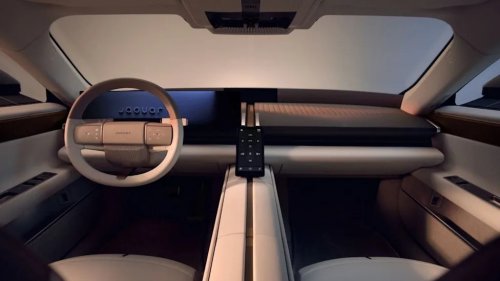

![Jaguar, Jaguar unveils controversial EV interior for the first time [Images]](https://cdn.topcarnews.net/thumb/id/aHR0cHM6Ly9pMC53cC5jb20vZWxlY3Ry-ZWsuY28vd3AtY29udGVudC91cGxvYWRz-L3NpdGVzLzMvMjAyNi8wOC9KYWd1YXIt-VHlwZS0wMS1kZWJ1dC5qcGVnP3c9MTUw-MCZhbXA7cXVhbGl0eT04MiZhbXA7c3Ry-aXA9YWxsJmFtcDtzc2w9MQ/c5a51b5e67408a82a20803e72c31a611.jpeg?t=20261006&post_id=53537)
![Jaguar, Jaguar unveils controversial EV interior for the first time [Images]](https://cdn.topcarnews.net/thumb/id/aHR0cHM6Ly9pMC53cC5jb20vZWxlY3Ry-ZWsuY28vd3AtY29udGVudC91cGxvYWRz-L3NpdGVzLzMvMjAyNi8wOC9KYWd1YXIt-VHlwZS0wMS1pbnRlcmlvci1sYXlvdXQu-anBlZz9zdHJpcD1pbmZvJmFtcDt3PTE0-MDAmYW1wO3NzbD0x/624adc995d0975d1402591b8c4d17270.jpeg?t=20261006&post_id=53537)
![Jaguar, Jaguar unveils controversial EV interior for the first time [Images]](https://cdn.topcarnews.net/thumb/id/aHR0cHM6Ly9pMC53cC5jb20vZWxlY3Ry-ZWsuY28vd3AtY29udGVudC91cGxvYWRz-L3NpdGVzLzMvMjAyNi8wOC9KYWd1YXIt-VHlwZS0wMS1pbnRlcmlvci5qcGVnP3N0-cmlwPWluZm8mYW1wO3c9MTQwMCZhbXA7-c3NsPTE/1476bccc999ebdb0ec3e1d1ffcbf90f2.jpeg?t=20261006&post_id=53537)
![Jaguar, Jaguar unveils controversial EV interior for the first time [Images]](https://cdn.topcarnews.net/thumb/id/aHR0cHM6Ly9pMC53cC5jb20vZWxlY3Ry-ZWsuY28vd3AtY29udGVudC91cGxvYWRz-L3NpdGVzLzMvMjAyNi8wOC9KYWd1YXIt-VHlwZS0wMS1pbnRlcmlvci1kZXRhaWxz-LmpwZz9zdHJpcD1pbmZvJmFtcDt3PTEw-MjQmYW1wO3NzbD0x/3913def96da8f629d30971197b5ebf97.jpg?t=20261006&post_id=53537)
![Jaguar, Jaguar unveils controversial EV interior for the first time [Images]](https://cdn.topcarnews.net/thumb/id/aHR0cHM6Ly9pMC53cC5jb20vZWxlY3Ry-ZWsuY28vd3AtY29udGVudC91cGxvYWRz-L3NpdGVzLzMvMjAyNi8wOC9KYWd1YXIt-VHlwZS0wMS1pbnRlcmlvci1vdmVyaGVh-ZC5qcGc_c3RyaXA9aW5mbyZhbXA7dz0x-MDI0JmFtcDtzc2w9MQ/a00fb27de528345e99c18844ea739561.jpg?t=20261006&post_id=53537)
![Jaguar, Jaguar unveils controversial EV interior for the first time [Images]](https://cdn.topcarnews.net/thumb/id/aHR0cHM6Ly9lbGVjdHJlay5jby93cC1j-b250ZW50L3VwbG9hZHMvc2l0ZXMvMy8y-MDI2LzA4L0phZ3Vhci1UeXBlLTAxLWlu-dGVyaW9yLWluZm90YWlubWVudC5qcGVn/e6dc50d42f65c619d14546a67dcf6aa7.jpeg?t=20261006&post_id=53537)