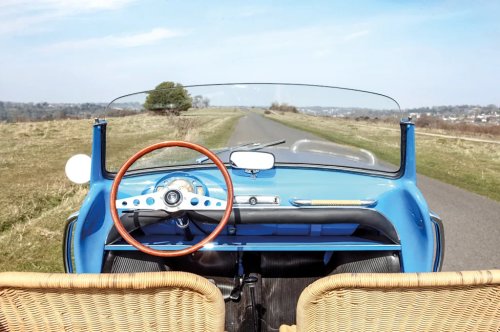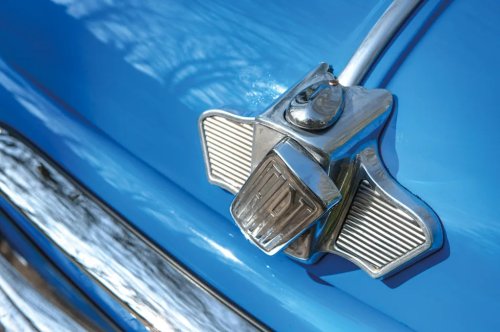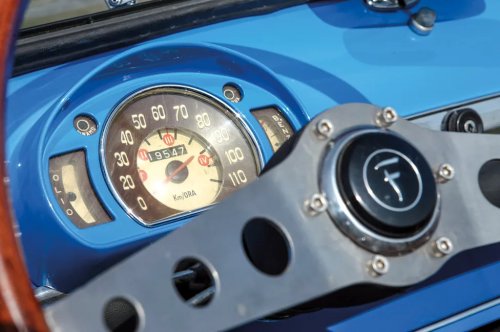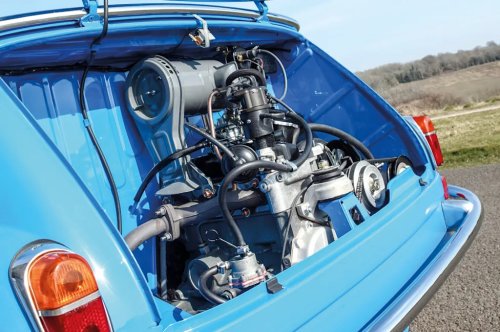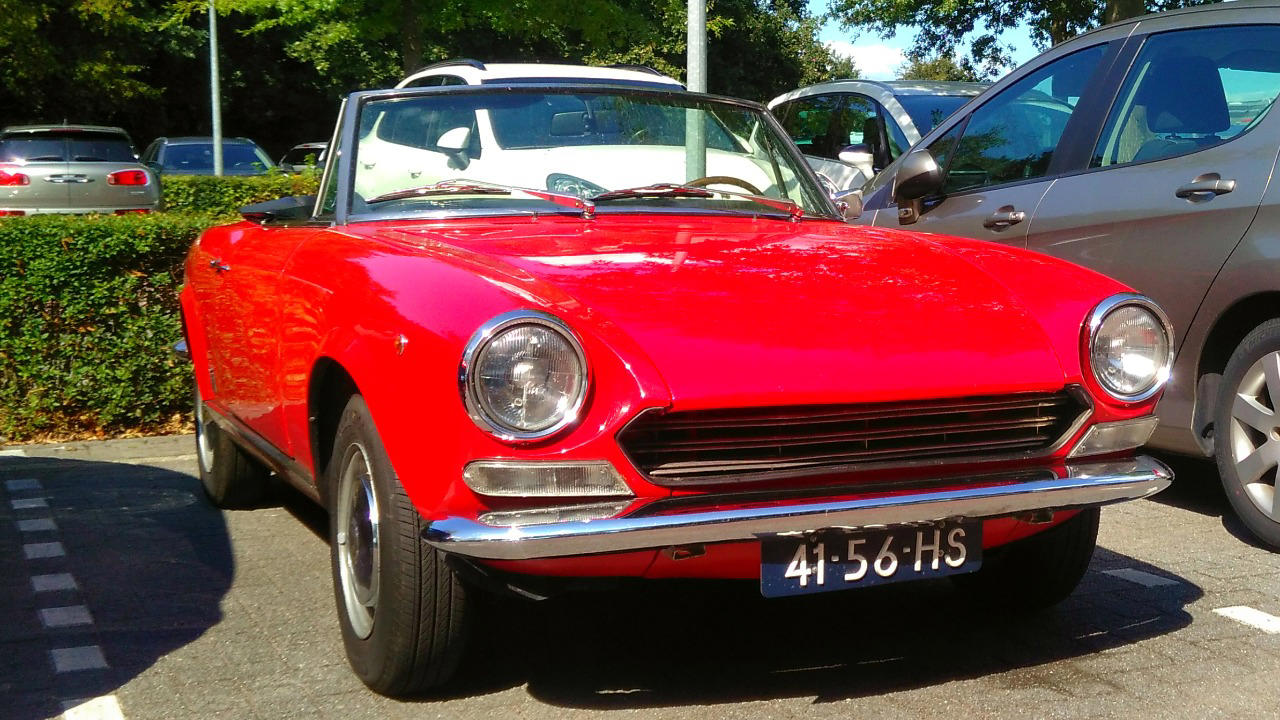



















The 1969 Fiat 124 Spider delivered fun without needing big powerThe 1969 Fiat 124 Spider arrived in an era obsessed with cubic inches and quarter-mile times, yet it proved that a light chassis, a rev-hungry engine, and deft steering could deliver more entertainment than brute force. Rather than trying to outgun big American V8s, this compact Italian convertible focused on balance and feel, a philosophy that still shapes how enthusiasts see the car today. Its combination of approachable performance, elegant design, and everyday usability turned modest power into something far more memorable. From humble sedan roots to Italian style icon Fiat did not start with an exotic platform. The 124 Spider was based on a shortened 124 sedan floorpan and running gear, which kept costs down and packaging sensible for a small rear-drive convertible. Contemporary descriptions of the 1969 FIAT 124 Sport Spider highlight how that ordinary foundation supported a surprisingly attractive open car, with the sedan’s practical underpinnings hidden beneath crisp Pininfarina lines and a neatly proportioned cabin that made the most of the compact footprint. The styling came from the same culture that produced some of Italy’s most revered sports cars, yet the 124 Spider was never intended as a rarefied toy. It was engineered as a usable daily driver that happened to have a folding roof and a sporting character. Owners could commute, tour, or simply enjoy a Sunday drive without feeling they were piloting a fragile thoroughbred, which helped the car reach a broader audience than more temperamental exotics of the period. The twin-cam heart and the numbers that mattered At the core of the 1969 car sat a free-revving four-cylinder that embodied the brand’s engineering ambitions more than its raw output figures. In 1600 form, period specifications list displacement at 98.1 cubic inches, or 1608 cm3, arranged as an Inline 4 that ran on Petrol and delivered 110 horsepower, quoted as 112 PS and 82 kW, with 101 lb-ft of torque. Top speed was listed at 112 Mph, or 180 km/h, figures that placed the car firmly in the brisk rather than brutal category and confirmed that the focus was agility rather than straight-line dominance, as outlined in detailed Key Specs. Those numbers would not have impressed muscle car buyers chasing triple-digit quarter-mile traps, but they suited the Spider’s mission. The engine’s character encouraged drivers to use the upper half of the rev range, turning each on-ramp or mountain switchback into an excuse to explore the tachometer. The combination of modest torque and willing top-end power meant drivers had to participate, choosing gears thoughtfully and keeping the engine on the boil, which in turn made everyday speeds feel engaging. Why the driving experience felt bigger than the power Contemporary and modern impressions converge on a similar theme: the 124 Spider feels more alive than its power rating suggests. One detailed buyer’s guide describes how the car drives “very much as you’d expect of a ’60s Italian car,” with a “revvy twin-cam at the Fiat 124’s heart” that was originally developed for competition and then softened slightly for road use. That same guide notes that the engine encourages enthusiastic use of the gearbox and rewards commitment with a soundtrack and response that belie the modest displacement, a character that continues to attract enthusiasts to the Fiat 124 Sport. Chassis tuning played an equal role. The car’s relatively light monocoque construction kept mass under control, which amplified the effect of every horsepower. Modern profiles of 1969 examples describe the design as “light, agile, utterly beguiling,” particularly in early guises before later safety and emissions equipment added weight. That agility made the Spider feel eager to change direction, so drivers could string together corners with a rhythm that masked the lack of explosive acceleration. Transmission, brakes, and the joy of working the car The way the Spider put its power to the ground also shaped its reputation. Period accounts emphasize that backing up the elegant twin cam was a five speed manual transmission, a relatively advanced feature at a time when many rivals still made do with four ratios. That extra gear helped keep the engine in its sweet spot on both twisty roads and faster highways, and owners still praise the shift action for its direct, mechanical feel. The same sources highlight that discs at all four corners served to negate forward momentum, a significant advantage over drum setups that faded under spirited use and a key part of the car’s confidence-inspiring character, as enthusiasts of COAL examples point out. These components encouraged drivers to treat every journey as an interactive experience. The car invited heel-and-toe downshifts before a bend, rewarded tidy lines with stable braking, and flowed through corners with a balance that was forgiving yet communicative. Rather than isolating occupants, the Spider relayed information about grip and weight transfer through the steering wheel and seat base, which meant that even a short urban hop could feel like a miniature driving lesson. Early flaws and quick fixes The first years of the 124 Sport Spider were not flawless. Reports on the 1969 to 1972 cars explain that its first three years proved some flaws in the engineering design that forced the carmaker to act quickly and fix those issues. These problems ranged from corrosion vulnerabilities to detail weaknesses in components that did not stand up well to certain climates or driving conditions, prompting Fiat to revise materials and construction techniques for later production, a process documented in technical overviews of the FIAT 124 Sport. Those updates improved durability without altering the car’s essential character. Enthusiast groups that track 1969 FIAT 124 Sport Spider examples often point to the importance of rust prevention and careful inspection of structural areas, but they also highlight how well the basic design responds to sympathetic restoration. The fact that so many early cars survive in active use suggests that the underlying engineering was sound once those initial weaknesses were addressed. How the Spider fit into its era When the 124 Spider arrived in the late 1960s, the sports car field included everything from British roadsters to German coupes and American pony cars. Against that backdrop, the Fiat offered a different proposition. It combined Italian styling with a relatively modern twin-cam engine and four-wheel disc brakes, yet it remained affordable enough to attract younger buyers. Contemporary comparisons often placed it alongside cars such as the BMW 2002 and Alfa GTV, which shared a focus on driver involvement over sheer output, and period photography of mixed gatherings shows the 124 holding its own visually next to those peers in curated Curbside Classic scenes. Comfort also set the Fiat apart from some rivals. It offered a relatively compliant ride and a weather-tight cabin, which broadened its appeal. Owners could use the car in mixed conditions without feeling punished, and the presence of practical features such as a usable trunk and supportive seats made longer journeys realistic. That blend of style, usability, and engaging dynamics helped the Spider carve out a niche that did not depend on headline power figures. What separates the 1969 cars from later versions Enthusiasts often single out the earliest 124 Spiders, including the 1969 model year, for their purity. These cars predate some of the styling and mechanical changes that arrived with later safety regulations, and they retain details that collectors prize, from slimmer bumpers to specific interior trim. Buyer’s guides that cover the full 1966 to 1985 run explain that the earliest 124 cars offer a more delicate and connected feel, with fewer compromises to ride height or weight that came with later updates, a distinction that helps shape values in the 124 Spider buyers. The 1969 specification also reflects a point before emissions controls began to sap power from many small engines. As a result, these cars often deliver the crispest throttle response and strongest factory output within the classic range, which further reinforces the sense that the car’s modest numbers were used to their fullest. Collectors who prioritize driving pleasure over concours perfection frequently gravitate toward this period for that reason. Survivors, originality, and the enthusiast community Surviving 1969 cars illustrate how the model’s character has aged. One well-preserved example that spent decades in a heated garage emerged in remarkably original condition, with virtually no rust and a cabin that still reflected what Fiat and Pininfarina intended. That car, a 1969 Fiat 124 Spider described as being in very nice original condition after being parked since 198, showed how careful storage could preserve the delicate details that distinguish early cars, and its rediscovery energized discussion among fans of the Fiat Spider. Other cars have not been so fortunate and require extensive restoration. Enthusiast videos featuring owners of long-term projects often stress that people may not know what original looks like and that they might not know what it really left the showroom looking like. Those voices encourage careful research and reference to factory documentation when returning a car to period-correct specification, a theme that appears in discussions where People explain how They balance upgrades with authenticity in Fiat 124 Spider builds. Engineering details that rewarded keen drivers Beneath the styling, the Spider’s suspension and layout reflected thoughtful engineering. The use of independent front suspension and a well-located rear axle, combined with the light monocoque, produced a car that responded predictably when pushed. Period imagery of cars with open bonnets reveals the compact twin cam set well back in the bay, which helped weight distribution and contributed to the car’s neutral handling balance, a detail that can be seen in engine shots from Fiat Sport Spider archives. Drivers who learned to exploit that balance found that the Spider could carry surprising speed through bends. The steering, unburdened by power assistance, communicated surface changes directly, and the relatively narrow tires of the period provided progressive breakaway rather than sudden loss of grip. This made the car an ideal training tool for enthusiasts who wanted to understand weight transfer and throttle steering without the intimidation factor of high horsepower. Modern ownership: what buyers look for now Today, prospective owners approach the 1969 124 Spider with a mix of nostalgia and pragmatism. Specialist guides advise checking for corrosion in structural areas, verifying that the twin-cam engine has been maintained properly, and confirming that the five speed gearbox shifts cleanly. They also highlight that the revvy character and firm but compliant suspension still define the driving experience, so buyers who value relaxed, low-rev cruising may be better served elsewhere, a point repeated in modern Sport Spider discussions. On the positive side, the car’s mechanical simplicity and strong parts support make it a viable classic for regular use. Owners can source components from a mix of specialist suppliers and enthusiast networks, and many maintenance tasks remain within reach of competent home mechanics. That accessibility reinforces the original mission of the 124 Spider as a sports car that ordinary drivers could enjoy without exotic running costs. More from Fast Lane Only Unboxing the WWII Jeep in a Crate 15 rare Chevys collectors are quietly buying 10 underrated V8s still worth hunting down Police notice this before you even roll window down