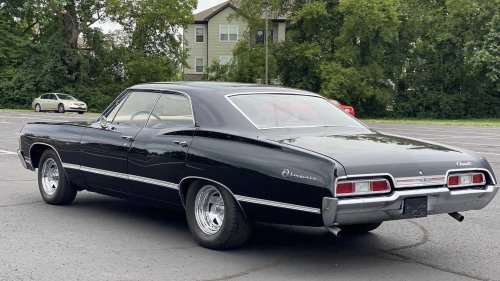
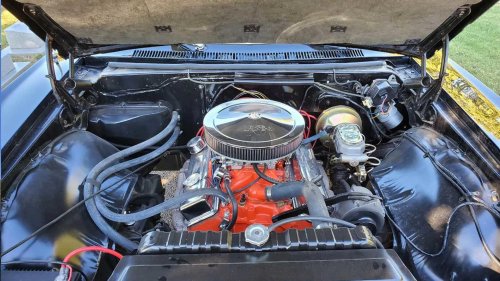
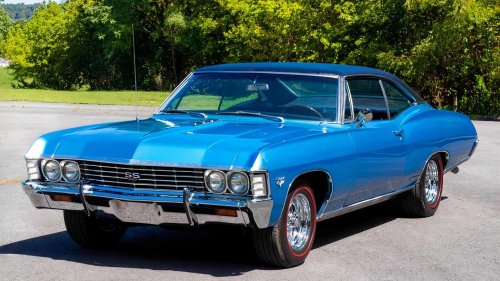
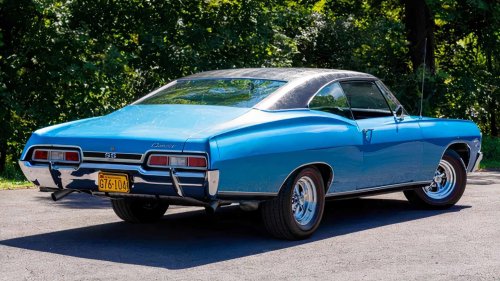
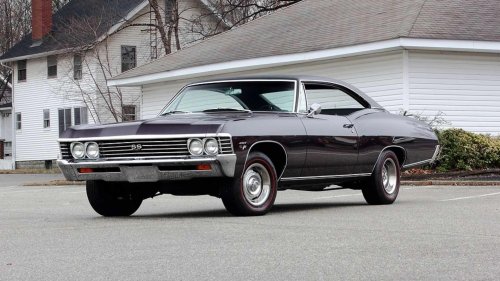
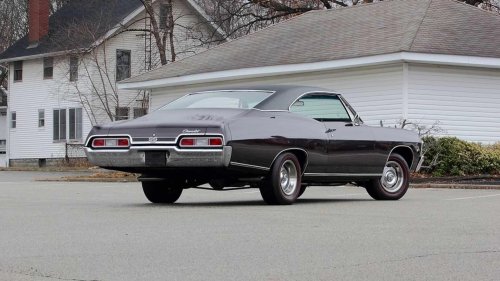
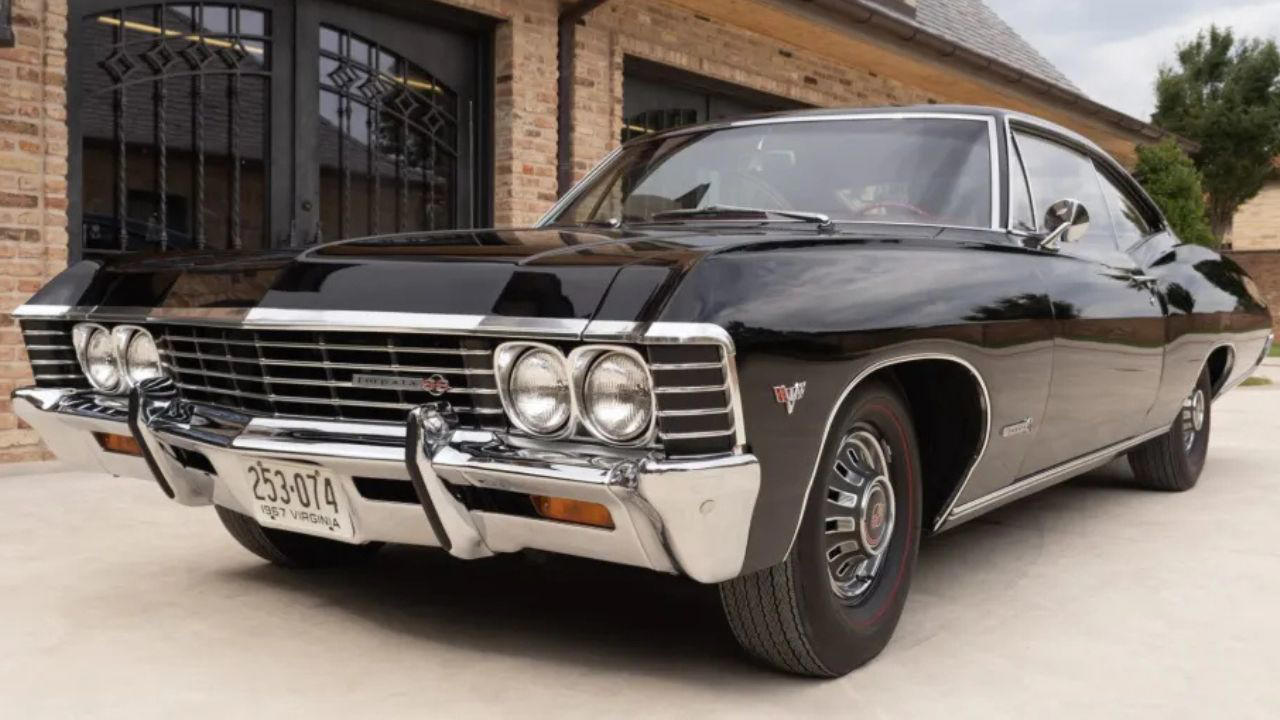
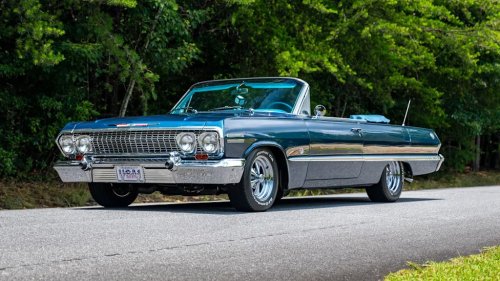
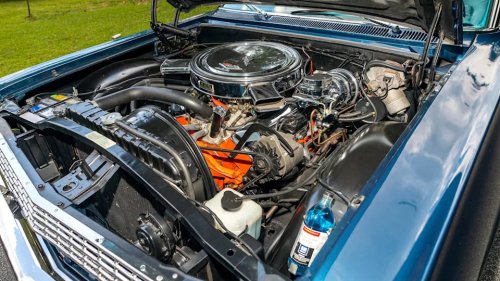
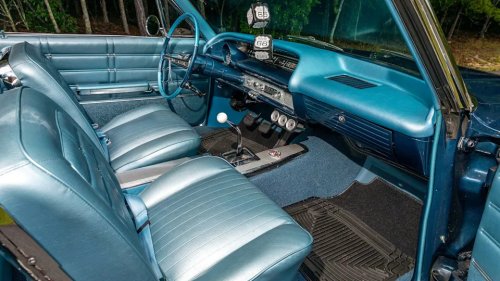
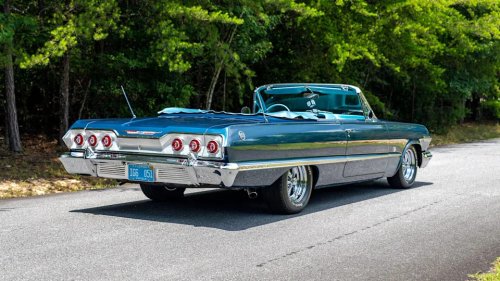
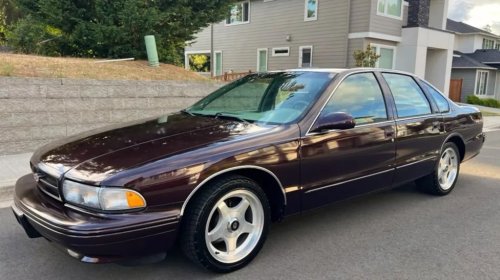
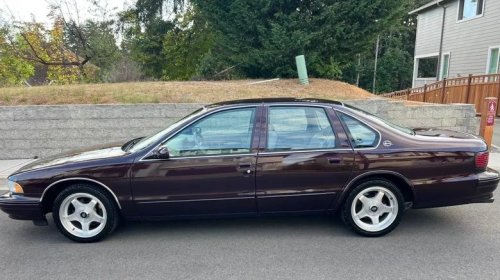
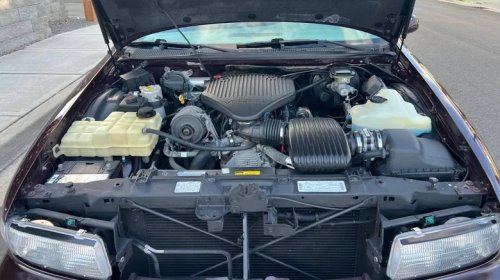
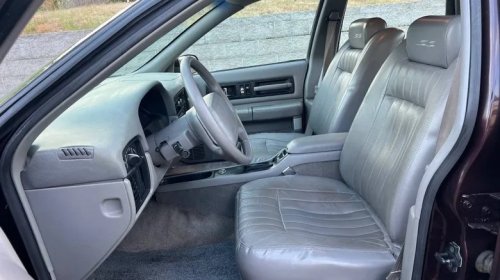
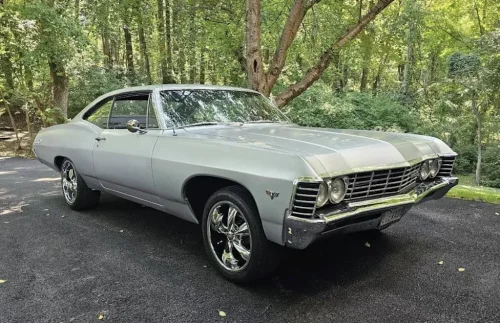
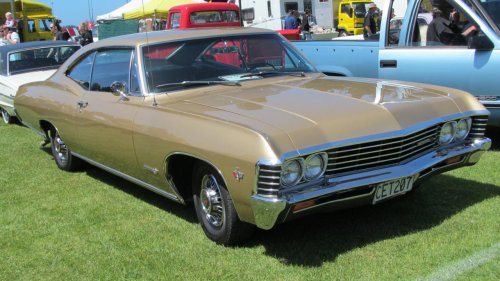
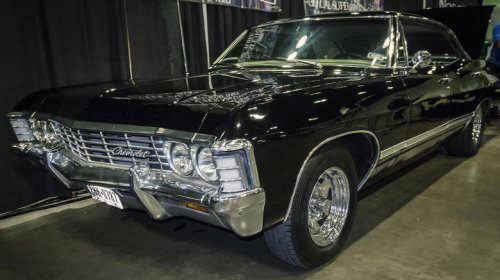
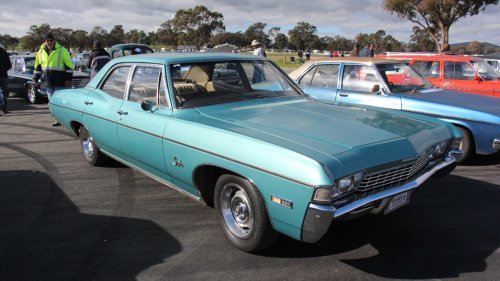
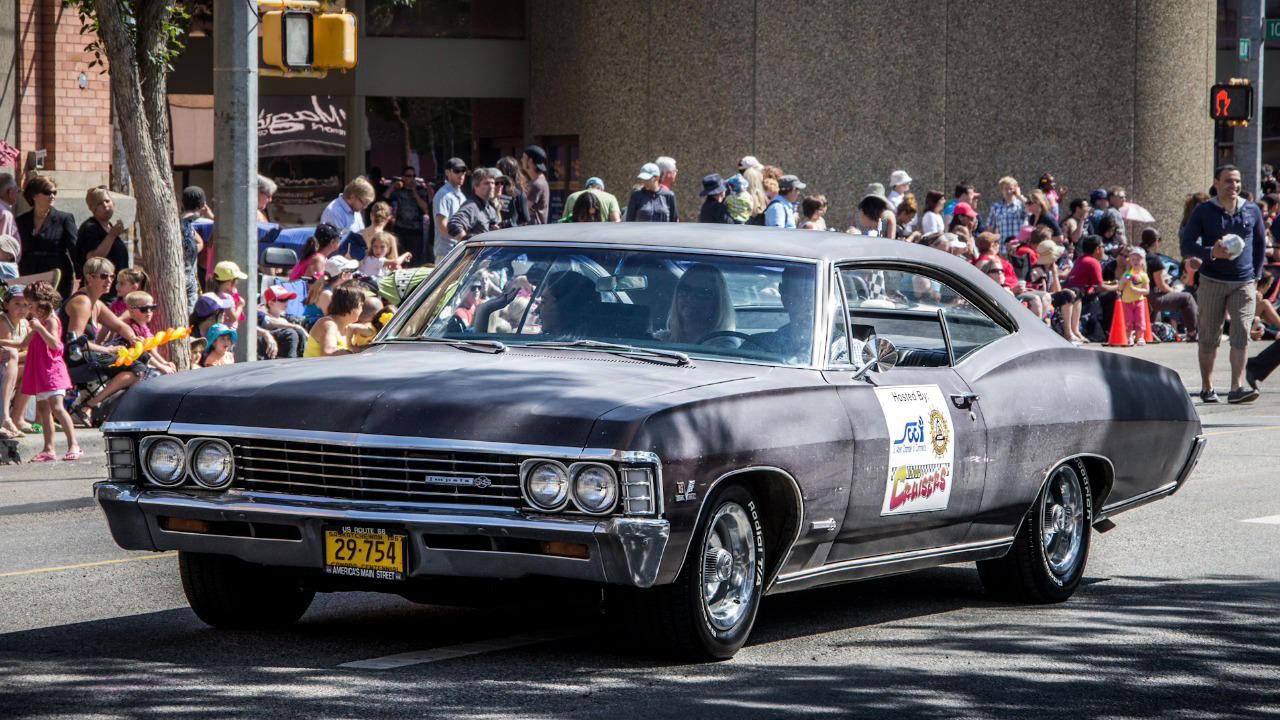
Long before the word “muscle” became shorthand for stripped-out intermediates, the 1967 Impala SS proved that performance could arrive wrapped in a full-size suit. It was not the sharpest quarter-mile weapon in Chevrolet’s catalog, yet its long, low body and Super Sport detailing turned speed into theater. The car’s appeal was less about raw numbers and more about the way it filled a street, a driveway, or a movie frame with presence. That mix of scale, style, and power has kept the 1967 Impala SS lodged in the imagination of enthusiasts and pop culture fans alike. From big-block torque to “Coke bottle” curves and a surprising level of comfort, it embodied an era when a family-size coupe could still look like it owned the boulevard. The full-size muscle formula By 1967, the Chevrolet Impala had already evolved through several generations, turning from a late fifties showpiece into a volume leader that defined the American full-size car. The 1967 model sat within the fourth generation of the Chevrolet Impala line, which paired traditional big-car proportions with a growing menu of performance hardware. Under the hood, the range started modestly with a 250-cubic-inch six-cylinder and climbed through small-block V8s toward serious big-block firepower. The Super Sport badge turned the big coupe into something more focused. The 1967 Chevrolet Impala SS was marketed as a full-size muscle car, a machine that could carry a family yet still appeal to drivers who cared about speed and style. Enthusiasts highlight that the Super Sport package added visual drama and performance intent to the already sleek body, creating a car that looked ready to move even at a standstill. Both period and modern commentary describe the 1967 Chevrolet Impala SS as a full-size muscle icon that combined style, power, and comfort. It delivered the kind of long-distance ease expected from a large Chevrolet while still offering big V8 options that could transform it into a serious performance machine. That dual character is central to why the car is remembered as more than just another sixties coupe. Power with a big-car attitude Underneath the expansive hood, the 1967 Chevrolet Impala SS could be specified with muscular V8s that made its size feel like an asset rather than a burden. Enthusiasts point to the availability of big-block engines, including the 427 cubic inch option, as the key that turned the Super Sport into a genuine performance car. With that 427ci big block, drivers gained brutal torque that suited the Impala’s relaxed, big-car stride, allowing strong acceleration without constant high revs. One enthusiast description of a 1967 Chevrolet Impala build emphasizes how ticking the right option box unlocked that 427ci big block and turned the car into a torque-rich cruiser that could still surprise at a stoplight. The engine lineup meant buyers could tailor the car to their priorities, from everyday drivability to serious straight-line pace. The transmission choices reflected the same philosophy. The wider Impala family used a standard column-shift three-speed manual that was fully synchronized, and automatic buyers could opt for the two-speed Powerglide or a three-speed Turbo Hydramatic depending on engine choice. The presence of the Powerglide with the 250 and 283 engines showed Chevrolet’s intent to keep even base models smooth, while performance-minded buyers could pair stronger V8s with more capable gearboxes. Owners and historians often describe the 1967 Chevrolet Impala SS as a full-size muscle car that did it all, combining big-block power with a calm, confident highway demeanor. That balance helped it stand apart from smaller, more frantic muscle cars that sacrificed comfort and refinement in the pursuit of tenths at the drag strip. Coke bottle curves and chrome Even parked, the 1967 Impala SS projected motion. Designers gave the body pronounced “Coke bottle” contours, with a narrow waist and flared fenders that echoed contemporary Corvette cues. Enthusiast descriptions of the distinctive Coke bottle emphasize the Corvette-inspired front and rear fender bulges, which gave the long coupe a muscular stance without losing its full-size dignity. The Super Sport treatment layered on visual details that signaled intent. The 1967 Chevrolet Impala SS carried unique trim, badging, and wheel options that differentiated it from standard Impalas. One enthusiast overview of the sleek lines and highlights how the long hood, sweeping roofline, and brightwork combined to create a car that looked both upscale and aggressive. Fans frequently call the 1967 Chevy Impala SS one of the best looking full-size cars ever built. In enthusiast communities, posts about the car draw comments that praise its proportions and describe it as an instant classic. One discussion thread explicitly calls the 1967 Chevy Impala a design that became an instant classic, reflecting how its shape has aged into something timeless rather than dated. The styling mattered because it turned the Impala SS into a rolling statement. Where smaller muscle cars often looked purposeful but compact, the big Chevrolet stretched its lines across more sheet metal, using its length to amplify every curve and crease. Presence, not subtlety, was the point. Inside: comfort with a sporting edge Open the door of a 1967 Impala SS and the theme of scale continues. The cabin offered generous space for four adults, with a rear seat that could actually accommodate passengers on long trips. Enthusiast descriptions of the Super Sport interior mention features such as bucket seats, console-mounted shifters, and woodgrain accents that gave the cockpit a more focused, driver-oriented feel. The Super Sport package did not strip away comfort. Instead, it added a sporty flavor to an already plush environment. The 1967 Chevrolet Impala SS is often described as offering ample legroom and a smooth ride, qualities that made it suitable for highway cruising as well as local show-and-shine events. That comfort was part of its performance story, since the car could cover long distances at speed without tiring its occupants. In a broader overview of the model, a brief history of notes that the line had always balanced practicality with style. The 1967 Super Sport interior continued that tradition, wrapping everyday usability in a cabin that looked and felt special enough to justify the performance badge. Handling a big body Any full-size muscle car must contend with physics. The 1967 Impala SS carried significant mass, yet owners and later analysts describe its chassis as surprisingly capable for the era. One buying guide for a later Impala SS variant cites a curb weight of 4,221 lbs and still praises the car’s handling when equipped with performance tuned suspension, heavy duty springs, and upgraded shocks. While that specific figure applies to a different generation, it illustrates the scale involved when Chevrolet set out to make a big car feel agile. Contemporary descriptions of the 1967 Chevrolet Impala SS highlight that it offered solid handling for its size, especially when optioned with suspension and brake upgrades that matched its power. Enthusiast summaries of the chassis, suspension, and on related Impala SS models describe a philosophy that prioritized stability and control without turning the car into a harsh-riding track special. The result was a machine that could hustle down a twisty road more confidently than its bulk suggested, yet still glide down an interstate in quiet comfort. Drivers who wanted a single car to handle daily duties, weekend trips, and the occasional impromptu drag race found that the Impala SS delivered a convincing compromise. More than numbers: cultural presence The 1967 Chevrolet Impala’s influence extends far beyond spec sheets and option codes. One enthusiast reflection on the car’s legacy emphasizes its cultural significance, noting that the model has appeared in films, television shows, and music. The car is perhaps most widely recognized as the vehicle of choice for the Winchester brothers in the long-running television series often shortened to Sup, which turned a black 1967 Impala into a central character in its own right. An overview of the cultural significance and of the 1967 Chevrolet Impala points out how its frequent appearances have cemented it as a symbol of American car culture. The show’s fans often refer to the car as a character, and replicas of the Winchester brothers’ Impala have become fixtures at conventions and car meets. That kind of pop culture adoption depends on more than horsepower. The Impala’s long silhouette, chrome details, and unmistakable grille give it a screen presence that smaller cars struggle to match. When a 1967 Impala SS rolls into a scene, it instantly sets a tone of classic Americana, a mix of nostalgia and attitude that directors and audiences recognize. Enthusiast memory and online reverence Decades after the last 1967 Impala SS left the factory, the car lives on in enthusiast communities that treat it as a touchstone. Social media groups dedicated to classic Chevrolets regularly feature photos and stories about these cars, often accompanied by comments that recall family road trips, street races, or simply the feeling of seeing one cruise by. One enthusiast post describes the 1967 Chevrolet Impala, calling it a statement that was long, low, and loaded with presence. Another community focused on muscle cars describes the 1967 Chevrolet Impala SS as the full-size muscle machine that did it all, praising its power, comfort, and unmistakable style as reasons it remains a beloved classic among collectors. The language used in these communities is revealing. Owners and fans rarely talk only about quarter-mile times or specific gear ratios. Instead, they focus on how the car looked pulling into a drive-in, how it sounded rumbling at idle, or how it felt to slide behind the wheel and see that expansive hood stretching ahead. Presence, again, dominates the conversation. Why presence still matters Modern performance cars can easily out-accelerate a stock 1967 Impala SS, but few can replicate its sense of occasion. The car represents a moment when American manufacturers believed that performance and size could coexist, that a family coupe could still project authority and style. The Chevrolet Impala SS did not need to be the quickest car in the lineup to leave a lasting mark. Enthusiast write-ups of the muscle-era icon repeatedly return to the same trio of qualities: power, style, and comfort. The car blended those attributes in a way that still resonates with drivers who want more than a spec sheet. It offered a sense of arrival, whether pulling into a suburban driveway or lining up at a local drag strip. In that sense, the 1967 Impala SS was bigger than its performance figures. It was presence on four wheels, a rolling expression of sixties optimism and Chevrolet’s confidence in its full-size platform. From the Winchester brothers’ screen-used hero car to the lovingly restored examples that still cruise modern streets, the 1967 Impala SS continues to prove that sometimes the most memorable performance cars are the ones that take up a little more space in the world, and in the memory. More from Fast Lane Only Unboxing the WWII Jeep in a Crate 15 rare Chevys collectors are quietly buying 10 underrated V8s still worth hunting down Police notice this before you even roll window down



















 +10 others