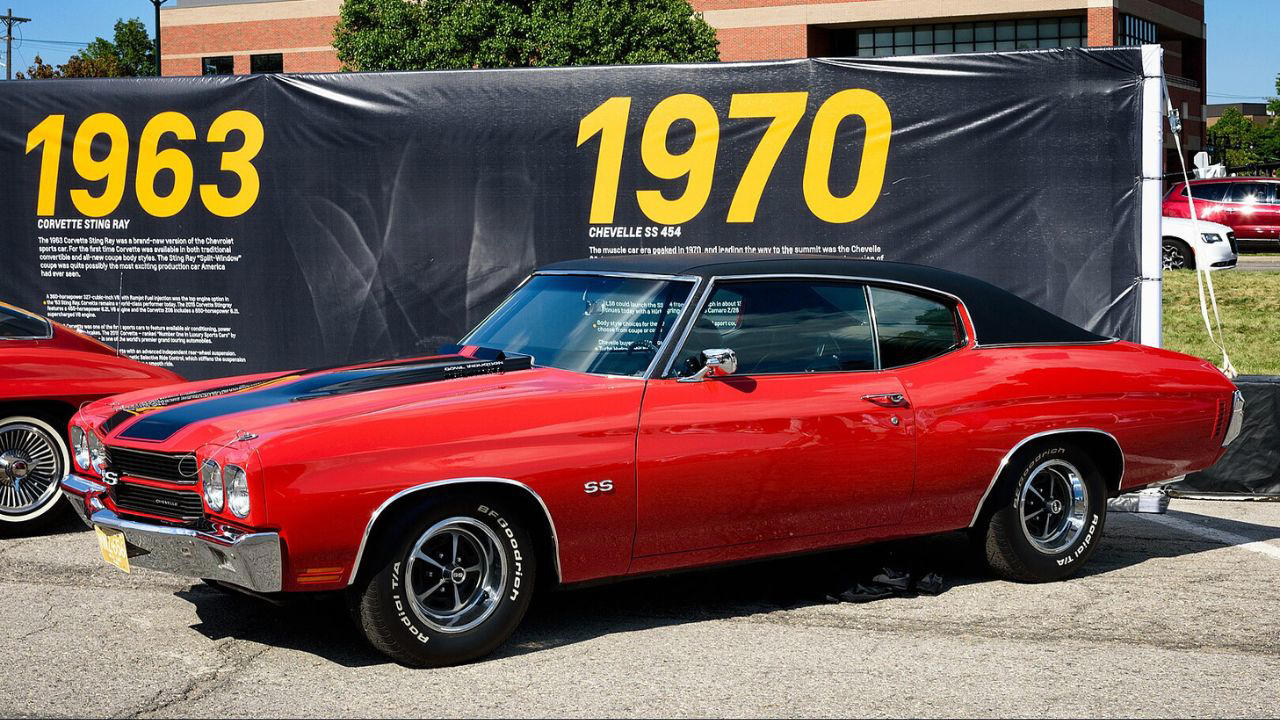
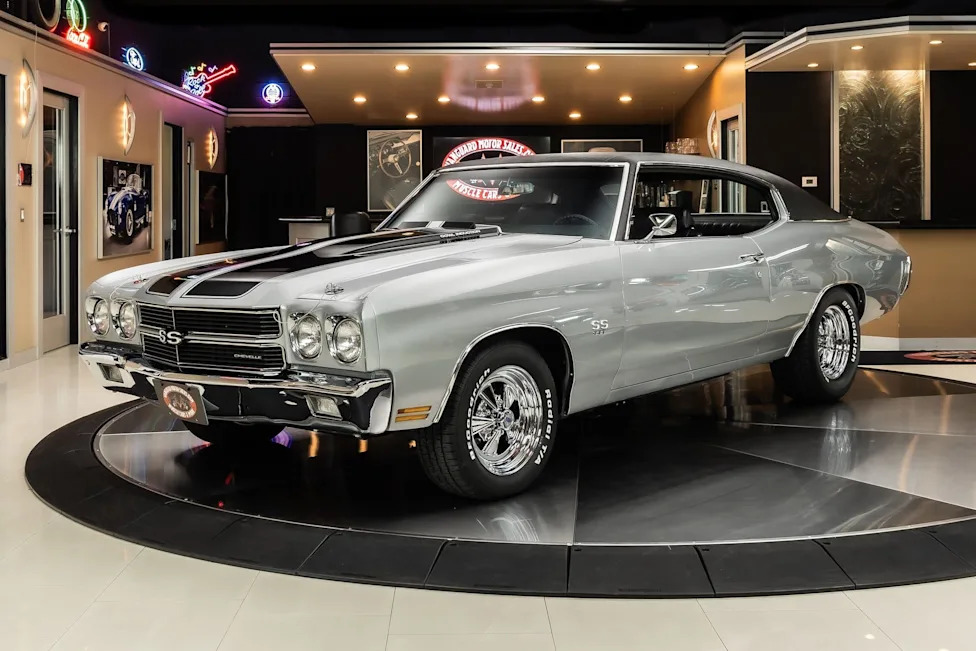
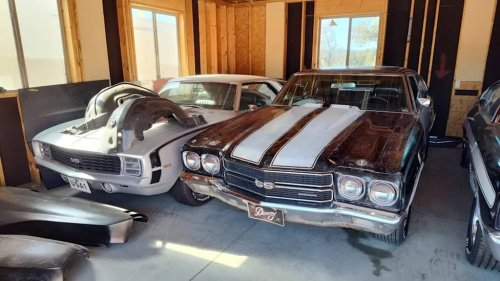
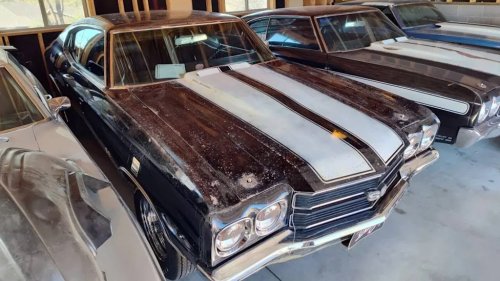
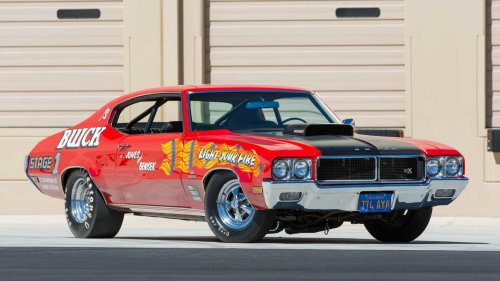
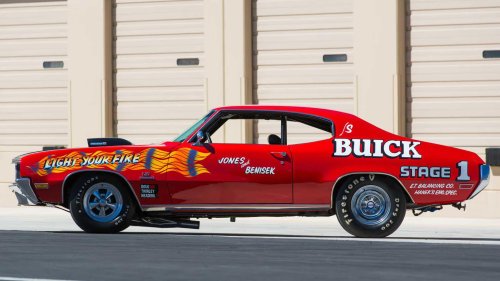
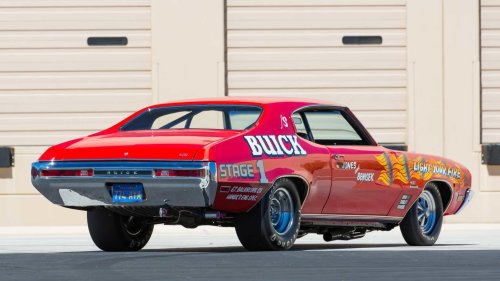
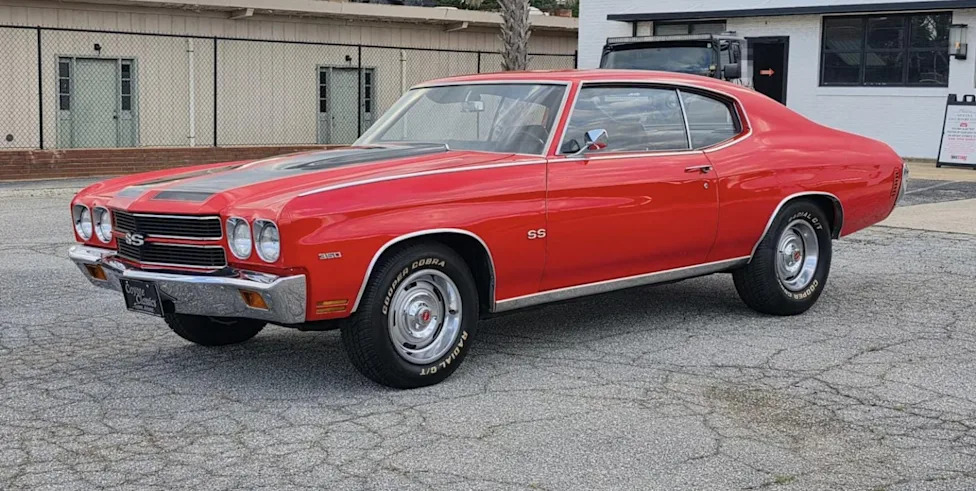
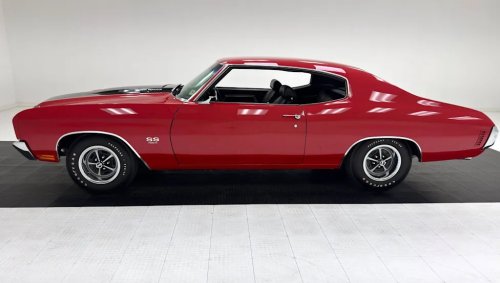
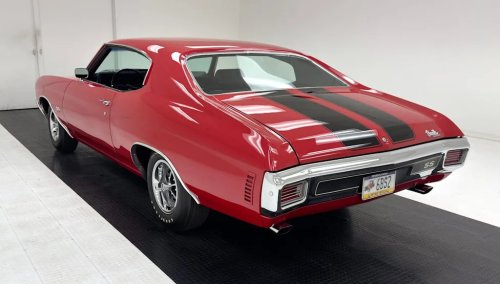
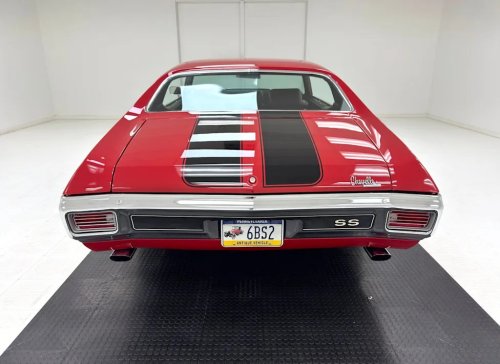
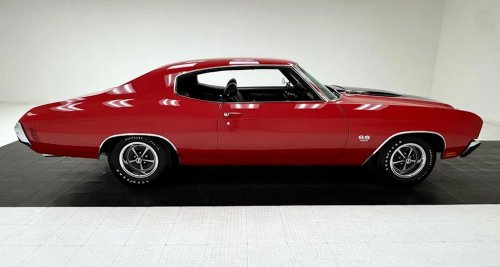
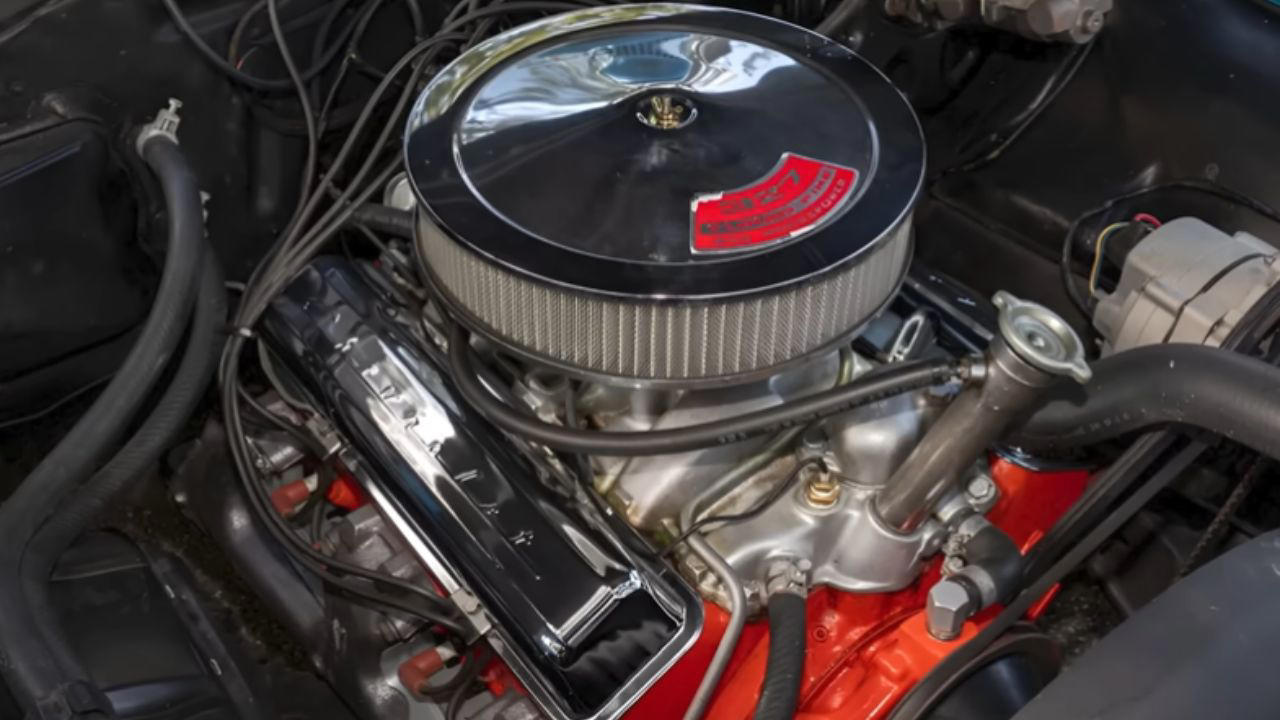
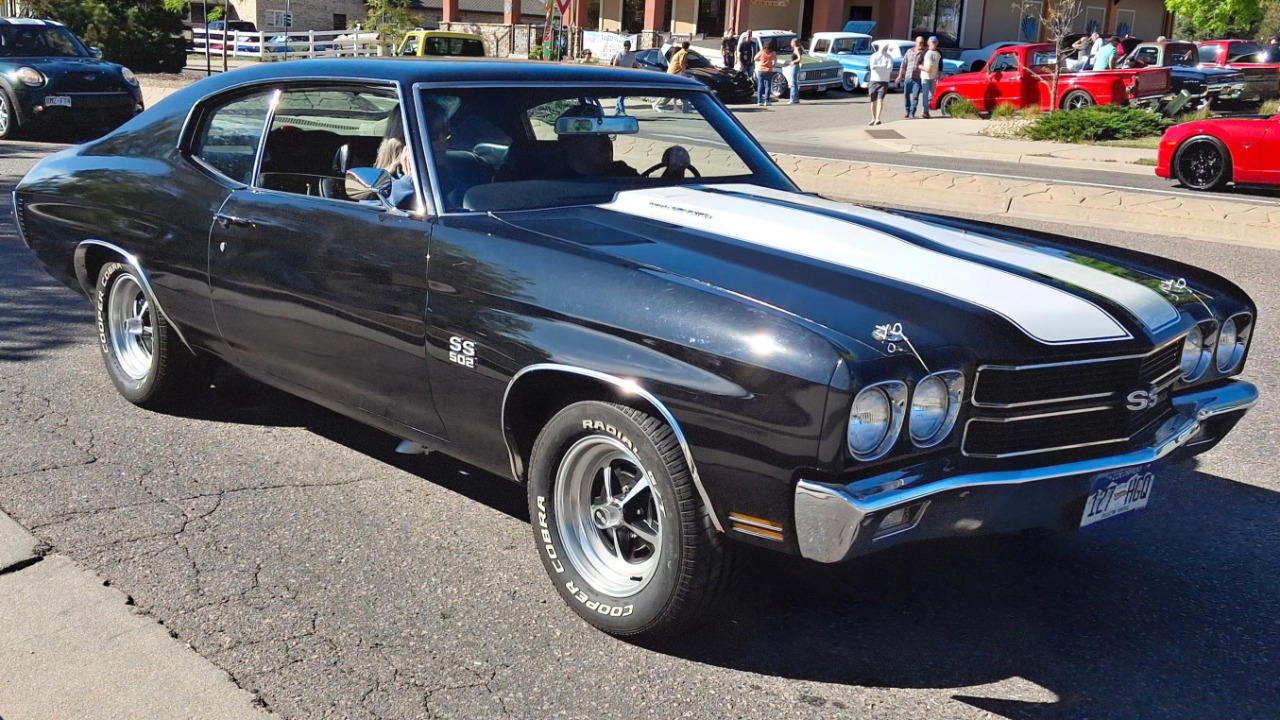
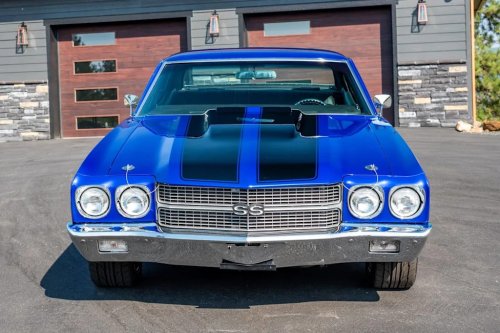
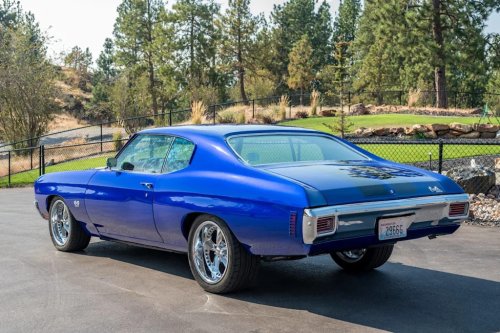
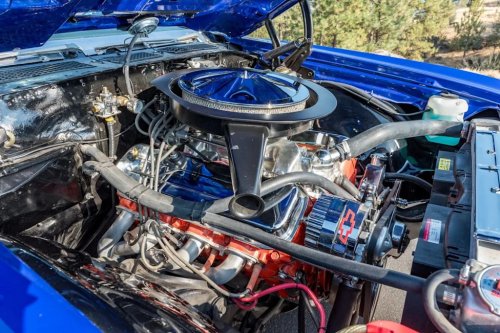
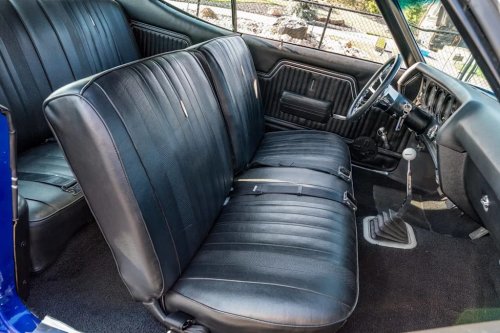
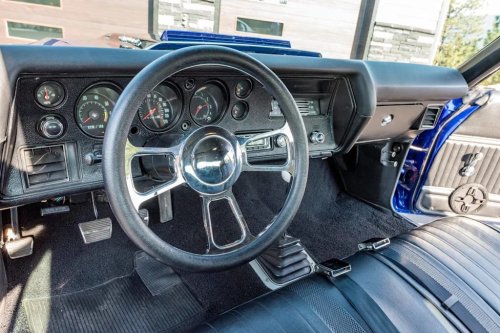
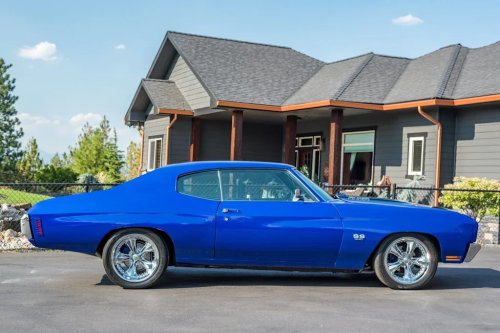
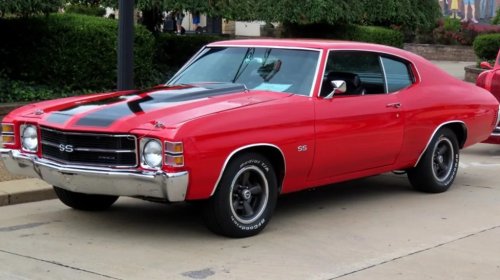
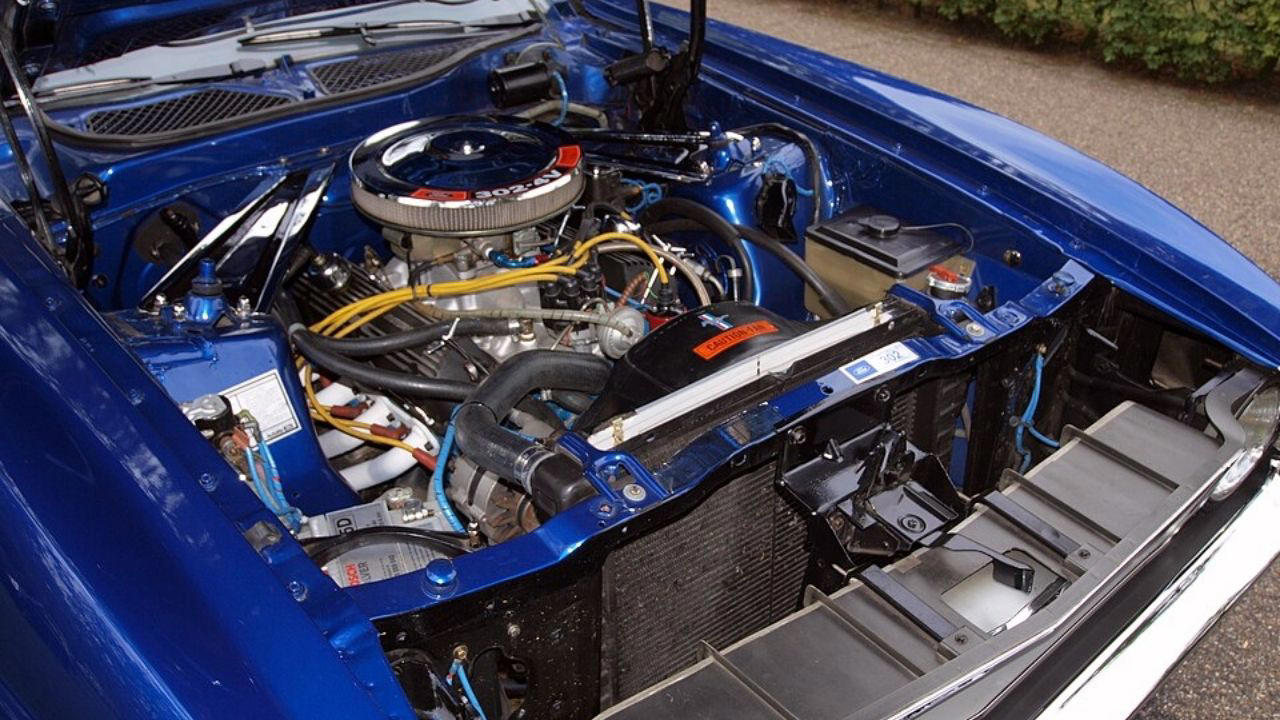
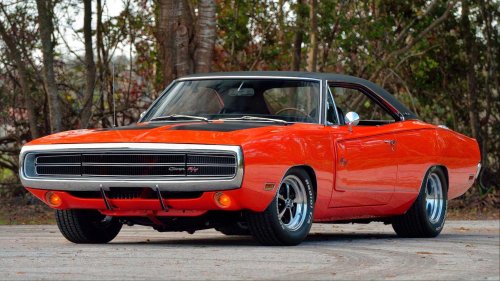
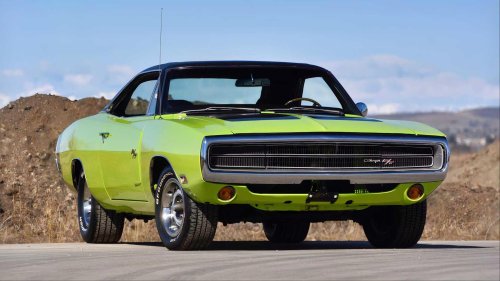
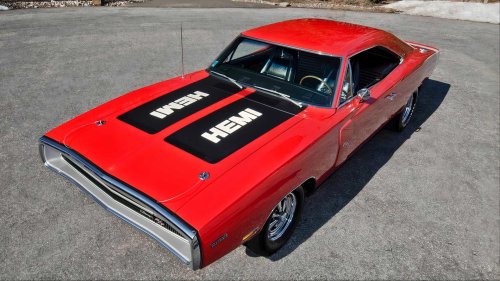
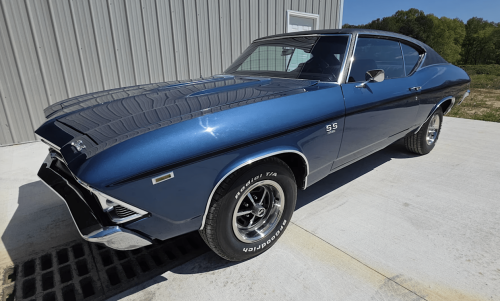
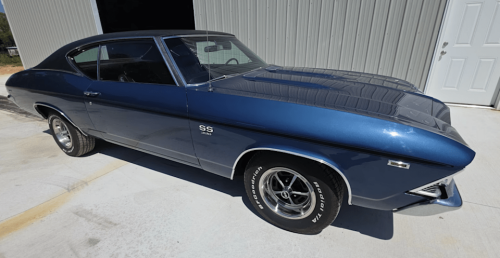
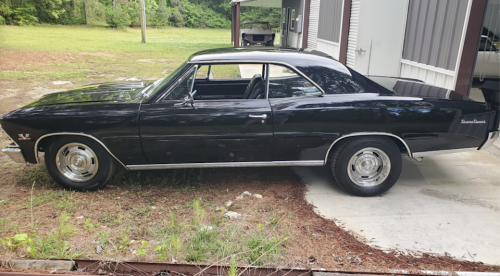
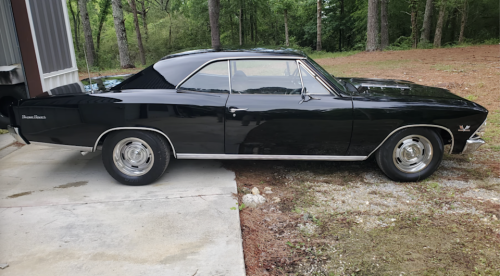
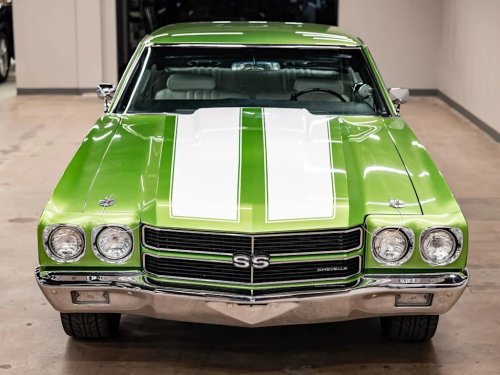
The 1970 Chevelle SS was built for the street but carried a racing soulSome cars feel like they were designed in a conference room. The 1970 Chevelle SS feels like it was designed in a garage where someone kept looking at the drag strip schedule and smiling. It’s a street car, sure, but everything about it hints that it wouldn’t mind a little tire smoke before dinner. In an era when Detroit was serving up horsepower like it was a side dish, the Chevelle SS landed right in the sweet spot: big, brash, and surprisingly livable. It didn’t need exotic tricks or a delicate touch. It just needed a key, a little fuel, and an excuse. A redesign that looked fast standing still The 1970 model year brought a fresh look that still turns heads because it nails the basics. The body was more sculpted than earlier Chevelles, with a wide stance and clean lines that made the car look planted. Even parked at the curb, it had that “don’t try me” posture. Up front, the SS wore a more aggressive face—simple, purposeful, and unmistakably muscle-era. The hood could be ordered with cowl induction, which wasn’t just for style points. It was a functional nod to the idea that air and fuel should never be in short supply. The SS package: not just stripes and badges It’s easy to assume “SS” meant a few cosmetic upgrades and some marketing magic. But the Chevelle SS was a real performance package, built around the idea that a mid-size car could punch like a heavyweight. Suspension, brakes, and overall attitude were tuned for people who actually cared what happened when the light turned green. The best part is that it didn’t try to be mysterious. Everything about the SS said, plainly, “This is the fast one.” And in 1970, that was enough to start a conversation at any gas station—back when filling up didn’t require a small loan. Big-block options that made the streets feel like a starting line The headline-grabber was the big-block lineup, especially the 454 cubic-inch options. The LS5 454 was rated at 360 horsepower, while the legendary LS6 was advertised at 450 horsepower—numbers that still sound serious today. Anyone who’s heard a healthy big-block idle knows it’s not a sound so much as a warning. And yes, ratings from that era came with a little asterisk in spirit, if not on paper. Real-world output and how the car felt could depend on tuning, conditions, and how brave the right foot was. But the point stands: this thing was built to move, and it did so with an ease that made smaller engines feel like they were trying too hard. Manual or automatic, it still meant business Buyers could pair that power with a manual gearbox for a more hands-on experience, or go with an automatic that could handle torque without throwing a tantrum. Either way, the Chevelle SS wasn’t the kind of car that needed perfect technique to feel quick. It had enough grunt to make almost any driver look talented. Gearing choices and rear-end setups mattered a lot, especially for people thinking about quarter-mile times. The fun detail is how many of these cars were ordered with very specific intentions. Some were weekend cruisers, sure, but plenty were basically street-legal plans for Friday night. Racing DNA hiding in plain sight Even when it left the factory with license plates in mind, the 1970 Chevelle SS carried a racing soul. The big-block’s torque curve made it a natural for straight-line acceleration, and the chassis could take the kind of punishment that repeated hard launches deliver. It wasn’t a delicate sports car; it was a brawler that could keep coming back for another round. That’s why the Chevelle became such a fixture at local tracks and informal stoplight showdowns. It had the right recipe: a relatively light-ish mid-size body, huge power potential, and a parts ecosystem that encouraged tinkering. If someone wanted more speed, the car didn’t argue—it just made room for it. On the road: loud, honest, and surprisingly usable Driving a 1970 Chevelle SS on the street is a mix of drama and comfort. It’s not subtle, and it’s not trying to be. But it’s also roomy enough to feel like a real car, not a compromised toy—full-size seats, a proper trunk, and that relaxed cruising vibe when the engine’s just loafing along. Then the throttle opens, and the mood changes fast. The nose lifts, the exhaust note deepens, and the world behind you suddenly feels less important. It’s the kind of experience that makes you understand why people still talk about these cars with a little sparkle in their voice. Interior vibes: simple gauges, big intentions The cabin wasn’t built to impress with luxury details. It was built to put the driver in control, with straightforward instrumentation and a layout that didn’t distract. Everything felt more “get in and go” than “please admire the stitching.” That simplicity is part of the charm now. You’re not navigating screens or modes; you’re dealing with pedals, steering, and an engine that responds like it’s been waiting all day. The Chevelle SS makes modern complexity feel a little unnecessary—at least for a Sunday drive. Why the 1970 model became the one everyone remembers The Chevelle SS had strong years before and after, but 1970 hits a particular nerve. It combined fresh styling with peak big-block energy at just the right cultural moment. Muscle cars were still in full celebration mode, right before tightening regulations and shifting priorities changed the party. It also helps that the aftermarket and enthusiast community never let the 1970 Chevelle fade into history. Restorations, resto-mods, and period-correct builds keep it in constant rotation at shows and on social media. When a car looks this good and sounds this mean, nostalgia doesn’t even have to work that hard. A street car that never stopped dreaming about the track What makes the 1970 Chevelle SS special isn’t just the horsepower figures or the badge. It’s the personality: a car that could handle errands during the week and then show up ready for trouble on the weekend. It feels like it was engineered with a wink, as if everyone involved knew exactly what owners would do with it. Decades later, that racing soul is still the first thing people notice. The stance, the sound, the way it gathers speed without hesitation—it all adds up to a classic that never pretended to be tame. The 1970 Chevelle SS was built for the street, but it always kept one eye on the starting line. More from Fast Lane Only Unboxing the WWII Jeep in a Crate 15 rare Chevys collectors are quietly buying 10 underrated V8s still worth hunting down Police notice this before you even roll window down *Research for this article included AI assistance, with all final content reviewed by human editors. The post The 1970 Chevelle SS was built for the street but carried a racing soul appeared first on FAST LANE ONLY.