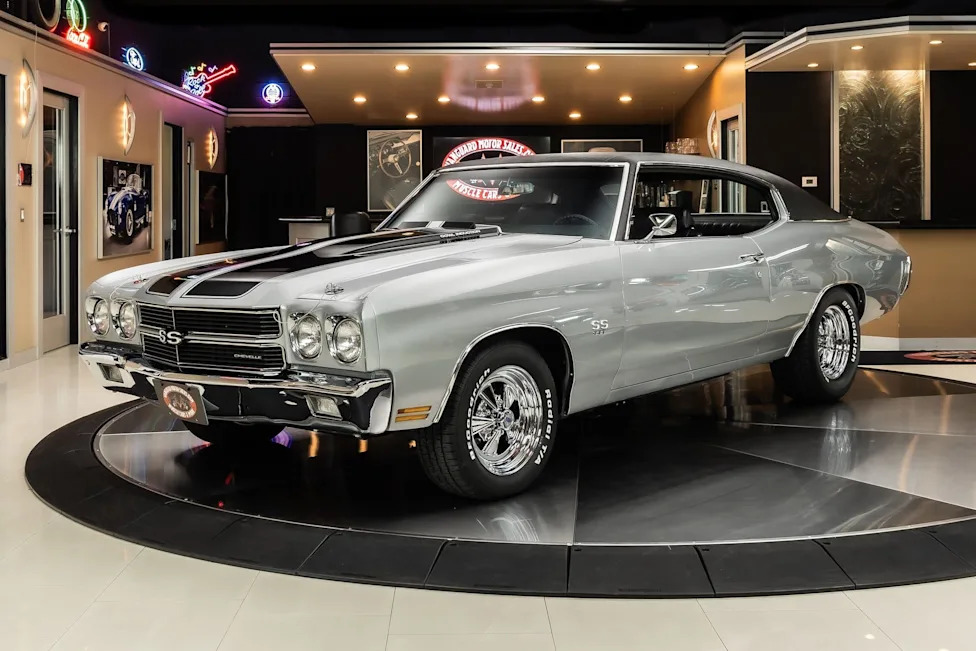
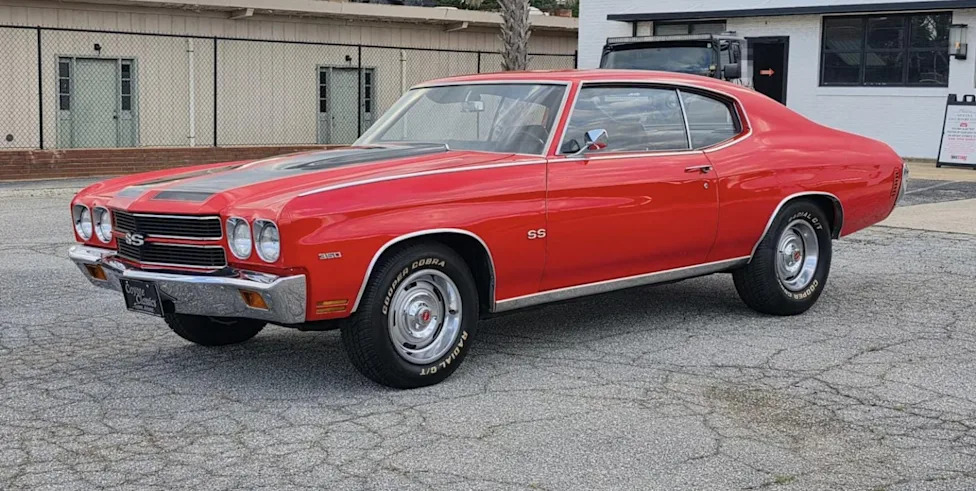
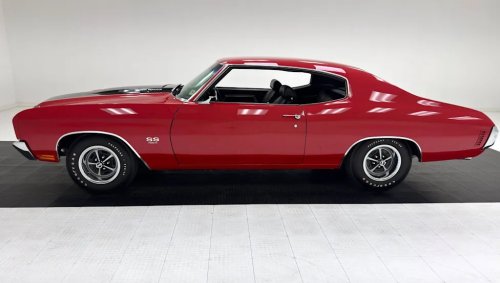
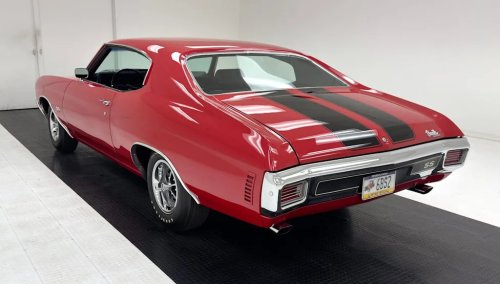
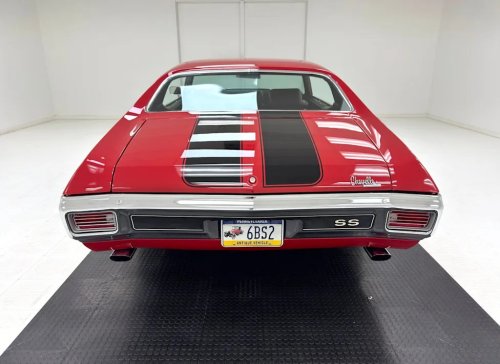
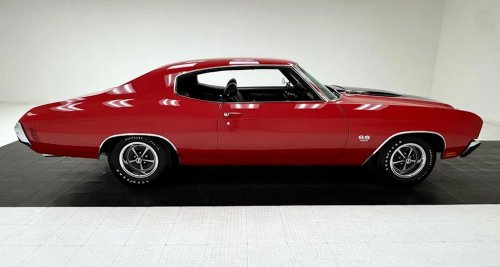
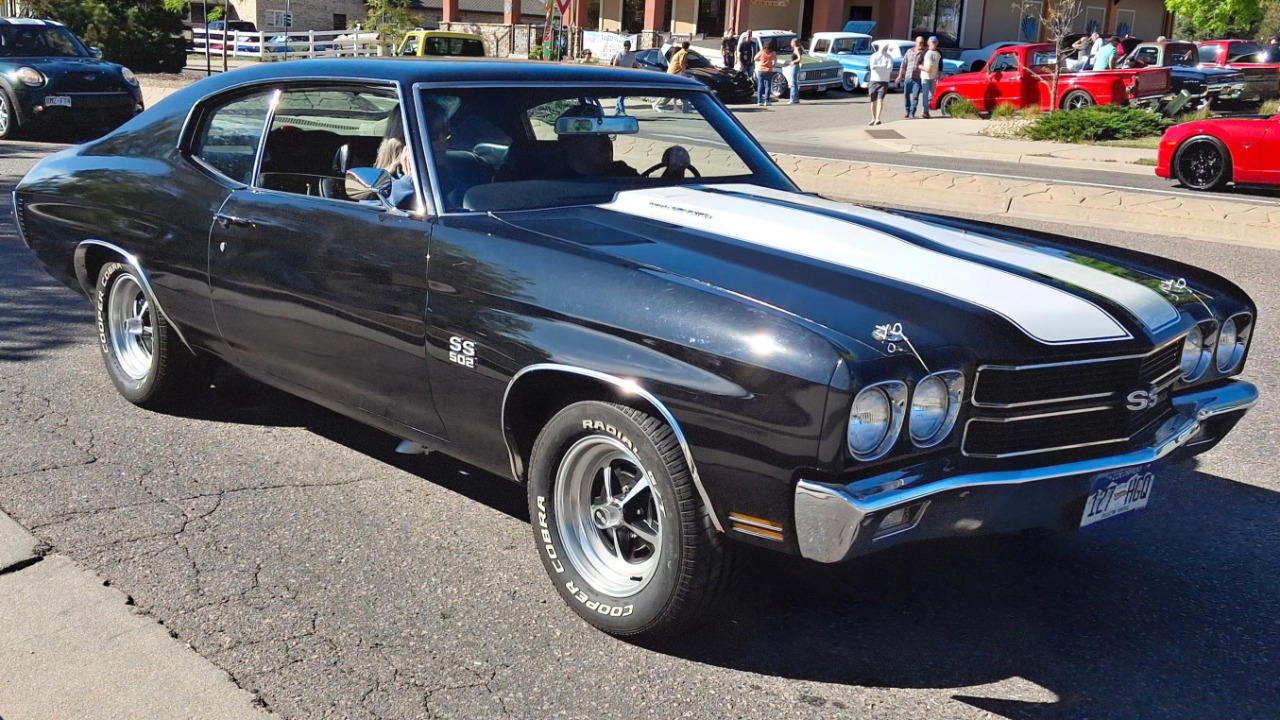
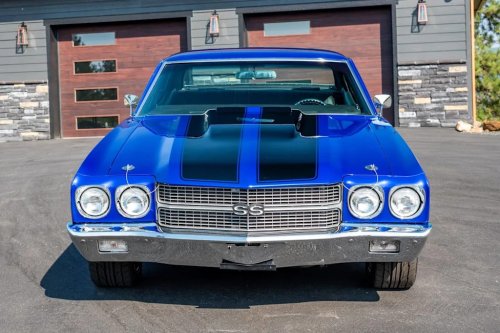
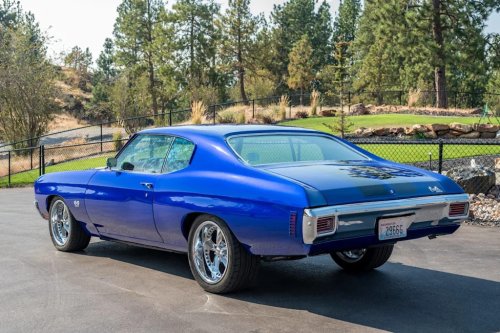
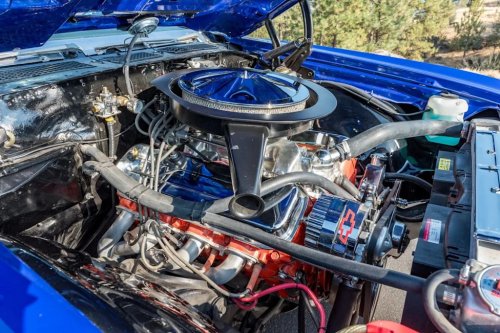
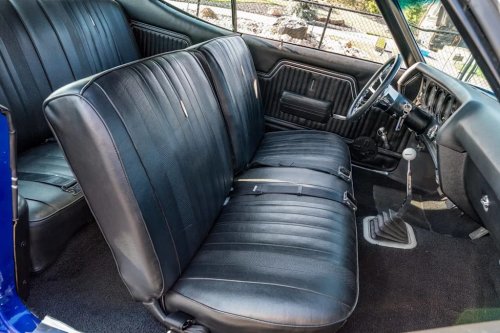
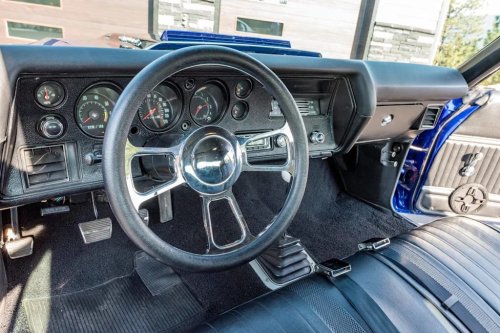
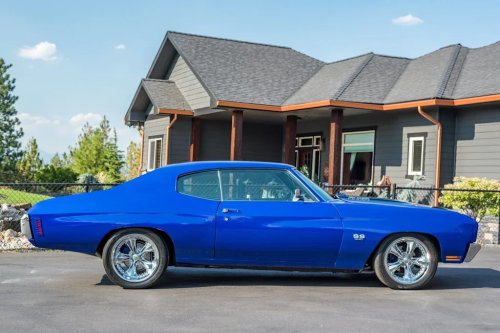
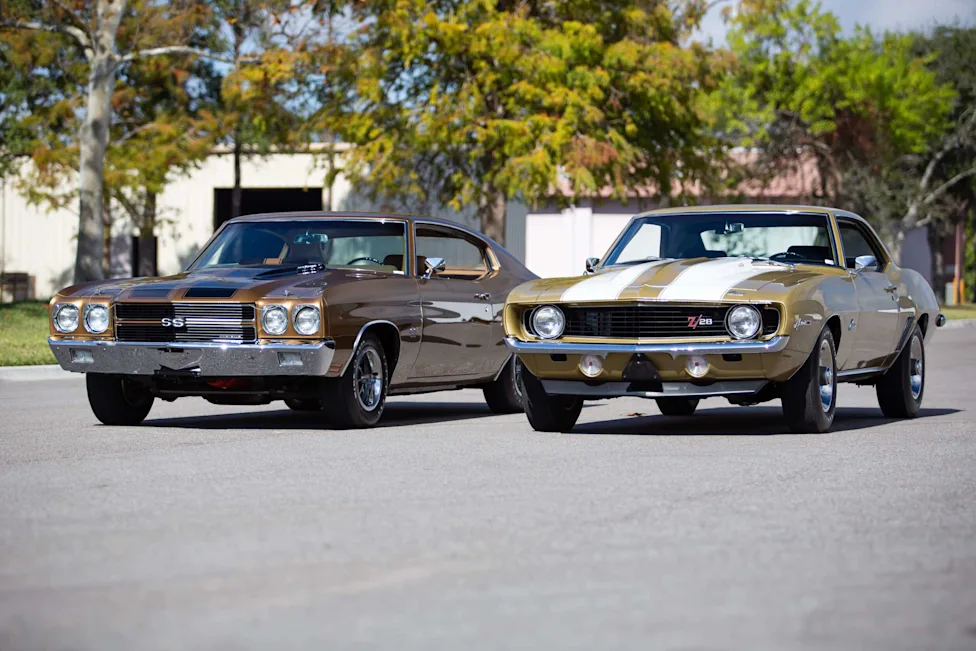
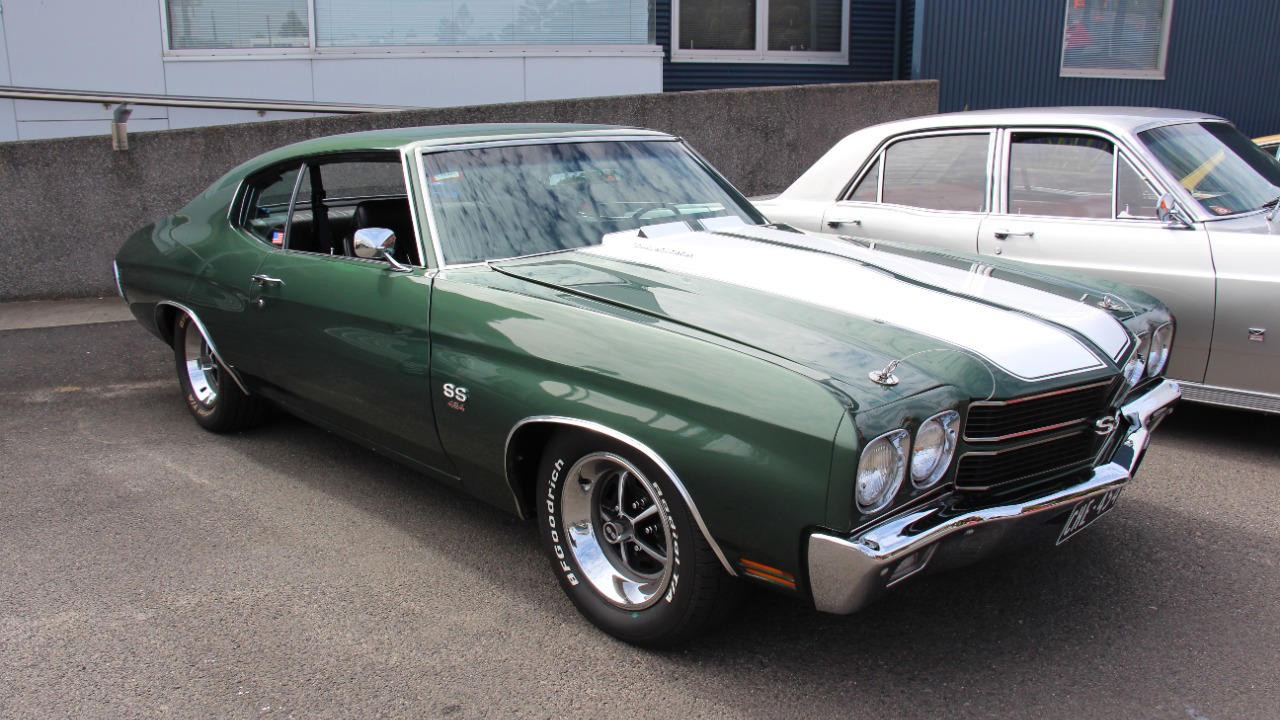
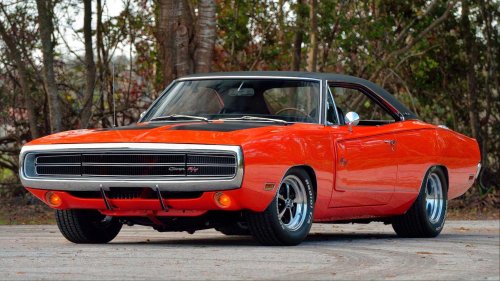
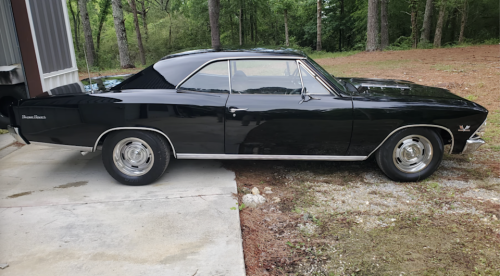
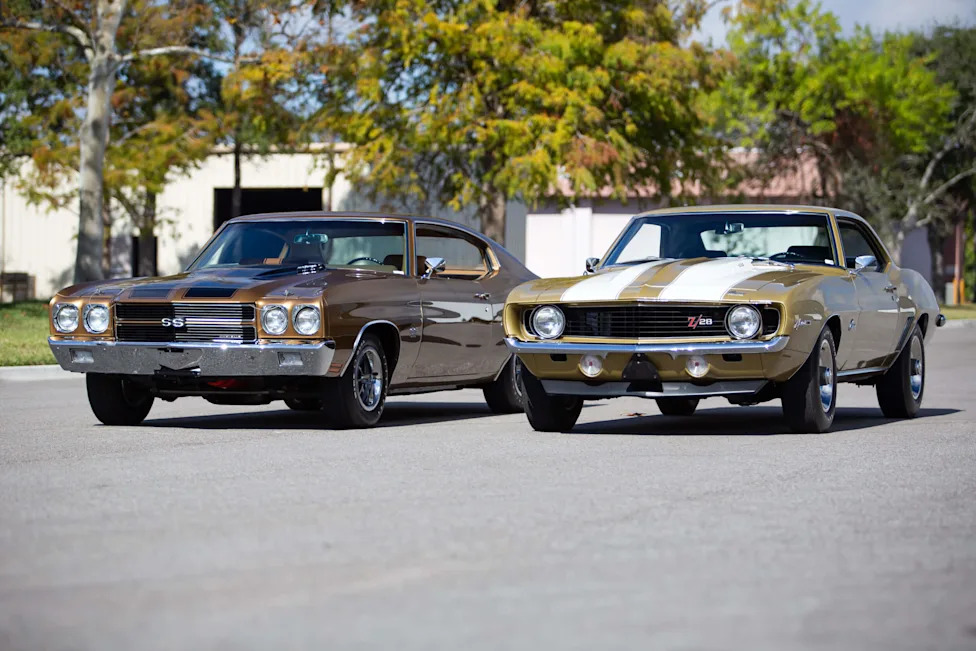
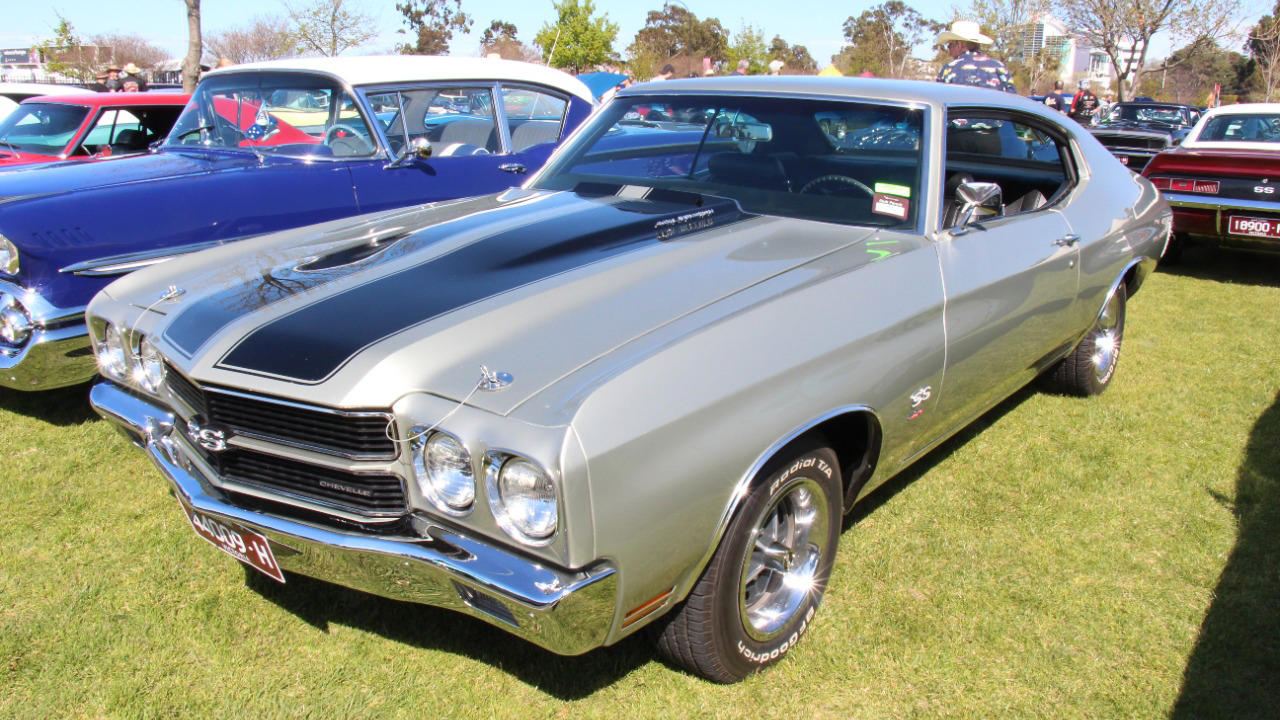
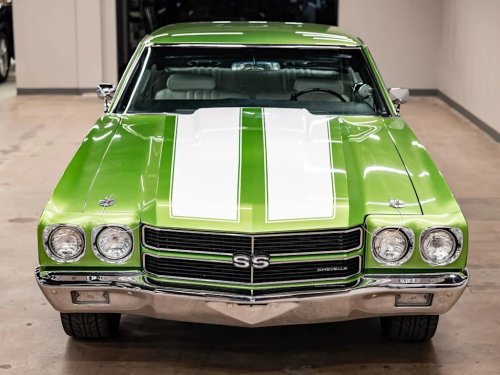
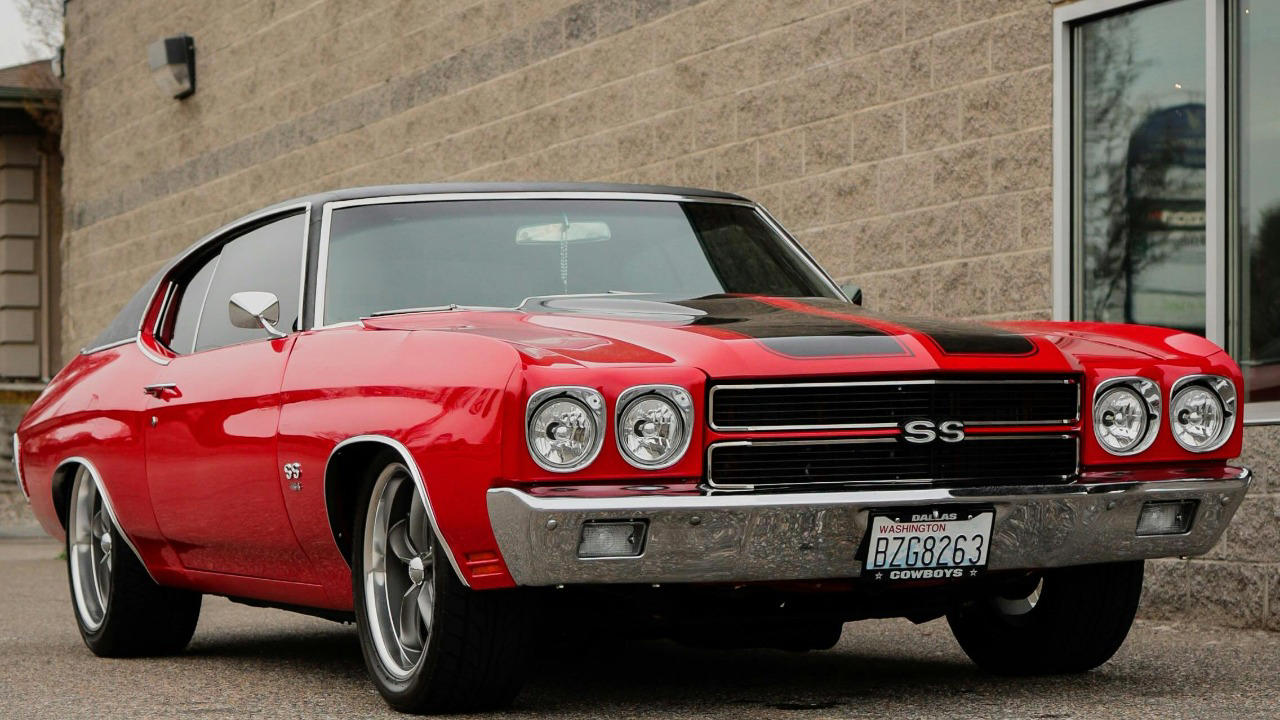
Mechanics warn the 1970 Chevelle SS 454 was hard to control under hard accelerationThe 1970 Chevelle SS 454 earned a reputation as one of the most brutal muscle cars of its era, and that ferocity came with a catch. Mechanics who lived with these cars in the real world often describe a machine that could feel nervous and unpredictable when the driver buried the throttle, especially on imperfect pavement or with worn suspension parts. The same traits that made the big-block Chevelle a legend at the drag strip could turn it into a handful on the street. At the center of that story is a simple tension. Chevrolet built the Chevelle SS to win the horsepower war, not to satisfy modern expectations for stability control and carefully tuned chassis electronics. Half a century later, technicians and builders are still wrestling with the way that combination of raw power and mid-century suspension geometry behaves when the 454 is asked to deliver everything it has. Power that overwhelmed the chassis The Chevelle SS arrived as a midsize model on General Motors’ A-body platform, sized between the compact Chevy II and the full-size Impala. In Super Sport form, it was configured specifically to house Chevrolet’s biggest engines, and by 1970, that meant the 454 cubic inch big-block. Period Chevrolet Chevelle SS data lists the car at a Weight of 3,800 pounds, with a Number built of 8,773 and a Base price of $3,800. That relatively modest curb weight for such a large engine created an aggressive power to weight mix. Enthusiast coverage of the LS6 version, which enthusiasts often describe as The Baddest Tire Smoker Of All Time, highlights how the 454 could simply overpower the rear tires and suspension if the driver was not disciplined with the throttle. In that context, mechanics who saw these cars come back with broken driveline parts, cupped rear tires or bent suspension pieces were not surprised. The Top Available Eng option had the kind of torque delivery that could instantly unstick the rear axle and send the car sideways if the surface was less than ideal or the driver lifted abruptly. Many owners who chose the 454 were chasing quarter mile numbers, not balanced handling. As a result, the factory setup leaned toward straight-line traction and cost control, with drum brakes still common at the rear and no electronic aids to help keep things pointed straight. The car rewarded smooth, experienced inputs and punished clumsy ones. A-body geometry and the limits of 1970s suspension thinking The Chevelle SS sat on the same basic architecture as other GM A-body models, including the Pontiac GTO and Oldsmobile Cutlass. That platform used unequal length control arms up front and a coil-sprung, four-link style rear suspension. For family sedans and modest V8s the design worked well enough. With a 454 under the hood, its compromises became obvious. Modern builders who study the A-body often point to bump steer and camber gain as recurring problems. In a video from Fast Monty’s Garage that explains how to address bump steer in a 64 through 72 G M A-body, the host shows how the original steering linkage and control arm angles can cause the front wheels to toe in or out as the suspension moves. Under hard acceleration, when the front end lifts and then settles as the driver shifts or lifts, that changing toe can make the steering wheel feel nervous. The car may dart slightly with every bump, which becomes much more dramatic when the rear tires are already at the edge of traction. The rear suspension has its own challenges. The factory four-link geometry on these cars can induce bind when the body rolls and the axle articulates. Under heavy throttle, the rear tries to climb the control arms, which can lead to wheel hop on rough pavement. Mechanics who worked on early Chevelles learned to recognize the telltale signs: twisted bushings, cracked spring perches and owners complaining that the car felt like it was trying to step sideways on every hard launch. What mechanics saw when drivers went full throttle Veteran technicians describe a pattern that repeated across high power A-bodies. A customer would bring in a 1970 Chevelle SS 454 complaining that the car pulled under acceleration, or that it felt fine at cruise but wandered under load. Inspection often revealed worn front control arm bushings, sagging springs and steering components that were never designed for hundreds of full power launches. The front suspension relies on a network of rubber bushings to locate the control arms. When those bushings age, the alignment can shift dynamically as the chassis twists. Shops that specialize in these cars now routinely install a Chevrolet Chevelle Control to restore the original geometry. The kits, often described as Chevrolet Chevelle Control Arm Bushings or a Moog Control Arm Bushing Kit, give the front end a fighting chance at keeping the tires pointed where the driver intends. Mechanics also see the impact of mismatched modifications. Owners might bolt on sticky modern tires and more aggressive shocks without addressing the underlying geometry. That can increase grip to the point where weak links in the chassis start to show up as sudden oversteer or unpredictable transitions. For a car that left the factory without a rear sway bar in some configurations, adding grip at one end without balancing the other can make the handling more abrupt at the limit. Firsthand impressions from the driver’s seat Modern video drives of original cars help illustrate how that behavior feels. In a recent clip where a host takes Trevor for a first DRIVE in an original 1970 Chevelle 454 LS6, the narrator comments on the drama that comes with even moderate throttle. As the car accelerates, the front lifts, the rear squats and the steering wheel needs constant small corrections to keep the car centered. The footage of Trevor’s reactions shows how different this experience is from a contemporary performance car that masks its speed with electronics and refined chassis tuning. Even when the road is dry and straight, the big-block Chevelle demands respect. Any crown in the pavement or patch of rough asphalt can tug the car off line. On a two-lane highway with narrow shoulders, that tendency can feel intimidating. Mechanics who road test customer cars after suspension work often stress that drivers need to relearn how to feed in power progressively rather than simply matting the pedal and trusting stability control to sort things out. Bump steer, alignment and why the car darts under load One of the most common complaints from Chevelle SS owners is that the car feels fine at low speeds but becomes twitchy as the pace increases. The bump steer explanation from Fast Monty and his Garage offers a clear mechanical reason. As the 64 through 72 G M A-body suspension compresses and extends, the steering linkage traces a different arc than the control arms. That discrepancy changes toe angle with suspension travel. Under hard acceleration, the nose lifts and the front suspension extends. If the alignment is set aggressively for modern radial tires, with more caster and less toe-in than the factory intended, the car can become very sensitive to those changes. A small bump that compresses one side more than the other can introduce a momentary steering input that the driver did not request. At highway speeds, especially with a 454 under the hood, that can feel like the car is trying to dart toward the shoulder. Shops that specialize in A-bodies often correct this by relocating tie rod pivots, adjusting steering arms or installing aftermarket components that realign the arcs. Even then, they caution owners that the basic layout is still from the 1960s and will never match the calm, locked-on feel of a modern performance sedan. How modern suspension kits tame the beast Given those inherent traits, the aftermarket has built an entire ecosystem around making the 1970 Chevelle SS 454 more controllable. One example is a front suspension package from Western Chassis, which offers upgraded control arms, springs and related hardware for GM A-body cars. A kit from Western Chassis typically focuses on stronger components and revised geometry that improve stability and steering response under load. Other suppliers take a more comprehensive approach. A Chevy Chevelle Suspension Rebuild Kit with Oval Holes in the Lower Control arm targets worn bushings and alignment slop. Coil-over packages for the 1968 to 72 range, marketed for both Chevy Chevelle and El Camino applications, add adjustable ride height and damping. One such Stage 3+ system is described with a focus on how the ball joint location and spring rate changes work together to increase front grip and reduce body roll while still fitting the original frame. Performance-oriented handling kits for the GM A-body from companies such as QA1 bundle tubular control arms, matched springs and shocks, and in some cases new sway bars. These packages aim to correct the factory roll center height and camber curves so the tires maintain a more consistent contact patch. Mechanics who install them report that the car feels far more predictable when the 454 is asked to deliver maximum thrust, with less tendency to wander or snap into oversteer. Why worn parts make a fast Chevelle genuinely dangerous Even when new, the Chevelle SS demanded respect. After five decades of use and storage, the margin for error shrinks further. Rubber bushings harden and crack, steering boxes develop play and frames can suffer from rust or previous accident damage. A car that already had a reputation for being lively under full throttle becomes genuinely hazardous if those weaknesses are not addressed. Mechanics who specialize in classic muscle often insist on a full inspection before tuning the engine for more power. They look for slop in the idler arm, worn pitman arms, and loose wheel bearings that can amplify any bump steer already present in the 64 through 72 G chassis. They also check rear control arm bushings for signs of dry rot or tearing, since those failures can let the axle shift under load and steer the car from the back. Parts suppliers recognize this need. Listings for a Moog Control Arm emphasize that fresh bushings improve both ride and safety. A Chevy Chevelle Suspension Rebuild Kit with Oval Holes in the Lower Control arm is marketed as a way to upgrade performance and safety together. For a car with 454 power, those claims are not marketing fluff. They are a reflection of what mechanics see when they compare a tired original chassis to one that has been properly refreshed. Enthusiasts still chase the original drama Despite, or perhaps because of, these quirks, the 1970 Chevelle SS 454 remains one of the most sought-after muscle cars. Enthusiast communities describe the 454 LS6 as a Chevrolet Chevelle SS icon that delivers an experience modern cars cannot replicate. In social media discussions of Chevrolet Chevelle SS performance and rarity, owners trade stories about how the car feels when the secondaries open and the rear tires start to haze, often acknowledging that the steering wheel needs a firm hand at that moment. More from Fast Lane Only Unboxing the WWII Jeep in a Crate 15 rare Chevys collectors are quietly buying 10 underrated V8s still worth hunting down Police notice this before you even roll window down


















 +60 others