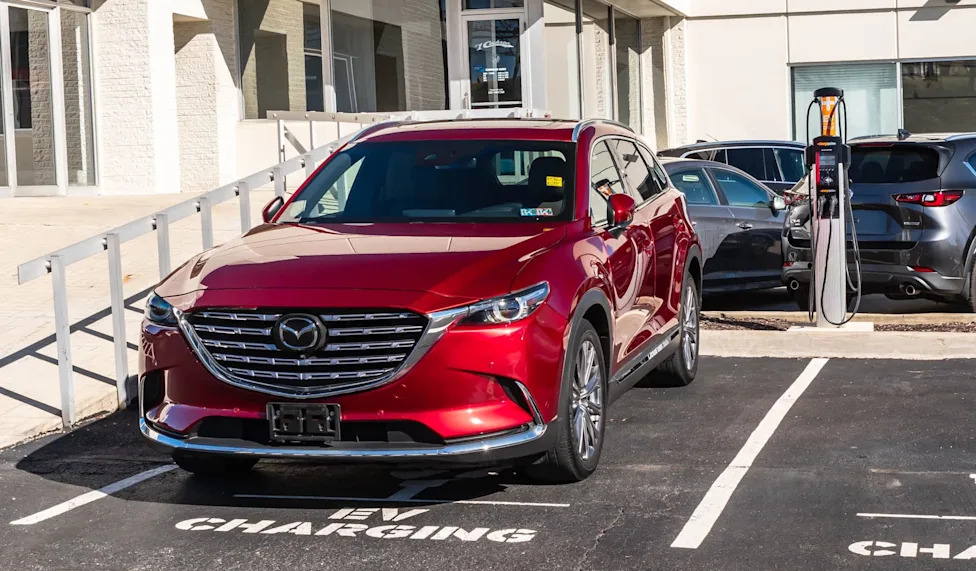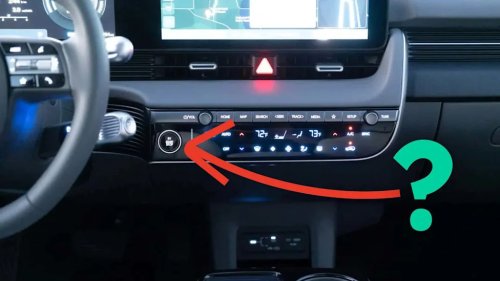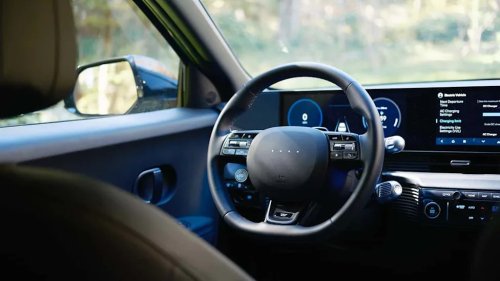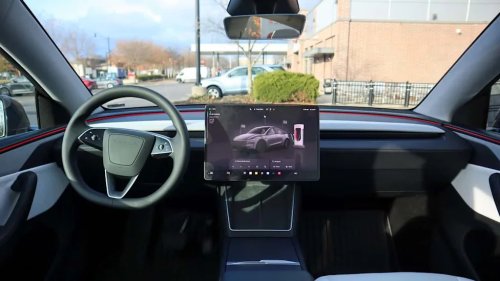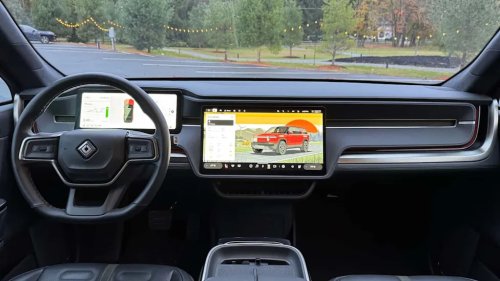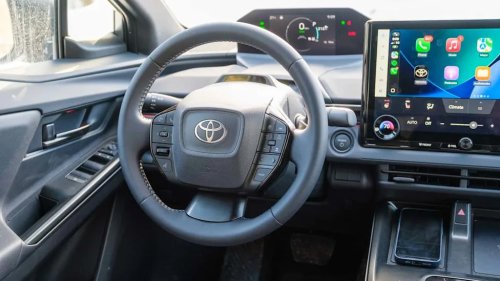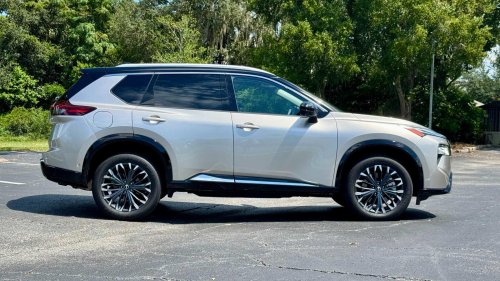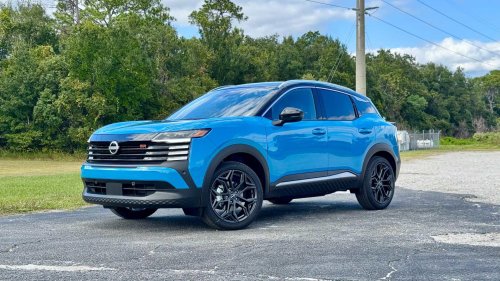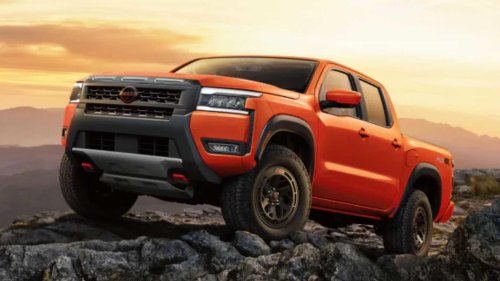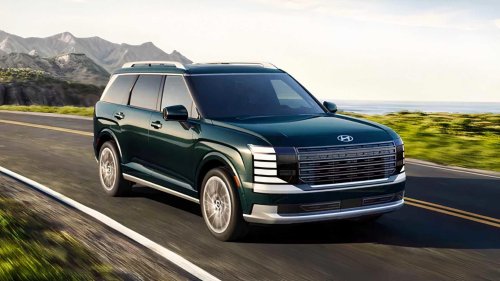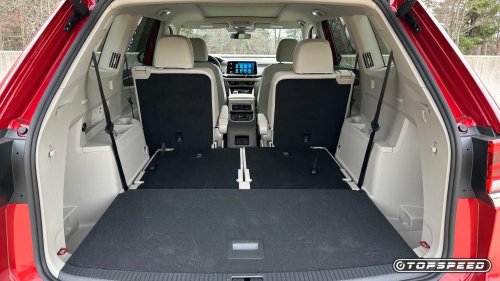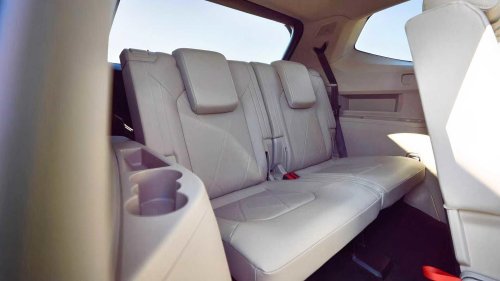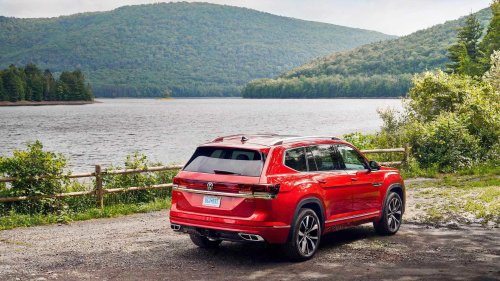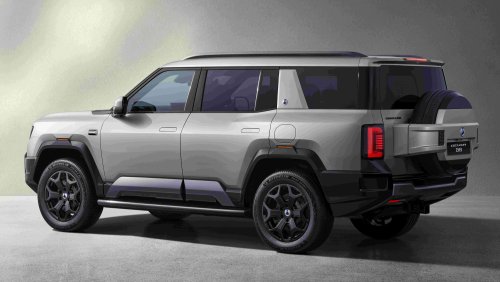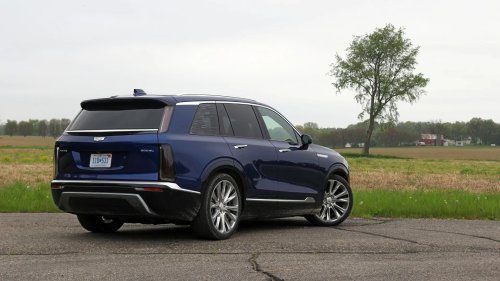



















Photo Credit: iStockFamilies shopping for an electric vehicle often hit the same snag: The moment they need a third row, their options get a lot slimmer.That frustration was at the center of a recent Reddit discussion in the subreddit r/electricvehicles, where drivers traded ideas about why roomy EVs are still so hard to find — and which models are actually worth considering today.In the Reddit post that drew more than 300 comments, one user asked why there are still so few three-row EVs on the market, especially now that smaller electric crossovers seem to be everywhere.AdvertisementAdvertisementThe question resonated with families looking for more seats without giving up the lower fuel costs and reduced maintenance that make EVs so attractive.Many commenters said the demand is obviously there. They pointed to the Kia EV9, Volkswagen ID.Buzz, Rivian R1S, and higher-end options such as the Lucid Gravity as some of the only real three-row choices currently available.Several others highlighted the Hyundai Ioniq 9, which released in 2025 as a "cousin" of the EV9, built on the same platform but with a more futuristic-looking exterior.Those are all great options, and many of them are superior choices for acting as home battery backup systems on wheels as well, but they all check in at over $50,000 new.AdvertisementAdvertisementIn the meantime, many buyers have instead turned to three-row plug-in hybrid options such as the Mitsubishi Outlander, Kia Sorrento, and Mazda CX-90 PHEV variants — most of which are also easier to find as used from model years that stretch further back, enabling more common price points between $20,000 and $35,000.For those with typical drive distances under 40 miles per day, plug-in hybrids can offer most of the benefits of EVs without as much concern about what to do on longer road trips with limited public charging options.Several users said the slow rollout appears to come down to a combination of economics and engineering. Larger vehicles need larger battery packs to provide the kind of highway range buyers expect, and that quickly adds weight and cost.As one commenter put it, bigger, boxier SUVs are simply harder to make efficient, especially for long-distance driving. They said "those cars have quite a high consumption due to size and shape. I expect more cars to come on now as batteries get cheaper and you can put larger batteries in cars to get a better range."AdvertisementAdvertisementTo that point, Toyota and Subaru are each releasing three-row EV SUVs later this year — an electric Highlander and the new Subaru Getaway. And while the availability of charging stations could be better in most areas of the U.S., EVs are more frequently pushing ranges over 300 miles, which typically means a full five hours or more of driving.As more EV models provide vehicle-to-home backup battery abilities, too, full EVs will increasingly win out over PHEVs when the sticker prices are closer together.Clearly, many households want EVs that can handle carpools, strollers, sports gear, and road trips. When affordable options remain limited, families may feel nudged back toward hybrid or even gas-only SUVs and minivans, despite rising gasoline costs.That can carry real financial consequences. EVs can save drivers money over time through lower fueling costs and less routine maintenance, since they do not need oil changes and generally have fewer moving parts that require service. For larger households spending plenty of time on the road, those savings can grow quickly.AdvertisementAdvertisementAutomakers are expanding the category, even if not as fast as many shoppers would like. More choices appear to be on the way, particularly at the premium end of the market. Over time, that could help improve competition, and eventually lower prices for more mainstream buyers.Get TCD's free newsletters for easy tips, smart advice, and a chance to earn $5,000 toward home upgrades. To see more stories like this one, change your Google preferences here.