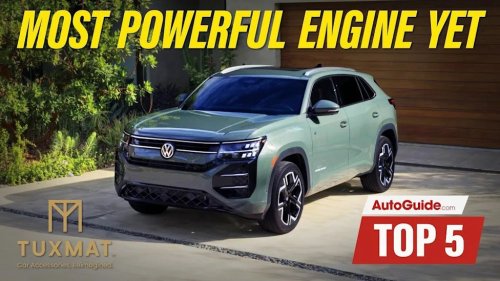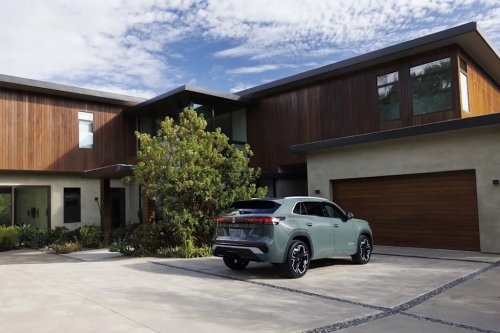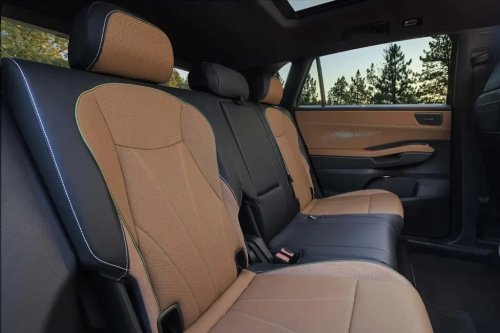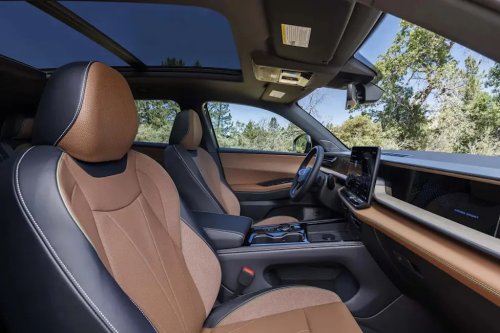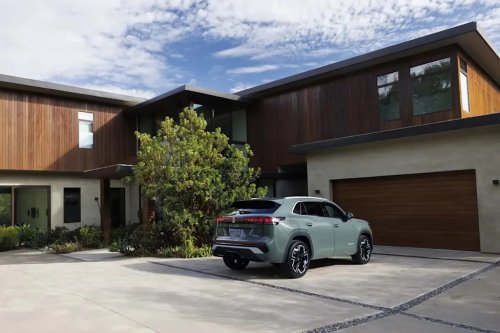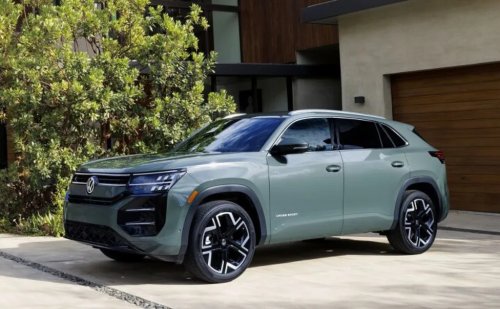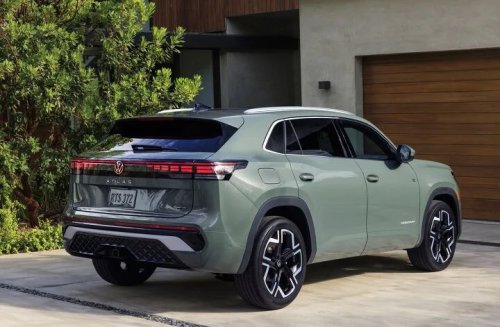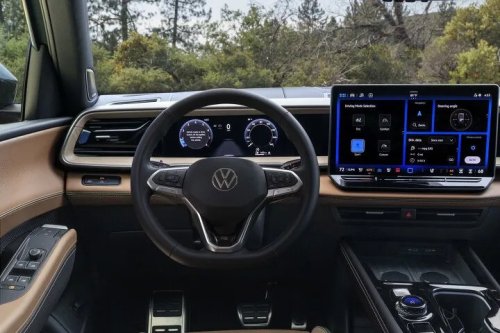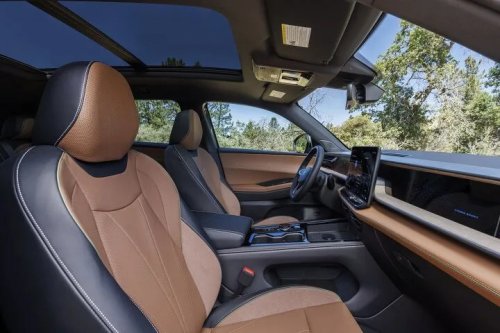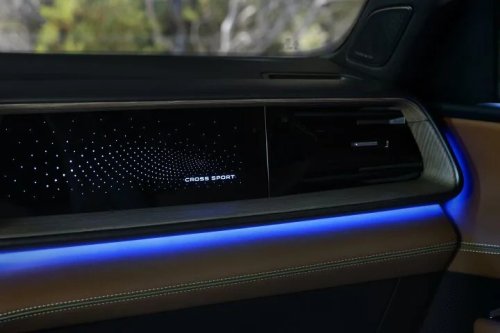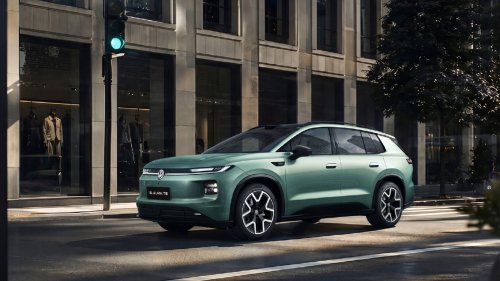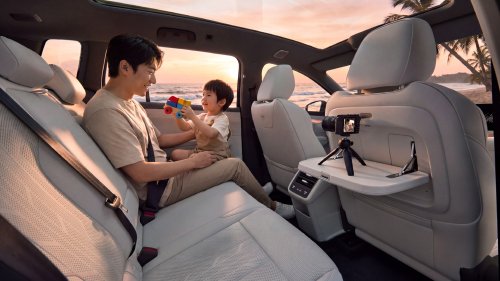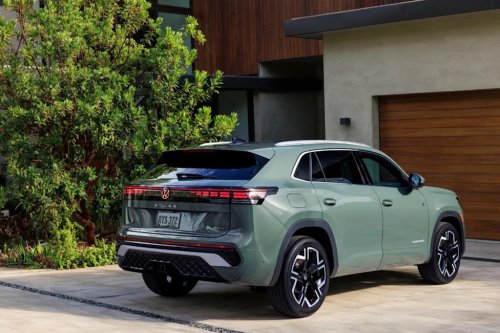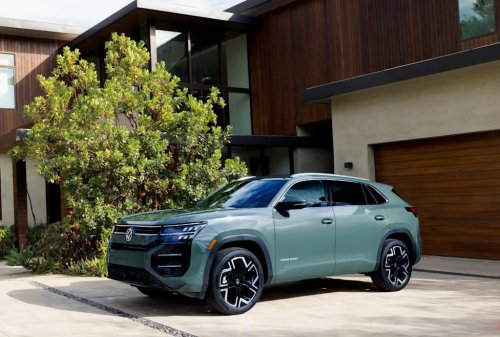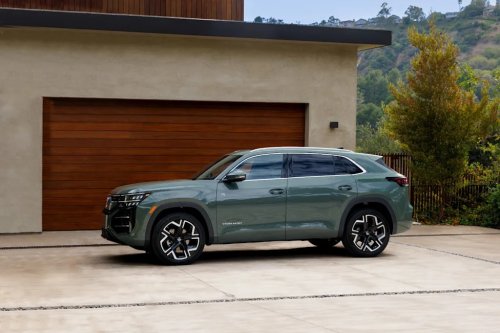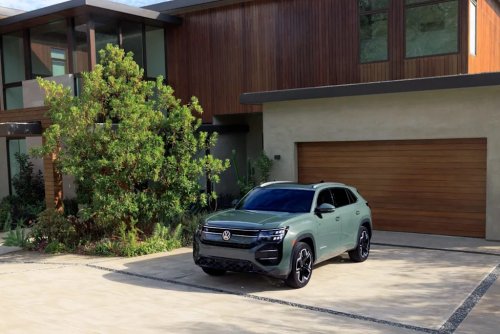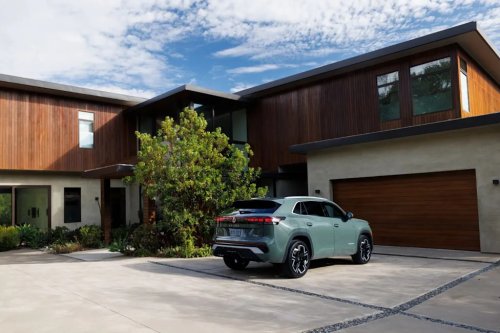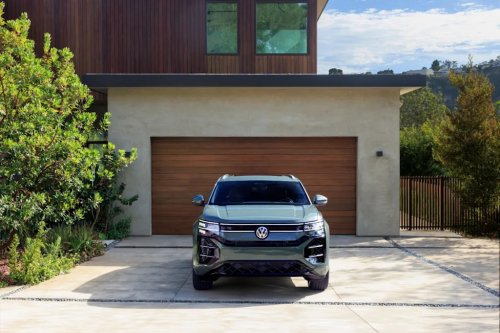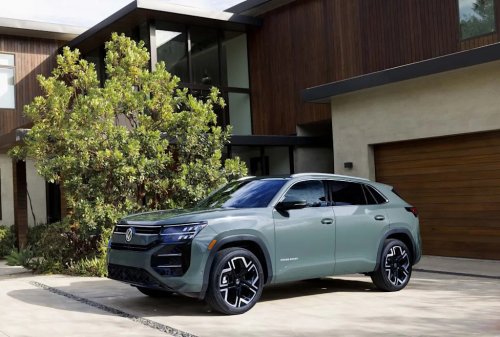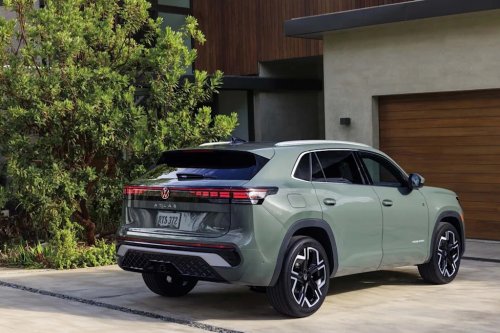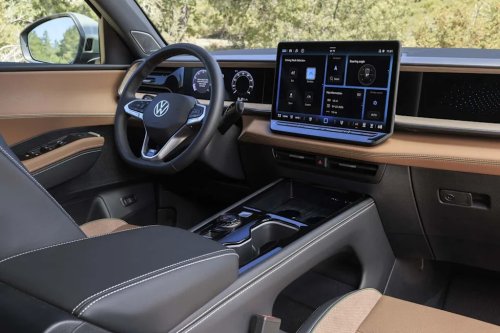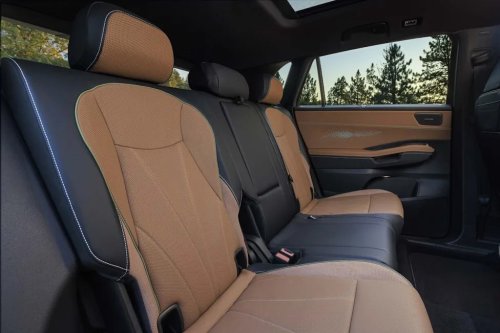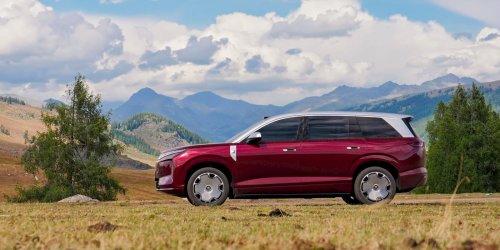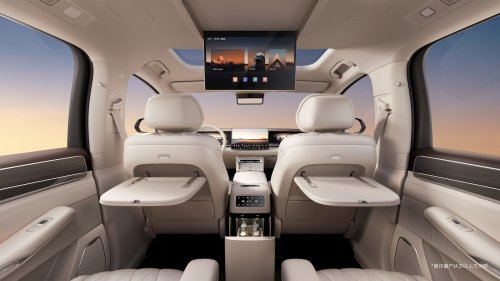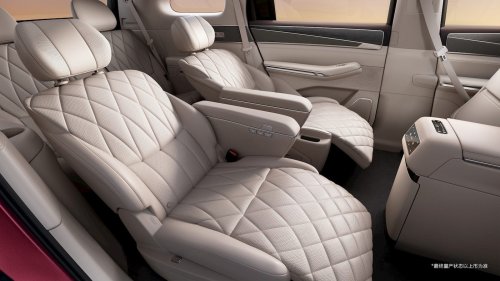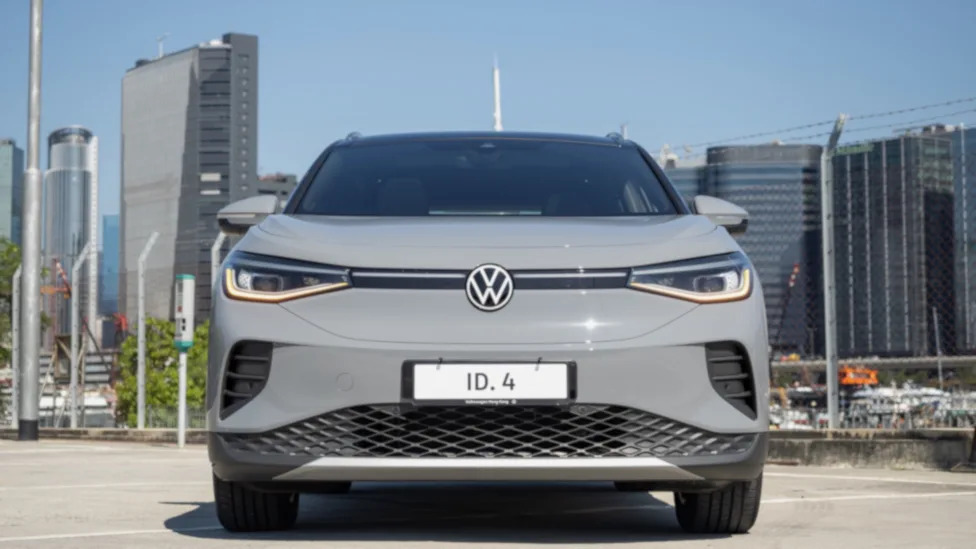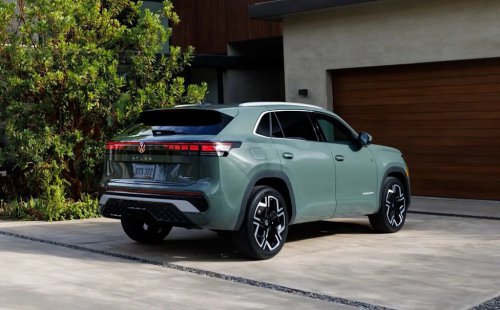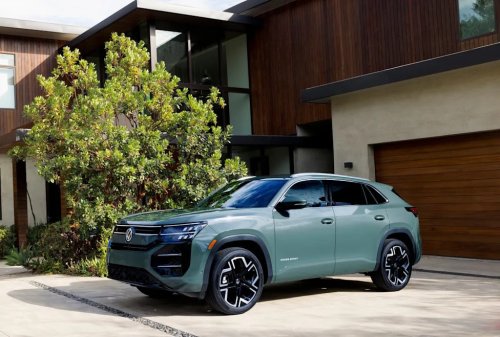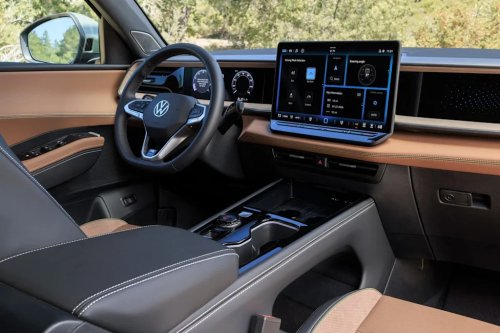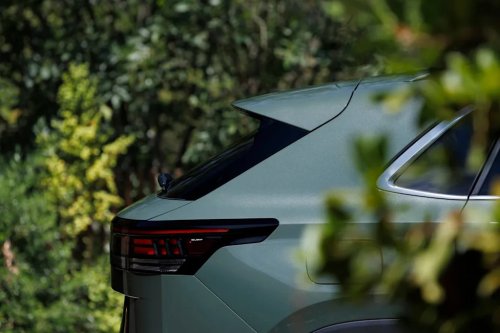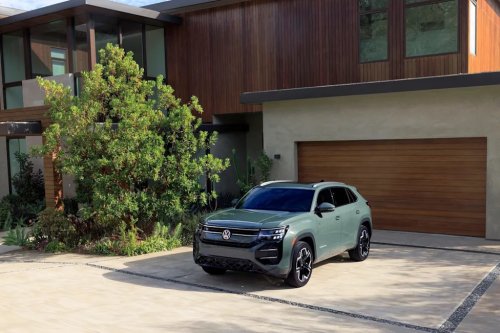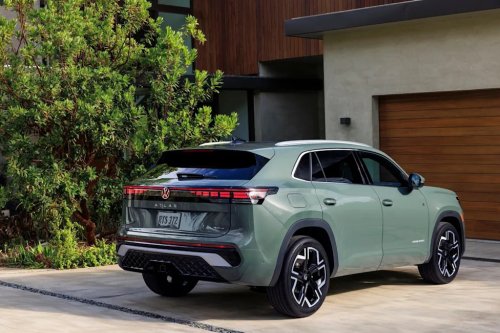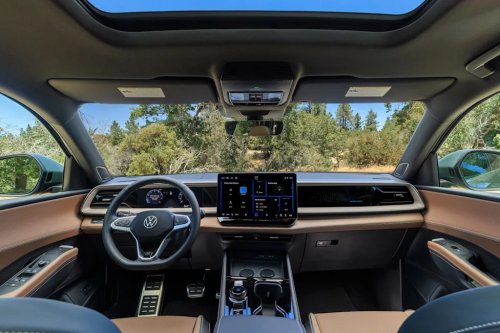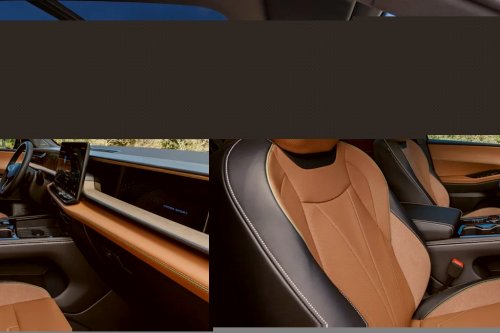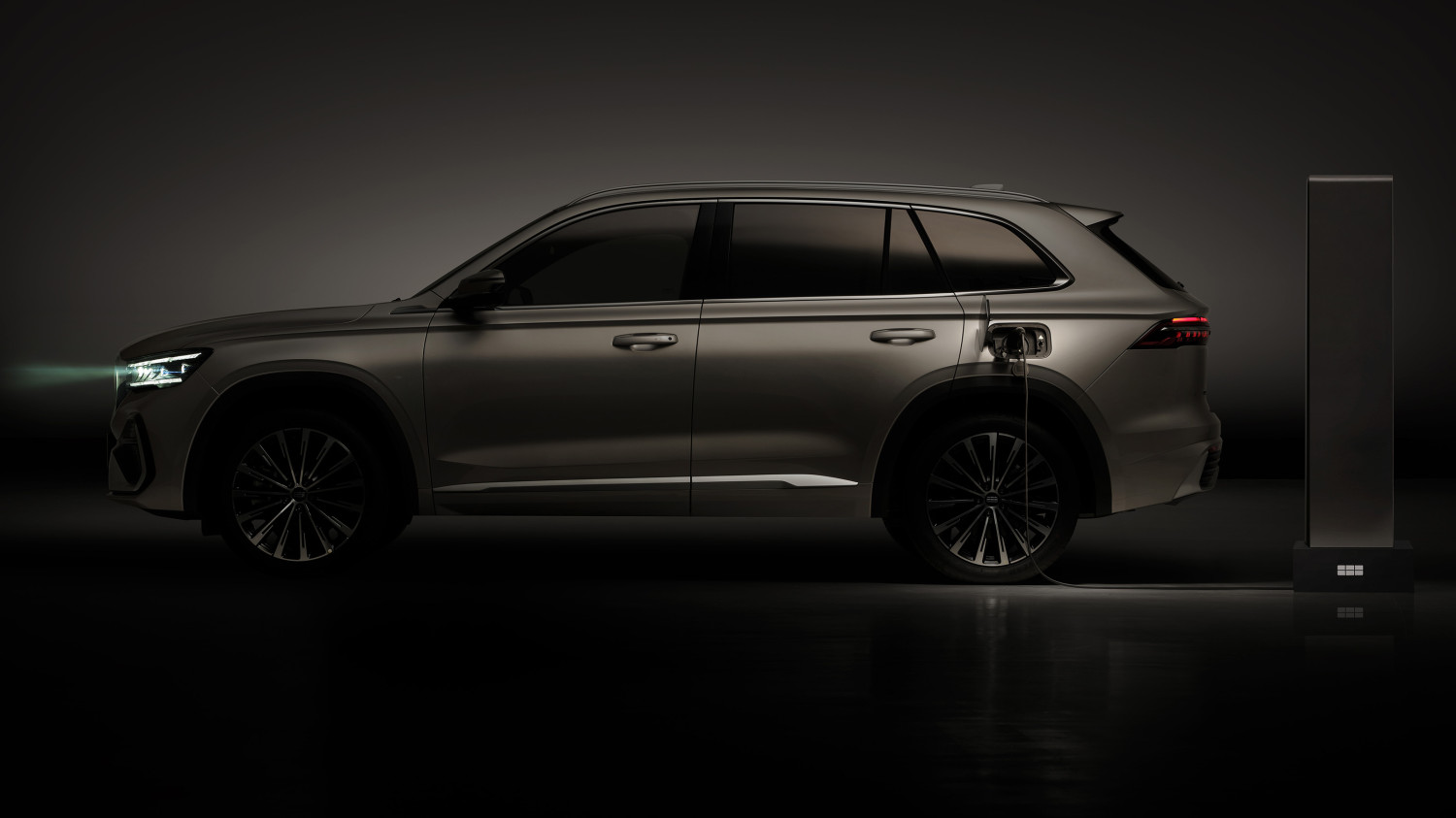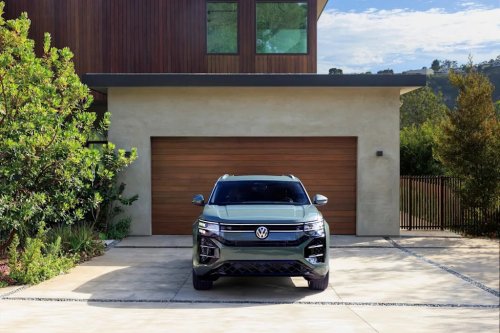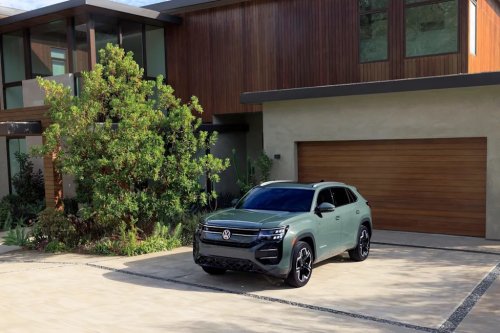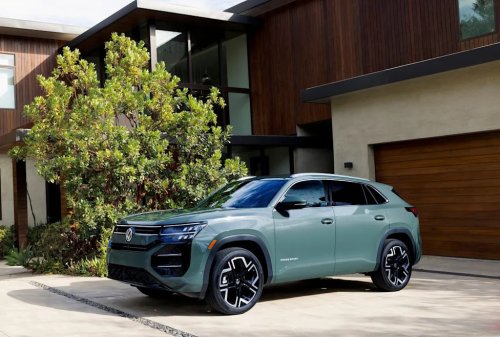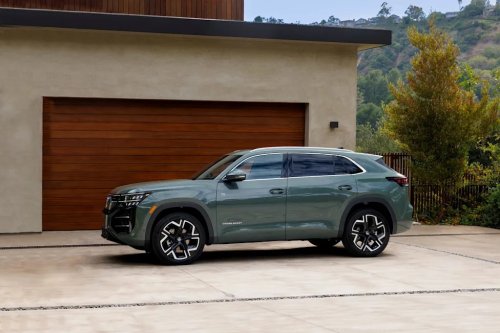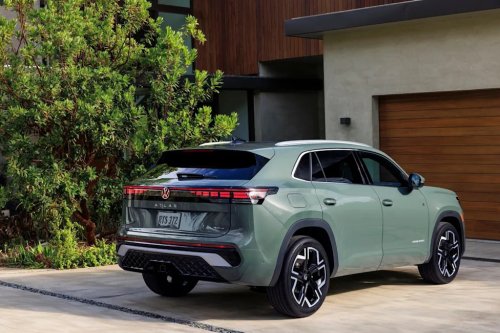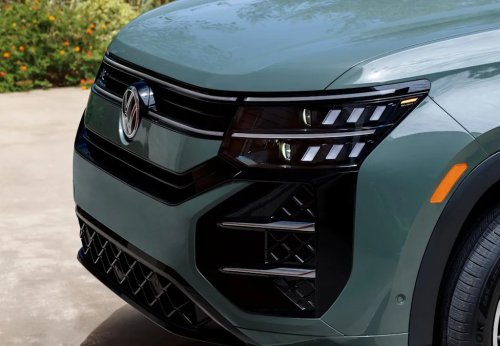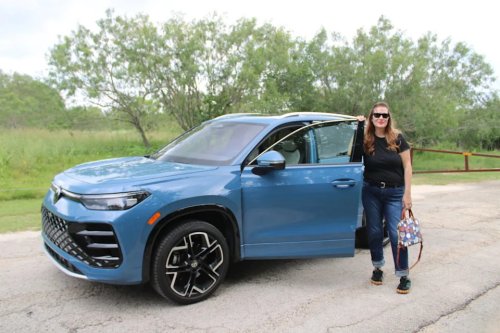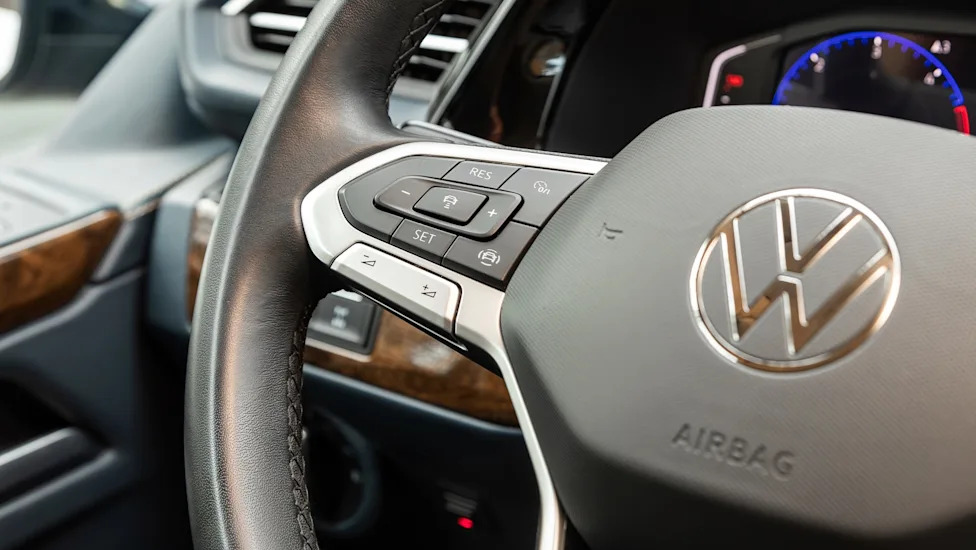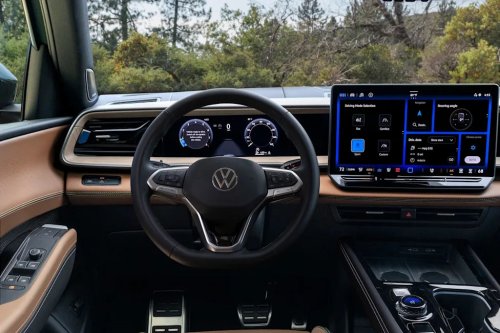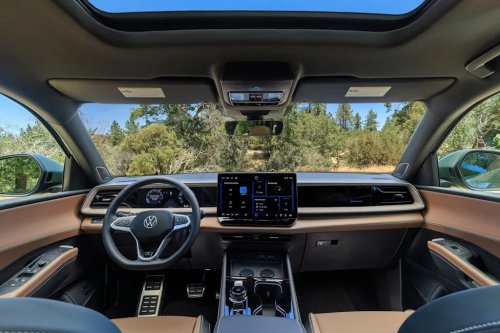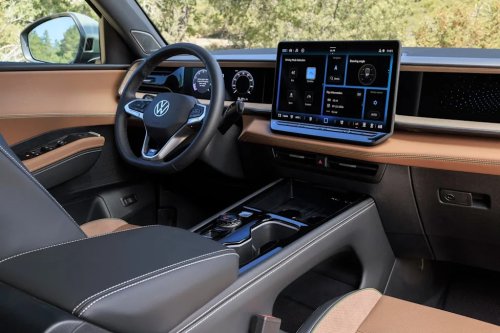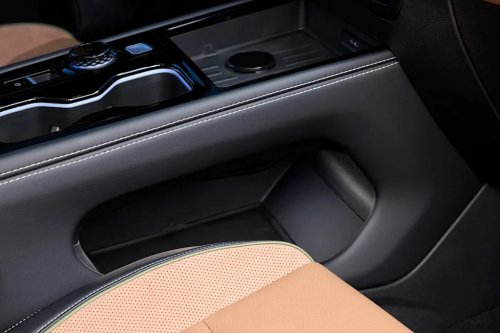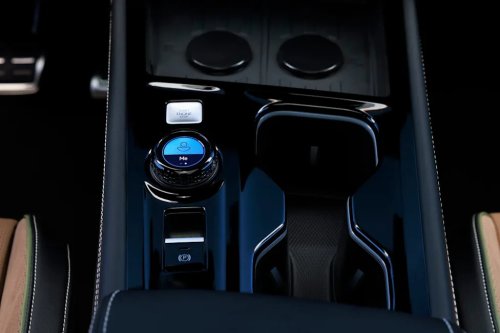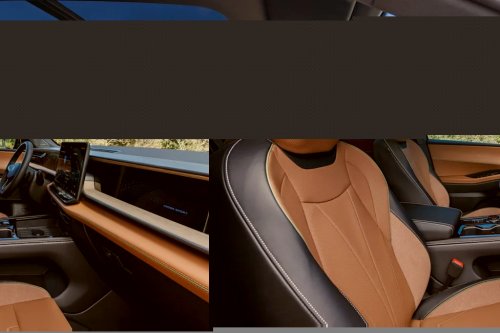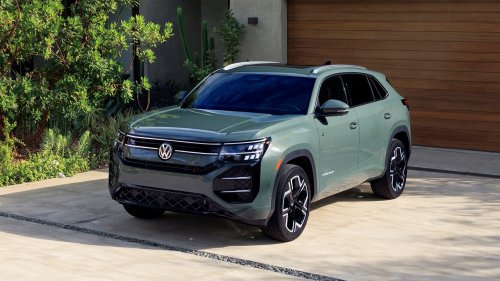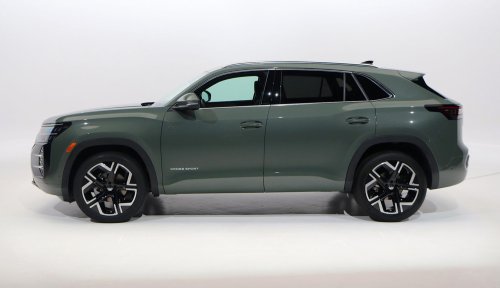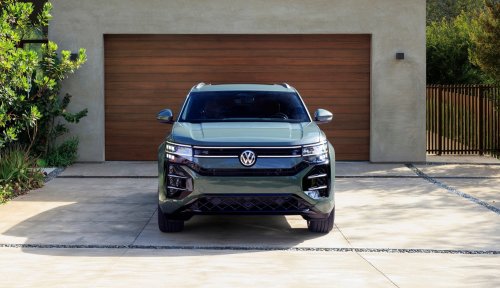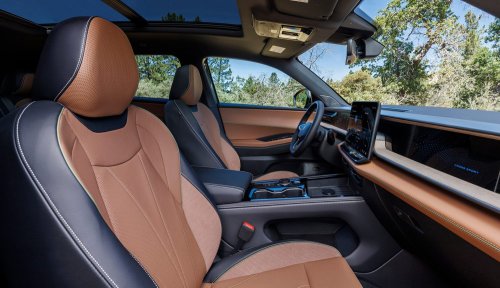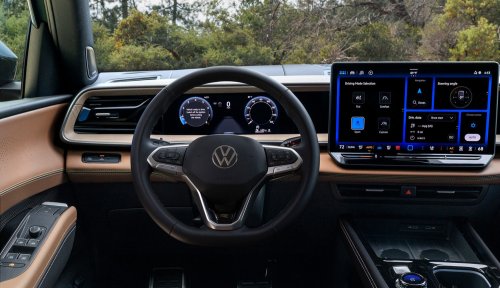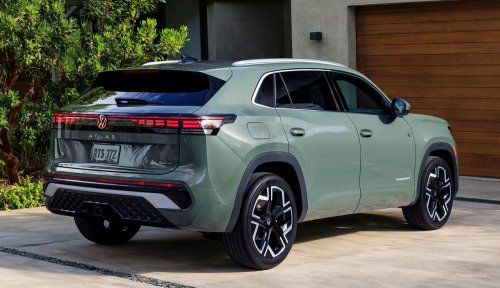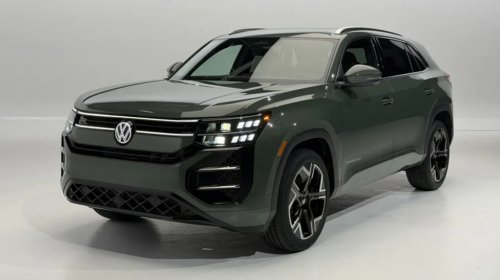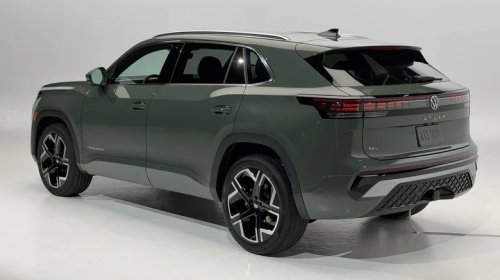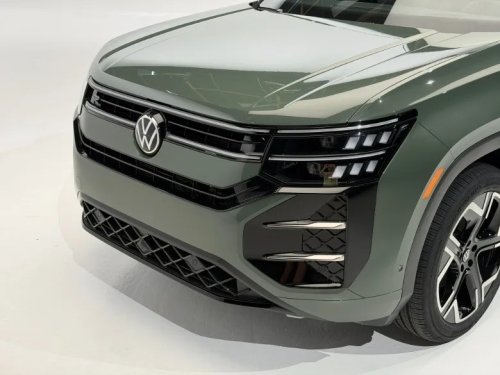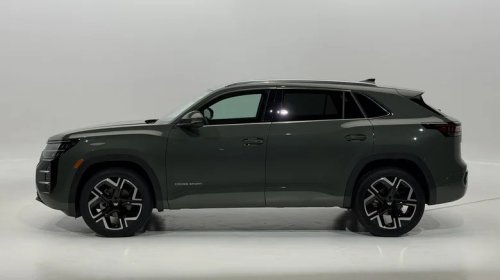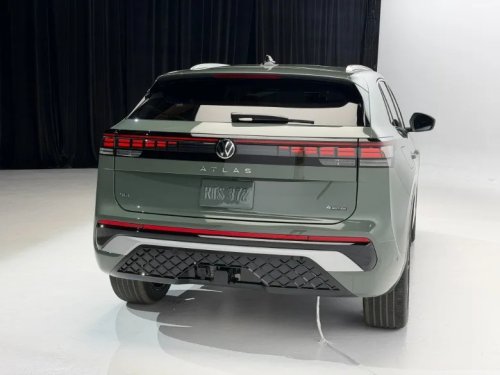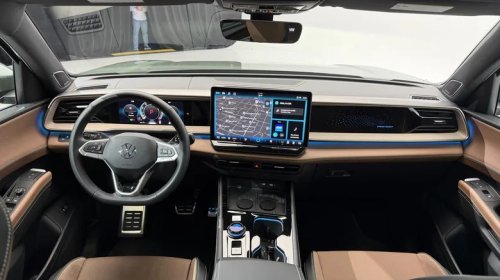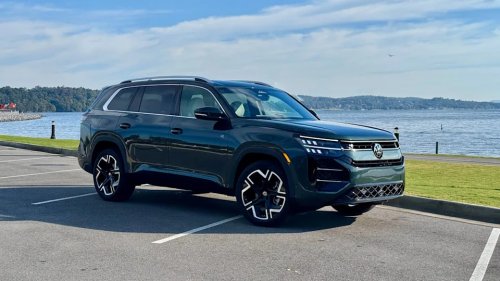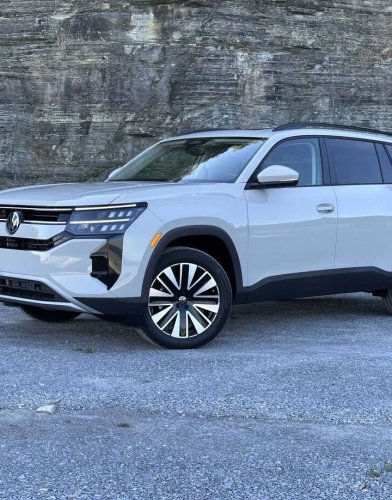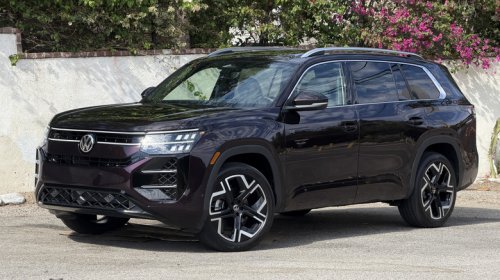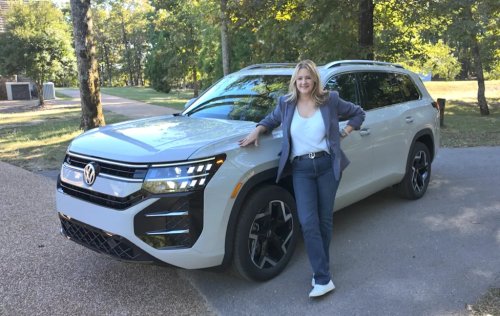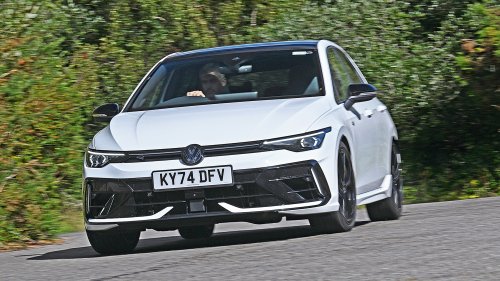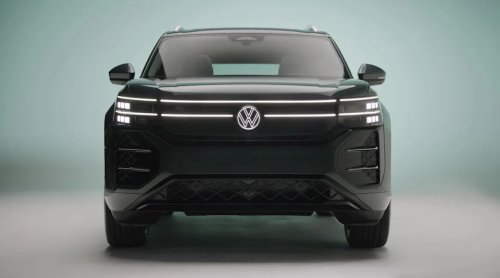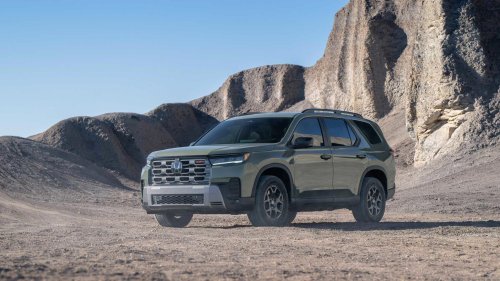
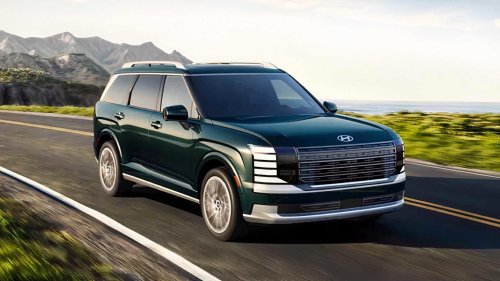
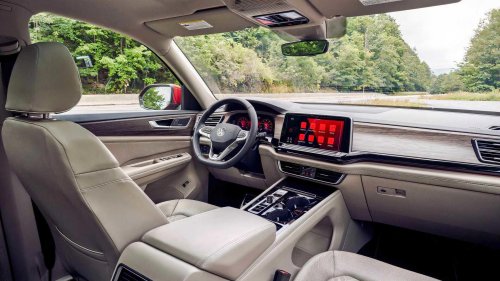
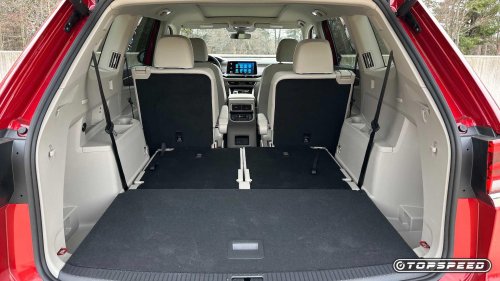
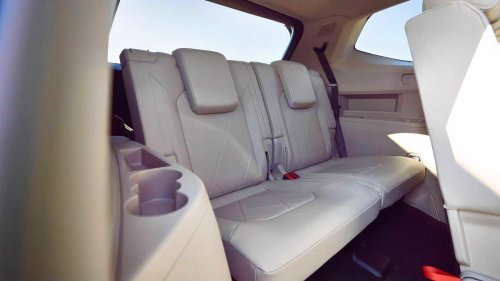
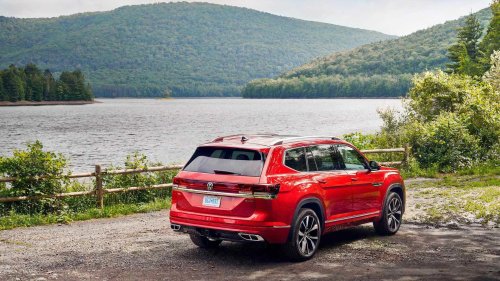
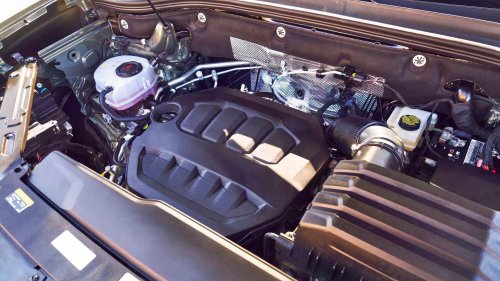
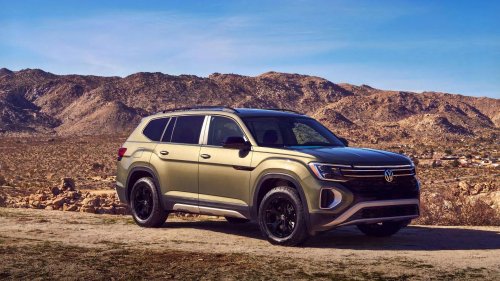
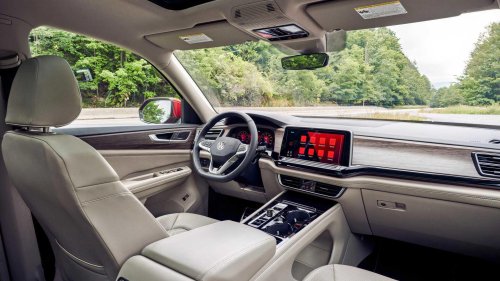
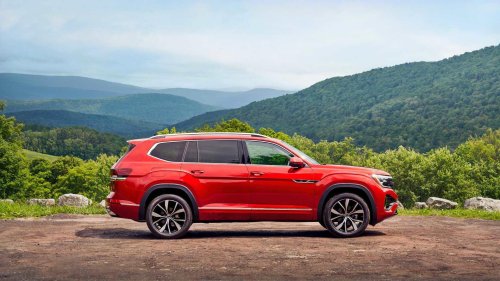




















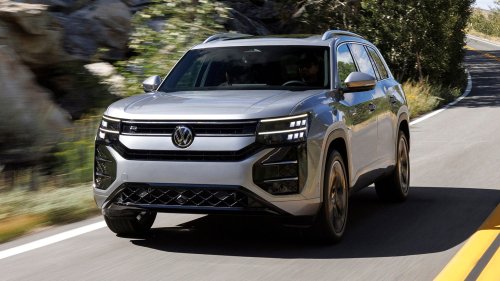

For years, the midsize three-row SUV segment has been dominated by familiar household names like the Toyota Grand Highlander, Honda Pilot, Kia Telluride, and Hyundai Palisade. In the middle of that crowded battlefield sits the Volkswagen Atlas, an SUV that rarely tops sales charts or dominates social media conversations, yet consistently delivers exactly what family buyers ask for. It doesn't rely on flashy styling, excessive luxury gimmicks, or aggressive performance credentials. Instead, the Atlas focuses on usability, interior space, comfort, and simplicity.That approach has helped the Atlas quietly build a loyal following among families who prioritize practicality over badge prestige. The latest Atlas continues that formula with a turbocharged 2.0-liter four-cylinder engine producing 269 horsepower and 273 pound-feet of torque, paired with an eight-speed automatic transmission and available 4MOTION all-wheel drive. It also offers one of the roomiest cabins in the segment, with up to 96.6 cubic feet of maximum cargo capacity and genuinely usable third-row seating.While competitors often attempt to feel more premium or more rugged, the Atlas simply focuses on making daily life easier. That's exactly why it remains one of the most overlooked sensible SUVs on sale today. Why Many Families Overlook The VW Atlas In Favor Of Bigger-Name Rivals 2026 Honda Pilot-17The 2026 Volkswagen Atlas has always faced an uphill battle in the American market because Volkswagen does not carry the same SUV reputation as Toyota, Honda, or even Hyundai. For many buyers, the conversation starts and ends with reliability rankings, resale values, and brand familiarity. That often leaves the Atlas ignored before families even sit inside one.Ironically, the Atlas was designed specifically for North American buyers. Unlike many European SUVs adapted for American tastes, the Atlas was engineered around large families, long-distance comfort, and maximum interior space. At 200.5 inches long with a massive 117.3-inch wheelbase, it is one of the largest vehicles in the midsize crossover segment. Yet the Atlas rarely receives the same attention as competitors with more established reputations. The Toyota Grand Highlander is viewed as the reliability benchmark. The Kia Telluride is praised for its upscale styling. The Honda Pilot carries decades of family-friendly credibility. Meanwhile, the Atlas quietly continues offering one of the best combinations of passenger space and comfort in the segment.Hyundai Some buyers also assume the Volkswagen badge automatically means higher ownership costs or complicated German engineering. While maintenance discipline is important on any modern turbocharged SUV, the Atlas itself is mechanically straightforward compared to many luxury-brand alternatives. The current 2.0-liter EA888 turbocharged engine is one of Volkswagen’s most widely used and well-developed powerplants. The Atlas also suffers from being intentionally conservative. Volkswagen avoided dramatic styling trends and excessive technology overload. In an era where many SUVs attempt to look futuristic or aggressively rugged, the Atlas can appear almost understated. But that restraint becomes an advantage after several years of ownership.Owner discussions online consistently highlight how comfortable and easygoing the Atlas feels compared to some rivals. Several owners specifically note that the Atlas “feels smaller than it is” while offering exceptional cabin space and road-trip comfort.That balance between size, usability, and relaxed driving manners is exactly what makes the Atlas more compelling than its sales numbers suggest. How The Atlas Prioritizes Space, Comfort, And Everyday Usability VolkswagenThe Volkswagen Atlas was clearly engineered around family life first. Instead of trying to maximize sporty handling or luxury-brand theatrics, Volkswagen focused on creating an SUV that feels easy to live with every single day. The numbers alone tell the story. The Atlas offers up to 171 cubic feet of passenger volume and up to 96.6 cubic feet of maximum cargo capacity, making it one of the largest midsize crossovers available. Even with all three rows upright, it still provides 20.6 cubic feet of cargo room behind the third row. That matters enormously for families. Many three-row SUVs technically offer seating for seven or eight passengers, but the third row often feels cramped and compromises cargo space. The Atlas approaches the segment differently by prioritizing real-world roominess.The cabin layout is also refreshingly straightforward. Large windows create excellent visibility, while the upright roofline prevents the claustrophobic feeling common in coupe-inspired SUVs. The dashboard design remains clean and ergonomic, emphasizing usability instead of excessive visual drama. Volkswagen also tuned the suspension for comfort rather than artificial sportiness. The Atlas uses a four-wheel independent suspension setup with MacPherson struts up front and a multi-link rear arrangement. That configuration helps the SUV absorb rough pavement smoothly while maintaining stable highway composure.Ty Duffy | TopSpeedThe seats themselves are another underrated strength. Higher trims offer ventilated, heated, and even massaging front seats, features typically associated with more expensive luxury SUVs. The Atlas also excels in simple daily usability details. Wide-opening doors make installing child seats easier. The low cargo floor simplifies loading groceries and luggage. Numerous USB ports and charging options help keep family road trips less chaotic. Unlike some rivals that overwhelm drivers with layered menus and overly sensitive controls, the Atlas maintains a relatively intuitive user experience. Families moving from older vehicles can adapt quickly without a steep learning curve. That sense of effortless usability is what makes the Atlas feel less stressful to own and drive over time. A Spacious Third Row That Makes Family Road Trips Less Stressful VolkswagenThird-row comfort remains one of the Atlas’ defining advantages. Many midsize SUVs advertise three-row practicality, but reserve truly usable third rows for children only. The Atlas genuinely accommodates adults better than most direct competitors. The dimensions explain why. Third-row legroom measures roughly 33.7 to 34 inches, depending on configuration, while headroom remains generous thanks to the boxy roofline. That may not sound enormous on paper, but in practice, it creates a much more comfortable environment than many sloping-roof competitors.Volkswagen’s packaging efficiency also deserves credit. The second row slides forward easily, making third-row access relatively painless. Parents loading children into booster seats or helping older passengers enter the back row quickly appreciate this design.Road trips particularly highlight the Atlas’ strengths. A family of five or six can travel comfortably without forcing passengers into cramped seating positions or sacrificing cargo space.VolkswagenThe Atlas also avoids the “oversized truck” feeling common in larger body-on-frame SUVs. Despite its dimensions, it remains easy to maneuver in suburban traffic and parking lots. Many owners specifically comment that it drives smaller than it actually is. This balance is important because many buyers don't actually want a full-size SUV like a Chevrolet Tahoe or Ford Expedition. Those vehicles offer tremendous space but feel cumbersome during everyday commuting. The Atlas delivers much of the practicality families need without the intimidation factor.Cargo flexibility is another major strength. Folding the third row opens up substantial luggage capacity, while folding both rear rows creates nearly flat cargo space suitable for furniture, bikes, or home-improvement runs. That versatility transforms the Atlas from a simple family hauler into a genuinely useful all-purpose vehicle. Smooth Turbocharged Power And A Relaxed Driving Character Suit Daily Life VolkswagenVolkswagen simplified the Atlas lineup by standardizing a turbocharged 2.0-liter four-cylinder engine across the range. While some buyers initially questioned replacing the old VR6 engine, the modern turbocharged setup actually suits the Atlas surprisingly well. The EA888 engine produces 269 horsepower and 273 pound-feet of torque, with peak torque arriving at just 1,600 rpm. That low-end torque delivery is crucial because it gives the Atlas relaxed, effortless acceleration during normal driving. Instead of needing high revs to feel responsive, the Atlas delivers smooth pull from low speeds. Around town, this makes the SUV feel more relaxed and less strained than naturally aspirated competitors that require heavier throttle inputs.The eight-speed automatic transmission complements the engine well by prioritizing smoothness over aggressive shift behavior. Volkswagen clearly calibrated the powertrain for comfort-oriented family driving rather than sporty performance.2026 Volkswagen Atlas Front 3/4Fuel economy also remains respectable considering the Atlas’ size. Front-wheel-drive versions achieve up to 20 mpg city and 27 mpg highway, while all-wheel-drive models deliver approximately 19 mpg city and 25 mpg highway. The Atlas can also tow up to 5,000 pounds when properly equipped, enough for small boats, campers, or utility trailers. That capability broadens its usefulness for active families without requiring a larger truck-based SUV.Volkswagen also deserves credit for the Atlas’ highway refinement. Wind noise is well controlled, the suspension remains composed over expansion joints, and the steering avoids excessive heaviness or artificial sportiness. The result is an SUV that feels calming to drive. That characteristic often gets overlooked in modern reviews obsessed with acceleration figures and handling limits, but it matters tremendously for families spending hours commuting or traveling. In many ways, the Atlas succeeds because it never tries too hard. It simply prioritizes comfort, predictability, and ease of use. Practical Features And Conservative Styling Help The Atlas Age Well Volkswagen Newsroom One of the Atlas’ most underrated qualities is how well its design is likely to age. Volkswagen intentionally avoided exaggerated styling trends, which gives the SUV a timeless appearance compared to some rivals. The upright proportions, squared-off shape, and restrained detailing may initially appear less exciting than competitors loaded with dramatic creases and oversized grilles. However, those conservative design choices often age far better after several years. The same philosophy extends inside the cabin. The Atlas emphasizes functionality over visual gimmicks, meaning owners are less likely to feel their vehicle has become outdated after only a few model years.Volkswagen Newsroom Practicality also defines many of the Atlas’ best features. The large door openings, expansive storage areas, and generous interior dimensions improve daily life in ways flashy technology cannot. Volkswagen’s latest safety technology suite further strengthens the Atlas’ appeal. Standard equipment includes blind-spot monitoring, lane-keeping assist, forward collision warning, rear cross-traffic alert, and automatic emergency braking. Higher trims add premium conveniences like adaptive cruise control, surround-view cameras, and advanced driver-assistance systems that make highway travel less tiring.The Atlas ultimately represents a different philosophy in today’s SUV market. Instead of trying to be the flashiest, sportiest, or most luxurious option, it focuses on delivering space, comfort, usability, and relaxed daily driving. For many families, those qualities matter far more than marketing hype. And that's exactly why the Volkswagen Atlas remains one of the most overlooked sensible three-row SUVs on the road today.Sources: Volkswagen U.S.