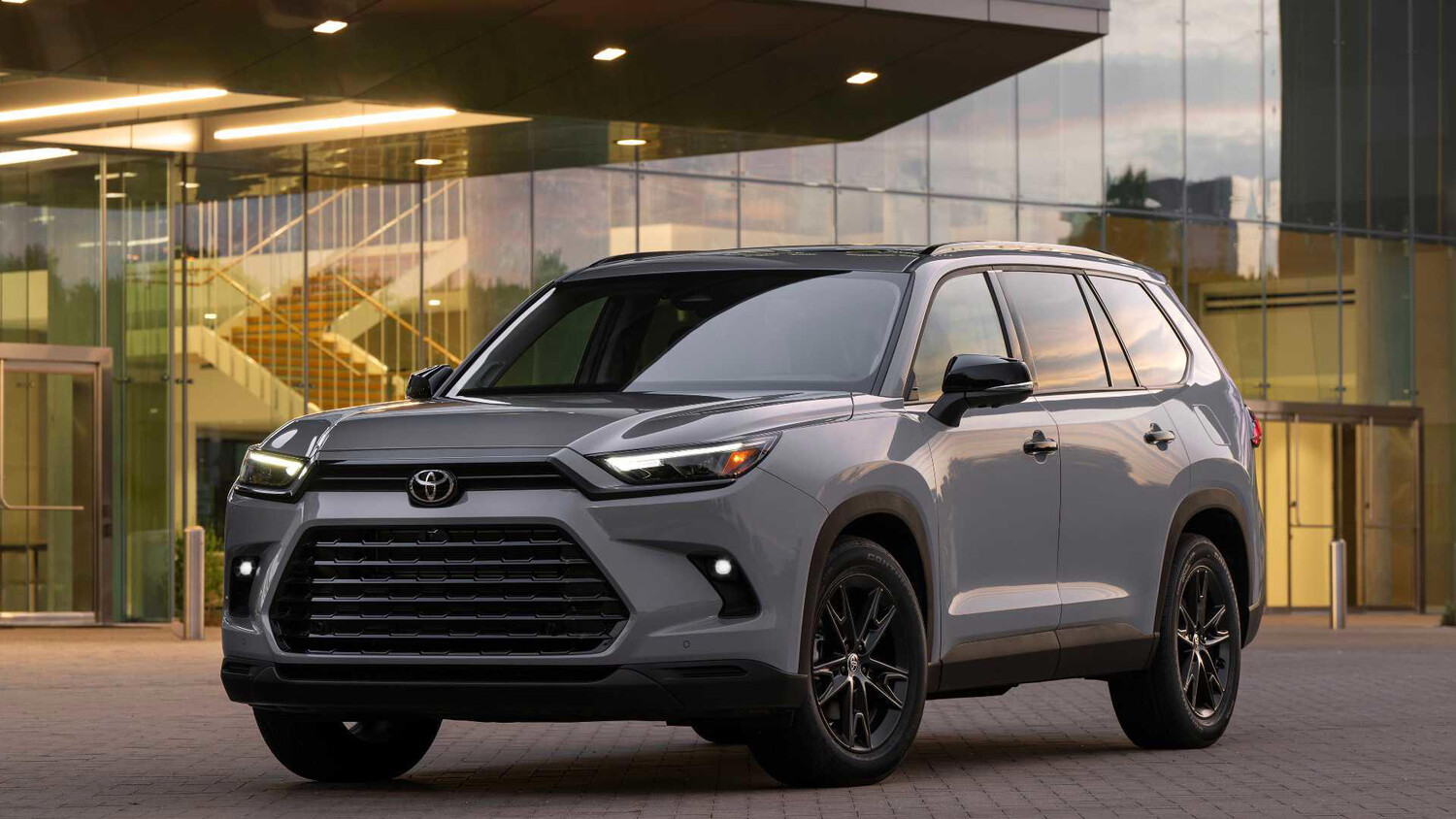
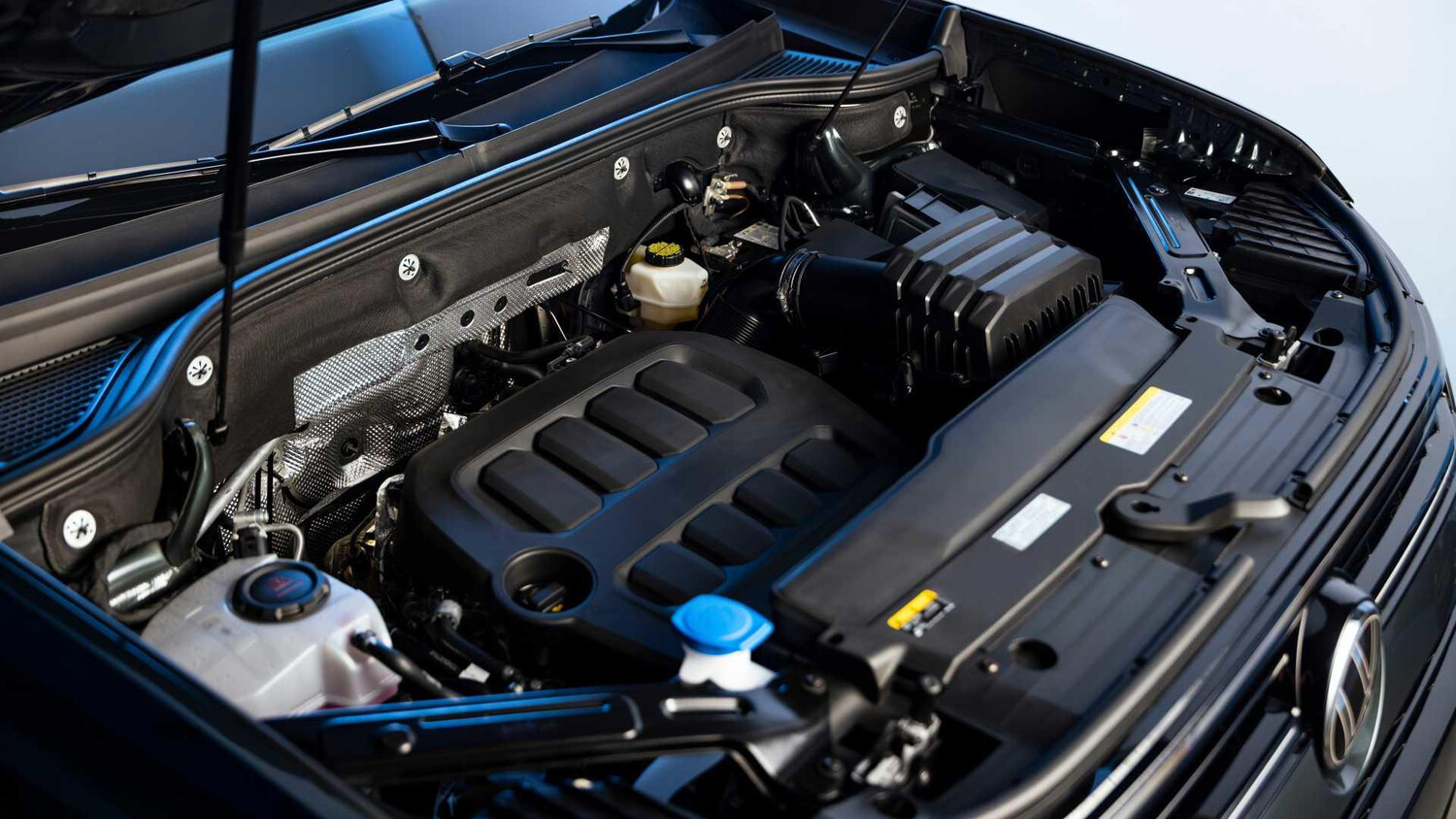
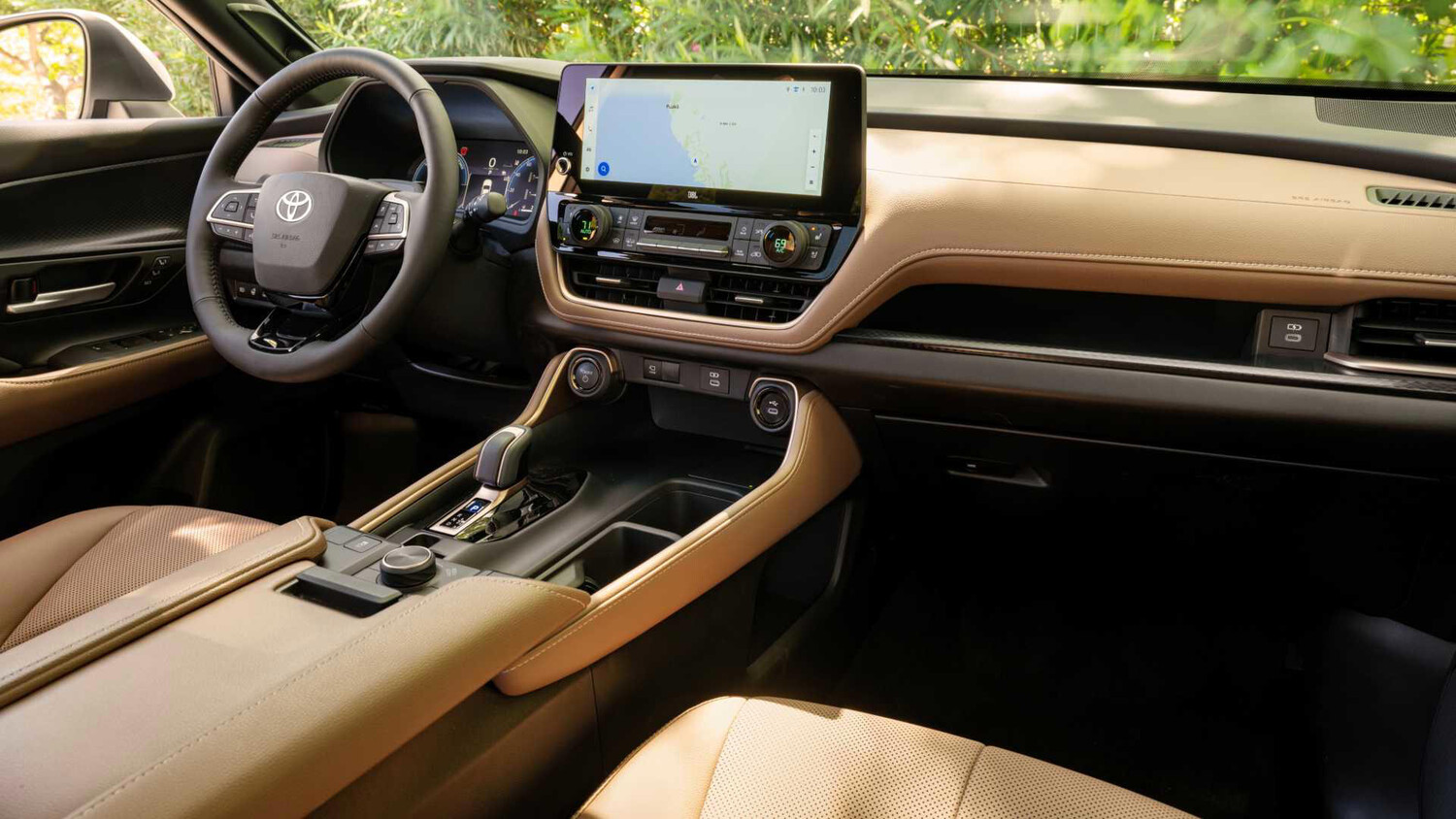
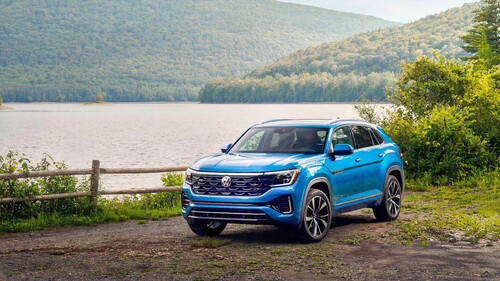
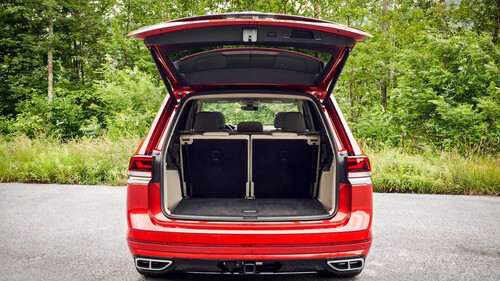
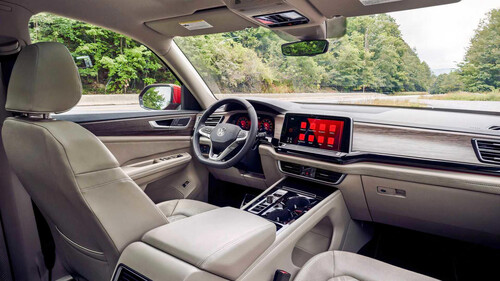
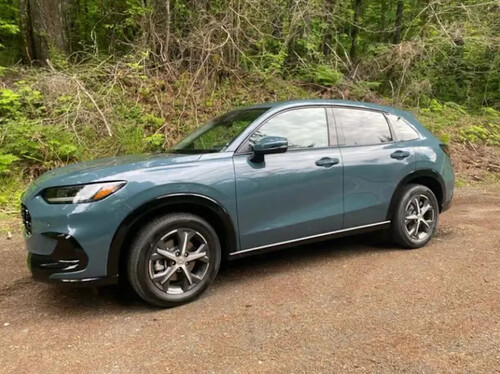
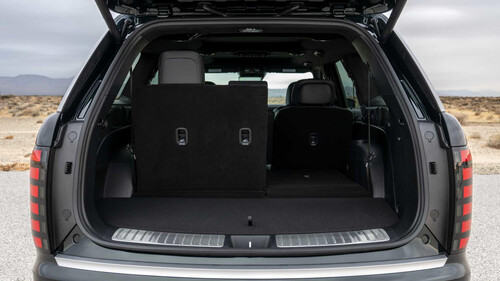
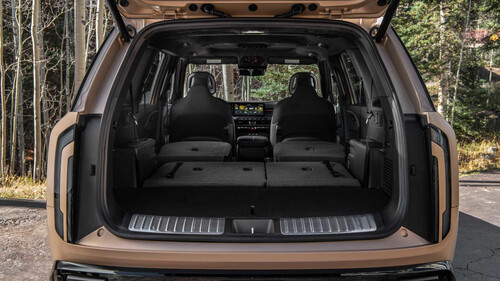
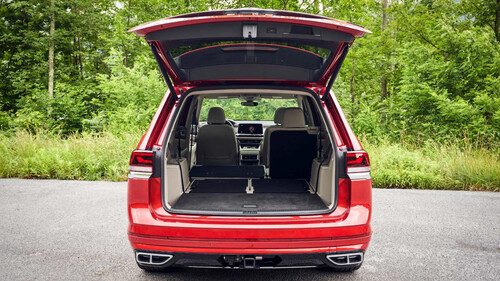
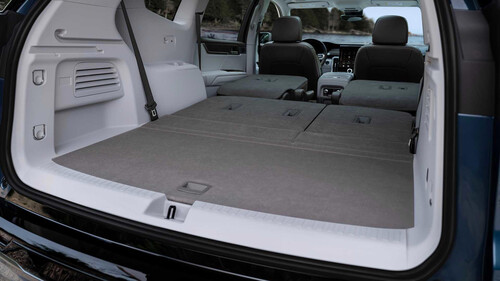
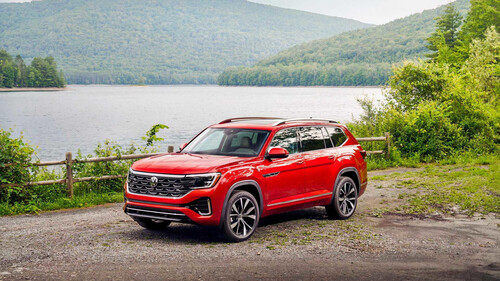
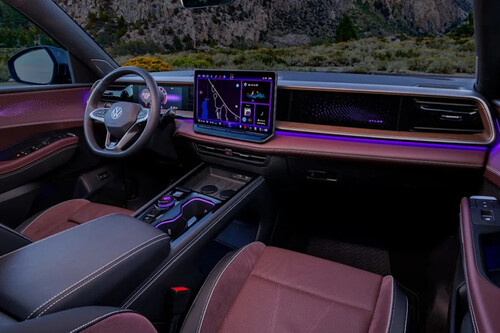
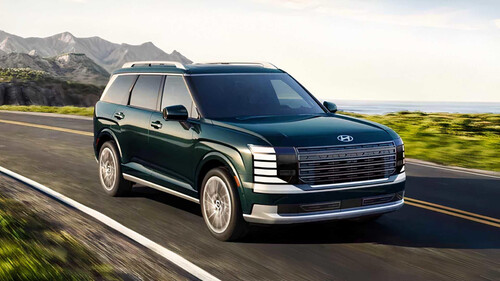
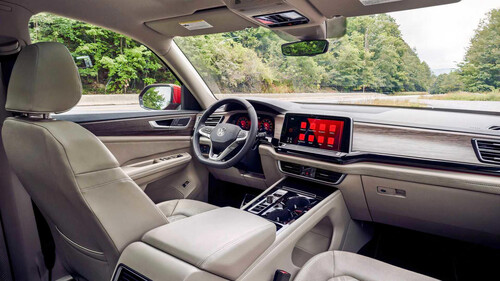
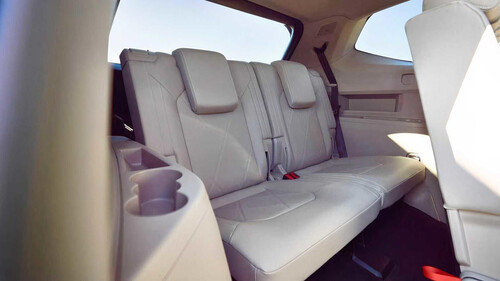
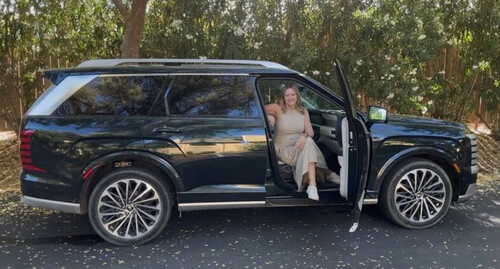
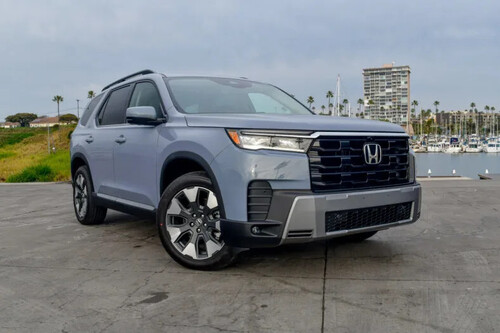
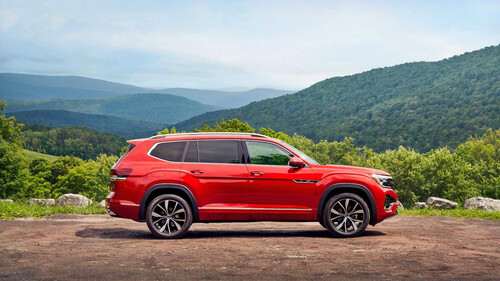
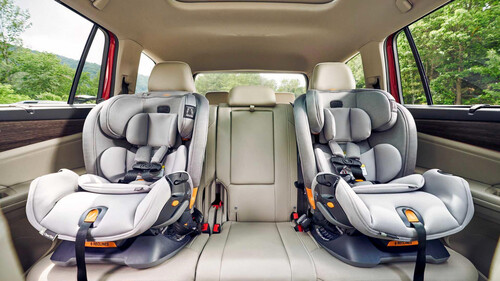
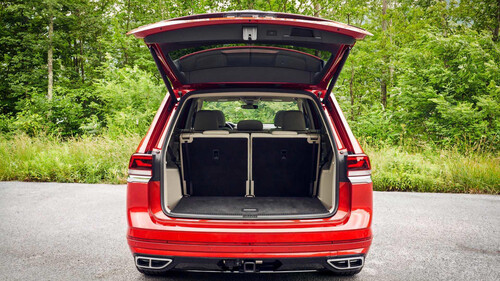
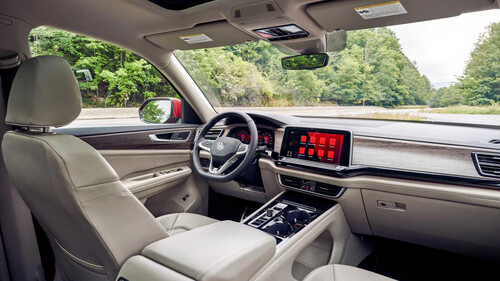
The Volkswagen Golf may be the model most closely associated with Volkswagen, but in the US, it’s SUVs like the Volkswagen Atlas that keep the lights on. So when the automaker rolls out an all-new generation, like the 2027 Atlas, unveiled during this week’s New York Auto Show and due in showrooms in the fall, it's a big deal.The outgoing Atlas pulled in roughly 71,000 sales in the US in 2025, and when you factor in another 31,000 units of the sleeker Volkswagen Atlas Cross Sport, the Atlas family stands as VW’s top-selling nameplate here by a wide margin. The redesigned 2027 model arrives with sharper styling, more muscle under the hood, and a full suite of updated tech, exactly the kind of upgrades needed to keep the momentum going.But competition in the three-row midsize SUV segment is fierce. One of the strongest players is the Toyota Grand Highlander, which was introduced for the 2024 model year and racked up more than 136,000 US sales last year alone. Here’s how VW’s latest contender stacks up against Toyota’s heavy hitter.With the Atlas just unveiled, this comparison is based on the limited details Volkswagen has released so far. Tailoring The Two-Box Brett Evans / CarBuzz / Valnet Designing a distinctive three-row SUV is no easy task when everyone’s working with the same space-maximizing, two-box blueprint. The 2027 Volkswagen Atlas leans into lighting to stand out, with twin LED light bars, an illuminated badge, and a body-color grille panel replacing traditional chrome. By contrast, the current Toyota Grand Highlander plays it straighter, with a more conventional grille and cleaner, less theatrical lighting signature.Out back, VW continues its light-show approach. The Atlas adopts a full-width LED light bar with squared elements echoing the front, plus a larger roof spoiler to visually stretch its already boxy proportions. The Grand Highlander is more restrained, with a simpler horizontal layout and less visual trickery. It's clean and functional, but won't be getting much attention in the car park.Toyota From the side, both SUVs reveal the challenge designers face: maximizing interior volume inevitably leads to familiar proportions. The Atlas sticks with its upright, square-jawed stance but adds sharper creases and a higher character line for a more muscular look. The Grand Highlander counters with softer surfacing and a slightly more tapered greenhouse, trading some visual muscle for a smoother look.The two SUVs are nearly identical in size and shape, but in our view, the VW claims the design crown. Its muscular surfaces and striking LED details give it a sharper, more distinctive presence amid a sea of lookalike family haulers. What's Under The Hood VolkswagenThe 2027 Volkswagen Atlas is more of a substantial refresh than a full redesign, and many of the mechanicals carry over from the outgoing model. That’s most evident in the powertrain department, where the new Atlas sticks with a turbocharged 2.0-liter inline‑four, just like its predecessor. The engine has been tuned to deliver 13 extra horsepower, though torque drops by 15 pound-feet. Towing capacity and payload remain unchanged.The EPA hasn’t rated the new Atlas yet, but fuel economy should closely mirror the outgoing generation, meaning around 20 mpg city, 27 highway, and 23 combined with standard front-wheel drive. Choose all-wheel drive, and those numbers fall to 19 city, 25 highway, and 21 combined in the outgoing SUV. Volkswagen said a hybrid is in development, but it won’t arrive until a planned mid-cycle refresh. Given that the outgoing Atlas has been on the market for nearly a decade, it will be several years before that powertrain hits showrooms, no doubt to the chagrin of dealers.Toyota Meanwhile, the Toyota Grand Highlander already offers two hybrid options alongside a gas engine. Even without hybrid tech, its standard turbocharged 2.4-liter inline-four bests the former Atlas in efficiency, rated at 21/28/24 mpg city/highway/combined. The hybrids push economy further, with the performance-oriented Hybrid Max, which offers V8‑like output and comes standard with AWD, returning 26/27/27 mpg.The regular hybrid variant impresses with up to 37/34/36 mpg city/highway/combined. With its broader powertrain lineup and superior efficiency, the Grand Highlander holds a clear edge over the Atlas, at least for now. New Atlas Knocks On Luxury's Door Brett T. Evans/CarBuzz/Valnet As the newcomer on the block, the 2027 Volkswagen Atlas benefits from a wealth of new technology, and VW has done an admirable job of making much of it standard. Full details on trim levels and pricing are still under wraps until closer to launch, but it’s clear the Atlas is aiming to move upmarket with a more premium, tech-forward cabin than before.Front and center is a large, freestanding infotainment display that's 15.0 inches on most trims, with a 12.9-inch unit on the base model. It's paired with a standard 10.3-inch digital gauge cluster. VW has also learned from past missteps, replacing frustrating capacitive controls with real buttons and a new multifunction dial on the center console. It defaults to volume control but can also toggle drive modes or adjust between different ambient lighting and audio themes. Wireless charging, abundant USB-C ports, and an upgraded voice assistant round out the tech suite.Toyota Where the Grand Highlander has a clear advantage is seating capacity. It seats eight as standard thanks to three seats in the third row that even adults can use. With the available second row captain's chairs, total seats drop to seven. The Atlas seats seven as standard and six with the available second row captain's chairs.If maximum seating capacity is important, then the Grand Highlander is the winner here, though if seven satisfies, then the Atlas is ahead due to its increased list of standard features and more advanced technology. A Strong Showing In A Crowded Segment Brett Evans / CarBuzz / Valnet Volkswagen looks to have delivered a genuine hit with the 2027 Atlas. It brings sharper styling inside and out, enough performance for family duty, and a generous list of standard features that should appeal to value-minded buyers. If it lands near its estimated $41,000 starting price, which would only be a modest bump over the outgoing model’s $39,310 MSRP, it could be one of the segment’s better bargains. The Grand Highlander remains a compelling alternative, particularly for those prioritizing performance and eight seats, but its higher base price of $41,860 and relatively sparse standard equipment make it a tougher sell on value alone.Sources: Toyota, Volkswagen