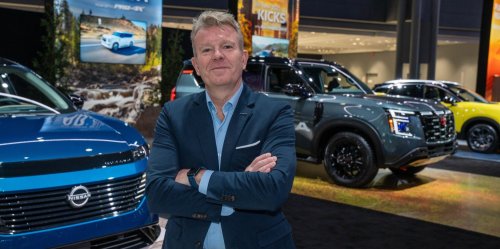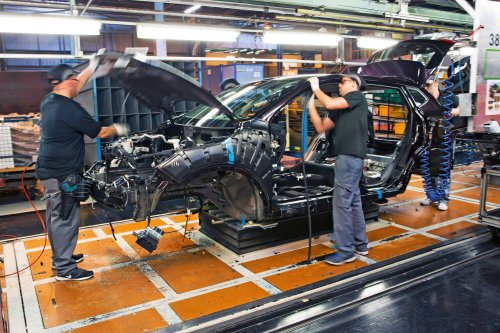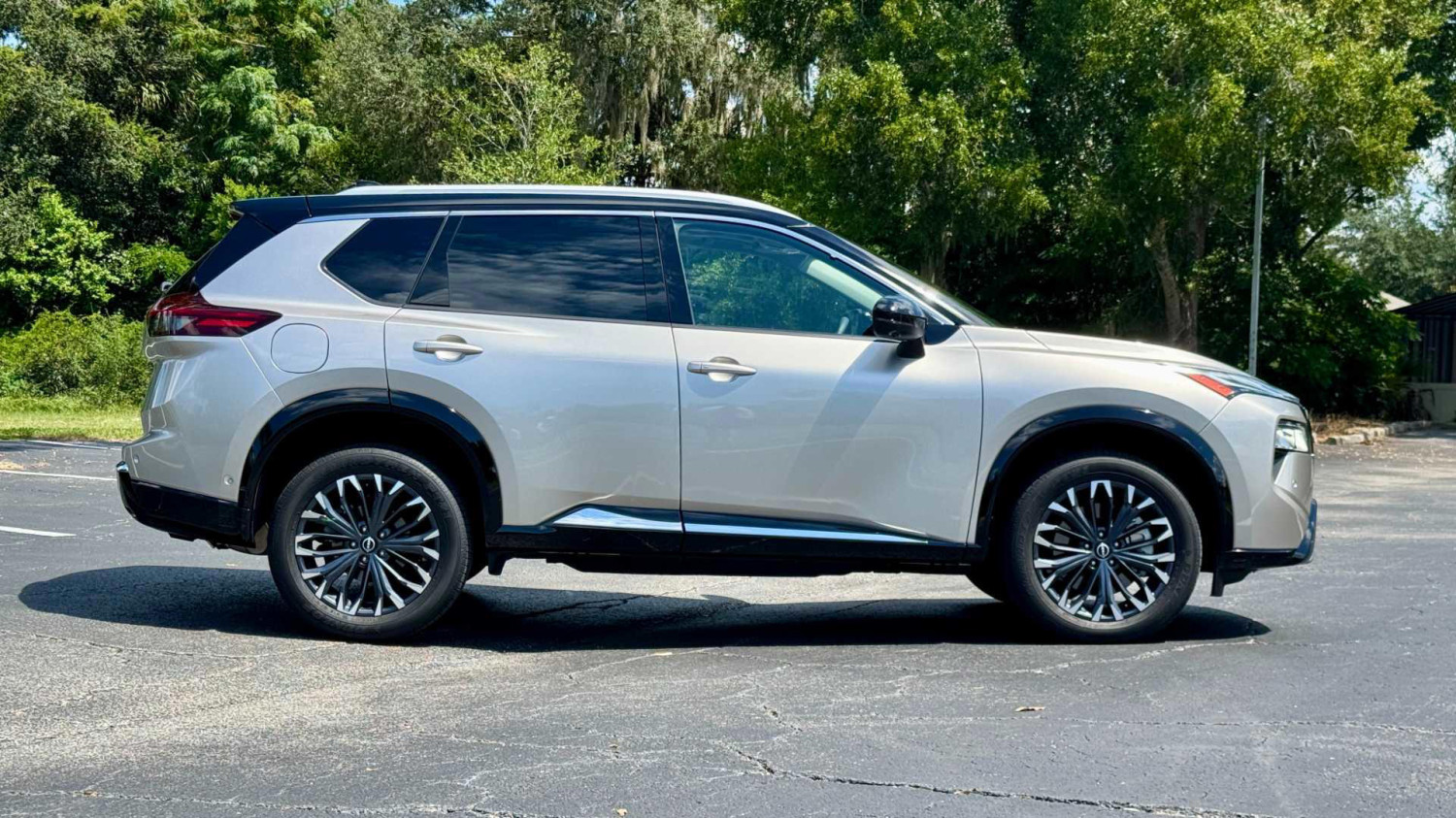
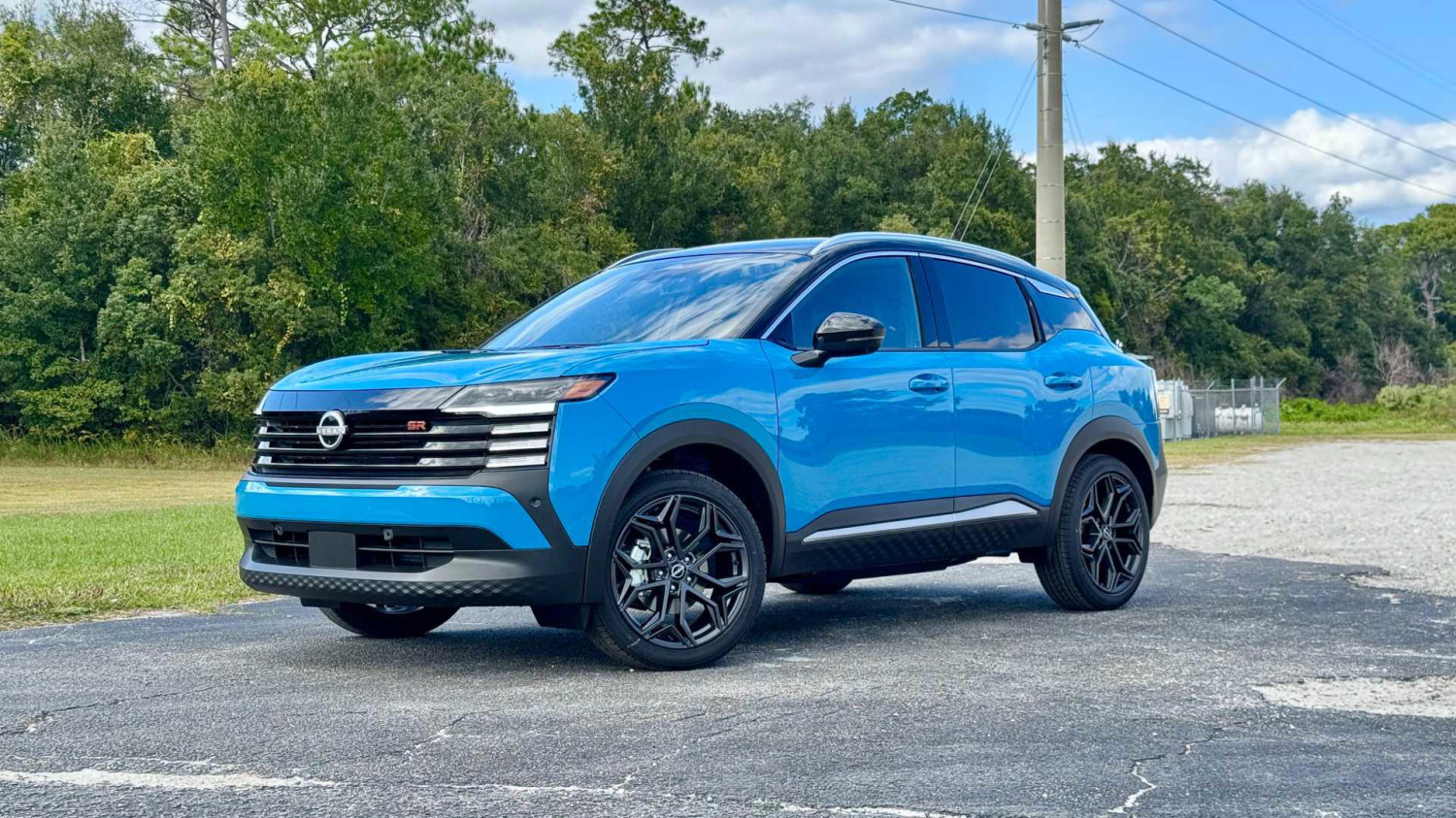
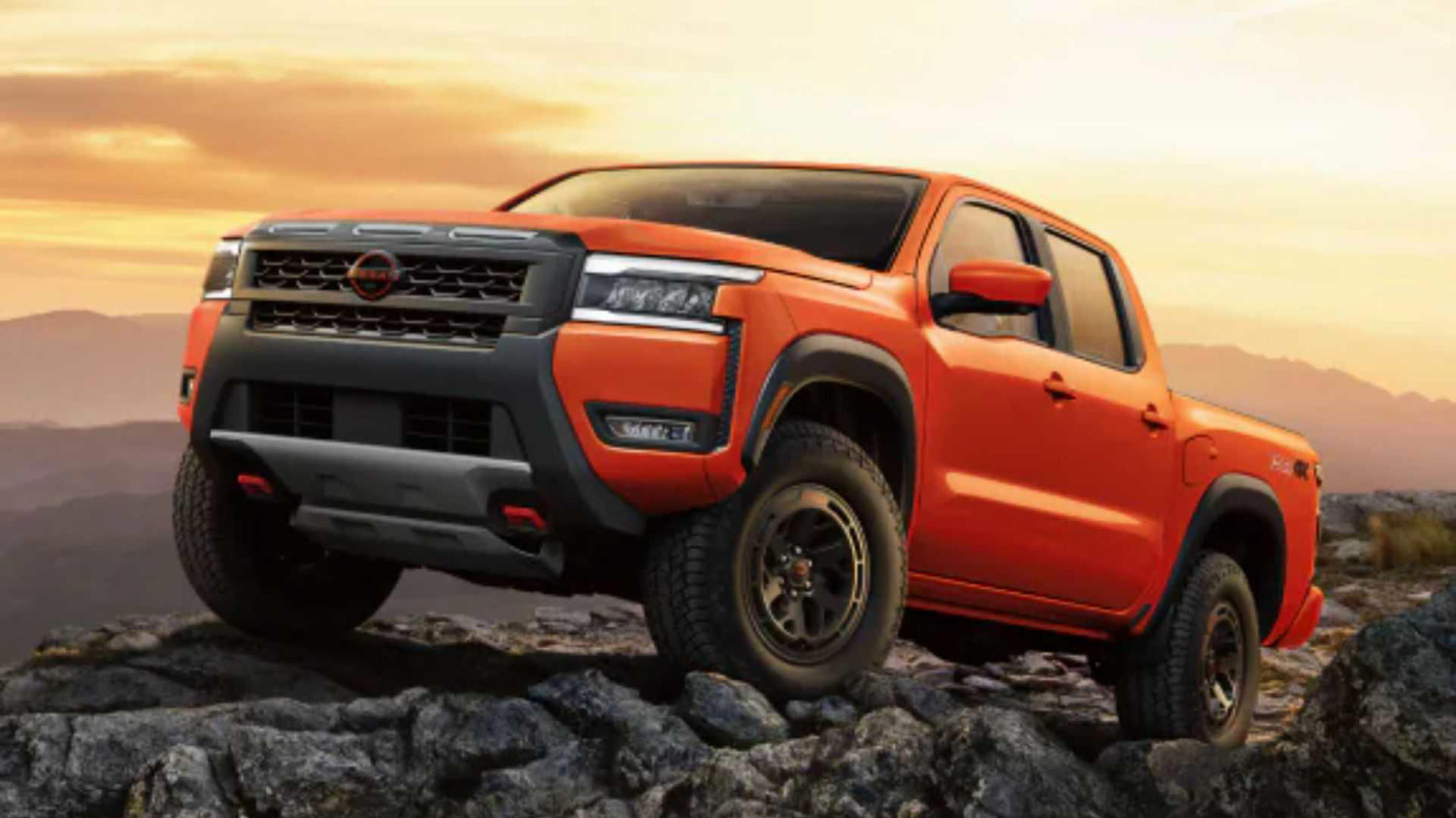



















Trump administration tariffs on foreign-built vehicles have made assembly location extremely important to automaker bottom lines, forcing more than a few to juggle their manufacturing footprint to avoid duties of 25% by emphasizing local assembly when possible.It's important to note that every major vehicle manufacturer from Europe, Japan, and South Korea have been assembling cars at US plants (since the 1980s, in the case of Honda, Toyota, and Nissan), but the Trump administration wanted more.Jared Rosenholtz/CarBuzz/ValnetSo the industrywide tariff cost for automakers has been pegged at about $35 billion so far. Some automakers are hoping for refunds after the US Supreme Court in February invalidated Trump tariffs imposed under the 1977 International Emergency Economic Powers Act, while other Section 232 tariffs remain in place, intended to address national security concerns. Automotive News reports that Nissan managed to cut its tariff exposure by $2.3 billion in the prior fiscal year – a 61% drop from the $3.8 billion the automaker faced when the tariffs rolled out in April 2025. That is... pretty darned good. Here's how they did it.Jared Rosenholtz/CarBuzz/Valnet Emphasizing US Operations When Nissan reports its fiscal-year financial results on Wednesday, it is likely the automaker will emphasize its US production footprint, which includes vehicle plants in Smyrna, Tennessee; and Canton, Mississippi; as well as an engine and e-motor plant in Decherd, Tennessee.But there's more to the Nissan manufacturing story for North America, including its plant in Aguascalientes, Mexico, which has supplied the Sentra, Kicks, and Versa to the US market, although the Versa was discontinued at the end of 2025. Tariffs are in play.And Japan remains a significant source of vehicles for the US, namely the three-row Nissan Armada and Infiniti QX80 SUVs, as well as the Z car. Later this year, Nissan will also ship from Japan an all-new fourth-generation 2027 Rogue Hybrid ePower crossover for US buyers. Meanwhile, the current generation Rogue will remain in production in Smyrna until the plant is retooled to build the fourth-generation Rogue in all its iterations, including the hybrid ePower.Nissan US Plants Are Underused But there's considerable turmoil at the Smyrna and Canton plants, where capacity utilization rates were as low as 50% last year. It's hard to make money when half a plant isn't being used. Canton used to build the Titan full-size pickup (now discontinued), as well as the Armada.The plan was to realign that capacity for battery-electric vehicles, but that $500 million investment has been scrapped in favor of focusing on body-on-frame vehicles, such as the Frontier pickup already built there and the revived V6-powered Xterra SUV, expected to debut in 2028, along with a new three-row SUV. That leaves the front-wheel-drive, unibody Altima sedan, currently built in Canton, without a home.In Smyrna, a much larger plant, production will continue for the Murano, Rogue, Pathinder, Infiniti QX60, and the all-new 2027 Infiniti QX65, which just launched.Nissan Americas Chairman Christian Meunier told Automotive News he expects US production to account for 70% of Nissan sales by late 2028, led by Rogue production in Smyrna. We should have more insight on Nissan's major turnaround plan, and how successful it's been so far, later this week when fiscal year 2025 results are announced. But all things considered, it's looking good so far.