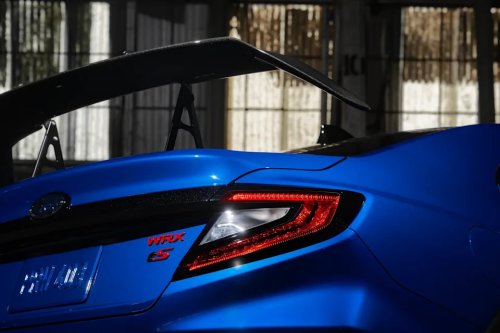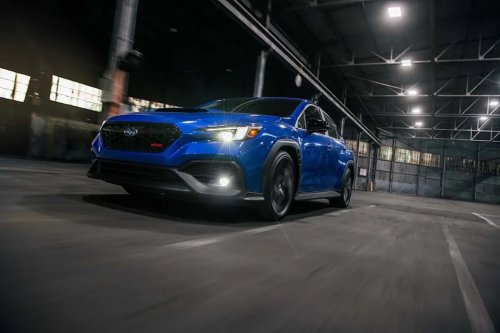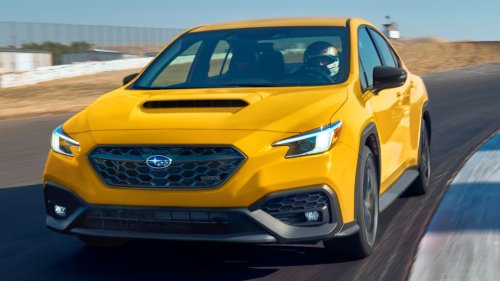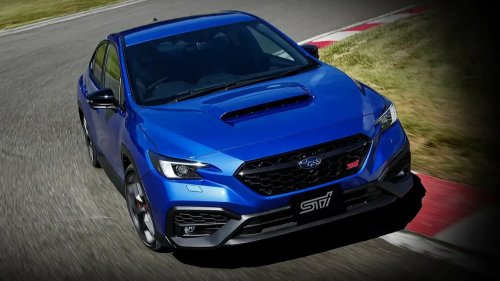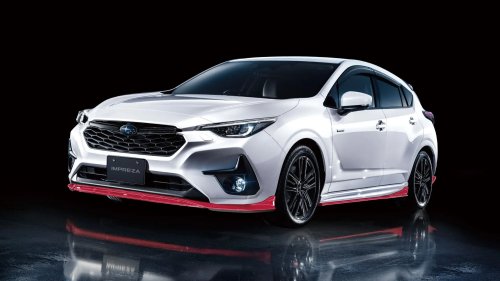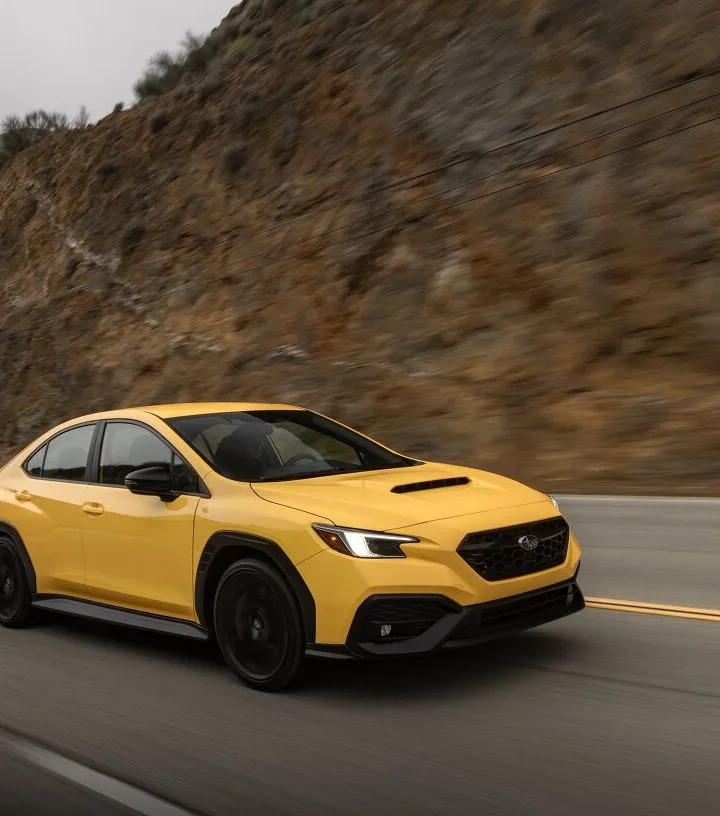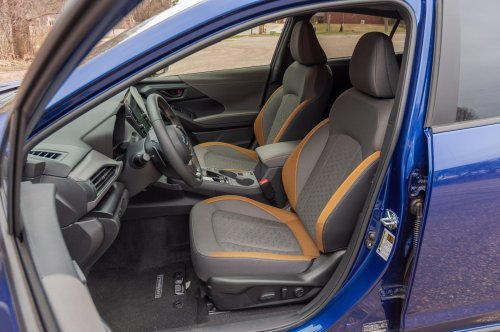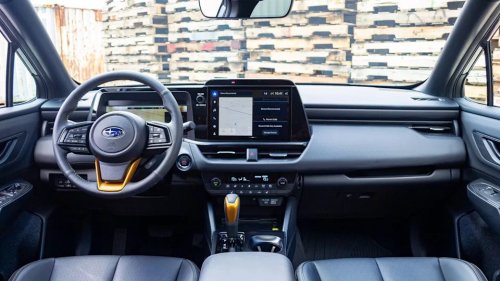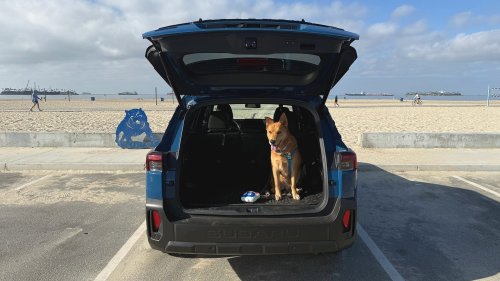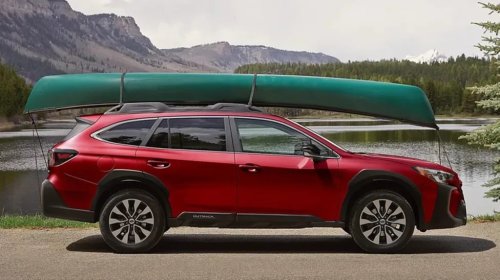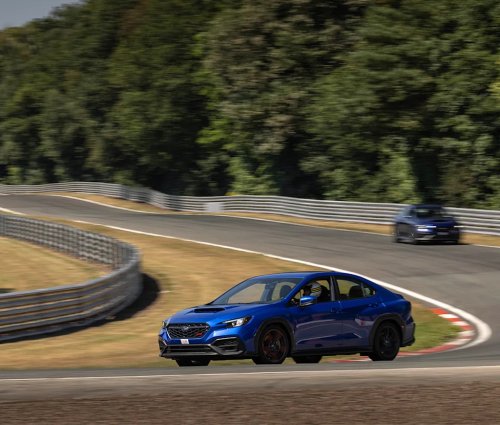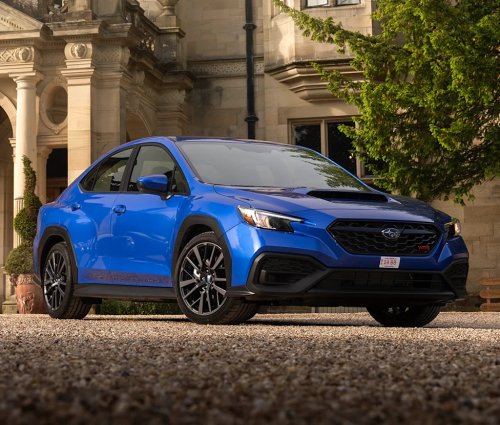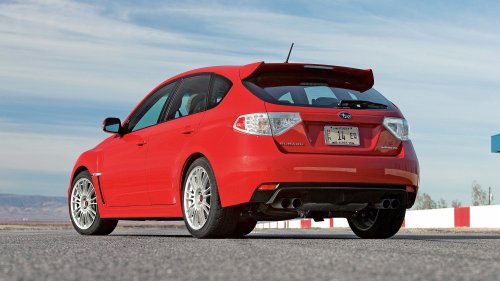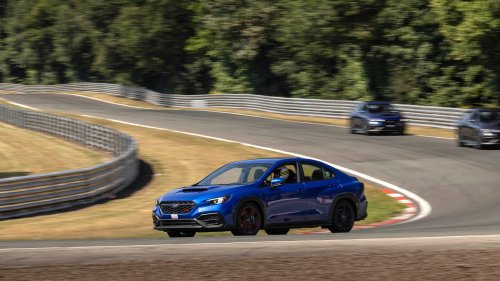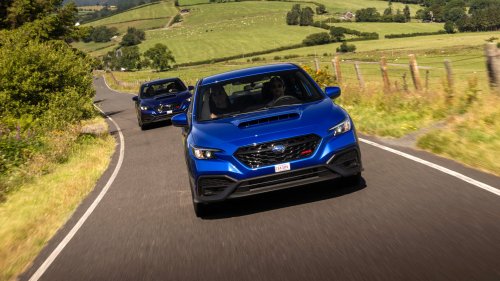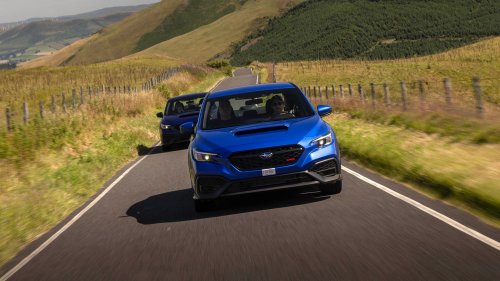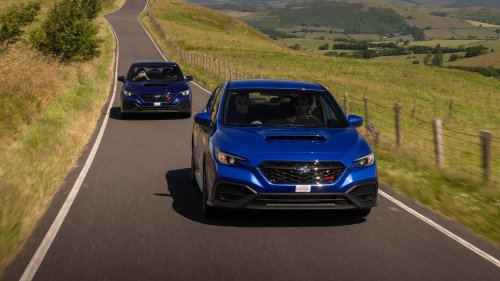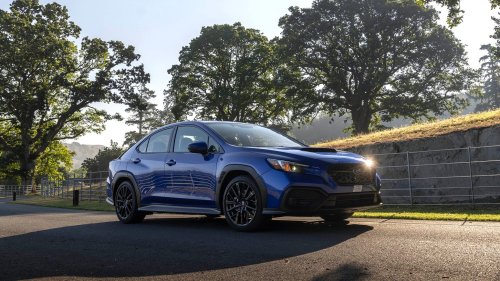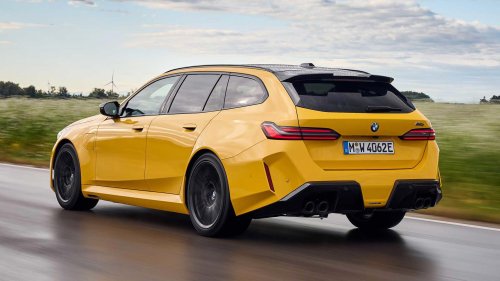
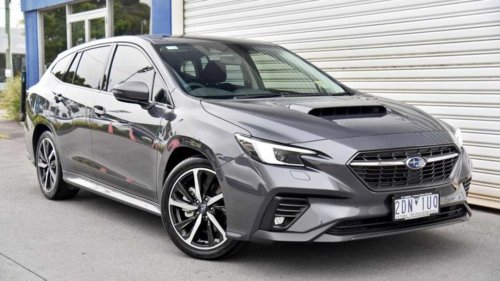
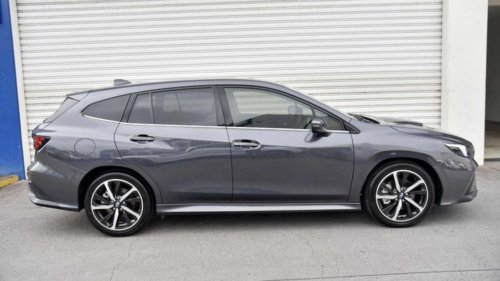
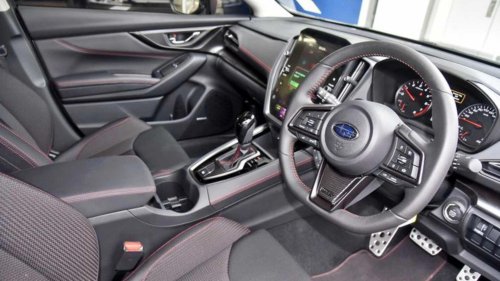
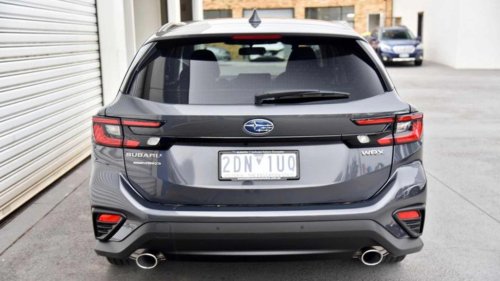
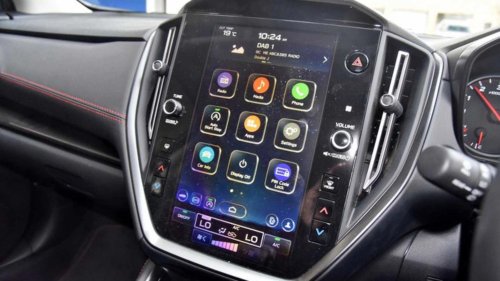
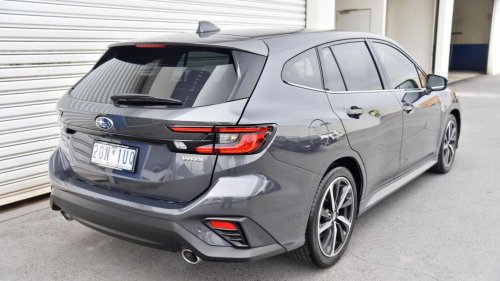
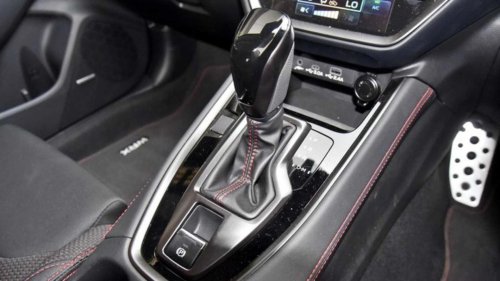
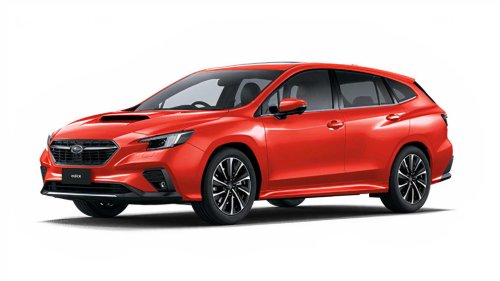
















Subaru built one of the best performance wagons in the world, sold it in Australia, sold it in Europe, and decided America did not need one. That decision never made much sense, and it looks worse every year. The car in question does everything right.It has a turbocharged engine, all-wheel drive, rally heritage, and enough cargo space to make the sedan feel like a compromise. It is practical enough for a Monday and rewarding enough to make you look forward to the drive home on a Friday. Americans never got to buy one new, and the gap it left has never really been filled. This is the story of how Subaru got it wrong.America And Its Complicated Relationship With WagonsVia: BMW The station wagon used to be everywhere in America. It was the family car, the road trip car, the car that did everything without complaining. Then the SUV arrived and killed it almost overnight, and by the time the 2000s rolled around, wagons had quietly disappeared from most showroom floors. But a loyal group of drivers never moved on. They wanted something low to the ground, practical on a Tuesday, and genuinely rewarding on a winding road on Saturday. The SUV never really scratched that itch, no matter how many of them had sport in the name.The rest of the world kept getting what American enthusiasts wanted. Europe got the Audi RS6 Avant in previous generation models, one of the greatest performance cars ever built in any body style. Australia got a steady supply of fast wagons that made practical look exciting. It's only recently that the latest C8 generation Audi A6 Avant and the BMW M5 Touring came to the US. But one car made that exclusion particularly painful — a turbocharged wagon that had everything American enthusiasts wanted and never got. The WRX Sportswagon Is Everything the Sedan Should Have Been Via: Subaru Australia The WRX Sportswagon arrived in its current form in 2022, sold exclusively in Australia, and it is built around the same platform and 2.4-liter turbocharged boxer engine as the WRX sedan. It makes 271 hp and 258 lb-ft of torque, hooks up through Subaru's symmetrical all-wheel drive, and comes paired with an 8-speed CVT. There is no manual option for the wagon in this generation, which is a legitimate criticism, but it does not tell the whole story.What the Sportswagon offers over the sedan is meaningful space without a meaningful trade-off in character. The wagon body adds real cargo space in the back while keeping the same low roofline, the same interior, and the same driving experience ahead of the rear seats. Reviewers in Australia have noted it sits closer to a practical GT than an outright performance car, and that is not necessarily a bad thing — it just means the car has a wider range than the sedan.Via: Subaru AustraliaThe proportions hold together well. It does not look like an afterthought or a wagon that apologized for itself. The hood, the arches, the tailgate — it all reads as intentional, and that matters when you are trying to make the case that a car can be fast and useful at the same time. This Is Not a Wagon That Apologizes For Itself Via: Subaru Australia The 2.4-liter turbo delivers its 258 lb-ft of torque low in the rev range, which means the power is there when you need it in everyday driving rather than something you have to hunt for at higher revs. The CVT manages that output competently, and in sport mode it holds gears long enough to feel deliberate rather than sluggish. It is not the six-speed manual that enthusiasts would prefer, but it is far from a dealbreaker in a car that was always going to spend most of its life in traffic and on highways.Where the Sportswagon makes its strongest case is in the real world. Load the back with camping gear, bikes, or whatever the weekend demands, and there is still room. Point it at a mountain road and the low center of gravity from the boxer engine layout, combined with the all-wheel drive system, keeps the car feeling planted and responsive in a way that the wagon body has no business suggesting it should.The sedan version of this generation WRX has drawn some criticism for feeling more polished and grown-up than its predecessors. The Sportswagon leans further in that direction still, prioritizing refinement and daily usability over outright aggression. For a certain kind of buyer — one who wants performance without the compromises of a sports car — that is exactly the right call.And for American buyers who wanted exactly this combination, Subaru's decision to skip the US market becomes even harder to understand. The company had their reasons, but were they the right ones? Subaru Had A Reason For Skipping America, But It Was The Wrong One. Via: Subaru Australia Subaru's reasoning for keeping the Sportswagon out of the US has always been straightforward. Sedan sales were strong, wagon demand looked thin on paper, and adding another variant meant more complexity in logistics and compliance. From a conservative business standpoint, it made a certain kind of sense.What it missed was the nature of the buyer. WRX customers are not passive shoppers who drift into a dealership and pick whatever is on the lot. They research, they wait, and many of them were already cross-shopping the Volkswagen Golf R Sportwagen and quietly wishing Subaru had something that sat between the too-tall Outback and the space-limited WRX sedan.Via: Subaru Australia In Australia, where Subaru does sell the Sportswagon, the car has found a genuine audience. It competes against the Skoda Octavia RS Combi wagon and slots well below the Golf R Wagon in price, giving buyers a compelling all-wheel drive performance wagon option that the US market simply does not have access to. The demand was never imaginary. Subaru just chose not to meet it. The Car America Never Got And Never Stopped Wanting Via: Subaru Australia There is a particular kind of online grief that forms around a car a country never officially received. Forums fill up with spec sheets and import threads. The WRX Sportswagon has lived in that space for years, and the current generation has done nothing to quiet the conversation.Grey market imports exist in small numbers in states where the rules allow it, but the 25-year import rule means the current generation is entirely out of reach for Americans through that route for the foreseeable future. That is not niche frustration — that is unmet demand with nowhere to go.Via: Subaru Australia Subaru's own community channels tell the same story. The Sportswagon comes up constantly in discussions about what the brand should do next and what was left on the table. The people asking aren't dreamers. They are the exact customer Subaru spends money trying to reach — loyal, informed, and ready to spend. So Where Does That Leave American Buyers Today? Via: Subaru Australia The current WRX in the US is a sedan only, and there is no sign that is going to change. Subaru has not indicated any plans to bring the Sportswagon stateside, and with the broader industry shifting toward electrification, the window for a traditional turbocharged performance wagon feels like it is getting smaller rather than larger.The Sportswagon itself has evolved into something more refined than its predecessors — more GT than rally car, more composed than raw. That makes it easier to live with and harder to dismiss as a enthusiast-only product, which ironically would have made it an easier sell in the US than ever before. A practical, all-wheel drive, turbocharged wagon that does not require a track day mindset to enjoy is about as broad an audience as a performance car can reach.Subaru built exactly that, sells it to Australia, and continues to leave one of the world's largest car markets out of the conversation. The enthusiasts who have been asking for it for years were right all along, and the car has only gotten more sensible as an argument with time.Source: Subaru Australia, Car Expert