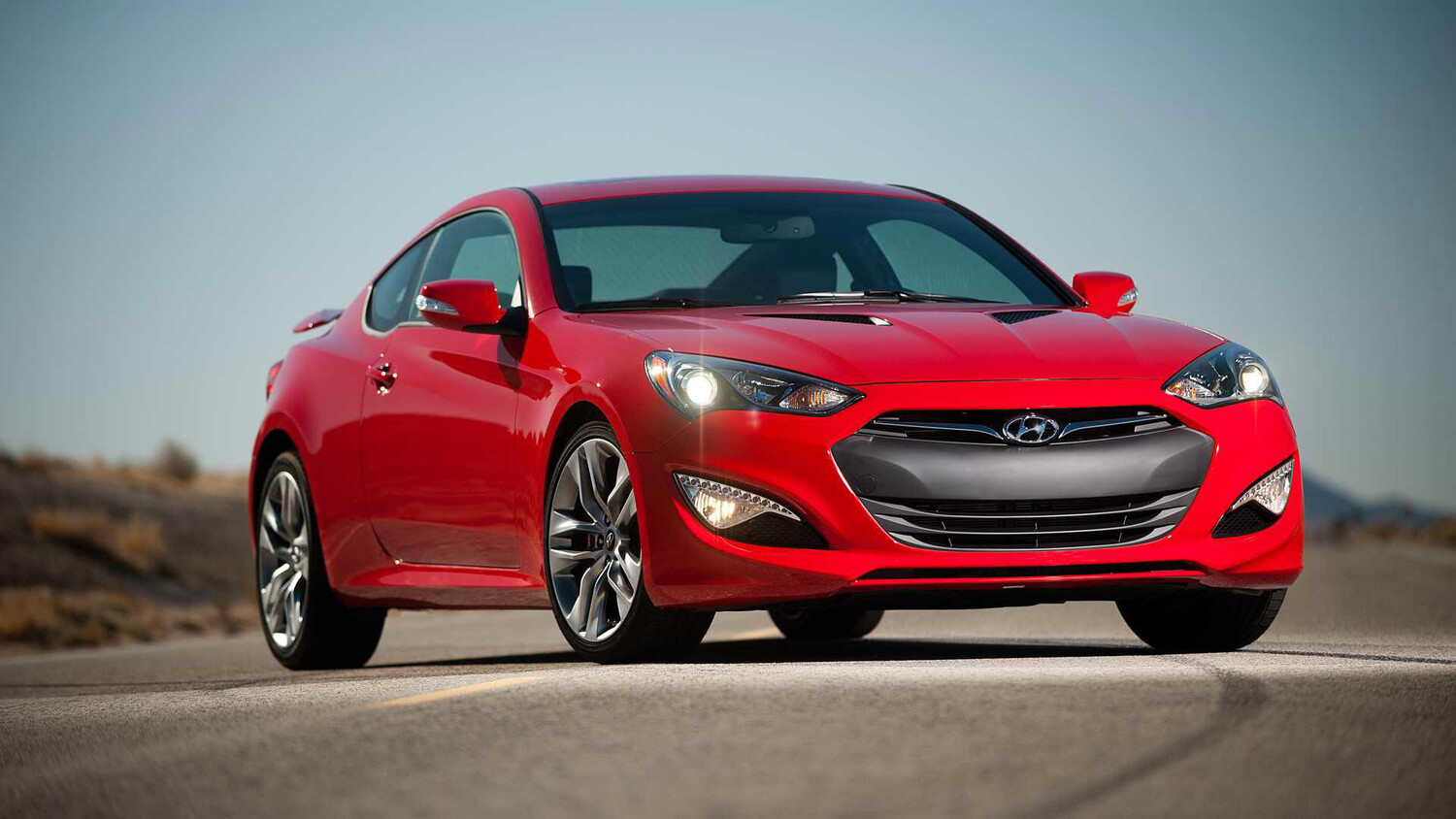
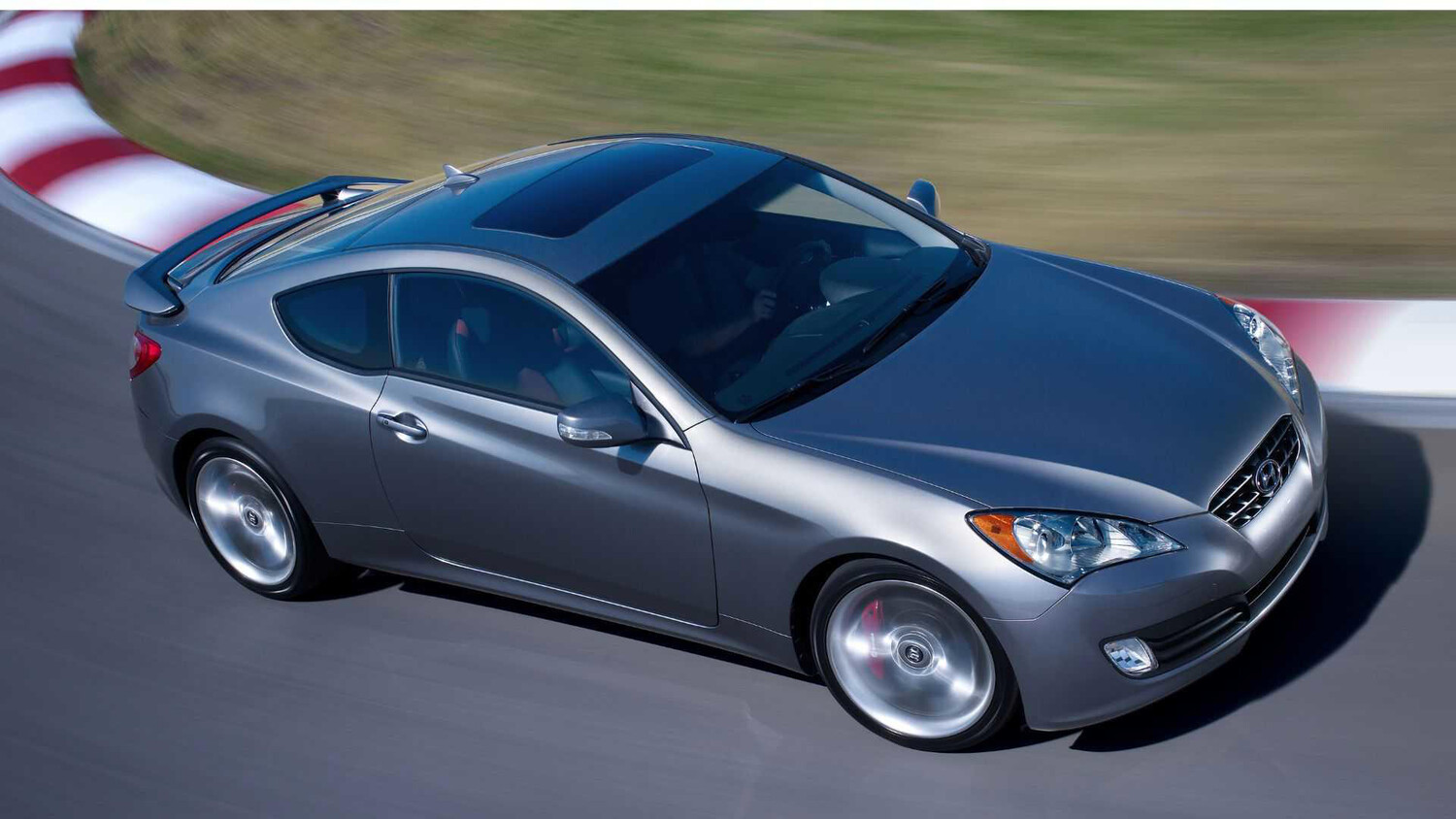
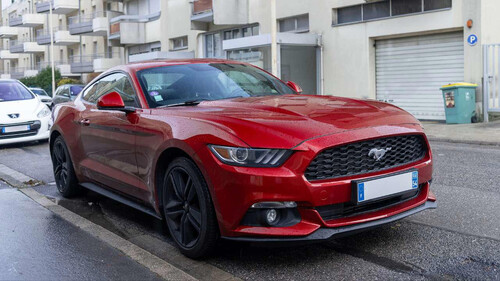
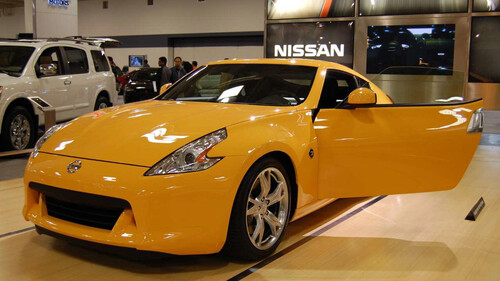
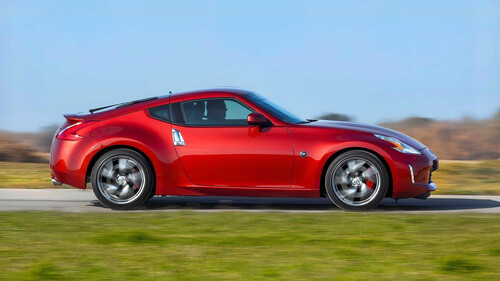
Building a performance car to your preference can get expensive quickly, especially when you factor in buying your base vehicle in the first place. From there, you'd need to source, purchase, and then equip any aftermarket parts you've got your eye on, which could add a ton more expenditure to the project. If you're not careful, you can quickly blow past the $100,000 mark in trying to build your dream track car. If you want to keep your budget firmly within your restrictions, saving as much money on the base car is a great place to start.We reckon one of the best ways of doing so is by laying down some cash on one of the most underrated rear-wheel drive coupes on the market. The Hyundai Genesis Coupe disappeared from US dealers a decade ago, and you can now get ready-to-track variants for comfortably under $20,000. The Genesis Coupe Offers Driving Engagement At A Low Price HyundaiThe beauty of the Genesis Coupe is that you can either buy a track-ready package from the outset, or shower it with aftermarket parts if that's more your jam. Should the first option sound appealing, we recommend opting for the manual R-Spec variant with a 3.8-liter Lambda V6 engine. This was offered between 2011 and 2016, and was essentially the stripped-out version of the model that prioritized outright performance and driver engagement, rather than providing luxury touches. Be wary though, as earlier 2011-2012 examples came with a less powerful version of the V6 with 306 horsepower being sent to the rear wheels, whereas post-2013 specimens got a meatier 348 hp.Having a powerful V6 mated to a manual transmission, which sends the grunt to the real axle, is a great start when it comes to securing a fun track weapon, but there's more. The R-Spec gets a track-tuned independent suspension setup that ensures the car offers more poise through the corners, while a Brembo braking system ensures you can attack corner entries with confidence. A Torsen limited-slip differential is on hand to ensure the car can launch from corners like a startled puma, and Hyundai even went to the trouble of supplying a camber-adjustment bolt. This means you can adjust the camber of the front wheels to afford superior front grip, should you so wish. Hyundai's Track Weapon Stacks Up Well Versus Its Rivals HyundaiBefore you've even thought about any aftermarket upgrades for your potential future Genesis R-Spec, it does a good job of leaving the competition red-faced, at least in a straight line. While earlier examples slot in between the 2015 Ford Mustang V6 and the 2015 Nissan 370Z Sport, the later cars have them well and truly beaten. The Genesis V6 with its 348 hp output comfortably outperforms the V6s found in these rivals, with the Nissan pumping out 332 hp and the Ford just 300 hp. The Genesis is also lighter than the Mustang by around 100 pounds, though it loses out by 200 pounds to the 370Z.As a result, the 370Z is not only more agile than the Hyundai, but it also gets to 60 mph a shade quicker. The Ford is left well in the shade of both models, due to being considerably heavier and less powerful than either of its rivals. It must be said though that the Genesis also loses out on driver engagement to the Nissan, primarily due to its manual gearbox feel. It has a longer throw than the 370Z, and also lacks the satisfying click that its Japanese rival provides when you grab each gear. The Genesis' unit feels a little rubbery by contrast, and can't match the satisfaction offered by the Nissan. Still, that can also be sorted by an aftermarket upgrade once you take delivery. Used Genesis R-Spec's Are Very Cheap HyundaiShould you fancy getting a feel for the Hyundai Genesis R-Spec for yourself, then you'll be thrilled to learn they're a bargain on the used market. They weren't exactly expensive when they were new, with even the 3.8-liter cars retailing for less than $30,000. Depreciation has worked its magic on the machine in the decade since it went out of production though, with the earlier and less powerful models unsurprisingly being the cheapest specimens on the menu. According to the CarBuzz Marketplace, 2011 R-Spec 3.8s are going for an average of $12,808.That will net you a vehicle with middling mileage around the 60,000-mile mark, which leaves you with plenty of meat on the bone. For upgrades, of course. Later, More Powerful Cars Are Also Tantalizing Bargains Hyundai Happily, despite coming with considerably more grunt than their earlier siblings, 2013-2016 Genesis Coupe R-Specs can be picked up for a similar type of outlay, and at the same sort of mileage. Approach the used market with a budget of $15,000, and you'll have the pick of a tempting bunch with around 60,000 miles or so on their odometers. Considering the kind of power and track-ready components graced upon the vehicle, the Genesis stands out as an excellent starting point for budding track day racers. There Are Some Important Maintenance Items To Keep On Top Of HyundaiHandily, the Genesis Coupe 3.8 has so far proven to be a pretty dependable machine during its tenure prowling American roads. The V6 is pretty solid when routinely serviced, though a lack of frequent oil changes in particular can lead to major engine damage in the long term. Rod bearing failure is the most common result of poor servicing on the 3.8-liter Lambda V6, so be sure to thoroughly check the service history of any car you're looking at to ensure you reduce the chance of suffering from the problem. Should you fall victim to it, a new engine will be in the offing. And no, you can't use that as an excuse to swap a more powerful one in. That said, we have no authority to stop you.In addition, the 3.8 unit is known to suffer from stretched timing chain tensioners between 80,000 and 100,000 miles. This is earlier than you'd expect with such a setup, and replacing it can cost north of $2,000. Still, that's cheaper than having to source an entirely new engine. When looking at a used Genesis Coupe, be sure to thoroughly inspect the manual transmission.Second gear lockout is commonly reported, and it essentially prevents you from engaging the gear when you need it under heavy load. This is caused by the engine and transmission flexing under tension, and can only be fixed by replacing or upgrading the engine and transmission mounts to keep the components more firmly fixed within the chassis.Buyers also need to check out the rear subframe construction. It's known to be pretty soft, and is susceptible to splitting over time due to heavy use. Reinforcing it is a good idea if you plan to drive the car hard, otherwise you'd likely have to replace it sooner than you'd like.The issue can prove frustrating when pushing the car hard, so investing in upgraded components to prevent it from returning in the future. The last thing you need is for some hot hatch to tear past you out on track because you're busy wrestling with second gear every time you aim the nose at the corner exit. Plenty Of Aftermarket Upgrades Are On The Menu HyundaiWhile the Genesis Coupe R-Spec is a capable track car even in standard trim, there are ways of making it even more effective. There is a wide range of aftermarket air filters and exhausts, which help allow the engine to work more effectively, with the former able to add around ten horsepower to the total output. The engine is naturally smooth and torquey, which means it can take extra power without becoming unmanageable. Sourcing a new short-throw shifter is also a worthwhile mod, as it makes the Genesis' standard configuration more satisfying and precise. While the stock suspension setup is pretty effective, opting for an aftermarket setup will help to make the car feel more alive and agile on a track setting. Going for a track-focused Bilstein setup rarely fails, even if it will be fairly pricey.With other modifications such as a new crank and water pump pulleys, a ported intake, and revised throttle bodies, it's possible to extract over 400 hp from the base engine before you start looking into more serious enhancements, like forced induction. Make sure to do your research into any aftermarket adjustment you're tempted by, as they can quickly turn your daily driver into something only suitable for the track.The Genesis Coupe wasn't able to capture the attention it deserved when it was new, largely because of its badge that lacked the heritage and kudos to tempt enthusiasts away from more established brands, such as Nissan. With or without some upgrades, this Korean contender does its talking on the track, and at amazing value.Sources: Genesis.