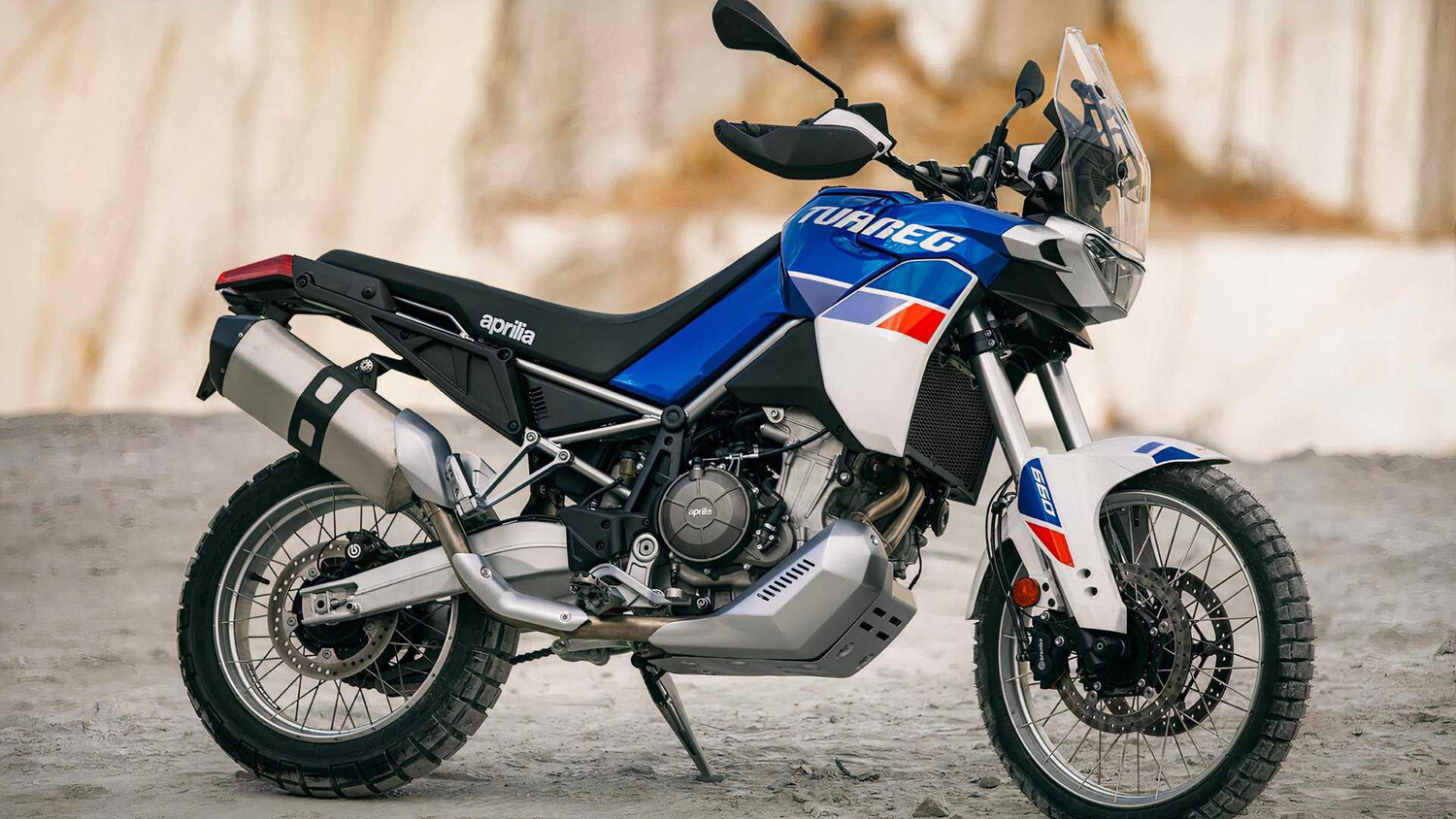
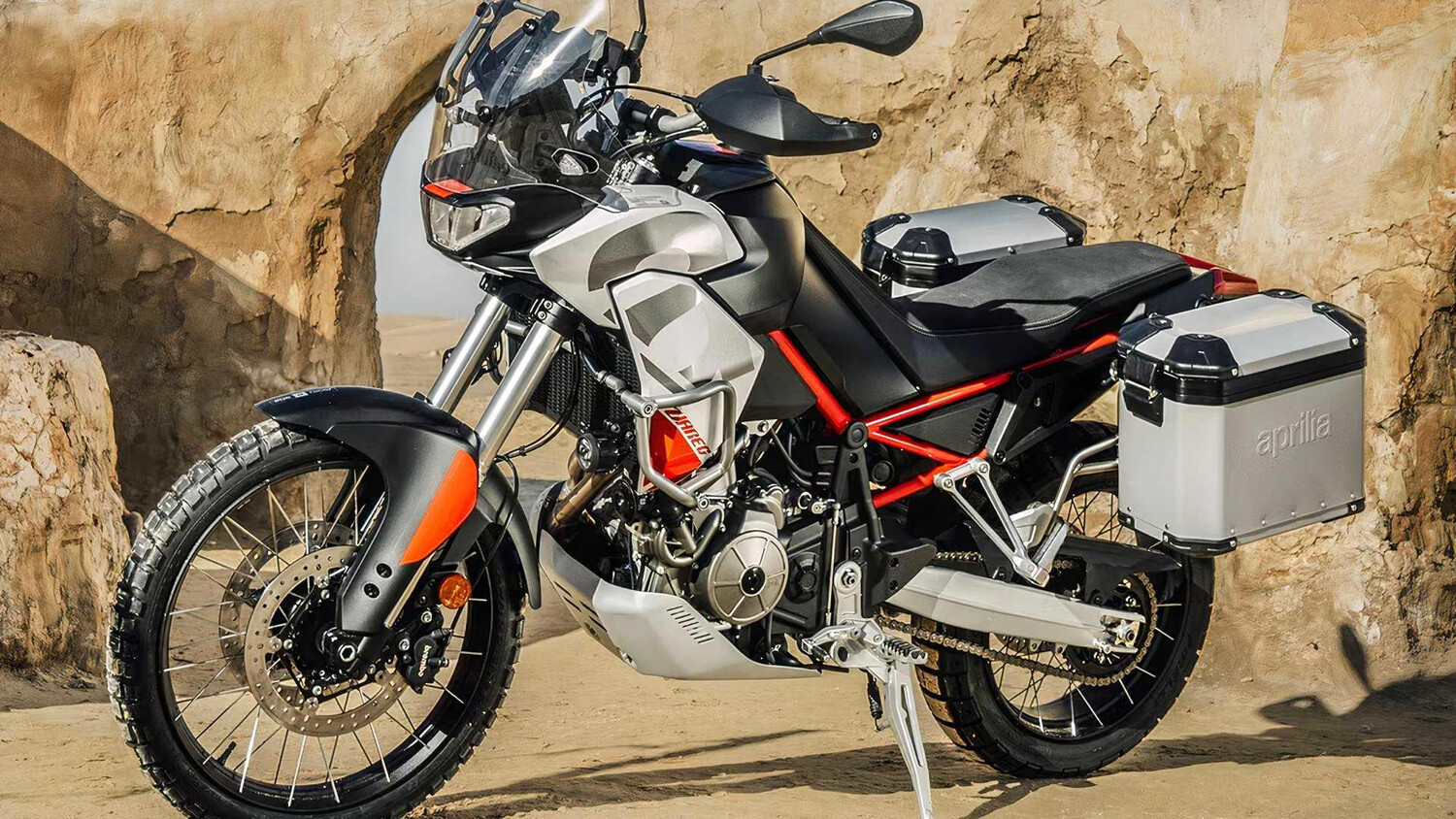
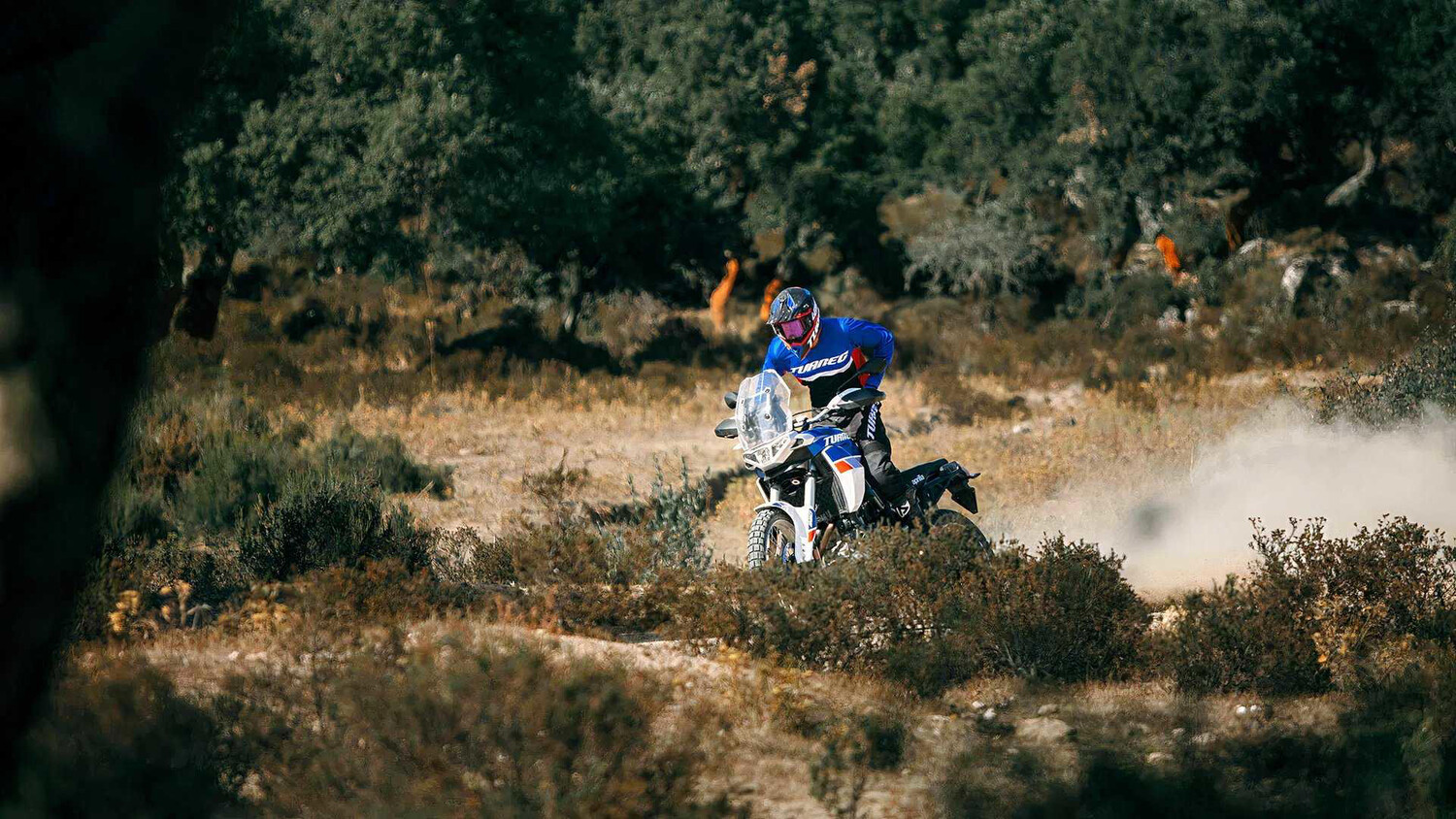
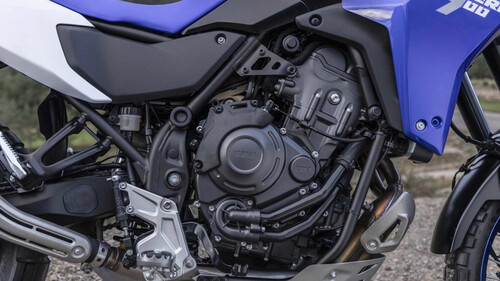
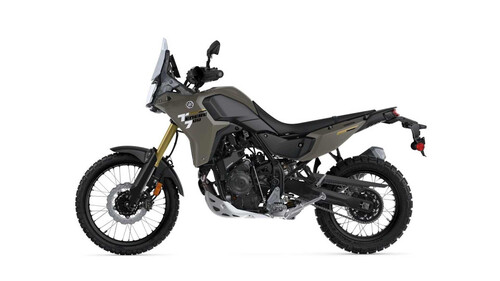
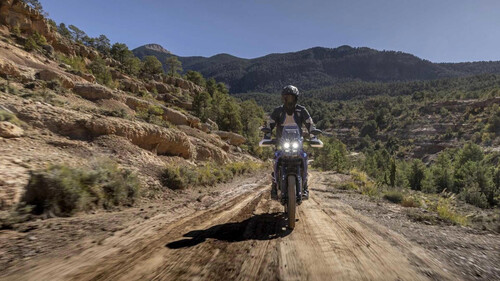
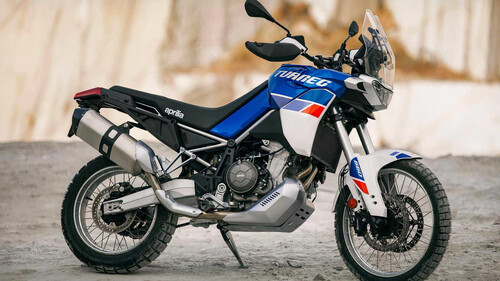
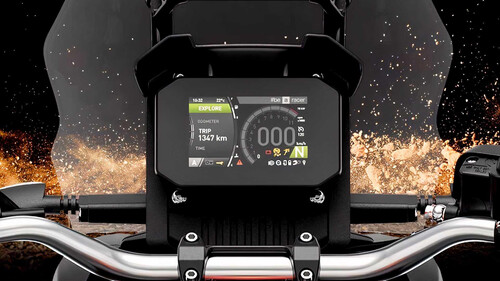
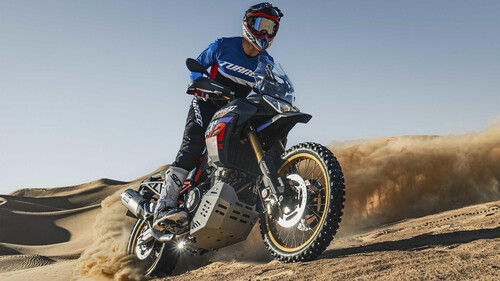
The adventure bike boom in the U.S. has made the segment messy in the best possible way. There is something on offer for almost every kind of rider now: approachable entry-level machines, middleweight do-it-all bikes, and towering flagship ADVs with the kind of tech and power once reserved for luxury touring rigs. That comes at a cost, though. It could feel too confusing, maybe even borderline overwhelming, if you're out there looking to own an ADV. That also means the question has changed. It is no longer just “How much bike can I get?” It is increasingly “How much bike can I actually keep under control?” That's where the ADV in context comes in. Full-Size Heavyweight ADVs Are Hard To Control Rudi Schedl/KTMThere was a time when the adventure world seemed to reward size for its own sake. More displacement, more suspension travel, more electronics, more presence. And sure, that still has its appeal. But in the real world, especially when the road gets tight or the surface turns ugly, the logic starts to bend. Big adventure bikes are impressive until you have to paddle them through a parking lot, catch them in loose gravel, or wrestle them around a switchback with luggage strapped on.Honda Middleweights have benefited from that fatigue. Riders want bikes that can tour all day, but still feel manageable when the pavement ends. It is one of the reasons why the middleweight ADV segment has found so many takers in recent years. And there are several compelling options to consider: from Japanese workhorses such as Suzuki V-Strom 650XT, Yamaha Tenere 700, and Honda Transalp XL750 to European wizards like KTM 890 Adventure. One Italian example amongst these takes over by offering utmost control. The Aprilia Tuareg 660 Is Light And Easy To Control ApriliaThe Tuareg lands in an interesting sweet spot in the U.S. market. It is not trying to be a giant touring rig wearing knobby tires, and it is not a budget dual-sport pretending to be a long-distance expedition bike. The Tuareg’s sticker is higher than its Japanese competition, but it is able to justify the premium with its overall performance advantages. It is the kind of bike that makes sense for riders who want an ADV that can genuinely explore dirt roads, back routes, and long highway stretches without feeling like a compromise on every front. Priced At Just Under $12,500 Aprilia Aprilia lists the current version of the Tuareg 660 at a base MSRP of $12,499, with the more hardcore Tuareg Rally 660 listed at $13,999. That puts the bike above the simpler Japanese middleweights, but not so far above them that the price feels unhinged. A Yamaha Ténéré 700 currently starts at $10,999 in the U.S., for instance. So yes, the Tuareg asks for a premium, but it also brings a more sophisticated chassis and electronics package than the more stripped-back rivals. Aprilia’s 660 Parallel-Twin Has Proven Super Credible ApriliaAt the heart of the Tuareg is Aprilia’s 659cc liquid-cooled parallel twin. The engine is rated at 80 horsepower and 51.6 lb-ft of torque, with torque arriving at a relatively friendly 6,500 rpm. That matters more than a peak number on a brochure. On the highway, 80 horsepower is enough to cruise with confidence, pass without drama, and carry luggage without feeling strained. Off-road, it is still tractable enough to keep the bike from becoming a handful the moment the surface turns loose. 270-Degree Crank Means Improved Tractability ApriliaAprilia gives the engine a 270-degree crankshaft, which adds to the twin’s character and helps create a more familiar, V-twin-like pulse. It is also a big part of why the bike sounds and feels more lively than a bland utility twin. Riders have often pointed out that the Tuareg’s motor has a smooth but engaging delivery, with a pleasing exhaust note and a strong sense of mid-range flow. Technology Designed For Confidence ApriliaThe Tuareg’s electronics are a big part of the identity. Aprilia’s APRC suite gives the bike the kind of rider support that helps it feel calm rather than complicated. The off-road mode is said to reduce traction control and engine braking, and also allows the rear ABS to be disabled, with the front ABS capable of being turned off as well. This gives the rider real control instead of forcing a one-size-fits-all electronic blanket over every surface. For riders moving between wet pavement, rough fire roads, and loose dirt, that flexibility is worth a lot. It is the sort of thing that makes a bike feel well-judged rather than overstuffed. A Seamless Interface For Rider ApriliaAprilia also gives the Tuareg a 5-inch color TFT display and cruise control as standard equipment. Cruise control is one of those features that sounds trivial until you spend hours on an interstate with an upright ADV posture and a load on the rear subframe. The Tuareg’s interface and switchgear are generally praised for being straightforward, and the whole package feels designed to reduce friction instead of adding it. The Foundation Of Control And Long-Distance Comfort ApriliaAprilia says the Tuareg weighs 449 lbs (wet), and that figure is a major part of the bike’s appeal. In adventure riding, weight matters everywhere: when turning around on a trail, when picking a line through broken pavement, and when reaching the end of a long day. The Tuareg’s steel-tube frame and overall packaging contribute to the mass centralization. That lighter feel is one reason the Tuareg has been so widely admired: it gives the rider more margin for error. Long-Travel Kayaba Suspension ApriliaSuspension is where the Tuareg starts to separate itself from the merely competent ones. It uses a fully adjustable Kayaba 43 mm fork up front and a matching rear mono-shock with 9.4 inches of travel at both ends. That is serious hardware for a middleweight ADV. The suspension is fully adjustable for spring preload, rebound, and compression damping, which means the bike can be tailored for luggage, solo riding, or technical trail use. An Upright, Command-Seating Position ApriliaThe Tuareg’s riding position is an adventure-bike classic: upright bars, a roomy stance, and a narrow enough midsection to help the rider feel connected to the chassis. The 33.9-inch seat height is still tall, and shorter riders will notice it, but the bike’s slim shape helps more than the number on paper suggests. It has been praised for its ergonomics, which is comfortable and confidence-building, even if the tall seat does mean some riders will only be tip-toeing when they bring their feet down at a stop.Finally, the Tuareg 660 never seems to chase drama. It is not trying to win the spec-sheet race by sheer brute force, and it is not pretending to be a featherweight dual-sport either. Instead, it threads the middle with unusual maturity. It gives you enough power, enough tech, enough suspension, and enough comfort to take on very different kinds of riding, while staying light and manageable enough that the rider stays in charge. In a crowded ADV market, the Aprilia Tuareg 660 stands out because it keeps things under control.Source: Aprilia