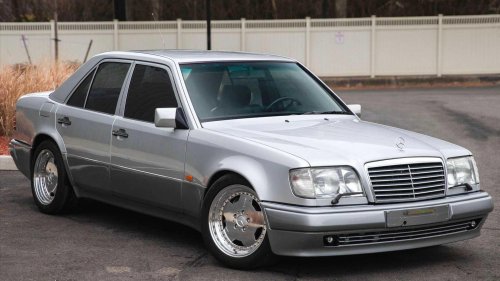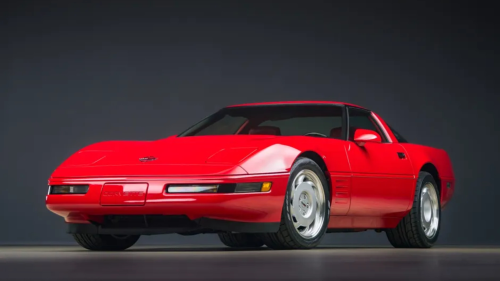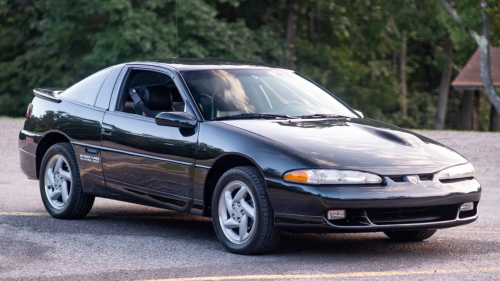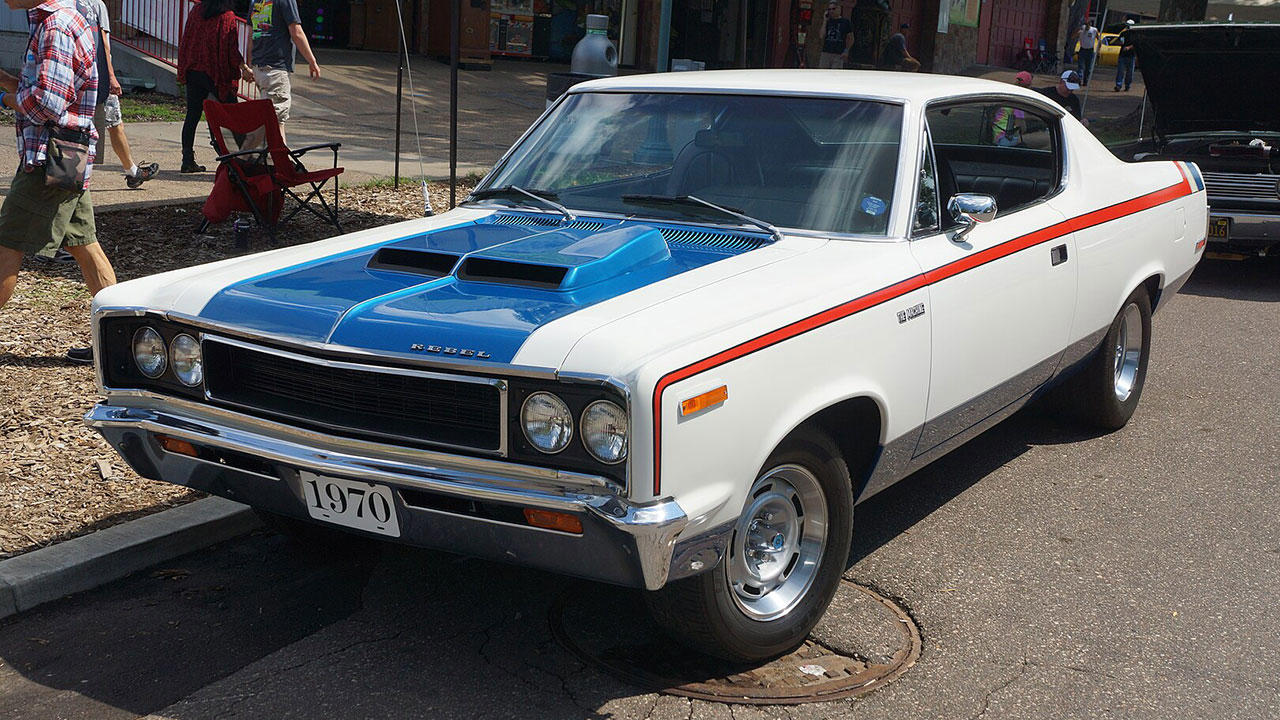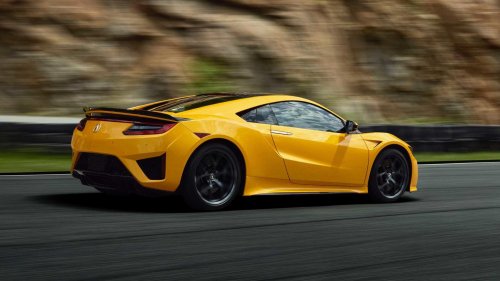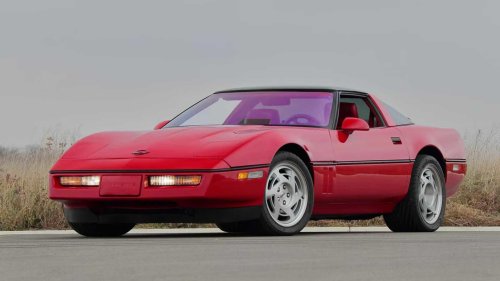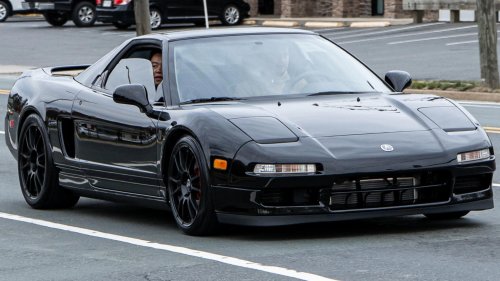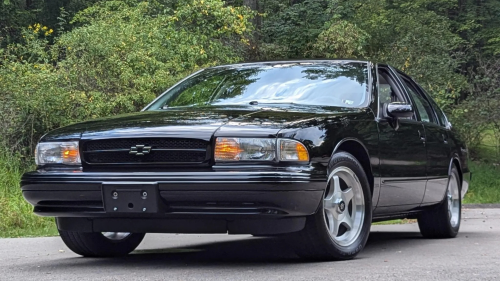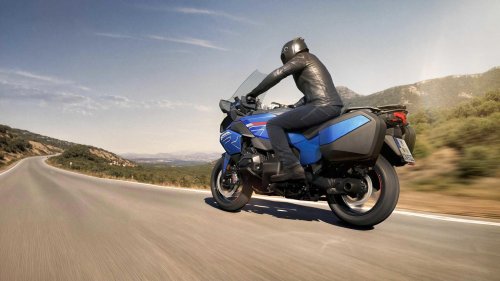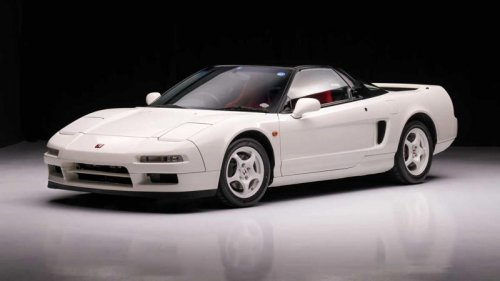
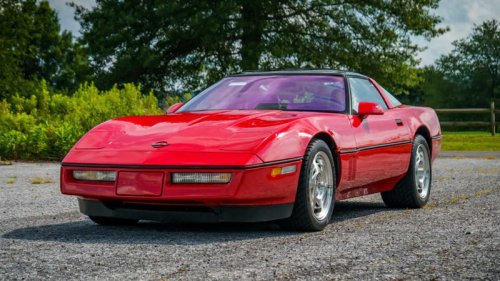
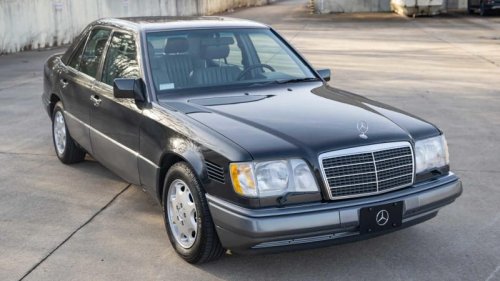
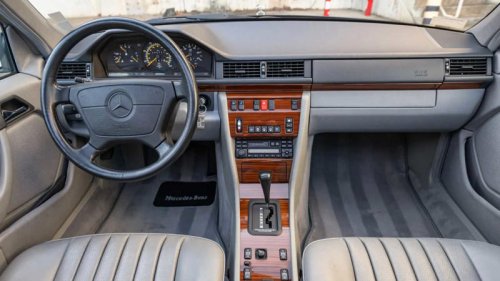
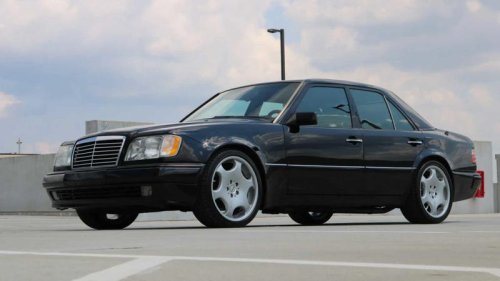
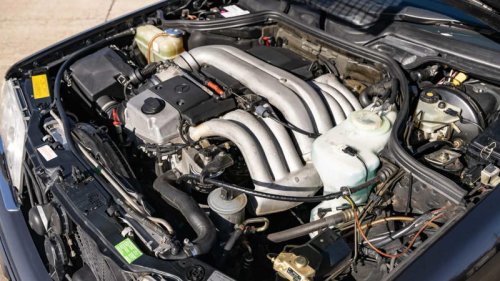
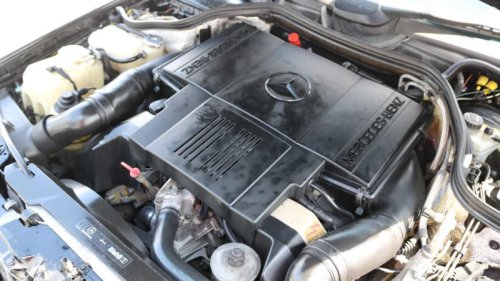
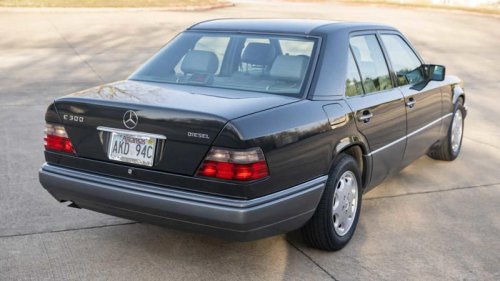
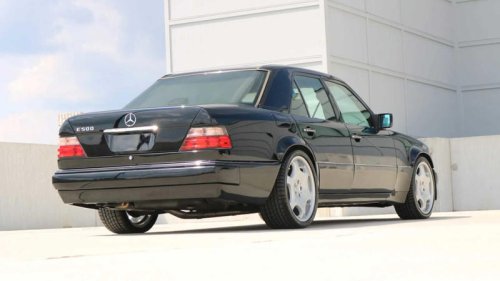



















The 1990s marked a massive shift in the automotive world. After the boxy designs of the previous decade, car makers entered a high-stakes race to blend new digital technology with traditional mechanical power. This era was a laboratory of extremes, ranging from high-precision supercars in Japan to muscle car monsters in America.While many of these experiments now feel like dated relics, one German sedan was built with such absolute perfection that it bypassed the typical cycle of obsolescence. Decades later, this boxy four-door remains a masterclass in engineering. It still feels like a gold standard for quality and performance on the road today. The Laboratory Of The ’90s: A Decade Of Experimentation Via: Bring a Trailer The 1990s represented a massive turning point for the global automotive landscape. Manufacturers were moving away from purely mechanical designs and beginning to embrace the early potential of computer-aided development. This shift created a laboratory of extremes where brands pushed the boundaries of what a car could be. In Japan, the Acura NSX changed the supercar game forever, and terrified Porsche and Ferrari in the process. By using Formula 1-derived aluminum construction, it proved that a mid-engine exotic could be as reliable as a daily driver while remaining incredibly light and agile. It was a technical marvel that forced traditional European supercar makers to rethink their entire approach to build quality.Meanwhile, in Germany, BMW was refining the driver experience with the 5 Series. The E34 and later E39 generations pushed the envelope of driver-focused handling. With their legendary inline-six engines and nearly perfect weight distribution, these cars defined what a sports sedan should feel like.Via: Bring a Trailer On the other side of the Atlantic, the American benchmark was the Chevrolet Corvette ZR-1. This was a high-tech masterclass developed with help from Lotus. Featuring a complex overhead-cam V8 and adjustable suspension, the ZR-1 proved that American iron could compete with the world’s best on a purely technical level.While these competitors were busy chasing specific performance trends, a German executive sedan arrived with a completely different philosophy. It focused on laying a foundation that the rest of the industry would eventually spend decades trying to match. The engineers established an architecture that was so far ahead of its time that it still feels modern today. While other 90s icons feel like snapshots of their era, this sedan feels like the blueprint for the future of the automobile. The W124 And The 500 E: Engineering As An Art Form Via: Bring a TrailerThe Mercedes-Benz W124 is the ultimate example of German over-engineering. During its development, Mercedes-Benz famously prioritized internal quality standards over a strict manufacturing budget. This resulted in a car built with a level of precision that makes many modern vehicles feel disposable. One of its most significant advancements was the safety cell. Long before government crash tests became as rigorous as they are today, Mercedes used early computer-aided simulations to study accidents. They specifically engineered the W124 to survive offset-frontal collisions, which are far more dangerous than simple head-on crashes. This focus on structural integrity gave the car a vault-like feeling that remains a benchmark for safety.Via: Bring a Trailer Beyond safety, the mechanical components were works of art. The W124 featured a revolutionary five-link independent rear suspension. This complex setup allowed the rear wheels to maintain perfect alignment regardless of road conditions, providing a legendary balance of comfort and sharp handling. The car was also a masterpiece of aerodynamics. Despite its classic look, it achieved a drag coefficient of just 0.28. This slick shape reduced wind noise to a whisper and improved high-speed stability, creating a cabin environment that is quieter than many entry-level luxury cars sold in 2026.The W124 engine lineup in the United States offered a sophisticated balance of refinement and performance. The range opened with the smooth 2.6-liter M103 inline-six, which produced 158 hp and 162 lb-ft of torque, later succeeded by the 2.8-liter M104 producing 194 hp and 199 lb-ft. The popular 3.0-liter and 3.2-liter variants further increased output, reaching up to 217 hp and 229 lb-ft of torque. For those seeking true executive performance, the M119 V8 family comprised the 4.2-liter V8 engine with 275 hp and 295 lb-ft of torque.Via: Bring a Trailer The crown jewel of the lineup was the 500 E, a high-performance version born from a legendary partnership with Porsche. The legendary 5.0-liter unit delivers 322 hp and 354 lb-ft. Because the 500 E had a wider stance than the standard E-Class, it could not fit down the regular Mercedes assembly lines. Mercedes turned to Porsche, whose Zuffenhausen factory had extra capacity during a difficult financial period. Porsche hand-assembled these cars, shuttling the bodies back and forth between factories. This collaboration resulted in one of the greatest sport sedans ever made and, more importantly, provided Porsche with the critical revenue they needed to avoid bankruptcy. Why It Still Feels Advanced (and the One Big Mistake) Via: Bring a Trailer The primary reason the W124 remains so compelling is its direct, unfiltered driving experience. The steering carries weight, the pedal response is immediate, and the chassis communicates clearly what the tires are doing. This makes the car feel more alive than many modern luxury machines that rely on computer-assisted driver aids to mask a lack of fundamental engineering and driving experience.Inside the W124, you do not find oversized touchscreens or ambient lighting strips that will look loud and fragile. Instead, you are surrounded by high-grade materials like durable MB-Tex, solid wood trim, and heavy-gauge steel. These elements were chosen to survive decades of daily use and abuse, making the cabin feel more substantial and intentionally built than the screen-heavy, plastic-laden interiors common in 2026. A Bio-Degradable Lesson Learned Via: Bring a Trailer However, the W124 is not without a significant, cautionary tale: the biodegradable wiring harness disaster of the early nineties. In a misguided attempt to be environmentally advanced, Mercedes-Benz used soy-based insulation for their engine wiring. Over time, heat and moisture caused this material to crumble, leading to electrical failures and engine damage. It was a failure of overthinking; it proved that some components must be built for absolute durability rather than following eco-fad trends. It remains a stark lesson for modern manufacturers: sustainability is important, but it should never come at the cost of a machine's basic functional integrity. List Of Advanced Features And Tech The W124 Introduced Multi-Link Rear Suspension: A revolutionary five-link independent setup that provided a rare balance of comfort and precision handling. Computer-Aided Crash Simulation: The W124 was one of the first production cars developed using extensive computer modeling to ensure survival in realistic offset-frontal collisions. Aerodynamic Efficiency: Achieving a drag coefficient as low as 0.28, it utilized underbody panels and careful shaping to reduce wind noise and improve stability. 4MATIC All-Wheel Drive: One of the earliest sophisticated AWD systems, featuring an automatic locking center differential and traction control (ASR) to manage torque distribution. Panoramic Windshield Wiper: An innovative eccentric-sweep mechanism that maximized the wipe area to 86% of the windshield, the largest coverage of its time. Advanced Safety Suite: Introduced high-strength steel construction, driver-side airbags, and early iterations of the Anti-lock Braking System (ABS) as primary safety features. Electronic Dynamic Handling: The inclusion of integrated systems like Automatic Locking Differential (ASD) and Acceleration Skid Control (ASR) laid the groundwork for modern stability and traction management. The W124 Is A Collector’s Darling: The Market Today Via: Bring a Trailer The collector community has realized that the W124 is one of the last cars from an era where quality was the primary metric of success. Enthusiasts are aggressively chasing late-model, well-maintained examples, viewing them as a safe haven from the rapid depreciation and electronic obsolescence of modern luxury vehicles. The standard W124 sedan currently holds an average market value around $36,091, but the 500 E sits in a league of its own. With an average market value near $55,252, the 500 E is widely regarded as a blue-chip asset.Hagerty valuations for the 500 E highlight the extreme demand for high-quality specimens. While cars in fair condition are valued around $15,200, the market for superior examples is climbing. A model in good condition holds steady at $48,200, while an excellent example commands $98,200. Most impressively, the top-tier, concours-condition vehicles are now valued at $134,000, with prices consistently rising by over 11% annually.Via: Bring a TrailerThe 500 E has successfully escaped the typical depreciation trap that catches most luxury cars of its generation. Because it was hand-assembled by Porsche and built with such uncompromising standards, it is now viewed as an essential piece of automotive history. Owners today are acquiring an engineering benchmark that still manages to outclass many modern sports cars in terms of character and build quality. As we move further into an era of disposable, software-dependent transportation, the 500 E stands as a timeless reminder that true performance comes from physical excellence, not digital processing power.Sources: Mercedes-Benz, Porsche, Hagerty, Classic, Bring A Trailer, Mercedes Club UK, Car and Driver