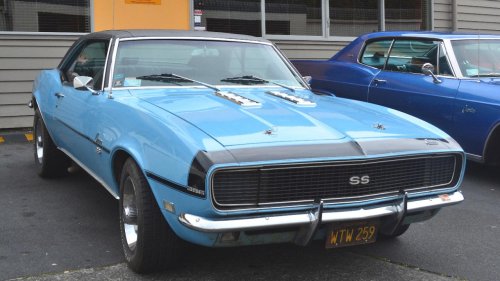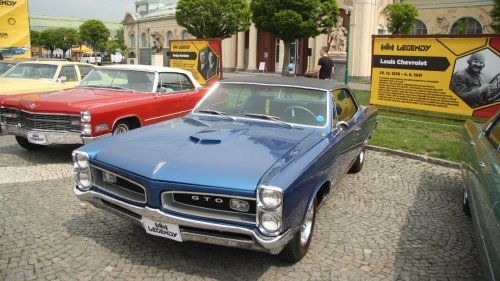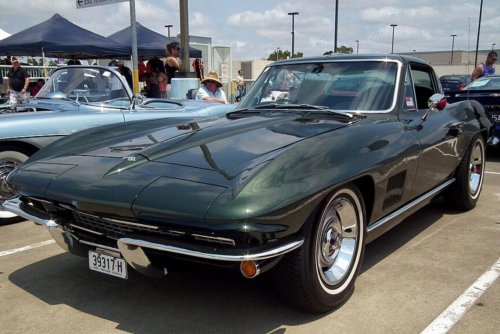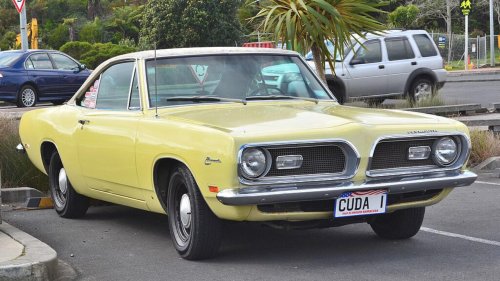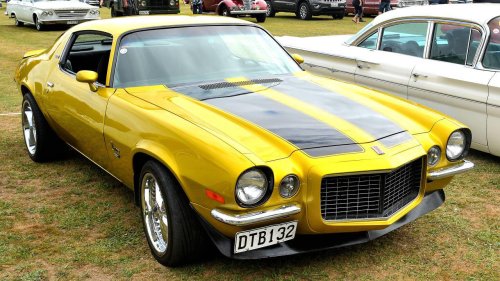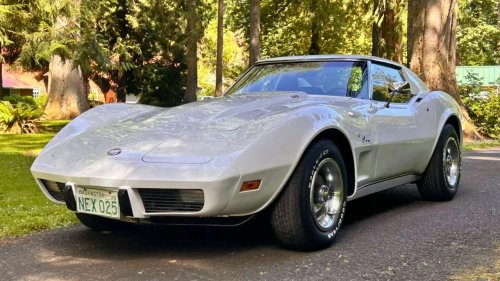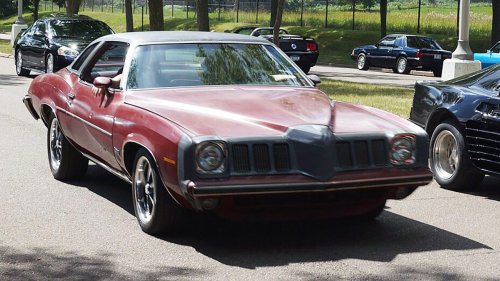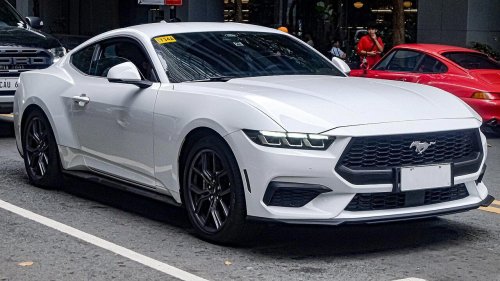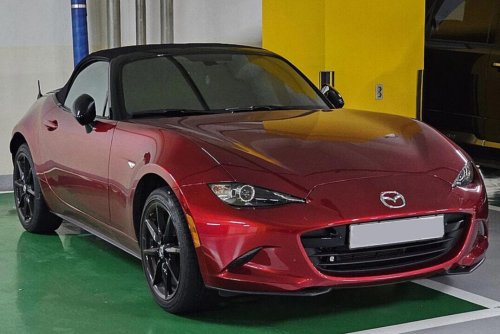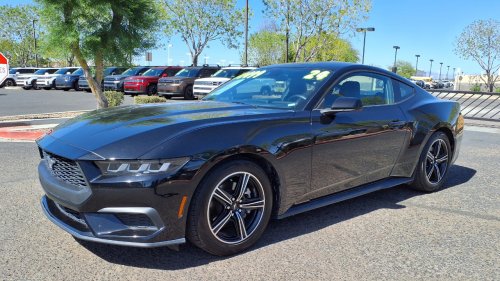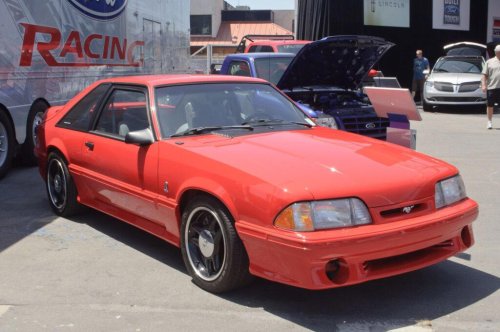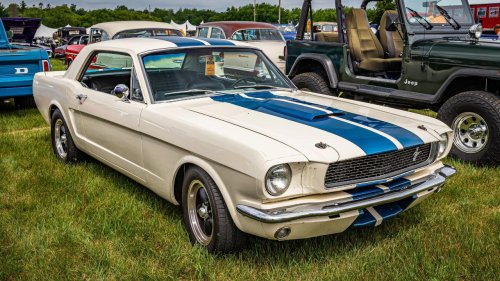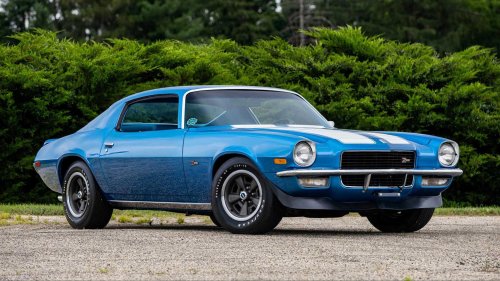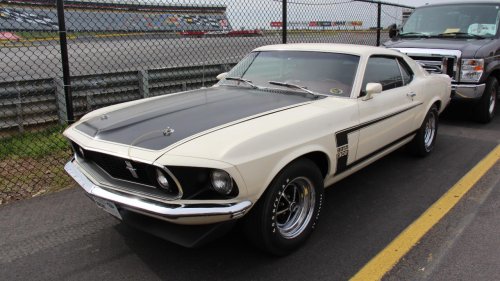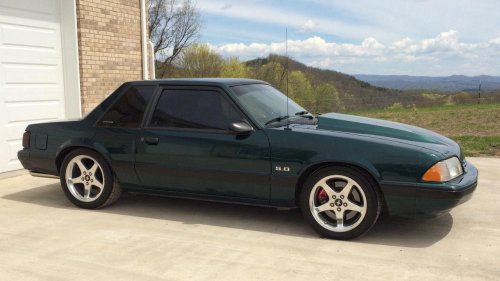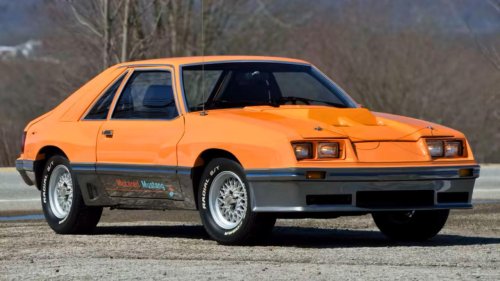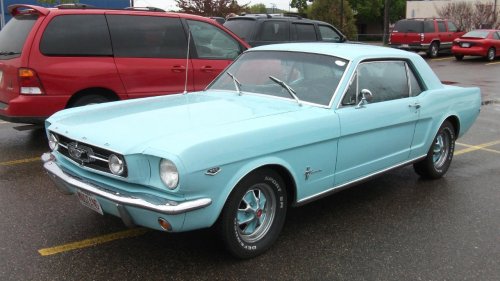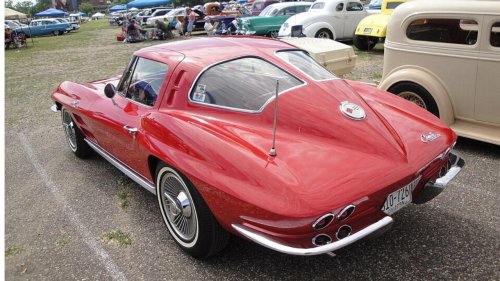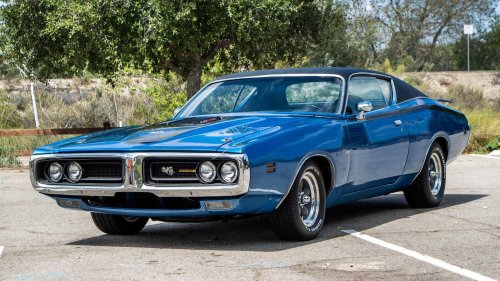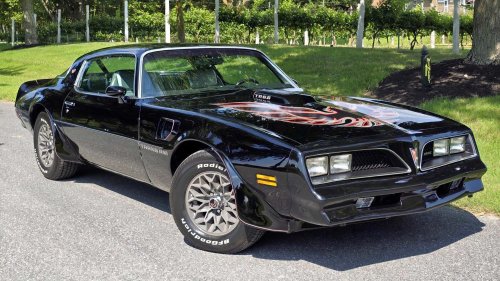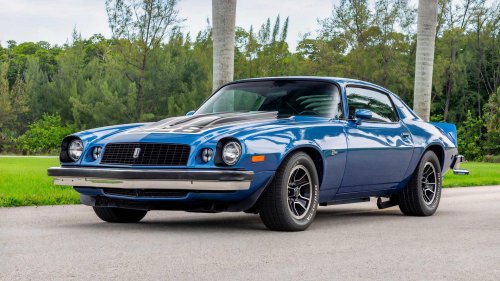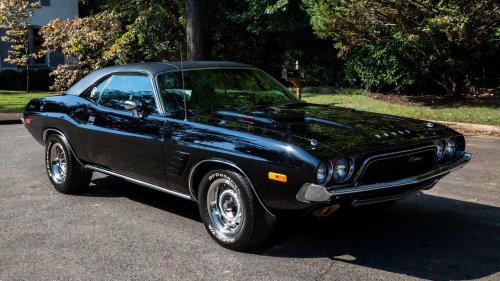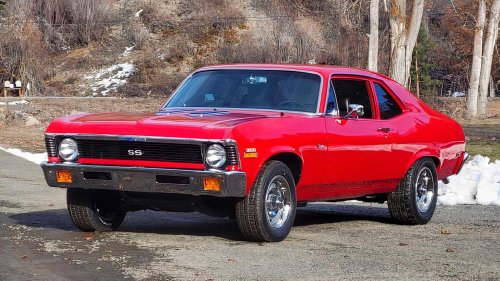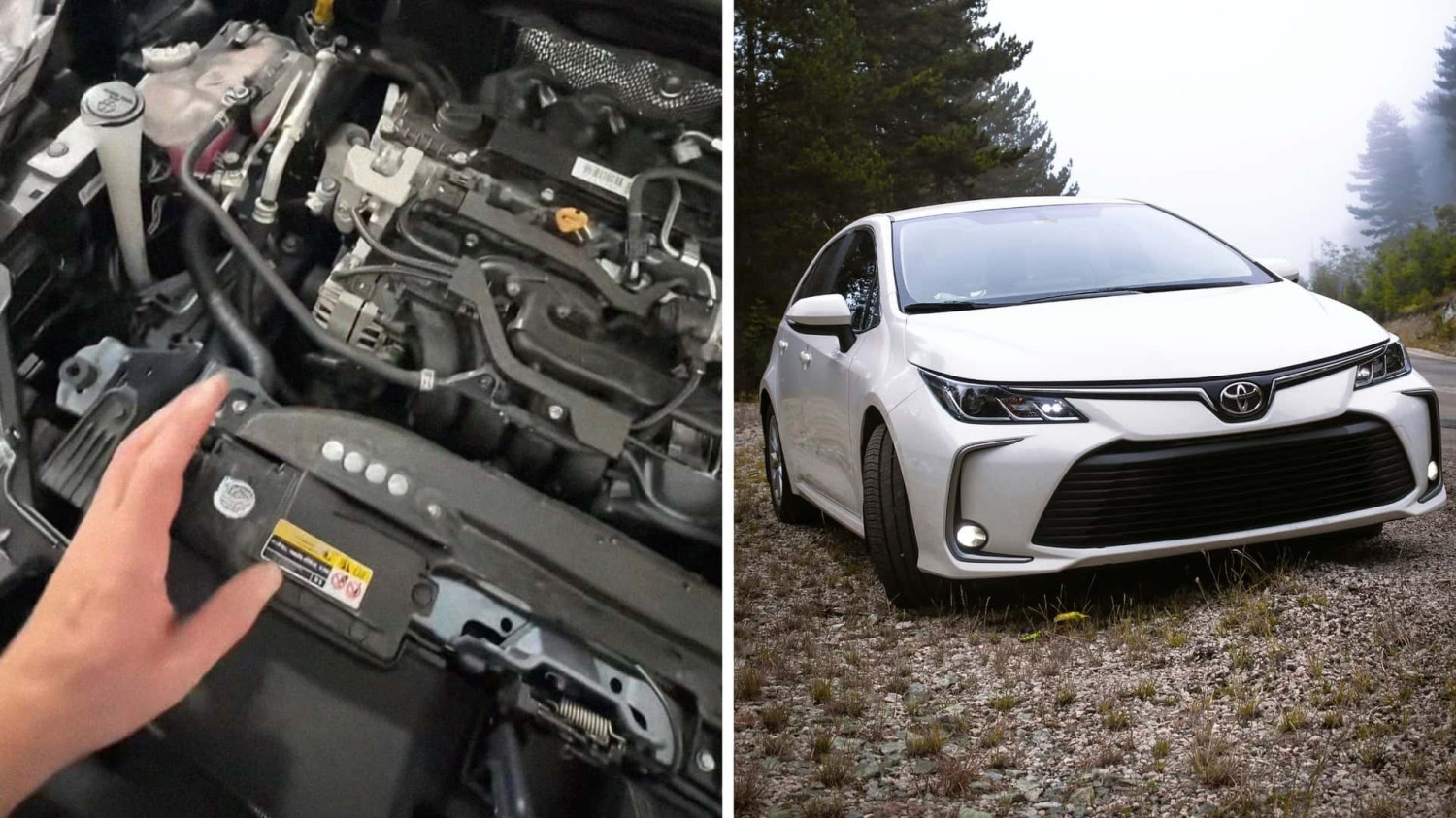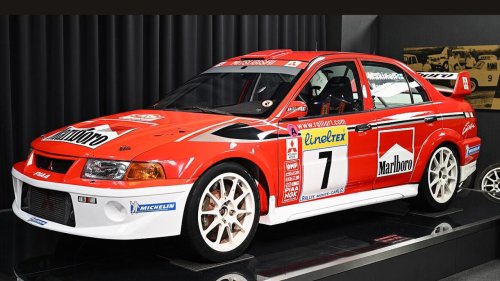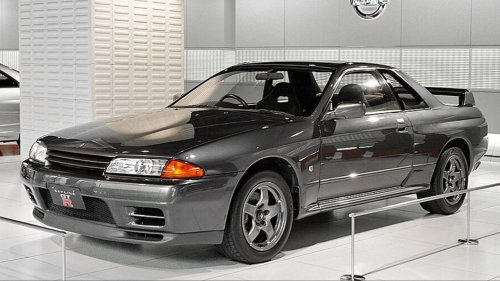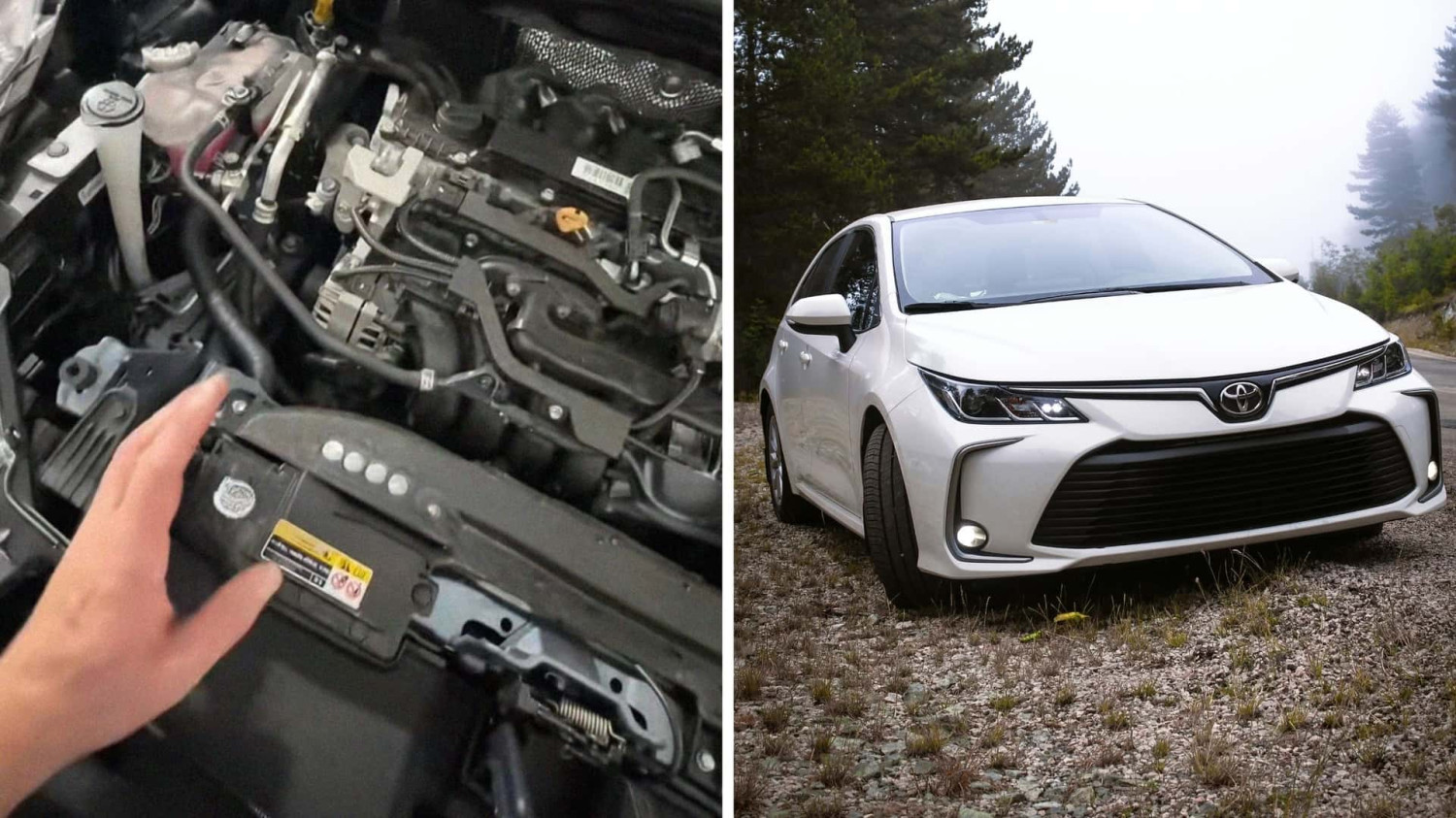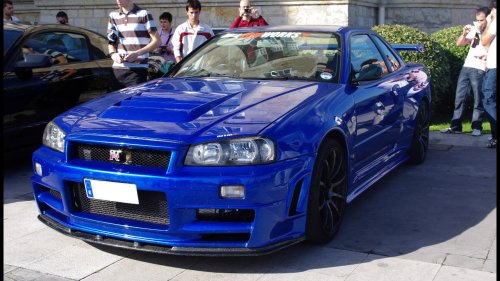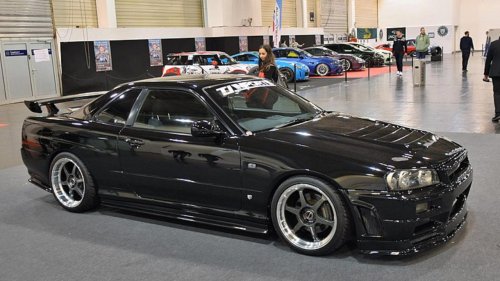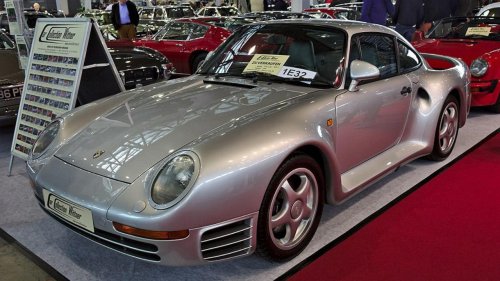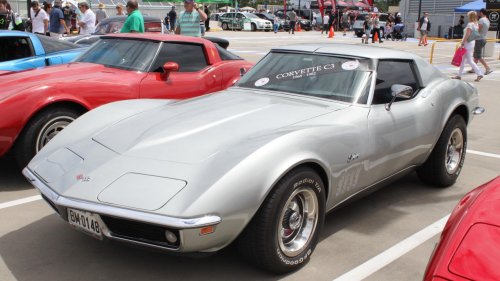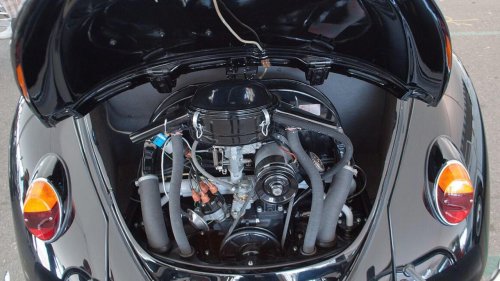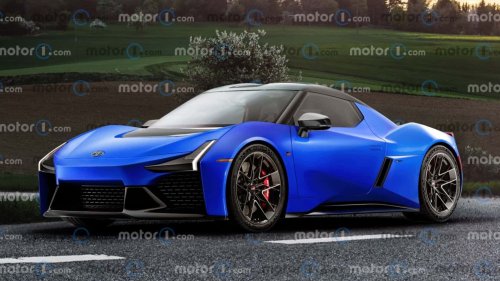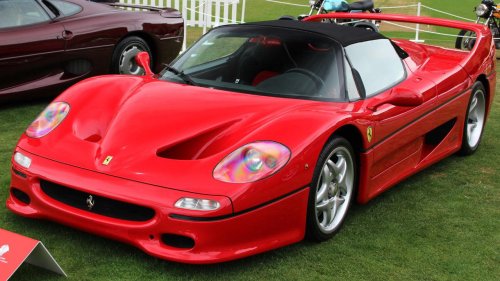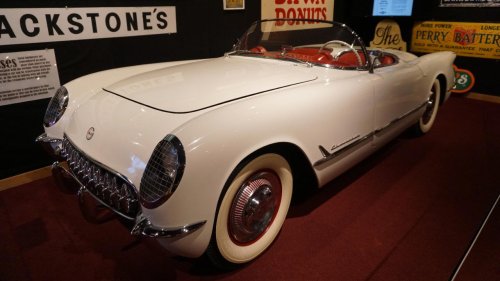
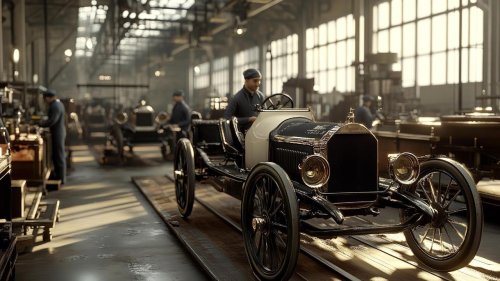
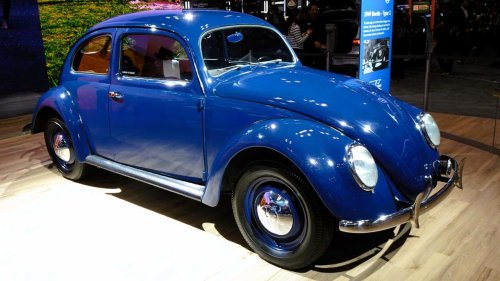
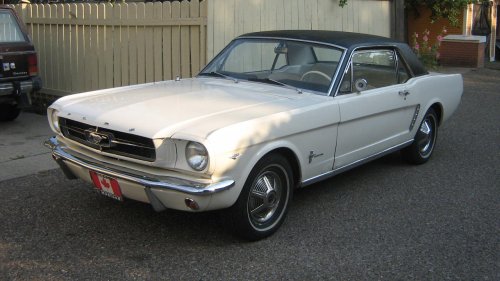
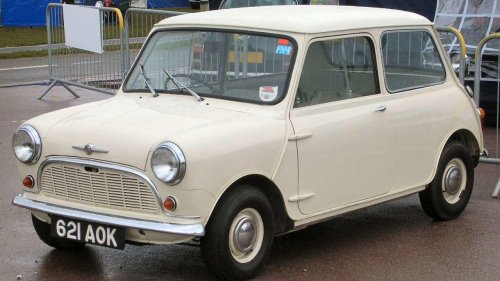
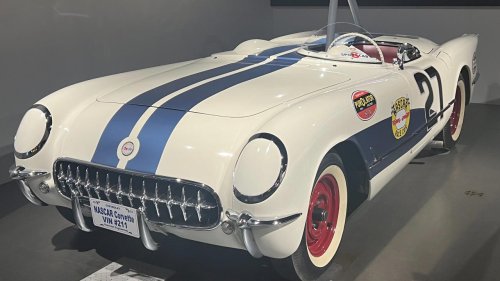
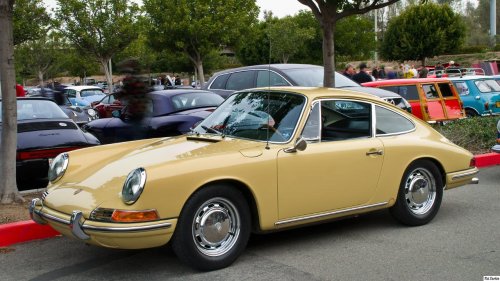
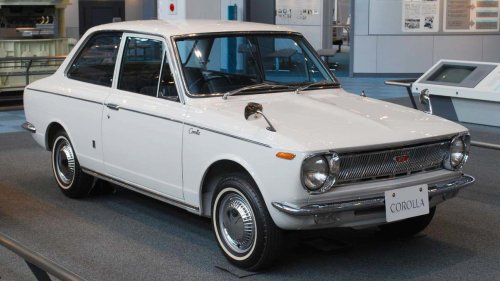
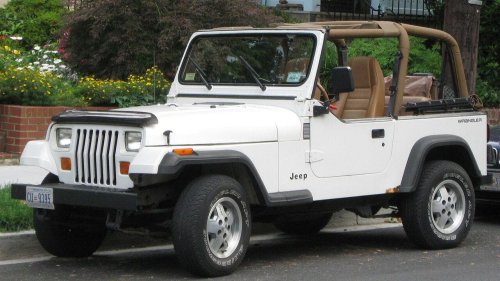
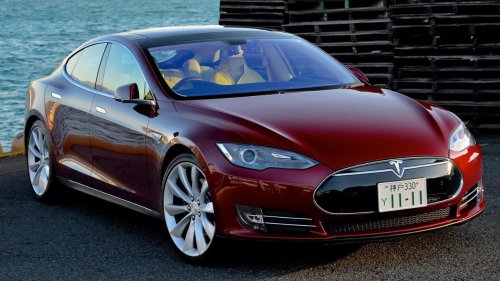



















Henry Ford’s revolutionary assembly line forever changed the automotive industry. The influence of iconic cars like the Volkswagen Beetle, Ford Mustang, and Mini Cooper continues to be felt in modern designs. These automotive legends have left a lasting legacy on car manufacturing and design that still resonates today.Henry Ford's Assembly LineHenry Ford’s introduction of the assembly line in 1913 revolutionized car manufacturing. This innovative process drastically reduced production time and costs, making cars more accessible to the general public. The assembly line set a standard for mass production that is still prevalent in today’s automotive industry. Modern car manufacturers continue to refine and optimize production lines to improve efficiency, highlighting Ford’s lasting influence. Today, the principles of the assembly line are applied in various industries beyond automotive, showcasing its broad impact. From electronics to food production, the assembly line concept has enabled mass production and affordability, stemming from Ford’s original innovation.The Volkswagen BeetleThe Volkswagen Beetle’s distinctive design and affordability made it a global icon. Launched in 1938, the Beetle became a symbol of practicality and reliability, appealing to a wide audience. Its influence is seen in modern compact cars that prioritize efficiency and value, such as the Toyota Yaris and Honda Fit. Volkswagen revived the Beetle in the late 1990s, blending retro styling with contemporary technology. The car’s enduring popularity demonstrates how a classic design can be reimagined for new generations, maintaining its iconic status while adapting to current trends.The Ford MustangSince its debut in 1964, the Ford Mustang has been synonymous with American muscle cars. Its powerful performance and sleek design set a benchmark for sports cars. Today’s Mustang models maintain this legacy, featuring advanced technology and performance enhancements that pay homage to the original. The Mustang’s influence extends to other manufacturers, inspiring a resurgence of interest in performance-oriented vehicles. Cars like the Chevrolet Camaro and Dodge Challenger continue to draw inspiration from the Mustang’s blend of power and style, proving its lasting impact on automotive design.The Mini CooperThe Mini Cooper, introduced in 1959, revolutionized small car design with its innovative use of space. Its compact size and efficient layout made it a favorite for urban drivers. Modern small cars, such as the Fiat 500 and Honda Jazz, owe much to the Mini’s pioneering approach to maximizing interior space. BMW’s revival of the Mini brand in the 2000s retained the car’s iconic styling while incorporating modern technology and performance features. This blend of old and new has kept the Mini Cooper relevant, highlighting its enduring appeal and influence.The Chevrolet CorvetteSince its launch in 1953, the Chevrolet Corvette has been a symbol of American automotive ingenuity. Known for its high performance and distinctive design, the Corvette has inspired generations of sports car enthusiasts. Modern iterations maintain this legacy, offering cutting-edge technology and exhilarating driving experiences. The Corvette’s influence is evident in other performance cars, such as the Porsche Cayman and Audi R8, which strive to balance power and elegance. The Corvette remains a benchmark for American sports cars, continually evolving while staying true to its roots.The Porsche 911The Porsche 911, first introduced in 1964, is a testament to timeless design and engineering excellence. Its distinctive silhouette and exceptional performance have made it a favorite among car enthusiasts worldwide. Modern 911 models continue to offer a blend of tradition and innovation, ensuring the car’s enduring appeal. The 911’s impact extends beyond Porsche, influencing sports coupes like the Nissan GT-R and BMW M4. These cars aim to capture the essence of the 911’s performance and design, demonstrating the model’s far-reaching legacy.The Toyota CorollaAs one of the best-selling cars globally, the Toyota Corolla has become a symbol of reliability and practicality since its introduction in 1966. Its consistent performance and affordability have made it a staple for drivers worldwide. Modern Corollas continue to focus on efficiency and dependability, traits that have endeared the car to millions. The Corolla’s success has influenced the design and marketing of other compact sedans, such as the Honda Civic and Hyundai Elantra. These cars strive to emulate the Corolla’s balance of practicality and value, underscoring its lasting impact on the automotive industry.The Jeep WranglerThe Jeep Wrangler’s rugged design and off-road capabilities have made it an icon among adventure enthusiasts. Since its inception in 1986, the Wrangler has embodied the spirit of exploration and durability. Modern versions continue to offer robust performance and versatility, appealing to those seeking adventure. The Wrangler’s influence is evident in the growing popularity of SUVs and crossovers that emphasize off-road capability, such as the Ford Bronco and Toyota 4Runner. These vehicles draw inspiration from the Wrangler’s success in combining utility with rugged charm.The Tesla Model SThe Tesla Model S, introduced in 2012, redefined the electric vehicle (EV) market with its impressive range and performance. By proving that electric cars can be both practical and luxurious, the Model S has accelerated the shift towards sustainable transportation. Tesla’s innovations in battery technology and autonomous driving have set new standards for the industry. Many automakers have followed suit, developing their own electric models inspired by the Model S’s success. Cars like the Audi e-tron and Jaguar I-PACE reflect this trend, showcasing the Model S’s significant impact on the future of automotive design.