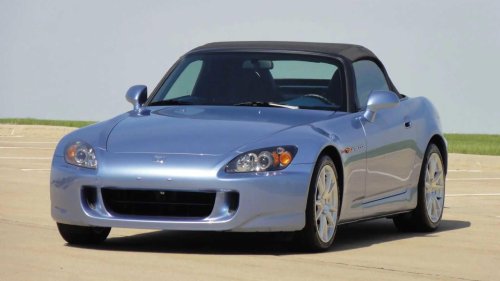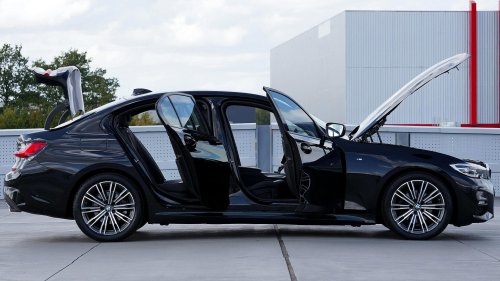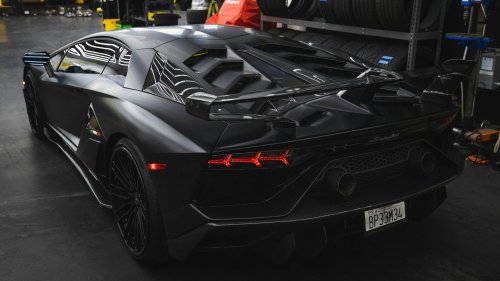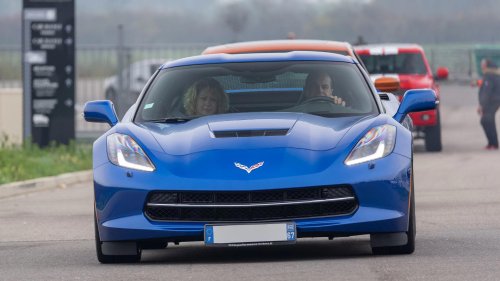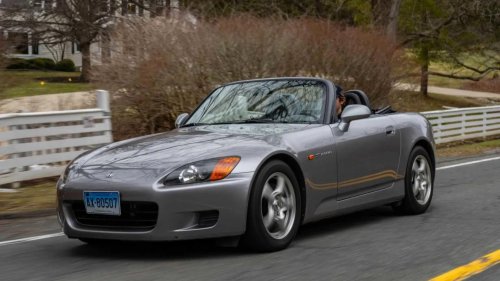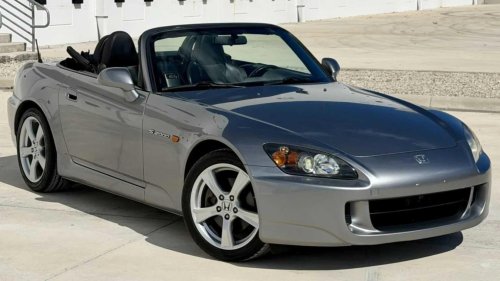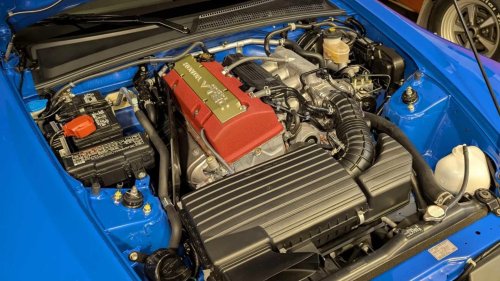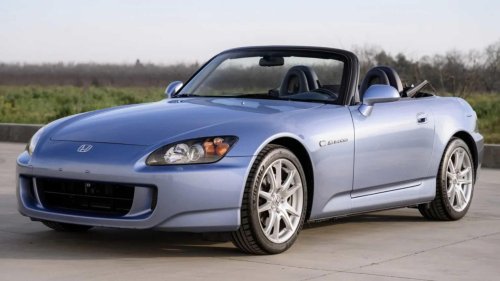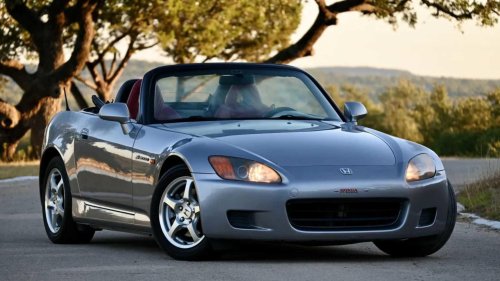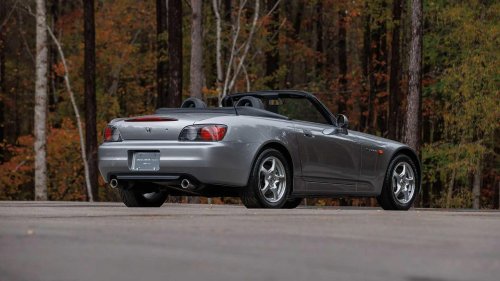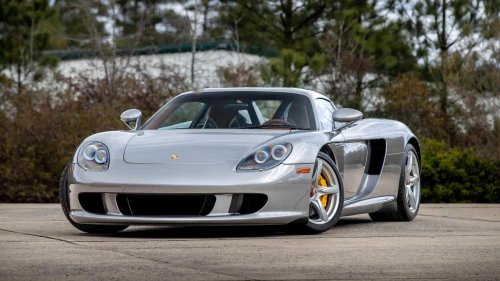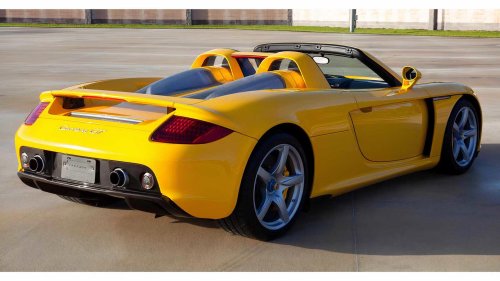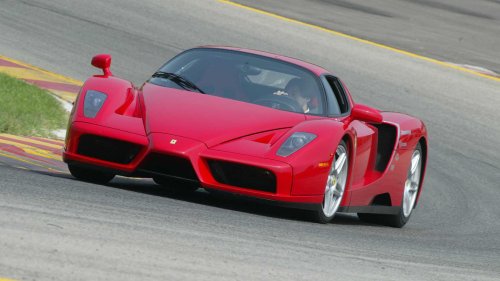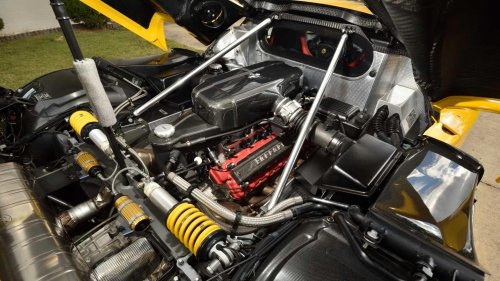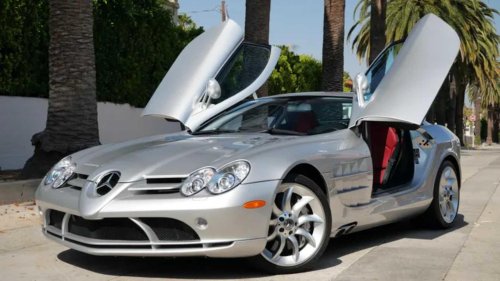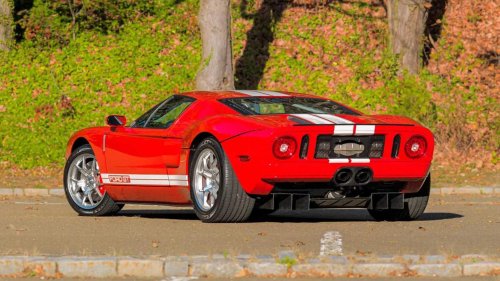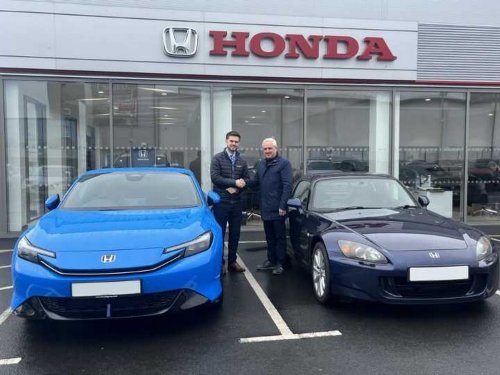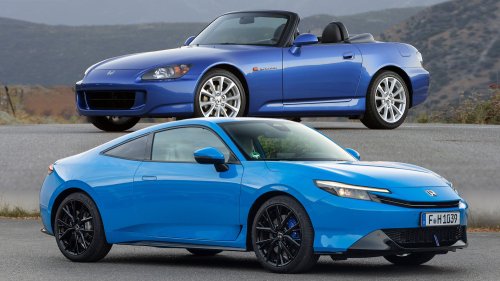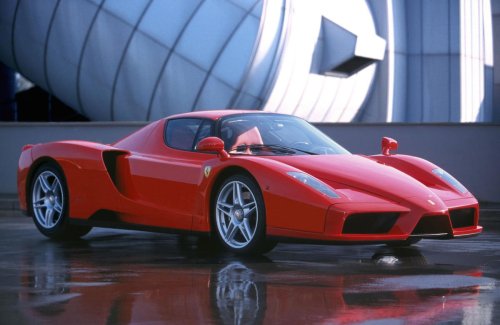
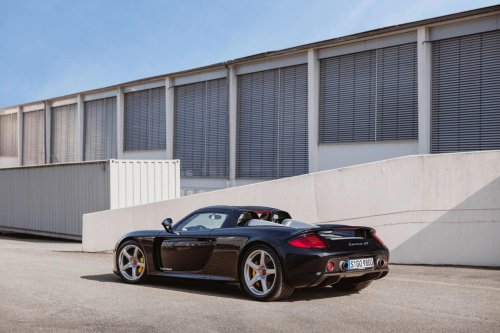
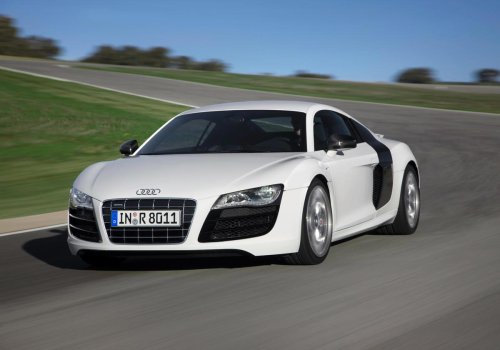
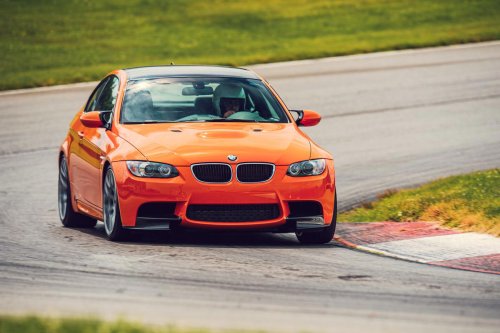
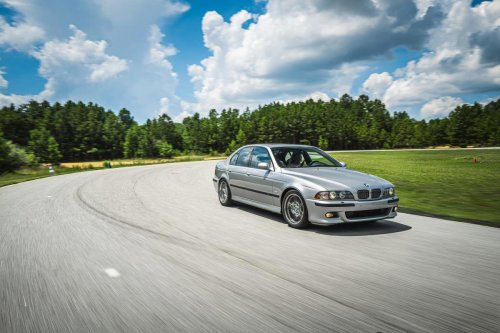
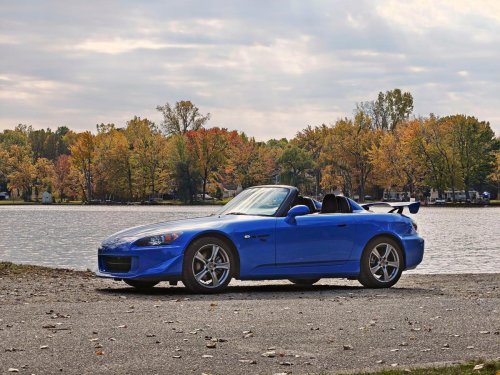
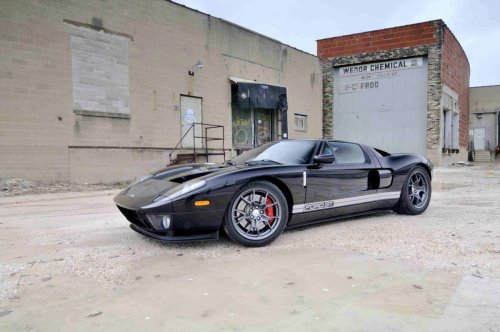
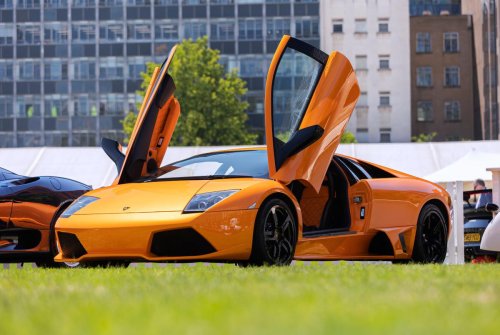
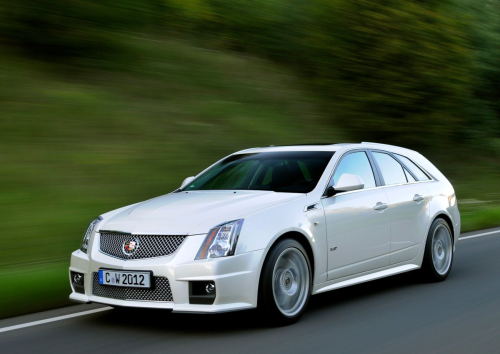
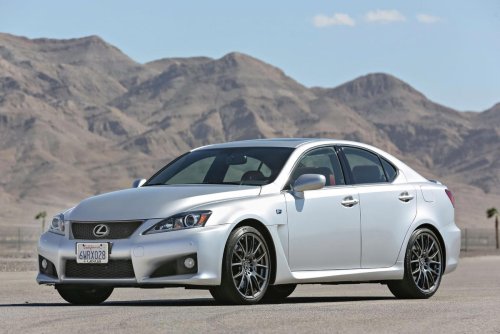
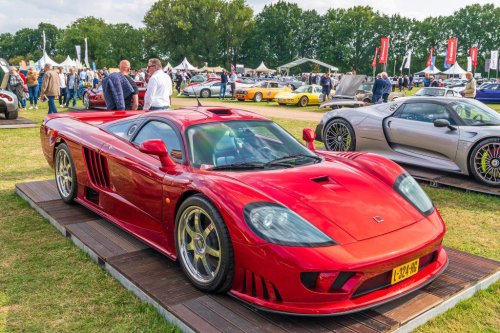
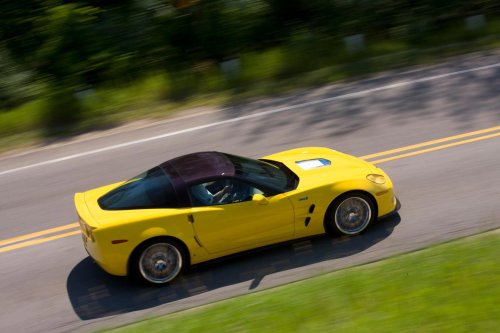
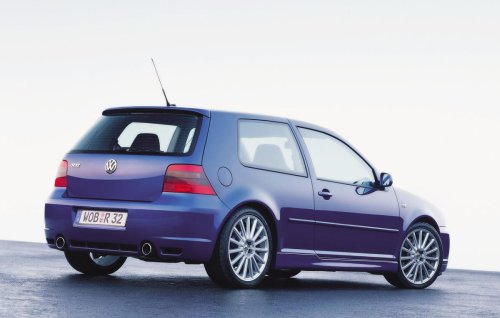
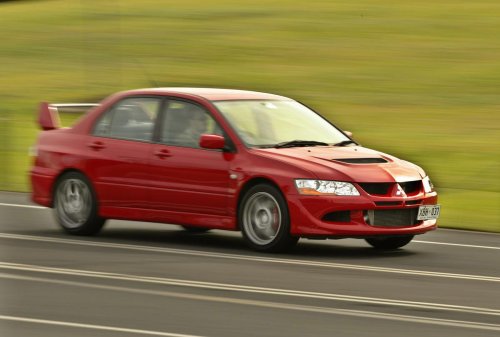
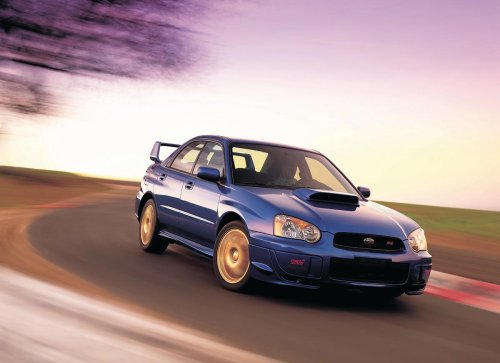
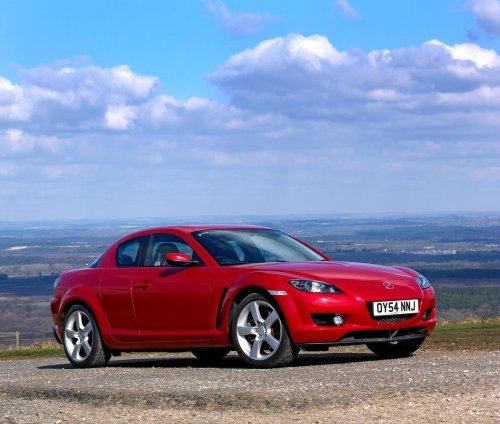
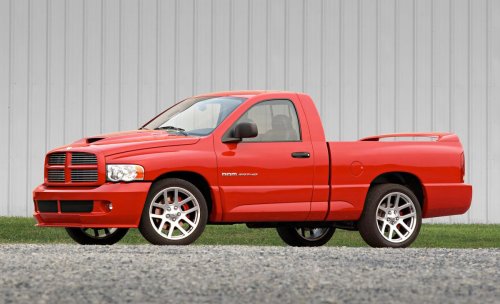
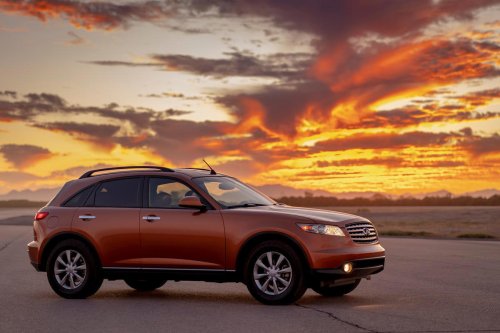
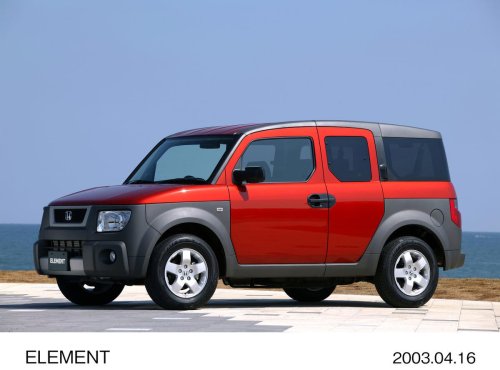
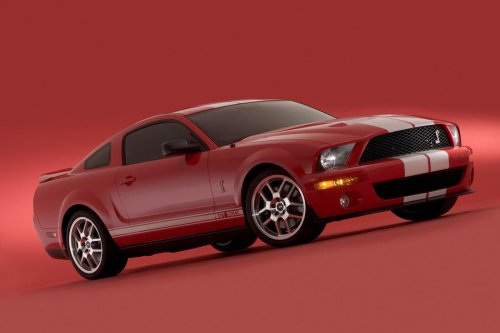
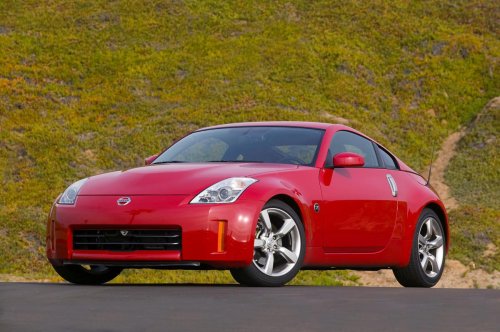
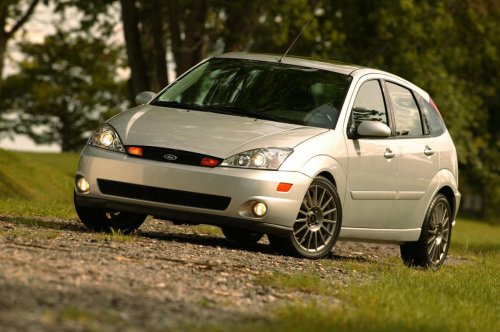

















The 2000s brought some of the coolest cars ever to grace the roads. The turn of the century was characterized by sleek design, rising power figures, and burgeoning technology in the automotive world. Lots of memorable enthusiast-focused vehicles were being produced, and the diversity of body styles and engine types is enviable compared to today's market. Nostalgia is a powerful drug, but the 2000s birthed some truly terrible cars, too—PT Cruiser, anyone? So that's why we're here to help you parse which 2000s models are worth remembering. These are our favorite, enthusiast-approved cars from the 2000s, listed in no particular order.More Car Rankings: Greatest Cars of the 1990s | Best Classic Cars for Daily Driving | Best Japanese Sports Cars Ever Made | Best All-in-One Cars Ferrari Enzo (2003)Ferrari bestowed the ultimate honor upon the Enzo by naming it after the company's founder. This boundary-pushing supercar fits in the same lineage as other legendary Ferrari flagships such as the F40 and the LaFerrari. This F1-inspired model had distinctive, angular looks that ushered in a new era of design at Ferrari. Plus, it has a naturally aspirated, 6.0-liter V-12 that revs to 8200 rpm.Porsche Carrera GT (2004–2005)With a lighter-than-air flywheel and a glorious V-10 exhaust note, the Porsche Carrera GT quickly achieved cult status and is a 2000s classic. The mid-engine sports car is known for finicky handling and a tricky manual transmission, but a proper set of tires is the not-so-secret ingredient to taming it.Audi R8 (2008–2015)The TT made a big style statement for Audi in the late-1990s, and the debut of the R8 supercar took the German automaker to new heights in terms of its design pedigree. This stunning mid-engined sports car was initially available with a 4.2-liter V-8 and later added a screamer of a 5.2-liter V-10 to its repertoire. There was a second-generation R8 that followed, in 2017, but it didn't make nearly as big of an impact as the first-generation model did.BMW M3 (E92, 2008–2013)The BMW M3 is an enthusiast standard at this point, and some might argue that the six-cylinder E46 generation was the best of the breed. But the E92 was the first M3 ever to sport a V-8 engine. The 4.0-liter S65 engine wasn't just any V-8, either. With a flat-plane construction and a redline of 8400 rpm, this special 414-hp engine made this generation of M3 sound heartier than ever.BMW M5 (E39, 2000–2003)BMW's E39 M5 is commonly regarded as one of the best M cars ever. Powered by a 4.9-liter S62 V-8, this M5 was the first of its kind to use V-8 power. A healthy 400 horsepower was on tap from the factory, and the six-speed manual transmission and balanced handling made this a sweetheart of a sports sedan. Honda S2000 (2000-2009)With its high-revving four-cylinder engine, slick manual gearbox, and balanced rear-wheel-drive chassis, the S2000 was a quintessentially Honda take on the convertible sports car. The S2000 survived for nearly 10 years and was initially powered by a 2.0-liter inline-four revving to 9000 rpm. Later versions of the S2000 used a revised 2.2-liter inline-four with more torque and an 8200-rpm redline. Ford GT (2005–2006)A throwback to Ford's legendary Le Mans–winning GT40, the Ford GT managed to capture the retro styling of the old race car and offered a supercharged V-8 for modern performance. Produced in low quantities, this revelatory sports car was highly coveted in its day and offered 550 horsepower and a six-speed manual transmission. Lamborghini Murcielago (2002–2010)Lamborghini's 2000s halo car was featured in Chris Nolan's "The Dark Knight." It has huge air ducts to feed the massive 6.5-liter V-12 engine sitting behind the cabin and comes with a desirable six-speed manual. The Murcielago had a surprisingly long production run, starting in 2001 and ending in 2010. Cadillac CTS-V (2004–2007; 2010–2014)The CTS sedan was the first Cadillac that positioned this traditional American luxury brand against BMW, and the CTS-V performance model added credibility to its aspirations. The first-gen CTS-V came only in sedan form with a naturally aspirated small-block V-8, but the second-gen model was supercharged and also came in coupe and wagon b0dy styles. A manual transmission was available across the board, although the third-generation model that arrived later in the 2010s sadly ditched the coupe and wagon versions and went automatic-only. Lexus IS F (2008–2014)Lexus has always provided the kind of quiet luxury preferred by dentists and doctors alike, but the IS F appealed to a more rowdy enthusiast crowd. The first-generation IS F featured rear-wheel drive and a naturally aspirated 5.0-liter V-8 making 416 horses, and it did battle with the BMW M3 but offered a distinctive character all its own.Saleen S7 (2000–2009)The S7 is that rarest of things: An American-made mid-engine supercar. With a huge 7.0-liter engine, it made a whopping 750 horsepower. Unfortunately, though, Saleen made fewer than 100 S7s between 2000 and 2009. Chevrolet Corvette ZR1 (C6, 2009–2013)Chevrolet's brutally fast, supercharged ZR1 was a genuine competitor to the best European supercars of its day. Costing barely half as much as a Ferrari or Lamborghini, the ZR1 was the ultimate bang-for-your-buck performance car. The 638-hp supercharged 6.2L LS9 was key to its world-beating numbers and distinctly American driving character and sound.Volkswagen Golf R32 (2004; 2008)The Volkswagen Golf R32 took VW's tried-and-true hot hatchback recipe and turned it up a few notches. The Golf R32 featured a Haldex AWD system and a 3.2-liter VR6 engine that sounded particularly sweet when revved. The first-generation R32, the Mk4 pictured here, was the first car ever to offer a dual-clutch gearbox, though that transmission was only available in Europe. The VR6-powered R32 continued for the Mk5 generation and paved the way for Volkswagen's current Golf R. Mitsubishi Lancer Evolution (2003–2006; 2008–2015)The Mitsubishi Lancer Evolution was born from rally pedigree, as its race-car equivalent won numerous World Rally Championships in the 1990s. Mitsubishi finally brought it to the U.S. market in 2003, and our Evo retained its 2.0-liter, turbocharged four-banger and sophisticated all-wheel-drive system.Subaru WRX STI (2004–2007)Subaru had already been selling the WRX version of the Impreza in the U.S. in the early 2000s. But once Mitsubishi brought the Lancer Evolution here, it didn't take long for the even higher-performance WRX STI to become available on our shores. First imported to the U.S. in 2004, the WRX STI continued through several generations of the WRX and was killed off in 2023. Powered by Subaru's characteristic 2.5-liter flat-four engine with a heavy boost from a turbocharger, initial versions of the WRX STI offered an even 300 horsepower. We still remember the first generation more fondly than many of the ones that followed.Mazda RX-8 (2004–2011)The Mazda RX-8 is the last rotary-powered model from the Japanese automaker. A continuation of the iconic RX-7, the RX-8 mixed practicality with performance thanks to its revvy twin-rotor naturally aspirated engine and its unconventional body style with two rear-hinged half-doors that eased access to the rear seat. Let's hope Mazda decidedes to bring back rotary power soon, as it has hinted at this powertrain's return for quite a while now.Dodge Ram SRT-10 (2004–2006)Dodge Ram, meet Dodge Viper. The Dodge Ram SRT-10 was a ludicrous pickup truck with an 8.3-liter V-10 Viper engine stuffed inside. Initially available only as a regular-cab pickup with rear-wheel drive and a six-speed manual transmission, the SRT-10 pumped out 500 horsepower and 525 lb-ft of torque. A crew-cab version and an automatic transmission were added later on, but the O.G. SRT-10 is the one to have.Infiniti FX45 (2003–2008)The FX45 represented a turning point in SUV design, and was one of the first performance luxury crossovers. Based on a unibody platform, the sleek and daring FX45 was powered by a 4.5-liter V-8 putting down 315 horsepower. That might not sound like much by today's standards, but it kept up with the first Porsche Cayenne and was a key piece of in Infiniti's impressive early-2000s era that also included the G35 sports sedan.Honda Element (2004–2011)The Honda Element is all about function over form, but its design was ironically one of its most iconic features. This box-shaped small SUV was unconventional in many ways, including its rear-opening doors, waterproof seats, and its interior that you could hose out. For surfers, bikers, and campers alike, it was a highly versatile machine that looked like nothing else on the road.Ford Mustang Shelby GT500 (2007–2009)For Mustang people, the Shelby name is a big deal. The GT500 lived up to its badge with a savage supercharged 5.4-liter V-8 producing 500 hp—which was a lot back in 2007. This tire-shredding muscle car offered impressive performance and looked bad***.Nissan 350Z (2003–2008)The Nissan 350Z resurrected the Z name and brought all the right sports-car characteristics along with it. Powered by a 3.5-liter V-6, the 350Z was an affordable stepping stone to sports-car ownership. It also looked great and made enthusiasts care about Nissan again. The brand had been in a slump in the late-1990s, but the 350Z was an important part of its renaissance in the early-2000s.Ford Focus SVT (2002–2004)Lesser known than the Volkswagen GTI, the Ford Focus SVT was another nearly perfect hot hatchback. Powered by a 2.0-liter, naturally aspirated inline-four, the SVT version made 170 horsepower and featured quick steering and impressively balanced handling for a front-wheel-drive hatchback.