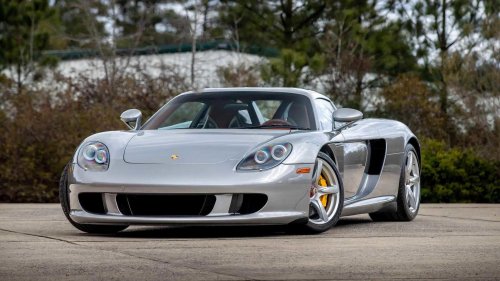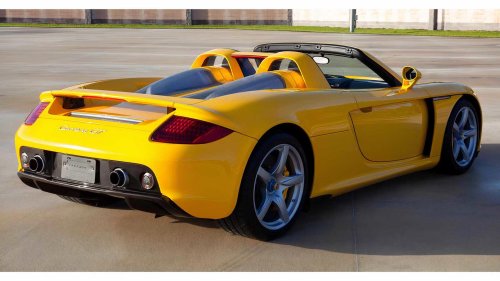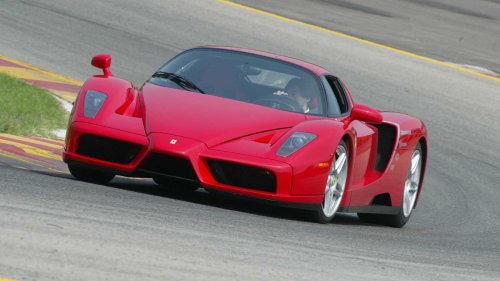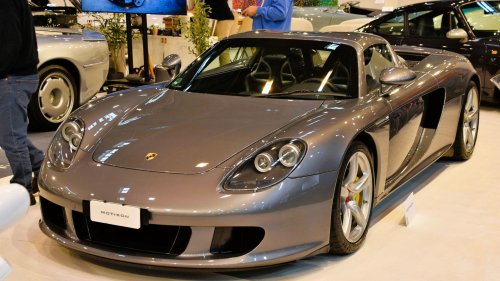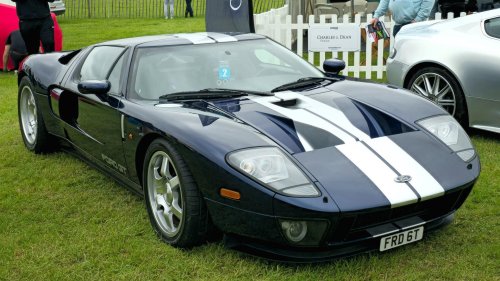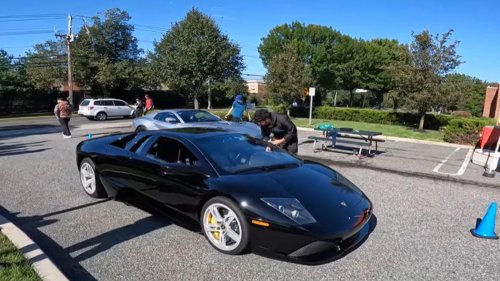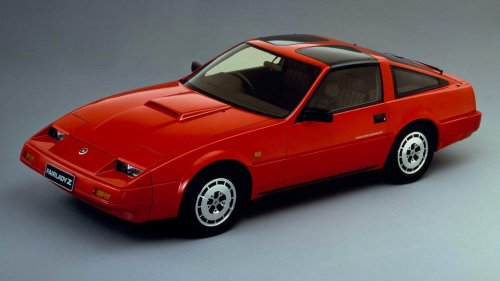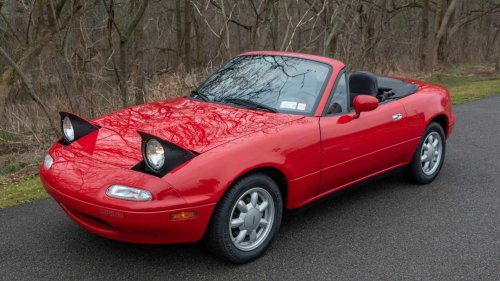
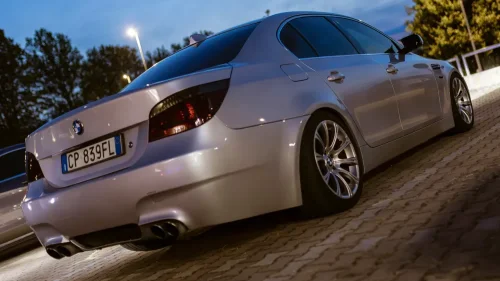
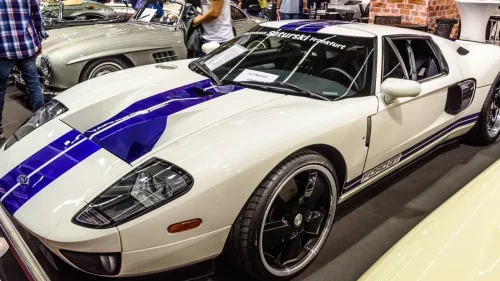
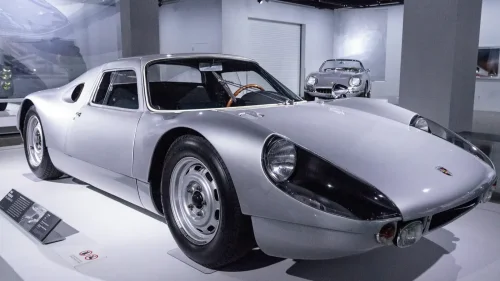
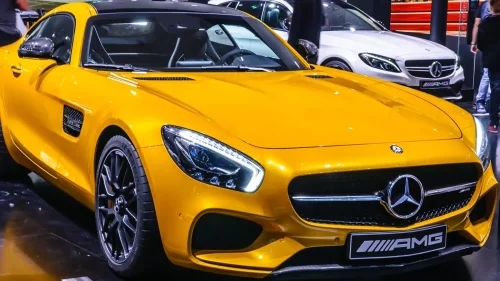



















Best performance cars of the 2000s reshaped engineeringThe best performance cars of the 2000s introduced advanced materials, powerful engines, and new design standards that reshaped the modern automotive industry. These vehicles combined speed, beauty, and everyday usability across multiple segments. From hot hatchbacks to hypercars, manufacturers delivered landmark models that pushed the boundaries of performance. Most of these cars reached showrooms during the 2000s and very early 2010s, creating lasting benchmarks for handling, acceleration, and design. The era produced standout models from Ferrari, Porsche, Lamborghini, Bugatti, BMW, Audi, Ford, and Mercedes-Benz. Together, these vehicles redefined expectations for sports cars, supercars, and performance sedans, influencing modern vehicle engineering and driving standards.Alfa Romeo 8C Competizione revived Italian halo designThe Alfa Romeo 8C Competizione launched in 2007 as a limited-production halo model with only 500 coupes and 329 Spiders built worldwide. It featured a 4.7-liter naturally aspirated V8 producing 444 horsepower. The engine was derived from Ferrari technology and later shared with the Maserati GranTurismo. Carbon fiber body panels and carbon ceramic brakes reduced weight while improving handling and braking performance. This combination created a rare and striking performance coupe. The 8C restored Alfa Romeo’s image as a producer of emotionally engaging sports cars and became one of the brand’s most admired modern creations.Aston Martin DBS combined luxury and extreme powerThe Aston Martin DBS debuted in 2007 as a more focused version of the DB9 grand tourer. It used an aluminum chassis and carbon-fiber body panels to reduce weight compared with the DB9. Power came from a 5.9-liter naturally aspirated V12 producing around 510 horsepower. A six-speed manual transmission option delivered direct driver engagement and precise control. The DBS balanced refined luxury with serious performance capability. Its blend of speed, comfort, and elegance helped raise expectations for modern grand touring cars and strengthened Aston Martin’s reputation for high-performance craftsmanship.BMW M5 E60 delivered Formula One inspired speedThe BMW M5 E60 launched in 2005 with a 5.0-liter naturally aspirated V10 engine rated at about 500 horsepower, derived from technology BMW had developed in Formula One. This powertrain enabled the M5 to deliver supercar-like acceleration while still offering the comfort of a luxury sedan. Both the four-door sedan and the estate (Touring) versions offered versatility and everyday practicality. The M5 E60 became one of the most memorable performance sedans ever built. Its combination of speed, engineering complexity, and driving excitement established a lasting legacy in automotive performance history.Ford GT revived American supercar heritageThe Ford GT went into limited production in the mid-2000s as a modern homage to the GT40, powered by a supercharged 5.4-liter V8 producing 550 horsepower. Independent testing recorded zero to sixty miles per hour in about 3.3 seconds. Modern aluminum construction and advanced suspension systems enhanced rigidity and handling, while the styling clearly honored the legendary GT40 racing heritage. This combination restored American credibility in the global supercar market. The Ford GT showed that domestic manufacturers could build a car capable of rivaling Europe’s finest performance machines.Porsche Carrera GT delivered pure driving precisionThe Porsche Carrera GT debuted in 2003 using a 5.7-liter naturally aspirated V10 producing 603 horsepower. A six-speed manual transmission controlled power delivery. Carbon fiber construction limited curb weight to 1,380 kilograms, improving acceleration and cornering ability. Top speed reached 205 miles per hour. This engineering focus produced one of the most engaging driving experiences ever created. The Carrera GT remains a benchmark for mechanical purity and driver involvement.Mercedes-Benz SLS AMG modernized iconic designThe Mercedes-Benz SLS AMG launched in 2009 with signature gullwing doors and a 6.2-liter naturally aspirated V8 producing 563 horsepower. A seven-speed dual-clutch gearbox ensured rapid shifting and smooth acceleration. The chassis delivered exceptional grip and stability at high speeds. The SLS balanced luxury, daily usability, and extreme performance. It marked a turning point for Mercedes-AMG as a true standalone supercar manufacturer.