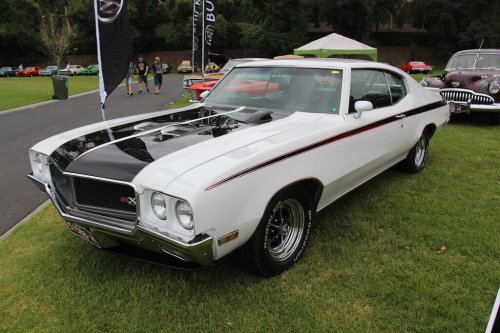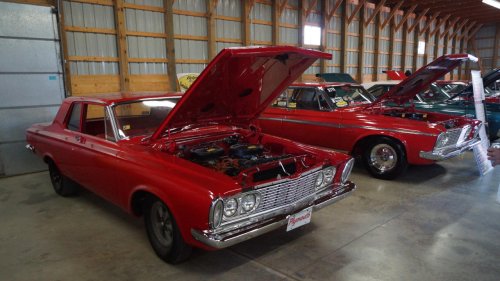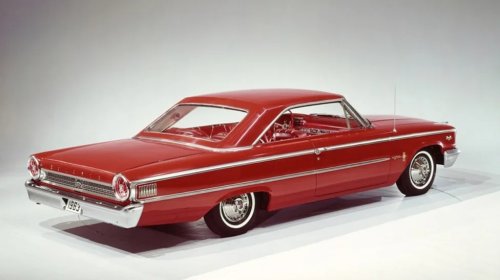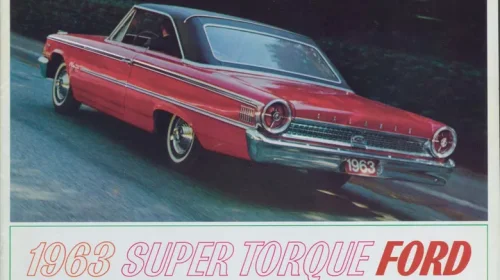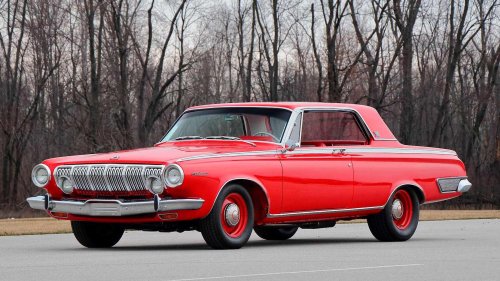
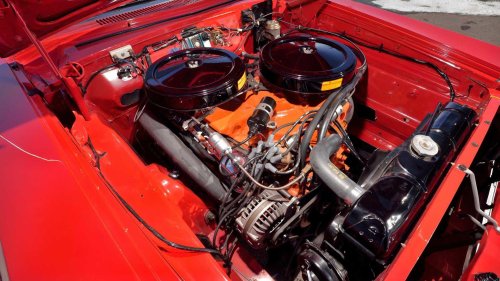
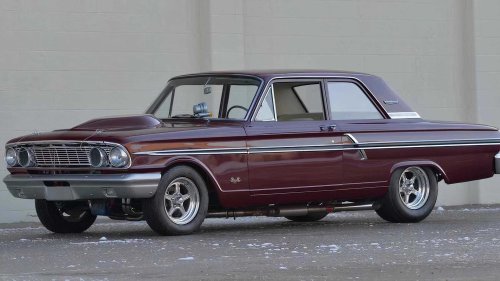
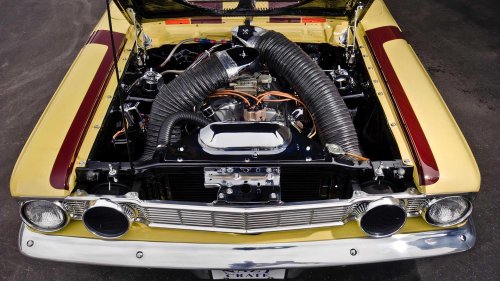
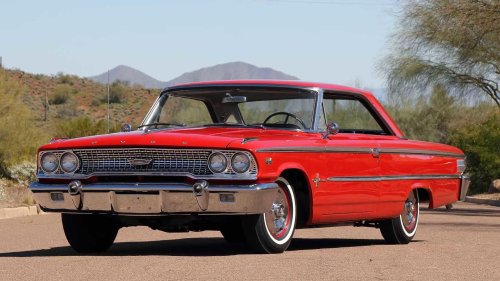
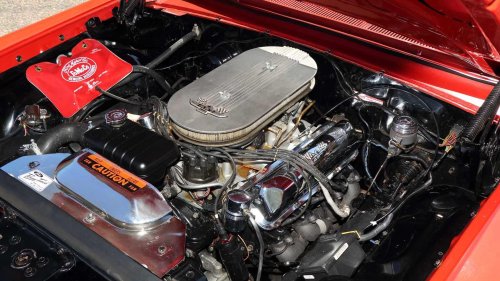
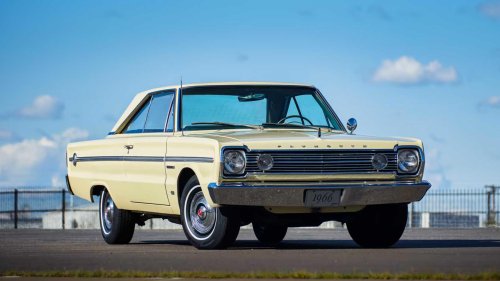
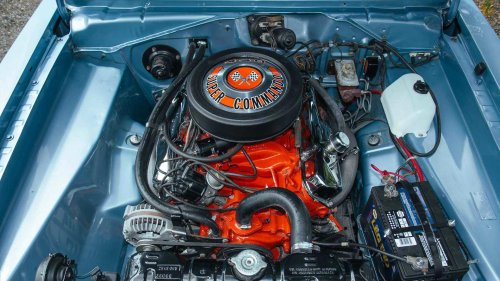
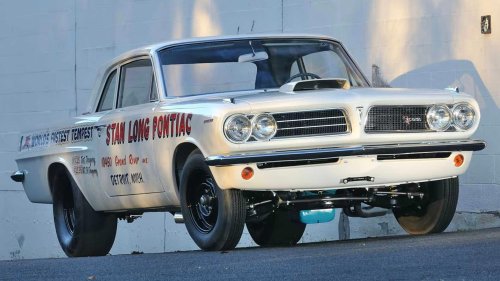
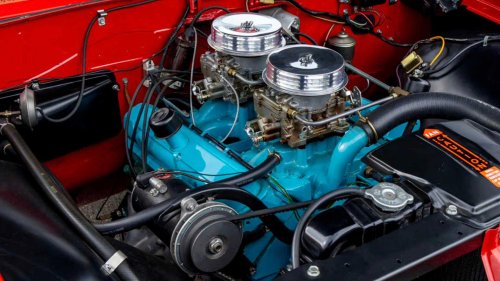
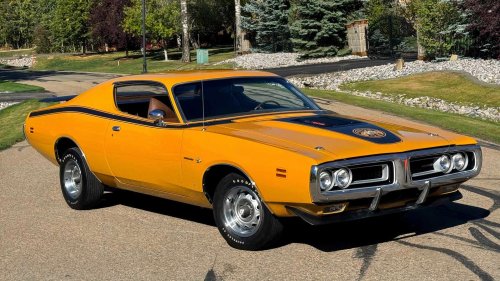
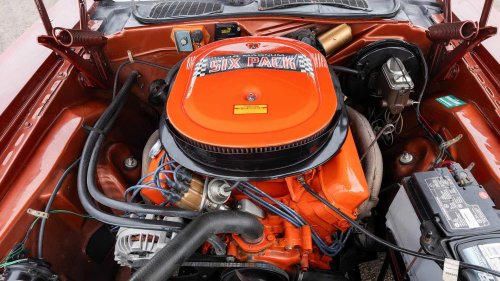
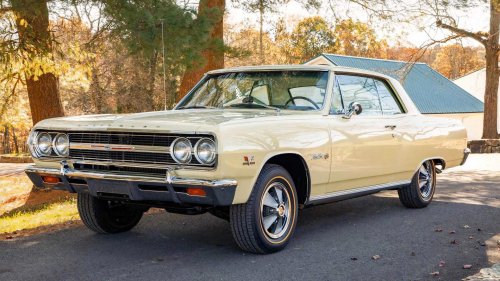
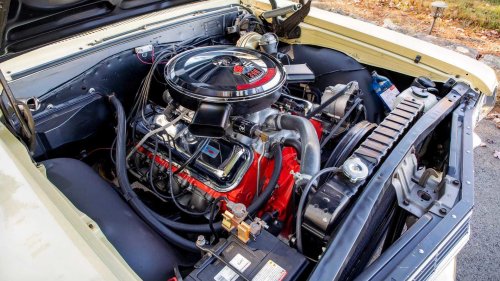
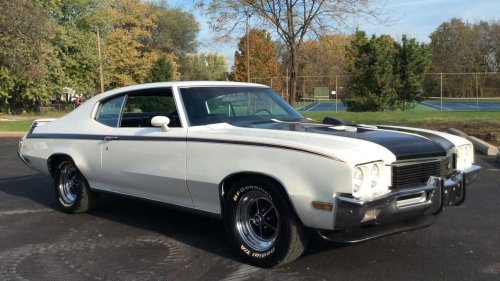
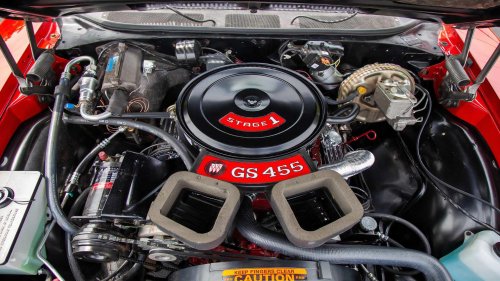
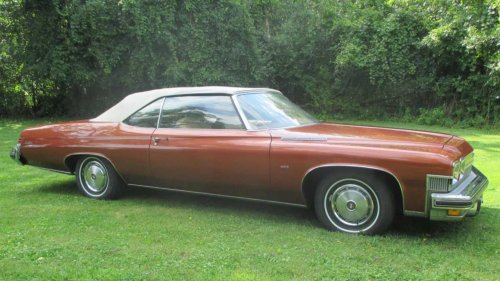
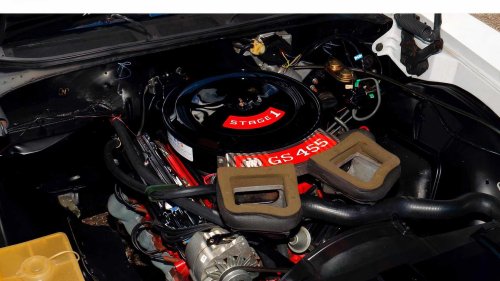
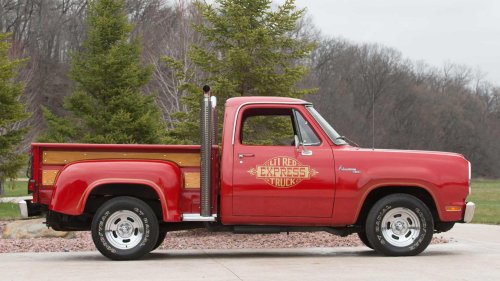
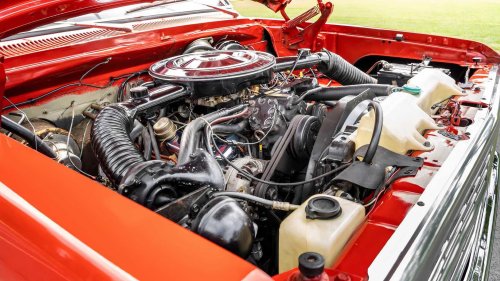



















In the ’60s and ’70s, Detroit treated the options sheet like a cheat code. A buyer could walk into a dealership looking for a family coupe or big couch-on-wheels sedan, tick the right boxes, and roll out in a car that could embarrass dedicated muscle machines at the strip. Under the chrome and vinyl roofs, automakers hid drag motors, heavy-duty suspensions, and race-bred hardware that only people “in the know” really understood.Today, everyone remembers the headline stuff – GTOs, LS6 Chevelles, Hemi ’Cudas. The quiet assassins get far less love. These were cars that started life as Fairlanes, Belvederes, LeSabres, or Malibus, then turned into absolute animals once a weird option code or race package entered the picture. This list digs into those forgotten builds.Every entry here started as a regular production model that normal buyers could get in mild form. Each one then gained a factory performance package, special option code, or race-spec upgrade that dramatically changed the car’s character. No dealer-only swaps, no one-off prototypes, and no cars that only existed as standalone halo models. All were street-legal from the factory, and all used mostly bolt-on factory parts, even if they clearly targeted NHRA or NASCAR. The cars are listed by official factory horsepower ratings, from most to least powerful. Dodge Polara 426 Max Wedge 425 HP; 480 LB-FT Via mecum.com Before everyone talked about Hemis, Mopar people whispered “Max Wedge.” The Dodge Polara with the 426 Max Wedge option brought that legend to the B-body full-sizer crowd. The Max Wedge (officially “Ramcharger 426” at Dodge) stuffed a race-bred RB-block big-block with a cross-ram intake and dual four-barrels into mid-size Dodges and Plymouths. In 426 form, high-compression versions carried factory ratings of 425 hp and around 480 lb-ft of torque, numbers most agree were underrated.Mecum Polara buyers could pair that engine with lightweight body parts, minimal options, and serious gearing, turning what started as a family car into a bare-knuckle Super Stock weapon. Only a tiny batch of 1963 Polara 500s received the Ramcharger 426 Max Wedge – Hemmings notes just 15 Max Wedge 426 Polara 500 convertibles, for example. The regular Polara lineup offered mild 318s and big-car manners. The Max Wedge cars idled like race cars, hated pump gas, and went to the track on weekends with their radio and heater delete plates still in place. Ford Fairlane Thunderbolt 425 HP; 480 LB-FT Mecum Auctions The Thunderbolt feels less like an “option package” and more like Ford slipping a full race car onto the order sheet. Based on a plain Fairlane two-door sedan, the Thunderbolt combined Ford’s light intermediate shell with the 427 high-riser FE big-block, dual Holley fours, and a mountain of weight-saving tricks. Ford officially claimed 425 hp and 480 lb-ft.Mecum Only 100 Thunderbolts left Dearborn in 1964, split between 4-speeds and modified automatics. Fiberglass front bumpers and hoods, aluminum body pieces, and a stripped interior with Econoline van seats helped the cars meet NHRA Super Stock minimum weight. A warning plate on the glovebox basically told owners not to expect normal fit, finish, or weather sealing. In testing, Thunderbolts ran low-11-second quarters on skinny tires, then went out and won Ford the 1964 NHRA Super Stock championship. Ford Galaxie 500 XL 427 “Top Loader” 425 HP; 480 LB-FT Mecum The big Galaxie 500 XL sat at the opposite end of Ford’s lineup from the Thunderbolt – long, heavy, and loaded with trim. Yet Ford quietly turned it into a brute by making the 427 dual-quad “R-code” engine available with mandatory heavy-duty hardware. In mid-’60s full-size form, the 427 used 11.5:1 compression and dual four-barrels to produce 425 hp and about 480 lb-ft. Order that in a Galaxie 500 XL and Ford forced buyers into upgraded suspension, stiffer frames (on convertibles), big brakes, and its excellent Top Loader four-speed manual.Mecum The “Top Loader” nickname comes from the way the transmission case loads its gears from the top, but enthusiasts mainly remember it as nearly unbreakable. Testers at the time joked that the 427 Galaxie let a driver treat first and second like suggestions, since the torque curve made almost any gear work. Meanwhile, base Galaxies soldiered on with six-cylinders or mild 289/352 V8s and soft suspensions. A 427 Top Loader XL, especially with deep rear gears, turned that same full-size shell into a highway sledgehammer and credible quarter-mile car. Plymouth Hemi Belvedere Super Commando 425 HP; 480 LB-FT Mecum Plymouth played both sides with the Belvedere. On one hand, it offered the 426 “Commando” wedge, introduced 1965 and offered through 1966–1967, a 10.3:1 big-block that made about 365 hp and 470 lb-ft in street tune and could be ordered in fairly tame Savoys, Belvederes, Furys, and Sport Furys. On the other hand, it created lightweight Belvedere and Savoy bodies with aluminum front clips and dropped in the new Race Hemi, a 426 with hemispherical heads and 12.5:1 compression that spun out roughly 425 hp and similar torque numbers.Mecum Later, the Belvedere GTX came along as an upscale muscle version wearing “Super Commando 440” badges, with a 375-hp 440 as standard and the 426 Street Hemi optional. In every case, the same root car could show up as a six-cylinder grocery getter or as a stripped-out, aluminum-front drag car setting records. The Hemi Belvederes in particular blurred the line between option package and race program – Mopar engineers tossed on transistor ignition, special intakes, and heavy-duty transmissions, then sold them through regular dealers. Among Mopar fans, a Belvedere with Super Commando or Hemi guts is the kind of combo that still sparks long bench-racing sessions about which early B-body really kicked off the muscle era. Pontiac Tempest Le Mans 421 Super Duty 405 HP; 425 LB-FT Via: Mecum Auctions The Tempest Super Duty program feels like Pontiac’s wildest inside joke. The regular Tempest and Le Mans sat on a compact platform with funky engineering – a rear transaxle and a flexible “rope” driveshaft. In 1963, Pontiac Engineering took a batch of these lightweight Tempest Le Mans coupes and wagons, yanked most of the comfort gear, added aluminum body panels, and stuffed in the 421 Super Duty V8. With dual four-barrels and roughly 12:1 compression, the 421 SD officially made about 405 hp and 425 lb-ft.Via: Mecum Auctions Pontiac built just 12 of these 1963 Tempest/Le Mans 421 Super Duty cars – six coupes and six wagons – all painted white with blue interiors. They left the factory with a unique rear-mounted four-speed automatic transaxle and were aimed straight at NHRA Super Stock and A/FX competition. Period reports talk about low-12-second passes at over 115 mph, out of what still looked like a compact family car with dog-dish caps. Regular Tempests used four-cylinders or mild V8s and lived normal suburban lives. The 421 SD cars existed in a different universe, one where Pontiac ignored GM’s corporate racing ban by pretending all this hardware appeared through “over-the-counter” parts and special orders. Dodge Super Bee A12 440 Six Pack 390 HP; 390 LB-FT Mecum The standard Super Bee already counted as a budget muscle car. Add the A12 package for 1969½, and Dodge turned it into a stone-cold strip brawler. The A12 option, available for 1969 to 1971 model years, swapped in a 440 big-block topped with three Holley two-barrels – the famous “Six Pack” – backed by a heavy-duty automatic or four-speed and a Dana 60 rear with 4.10 gears. Factory claims said 390 hp and 490 lb-ft of torque, but everyone knew the numbers came in low.Bring A Trailer The rest of the package screamed purpose – a lift-off fiberglass hood with a giant scoop, black steel wheels with G70-15 tires, 11-inch drum brakes, and almost no frills. Dodge built about 1,907 A12 Super Bees, making them rare even by Mopar standards. Non-A12 Super Bees usually ran a 383 and could pass as rowdy daily drivers. The Six Pack cars idled rougher, pulled harder from any rpm, and lived for green lights and drag-strip tree lights. Mopar guys still argue whether an A12 Bee or a similarly equipped Road Runner makes the better buy, but nobody questions what happens when those three carbs open up together. Chevrolet Chevelle Malibu SS 396 Z16 375 HP; 415 LB-FT Bring A Trailer On paper, a 1965 Malibu SS looks like a decent small-block cruiser. Tick RPO Z16, and the same car suddenly becomes Chevrolet’s proof-of-concept for the whole big-block Chevelle movement. The Z16 package bundled the new Mark IV 396-cid engine in 375-hp trim with a heavier Chevelle frame, upgraded suspension and brakes, a 160-mph speedometer, and specific badges. The 396 itself carried forged internals, four-bolt mains, and “porcupine” canted-valve heads that previewed later big-block monsters.Bring A TrailerChevy built roughly 200 Z16 hardtops plus one convertible for a GM exec, and most went to top dealers or VIP customers. To everyone else, the car still looked like a nice Malibu SS with Rally wheels. Underneath, it packed serious hardware – four-speed only, 3.31 or deeper rear gears, heavy-duty cooling, and beefier rear control arms. Contemporary tests put Z16s in the mid-14s in the quarter, which was hauling for a brand-new combo on skinny tires. The regular ’65 Malibu kept its small-block heartbeat and commuter duty. The Z16 crowd got a sneak preview of what the Chevelle SS396 and later LS6 era would feel like, years before everyone else caught on. Buick Skylark GSX 370-380 HP; 510 LB-FT Mecum Auctions Buick built the GSX to prove the brand could do more than quiet luxury, and the optional Stage 1 package turned it into a torque legend. Under the skin sat the same Skylark shell anyone’s grandparents could buy, but the GSX Performance and Handling Package layered on a 455, bigger sway bars, quick-ratio steering, and visual stuff like the rear spoiler and side stripes. Most buyers chose the Stage 1 engine, which carried a modest 360 hp rating and the same 510 lb-ft as the regular GS 455, but real-world dyno numbers and period tests point closer to 370–380 hp in “as installed” trim.Bring a Trailer | User: Stlcm Only 678 GSX cars rolled out for 1970, and around 400 of those paired the GSX package with Stage 1 power. In other words, anyone who checked that box built a factory freak. Motor Trend ripped a 13.3-second quarter at about 105 mph out of a Stage 1 car, which put this “Buick with stripes” right in Hemi territory while weighing less over the nose than most comparable big-blocks. 1974 Buick LeSabre 455 Stage 1 360 HP; 510 LB-FT Bring a Trailer The words “LeSabre” and “Stage 1” don’t usually end up in the same sentence, but Buick quietly made it happen. Early-’70s LeSabres shared big-block hardware with the Gran Sport line, and a handful of full-sizers left the factory with the hotter Stage 1 455 and GS-style upgrades. The Stage 1 tune used higher-flow heads, a more aggressive cam, and revised carb and ignition calibration. In GS 455 form, that combo carried a conservative 360 hp rating and a brutal 510 lb-ft of torque, numbers that already put Buick near the top of the muscle-car food chain.Mecum Drop that same hardware into a LeSabre, and things got silly. A 1974 LeSabre Luxus convertible with the Stage 1 option, documented by the Sloan Museum, shows how Buick built them – cushy interior, full-size chassis, and a 455 four-barrel with the Stage 1 code on the paperwork, one of fewer than 200 such cars. Underneath, these cars typically carried heavy-duty cooling, beefier suspension bits, and a limited-slip rear so the big boat could actually hook. On the street, they came off like retiree specials until the light turned green and the front end hiked. Among Buick people, a real Stage 1 LeSabre sits in that sweet spot – still obscure enough to tell a story about it, but nasty enough to shut down any “land yacht” jokes. Dodge Li’l Red Express 225 HP; 350 LB-FT via mecum.com By the late ’70s, emissions rules neutered most performance cars. Dodge engineers looked at the rulebook, realized trucks didn’t need catalytic converters yet, and went hunting. The result was the Li’l Red Express truck, basically a short-bed D-150 with vertical chrome stacks, bright red paint, and a police-spec 360 small-block under the hood. The E58 “cop motor” used a hotter cam, better heads, and a four-barrel carb to deliver about 225 net horsepower when most V8 cars struggled to crack 180.Bring A Trailer Because it counted as a pickup, Dodge could run true dual exhaust and far looser emissions gear. Car and Driver tested a Li’l Red in 1978 and found it hit 100 mph quicker than any other new American vehicle that year, including the Corvette. Quarter-mile times around the mid-15s sound tame now, but in the smog era, that made this thing a street hero. Regular D-150s with wheezy two-barrel 318s stayed on farm duty. The Li’l Red, ordered with the right option package, turned into a factory hot rod with a bed, side-pipe bark, and the attitude to back up the decals.